Daily Life · Democratic Republic of the Congo
Democratic Republic of the Congo: Living by Article 15
A country where formal jobs are scarce, so trade, hustle and a wide extended-family network carry most people through an ordinary day
By Worldlore Editorial · 30 September 2026
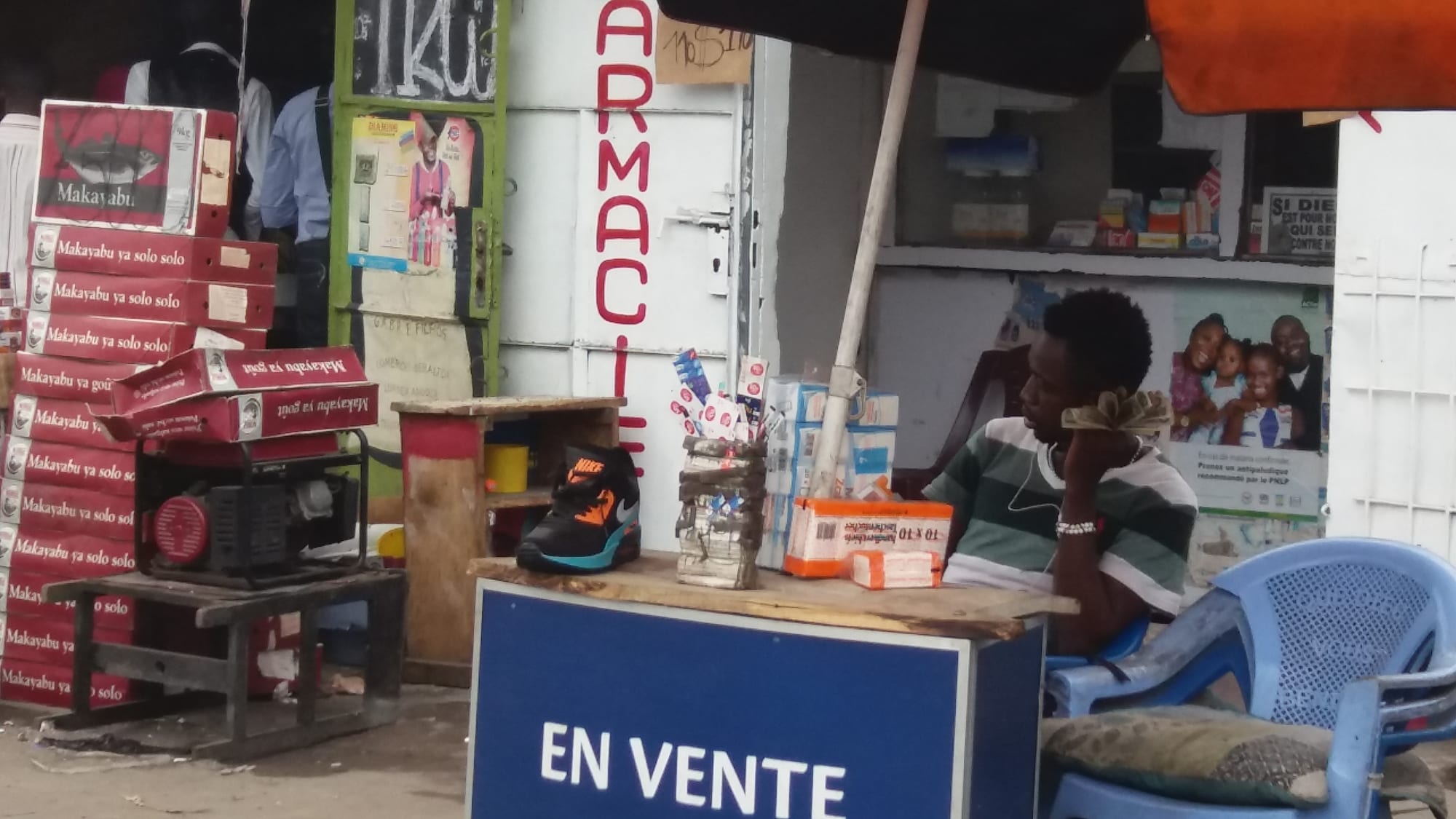
Congolese call it Article 15 — a popular saying, not a real law, that jokingly cites an imaginary constitutional article said to read simply "débrouillez-vous", or "fend for yourself" — and it describes how many ordinary days actually work in the Democratic Republic of the Congo more accurately than any official statistic. With formal employment scarce nationwide, the day usually opens with some kind of trade: produce laid out on a cloth, phone credit sold in small amounts, a batch of bread or fried dough carried out to sell. Extended family and neighbourhood networks fill in where the state does not, and a huge share of the population, in cities and villages alike, spends the day finding a way to get by rather than clocking into a fixed job.
Family and home life
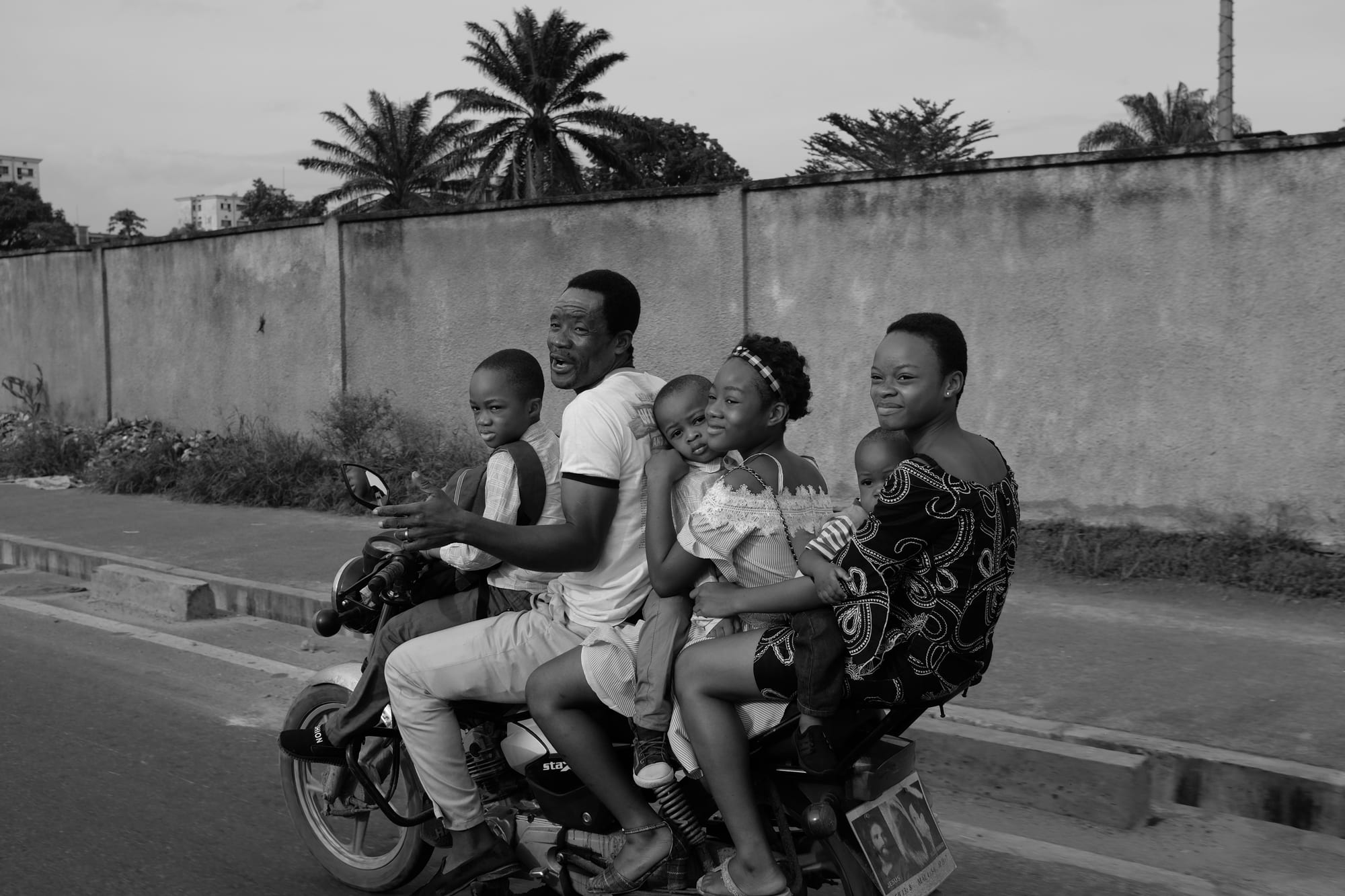
Households are often large and multigenerational, commonly extending well beyond parents and children to grandparents, aunts, uncles and cousins, all considered part of one family unit with mutual obligations. Many communities follow a patrilineal tradition, while others, such as the Bakongo, traditionally trace descent through the mother, and a family's standing and reputation matter enough that raising children to respect elders and contribute to the household is a stated priority in itself. Within the home, women often carry the heaviest daily load: cooking, fetching water, caring for children and grinding or preparing food, alongside whatever trading or farming work brings in income, while men more often hold formal authority over decisions even when they are not the ones doing the domestic work.
Work, school and the rhythm of the day
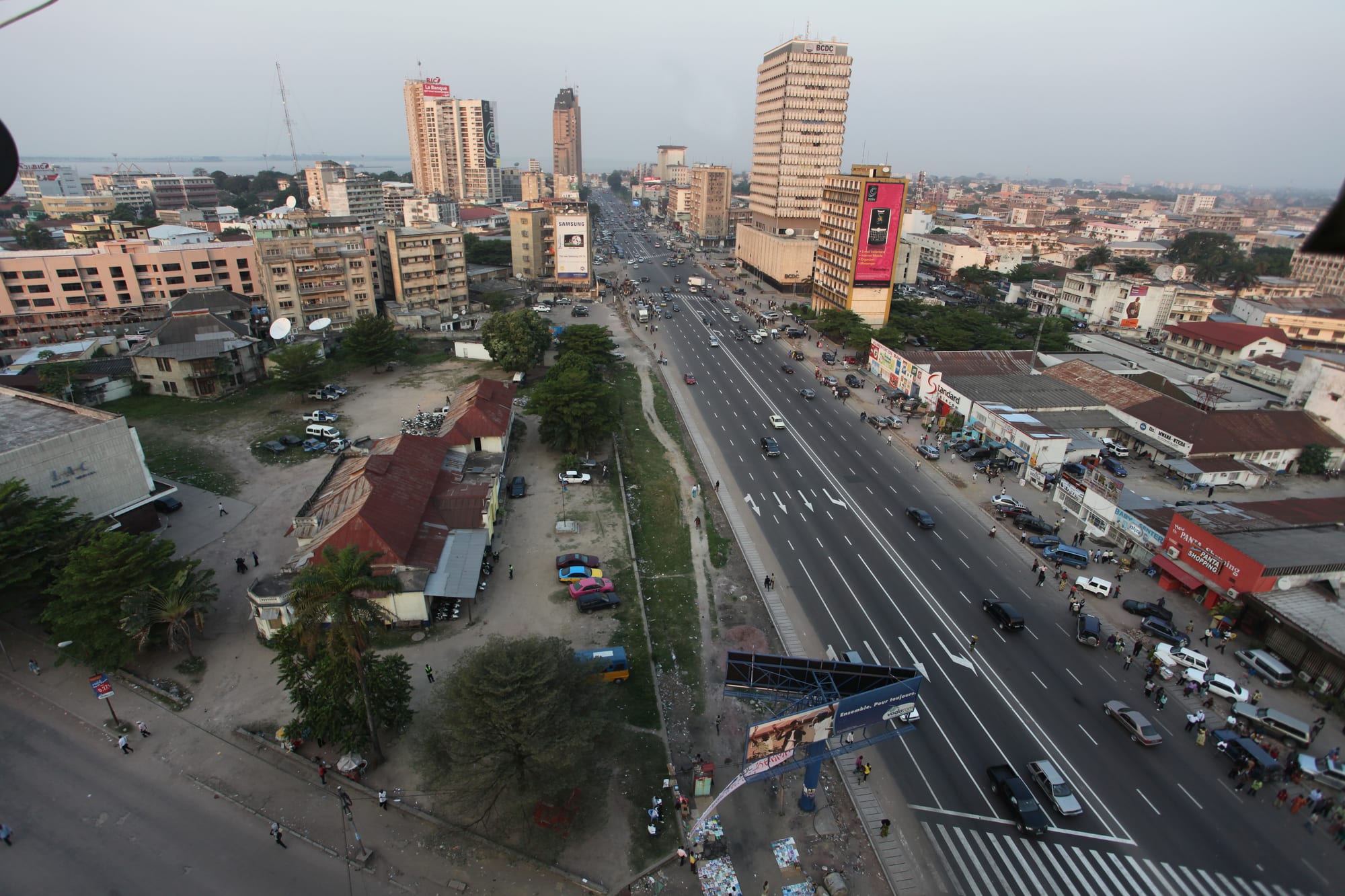
Only a small share of the working population holds a formal salaried job; most people support their household through trading, small-scale farming, transport, or artisanal work, often stitched together from more than one source at once. Since September 2019, government policy has made public primary education free nationwide, a change aimed at the many children whom school fees had long kept out of the classroom. French is the main language of schooling and of government business, even though most people speak Lingala, Swahili, Kikongo or Tshiluba as their everyday first language. In Kinshasa, the working day is bookended by a notoriously slow commute: choked, potholed roads mean rush-hour traffic can crawl below 10 kilometres an hour, and a trip from the outer communes to the city centre can take two hours or more.
Community life and public spaces
The market is the real centre of public life almost everywhere in the country, the place where produce, cloth, phone credit and prepared food change hands and where most people's daily contact with anyone outside their own household actually happens. Getting there and back usually means a shared taxi or minibus running a fixed route and picking up passengers along it for a small fare, or, in Kinshasa, one of the crowded yellow cabs and motorbike taxis that fill the city's main boulevards. Churches, of many denominations, are the other major gathering point nationwide, drawing large, often lengthy congregations, especially on Sundays.
Free time and weekends
Sunday is the shared day of rest nationwide and, for many families, centres on church, which can take up a large part of the morning, followed by a family meal. Music is a constant thread through free time everywhere: Congolese rumba and its offshoots, soukous and ndombolo, play from radios, market stalls and passing cars, and going out to hear live music remains one of the most popular things to do with a free evening in the cities. Football, the most popular sport, is followed closely nationwide, watched on the radio or, where electricity and a set allow, on television in a shared space with neighbours.
A visitor's ordinary day
The economy runs mostly on cash and is heavily dollarised: US dollars are used for larger transactions alongside the Congolese franc, and only clean, undamaged dollar bills are accepted, so worn notes are best left at home. Electricity supply is unreliable even in Kinshasa, and mobile networks carry most everyday communication and payment. There is no fixed public transport timetable to plan around; shared taxis and minibuses leave when full rather than on a schedule, and fares are settled by asking rather than reading a posted price. Given the extremely limited road network outside the cities, moving any distance usually means a domestic flight or a river barge on the Congo rather than an overland journey.
What to take away
What defines an ordinary day in the Democratic Republic of the Congo is less a fixed routine than the constant, resourceful work of building one: Article 15, the joke that has become a genuine national ethic, describing a country where getting by is itself the daily achievement.