Culture & Customs · Czechia
Czechia: Old Customs in a Secular Land
One of Europe's least religious countries, where the baby Jesus still brings the Christmas presents, flowers come in odd numbers, and masked processions, marionettes and rose-decked horses carry folk tradition into the present
By Worldlore Editorial · 30 September 2026
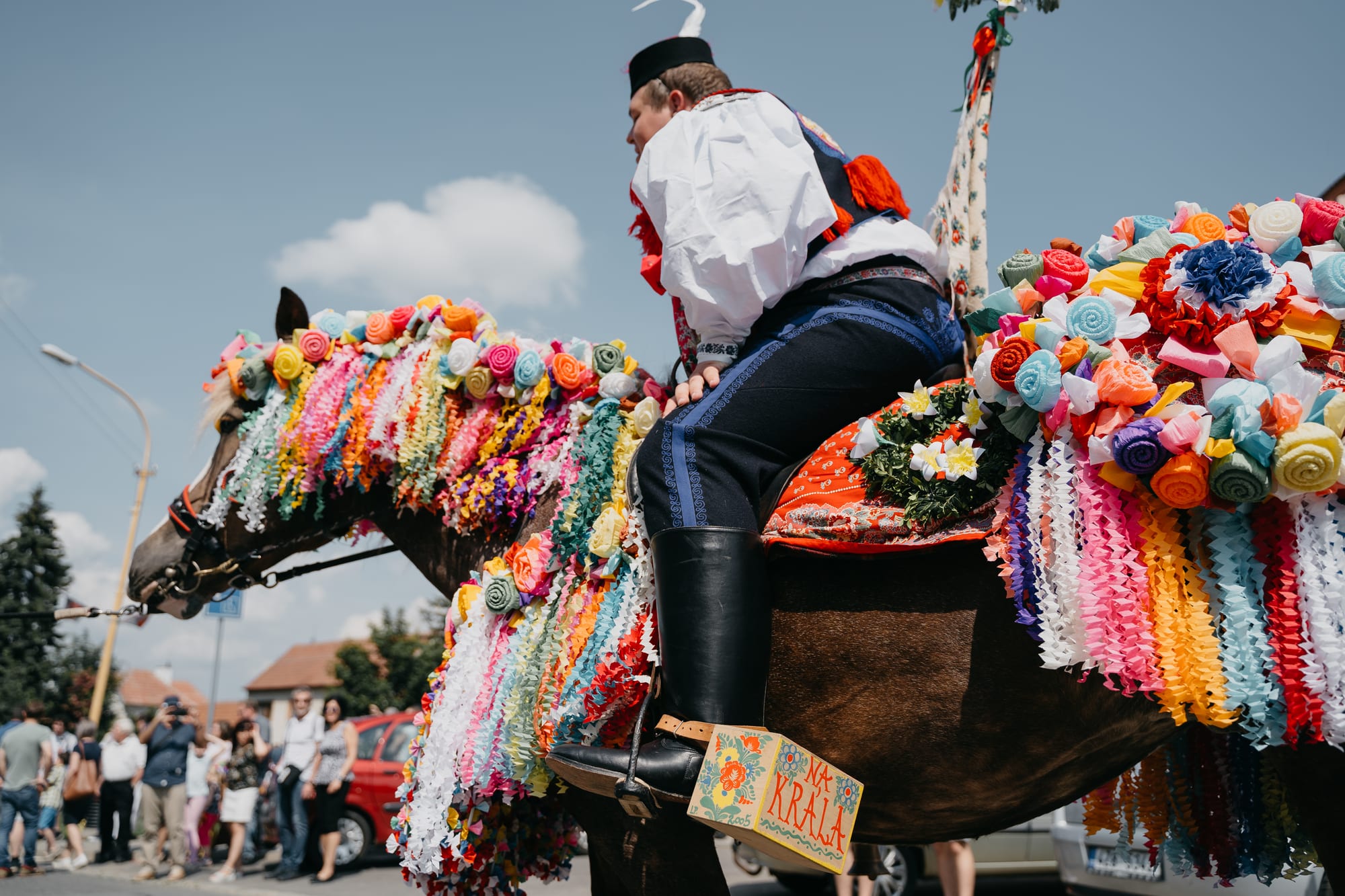
Early on Easter Monday, groups of boys and young men set out through the village carrying the pomlázka, a whip of braided willow rods. At each house they recite a short Easter rhyme and give the women and girls a playful swish across the legs or back, a gesture said to pass on youth and health. In return they receive painted eggs, ribbons to tie to their rods and, for the grown men, a glass of something strong. The custom is very old and is linked in traditional belief with health, youth and fertility, and today it divides opinion: many women find it outdated, and in the big cities it has largely faded away. Yet in villages it goes on, a small example of something that runs through Czech life — old customs kept up with affection, in a country where very few people now go to church.
Faith, identity and values
Czechia is one of the most secular countries in Europe. In the 2021 census, nearly half of all residents declared no religious belief, and around 30 per cent left the voluntary question blank. Only 7 per cent identified with the Roman Catholic Church, and a further 9 per cent described themselves as believers without belonging to any church. Many of the country's great churches are visited today as much for their architecture and music as for worship.
That secularism does not mean indifference to ritual. The Christian calendar still structures the year, and some of its observances are kept by almost everyone. On Dušičky, All Souls' Day on 2 November, families clean and decorate the graves of their relatives, leaving candles, wreaths and flowers, and small toys on the graves of children. The late Cardinal Miloslav Vlk described it as the country's second largest religious holiday after Christmas, and one celebrated by believers and non-believers alike.
Several shared values shape everyday behaviour. Czechs are known for self-reliance, summed up in the phrase zlaté české ručičky, "golden Czech hands": the ability to fix almost anything with whatever is to hand, honed during decades when even simple goods could be hard to find. Public life is quiet and orderly. People tend to speak softly in public spaces and can be irritated by loud conversation, and courtesy on public transport, such as giving up a seat to an older person, a pregnant woman or a child, is expected. Formality matters too: professional and academic titles are taken seriously, and people may be addressed as pan inženýr, "Mr Engineer", or paní doktorka, "Mrs Doctor".
Greetings and meeting people
On entering a shop, office or even a lift, the polite thing is to say dobrý den, "good day", or dobrý večer, "good evening", after about six o'clock, and na shledanou, "goodbye", on leaving. A handshake is the usual greeting when meeting someone for the first time, and a host shakes hands with guests at the door both on arrival and on departure. Once people know each other, women often greet with a kiss on both cheeks, and close female friends may hug, while men generally avoid physical contact beyond the handshake. A younger person greets an older one first, and holds the door for them.
Czech distinguishes clearly between formal and informal forms of address. Formal speech is used with teachers, bosses, doctors and friends' parents, while the informal form is kept for family, friends, children and people of a similar age once an acquaintance has been made. Moving from one to the other is a small but real step in a relationship, and foreigners are often thought to reach for the casual ahoj, "hi", far too soon. It is wiser to wait for a Czech host to suggest first names.
Hospitality and being a guest
Shoes come off at the door of a Czech home unless the host insists otherwise, and guests are often offered a pair of slippers to wear indoors. Flowers are the classic gift for a host. They should be given in odd numbers, since even numbers are for funerals, and any paper wrapping is removed before the bouquet is handed over.
At the table, the meal begins with dobrou chuť, the Czech equivalent of bon appétit. Leaving food on the plate is considered impolite, so a modest first helping is sensible. Toasts follow a firm ritual: each person looks the other in the eye, clinks glasses and says na zdraví, "to your health". When several people are toasting together, it is considered bad form to cross arms with someone else to reach a person on the other side. In restaurants, rounding up the bill or leaving a modest tip for good service is usual.
Festivals and life's big moments
The winter festive season begins on the evening of 5 December, when St Nicholas, Mikuláš, appears in bishop's robes accompanied by an angel and a devil, the čert, often with a coal-blackened face and rattling chains. Between them they reward well-behaved children with sweets and give the naughty ones a fright. Christmas Eve, Štědrý den, is the heart of Christmas. Tradition holds that anyone who fasts all day will see a golden piglet in the evening, and old fortune-telling customs survive in many homes: an apple is cut across the middle, and a star in the core promises health and happiness, while unmarried women throw a shoe over their shoulder towards the door to see whether they will marry in the coming year.
Before Lent comes masopust, the Shrovetide carnival. In the villages around the town of Hlinsko, men and boys in traditional masks go from door to door with a brass band, and at each house, with the householder's permission, four of them perform a ritual dance to secure a good harvest and prosperity for the family. These processions are inscribed on UNESCO's list of intangible heritage. At Easter, girls decorate eggs, known as kraslice, with wax-resist, painted or etched designs, ready for the pomlázka visits on Easter Monday.
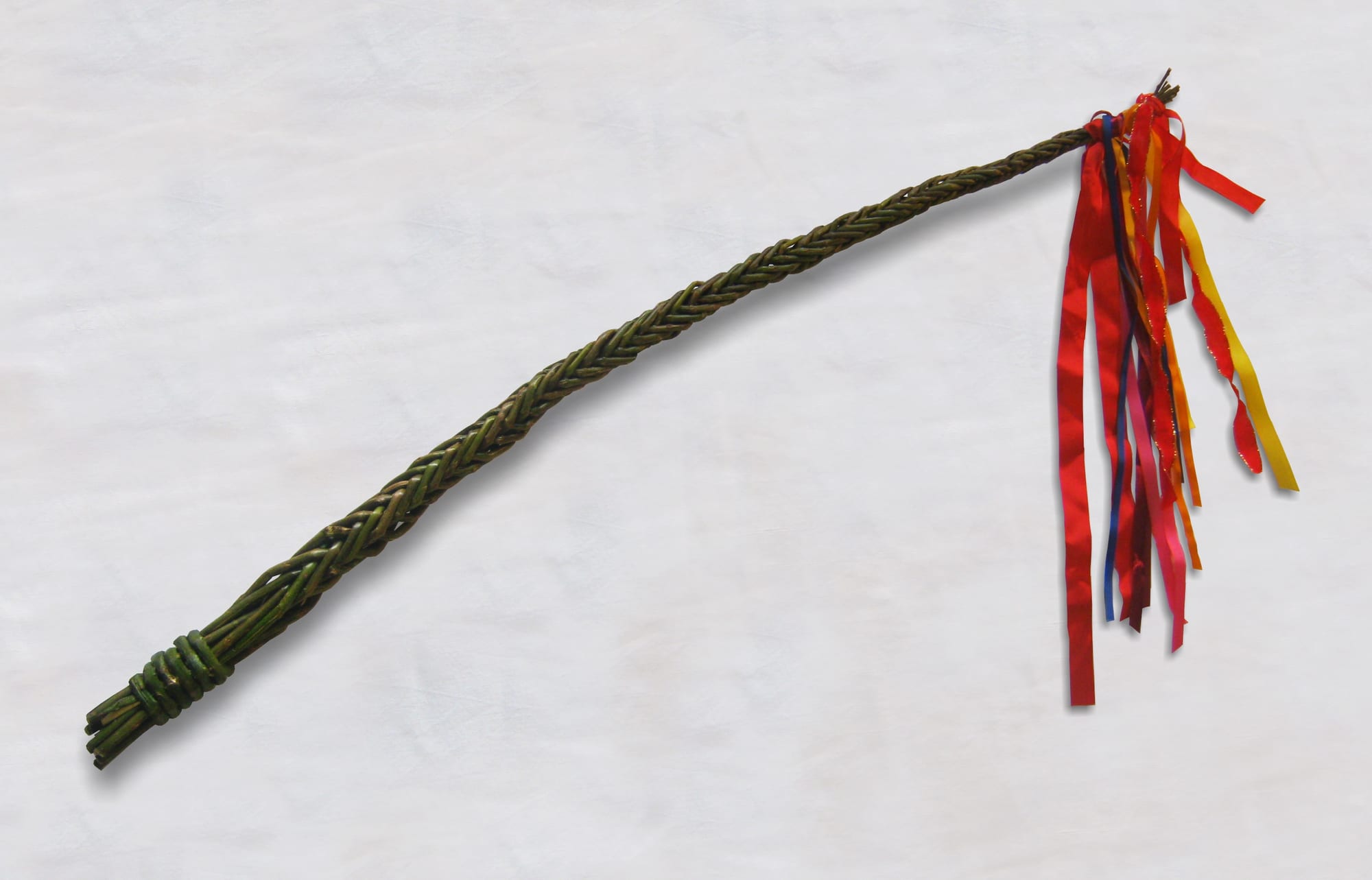
At Pentecost, the Ride of the Kings, also on UNESCO's list, takes place in a handful of towns and villages in the south-east. Young men ride in procession on horses decorated with ribbons and paper flowers, led by chanters and followed by pageboys with drawn sabres who guard the king, a young boy with his face partly covered and a rose held in his mouth. The king and his pages wear women's ceremonial costume, and as the procession goes, the riders stop to call out short rhymes that poke gentle fun at the character and conduct of the spectators.
Weddings are rich in customs. Friends of the couple may block the way to the ceremony until the groom pays a ransom for his bride, and guests wear a sprig of myrtle tied with a white bow. At the reception, a plate is smashed at the couple's feet and they sweep up the pieces together, a sign that they can work as a team, while the noise is said to scare off evil spirits. The newlyweds share a single bowl of soup with a single spoon, which is sometimes deliberately full of holes, and later in the evening the groom's friends may "kidnap" the bride, usually to the nearest pub. Finally, the husband carries his wife over the threshold of their new home, to outwit the evil spirits said to lurk beneath it.
Arts, crafts and music
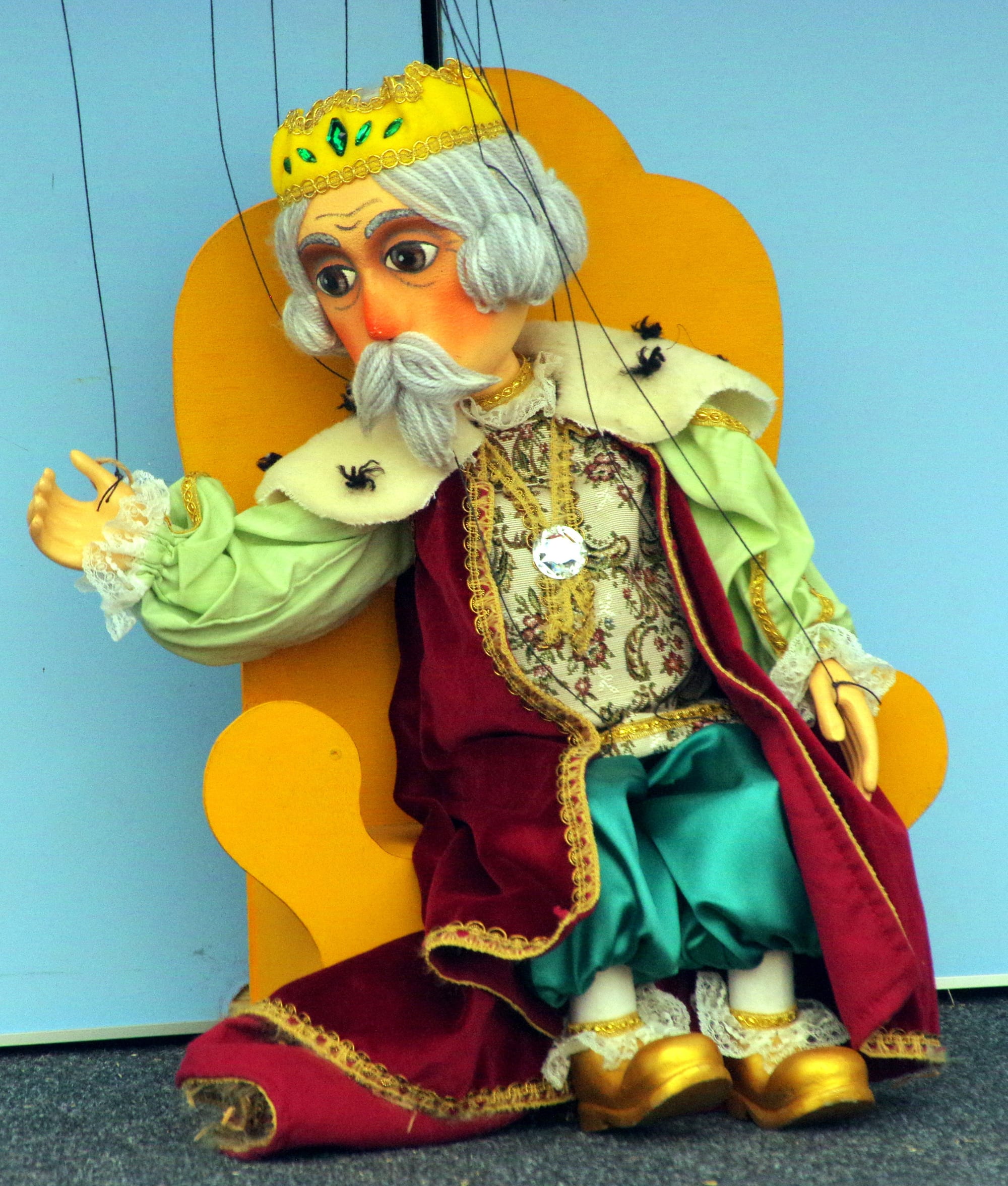
Puppetry holds a special place in Czech culture and is inscribed on UNESCO's list, jointly with Slovakia. The tradition was carried by families of travelling puppeteers, whose plays gradually absorbed local languages and themes and gave rise to comic characters with distinctive personalities. The puppets, mostly carved from wood, are worked in a variety of ways, and puppet theatre is valued not only as entertainment but as a way of teaching moral values and helping young people learn to communicate and cooperate. The country's amateur theatre, performed by companies in towns across Czechia, joined UNESCO's list more recently.
Glass is the other great craft. Handmade glass production, the shaping and decorating of hot and cold glass, is prized for its craftsmanship and for the teamwork it demands, with each glassmaker building on the step before. The skills are passed down within families, through apprenticeships in glassworks and at specialist schools, and the craft has its own vocabulary and festive traditions. A more delicate branch of it, the making of Christmas tree decorations from blown glass beads, has been practised in the mountains of northern Bohemia since the late eighteenth century. A heated glass tube is blown into a brass mould to form a string of beads, which is silvered, coloured and hand-painted, then cut and threaded onto wire to make ornaments. Only one workshop survived the end of the socialist economy, and the craft is now on UNESCO's list.
Folk traditions are recognised in other forms too. The verbuňk, a vigorous improvised dance once associated with the recruitment of soldiers, was one of the first Czech traditions on UNESCO's list, and blueprint textile printing, a resist-dyeing technique shared with several neighbouring countries, and timber rafting on the rivers have both been added since.
Dos and don'ts for visitors
- Do say dobrý den when entering a shop, office or lift, and na shledanou when leaving.
- Do shake hands when meeting someone, and wait for a Czech acquaintance to suggest first names or the informal ahoj.
- Do take shoes off when entering a home unless the host says otherwise.
- Do bring flowers in an odd number and remove the wrapping before handing them over; even numbers are for funerals.
- Do look each person in the eye when clinking glasses and saying na zdraví, and avoid crossing arms with others.
- Do speak quietly in public and give up a seat on public transport to older people, pregnant women and children.
- Don't leave food on the plate when eating in someone's home.
- Don't use professional titles carelessly; they are taken seriously and are often used in address.
What to take away
Czechia wears its faith lightly but keeps its customs close — a greeting in every shop, flowers in odd numbers, candles on the graves in November — and visitors who observe the small courtesies will find a reserved people turning warm and generous in return.