Attractions & Natural Wonders · Czechia
Czechia: Nine Attractions and Natural Wonders
A statue-lined bridge over the Vltava, the largest ancient castle in the world, a chapel decorated with 40,000 human bones, and a sandstone gateway in a forest
By Worldlore Editorial · 9 September 2026
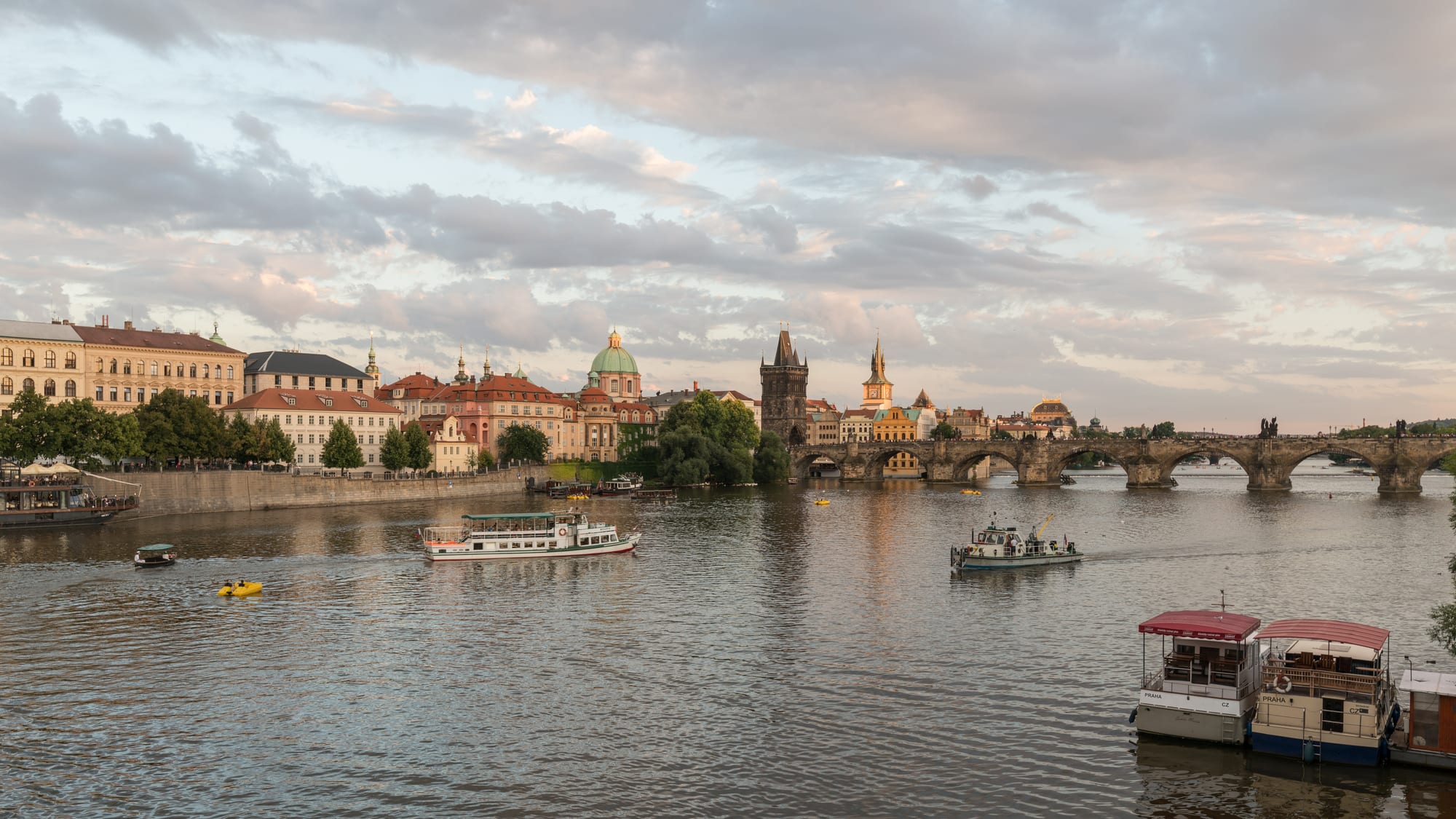
The heart of Central Europe
Czechia — the Czech Republic — is a small, landlocked country of Bohemia in the west and Moravia in the east, at the centre of the continent. It came through the 20th century with its historic towns largely intact: no major wartime bombing, and decades of communist neglect that, for all its costs, preserved rather than redeveloped. The result is a country dense with well-kept old squares, castles, and spa towns, on top of a strong tradition of beer, glass, and music.
The nine below cluster around Prague, with day trips out into Bohemia. Spring and autumn are ideal; Prague is busy year-round and magical (if cold) at Christmas.
1. Prague Castle and Hradčany
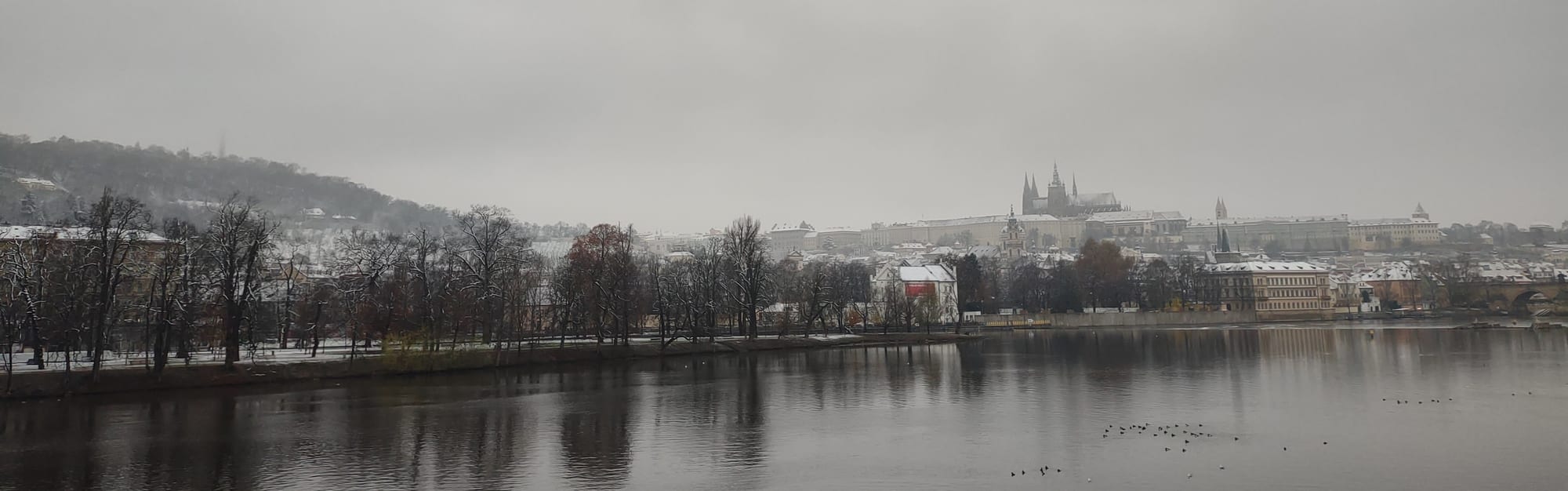
Prague Castle has been the seat of Bohemian kings, Holy Roman emperors, and now the Czech president for over a thousand years — a walled hilltop town in its own right, built around the Gothic St Vitus Cathedral, with royal palaces, the Romanesque St George's Basilica, and the tiny artisans' cottages of Golden Lane. Below it spreads Hradčany and the Lesser Town (Malá Strana), a district of baroque palaces and gardens.
Go early or late to beat the tour groups; the changing of the guard is at noon.
2. Charles Bridge and the Old Town
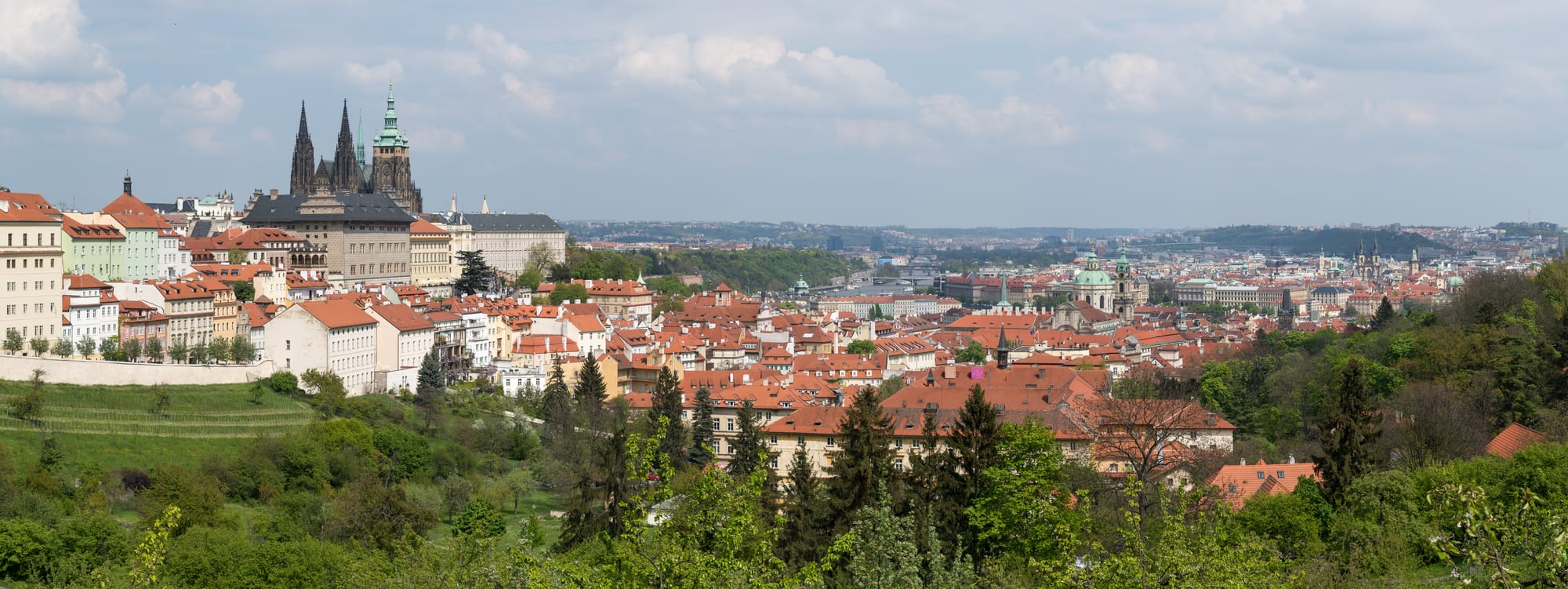
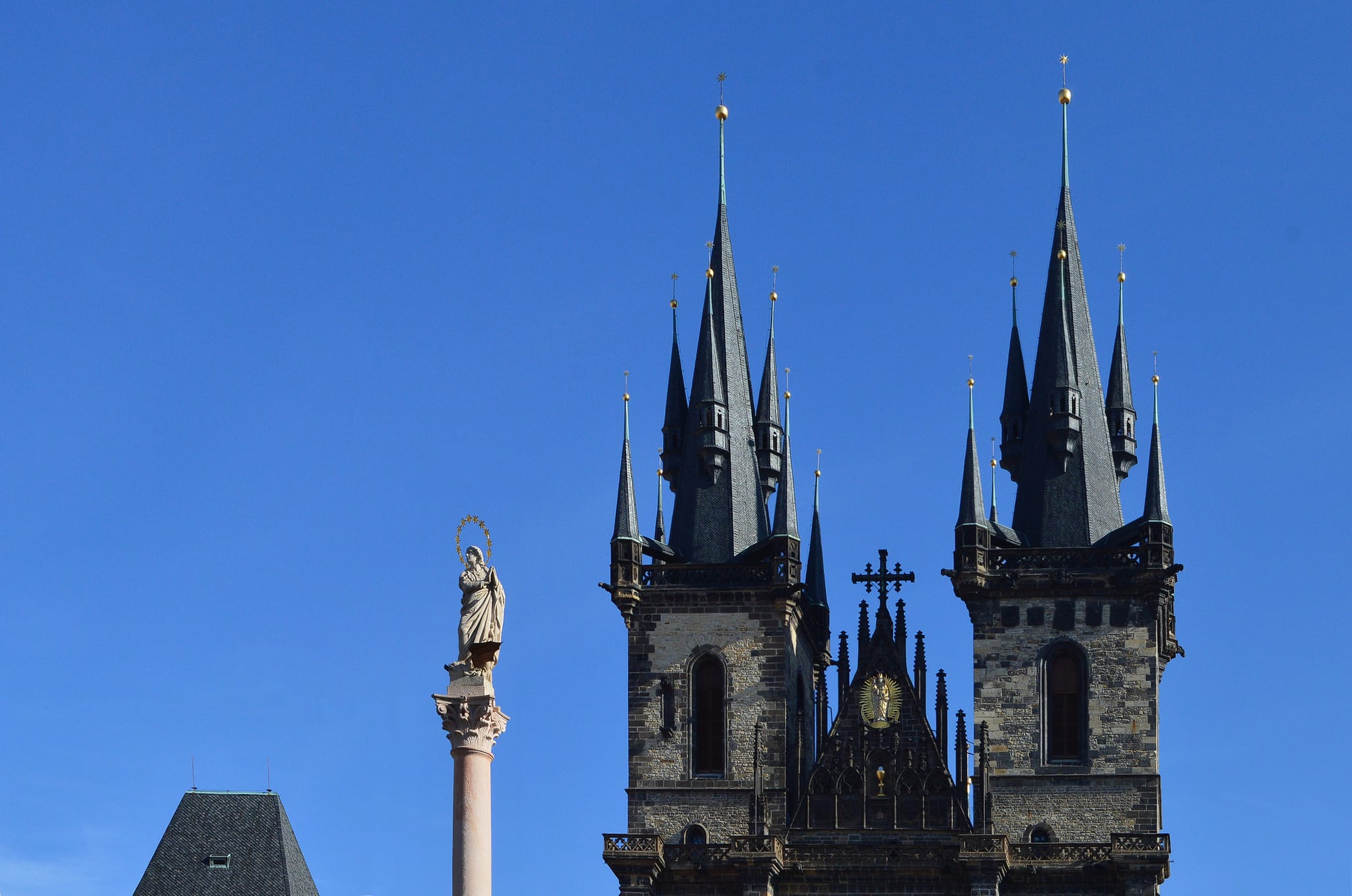
The pedestrian Charles Bridge, begun in 1357, crosses the Vltava on sixteen arches lined with baroque statues of saints, linking the castle side to the Old Town. At the Old Town end, the Old Town Square is ringed by the twin-spired Týn Church, the baroque St Nicholas, and the Old Town Hall with its Astronomical Clock, whose figures parade every hour for a crowd. The whole historic centre — Old Town, Lesser Town, New Town, and the Jewish Quarter with its ancient cemetery and synagogues — is a UNESCO World Heritage Site.
3. The Astronomical Clock and Jewish Quarter
The Orloj is the world's oldest astronomical clock still in operation: an astrolabe dial showing the sun and moon against the zodiac, a calendar wheel below, and, on the hour, a small mechanical show — Death rings a bell, the Apostles pass a window, a cockerel crows. Legend says the clockmaker was blinded so he could never make another.
A few blocks north, Josefov, the former Jewish ghetto, has six preserved synagogues, the tilting gravestones of the Old Jewish Cemetery, and a memorial listing the 78,000 Czech Jews killed in the Holocaust.
4. Český Krumlov
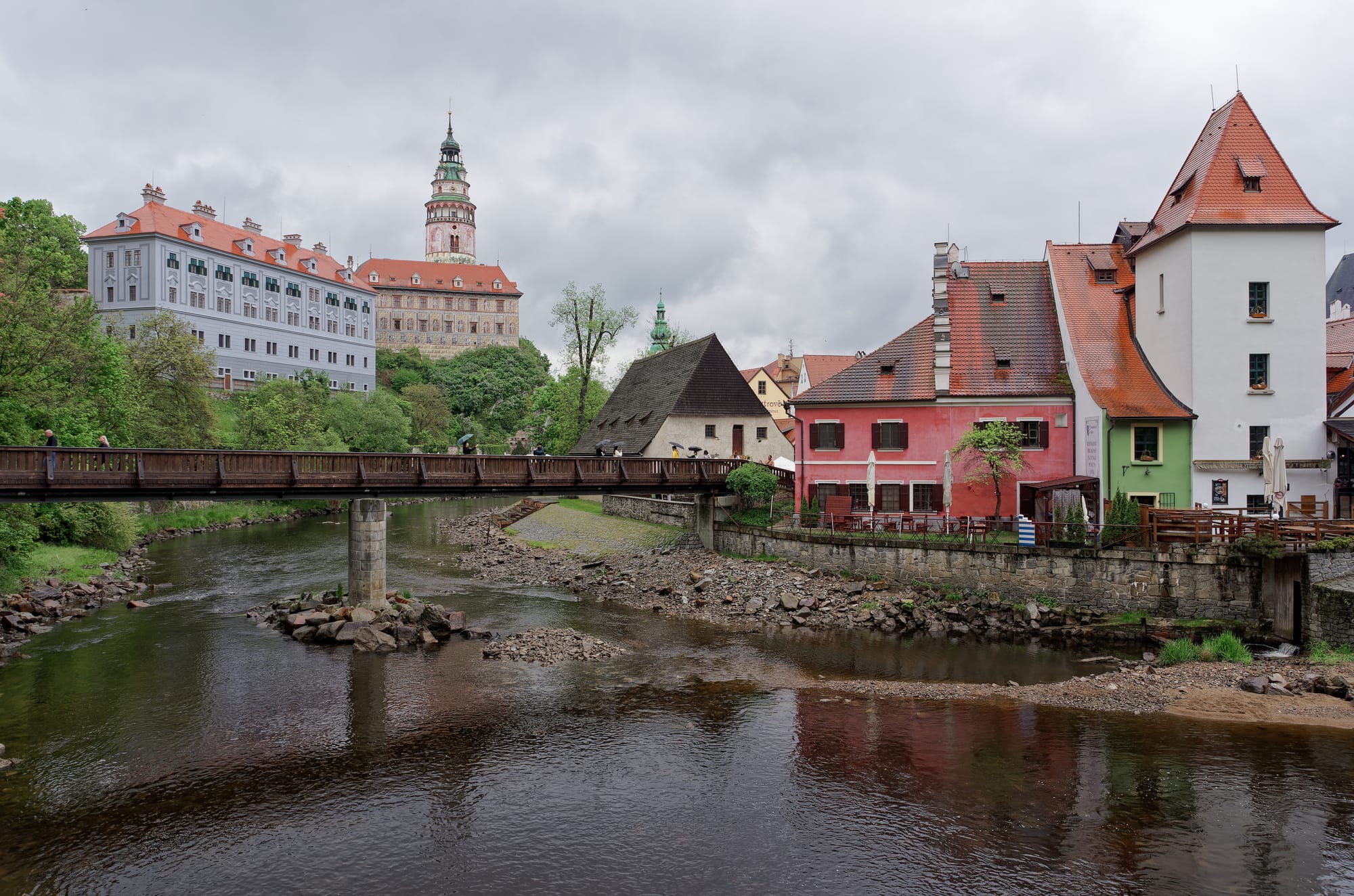
Three hours south of Prague, Český Krumlov is an almost perfectly preserved medieval and Renaissance town, wrapped in a hairpin bend of the Vltava and overlooked by a sprawling castle with a painted round tower and one of the few surviving baroque theatres in the world (with original stage machinery). The old town is a UNESCO World Heritage Site.
It is small, very popular, and best with an overnight so you have the streets in the early morning and evening. River rafting and tubing run through town in summer.
5. Kutná Hora
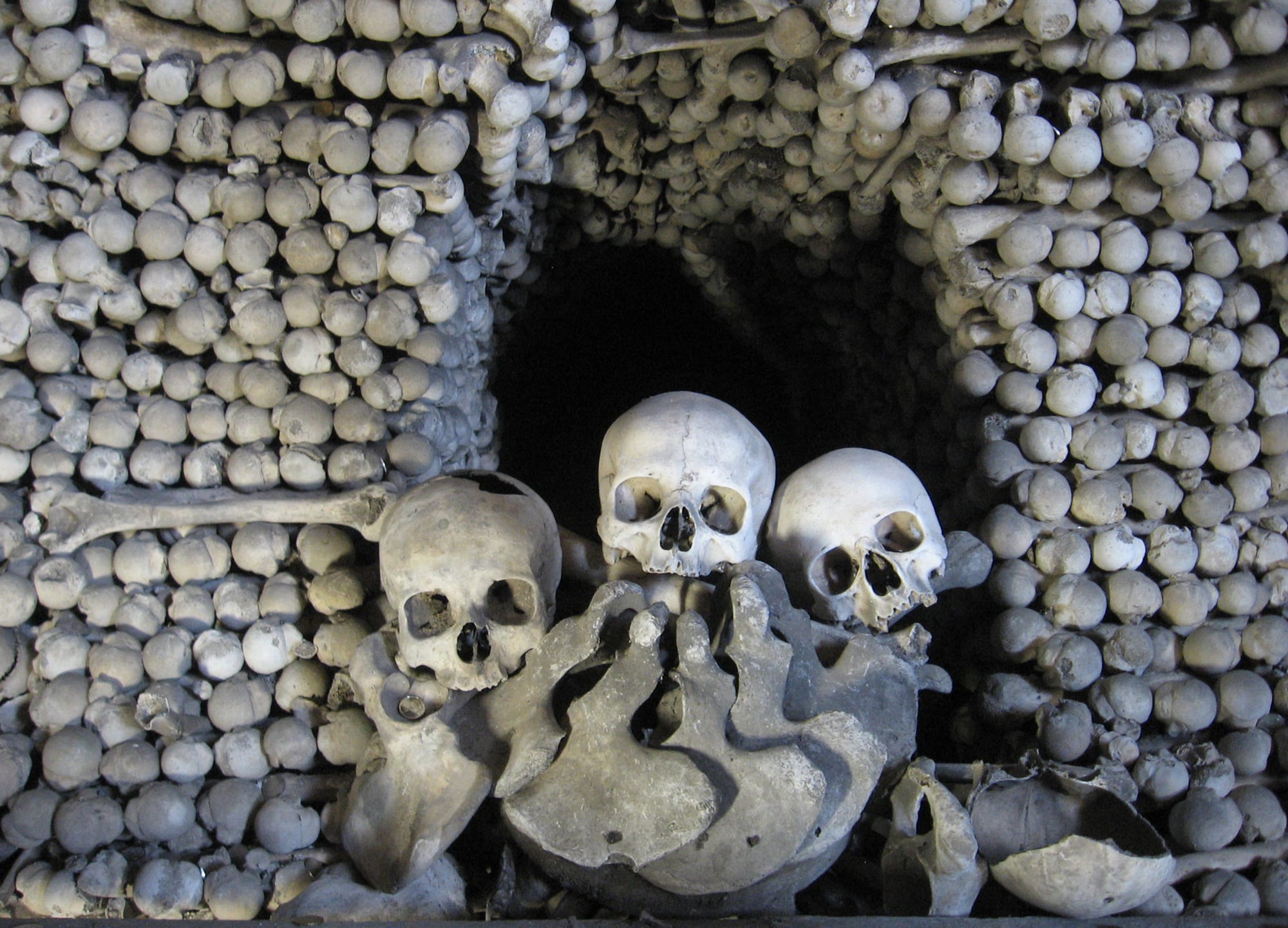
Kutná Hora, an hour east of Prague, grew rich on silver in the Middle Ages — rich enough to rival the capital, and to build the flamboyant Gothic Church of St Barbara, patron of miners. But its most famous sight is smaller and stranger: the Sedlec Ossuary, a chapel whose interior — chandelier, coats of arms, garlands — is built from human bones, arranged by a woodcarver in 1870.
Both the church and the ossuary are part of the town's UNESCO World Heritage listing.
6. Bohemian Switzerland
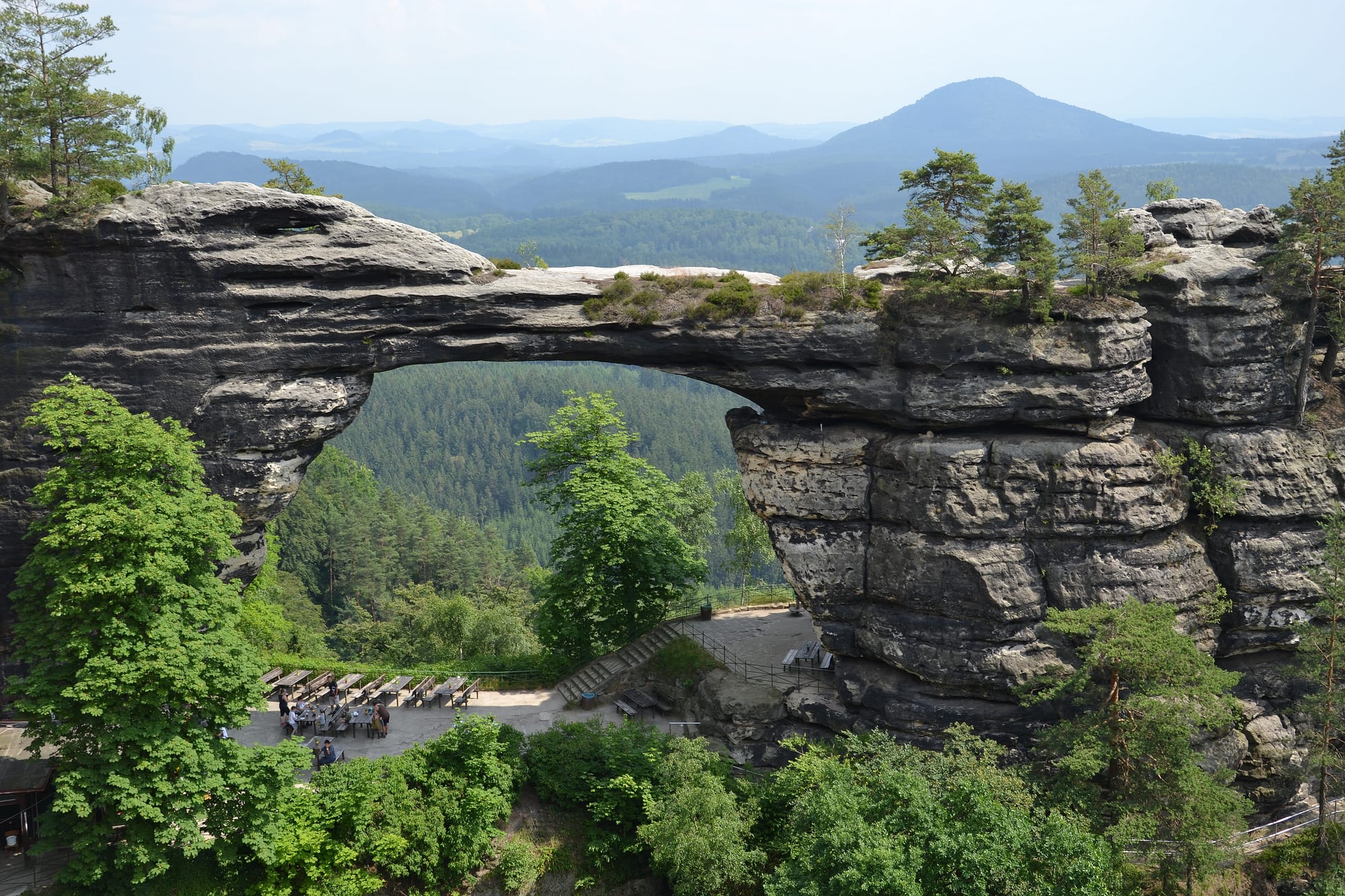
On the German border north of Prague, the České Švýcarsko national park is a landscape of eroded sandstone — pillars, gorges, and mesas in deep forest, cut by the Kamenice river, which you float through on small punts between sheer walls. Its emblem is Pravčická brána, a 26-metre natural rock arch reached by a woodland walk to a 19th-century chateau restaurant beneath it.
A major wildfire in 2022 burned part of the park; recovery is ongoing and some trails may be affected.
7. Karlštejn Castle
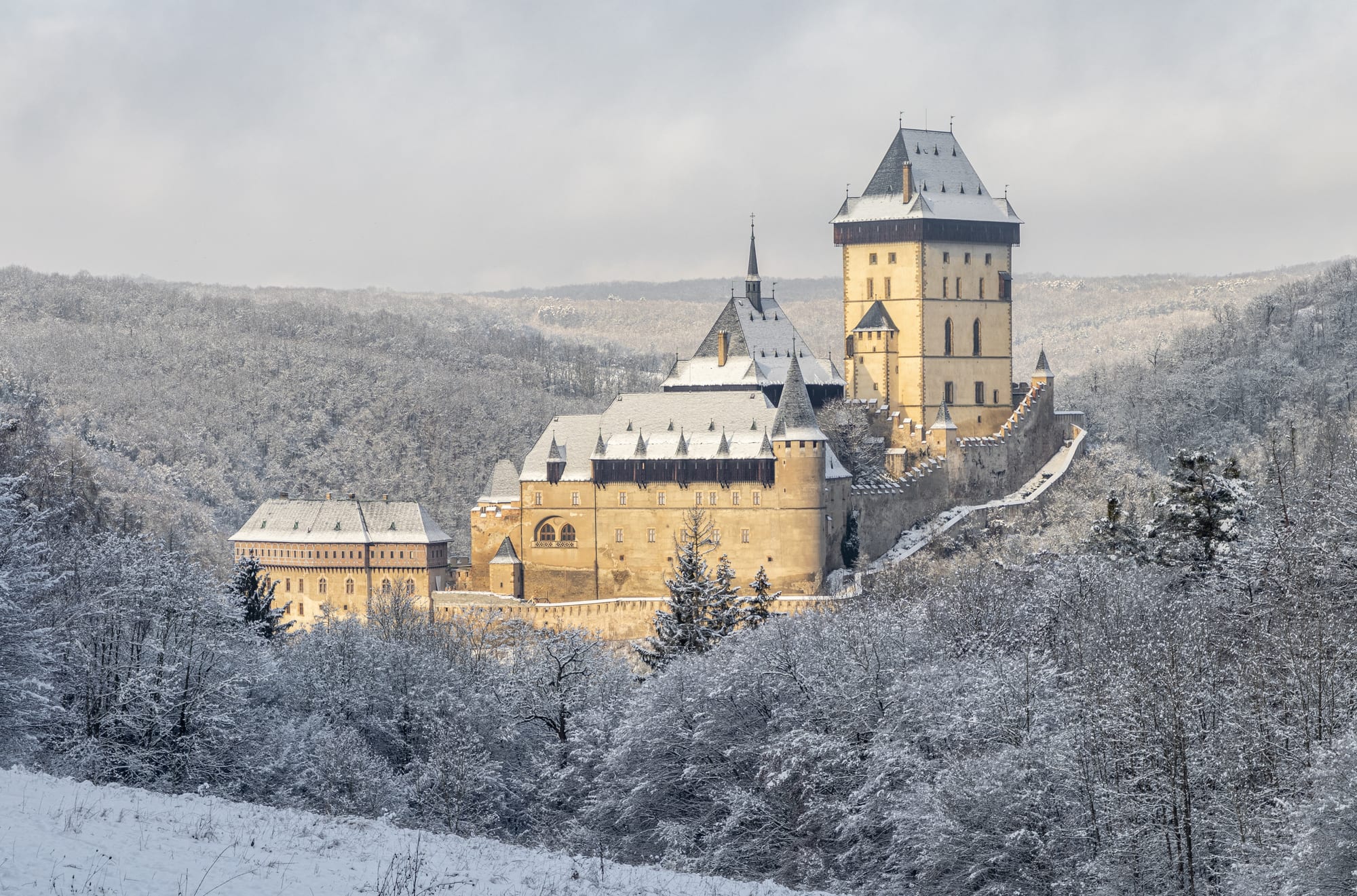
Half an hour southwest of Prague by train, Karlštejn is the country's most-visited castle after the one in the capital — a fairytale pile of stepped towers built by Charles IV as a strongroom for the imperial regalia and holy relics. Its inner sanctum, the Chapel of the Holy Cross, has walls set with 129 painted panels and semi-precious stones and a gilded ceiling.
It makes an easy half-day from Prague, often combined with the nearby Koněprusy caves or the Karlštejn vineyards.
8. Karlovy Vary and the spa towns
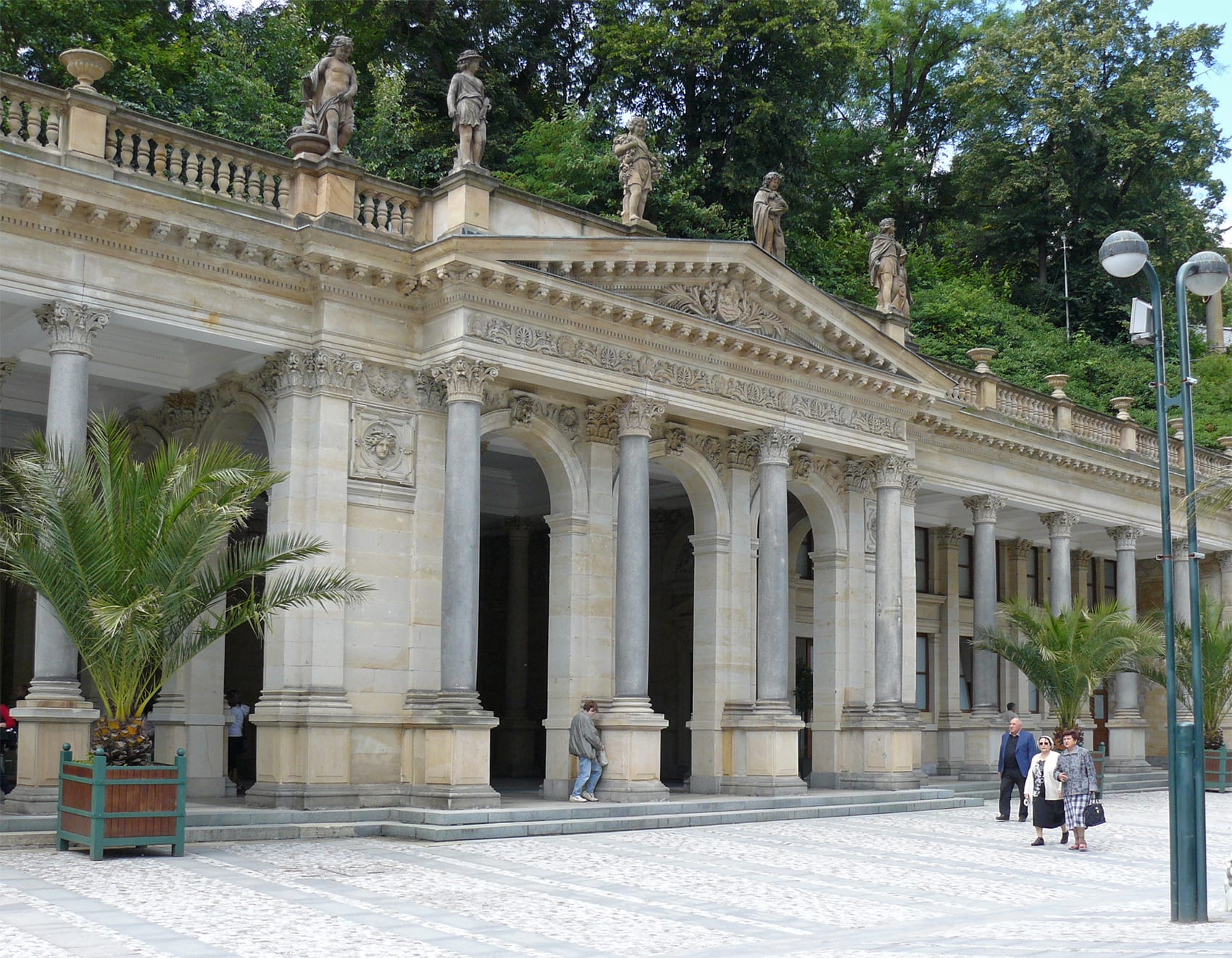
Karlovy Vary (Carlsbad), in a wooded valley in western Bohemia, grew up around a dozen hot mineral springs, and in the 19th century it was one of Europe's most fashionable resorts — visited by Goethe, Beethoven, and half the crowned heads of the continent. You stroll the colonnades sipping the sulphurous water from spouted cups, take the funicular to the lookout, and buy the wafers and the herbal liqueur Becherovka. It is a UNESCO World Heritage Site as part of "The Great Spa Towns of Europe", along with Mariánské Lázně nearby.
9. Telč and Moravia
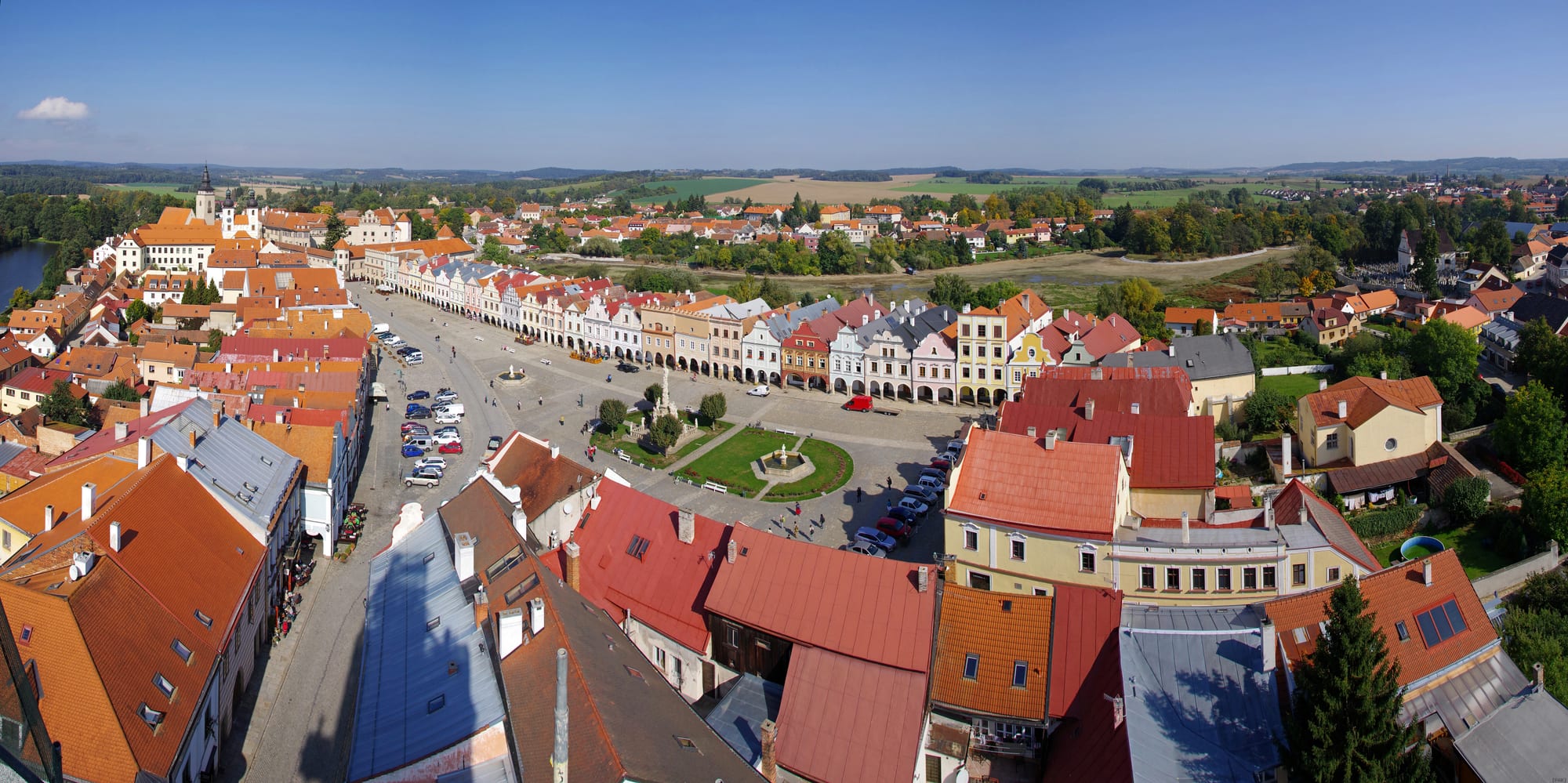
Telč, in the Bohemian-Moravian highlands, has one of the most beautiful town squares in Central Europe: a long, tapering plaza lined with pastel arcaded houses, each with a different Renaissance or baroque gable, ringed by fishponds and closed off by a chateau. It is a UNESCO World Heritage Site and, being off the main tourist track, usually quiet.
Moravia more widely is Czech wine country, with the painted cellars of the Lednice–Valtice cultural landscape (another UNESCO site), the caves of the Moravian Karst, and the lively city of Brno.
Czechia is compact and superbly connected by train and bus. Prague deserves three or four days; Český Krumlov, Kutná Hora, Karlštejn, and Bohemian Switzerland are all day trips or short hops, and Moravia rewards a few days more.