History · Cyprus
Cyprus: The Divided Island
Ancient copper and Aphrodite, layer on layer of empire, a British colony, and an island split between Greeks and Turks since 1974
By Worldlore Editorial · 19 September 2026
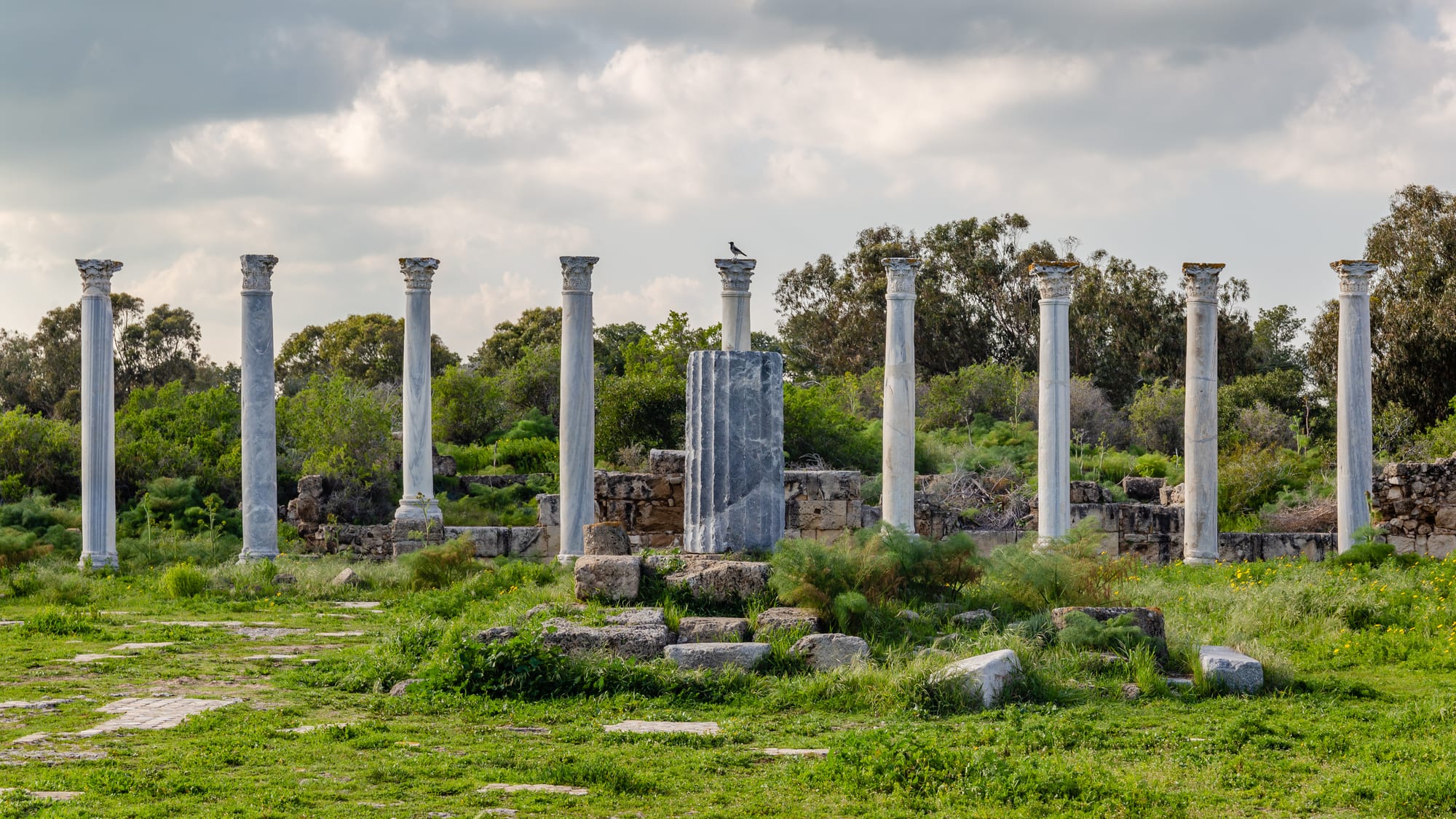
An island in the corner of the sea
Cyprus is the third-largest Mediterranean island, tucked into the sea's far-eastern corner within sight of Turkey and Syria. Its 1.2 million people are about seven-eighths Greek Cypriot — Greek-speaking, Orthodox Christian — and about one-eighth Turkish Cypriot, Turkish-speaking and Muslim. Since 1974 the island has been physically divided: an internationally recognised Republic of Cyprus in the Greek Cypriot south, a Turkish-Cypriot statelet recognised only by Turkey in the north, a UN buffer zone between them running through the divided capital, and two British military bases left over from empire. It is the only country in the European Union with part of its territory occupied by a foreign army, and Nicosia is the last divided capital in Europe.
A short history
- c. 7000 BCE
Choirokoitia
One of the Mediterranean's earliest villages.
- c. 1200 BCE
Greek settlement
Mycenaean settlers establish the Greek language; city-kingdoms and the cult of Aphrodite.
- 58 BCE
Rome
Cyprus becomes a Roman province; Christianity arrives with Paul and Barnabas.
- 1191
The Latin East
Richard the Lionheart takes Cyprus; the French Lusignan kingdom follows.
- 1489 / 1571
Venice, then the Ottomans
Venice takes the island, then loses it to the Ottoman Empire.
- 1878
Britain
Britain takes over the administration; a Crown Colony from 1925.
- 1955–1959
The EOKA revolt
A Greek Cypriot guerrilla campaign for union with Greece.
- 1960
Independence
A power-sharing Republic of Cyprus — neither union nor partition.
- 1963–64
Breakdown
The constitution collapses; intercommunal fighting; UN peacekeepers arrive.
- 20 July 1974
The Turkish invasion
After a Greek-backed coup, Turkey occupies the northern third of the island.
Copper, Greek, and Christian
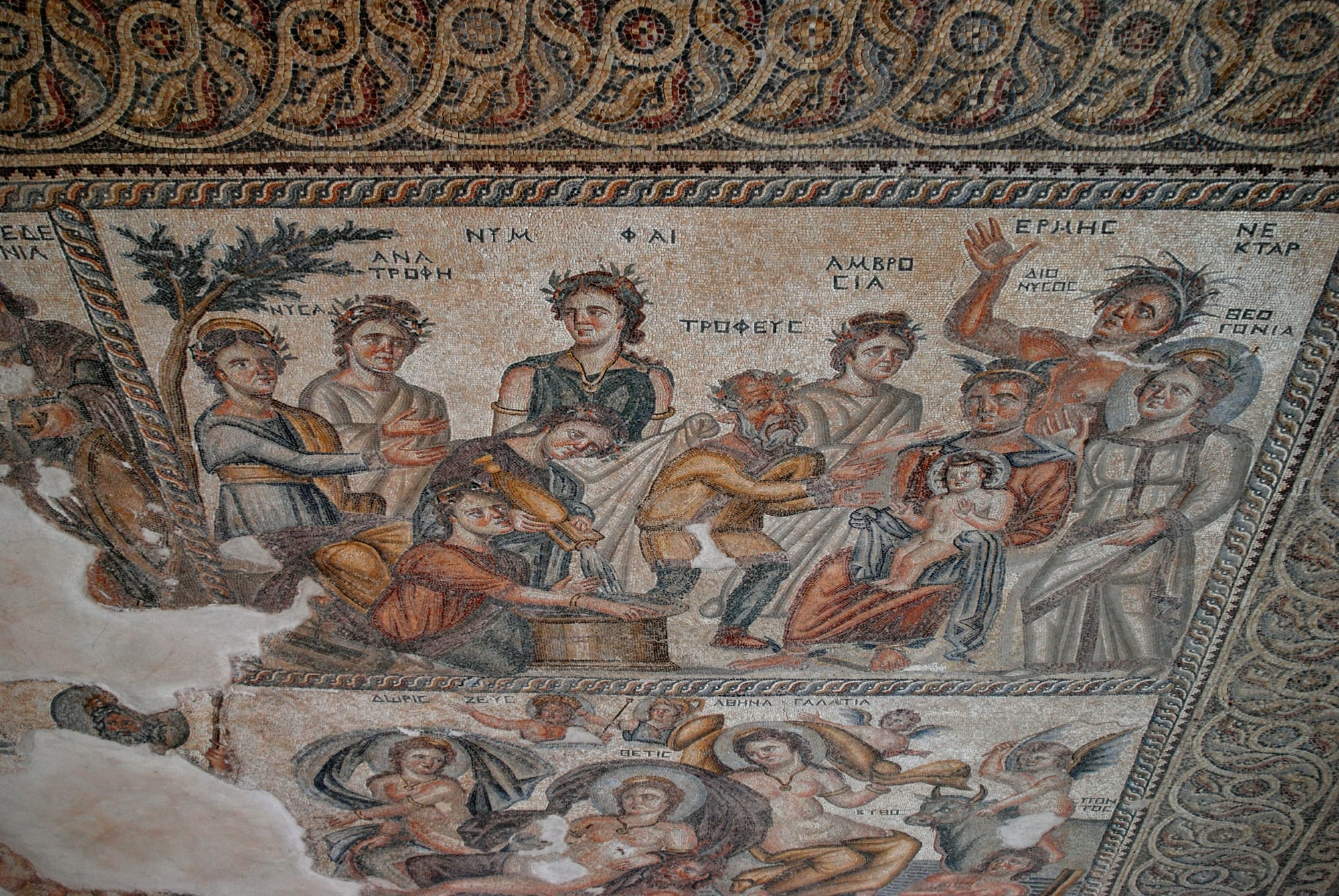
Cyprus was settled more than 9,000 years ago, and the Neolithic village of Choirokoitia is among the oldest known anywhere. The island's name is bound up with copper, whose mines made Bronze Age Cyprus a Mediterranean power. Around 1200 BCE Mycenaean Greeks settled and organised a set of city-kingdoms; the Greek language and identity established then have held ever since. Aphrodite was said to have risen from the sea at Paphos. Cyprus passed through Assyrian, Egyptian, Persian and Ptolemaic hands before Rome annexed it in 58 BCE, and it became one of the first places Christianity took root — the apostle Barnabas was a Cypriot, and the island's Orthodox Church won its self-governing status directly from a Byzantine emperor.
The Latin East, Venice, and the Ottomans
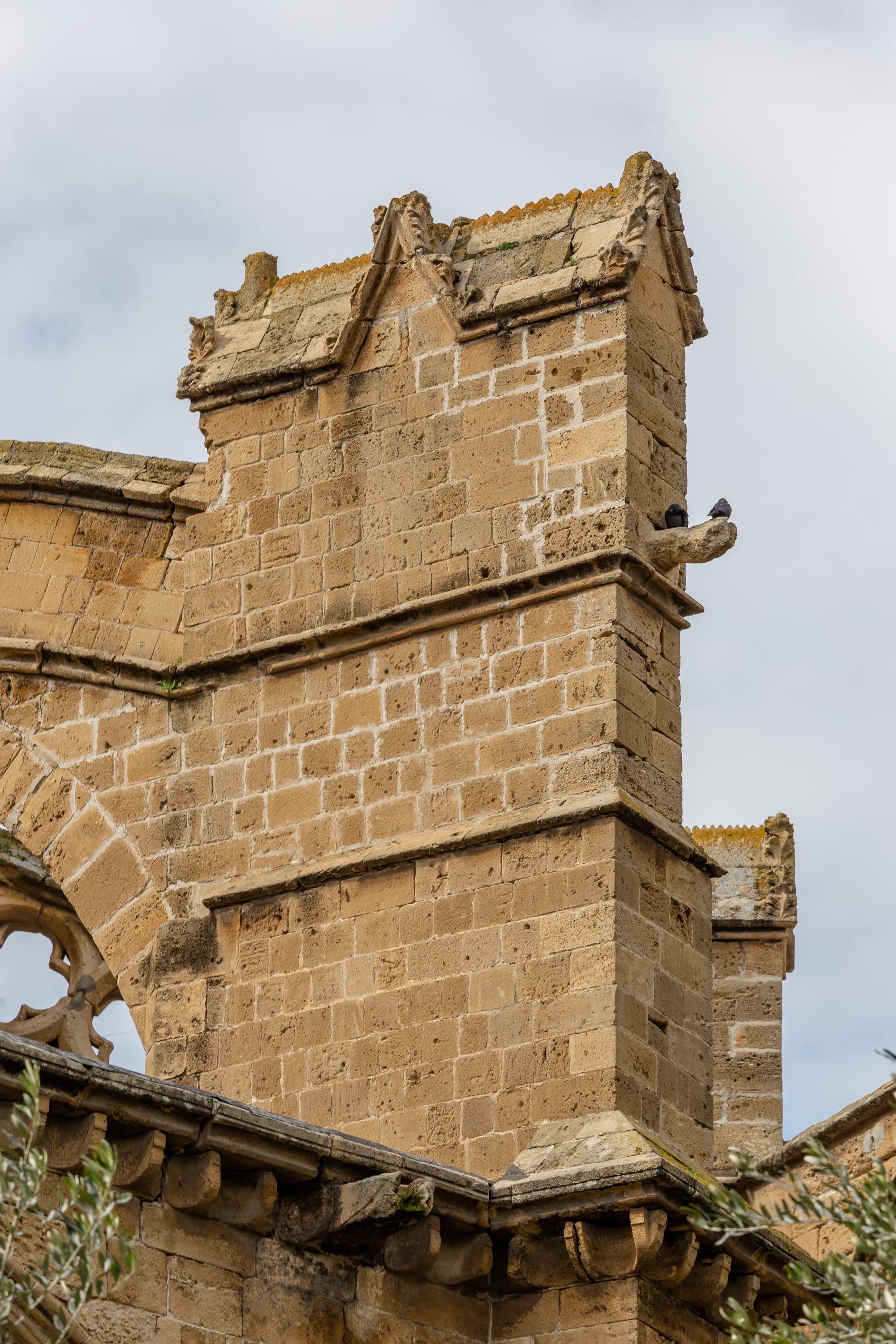
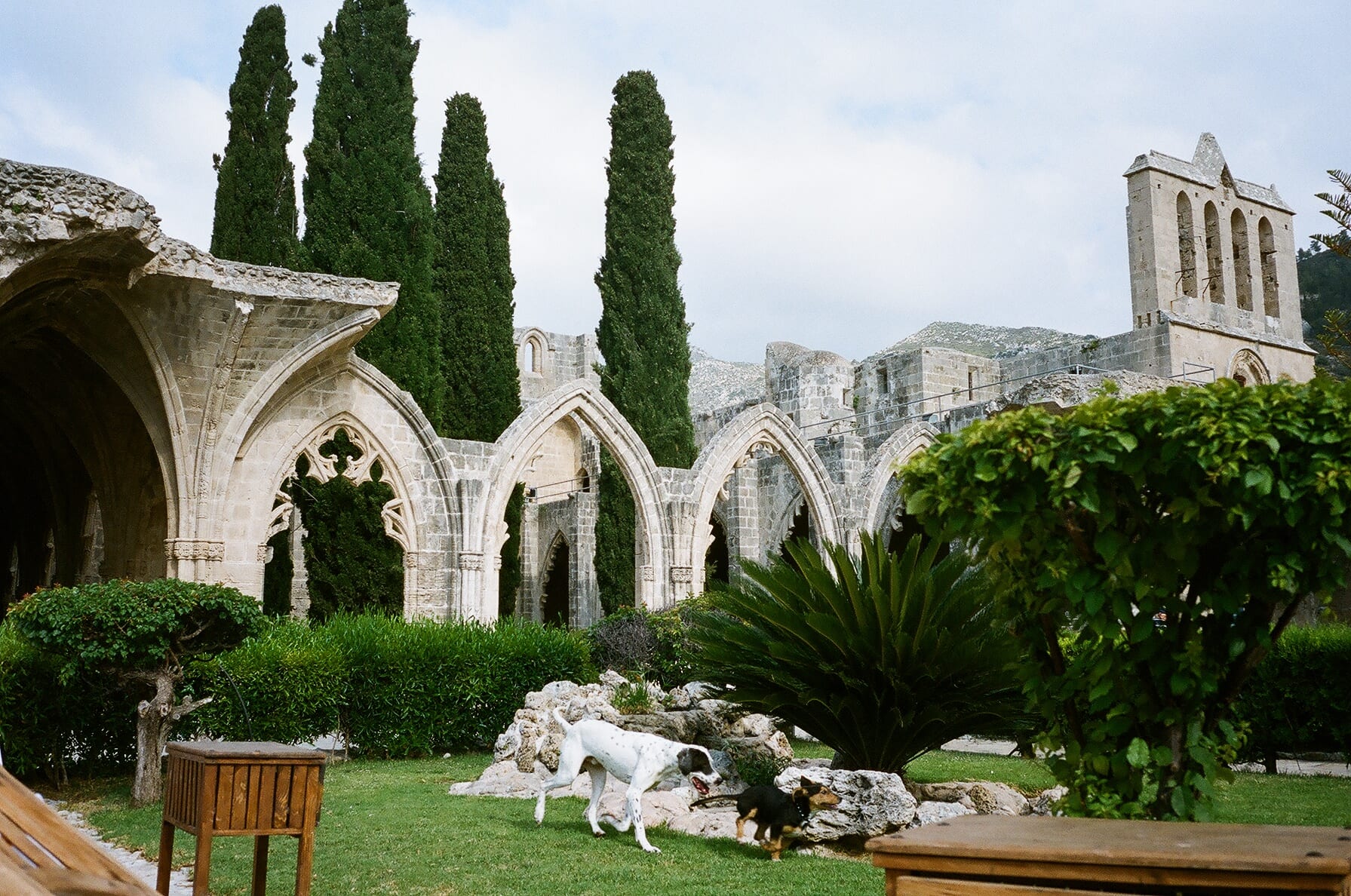
In 1191, on his way to the Third Crusade, Richard the Lionheart seized Cyprus and sold it on, and it became a Frankish kingdom under the French Lusignan dynasty for three centuries — a Latin Catholic aristocracy ruling a Greek Orthodox peasantry, building Gothic cathedrals and abbeys, while the port of Famagusta grew rich after the fall of the Crusader mainland. The last Lusignan queen ceded the island to Venice in 1489.
The layers of Cyprus
The Ottomans took Cyprus in 1570–71 after a savage siege of Famagusta. They swept away the Latin feudal order, restored the Orthodox Church and made its archbishop the recognised leader of the Greek Cypriots — a political role he kept into the 20th century — and settled Anatolian Turks, founding the Turkish Cypriot community. For three centuries the two communities lived intermixed, village by village, largely without communal violence.
British rule and the demand for enosis
Britain took over the administration of Cyprus in 1878 and annexed it outright in 1914, valuing it as a strategic base. From the start, most Greek Cypriots, led by the Church, wanted enosis — union with Greece — which Britain refused, and which Turkish Cypriots feared. In 1955 a Greek Cypriot guerrilla organisation, EOKA, launched an armed campaign against British rule; Britain fought a four-year counter-insurgency, and intercommunal tension rose sharply.
Independence, breakdown, and division
The 1960 settlement produced an independent Republic of Cyprus that was neither union nor partition, with an intricate power-sharing constitution: a Greek Cypriot president and Turkish Cypriot vice-president, each with a veto, and fixed communal quotas. Britain kept two military bases. The constitution proved unworkable, and in December 1963 fighting broke out. Turkish Cypriots withdrew from government into armed enclaves; hundreds were killed on both sides; and a UN peacekeeping force arrived in 1964, and has never left.
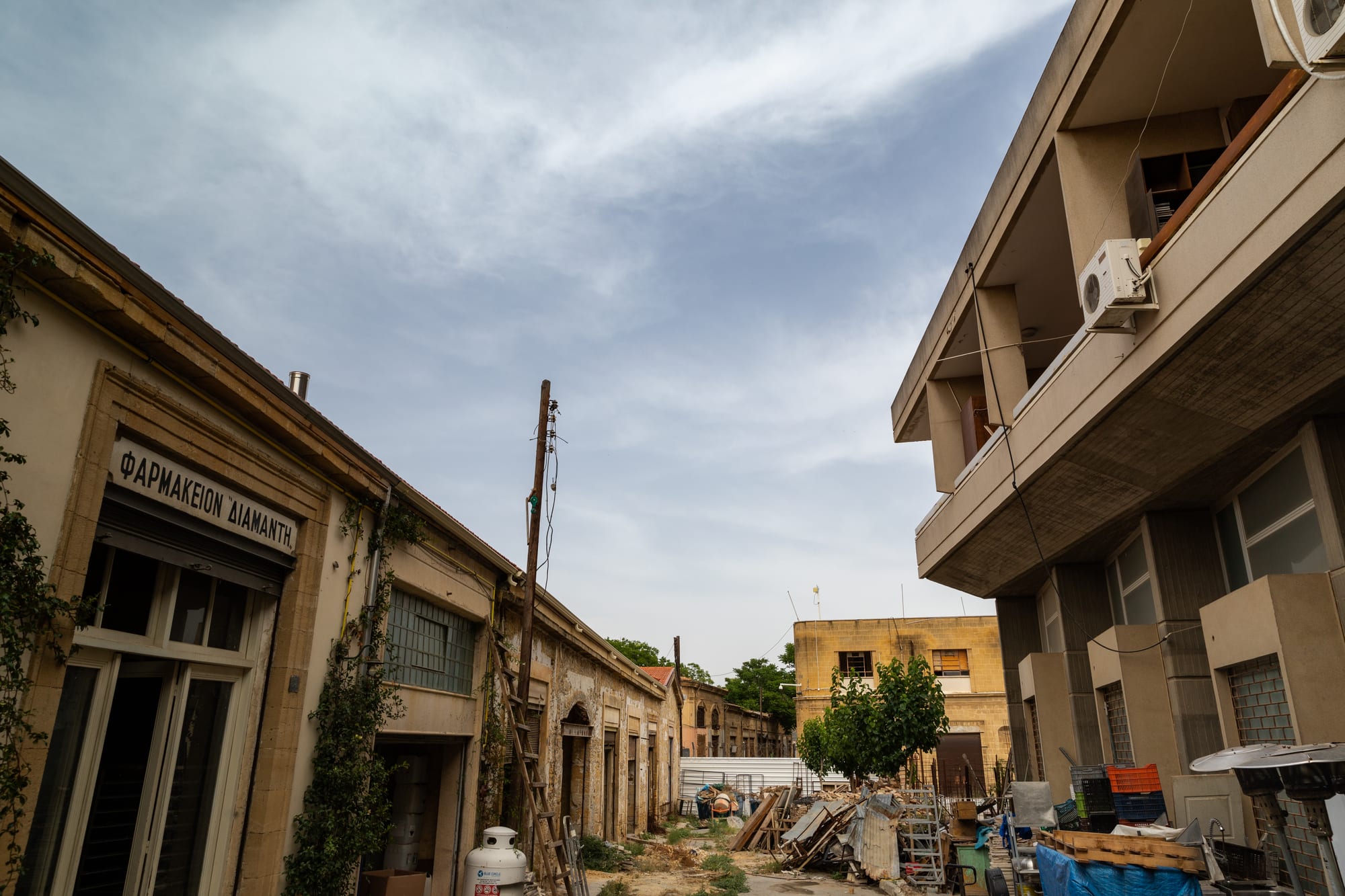
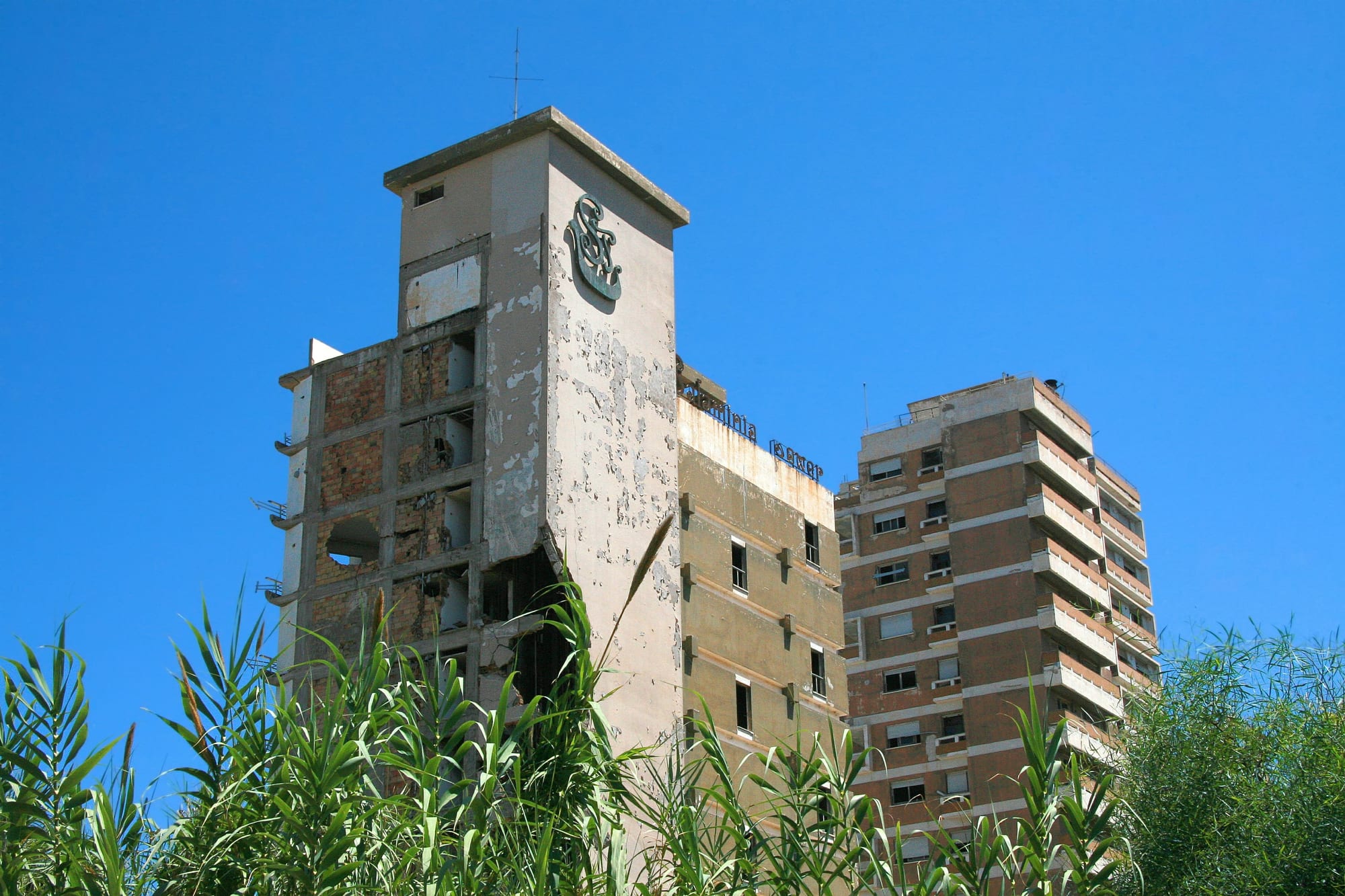
On 15 July 1974 the military junta ruling Greece staged a coup in Cyprus to force enosis. Five days later Turkey invaded, and in two offensives occupied the northern 37 per cent of the island. The Greek junta fell. The fighting and the population transfers that followed drove around 160,000 Greek Cypriots south and tens of thousands of Turkish Cypriots north, producing an almost complete ethnic separation across the ceasefire line, with thousands killed and many still missing.
Two Cypruses
The north declared itself the "Turkish Republic of Northern Cyprus" in 1983; Turkey alone recognises it, and it depends on Turkey for money, troops and — through decades of settlement from the mainland — population. The south recovered to become a prosperous economy built on tourism, shipping and offshore finance, and joined the European Union in 2004 — but as a divided island: a UN reunification plan put to referendums that year was approved by Turkish Cypriots and rejected by Greek Cypriots, so EU law is suspended in the north. Crossing points along the Green Line have opened since 2003, but round after round of talks has failed, and the two sides are now further apart than ever, with the Turkish side pressing for two states rather than the federation that was the goal for 50 years.
What Cyprus carries
Cyprus has been ruled by almost everyone — Greeks, Persians, Ptolemies, Romans, Byzantines, Crusaders, Venetians, Ottomans, the British — and absorbed each layer without losing its Greek core or, after 1571, its Turkish minority. The island's tragedy is that its two communities, which lived side by side for four centuries, were pulled apart in a single decade by the ambitions of Athens, Ankara and their own nationalists, and have not found a way back.