Food · Cyprus
Cyprus: Food and the National Dish
A grilling cheese protected as uniquely Cypriot, meat cooked in secret long enough to give it a bandit's name, and one of the oldest wines still made anywhere in the world
By Worldlore Editorial · 16 September 2026
An island cuisine shared across a divided line
Cyprus has been split since 1974 between a Greek Cypriot south and a Turkish Cypriot north, but its food is one of the few things the two communities still largely share: grilled meat, meze spreads, halloumi cheese and strong coffee are eaten, under slightly different names, on both sides of the line. The wider cuisine draws on Greek, Turkish and Middle Eastern cooking, built on olive oil, citrus, grilled meat and a serious tradition of small shared dishes.
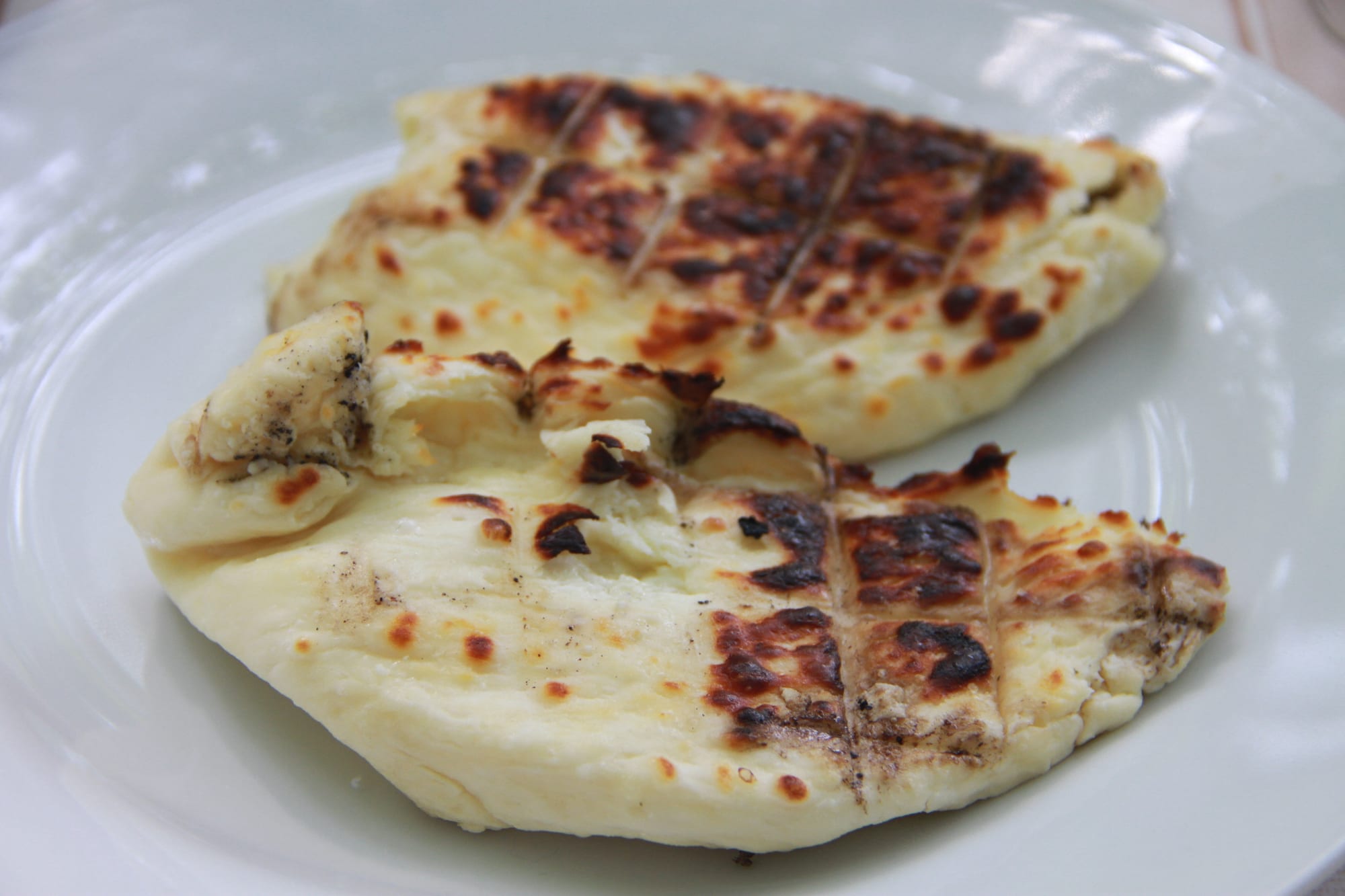
The signature product: halloumi
Halloumi, a semi-hard cheese traditionally made from sheep's or goat's milk, has a uniquely high melting point that lets it be grilled or fried without falling apart — the trait that made it famous internationally. In 2021 the European Union granted Halloumi (called Hellim in Turkish Cypriot use) Protected Designation of Origin status specifically tied to Cyprus, one of the rare instances where a shared food product carries formal recognition across the island's political divide rather than belonging to only one side.
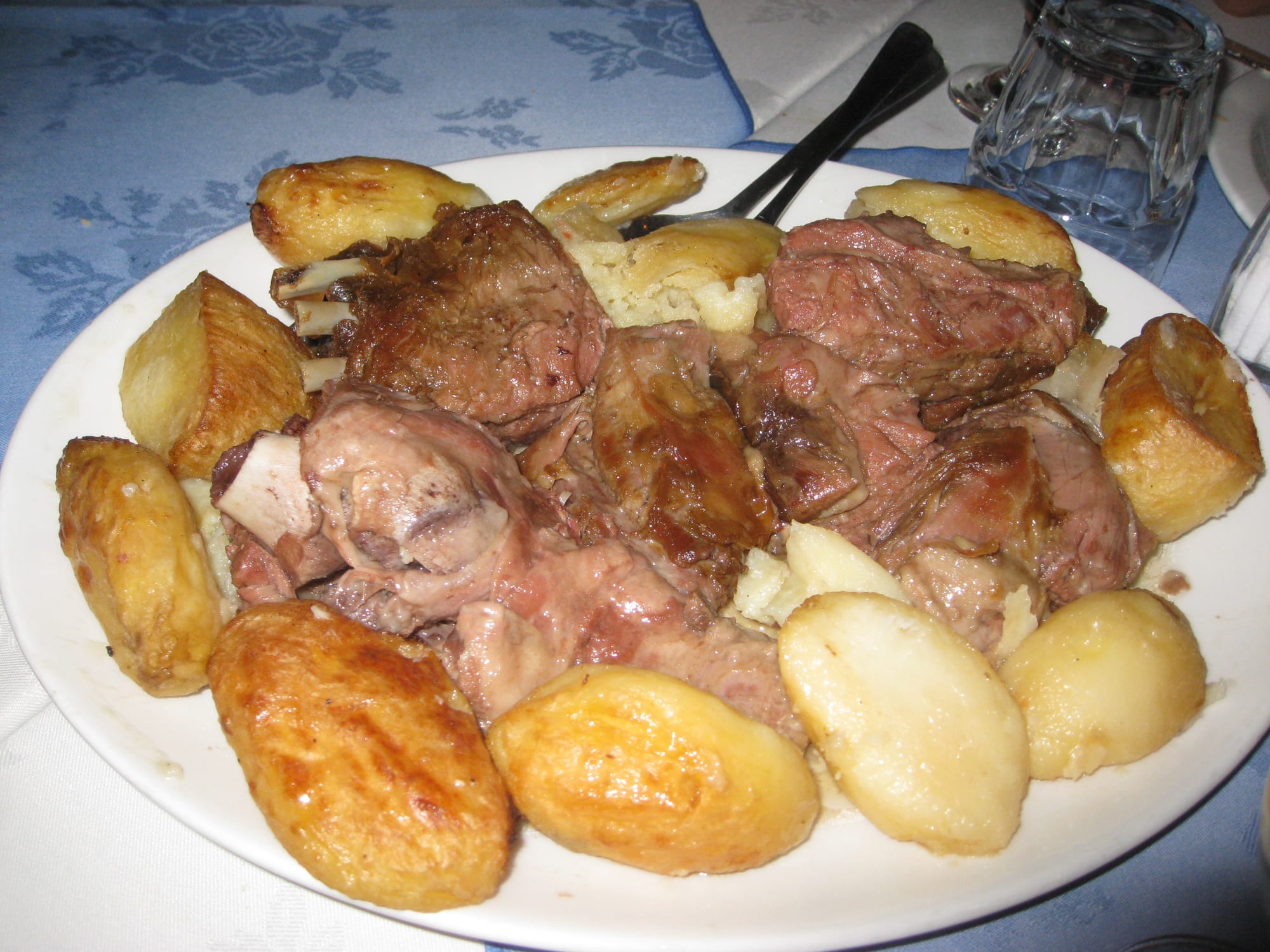
Kleftiko and the meze table
Kleftiko, lamb or goat slow-cooked for hours in a sealed clay oven or pit until it falls off the bone, takes its name from Greek klephts, resistance fighters who reportedly cooked meat this way so the smoke wouldn't give away their position. Meze, an extended spread of many small dishes — dips, olives, halloumi, grilled meats, stuffed vegetables — served one after another, is less a single dish than the whole Cypriot way of eating a proper meal.
Dishes to know
Five more to recognise across Cyprus:
- Meze — a long procession of small shared dishes, the standard way to eat
out for a proper meal rather than a starter course.
- Souvla — large chunks of meat slow-roasted on a long spit over charcoal,
centrepiece food for celebrations and Sunday gatherings.
- Koupepia — vine leaves stuffed with rice and often minced meat, the
Cypriot take on dolmades.
- Şeftali kebab — minced meat wrapped in caul fat and grilled, a Turkish
Cypriot speciality.
- Loukoumades — small balls of fried dough soaked in syrup, a shared
Greek-Cypriot dessert.
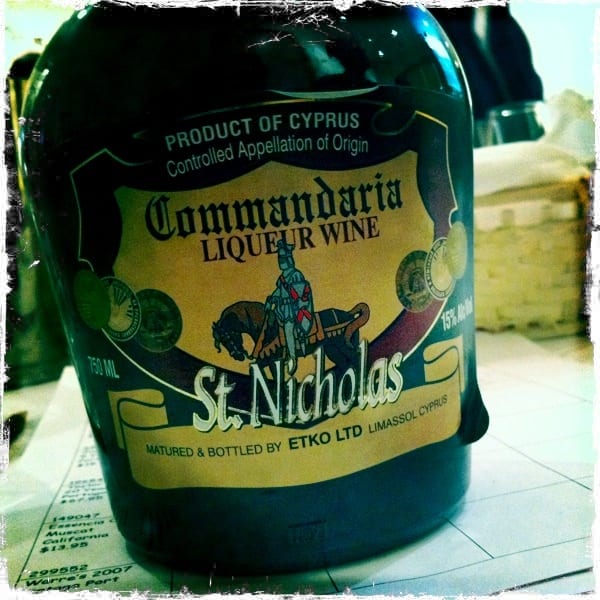
Commandaria and Cypriot coffee
Strong, unfiltered coffee, brewed and served the same way across both communities, is offered to guests as a basic gesture of hospitality on either side of the island.
Eating as a traveller
Vegetarians can eat well from meze's many vegetable and cheese-based dishes, though kleftiko and souvla are both built around meat. Tap water is safe throughout the island. A proper meze meal takes real time — treat it as an evening's activity rather than a quick dinner, and pace yourself through the courses.
What to take from the table
Grilled halloumi and a plate of kleftiko cover the two things Cyprus does best — a cheese distinctive enough to earn its own protected name, and meat cooked slowly enough to fall apart on its own.