Daily Life · Cyprus
Cyprus: An Island Split by a Line You Can Still Cross
A capital city divided by a UN buffer zone that ordinary people now walk across on an ordinary afternoon, a coffee that lasts an hour at the kafenio, and many families still splitting the year between a city flat and a village house
By Worldlore Editorial · 30 September 2026
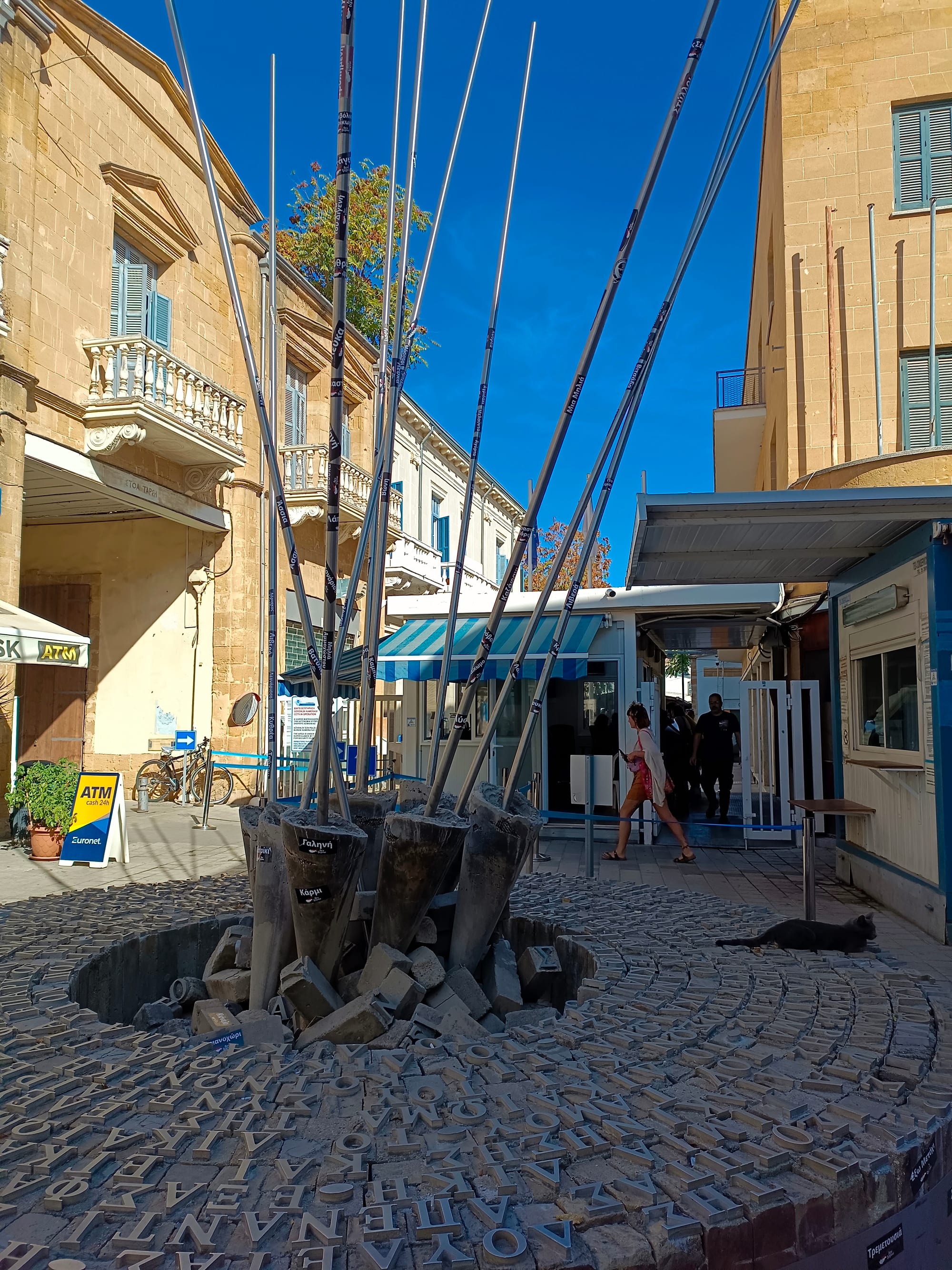
Nicosia is the last divided capital left in Europe, split since the 1960s and more sharply since 1974 by a UN-patrolled buffer zone running straight through its old town. For nearly thirty years that line was effectively closed. Today, crossing it for a day's shopping, work or a family visit is routine enough that people barely remark on it, even though the checkpoint booth, the passport check and the buffer zone itself are constant physical reminders of a division that has never actually been resolved. Away from the line, the pace of an ordinary day is unmistakably Mediterranean: a long coffee at the kafenio, a break in the worst of the midday summer heat, and dinner eaten late.
Family and home life
The area controlled by the government of the Republic of Cyprus had about 923,000 residents at the 2021 census, most living in Nicosia or the coastal cities of Limassol, Larnaca and Paphos, while the north, a self-declared state recognised only by Turkey, has a smaller population and relies on Turkey for economic support. Family life remains close-knit and village-oriented even for people who have moved to the cities for work, and some families keep both a city flat and a house in the village their parents or grandparents came from, returning to it for holidays, feast days and family occasions. Limassol in particular has grown fast as a finance and shipping hub, drawing a large Russian and other foreign community that now forms a visible part of everyday city life there.
Work, school and the rhythm of the day
The southern economy leans on services: tourism, financial and professional services, and shipping, with Limassol as the commercial centre and Nicosia the seat of government and banking. In summer, the pace slows through the hottest part of the day, and some smaller businesses, especially outside the biggest cities, close for a midday break before reopening into the evening. The north's smaller economy runs substantially on Turkey, tourism and higher education, with its universities drawing students from abroad. On both sides of the line, summer routines bend around the heat, with the cooler morning and evening hours doing much of the work.
Community life and public spaces
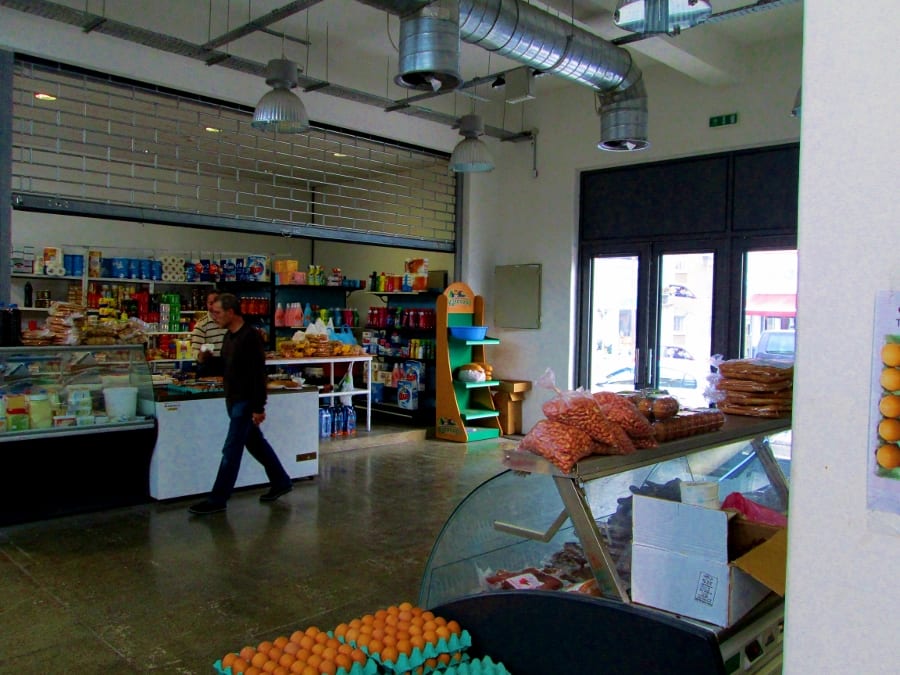
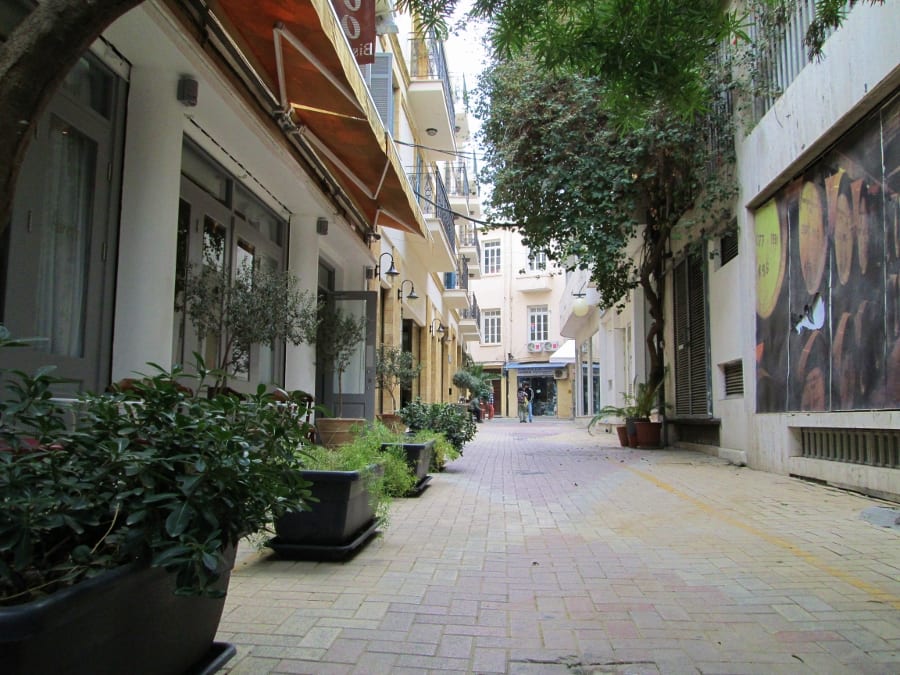
The kafenio, Cyprus's version of the traditional Greek coffee house, remains a real fixture of daily life, especially in villages, where sitting for an hour over a single coffee is common rather than a special occasion. Nicosia's old town, much of it pedestrianised, mixes small shops, cafés and workshops along narrow lanes on both sides of the buffer zone. Markets selling fresh produce, meat and household goods operate in the main towns, and remain, alongside the kafenio, one of the main places an ordinary day actually brings neighbours into contact with one another.
Free time and weekends
Weekends bring the beach in summer and the mountain villages of the Troodos the rest of the year, especially for families who keep a village house to return to. Dinner eaten late and outdoors is standard practice whenever the weather allows, often as a long meze rather than a quick plate. Church feast days and family gatherings, particularly around Easter, remain genuine, widely shared occasions that reorganise the weekend around them rather than the other way round.
A visitor's ordinary day
The euro is used in the south and cards are accepted almost everywhere, though small villages and market stalls still favour cash; the Turkish lira is the currency in the north, though euros are often accepted there too. Crossing the Green Line is straightforward at any of the official checkpoints with a passport in hand, but only at those designated points — wandering into the buffer zone itself is neither possible nor advisable. A rental car is by far the easiest way to get around, since there is no passenger rail and public buses are limited outside the main towns. Flights across the eastern Mediterranean have been disrupted since the regional war that began in February 2026, so schedules are worth checking with the airline. Expect shops and some services to slow through the hottest part of a summer afternoon, picking back up again as the evening cools down.
What to take away
An ordinary day in Cyprus runs at an easy Mediterranean pace on both sides of a line that, since 2003, people can simply walk across — proof that a divided island can still hold a genuinely shared, everyday rhythm of coffee, family and long summer evenings.