History · Croatia
Croatia: The Crescent on the Adriatic
A medieval kingdom absorbed by Hungary and the Habsburgs, a coast fought over by Venice and the Ottomans, a wartime fascist state, and independence won in a 1990s war
By Worldlore Editorial · 19 September 2026
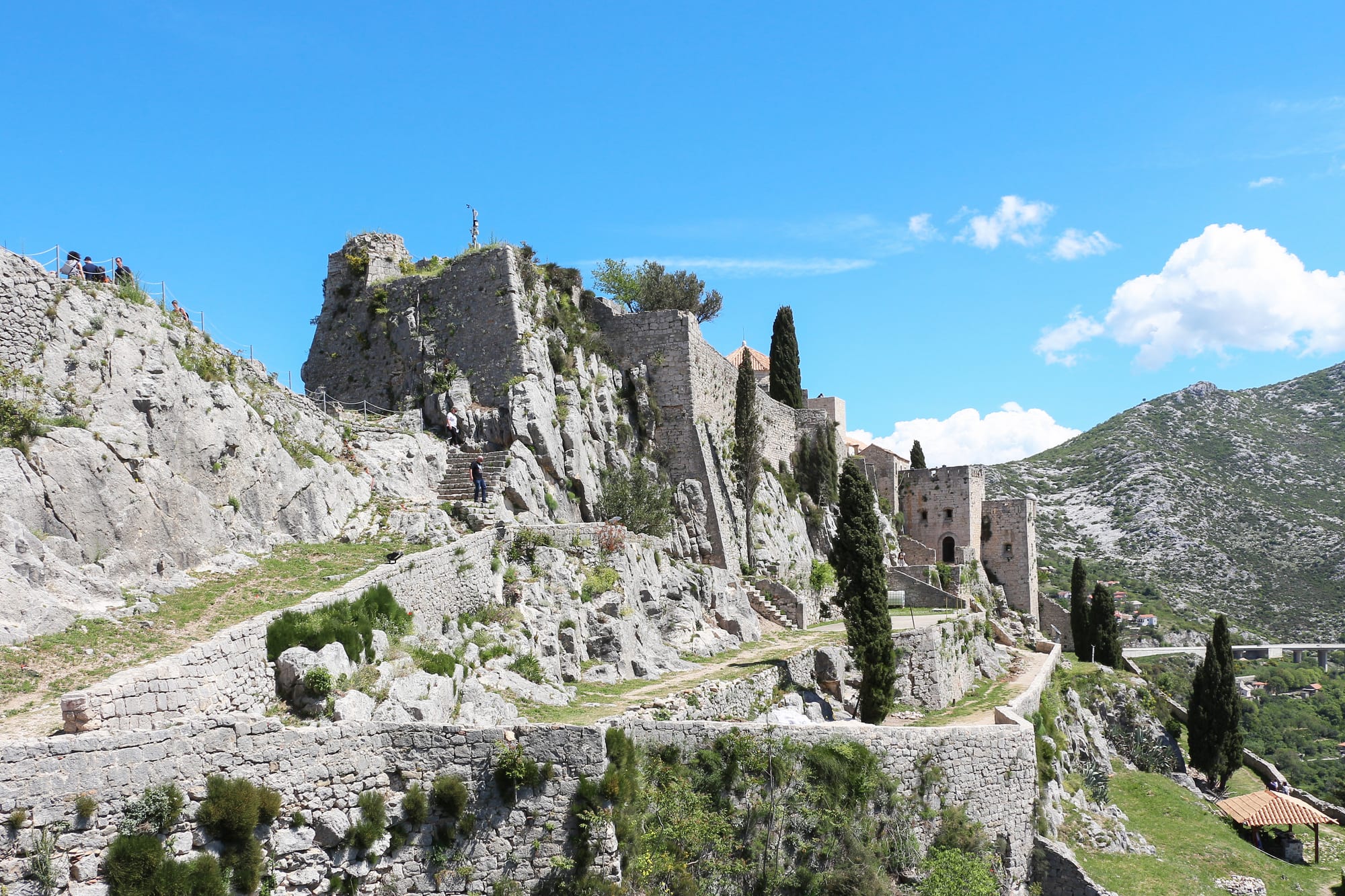
A country shaped like a boomerang
Croatia curls around the northwestern Balkans in a crescent: a long, mountainous Adriatic coast strewn with more than a thousand islands, and a continental interior around Zagreb and the Pannonian plain. Its 3.9 million people are almost all Croat and Catholic, speaking a South Slavic language written in Latin script. The two halves of the country have very different pasts — the coast Venetian and Mediterranean, the interior Central European and long on the front line against the Ottomans — and Croatian national history has been a 900-year argument that, through union with Hungary and then Austria and then Yugoslavia, Croatia never stopped being a distinct kingdom.
A short history
- 1st c. CE
Roman Dalmatia
Salona and the coast are Roman; Diocletian builds his palace at Split around 305.
- 7th c.
The Croats arrive
Slavic settlement; Christianisation follows.
- c. 925
The kingdom
Tomislav is counted the first King of Croatia.
- 1102
Union with Hungary
Croatia joins Hungary under a shared crown, keeping its own assembly.
- 1527
The Habsburgs
The Sabor elects a Habsburg king after the Ottoman victory at Mohács.
- 16th–18th c.
The Military Frontier
A militarised border, settled largely by Orthodox Serbs.
- 1918
Yugoslavia
Croatia joins a South Slavic kingdom dominated from Belgrade.
- 1941–1945
The Ustaša state
A fascist puppet regime commits genocide against Serbs, Jews and Roma.
- 25 June 1991
Independence
Croatia leaves Yugoslavia; a four-year war follows.
- 2013
European Union
Croatia becomes the second former Yugoslav republic to join.
Rome, and the medieval kingdom
The Croatian coast was thoroughly Roman: the province of Dalmatia, the great city of Salona, and — when the emperor Diocletian retired around 305 — a fortified seaside palace that later generations simply moved into and never left, so that the city of Split still lives inside its walls.
Rome on the Adriatic
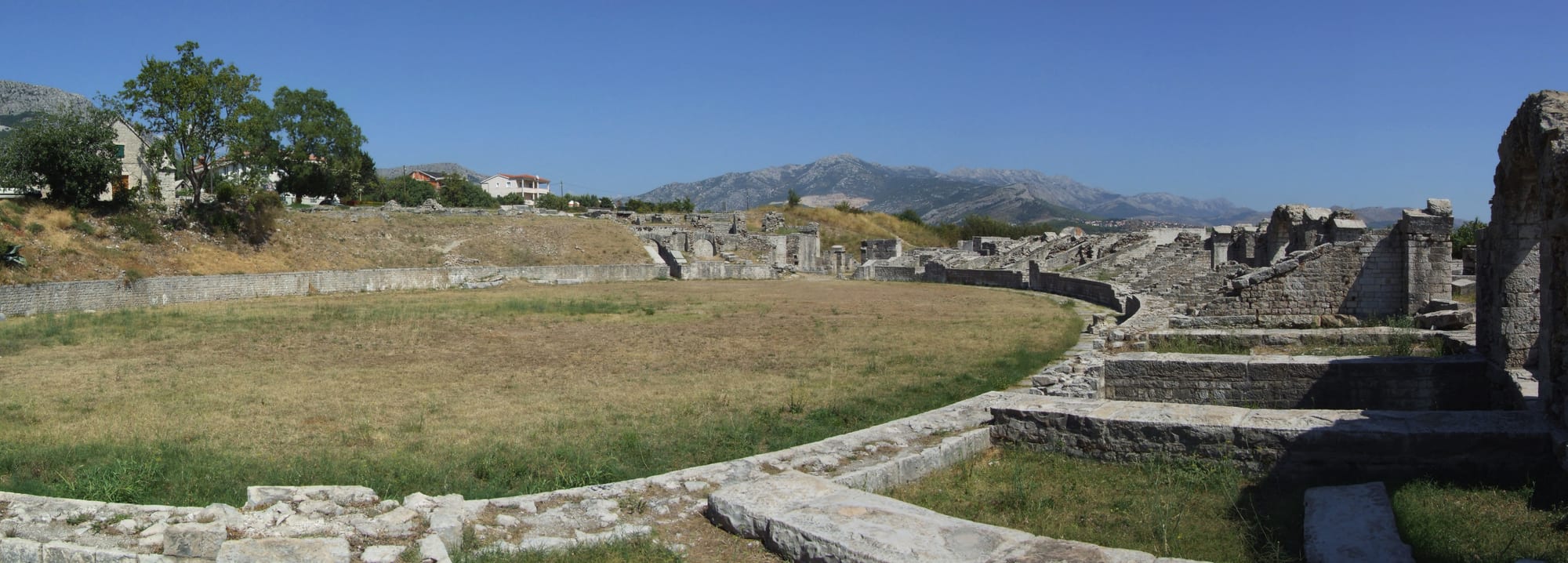
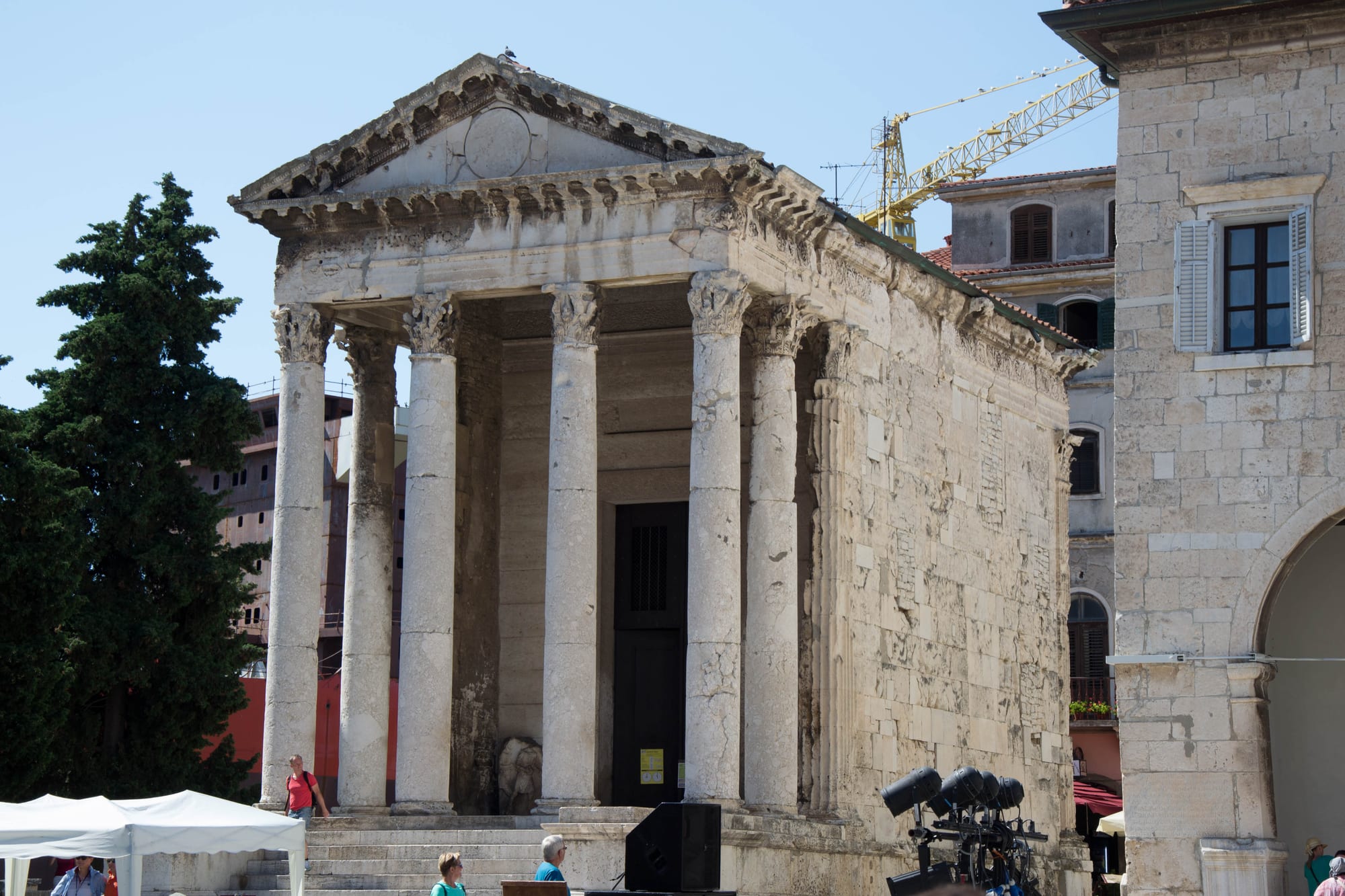
Croats, a Slavic people, settled the region in the 7th century and were Christianised in the Latin rite. A medieval kingdom emerged, with Tomislav traditionally crowned around 925, and it developed its own Slavic liturgical alphabet, Glagolitic. When the last native king died in 1097, a succession struggle ended in 1102 with Croatia entering a personal union with the Kingdom of Hungary — a shared king, but Croatia keeping its own assembly, the Sabor, its nobility, and its viceroy. That arrangement, in changing forms, lasted 800 years.
Venice, Ragusa, and the Ottoman frontier
From the coast, Venice contested the Dalmatian islands and towns and held most of them from the 15th century until 1797 — which is why coastal Croatia is so Italianate. The great exception was Dubrovnik, the Republic of Ragusa, an aristocratic merchant city-state that stayed independent by paying tribute to the Ottomans and playing the powers against each other.
Inland, the Ottomans were the overwhelming fact. After they conquered Bosnia and then destroyed the Hungarian-Croatian army at Mohács in 1526, the Croatian Sabor elected the Habsburg Ferdinand as king, beginning four centuries of Habsburg rule. The kingdom shrank to a sliver around Zagreb — "the remnants of the remnants" — and became Christendom's front line. To hold it, the Habsburgs created the Military Frontier, a militarised border strip settled with free peasant-soldiers, many of them Orthodox Serbs fleeing Ottoman territory. That is the origin of Croatia's large historic Serb population, concentrated in the region called the Krajina.
Habsburg centuries and Yugoslavia
Within the Habsburg empire, Croatia was administratively split and squeezed between Vienna's centralism and Budapest's push to impose Hungarian. The 19th-century Illyrian Movement standardised the Croatian literary language and built a modern national consciousness. A 1868 settlement gave Croatia-Slavonia limited self-rule inside the Hungarian half of Austria-Hungary; the coast stayed with Austria.
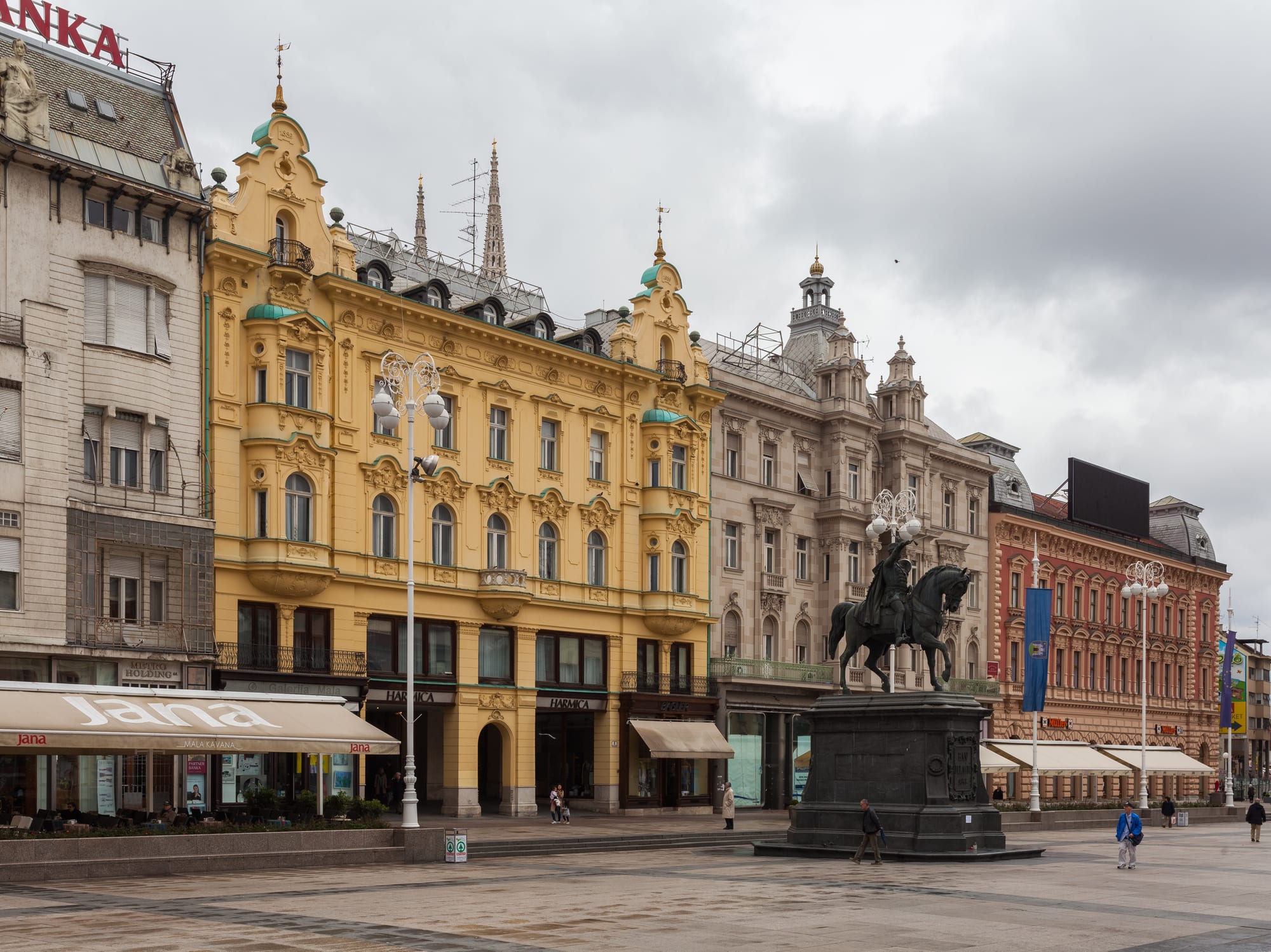
When Austria-Hungary collapsed in 1918, Croatia joined the new Kingdom of Serbs, Croats and Slovenes — later Yugoslavia — expecting a federal union of equals, and getting a centralised state run from Belgrade. The leading Croatian politician was shot in the Belgrade parliament in 1928; a royal dictatorship followed; and a belated 1939 deal creating an autonomous Croatian province came too late.
The Ustaša state, and Tito's Yugoslavia
Germany and Italy dismembered Yugoslavia in 1941 and installed the "Independent State of Croatia", a puppet regime covering Croatia and Bosnia and run by the Ustaša, an extreme fascist movement. It carried out genocide: the systematic mass murder of Serbs — hundreds of thousands killed — along with Jews and Roma, its main killing site the camp complex at Jasenovac. Croatia was also the heartland of Tito's Partisan resistance, disproportionately made up of Croatian Serbs and anti-fascist Croats, which liberated the country and imposed its own bloody reckoning on the retreating Ustaša forces at the war's end.
Socialist Yugoslavia made Croatia one of six federal republics. It prospered on Adriatic tourism and industry, but chafed at its place in the federation; a reformist national movement, the "Croatian Spring" of 1971, was crushed by Tito.
Independence and the war
As Yugoslavia disintegrated in the late 1980s under economic collapse and Serbian nationalism, Croatia elected a nationalist government and, on 25 June 1991, declared independence alongside Slovenia. Croatia's Serb minority in the Krajina, backed by Belgrade and the Yugoslav army, rebelled and seized about a third of the country, expelling Croats. The war that followed levelled the town of Vukovar, shelled Dubrovnik, and displaced hundreds of thousands.
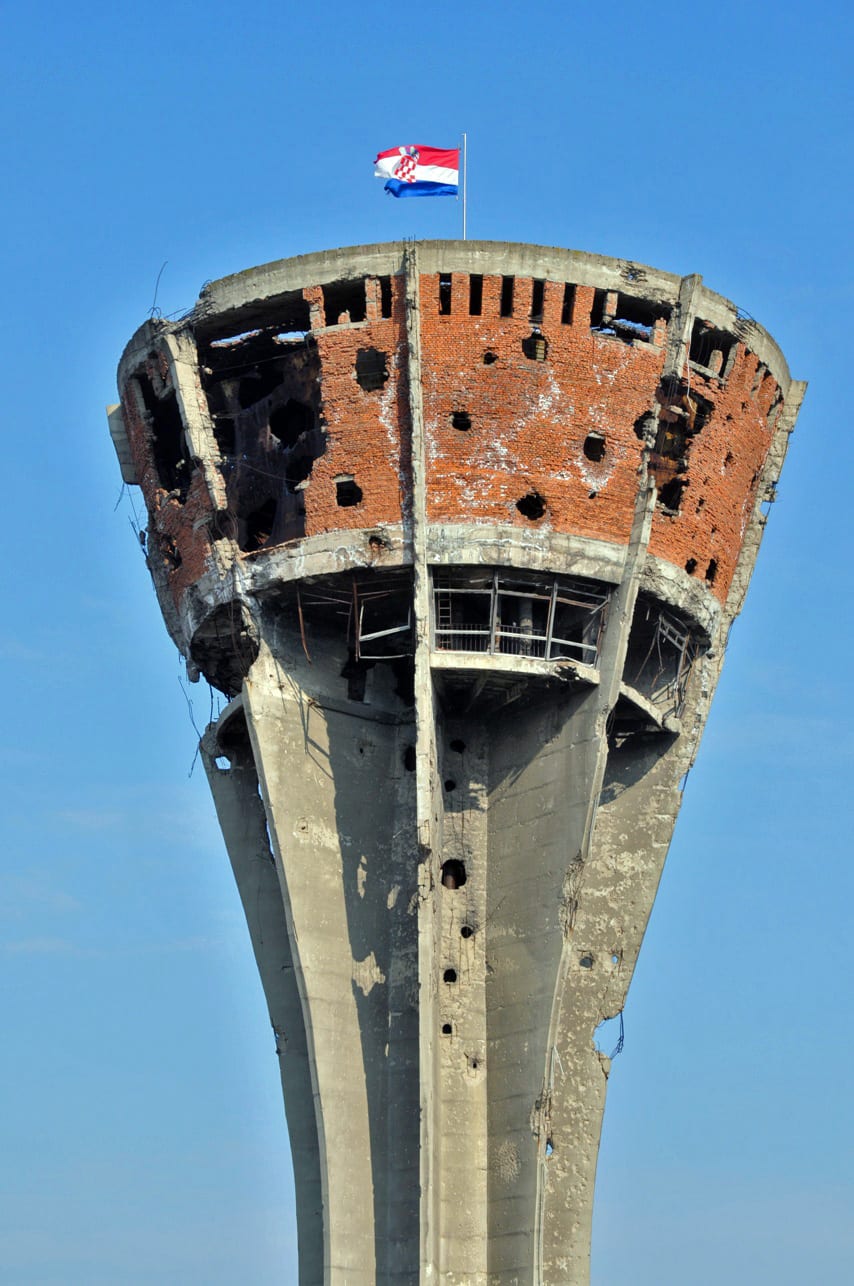
A ceasefire froze the front in 1992. Croatia rebuilt its army and, in 1995, retook the Serb-held areas in two swift offensives — a decisive victory that also caused the flight or expulsion of some 200,000 Krajina Serbs, with killings and destruction that led to war-crimes trials at The Hague. The last Serb-held enclave was peacefully reintegrated by 1998. The war killed around 20,000 people.
What Croatia carries
After the authoritarian nationalism of the 1990s faded, Croatia turned toward Europe, joining NATO in 2009 and the European Union in 2013, and adopting the euro and joining Schengen in 2023. The costs of that turn have been a shrinking, ageing population as the young emigrate west, and a politics that keeps returning to the unfinished arguments of the 20th century — over the Ustaša and Jasenovac, over Operation Storm, over who the nation includes. The 900-year claim, though — that Croatia has always been a kingdom, only ever joined to others — is now, for the first time in a very long time, simply true.