Attractions & Natural Wonders · Croatia
Croatia: Ten Attractions and Natural Wonders
A walled city on a limestone headland, sixteen lakes linked by waterfalls, a Roman emperor's retirement palace still lived in, and a thousand islands in a clear sea
By Worldlore Editorial · 19 September 2026
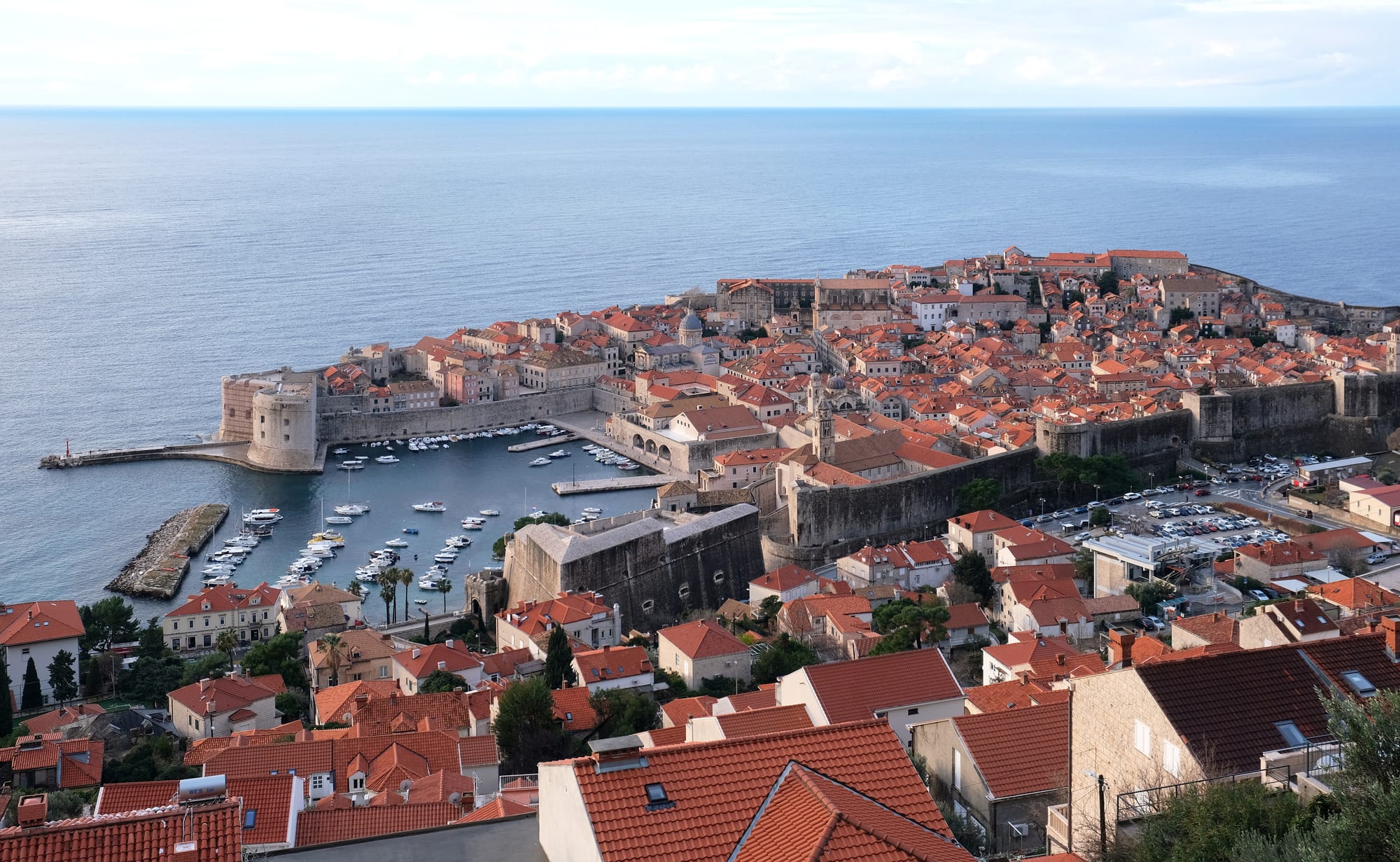
A coastline of a thousand islands
Croatia is a small country shaped like a boomerang, wrapping around Bosnia and Herzegovina, with a short interior of plains and hills and a very long Adriatic coastline studded with more than a thousand islands. The coast is the draw: clear water, pine-covered islands, and a string of stone towns left by the Romans, Byzantines, and — above all — Venice. Tourism is now huge, and the famous places are crowded in July and August.
The ten below run from Dubrovnik in the south to Istria in the northwest, with Zagreb inland. May–June and September are the sweet spots. Distances along the coast are longer than they look; a ferry or a car is useful.
1. Dubrovnik
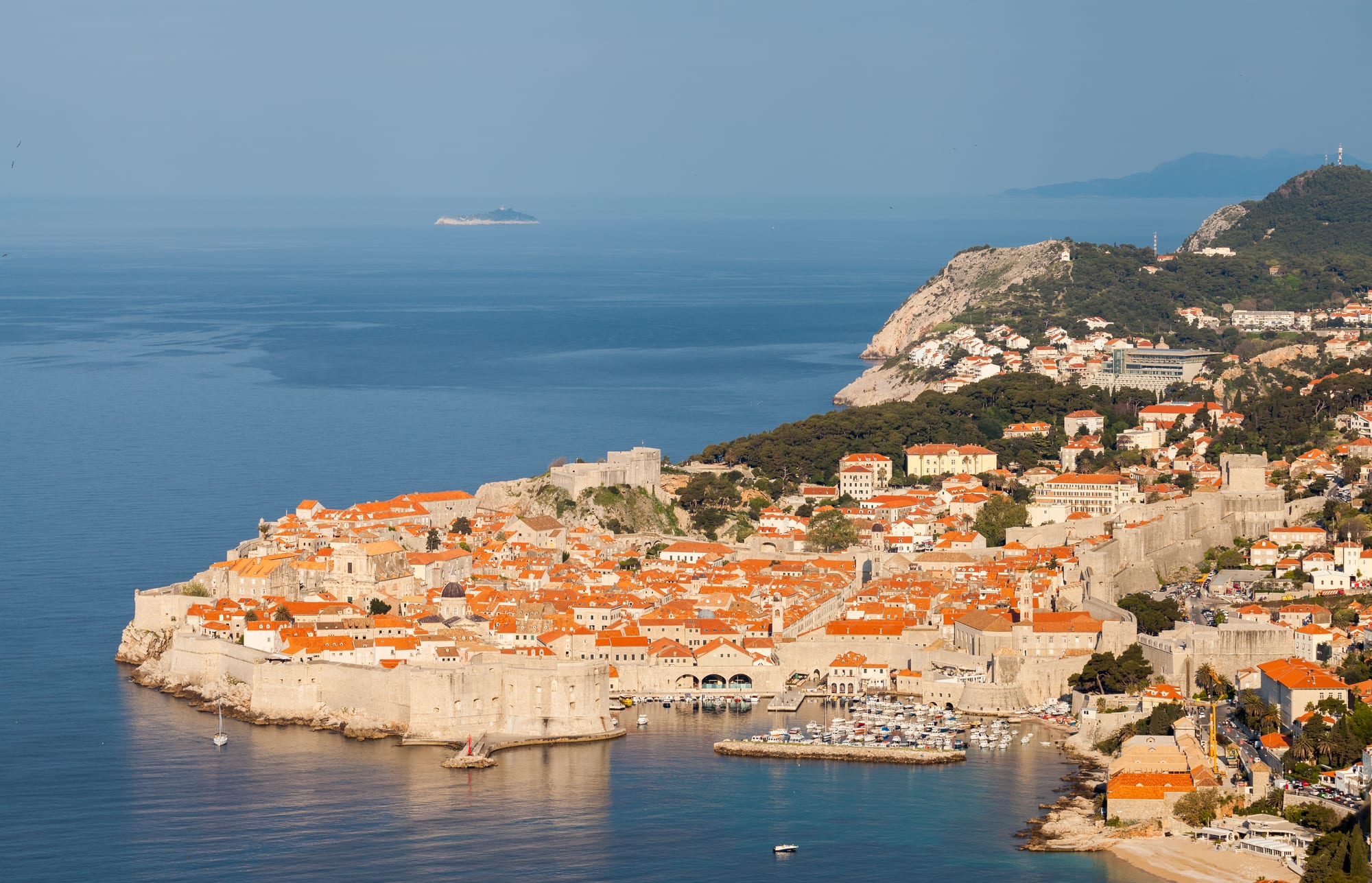
Dubrovnik was the independent merchant republic of Ragusa, a rival to Venice, and its old town — an almost entirely stone-built ensemble of a main street, palaces, churches, and cloisters inside a complete ring of walls up to 25 metres high — is a UNESCO World Heritage Site. Shelled during the 1991–92 siege, it was carefully repaired; more recently it has been overrun by Game of Thrones tours and cruise crowds.
Go early or late in the day and out of season, walk the walls, and take the cable car up Mount Srđ for the overview.
2. Plitvice Lakes National Park
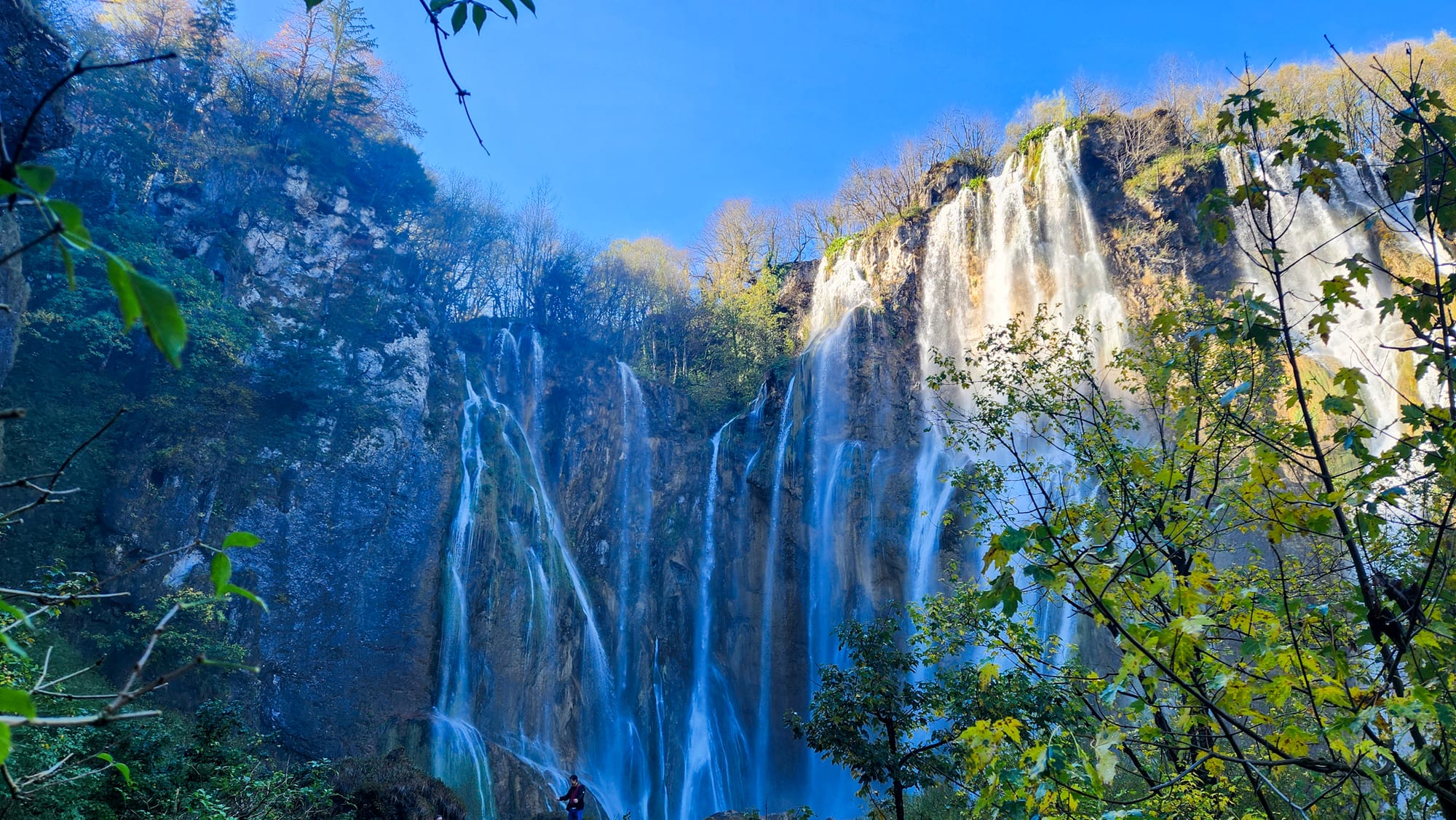
Inland between Zagreb and the coast, Plitvice is a staircase of sixteen lakes in shades of turquoise and green, separated by natural dams of travertine (mineral deposit laid down by moss and algae) and linked by a continuous run of waterfalls. Wooden boardwalks and a shuttle boat let you walk among and over the water. It is Croatia's oldest and most-visited national park, and a UNESCO World Heritage Site.
It is extremely busy in summer; a timed ticket is required, and the early morning slot is far quieter.
3. Split and Diocletian's Palace
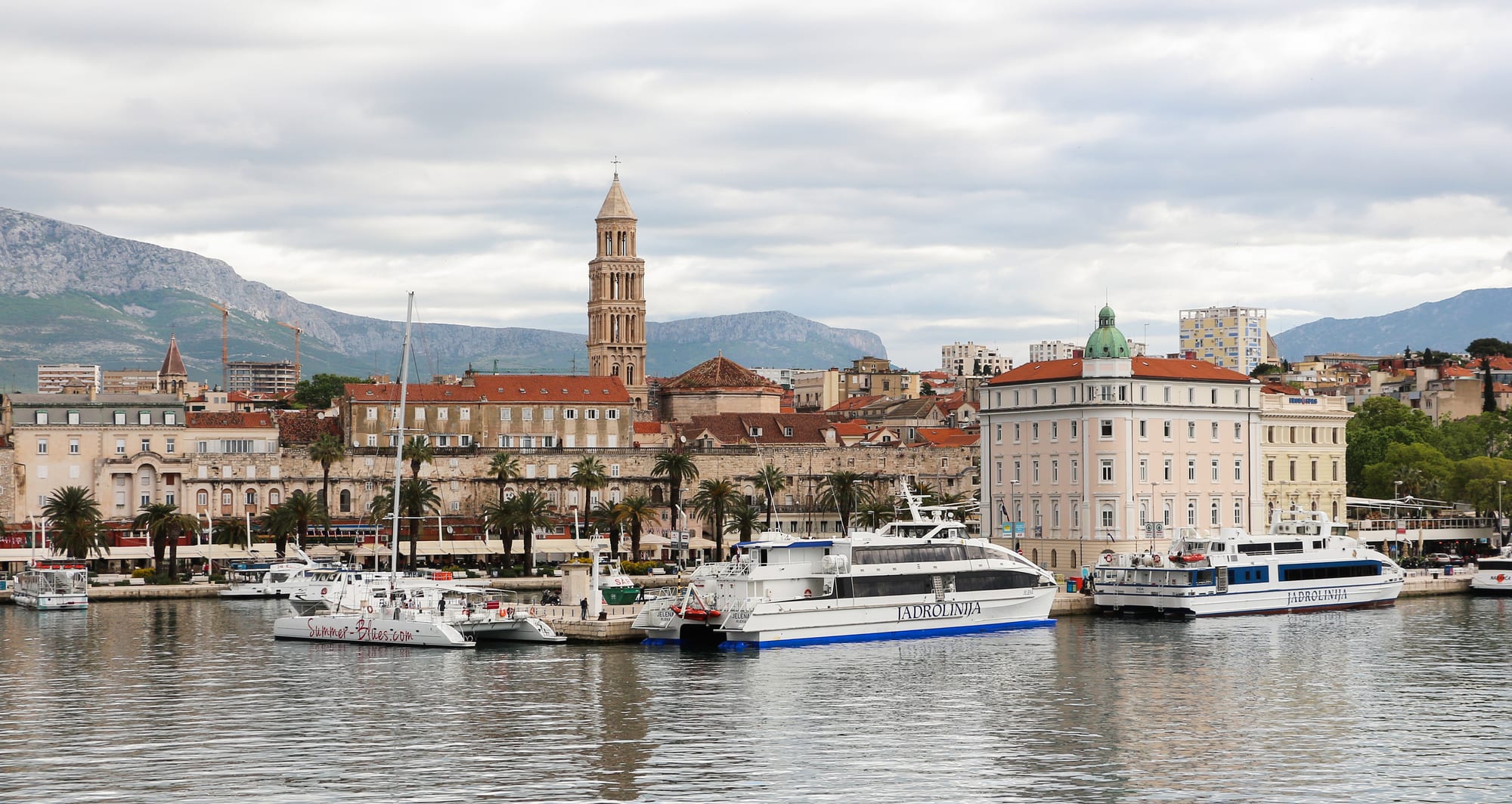
Around AD 300 the emperor Diocletian built himself a fortified retirement palace on the Dalmatian coast; when the nearby city of Salona fell, refugees moved into the palace, and they never left. Today the ancient walls, the peristyle courtyard, the emperor's mausoleum (now the cathedral), and the cellars are woven through a living old town of bars, apartments, and market stalls — a UNESCO World Heritage Site you walk through to get to work.
Split is also the main ferry port for the Dalmatian islands.
4. Krka National Park
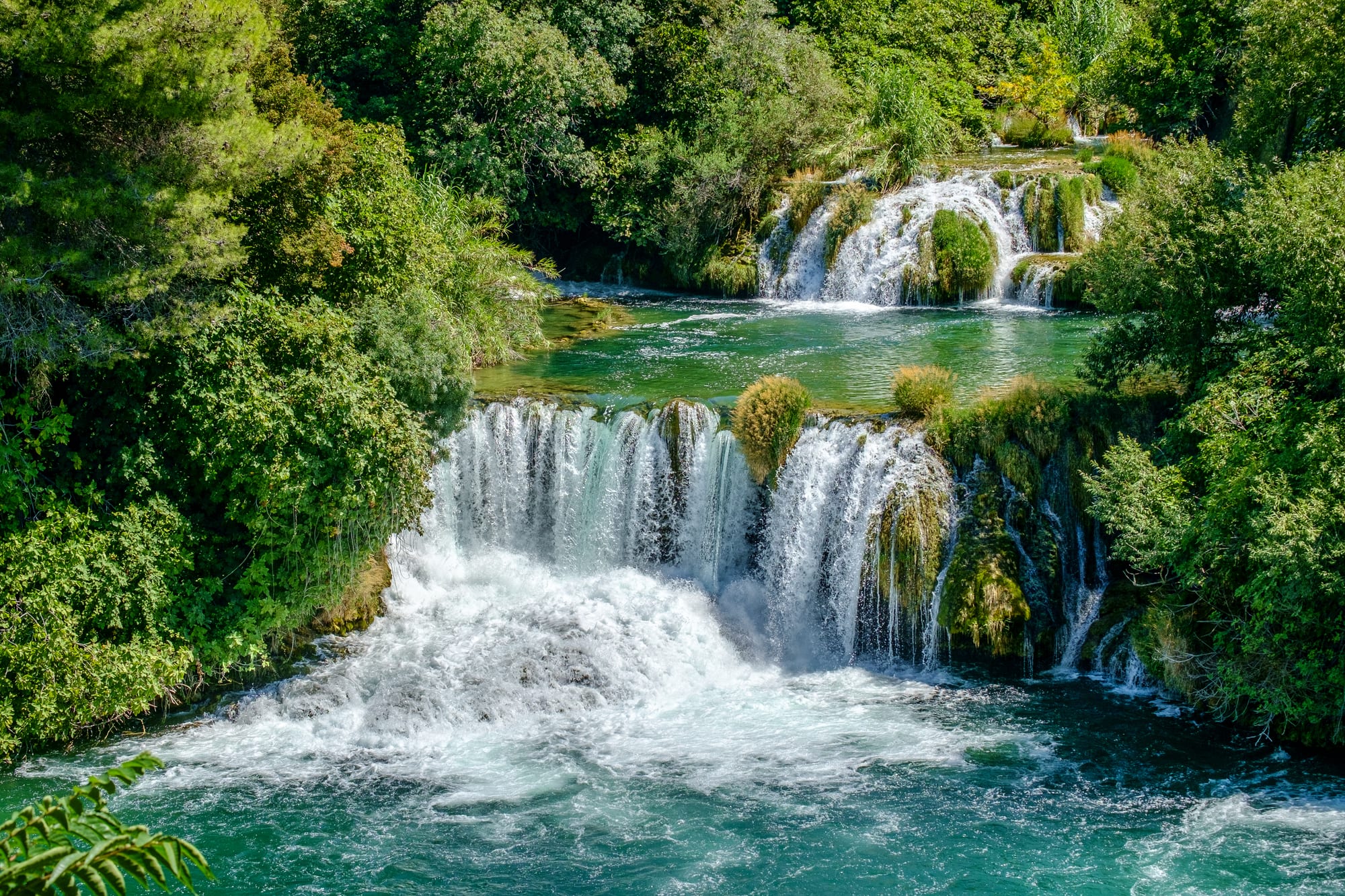
On the Krka river north of Šibenik, this park has the same travertine-and-turquoise character as Plitvice but on a single river, with a series of waterfalls — the broad Skradinski buk the star — reached by boardwalks. Swimming below the falls, long allowed, is now banned to protect the formations, but you can still get very close.
It also has a monastery on an island and, upstream, the fortresses of the Krajina. It is reachable as a day trip from Split.
5. Rovinj and Istria
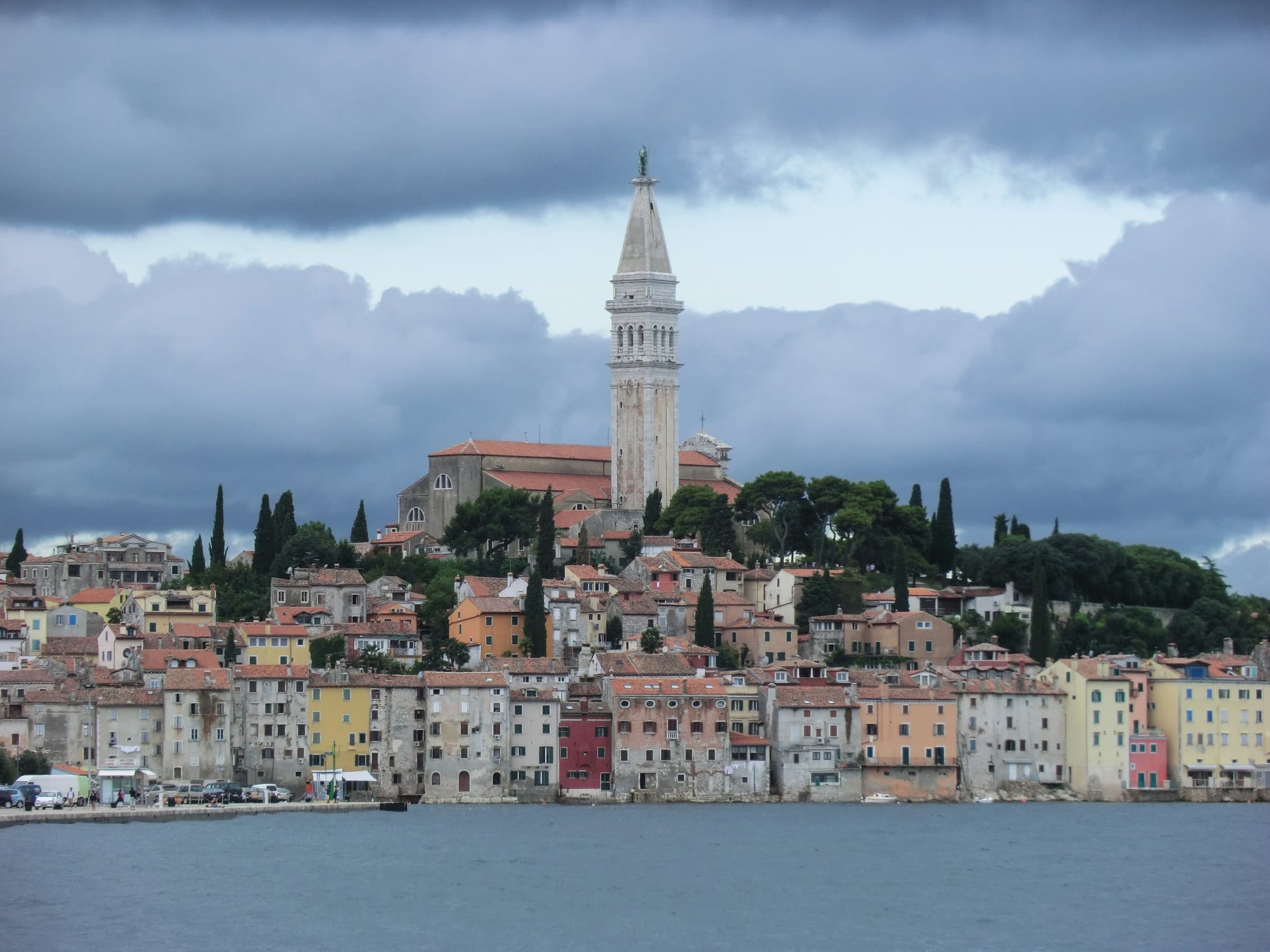
Istria, the heart-shaped peninsula in the northwest, is Croatia's most Italian-flavoured region — bilingual, with hill towns, truffles, olive oil, and wine. Its showpiece is Rovinj, a knot of tall ochre-and-pink houses on a peninsula, topped by the campanile of St Euphemia's church, modelled on the one in Venice. Poreč has the 6th-century Euphrasian Basilica with Byzantine mosaics (another UNESCO site); Motovun and Grožnjan are the hill towns; Pula has the Roman arena.
6. Zadar
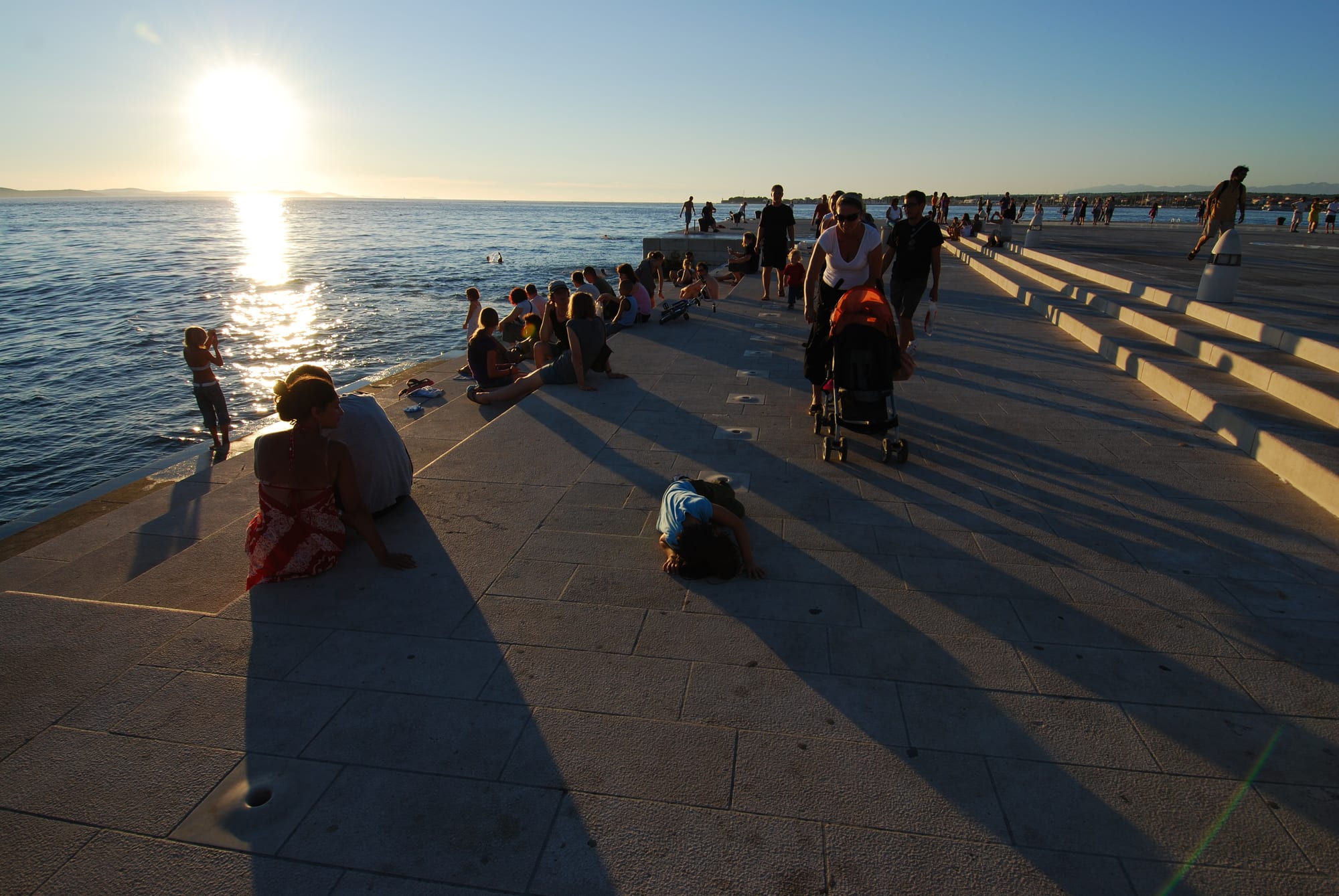
Zadar, on the northern Dalmatian coast, has a Roman forum, a round 9th-century church, and — on the tip of its peninsula — two modern installations by the architect Nikola Bašić: the Sea Organ, which turns wave motion into music through pipes in the steps, and the Greeting to the Sun, a solar-powered light disc set in the pavement. Alfred Hitchcock reportedly called the Zadar sunset the best in the world.
The city is also the gateway to the Kornati archipelago and Paklenica national parks.
7. Hvar
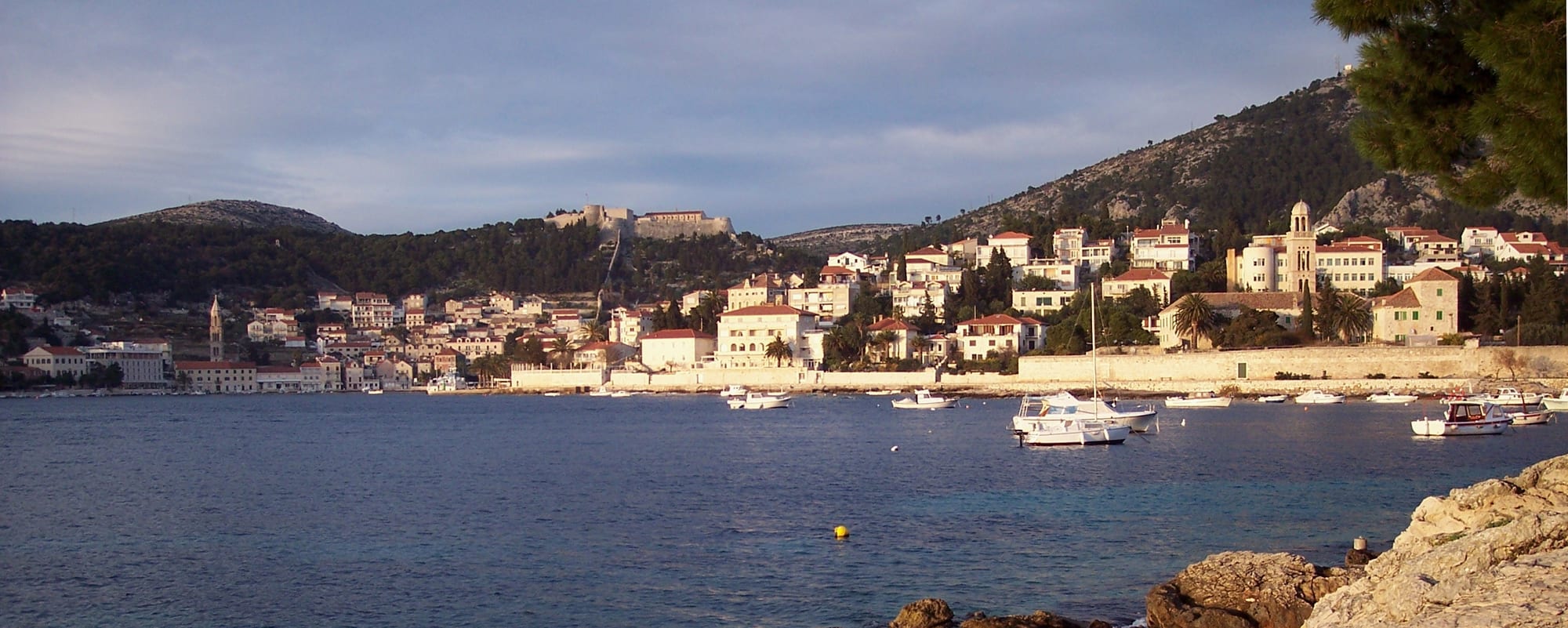
Hvar is the most fashionable of the Dalmatian islands — a Venetian-built town around a marble-paved main square (with one of the oldest municipal theatres in Europe, from 1612), a hilltop fortress, lavender fields inland, and a summer nightlife scene that draws yachts and celebrities. The Pakleni islands just offshore have the swimming coves.
Quieter islands nearby — Vis (long closed as a military base), Korčula (a mini-Dubrovnik claiming Marco Polo), Brač with its Zlatni Rat beach — each have their own following.
8. The Pula Arena
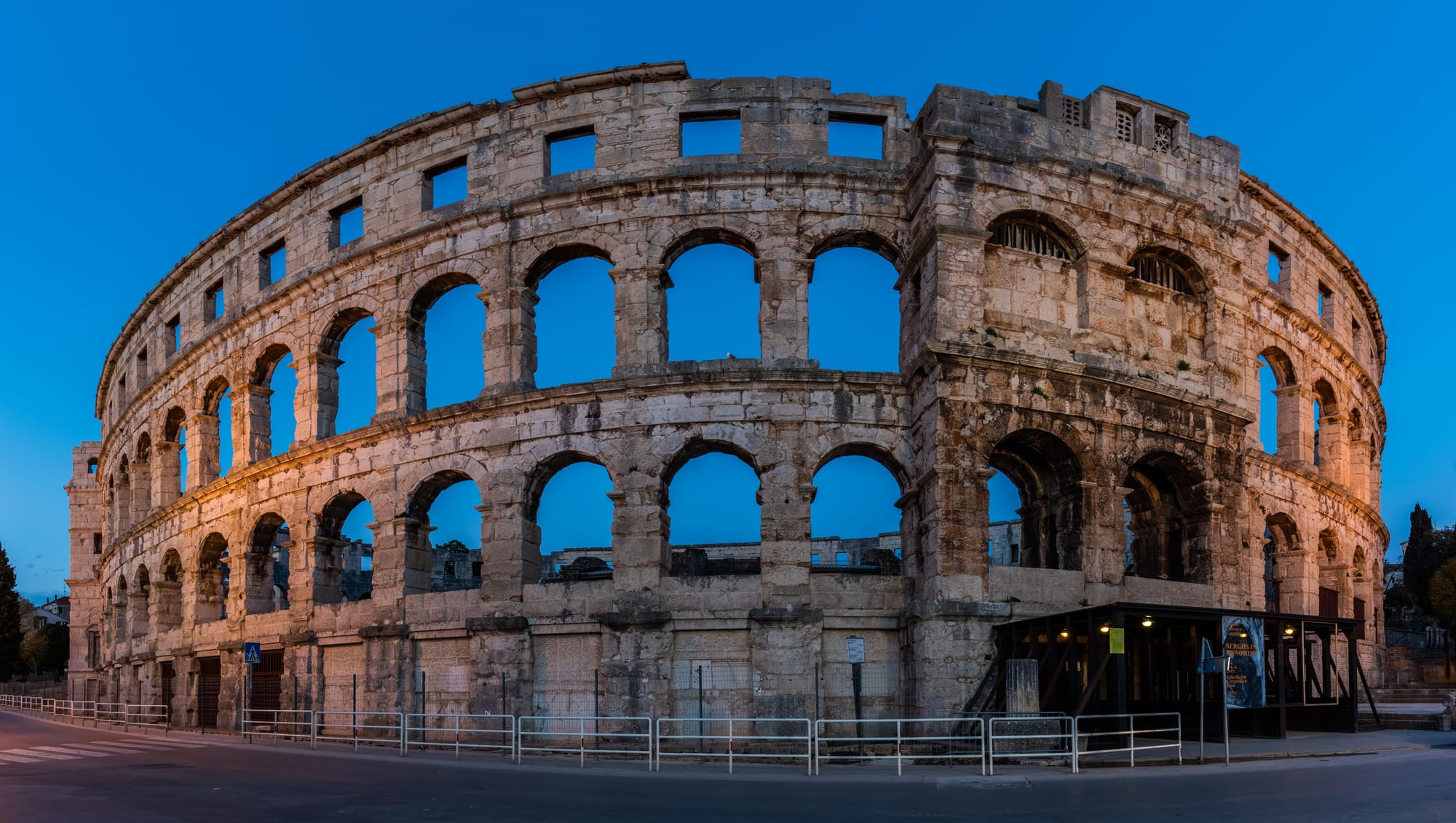
At the southern tip of Istria, the city of Pula has one of the best-preserved Roman amphitheatres anywhere — built in the 1st century for gladiator fights, seating over 20,000, and still complete enough to host concerts and a film festival each summer. The underground chambers hold an exhibition on Roman Istrian olive oil and wine.
Pula also has a Roman triumphal arch, a temple to Augustus, and a working shipyard; the surrounding coast has Roman villa ruins and the Brijuni islands national park.
9. Zagreb
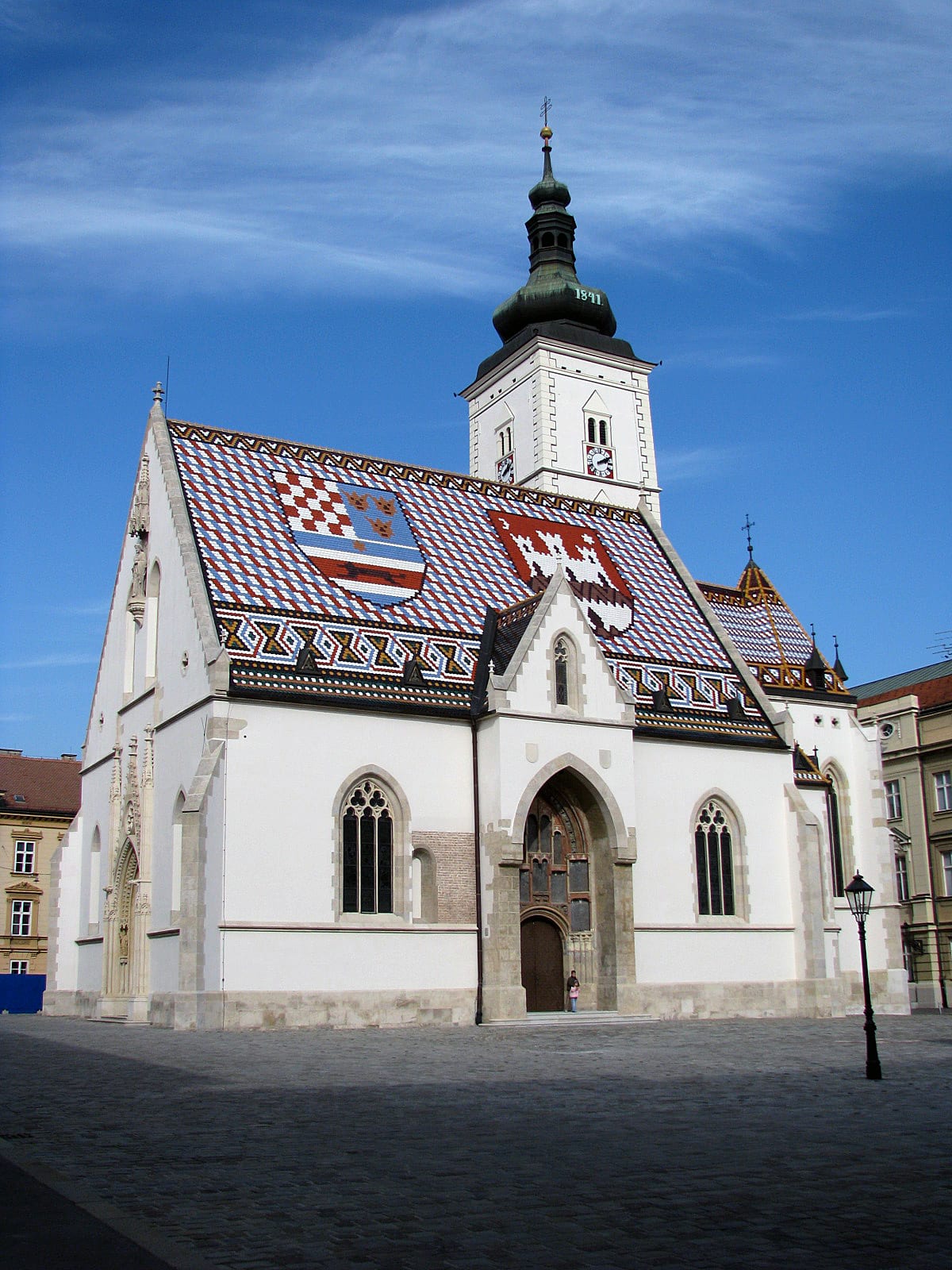
The capital, often skipped by beach-bound visitors, is a relaxed Central-European city: the medieval Upper Town with St Mark's coloured-tile roof and the Stone Gate shrine; the 19th-century Lower Town of parks, museums, and café-lined squares; a funicular between them; and a good tram network. It has a clutch of quirky museums — the Museum of Broken Relationships is the famous one — and a big Christmas market.
It also makes a base for day trips to Plitvice, the Zagorje castles, and the Samobor hills.
10. Mljet and the islands
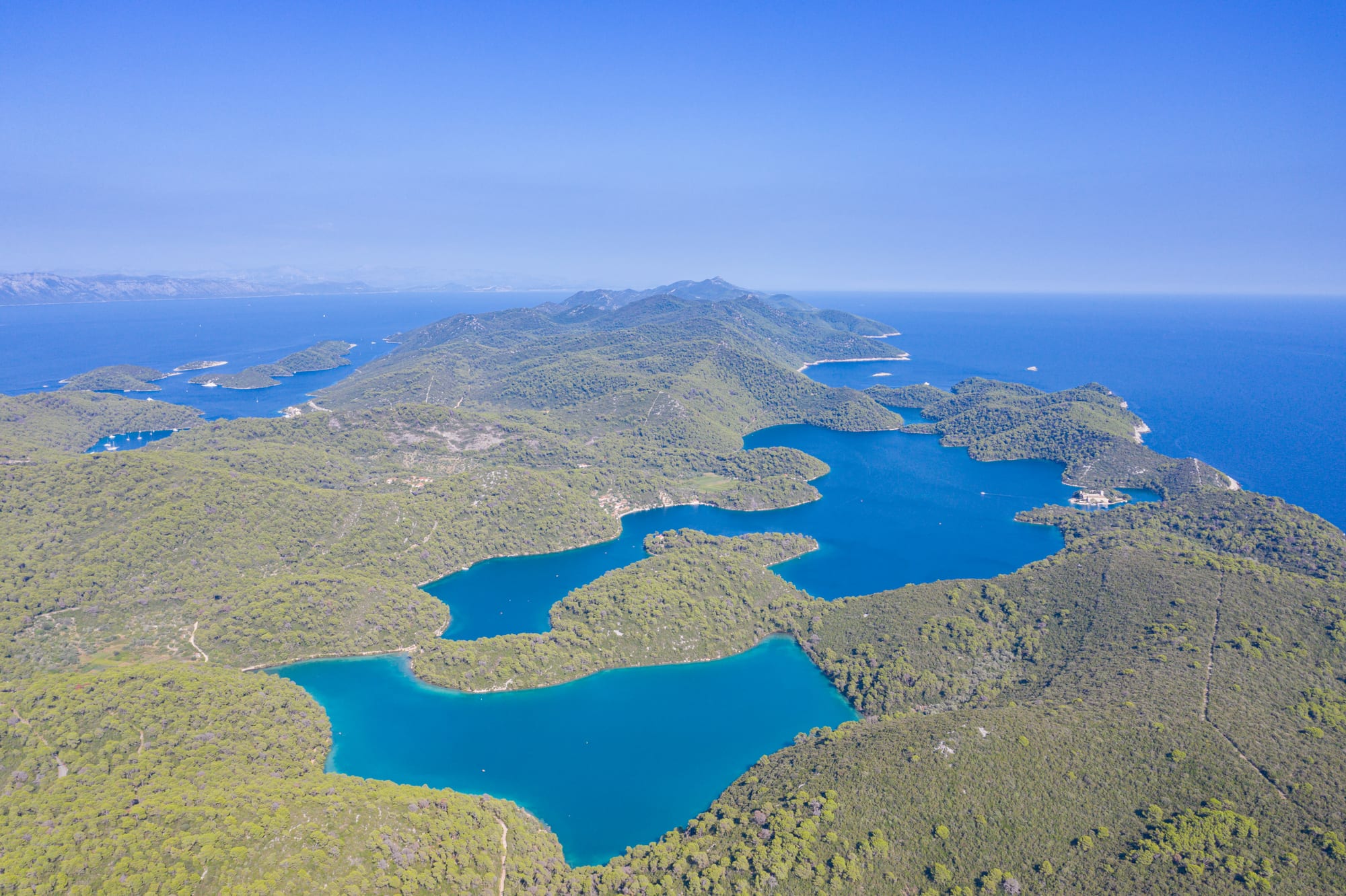
The western third of the long, pine-covered island of Mljet, near Dubrovnik, is a national park built around two connected saltwater lakes, with a boat to a monastery on an islet in the larger one, and a flat loop road perfect for cycling. It is one of the quietest, greenest corners of the Adriatic, and (per legend) where Odysseus was held by the nymph Calypso.
Beyond it, the Elaphiti islands, Lastovo, and the Kornati — 89 mostly bare islands in a national park — reward anyone with a boat or a ferry timetable.
Croatia is easy to travel and endlessly divisible. A week does Dubrovnik and the southern Dalmatian islands, or Split and the central coast, or Istria and the Kvarner. Add Zagreb and Plitvice on the way in or out.