Daily Life · Croatia
Croatia: A Country That Multiplies Every Summer
An unhurried, coffee-paced day the rest of the year, and a coast where the number of people can rise many times over for three months, before the towns and islands empty out again each autumn
By Worldlore Editorial · 30 September 2026
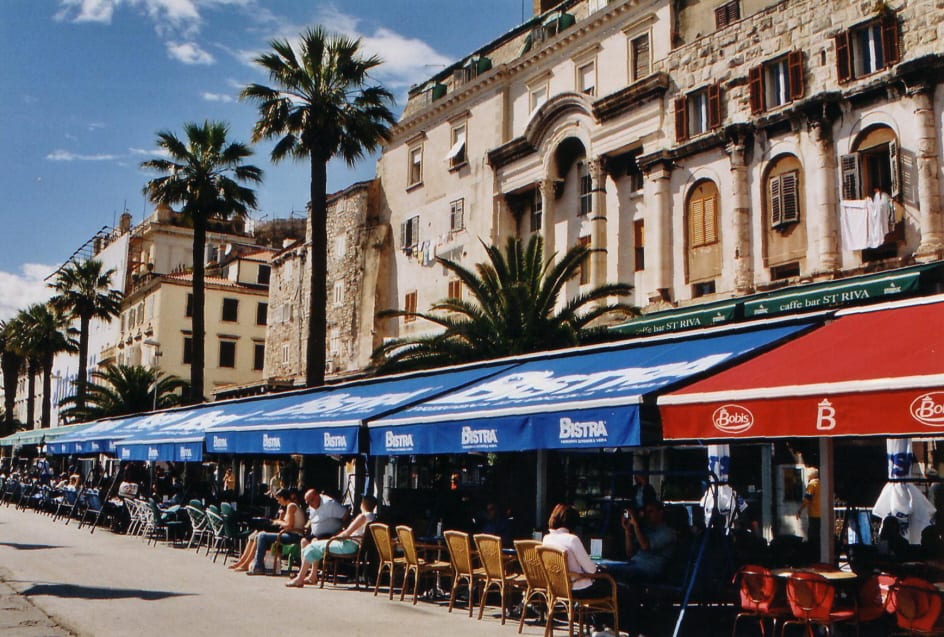
Croatia runs at an unhurried pace for most of the year: a long coffee at a café table, a leisurely walk along the promenade, dinner eaten late and outdoors when the weather allows. Then summer arrives, and the coast transforms. Croatia has fewer than four million residents but recorded more than 20 million tourist arrivals in a recent year, and in Dubrovnik alone, overnight visitors have outnumbered the resident population by more than 30 to one across a single year — a scale of seasonal change that reshapes daily life in the coastal towns and islands more completely than almost anywhere else in Europe.
Family and home life
Most Croatian households own the home they live in, and the country counted around 1.5 million private households at the 2011 census. The population itself has been shrinking and ageing for decades: it peaked at close to 4.7 million around 1991 and has fallen to under 3.9 million since, with about a fifth of the population aged 65 or over, and deaths outnumbering births every year since the early 1990s. Years of emigration to Germany, Austria and elsewhere in Europe, especially by younger workers since Croatia joined in 2013, thinned out many inland towns and smaller islands, though the last couple of years have seen migration turn positive again as foreign workers, including from outside the EU, have moved in to fill labour shortages.
Work, school and the rhythm of the day
Tourism, concentrated overwhelmingly in the three summer months, is the backbone of the economy on the coast and islands, alongside shipbuilding, agriculture in the inland Slavonia region, and services elsewhere. That seasonality shapes work itself: many coastal jobs, from hospitality to boat crews, are intensely busy from June to September and quiet the rest of the year. Schooling runs eight years of compulsory primary school followed by an optional four years of secondary school, either an academically focused gymnasium or a vocational school; because many school buildings are shared, students in some towns attend in a morning or afternoon shift rather than a single school day for everyone.
Community life and public spaces
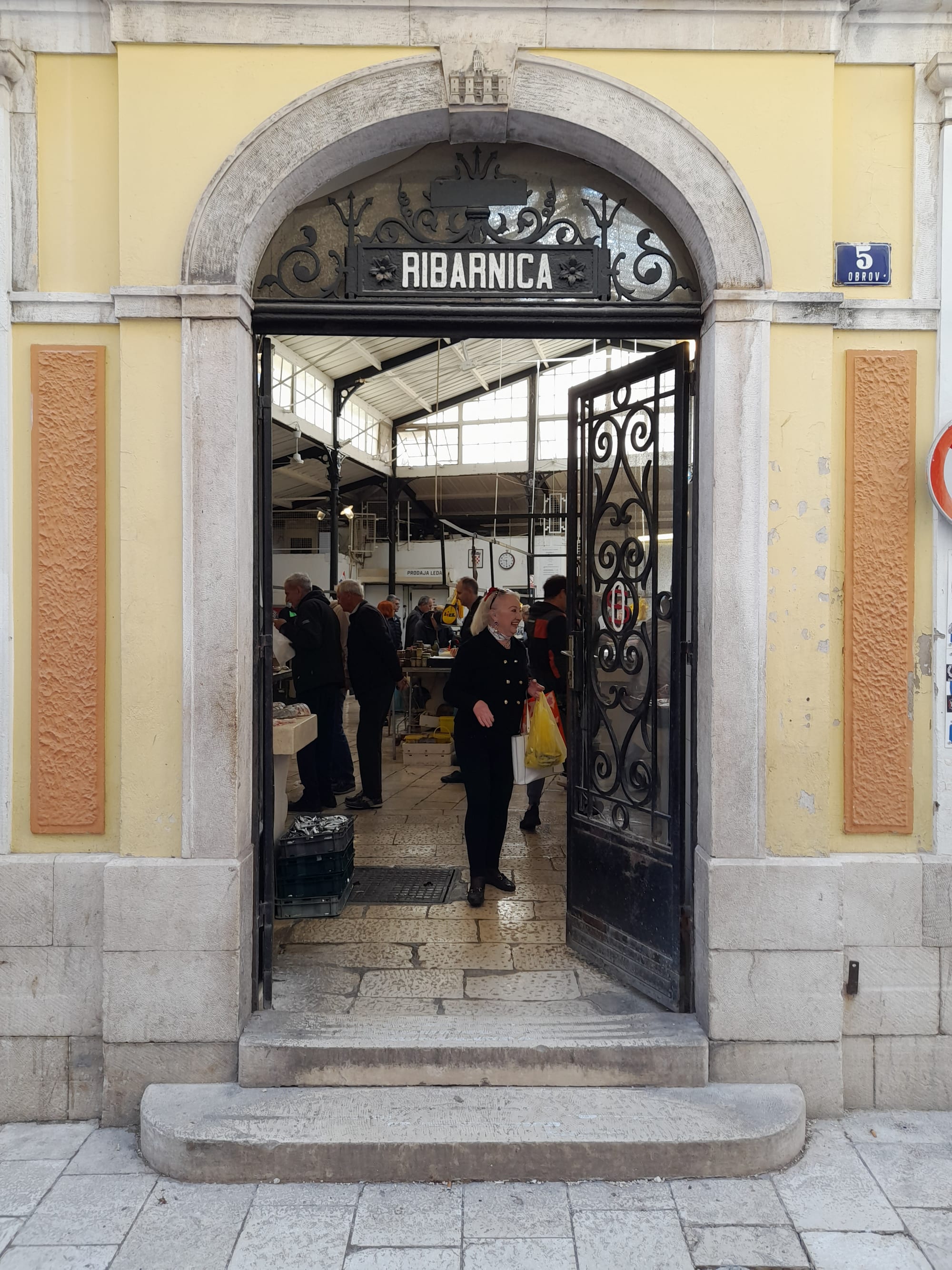
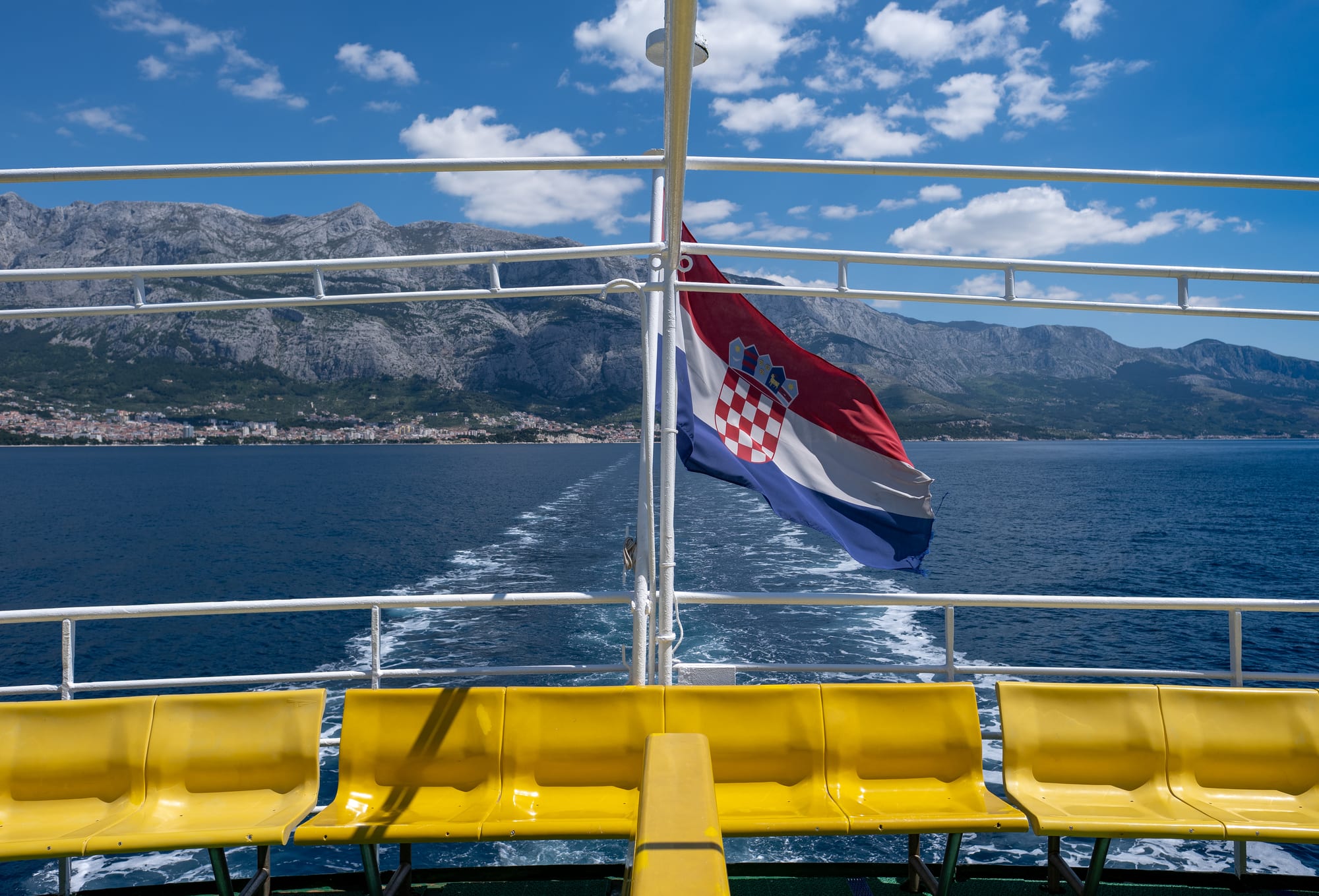
The market and the café are the two anchors of public life nationwide. Covered and open-air markets selling fish, produce and flowers operate in most sizeable towns, Split's fish market among the best known, and are where many households still do part of their everyday shopping rather than at a supermarket. Coffee culture runs deeper than a quick drink: sitting for an hour over a single coffee, alone or with company, is common and not read as slow service. A dense network of ferries and catamarans is the everyday connection between the mainland and the country's many inhabited islands, carrying commuters, students and goods as much as it carries visitors.
Free time and weekends
Weekends and free time follow the season. In summer, the coast and islands are where people go, whether they live there year-round or are visiting family, and getting between islands by ferry is as ordinary a weekend errand as it is a holiday journey. Football, water polo, handball and tennis are followed closely nationwide, disproportionately so for a country this size, and matches are watched together at cafés and homes as much as in stadiums. In winter, weekends slow down further still, especially away from Zagreb, with far less happening in the smaller coastal towns once the season ends.
A visitor's ordinary day
Croatia uses the euro, and card payment is accepted almost everywhere, though small konobas, market stalls and island shops still appreciate cash. Coastal prices climb steeply in high summer, so the rhythm of an ordinary day for a visitor changes a lot depending on when the visit falls: booked-out ferries and crowded old towns in high summer, versus quiet streets and easy bookings in May, June or September. Buses are the backbone of intercity travel, since no railway runs down the coast and Dubrovnik has none at all; island-hopping means checking the ferry timetable rather than simply turning up. A long lunch or an hour-long coffee is a normal pace to expect, not a sign of poor service.
What to take away
An ordinary day in Croatia runs at a genuinely unhurried pace most of the year, set against a population that is shrinking and ageing even as the country's coast absorbs a summer tourist season large enough to outnumber its own residents several times over.