Attractions & Natural Wonders · Cook Islands
The Cook Islands: Seven Attractions and Natural Wonders
A lagoon so shallow you can wade between islets, a jungle ridge walk under a rock needle, and a Sunday morning of hymn-singing in a coral-lime church
By Worldlore Editorial · 19 September 2026
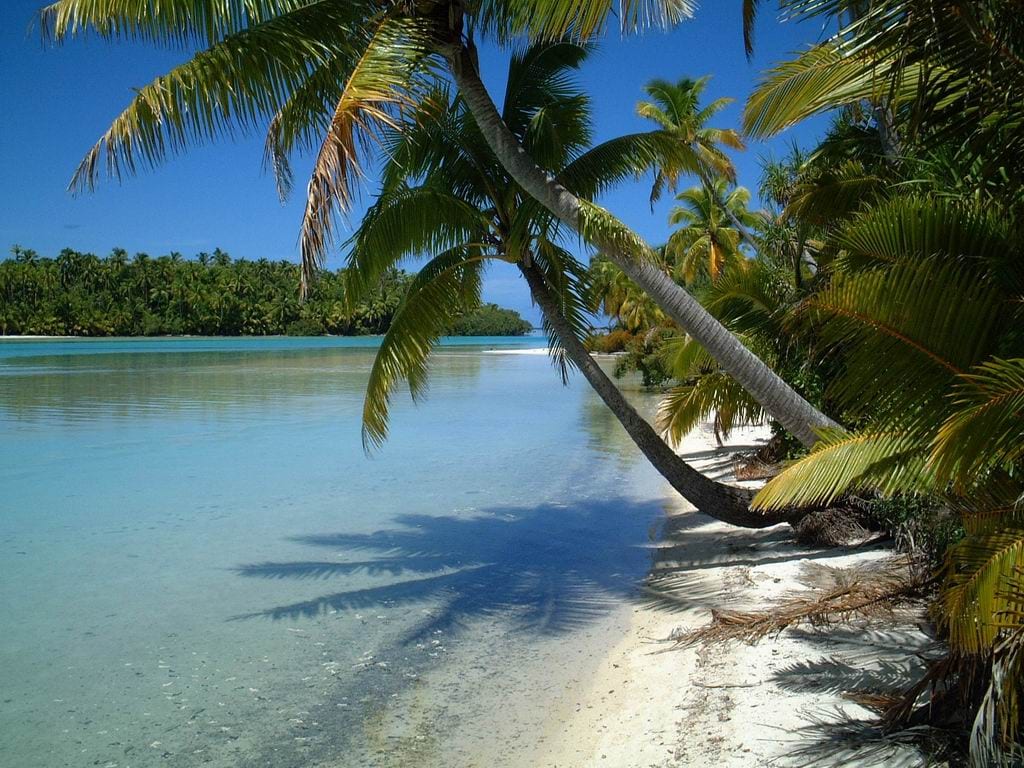
Fifteen islands, twenty thousand people
The Cook Islands are a self-governing nation in free association with New Zealand — fifteen small islands spread over an area of ocean the size of India, with a resident population of around 15,000 and far more Cook Islanders living in New Zealand and Australia. The culture is Polynesian and strongly Christian; Sundays are for church and rest. English and Cook Islands Māori are both spoken, and the currency is the New Zealand dollar.
Almost all visitors land on Rarotonga, the main island, and many add Aitutaki for its lagoon. The seven below cover both, plus the "quiet" island of Atiu. It is warm year-round; April to November is the drier, cooler season.
1. The Aitutaki lagoon
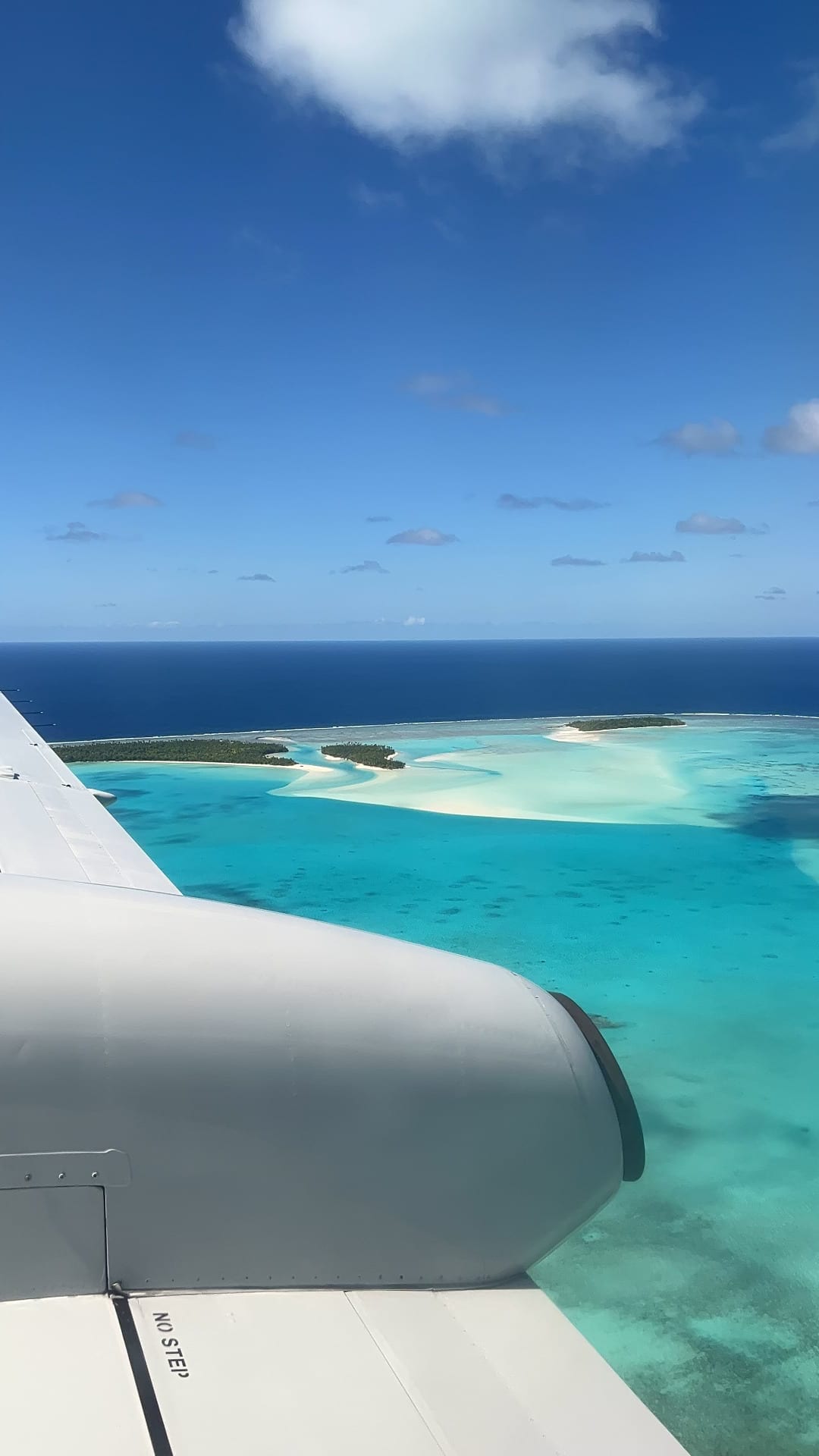
Aitutaki, a 45-minute flight north of Rarotonga, is built around one of the most beautiful lagoons anywhere — a huge shallow triangle of pale blue water, so clear and calm that lagoon cruises spend the day drifting between uninhabited motu, snorkelling over giant clams, and stopping to wade ashore on Tapuaetai ("One Foot Island"), which has a beach, a few palms, and a hut that will stamp your passport.
The main island is small, low-key, and largely given over to a handful of resorts and family-run bungalows.
2. Muri Lagoon, Rarotonga
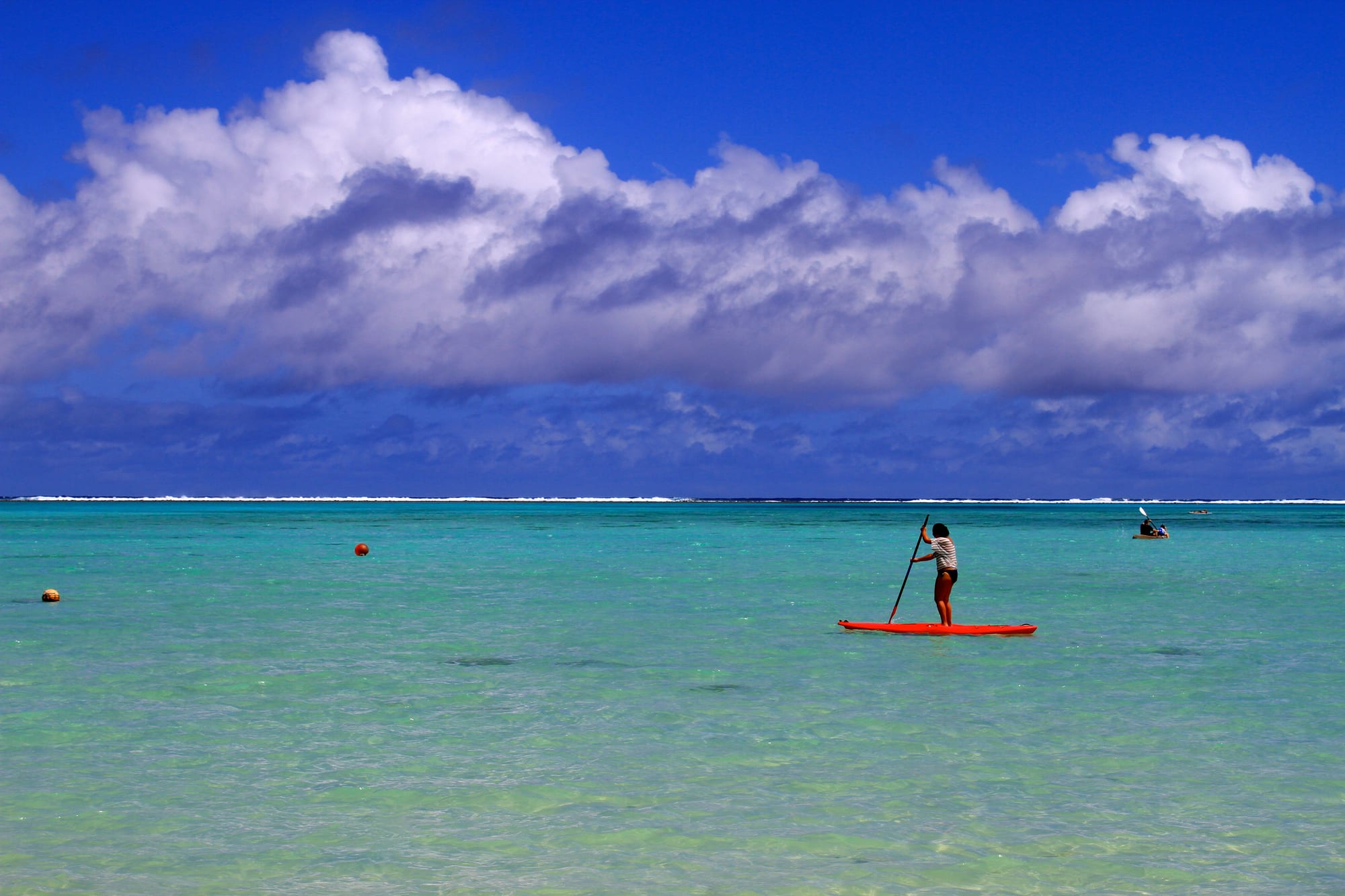
Muri, on Rarotonga's southeast corner, is the island's best stretch of lagoon — a wide, shallow, protected pool with four little islets you can wade or kayak to, and the main base for snorkelling, paddleboarding, and glass-bottom-boat trips. There has been concern about water quality from development pressure, and a programme to improve it; check locally before swimming.
The Muri Night Market, several evenings a week, is the best casual eating on the island.
3. The Cross-Island Track and Te Rua Manga
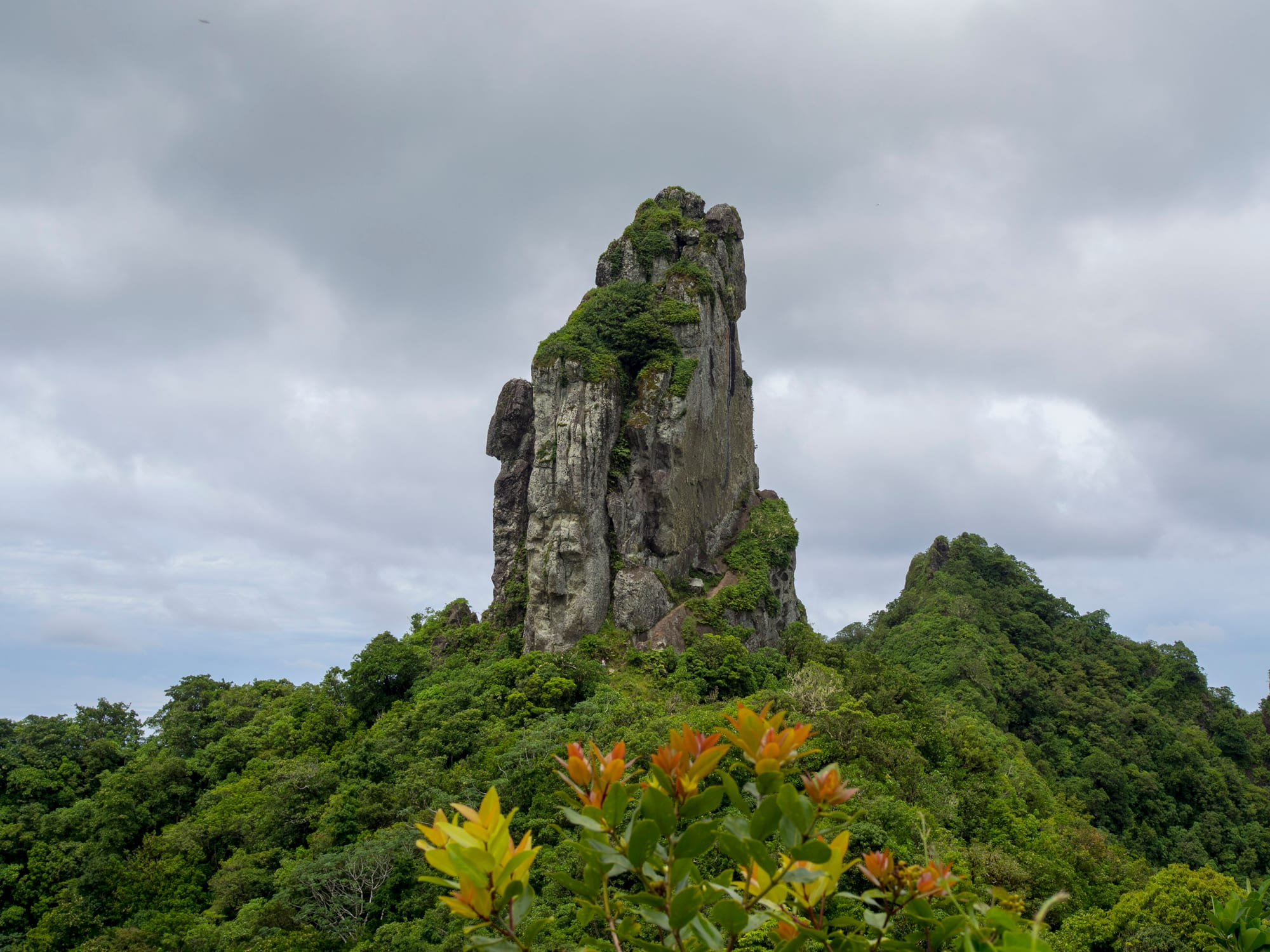
Rarotonga's interior is a wall of jungle-covered volcanic peaks, and the classic walk cuts right across it: a half-day track from the north coast up to the base of Te Rua Manga — a 413-metre rock spike — then a steep, often muddy descent past the Wigmore's (Papua) Waterfall to the south coast.
It is the island's one serious hike, best with a guide in the wet season, and it delivers a view over both coasts from the ridge.
4. Avarua and the Punanga Nui market
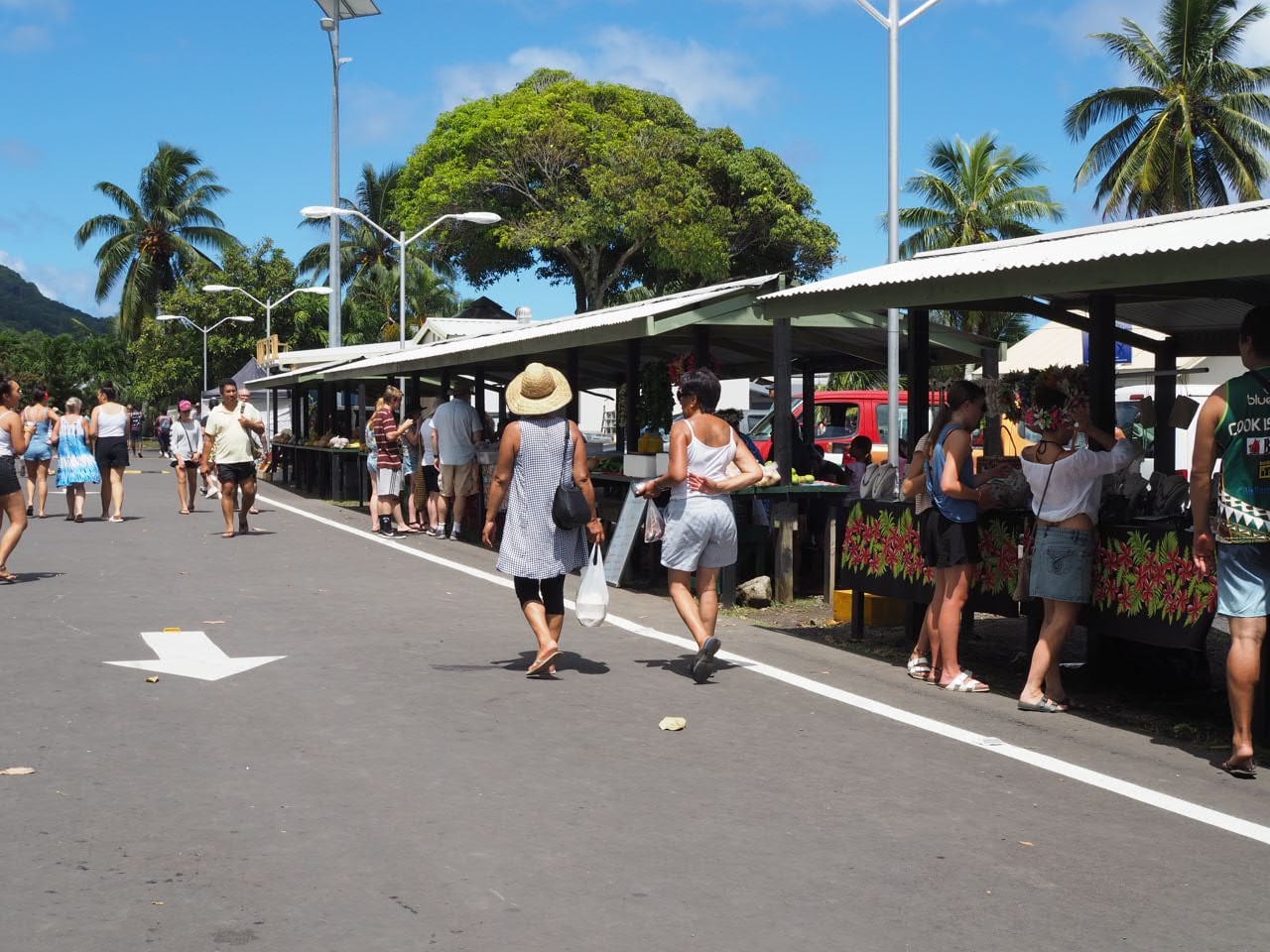
Avarua, the low-rise capital on the north coast, is really just a strip of shops, churches, and cafés — but on Saturday mornings the waterfront Punanga Nui market fills with produce, black pearls, carving, printed pareu cloth, ukulele players, and food stalls. It is the social event of the week and the best place to buy local.
Around town: the National Museum and library, the Cook Islands Christian Church with its old missionary graves, and the wreck of the SS Maitai on the reef.
5. Titikaveka and the south-coast beaches
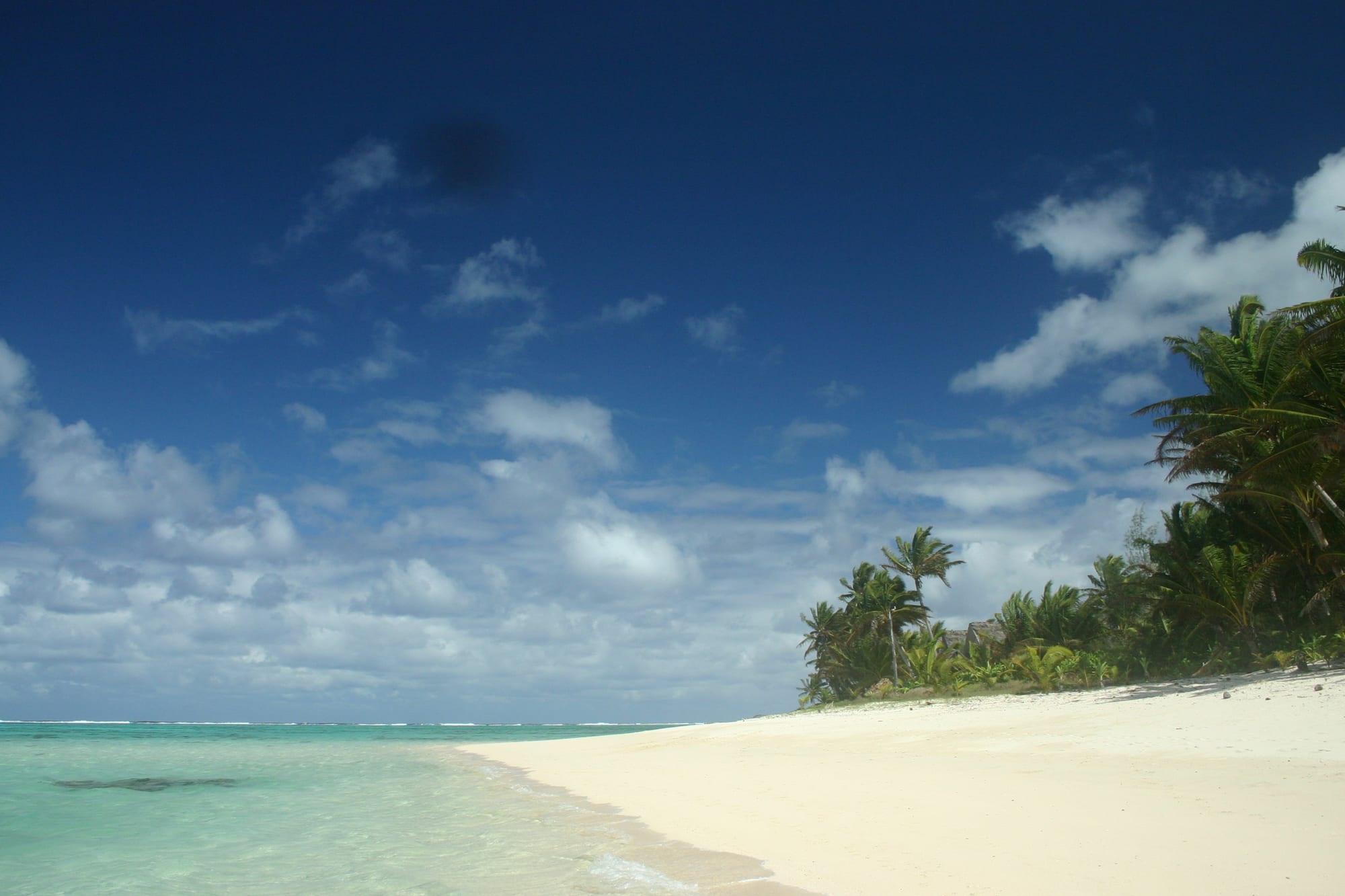
The south coast of Rarotonga has the widest lagoon and the best beaches — Titikaveka, Aro'a, and the marine-reserve section around the Fruits of Rarotonga snorkel spot, where the coral and fish are protected and the water is usually calm. The whole island is only 32 kilometres around, ringed by one flat road, so it is easy to sample several beaches by scooter or the island bus (which runs "clockwise" and "anti-clockwise").
Sundays, many businesses close and the churches fill with famously powerful harmony singing that visitors are welcome to hear.
6. The outer motu of Aitutaki
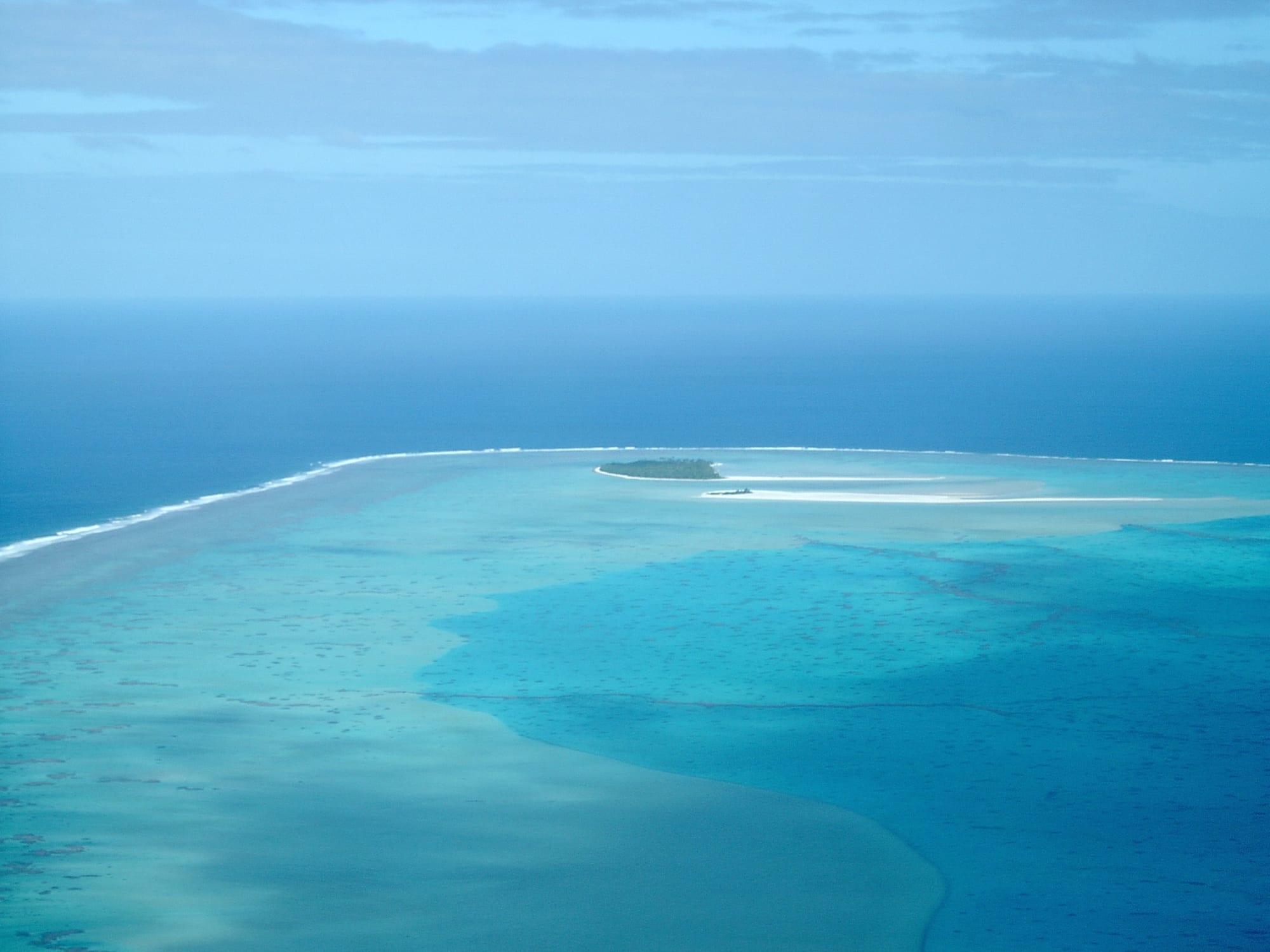
Beyond One Foot Island, the Aitutaki lagoon has a string of other uninhabited motu that day cruises visit — Maina, with its long sandbar and seabird colony; Moturakau and Rapota, the "honeymoon islands"; and the reef edge where the pale lagoon meets the deep ocean blue. Some trips include a stop to snorkel the "Aitutaki Aquarium", a coral bommie thick with fish.
The lagoon is shallow enough that at low tide you can wade a long way from shore.
7. Atiu
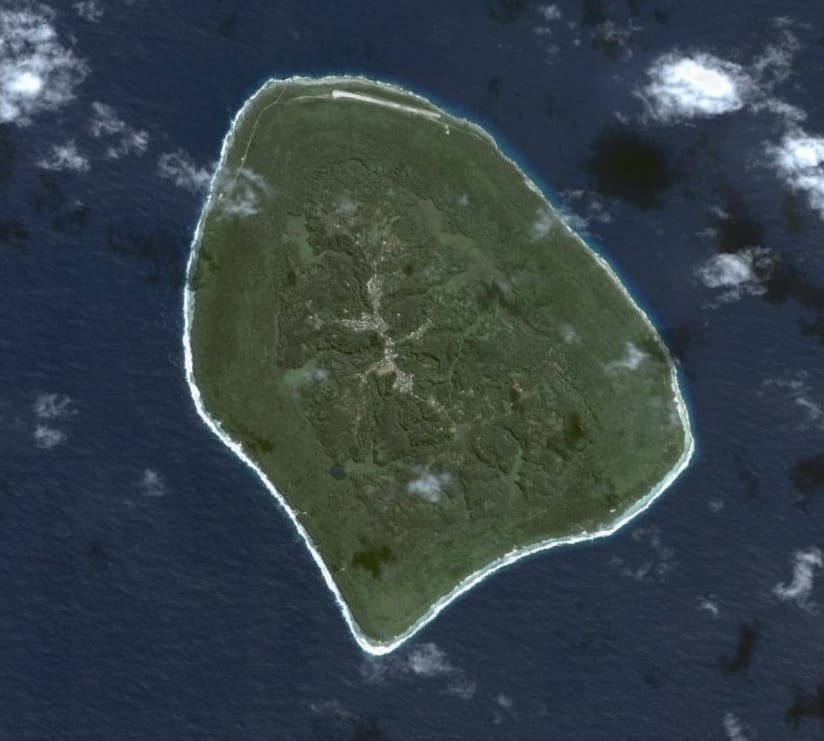
Atiu, in the eastern group, is the most rewarding of the "other" islands: a raised coral platform ringed by a band of sharp fossil-reef limestone (makatea) full of caves — one with the nests of the swiftlet-like kopeka, which navigates in the dark by echolocation. It also grows a well-regarded coffee, revived by a Cook Islander who returned from Germany, and it keeps the tradition of the tumunu, a communal bush-beer drinking circle descended from banned kava sessions.
It has a handful of guesthouses and a few flights a week from Rarotonga.
The Cook Islands are a small, gentle destination: a week on Rarotonga with two or three nights on Aitutaki is the standard trip, with Atiu added for travellers who want somewhere quieter still.