Daily Life · Cook Islands
Cook Islands: A Nation Living Mostly Somewhere Else
A single ring road served by two buses, one going clockwise and one going the other way, a Saturday market that doubles as the week's social event, and a resident population that is heavily outnumbered by Cook Islanders living in New Zealand and Australia
By Worldlore Editorial · 30 September 2026
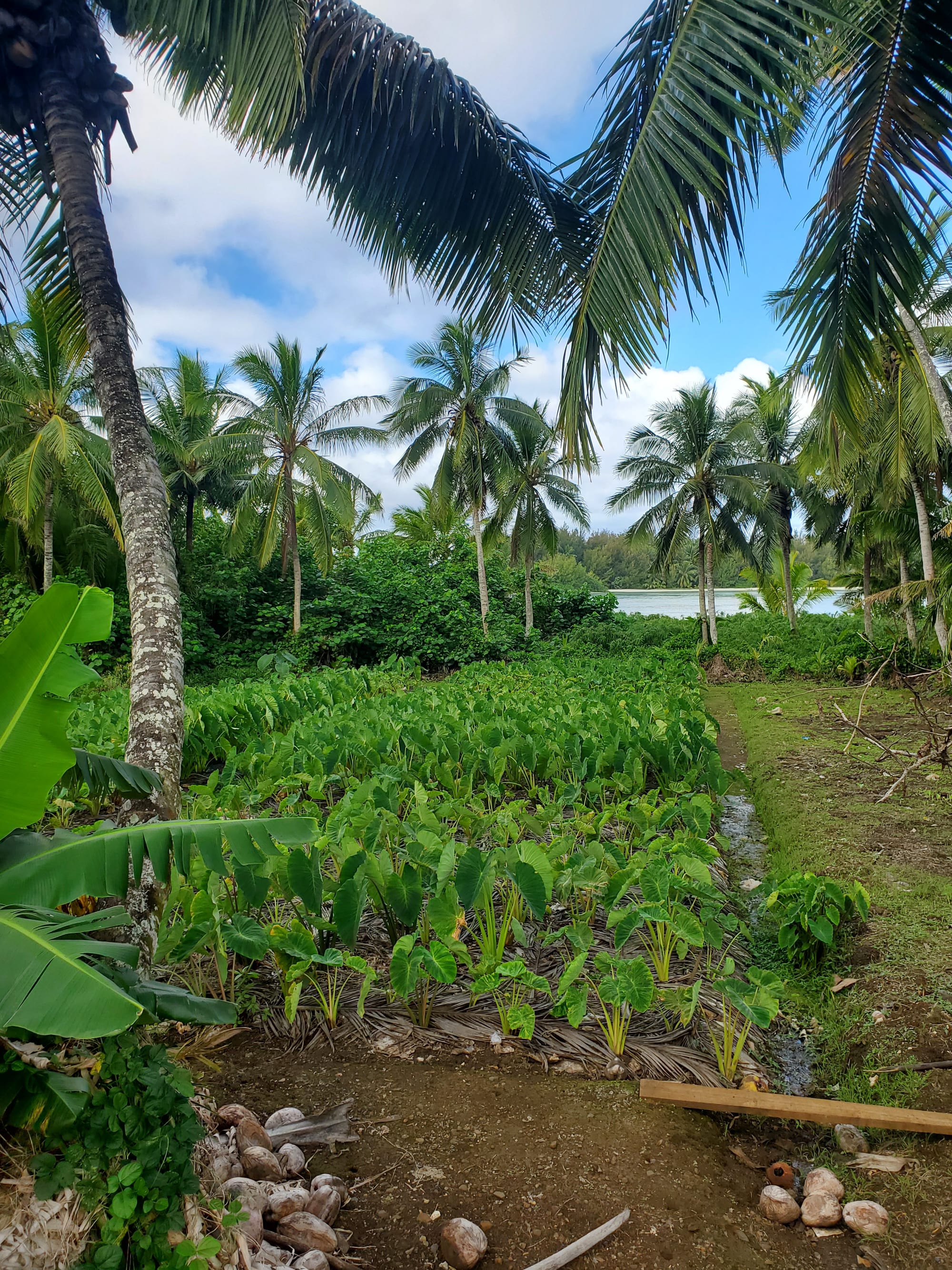
Life on Rarotonga and the other Cook Islands moves at the pace of a single loop road and a shared sense that most of the extended family is somewhere else. Mornings bring gardening, a walk to a small shop, or a run out to the reef; Saturday brings much of the community out to the Punanga Nui market in Avarua; and Sunday brings church, still a widely shared fixture, followed by a quiet day with little open and few cars on the road. Running underneath all of it is a demographic fact unlike almost anywhere else: Cook Islanders living in New Zealand and Australia outnumber those living in the Cook Islands themselves several times over, so an ordinary day here is also, for many families, a day of phone calls, remittances, and visits timed around someone else's flight home.
Family and home life
About 15,000 people live across the fifteen islands, roughly three-quarters of them on Rarotonga, while more than six times that many identify as Cook Islanders in New Zealand alone — over 94,000 at the 2023 census — with tens of thousands more in Australia. Cook Islanders are New Zealand citizens by birth, so moving abroad for work, study or a wider choice of jobs has been easy and common for decades, and it is now unusual for a family not to have close relatives living overseas. Land itself stays firmly in Cook Islands families: customary land generally cannot be sold, only leased, a rule that keeps ownership local even as the people who might live on it are scattered across the Pacific.
Work, school and the rhythm of the day
Tourism dominates the paid economy, accounting for about 70 percent of GDP and drawing well over 100,000 visitors a year, most from New Zealand, so a large share of jobs on Rarotonga and Aitutaki are in hotels, tours, and hospitality. Away from that, many households still combine wage work with subsistence gardening and reef fishing, growing and catching a meaningful share of what they eat rather than relying solely on the supermarket. Rarotonga has the country's hospital, main secondary schools, and government offices; the smaller outer islands have far less infrastructure, thinner job markets, and correspondingly higher rates of people, especially the young, leaving for New Zealand or Australia.
Community life and public spaces
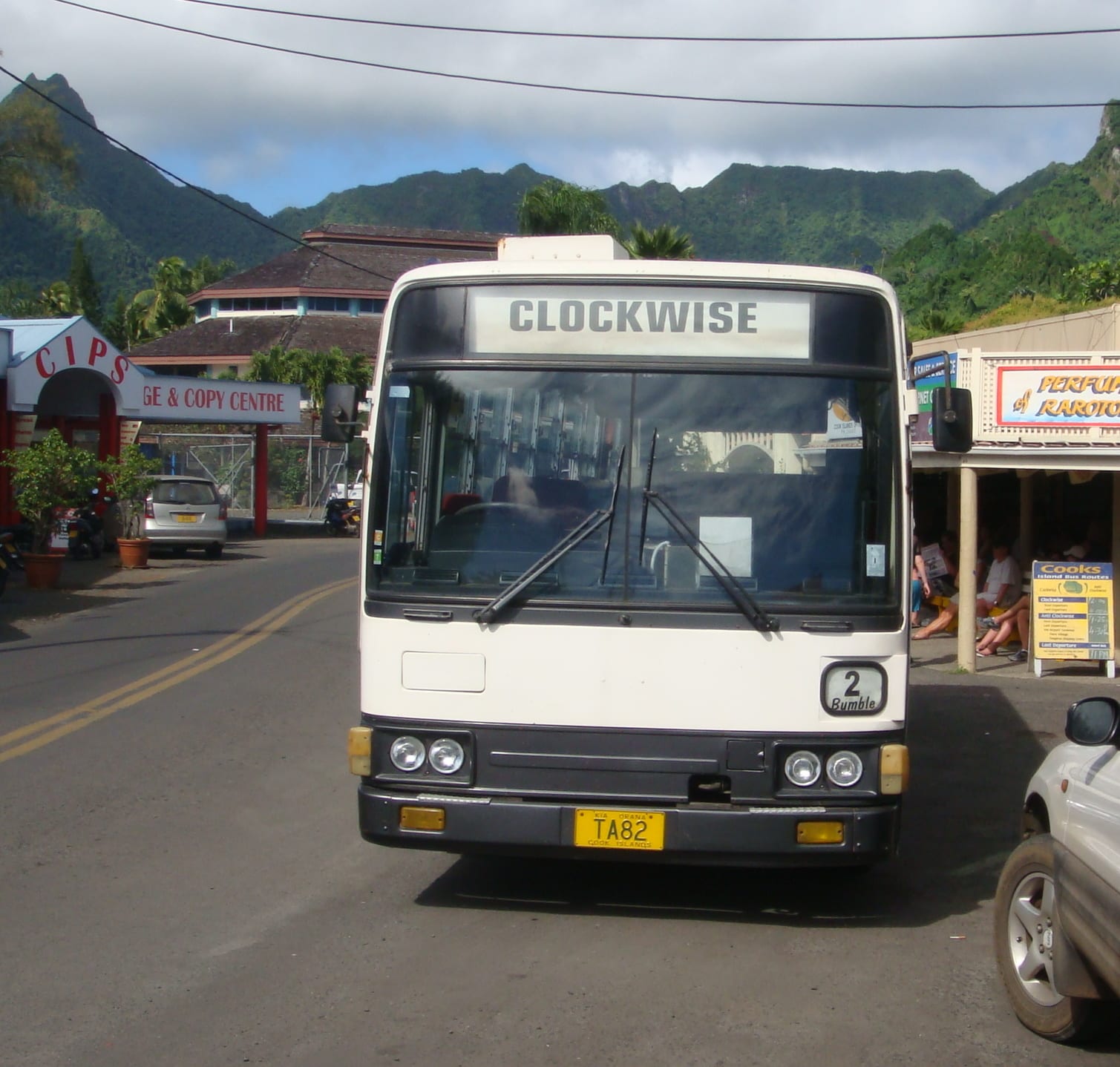
Rarotonga's single 32-kilometre ring road is the backbone of everyday movement, served by two bus routes with no more complicated names than Clockwise and Anticlockwise, alongside hired scooters and small cars. Saturday morning belongs to the Punanga Nui market in Avarua, where produce, fish, cooked food and handicrafts are sold and much of the week's socialising happens alongside the shopping. Village life on the outer islands still centres on the church, the small shop, and the shoreline, with far less traffic and far fewer services than Rarotonga.
Free time and weekends
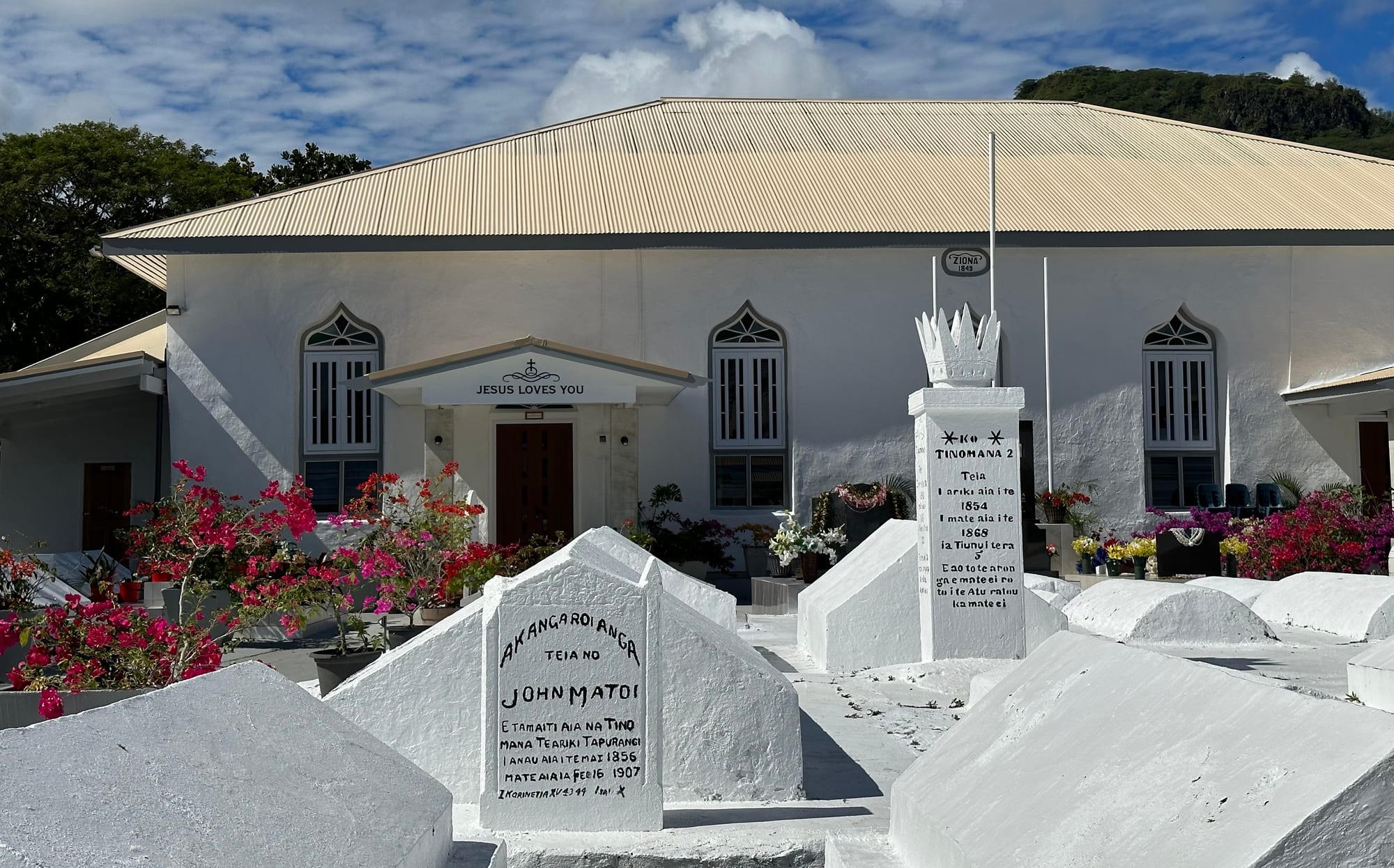
Sunday remains the clearest fixed point of the week: more than four in ten people in the Cook Islands belong to the Cook Islands Christian Church, the descendant of the original London Missionary Society church, and church attendance, along with the islands' well-known choral hymn singing, is still a widely shared habit rather than a niche pursuit. Shops and most business activity slow right down or stop for the day. Outside of Sunday, free time runs to family gatherings, reef fishing and swimming, and, on Rarotonga, watching or taking part in the dance competitions of the annual Te Maeva Nui festival, held around 4 August to mark self-government in 1965.
A visitor's ordinary day
The New Zealand dollar is used everywhere, alongside the Cook Islands' own coins, including a triangular two-dollar piece, and three-dollar notes, which circulate locally but are not exchangeable abroad; cards work in shops and restaurants on Rarotonga and Aitutaki, but small local purchases and the outer islands still run mostly on cash. Hiring a scooter or car, or riding the Clockwise or Anticlockwise bus, is the practical way to get around Rarotonga's ring road, since there is only the one road to follow. Shops and the market keep fairly relaxed hours through the week but wind down sharply on Sunday, so it is worth stocking up or planning meals out the day before.
What to take away
An ordinary day in the Cook Islands is shaped as much by who is away as by who is there — a small resident population running its own loop road, market and Sunday routine while staying in constant, practical touch with a much larger set of relatives living in New Zealand and Australia.