History · Cook Islands
The Cook Islands: A Nation in Free Association
Fifteen Polynesian islands settled by voyaging canoe, a British then New Zealand possession, and a self-governing country that has chosen not to be fully independent
By Worldlore Editorial · 10 September 2026
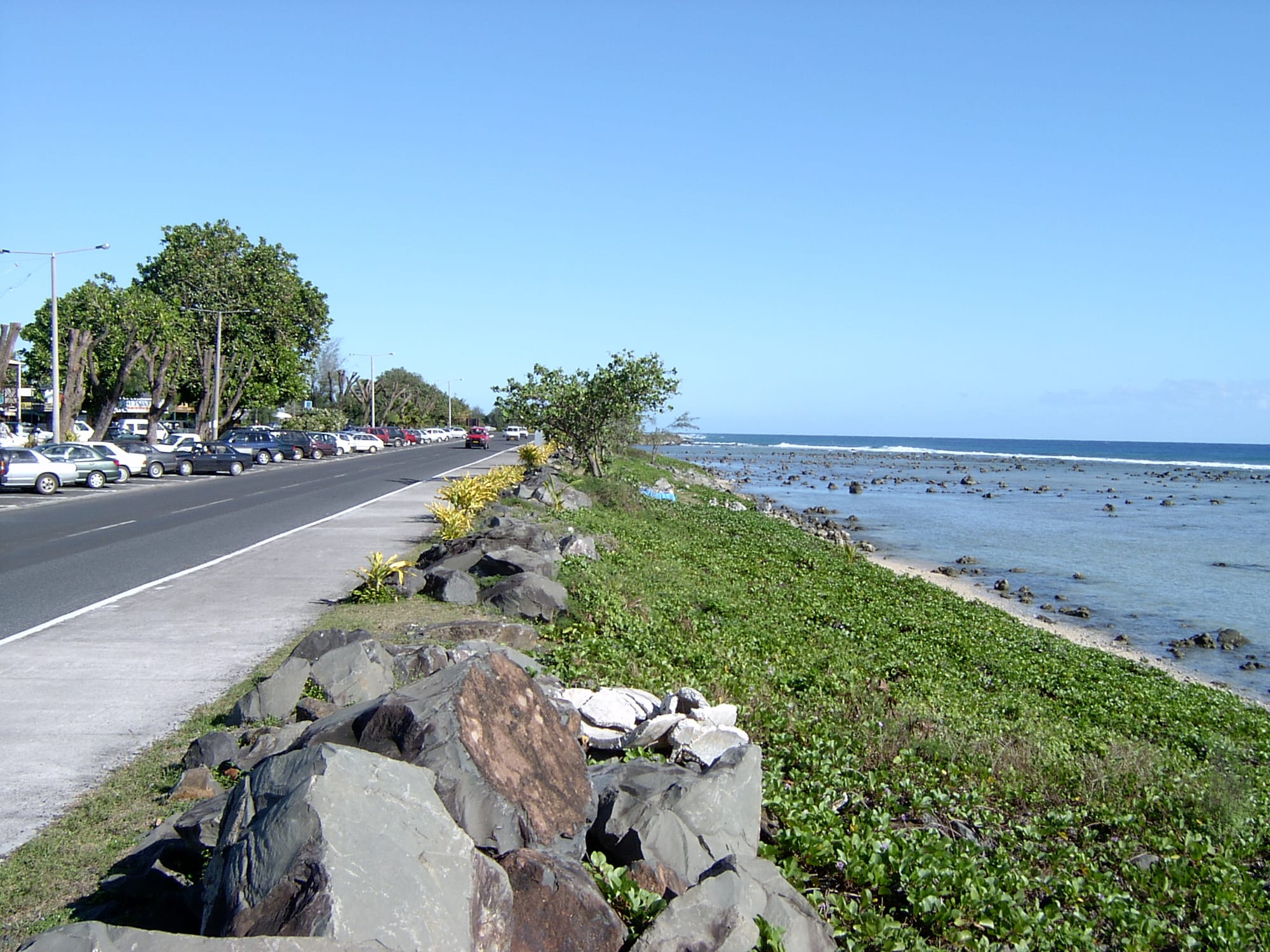
Fifteen islands, a scattered nation
The Cook Islands are 15 islands — high volcanic islands in the south, low coral atolls in the north — dotted across a huge stretch of the central South Pacific, with a total land area of only about 240 square kilometres. Around 15,000 people live there, most on Rarotonga, and they are Cook Islands Māori: Polynesians closely related to the Māori of New Zealand and to Tahitians. The defining fact of the modern Cook Islands is its constitutional status — a self-governing country in "free association" with New Zealand, which runs its own foreign policy and joins international organisations in its own name, but whose people hold New Zealand citizenship and which has deliberately stopped short of full independence.
A short history
- c. 800–1000 CE
Settlement
Polynesian voyagers reach the southern islands.
- c. 1200–1400
The migrations
Tradition holds that canoes to Aotearoa/New Zealand set out via Rarotonga.
- 1770s
Cook
James Cook charts several of the southern islands.
- 1821–1823
Missionaries
The London Missionary Society arrives; Rarotonga converts to Christianity.
- 1888
British protectorate
Local chiefs seek British protection against French expansion.
- 1901
New Zealand takes over
The Cook Islands are annexed to New Zealand.
- 1965
Self-government
The Cook Islands become self-governing in free association with New Zealand.
- 1965 onward
A quasi-state
The country builds its own foreign relations while keeping the NZ link.
Voyagers and marae
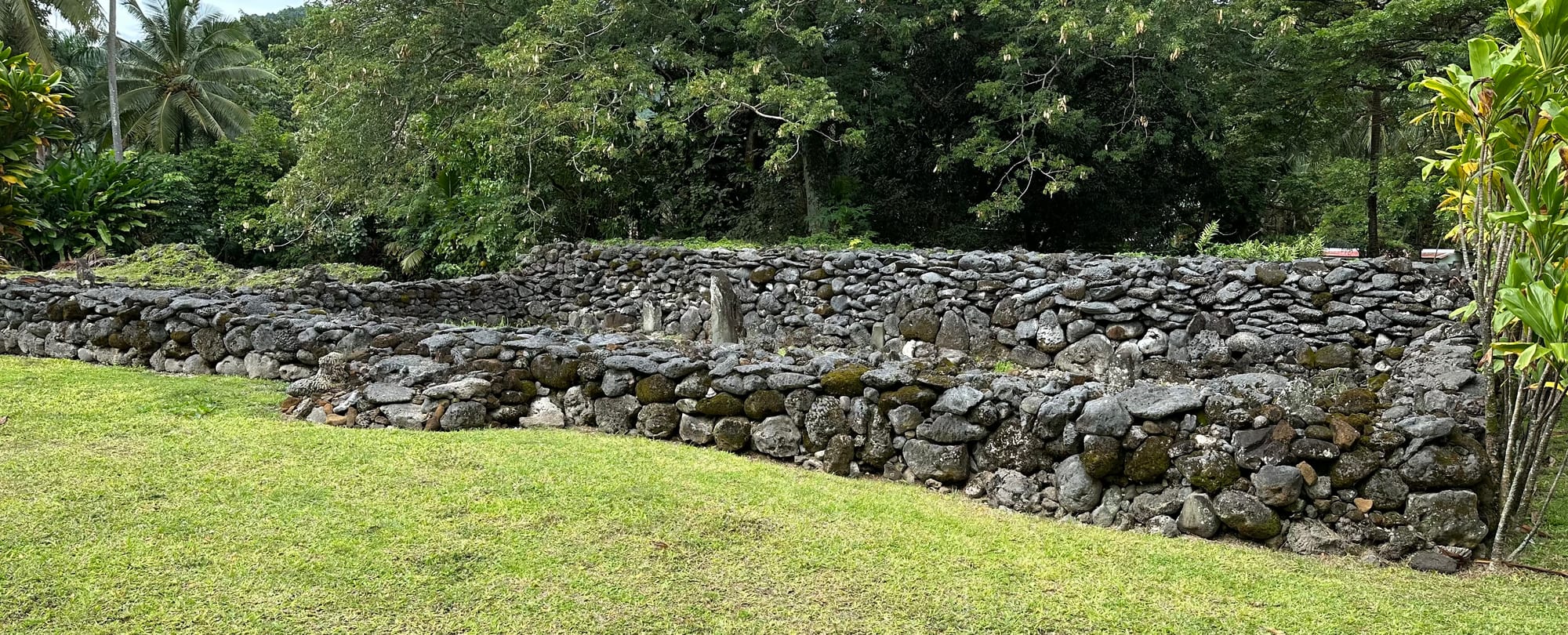
Polynesian navigators settled the southern Cook Islands more than a thousand years ago, and Rarotonga holds a central place in New Zealand Māori tradition: the great migration canoes that carried Māori to Aotearoa are said to have gathered at or passed through Rarotonga around the 13th and 14th centuries. Cook Islands society was organised around ariki, the paramount chiefs, around tribal canoe-groups, and around the marae — the stone ceremonial platforms where authority and religion were enacted.
Missionaries and protectorate
European ships passed from the 1590s, and James Cook charted several of the southern islands in the 1770s — though the group was named for him only later, by a Russian navigator. The transforming contact was the London Missionary Society, which reached the islands from Tahiti in 1821. A Polynesian teacher is credited with converting Rarotonga in 1823, and Christianity was adopted quickly and completely; the mission then governed in effect through the ariki, imposing a strict church-run order that still shapes Cook Islands life. Introduced diseases cut the population sharply through the 19th century.
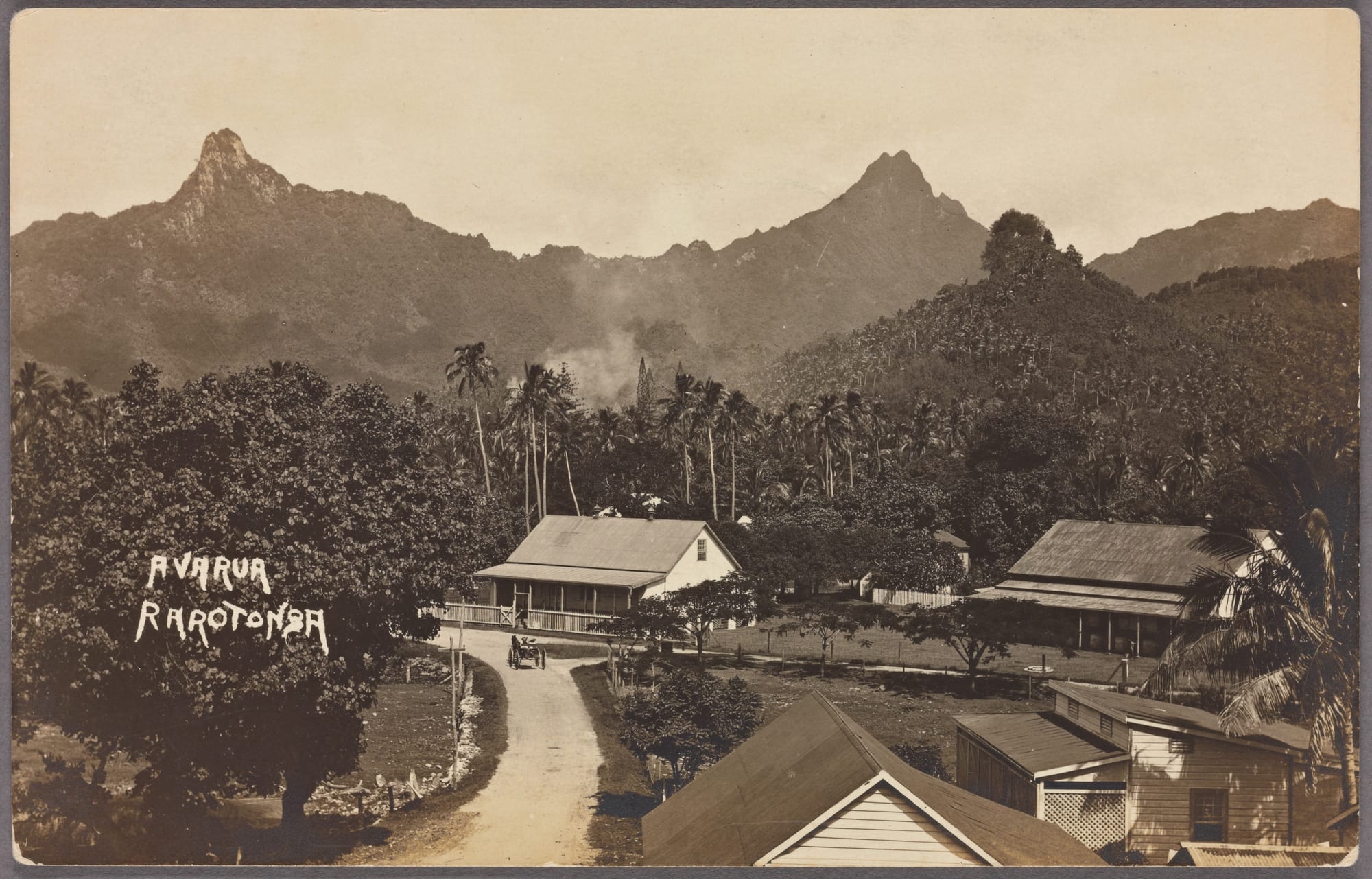
Britain declared a protectorate over the southern islands in 1888 and extended it north. Then, in 1901, at New Zealand's request, the boundaries of New Zealand were redrawn to take in the Cook Islands, and for the next 64 years they were governed from Wellington as a New Zealand territory — administered lightly, exporting citrus and copra, and increasingly sending its people to New Zealand for work.
Free association
In 1965 the Cook Islands took up a new and unusual status: a self-governing state in free association with New Zealand. It has full control of its internal affairs and, over time, of its foreign policy; New Zealand keeps responsibility for defence and provides aid at the Cook Islands' request; and Cook Islanders remain New Zealand citizens, with the right to live and work in New Zealand and Australia. Albert Henry became the first premier, and dominated politics until he was removed in 1978 for flying voters in from New Zealand to win an election.
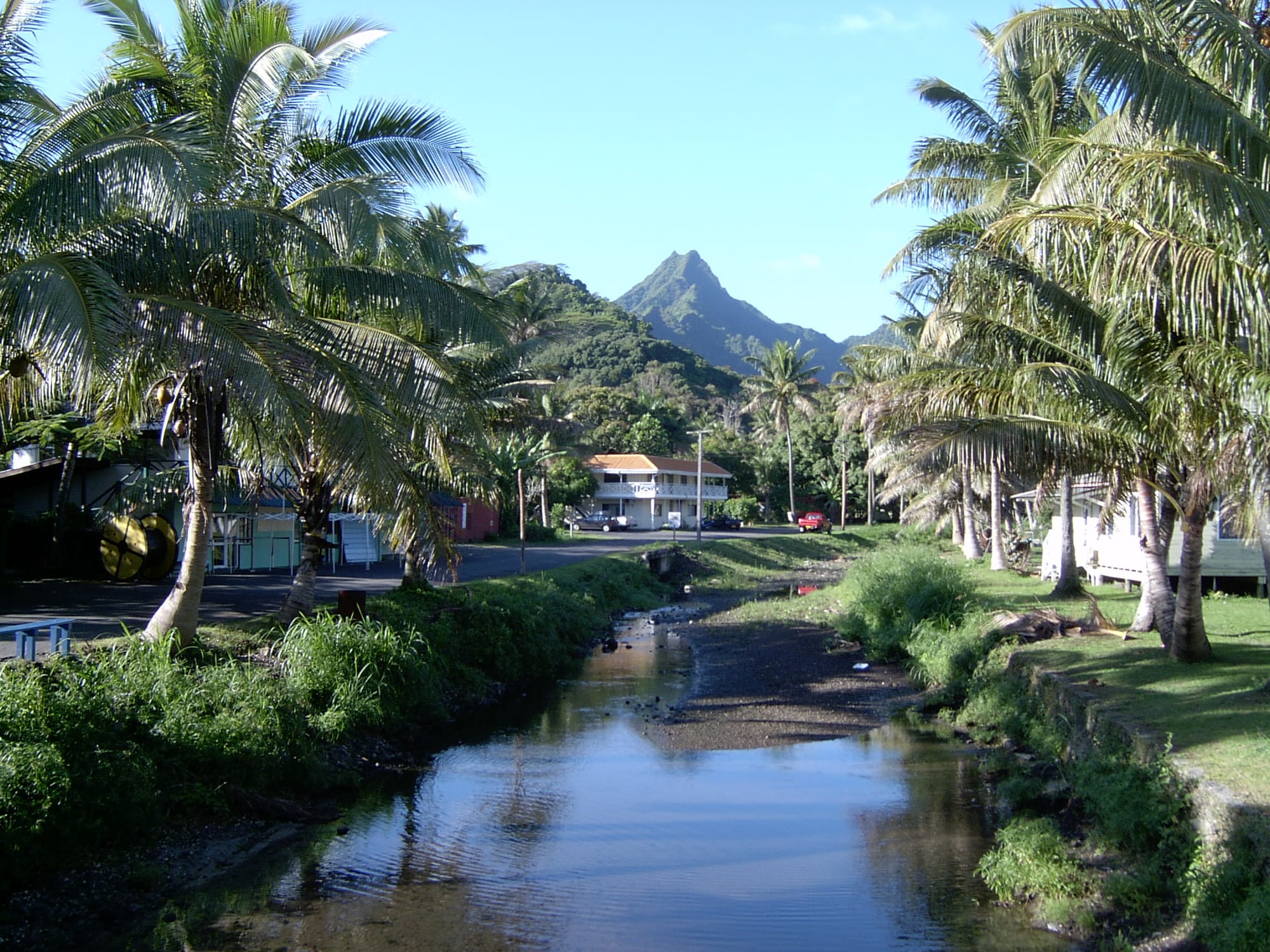
Since 1965 the Cook Islands has behaved increasingly like an independent country — maintaining diplomatic relations with dozens of states, joining international bodies as a member, and signing treaties in its own name — while choosing not to seek United Nations membership or full independence, largely because that could put Cook Islanders' automatic New Zealand citizenship at risk. Tourism centred on Rarotonga and the Aitutaki lagoon now drives the economy, alongside black pearls, fishing licences and offshore finance. But far more Cook Islanders live in New Zealand than in the islands, the resident population is shrinking, and the outer islands are steadily emptying.
What the Cook Islands keep
The Cook Islands have found a middle path that few places have: a real nation, with its own government, language, church and seat at international tables, that has declined the last formal step to sovereignty because the link to New Zealand — and the mobility it gives — is worth more than a flag at the UN. The tension in that arrangement, over how much foreign policy the Cooks can run without consulting Wellington, is the country's live constitutional question.