Food · Comoros
Comoros: Food and the National Dish
Rice, coconut and seafood shaped by the Indian Ocean's old trade routes, and a nation known worldwide for the vanilla and cloves grown in its soil rather than for a single famous dish
By Worldlore Editorial · 16 September 2026
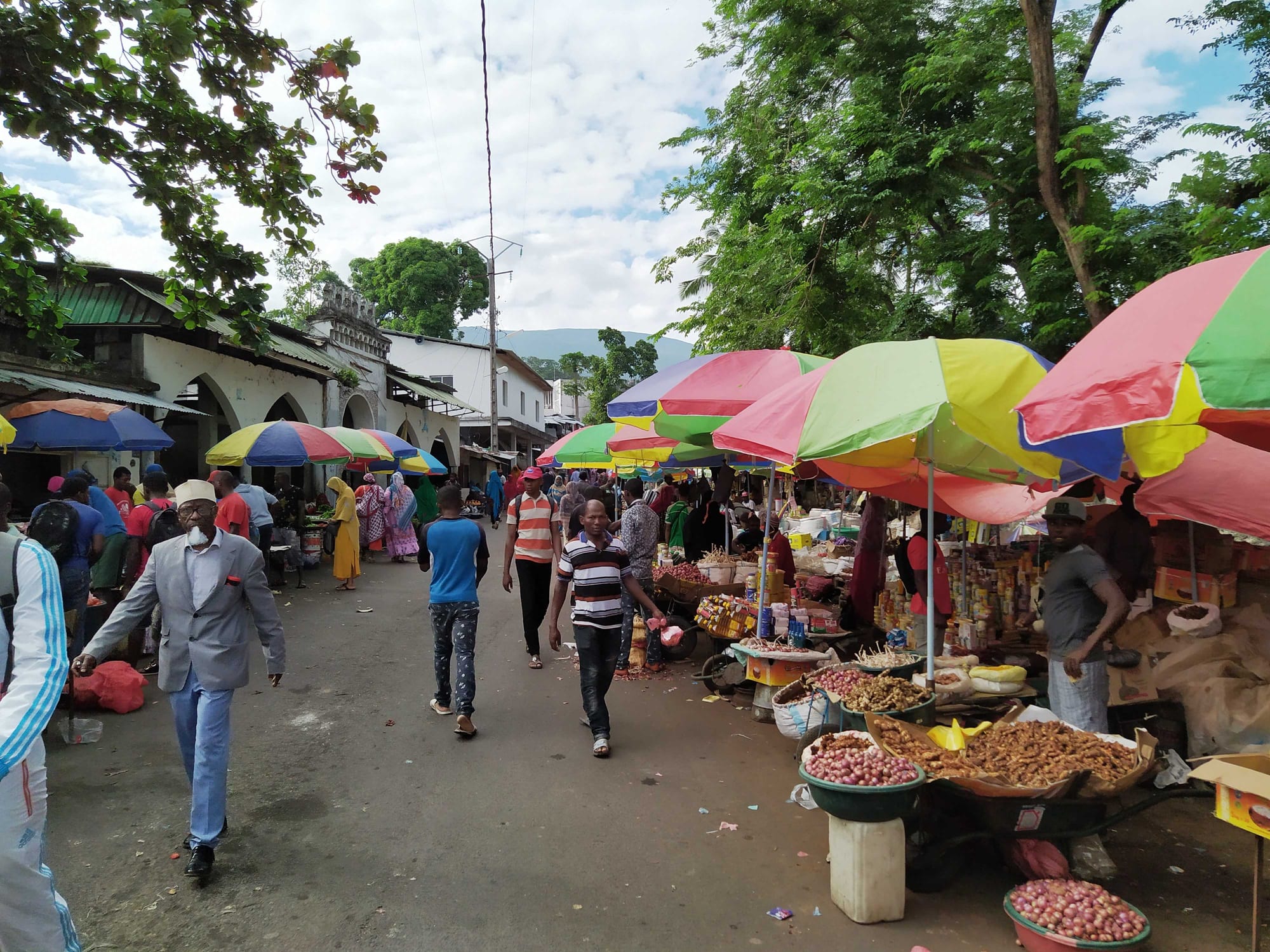
Islands known for spice more than for a single dish
Comoros, a small archipelago in the Indian Ocean between Madagascar and the East African coast, is better known internationally for what it grows than for any one national dish: the islands are among the world's leading producers of vanilla, cloves and ylang-ylang, a fragrant flower used in perfume-making, earning Comoros the nickname "the Perfume Islands". Its everyday food draws on that same Indian Ocean crossroads position — Swahili and Arab trading influence, French colonial administration, and an African base — built around rice, coconut and seafood.
A rice-and-seafood table
Rice, usually cooked with coconut milk and spices in a style close to the pilau found across the Swahili coast and the wider Indian Ocean, is the staple carbohydrate, served with fresh fish, lobster or other seafood pulled from the surrounding waters. Cassava, banana and breadfruit round out the starches, and coconut appears constantly, in sauces as much as in rice itself.
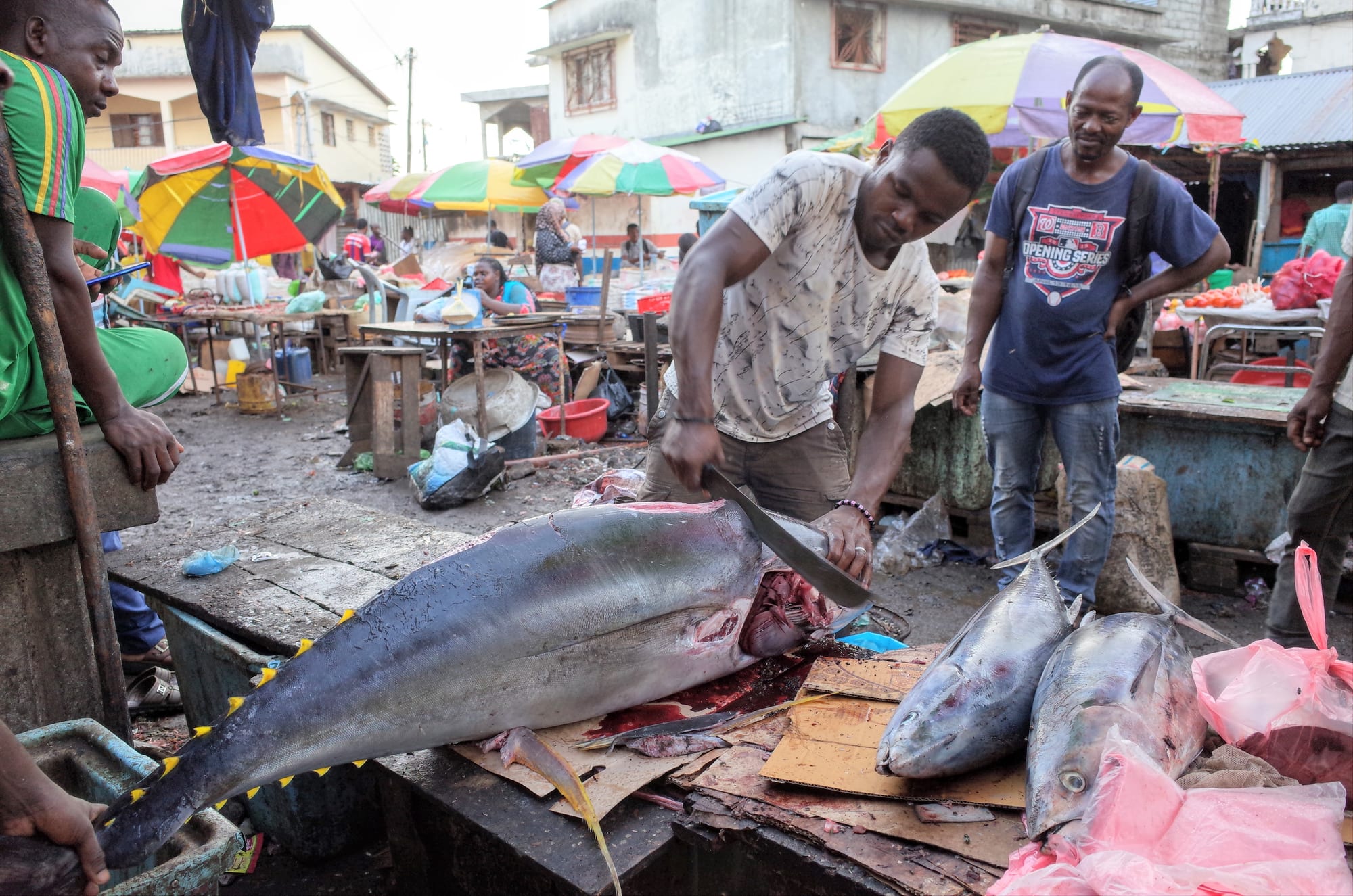
Langouste à la vanille
The dish most specifically associated with Comoros abroad is langouste à la vanille — local spiny lobster cooked in a rich sauce flavoured with vanilla, a direct expression of the islands' identity as one of the world's major vanilla producers. Combining a prized seafood with a spice Comoros is genuinely famous for makes it the closest thing the country has to a signature dish for visitors, even though most Comorians eat simpler rice-and-fish meals day to day.
Eating as a traveller
Comoros is a majority-Muslim country, and nearly all food is halal, with alcohol uncommon outside a small number of hotels. Vegetarians can rely on rice, cassava, banana and coconut-based sides, though seafood and meat appear in most main dishes. Tap water is not reliably safe to drink; stick to bottled water. Tourism infrastructure is limited, so eating what local households and small restaurants actually cook, rather than seeking out a polished restaurant scene, is the realistic and often the most rewarding way to experience Comorian food.
What to take from the table
Comoros is better understood through what it grows than through one national dish — vanilla, cloves and ylang-ylang shape its economy and its food alike, and a plate of coconut rice with fresh seafood is the honest, everyday expression of that.