Attractions & Natural Wonders · Comoros
The Comoros: Seven Attractions and Natural Wonders
An active volcano you can climb in a day, a stone medina fronting the Indian Ocean, a crater lake that changes colour, and one of the last strongholds of the nesting green turtle
By Worldlore Editorial · 9 September 2026
The "perfumed islands"
The Comoros are three small volcanic islands at the northern mouth of the Mozambique Channel, between Africa and Madagascar — Grande Comore (Ngazidja), Anjouan (Nzwani), and Mohéli (Mwali). (A fourth, Mayotte, voted to stay French.) They are among the poorest and least-visited countries on Earth, with almost no tourism infrastructure, a history of coups, and a strongly Islamic, Swahili- influenced culture. The draw is ylang-ylang plantations (the islands supply much of the world's perfume base), the volcano, and largely empty coasts.
The seven below span all three islands, linked by small planes and unreliable ferries. It is a dry-season destination (May–October); the rainy season brings cyclones.
1. Mount Karthala
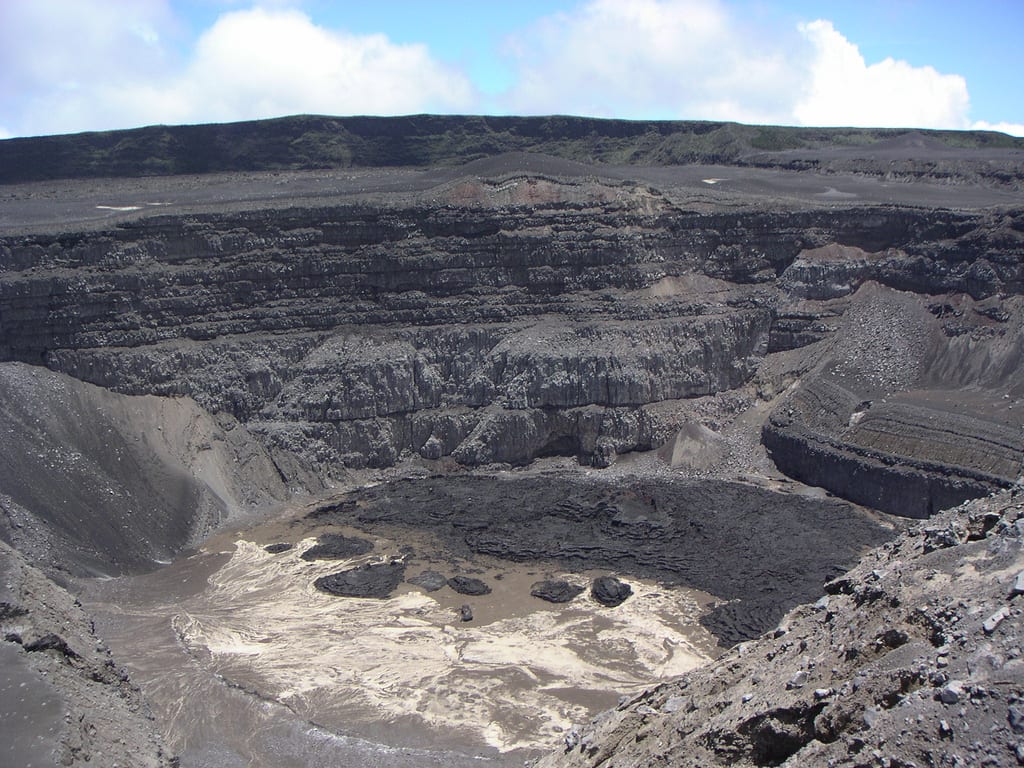
Karthala takes up most of the southern half of Grande Comore. It is very active — it has erupted roughly twenty times since 1800, most recently in 2005–07, when ash fell on the capital — and it has one of the largest calderas of any volcano, more than three kilometres across. A steep but non-technical trek climbs from the plantations through cloud forest to the crater rim, usually as an overnight with a camp near the top.
It is the archipelago's premier adventure, and needs a local guide; conditions on the summit change fast.
2. Moroni's medina
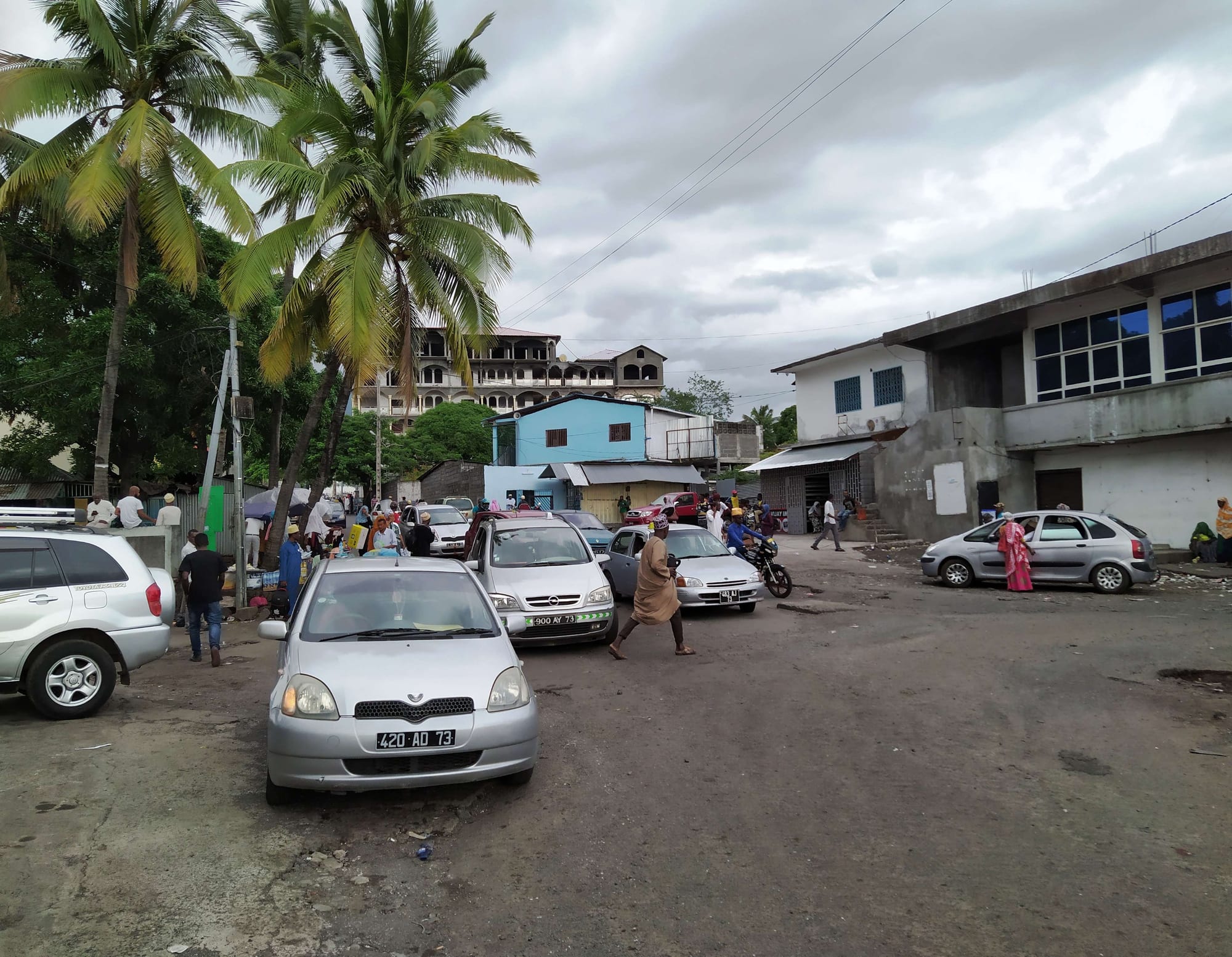
The capital, Moroni ("in the heart of the fire", for its position below Karthala), has a compact old town of narrow lanes, coral-stone houses with carved wooden doors, and dozens of small mosques — a scaled-down cousin of Zanzibar's Stone Town or Lamu. The waterfront market and the old dhow harbour are the centre of life.
It is small enough to wander in an afternoon, and the base for the rest of Grande Comore.
3. The Old Friday Mosque
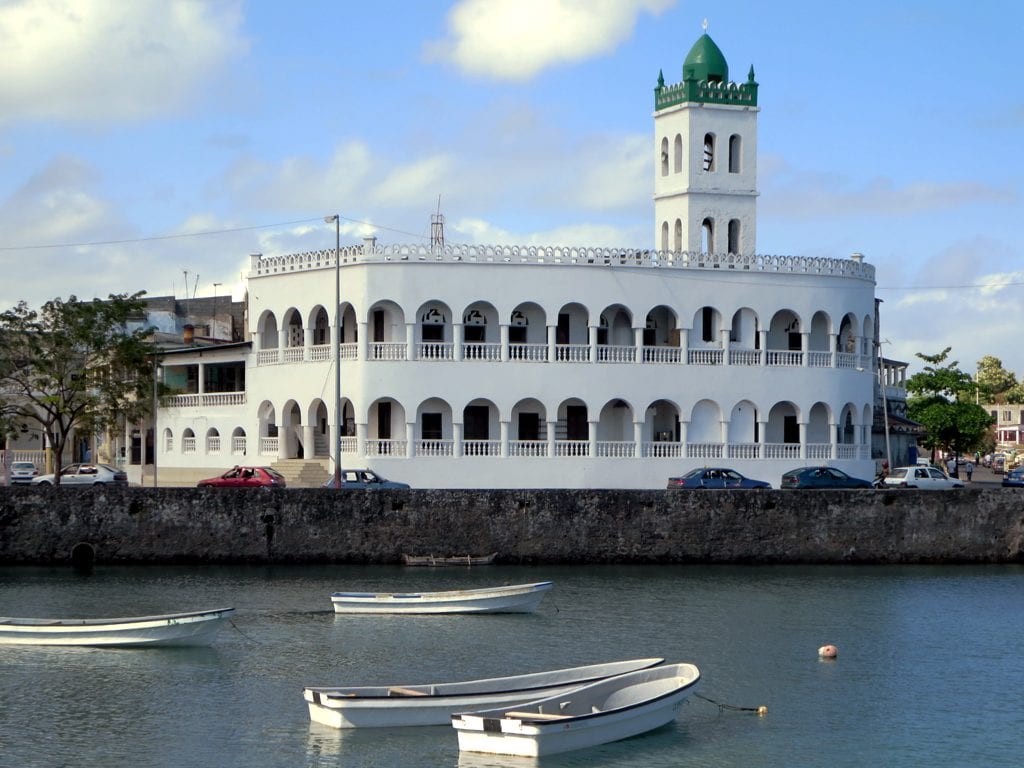
Right on the Moroni sea wall stands the Ancienne Mosquée du Vendredi, the oldest mosque in the country, with a squat square minaret and parts said to date to
- It is still in use, and — unusually — its terrace over the water is a
public gathering spot at sunset.
Non-Muslims generally cannot enter the prayer hall but can walk the exterior and the waterfront around it, which is the postcard view of the capital.
4. Lac Salé
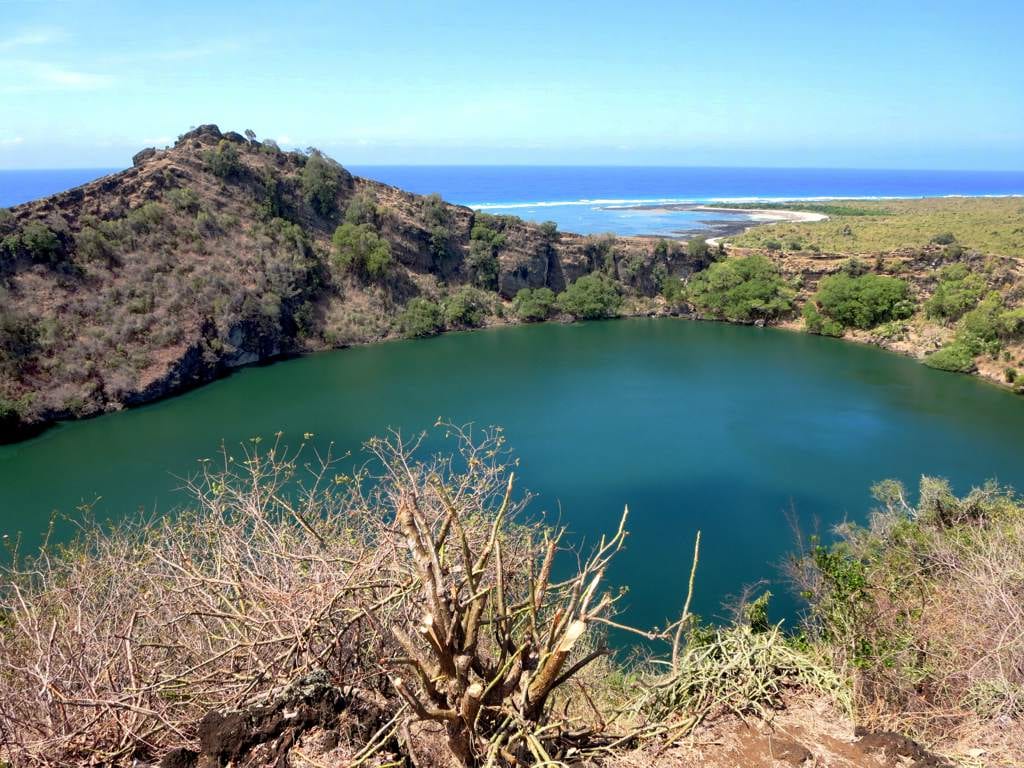
Near the village of Bangoi-Kouni at the north end of Grande Comore, Lac Salé fills a small volcanic crater a stone's throw from the ocean. Its water is brackish and green to turquoise, changing with the weather, and local legend attaches a curse to it — a village said to have been swallowed for refusing hospitality to a traveller.
It is an easy stop on a north-coast drive, often combined with the ruined "Maloudja" beach hotel and the Trou du Prophète cove nearby.
5. Chomoni and the beaches
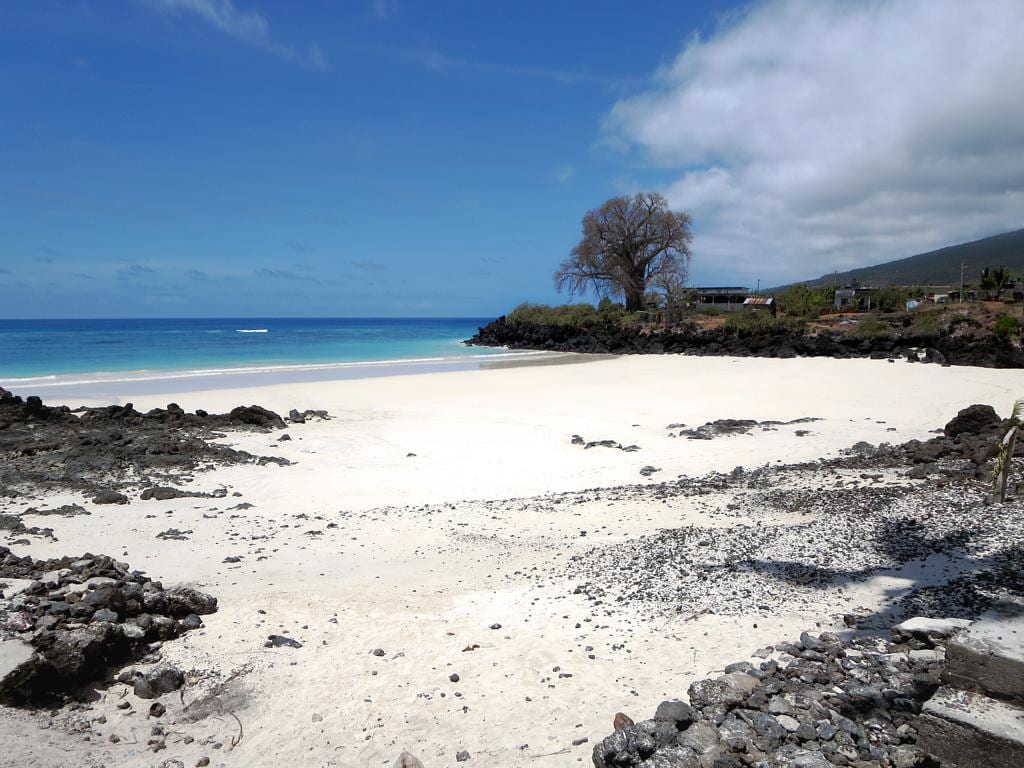
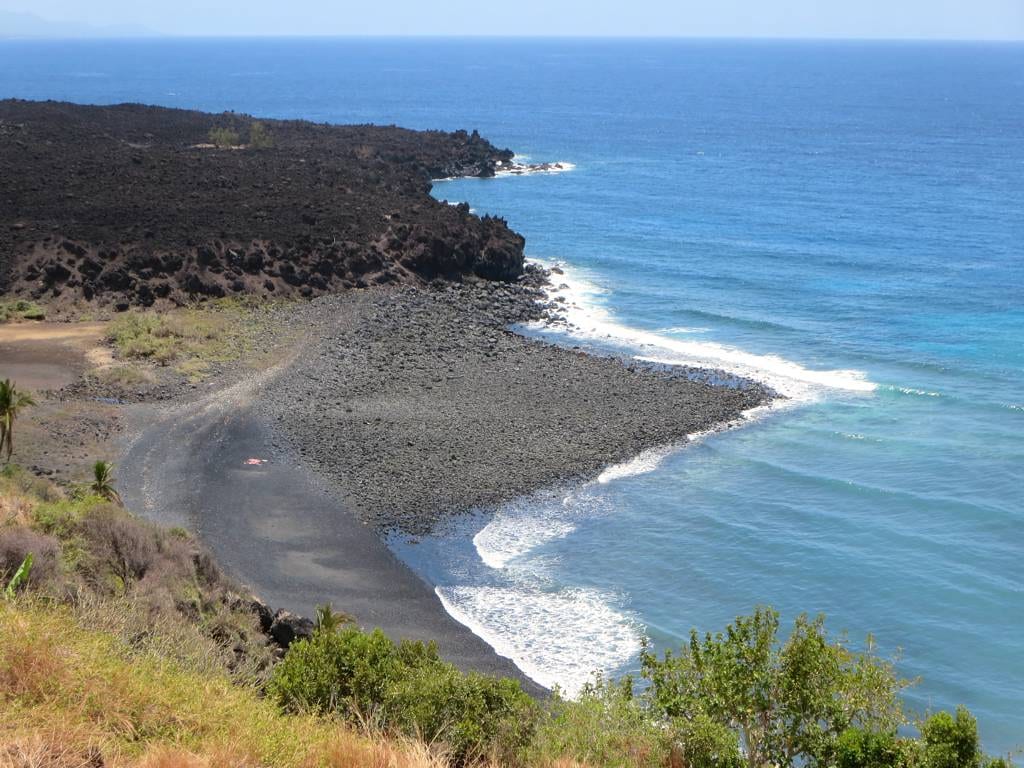
Grande Comore's coast is mostly black lava, but a few pockets of pale coral sand break it up. Chomoni, on the east coast, is the best known — a cove of white sand framed by dark rock, with clear water for swimming and snorkelling and a weekend crowd from Moroni. Itsandra, just north of the capital, has a small beach and the ruins of an old sultan's palace.
There are no resorts to speak of; you go for the day.
6. Anjouan and the Mutsamudu citadel
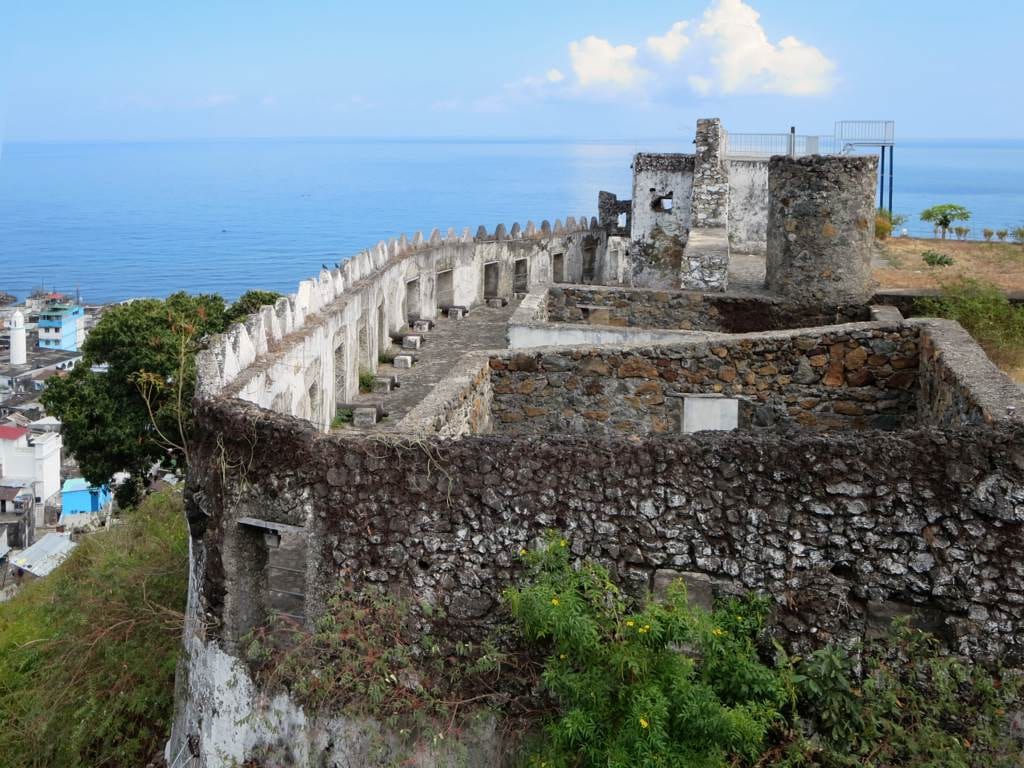
Anjouan is the greenest and most mountainous island, terraced with ylang-ylang, clove, and vanilla. Its capital, Mutsamudu, has the country's best-preserved Swahili old town, watched over by an 18th-century citadel built against Malagasy slave-raiders, with cannon still on the walls and a view over the rooftops.
The island's interior has the Dziani Boundouni crater lake, waterfalls, and the sacred forest of Moya; the coast has quiet beaches and turtle nesting.
7. Mohéli and the marine park
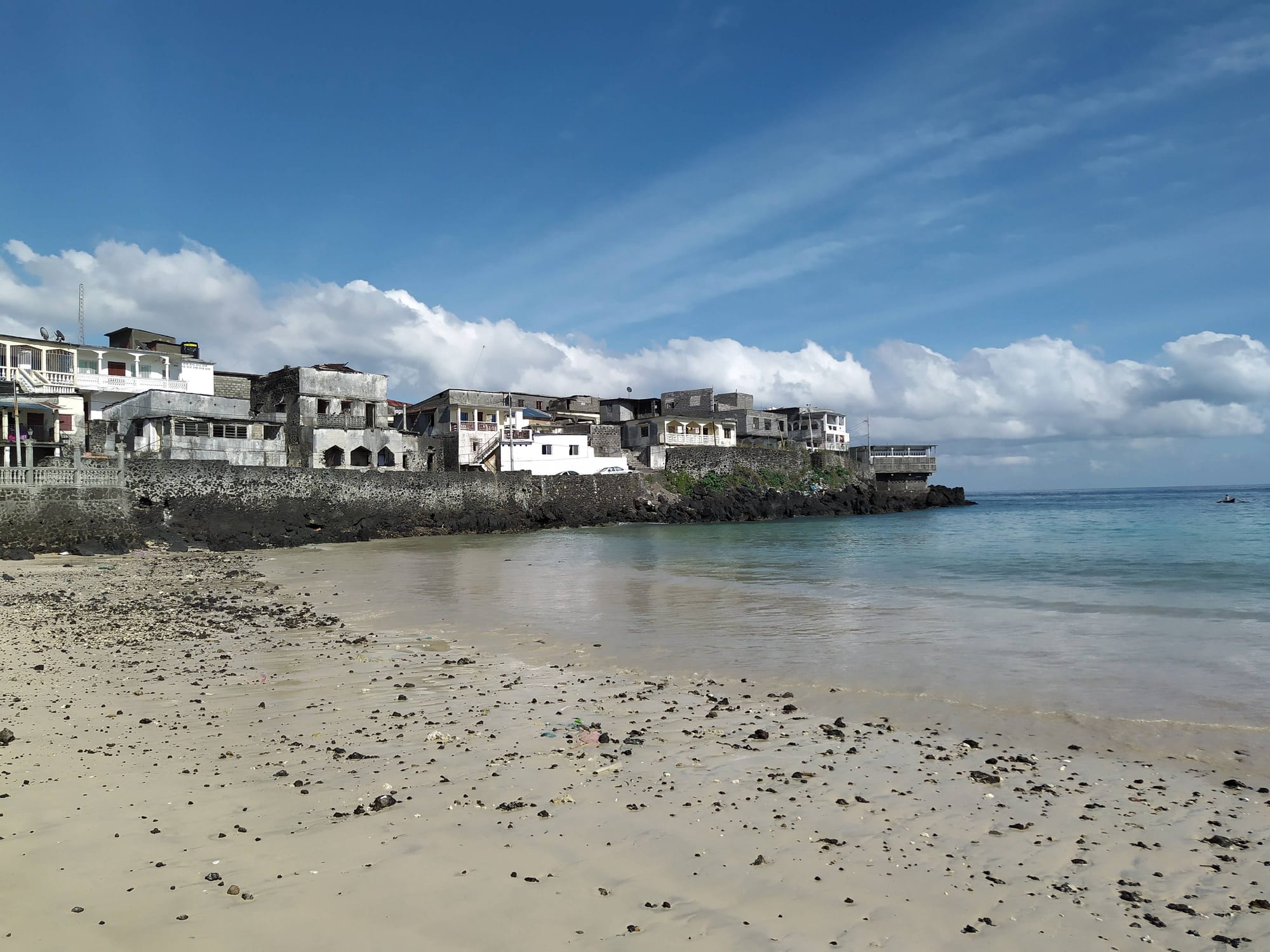
Mohéli, the smallest and least developed island, has the country's one protected area of real note: the Parc National de Mohéli, covering the island's southern coast and the islets of Nioumachoua. It is one of the most important green turtle nesting sites in the western Indian Ocean — you can watch females come ashore at night in season — and its reefs host dugongs, humpback whales (in winter), and nesting seabirds.
Simple community-run bungalows on the beach are about the only organised tourism in the country.
The Comoros are genuinely off the map: no chain hotels, patchy transport, and few other visitors. For travellers who want that, a week or ten days covers the volcano, the capital, and one of the outer islands.