Culture & Customs · Colombia
Colombia: The Rumbero Spirit
A deeply Catholic country of strong regional identities, greetings that start formal and quickly turn warm, and a talent for celebration that has carried people through hard times
By Worldlore Editorial · 30 September 2026
A visitor is introduced to a Colombian family. The first greeting is a firm handshake, with eye contact and a smile, and a polite "buenas tardes". Within minutes come the questions, about the visitor's family, their health, their journey. By the second visit the handshake has become an abrazo, a hug with a pat on the shoulder between men, a kiss on the right cheek between women, and the visitor may find themselves called primo, cousin, by people they barely know. Coffee is served as a matter of course, and when food arrives, someone says "buen provecho" before anyone begins. Colombians have lived through decades of hardship and violence, yet visitors most often remark on their warmth, their humour and their appetite for celebration, a quality Colombians themselves call the rumbero spirit.
Faith, identity and values
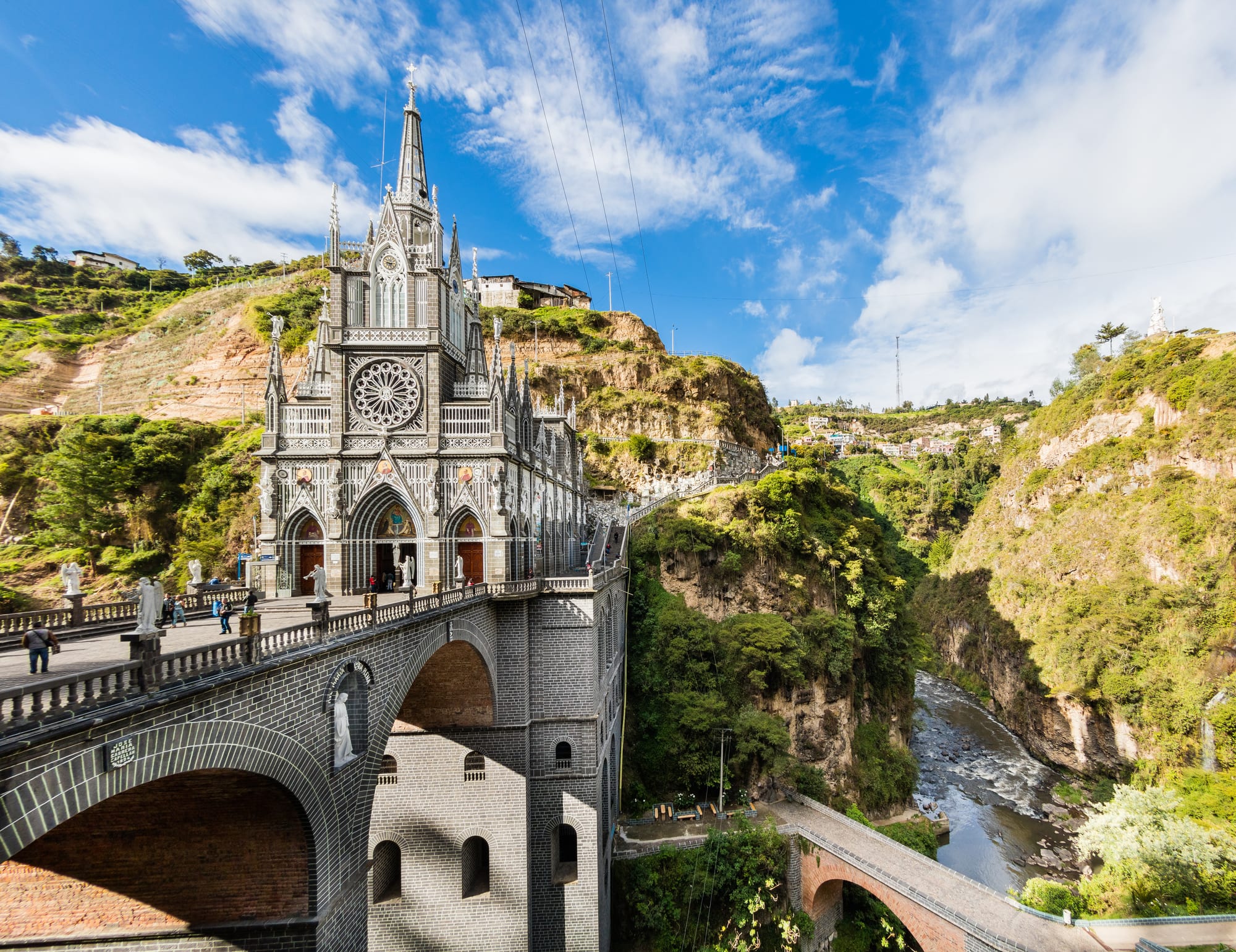
Colombia is a predominantly Catholic country. Estimates vary, but roughly seven in ten people identify as Catholic and around nine in ten as Christian, with Protestant and evangelical churches, which have grown quickly and drawn many former Catholics, accounting for most of the rest. For many Colombians life is punctuated by the sacraments, from baptism, first communion and confirmation to marriage and the last rites. Faith is woven into everyday speech, in phrases such as "si Dios quiere", God willing, and "Dios te bendiga", God bless you. The Church's influence reaches into almost every part of life, and confession remains an important practice for many.
Family is the bedrock of society. Relatives help one another find work, navigate bureaucracy and weather hard times, and parental authority continues well into adulthood; elderly parents are usually cared for at home. Most Colombians also have godparents, chosen at baptism, who act as a second parental figure throughout life. Identity is strongly regional, so much so that a person's home region can often be told from their accent, dress and diet, and social class, measured in part by the official estratos that grade neighbourhoods, is a major part of how people see themselves.
Colombians describe themselves as resourceful, hard-working and peace-loving, and take great pride in their country, which is not easily set aside in the face of outside criticism. The rumbero spirit, the ability to enjoy life's lighter side even under pressure, is widely seen as a national trait.
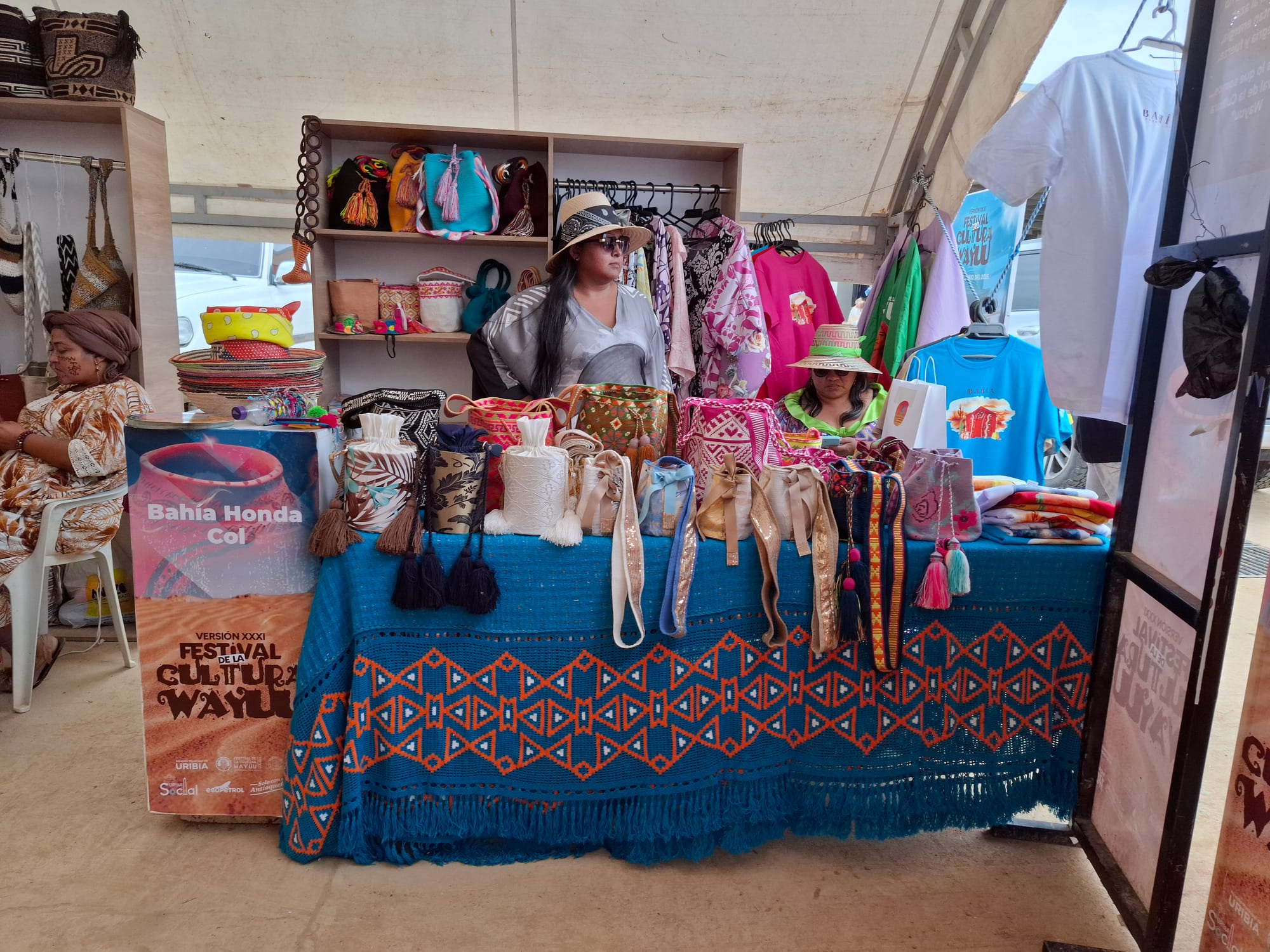
The country's indigenous peoples keep their own systems of values and law. Among the Wayuu of the Guajira peninsula, disputes between clans are settled by a palabrero, or "word-bearer", a respected maternal uncle who resolves conflicts through dialogue and diplomacy. Compensation, in the form of necklaces of precious stones or livestock, is offered so that even the most serious wrongs can be repaired and harmony restored. The system is on UNESCO's list of intangible cultural heritage.
Greetings and meeting people
On first meeting, a firm handshake with eye contact and a smile is the appropriate greeting in most situations, and men wait for a woman to offer her hand. Women may hold each other's forearms instead of shaking hands. Once people know one another, the abrazo takes over: a hug with a pat on the shoulder or elbow between men, a kiss on the right cheek between women. The greeting itself follows the time of day, "buenos días", "buenas tardes" or "buenas noches", and it is polite to ask after the other person's family and health before moving on to anything else.
Formality matters in how people are addressed. Señor and señora are the standard courtesy titles, and the formal "usted" form of address is used for anyone of higher status or greater age, with the familiar "tú" kept for friends, family and young people. At the same time, Colombians often use family words for people they are fond of, calling an acquaintance primo, cousin, or vecino, neighbour.
Conversation is close and tactile. People stand near one another, may touch an arm or put an arm around a shoulder, and expect direct eye contact; avoiding someone's gaze can suggest guilt or dislike. Difficult news is delivered gently and indirectly, and a direct "no" is rare: "I will see what I can do" often serves instead. Pointing at someone with a single finger is considered rude and aggressive; Colombians often indicate a direction by pursing their lips towards it instead. Some hand gestures, such as tapping the neck or making a circle of thumb and forefinger over the nose, carry meanings best avoided. Sex is a largely taboo topic in polite conversation, and some Colombians resent foreign, particularly American, involvement in their country's affairs.
Hospitality and being a guest
Colombian social life is generous and informal. Good friends visit without warning, and turning down an invitation can suggest a lack of interest in the friendship, so invitations are best accepted where possible. On a first visit to a home, baked goods make a good gift, and the host will almost certainly offer coffee. Other suitable gifts include chocolates, imported spirits or something hard to find locally. Lilies, marigolds and yellow flowers are avoided because they are associated with funerals, and carnations, the national flower, are best kept for patriotic occasions. Bouquets are given in odd numbers, and gifts are not usually opened in front of the giver.
Time is elastic in social life. Arriving up to an hour after the stated time is generally accepted, a habit known as tiempo colombiano, and a promise to do something "tomorrow" may simply mean some time soon. At the table, hands stay visible above it, elbows off. "Buen provecho" is said as the meal begins, guests are expected to try everything offered, and toothpicks are not used at the table. Leaving a small amount of food on the plate signals that the guest has had enough. Drinking is a leisurely, social affair, paced to the conversation rather than aimed at getting drunk quickly.
Festivals and life's big moments
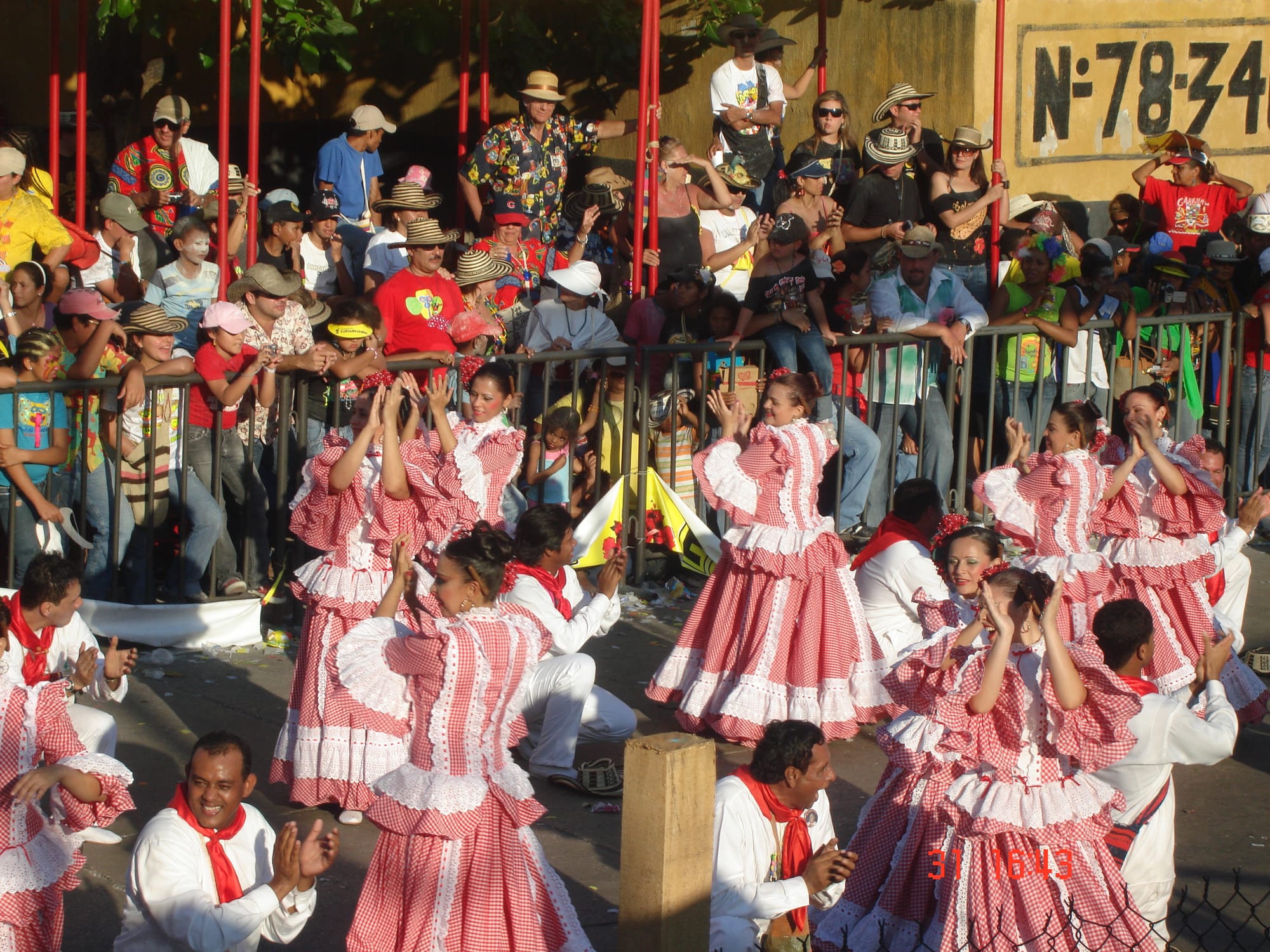
The best known of Colombia's celebrations is the Carnival of Barranquilla, held over the four days before Lent and on UNESCO's list of intangible cultural heritage. It grew from the meeting of European, African and indigenous cultures on the Caribbean coast, and brings floats, costumes, head ornaments and animal masks into the streets, along with dances such as the congo and the paloteo, satirical performances poking fun at public figures, and above all the cumbia and its variants, played on drums and wind instruments. The Carnaval de Negros y Blancos, held from late December into early January in the south-west, is also on UNESCO's list. On its final two days participants daub one another first with black cosmetics and then with white powder, a ritual meant to symbolise equality between all citizens.
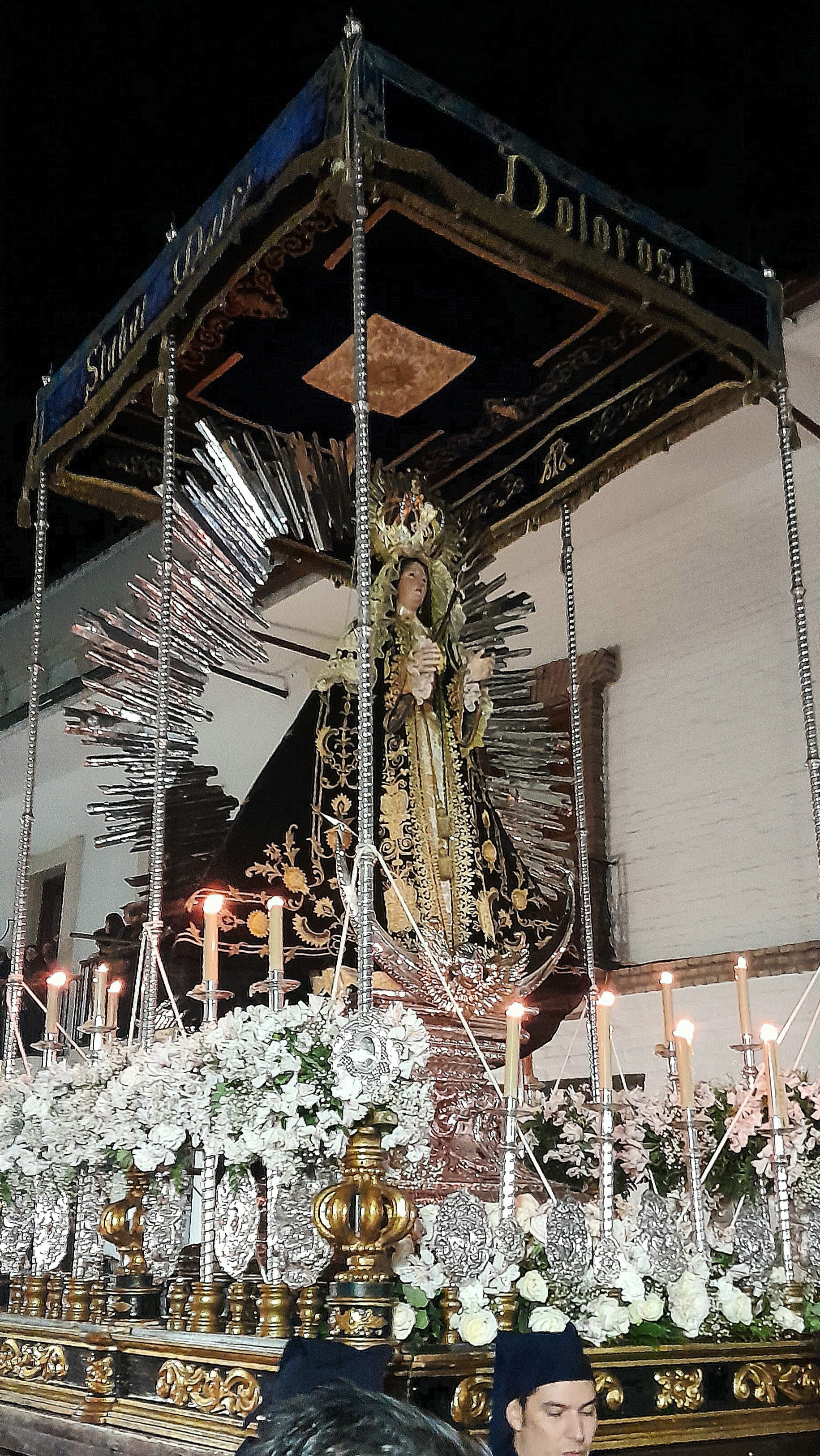
Holy Week is the year's great religious observance, with Holy Thursday and Good Friday as public holidays. In Popayán, processions have been held since colonial times: from Tuesday to Saturday before Easter, between eight and eleven at night, five processions carry pasos, floats bearing ornate, flower-decked wooden statues, most dating from the late eighteenth century, along a route of about two kilometres, accompanied by participants in special dress carrying candles. Families prepare all year, and children learn their roles from an early age.
On the night of 7 December, the Día de las Velitas, or Day of the Little Candles, honours the Immaculate Conception of the Virgin Mary. Families light colourful candles and set them out on pavements, balconies and windowsills, and the evening is treated as the unofficial start of the Christmas season. The national calendar also marks Independence Day on 20 July and the Battle of Boyacá on 7 August.
Life's milestones follow the Catholic sacraments, and godparents play a part in each of them. Weddings usually follow Catholic tradition, and some couples include a candle ceremony, in which bride and groom each light a candle and use them together to light a third, a symbol of their union. A fifteenth birthday is a major milestone, for which gold jewellery is a fitting gift.
Arts, crafts and music
Music is everywhere in Colombia, and two of its traditions are on UNESCO's list. Vallenato, from the Caribbean north, is played on three instruments: an accordion, a small hand drum called the caja and the guacharaca, a ribbed wooden stick scraped with a wire comb. It blends the songs of cattle herders, the chants of enslaved Africans and the dance rhythms of the indigenous people of the Sierra Nevada de Santa Marta with Spanish poetic traditions, and its songs mix realism and fantasy, by turns nostalgic, joyful, sarcastic and humorous. Its natural home is the parranda, an informal gathering of friends and family. UNESCO lists it as in need of urgent safeguarding, citing the armed conflict, commercialised modern styles and the loss of public spaces for parrandas.
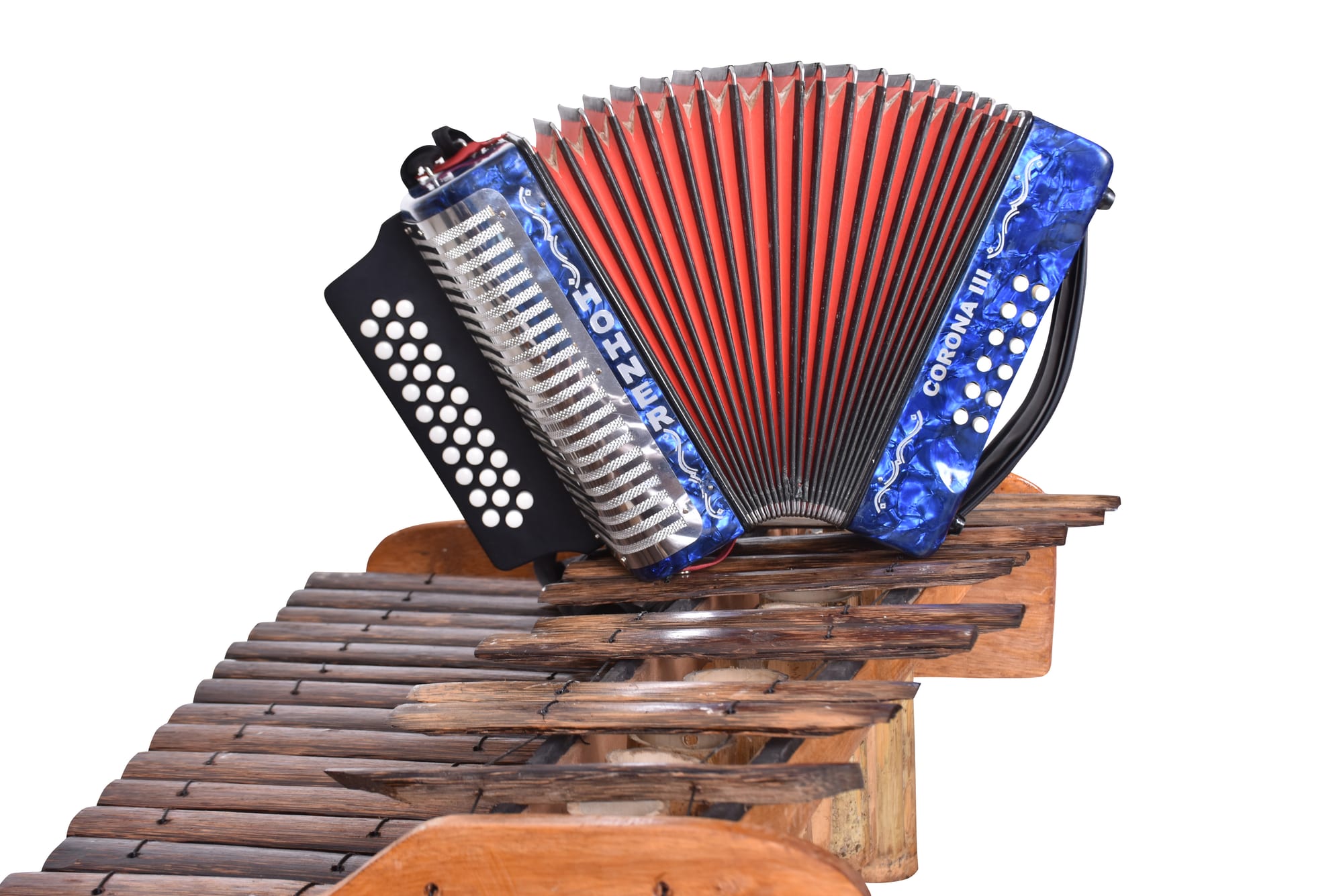
On the Pacific coast, Afro-descendant communities play marimba music, shared with neighbouring Ecuador. The marimba is a palm-wood xylophone with bamboo tube resonators, accompanied by drums and rattles, and the chants and dances that go with it mark celebrations of life, the worship of saints and farewells to the dead. The whole community, of every age and gender, is regarded as its bearer.
Crafts are treated as living heritage too. Colombia's strategy of safeguarding traditional crafts as a means of building peace has been recognised by UNESCO as a model of good practice, and the traditional knowledge behind mopa-mopa, the Pasto varnish of the south-west, is on its list of heritage in need of urgent safeguarding.
Dos and don'ts for visitors
- Do greet with a firm handshake, eye contact and a smile; men should wait for a woman to offer her hand.
- Do use usted, and señor or señora, with older people and anyone senior until invited to be less formal.
- Do ask after people's family and health before turning to business.
- Do say "buen provecho" at the start of a meal, try every dish and keep hands above the table.
- Do bring baked goods, chocolates or spirits when visiting a home, and give flowers in odd numbers.
- Don't give lilies, marigolds or yellow flowers, which are associated with funerals.
- Don't point at people with one finger; it is considered rude and aggressive.
- Don't lecture Colombians about their country's problems; national pride runs deep.
What to take away
Colombian manners begin formally and warm up fast, and a visitor who greets properly, asks after the family and joins in the celebration will soon be treated less as a guest than as a primo.