History · Colombia
Colombia: El Dorado and the Long Conflict
Goldworking chiefdoms, the treasure port of Cartagena, the republic that split into three, and half a century of war among guerrillas, cartels, paramilitaries and the state
By Worldlore Editorial · 19 September 2026
A country divided by mountains
Colombia sits at the corner where South America meets Central America — the only country on the continent with coasts on both the Caribbean and the Pacific. Three ranges of the Andes fan out across it from south to north, and the valleys and high plateaus between them hold most of the 52 million people, in cities that were historically hard to connect: Bogotá on a plateau at 2,600 metres, Medellín in a narrow valley, Cali on the Cauca River, the hot Caribbean ports, and the isolated, rain-soaked Pacific coast. That broken geography is a recurring character in the country's history — it made strong regions and a weak centre, and it left large parts of the national territory beyond the reach of the state.
A short history
- to 1500s
Chiefdoms and gold
The Muisca, Tairona and others; some of the finest goldwork in the Americas.
- 1533–1538
Spanish conquest
Cartagena founded; Bogotá founded after the conquest of the Muisca.
- 16th–18th c.
New Granada
Cartagena becomes the fortified treasure port and slave market of the Spanish Main.
- 7 August 1819
Boyacá
Bolívar's victory secures independence; Gran Colombia is created.
- 1831
The break-up
Venezuela and Ecuador secede; Colombia is left alone.
- 19th c.
Liberals and Conservatives
Two-party rivalry drives repeated civil wars.
- 1903
Panama
The United States backs Panama's secession to build the canal.
- 1948–1958
La Violencia
A partisan civil war kills 200,000–300,000, mostly rural people.
- 1964
The guerrillas
The FARC and ELN are founded; the war lasts half a century.
- 2016
The peace deal
The government and the FARC sign an agreement after 52 years of conflict.
Before Spain
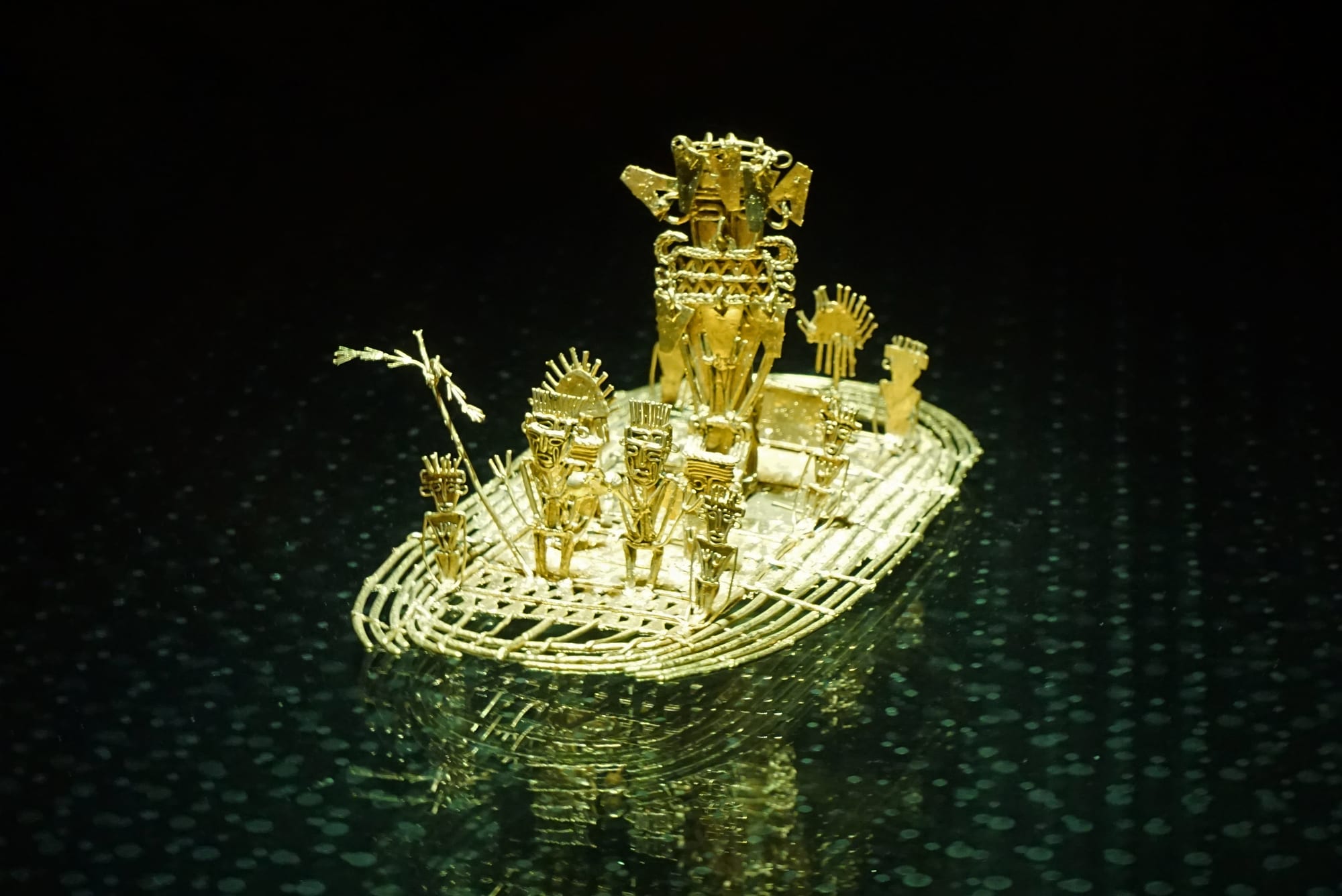
There was no empire in what is now Colombia, but there were rich, organised societies. The Muisca of the Bogotá plateau were a confederation of chiefdoms trading salt and emeralds, whose accession ritual — a new chief, gilded with gold dust, making offerings from a raft on a mountain lake — became the legend of El Dorado that lured Europeans into the interior for a century. The Tairona of the Sierra Nevada de Santa Marta built stone-paved towns whose descendants still live in the mountains. Colombian goldsmiths worked with a skill matched almost nowhere in the Americas.
Cartagena and New Granada
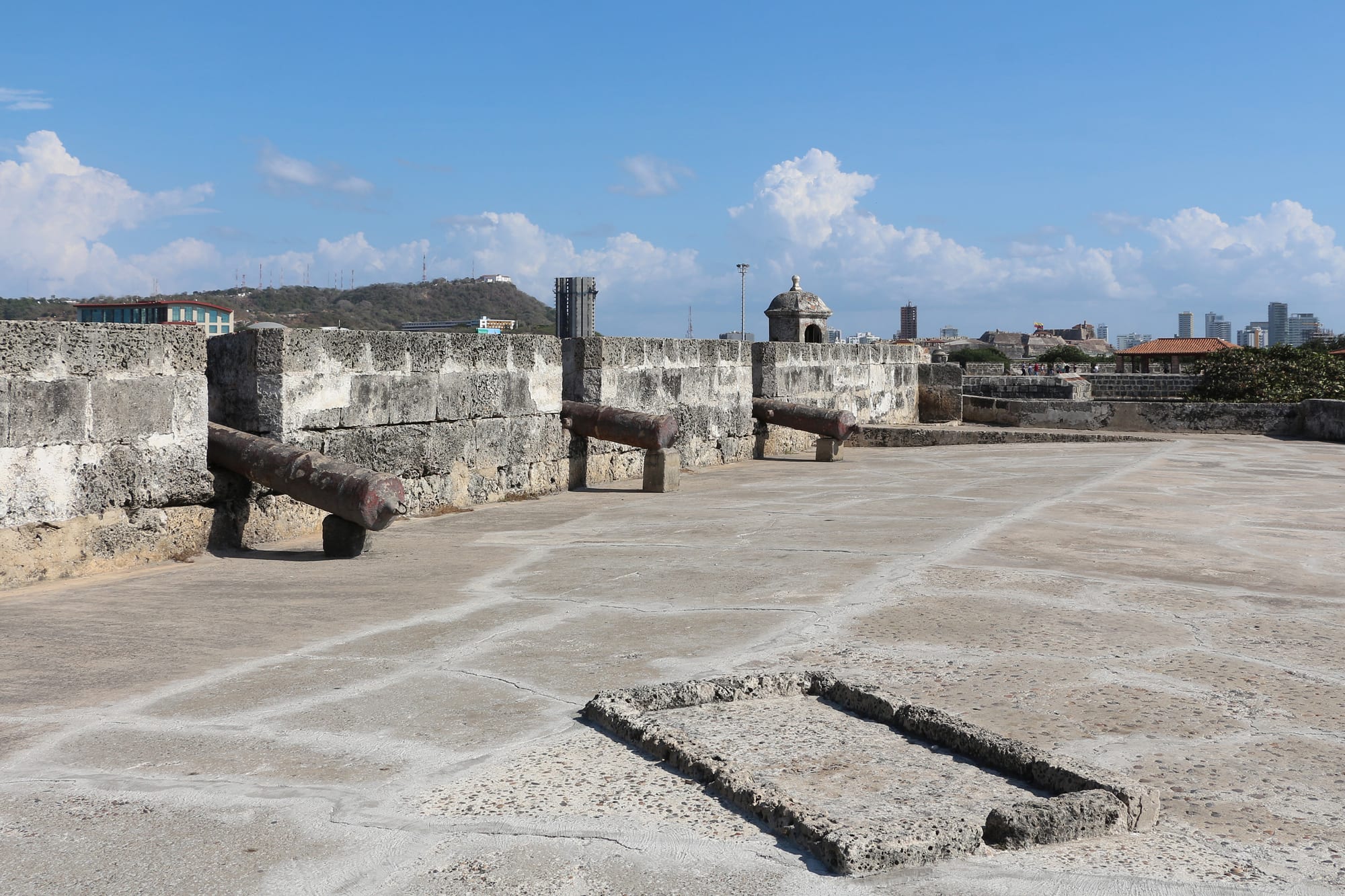
The Spanish founded coastal towns in the 1520s and 1530s and, after conquering the Muisca, Bogotá in 1538. The region became the Viceroyalty of New Granada. Its hinge was Cartagena: the gathering point on the Caribbean for the gold and silver of Spanish South America, and therefore a target for pirates — Francis Drake sacked it in 1586 — and one of the principal ports through which enslaved Africans were brought into Spanish America. The Spanish turned it into one of the strongest fortresses in the hemisphere, and it held off a massive British assault in 1741.
Independence and the lost union
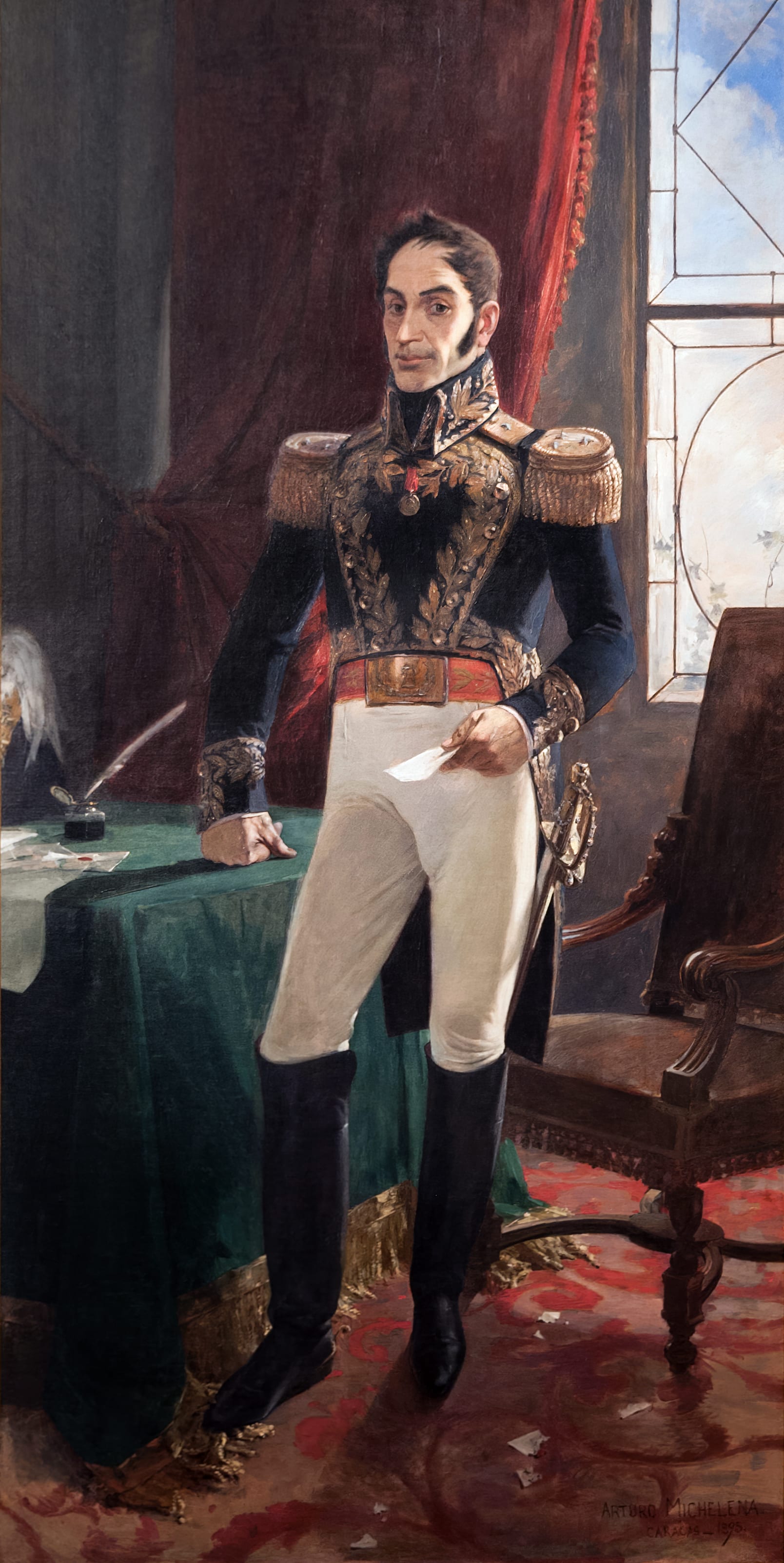
Independence began with a junta in Bogotá in 1810 and a chaotic few years of infighting, followed by a harsh Spanish reconquest. It was won by Simón Bolívar, whose army crossed the flooded eastern plains and the high Andes to defeat the Spanish at Boyacá in August 1819. Bolívar then built Gran Colombia, a vast republic joining today's Colombia, Venezuela, Ecuador and Panama under one government in Bogotá. It was too large and too regionally divided to hold, and it broke apart by 1831, leaving Colombia on its own.
The 19th century was organised around two parties — Liberals and Conservatives — whose quarrel over the Church, federalism and trade shaped Colombian politics for 150 years and turned into civil war again and again. The bloodiest, the War of a Thousand Days (1899–1902), killed around 100,000 people. In its aftermath, in 1903, the United States backed the secession of Panama in order to build the canal, and Colombia lost a province.
Coffee, and then La Violencia
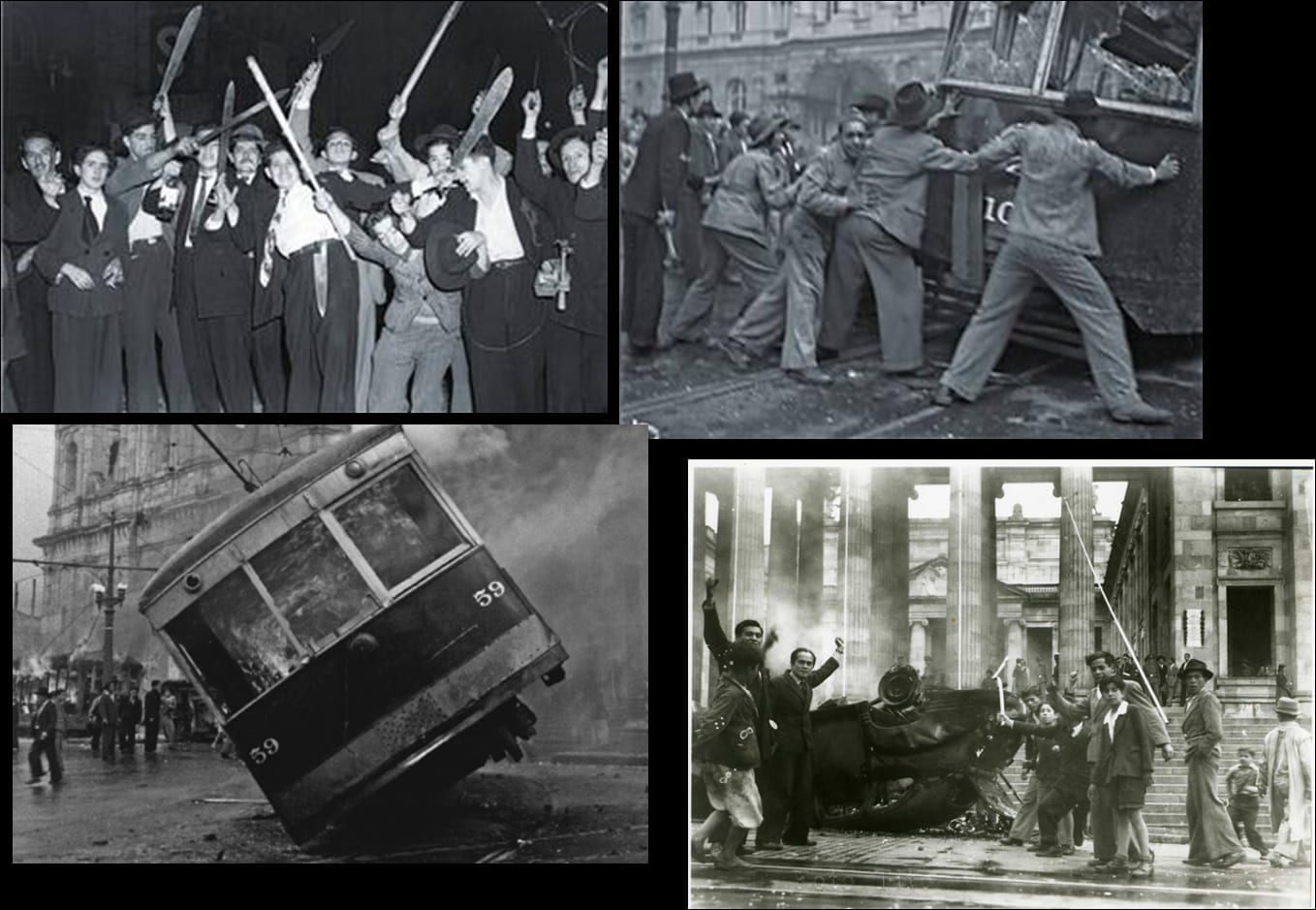
From the late 19th century coffee — grown on smallholdings in the western mountains — became the export that paid for roads, railways and a broad rural middle class, and Colombia became the world's second-largest producer. But the two-party lock held, rural land was unequally held, and repression grew. It all broke open in 1948, when the assassination of the popular Liberal leader Jorge Eliécer Gaitán set off the Bogotazo, days of rioting that wrecked the capital, and then a decade-long partisan civil war in the countryside, known simply as La Violencia, that killed 200,000 to 300,000 people with extraordinary cruelty.
The two parties ended it in 1958 by agreeing to share power outright — alternating the presidency and splitting every office for 16 years. Elite peace was restored, but a system that excluded every other political force, and left rural grievances untouched, set the stage for the next war.
The long conflict
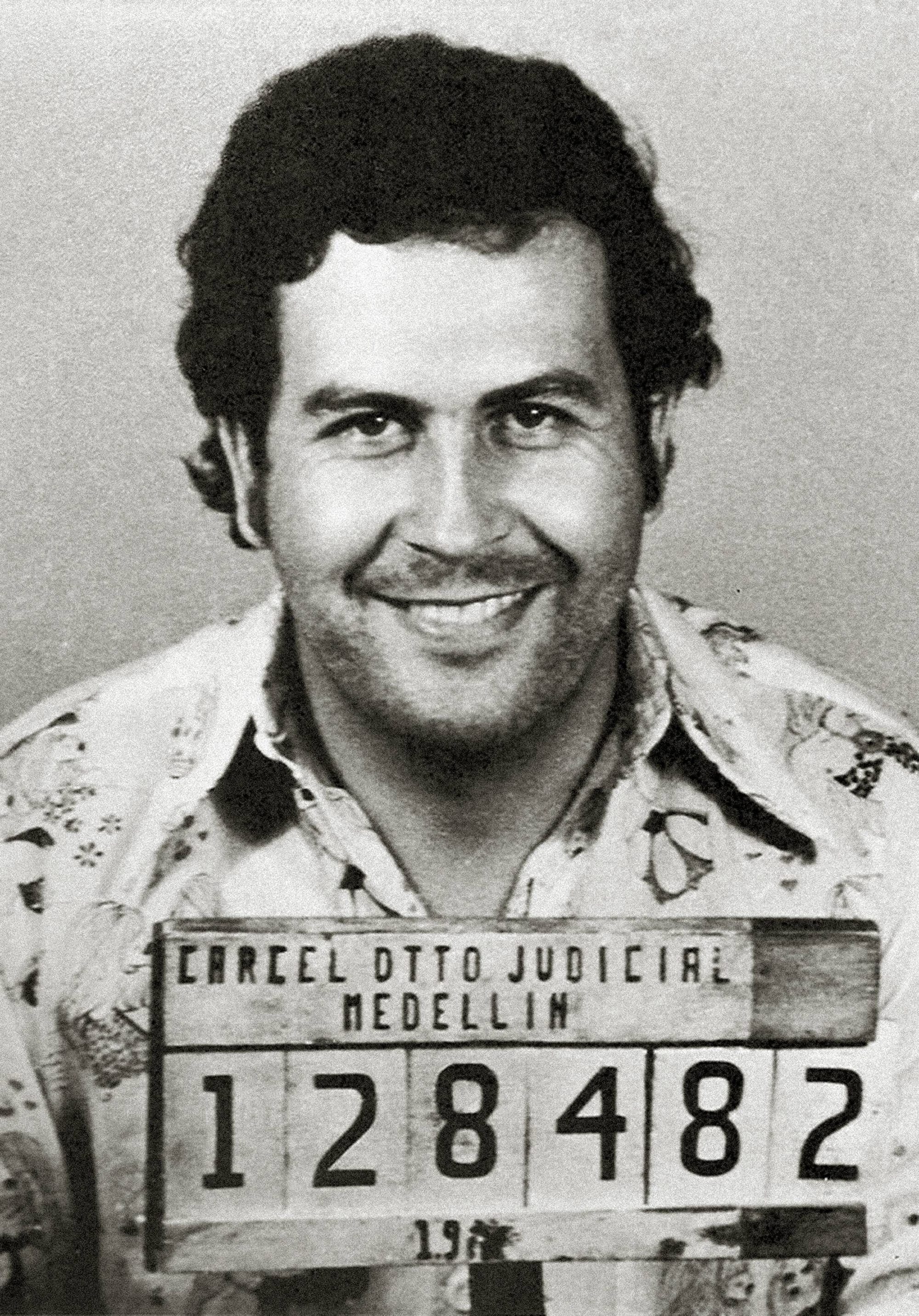
Out of the armed peasant zones of La Violencia, and in the spirit of the Cuban Revolution, leftist guerrilla armies formed in 1964 — the FARC, rural and Marxist, and the ELN, more urban and influenced by liberation theology. The state was absent across much of the countryside, and the insurgency became permanent. From the late 1970s Colombia also became the centre of the world cocaine trade, and the Medellín cartel of Pablo Escobar waged open war on the state in the 1980s and early 90s — killing a presidential candidate, judges and hundreds of police, and bombing an airliner — until Escobar was hunted down and killed in 1993.
From the 1980s, landowners, traffickers and army elements built right-wing paramilitary armies to fight the guerrillas; they carried out most of the war's massacres of civilians, seized millions of hectares of land, and burrowed into national politics. By 2000 the FARC, financed by the drug trade and kidnapping, fielded some 18,000 fighters and contested large regions. With billions in US military aid under "Plan Colombia", President Álvaro Uribe drove the guerrillas back hard in the 2000s — a campaign also stained by the army's killing of civilians it passed off as guerrilla dead.
The peace, and after
President Juan Manuel Santos opened negotiations with the FARC in Havana in 2012, and in 2016 the two sides signed a comprehensive peace agreement — on rural reform, political participation, transitional justice and drug policy. Colombians narrowly rejected it in a referendum, but a revised version passed through congress; the FARC disarmed some 13,000 fighters and became a legal party, and Santos was awarded the Nobel Peace Prize. The conflict since 1964 had killed more than 260,000 people, most of them civilians, and displaced seven to eight million.
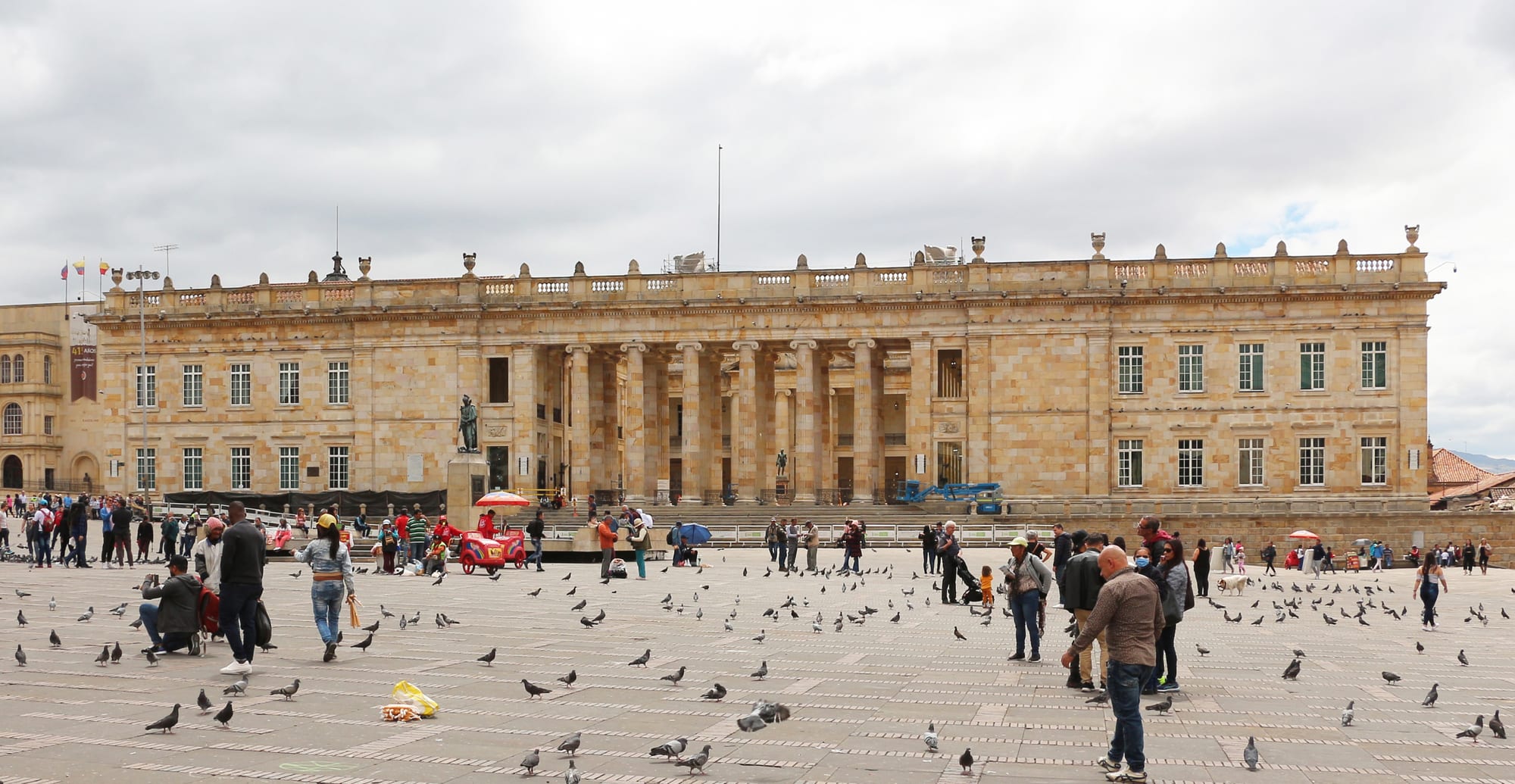
Implementing the deal has been slow and violent — hundreds of former fighters and community leaders have been killed, the ELN and FARC splinter groups fight on in the coca regions, and cultivation has hit record levels. In 2022 Colombians elected Gustavo Petro, once a member of the M-19 guerrilla movement, as their first left-wing president, with the first Afro-Colombian vice-president, on a promise of "total peace" with every remaining armed group.
What Colombia carries
Colombia has been called "a nation in spite of itself" — a country its own mountains kept from cohering, run for a century and a half by two parties whose feuds became wars, and then convulsed for another half-century by an insurgency the state could not reach and a drug economy it could not control. It has also never collapsed: elections kept happening, the institutions held, and in 2016 it did what few countries manage, which is to negotiate an end to its longest war. Whether that peace takes hold is the country's central question now.