Attractions & Natural Wonders · China
China: Ten Attractions and Natural Wonders
A wall you can see running to the horizon, an army of clay soldiers, karst peaks along a green river, and a palace of a thousand golden roofs
By Worldlore Editorial · 19 September 2026
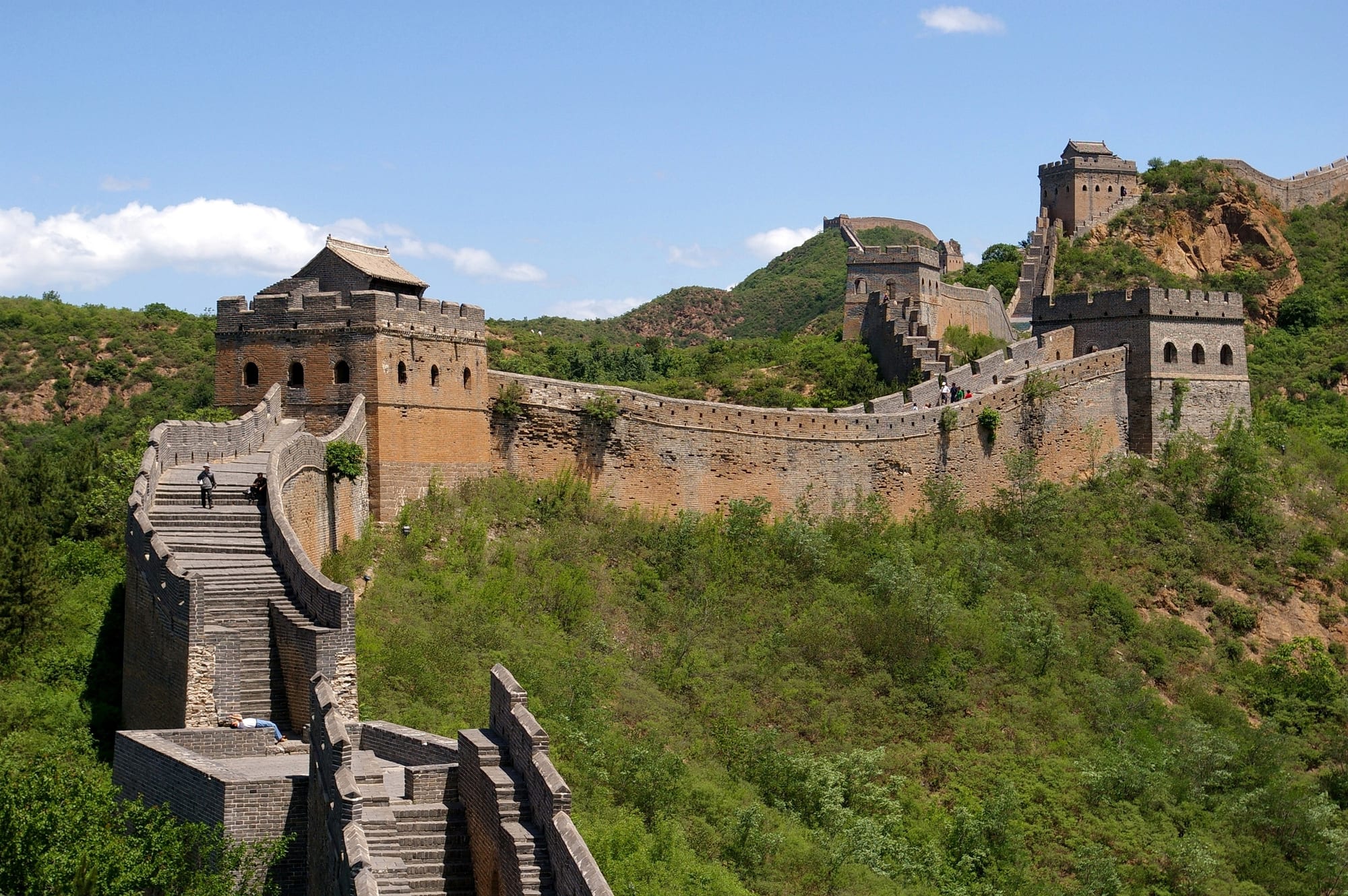
The scale of the place
China is a continent-sized country with several thousand years of continuous civilisation, and its attractions match that scale: the longest structure ever built, the largest palace, one of the biggest archaeological finds in history. It also has landscapes — karst, sandstone pillars, granite peaks — that shaped Chinese painting for a millennium. Travel is fast (the high-speed rail network is enormous), but the distances are still huge.
The ten below cluster around Beijing, Xi'an, the karst south, and the Yangtze delta, with Tibet as an outlier. Spring and autumn are the most comfortable seasons; the major holidays (early October, Lunar New Year) bring domestic crowds in the tens of millions.
1. The Great Wall
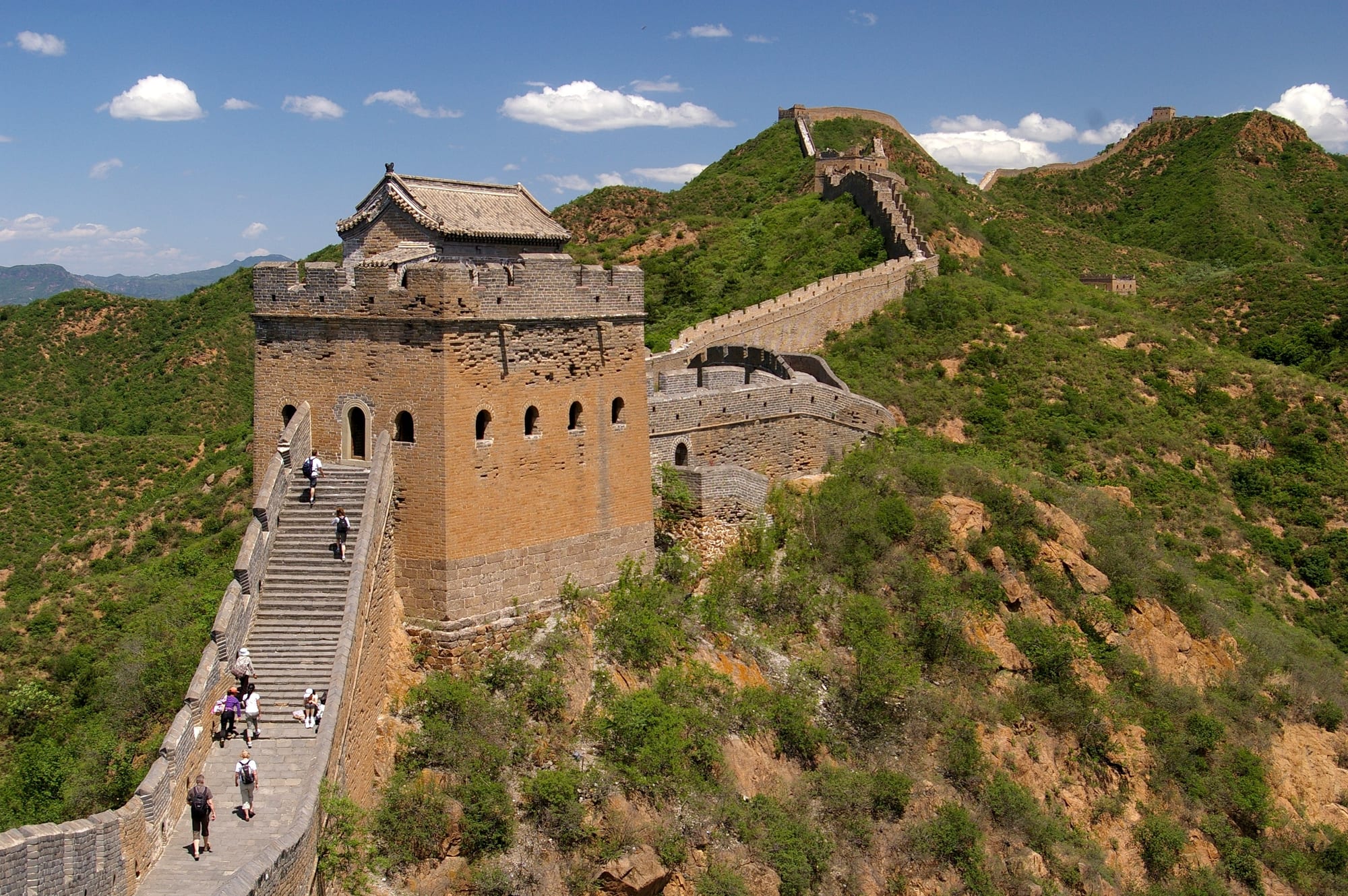
The Great Wall is not one wall but many, built and rebuilt over 2,000 years; the brick-and-stone version most people picture is Ming, from the 15th–17th centuries, and runs for thousands of kilometres along the ridgelines north of Beijing. It is a UNESCO World Heritage Site.
Day trips from Beijing go to the restored, easy, and crowded Badaling and Mutianyu, or the wilder, partly ruined Jinshanling and Simatai, where you can walk for hours with far fewer people. Some sections you can hike between and stay overnight nearby.
2. Beijing and the Forbidden City
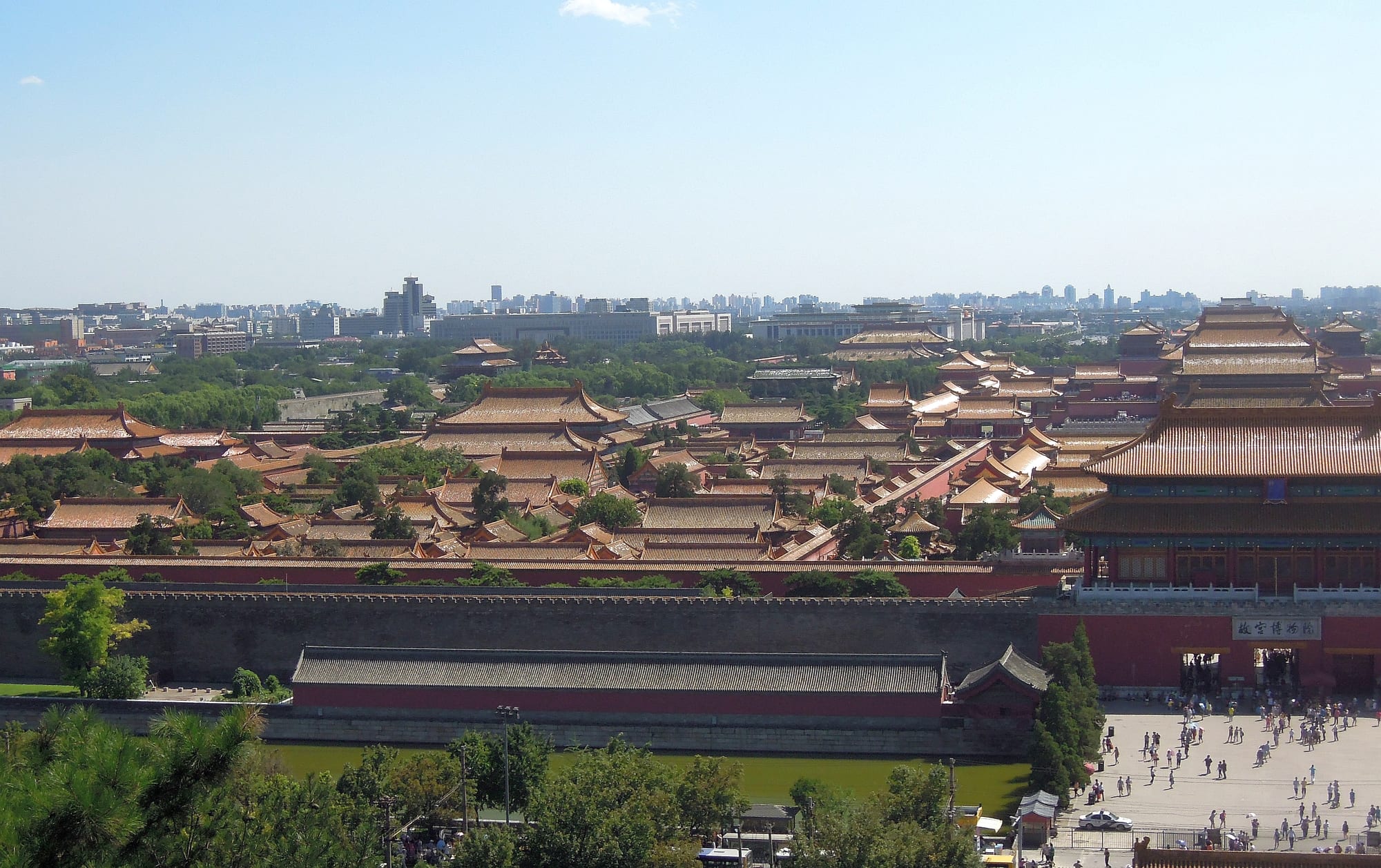
The Forbidden City, at the heart of Beijing, is the largest palace complex in the world — some 980 buildings inside a moated wall, the seat of imperial power for almost 500 years, and now the Palace Museum. A single axis runs through its throne halls from the Meridian Gate to the imperial garden.
It sits on the same axis as Tiananmen Square, the Temple of Heaven, and the Summer Palace with its lake and Long Corridor — enough to fill several days in the capital, along with the hutong lanes of the old city.
3. The Terracotta Army, Xi'an
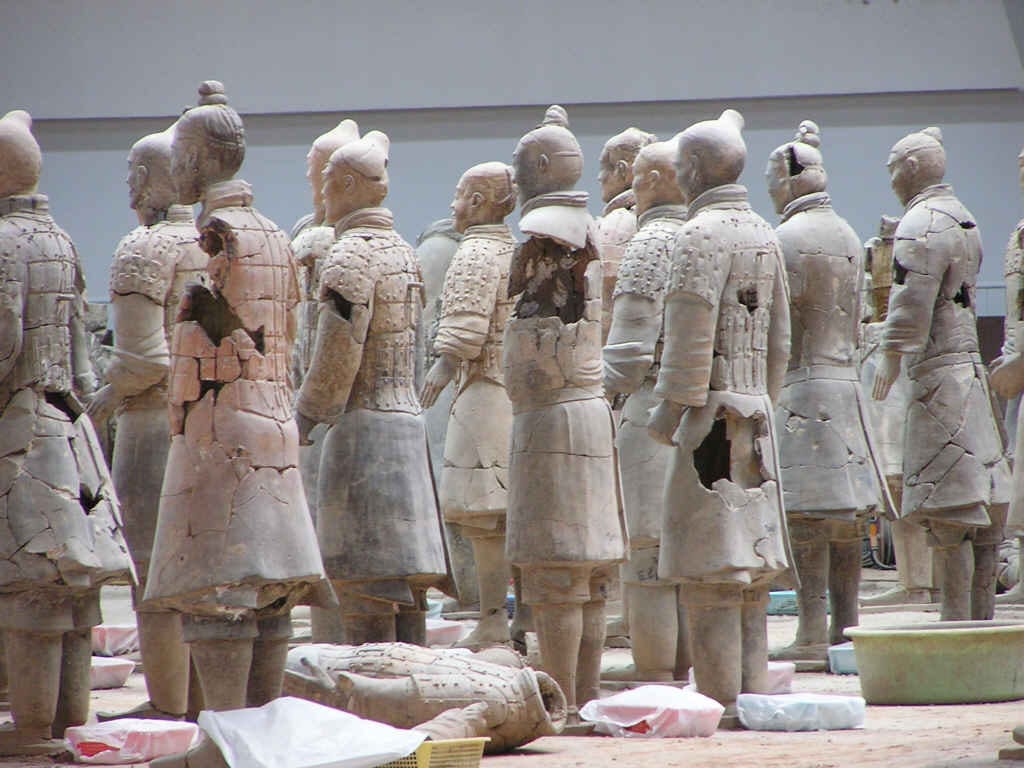
Discovered by well-diggers in 1974, the Terracotta Army is a buried force of an estimated 8,000 life-size clay soldiers, plus horses and chariots, made to guard the tomb of Qin Shi Huang, who unified China in 221 BC. Each face is different; they were once brightly painted. Three excavated pits are open, under aircraft- hangar roofs, with Pit 1 the vast marching phalanx everyone photographs.
Xi'an itself, the eastern end of the Silk Road, has an intact Ming city wall you can cycle around, a lively Muslim Quarter, and the Big Wild Goose Pagoda.
4. The Li River and Guilin
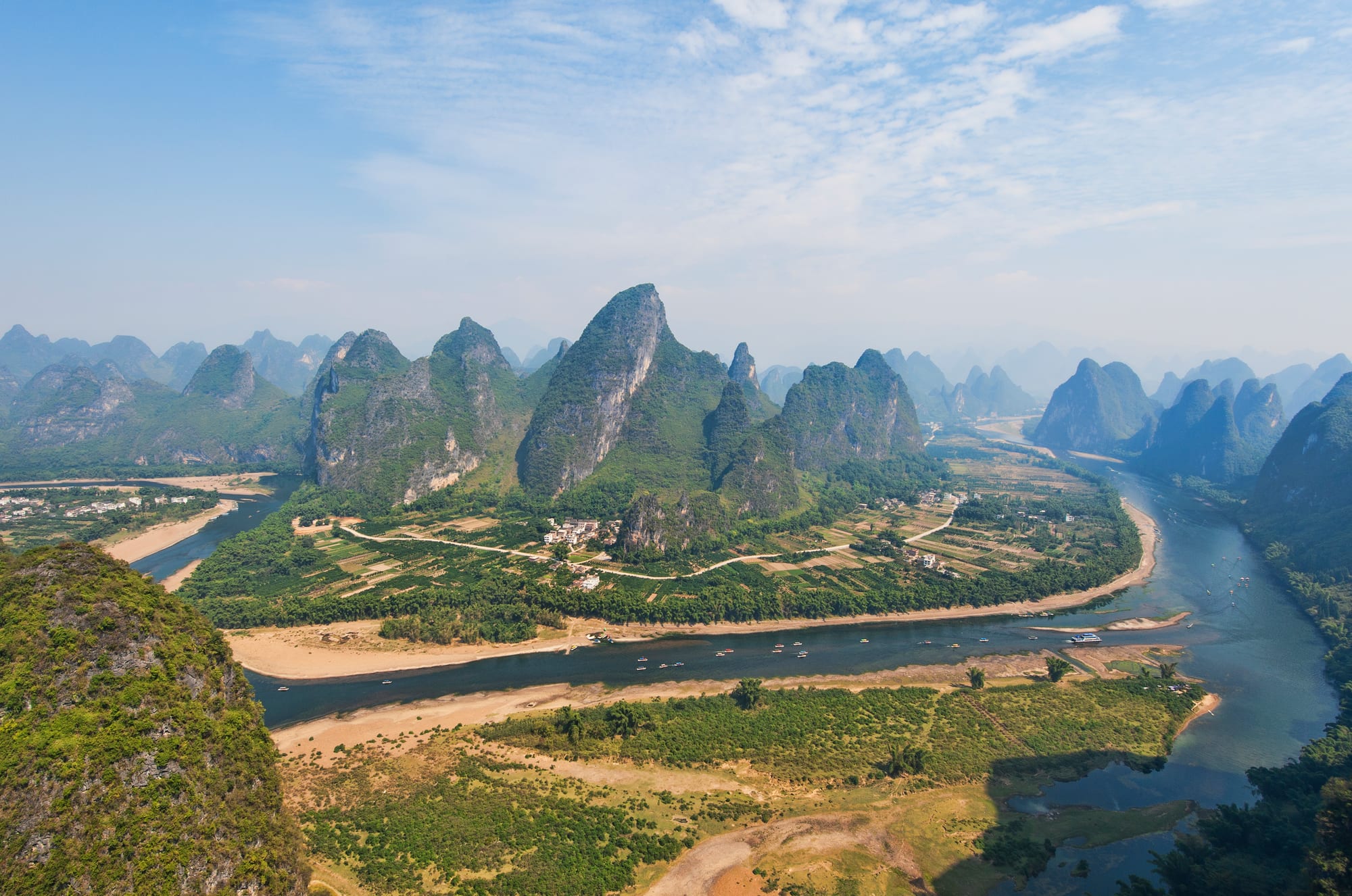
In the far south, the Li River winds for 80 kilometres between hundreds of sugarloaf limestone peaks — a karst landscape so quintessentially "Chinese" that it appears on the currency and in centuries of scroll paintings. The classic outing is a boat cruise from Guilin to the backpacker town of Yangshuo, or a bamboo raft on the quieter Yulong River.
Around Yangshuo: cycling through the fields, the Moon Hill arch, and the terraced rice fields of Longji a few hours north.
5. Zhangjiajie
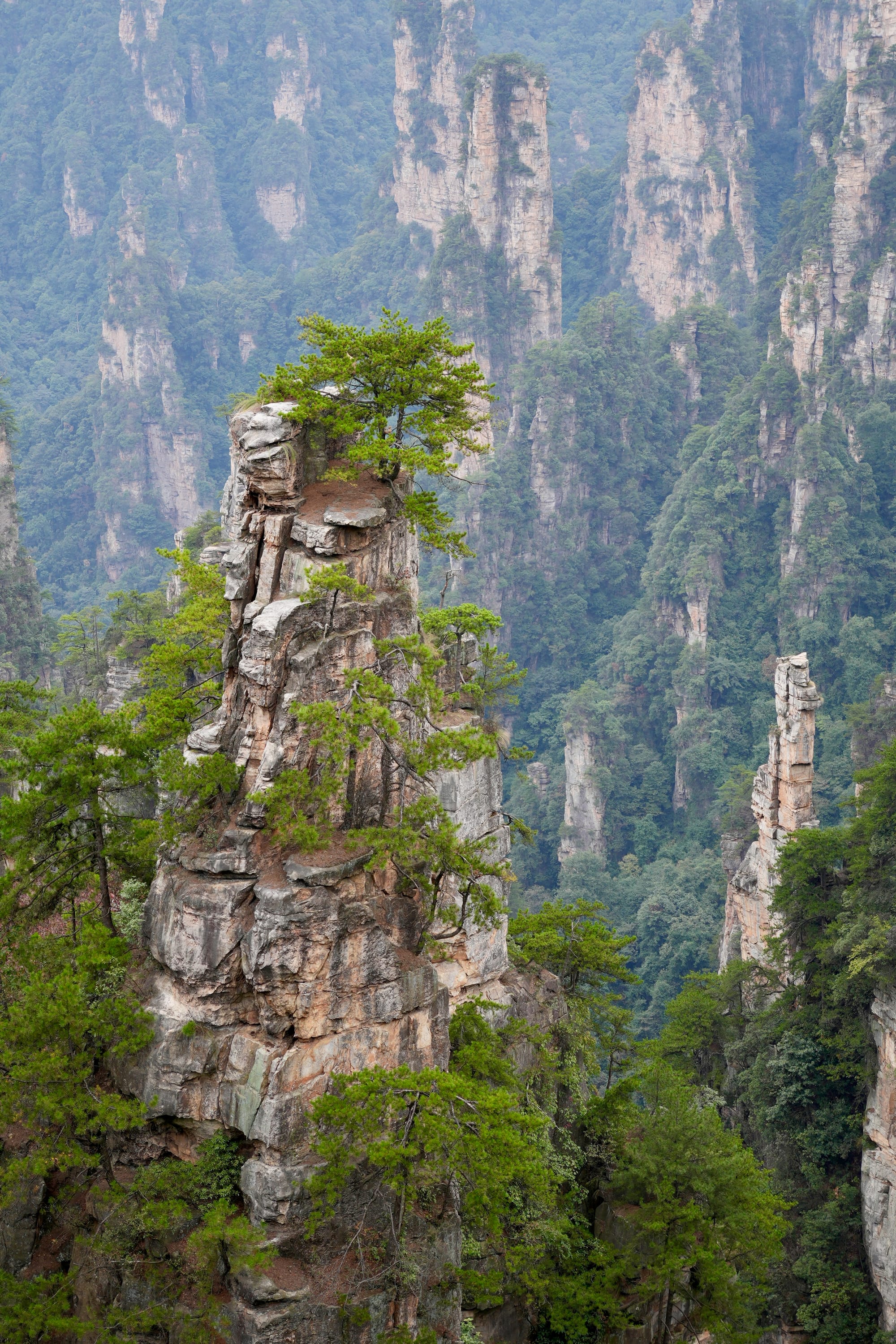
In Hunan Province, Wulingyuan (which includes Zhangjiajie National Forest Park) is a maze of more than 3,000 quartz-sandstone pillars up to 300 metres tall, rising from ravines that are usually full of mist. It is a UNESCO World Heritage Site, and it became a mass destination after Avatar (2009); the park now has glass skywalks, the world's longest cable car, and a glass-bottomed bridge over a canyon.
It is crowded and heavily engineered, but the pillars themselves, seen from the higher trails at dawn, are genuinely extraordinary.
6. Huangshan
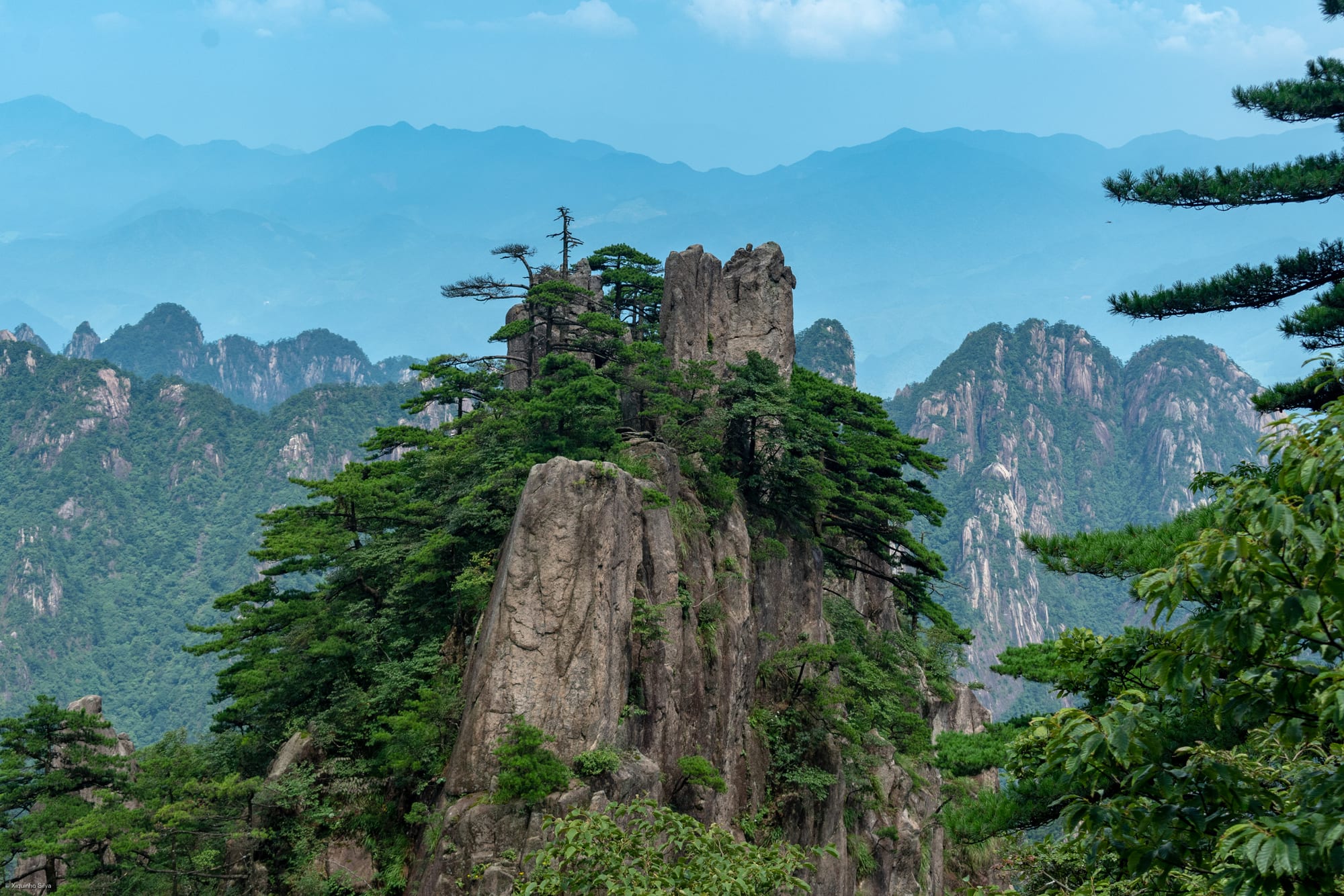
The Yellow Mountains in Anhui — granite peaks, gnarled pines rooted in bare rock, hot springs, and near-permanent seas of cloud below the summits — have been the model for Chinese landscape art for over a thousand years, and a place of pilgrimage for longer. A network of stone staircases and cable cars links the peaks; many people stay in a summit hotel to catch the sunrise above the clouds.
At the foot of the range, the old merchant villages of Hongcun and Xidi (another UNESCO site) preserve classic Huizhou architecture.
7. The Potala Palace, Lhasa
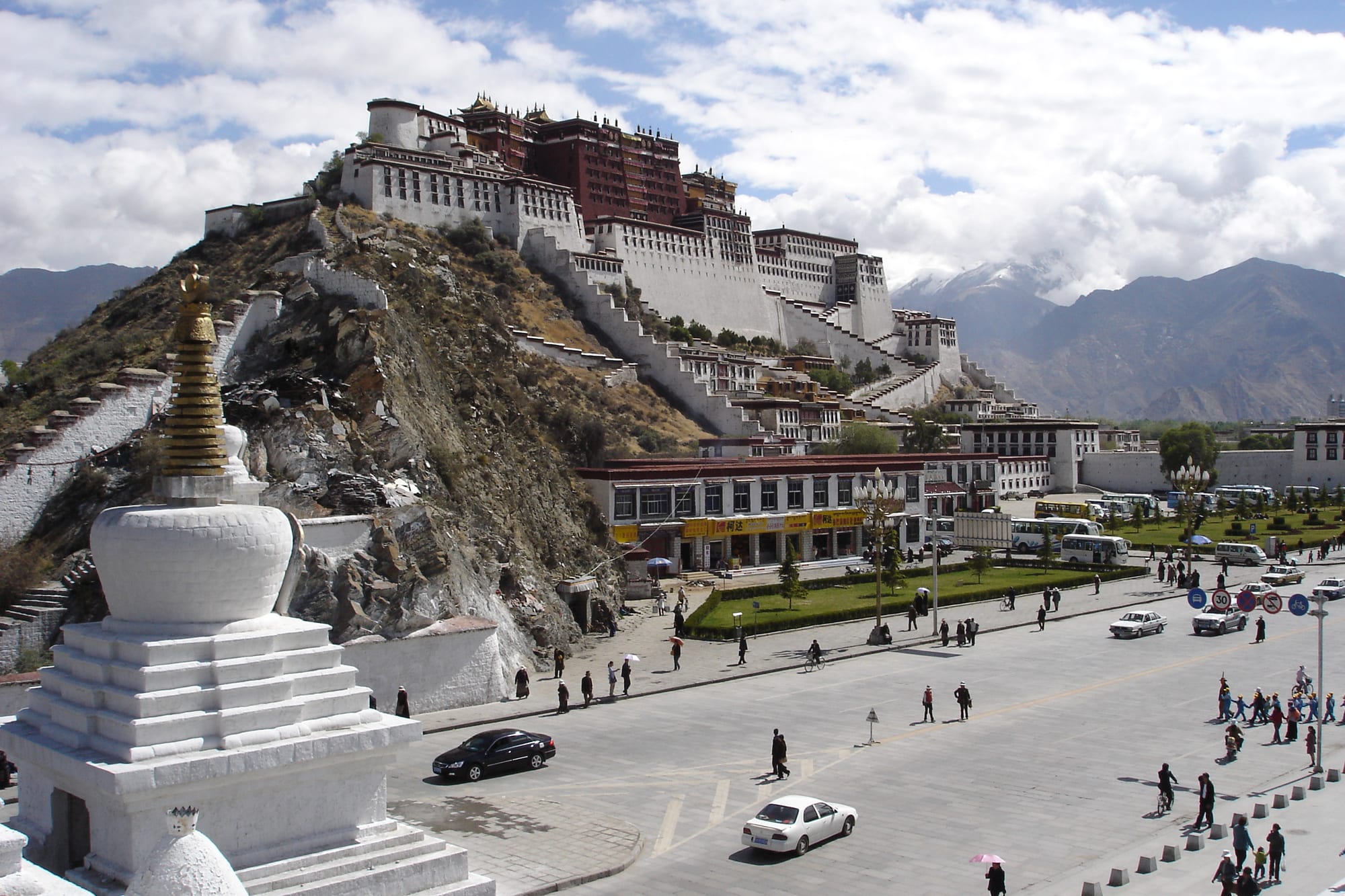
The Potala, rising 13 storeys up a hill in the Tibetan capital, was the seat of the Dalai Lamas and the centre of Tibetan government until 1959 — a labyrinth of chapels, tombs, and state rooms, and a UNESCO World Heritage Site. In Lhasa's old town, the Jokhang Temple and the pilgrim circuit of the Barkhor around it are the spiritual heart of Tibetan Buddhism.
Tibet requires a permit and an organised tour for foreign visitors, arranged in advance; the region is periodically closed to tourists at short notice.
8. West Lake, Hangzhou
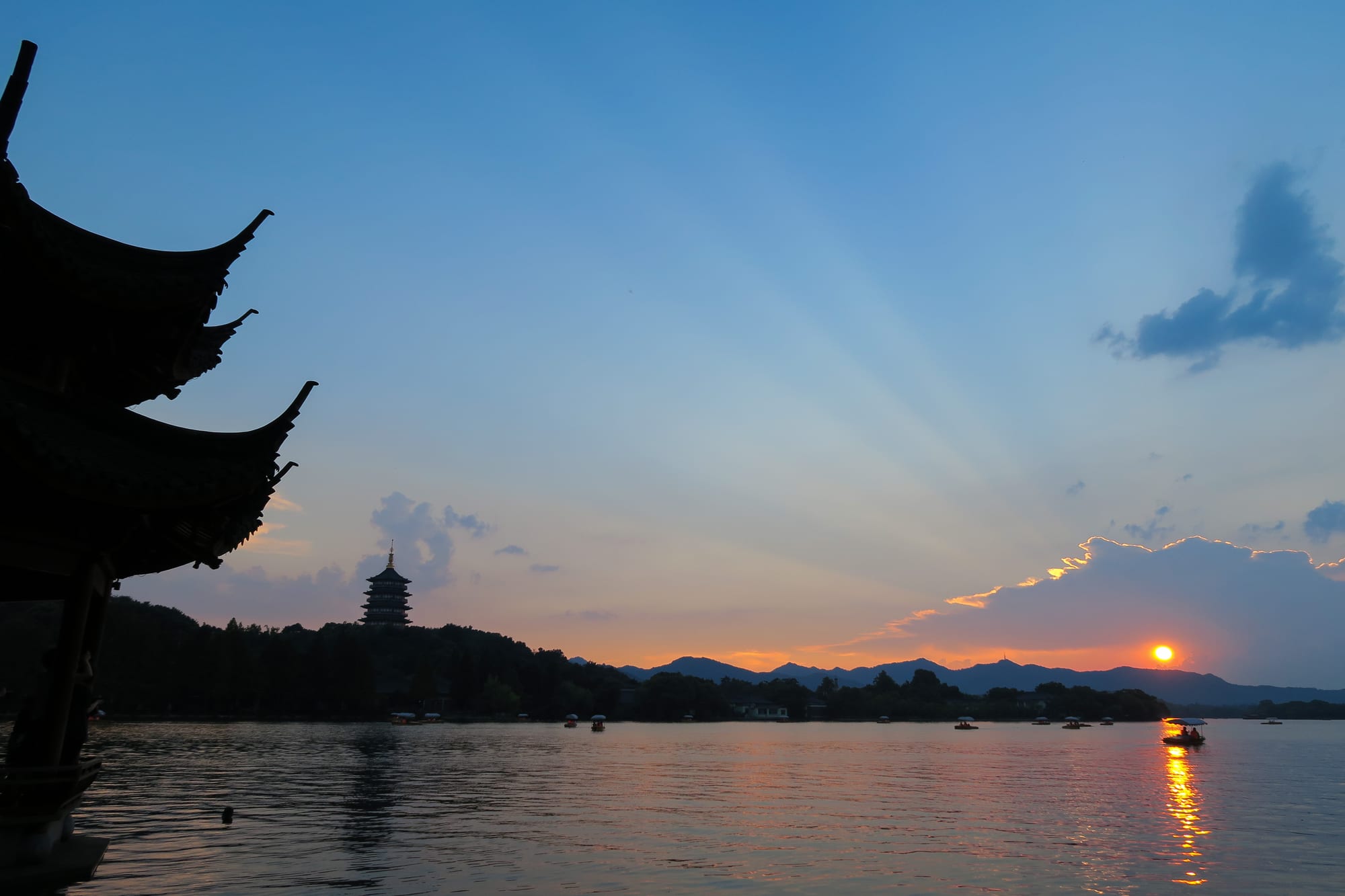
An hour by fast train from Shanghai, West Lake is a freshwater lake ringed by willow-lined causeways, arched bridges, pagodas, temples, and tea plantations — a designed landscape that has been the model for gardens and "borrowed scenery" across East Asia, and a UNESCO Cultural Landscape. Its "Ten Scenes", each a named view for a particular season or time of day, have been fixed since the Song dynasty.
It is best walked or cycled early, before the day's crowds; boats cross to the lake's islands.
9. Shanghai
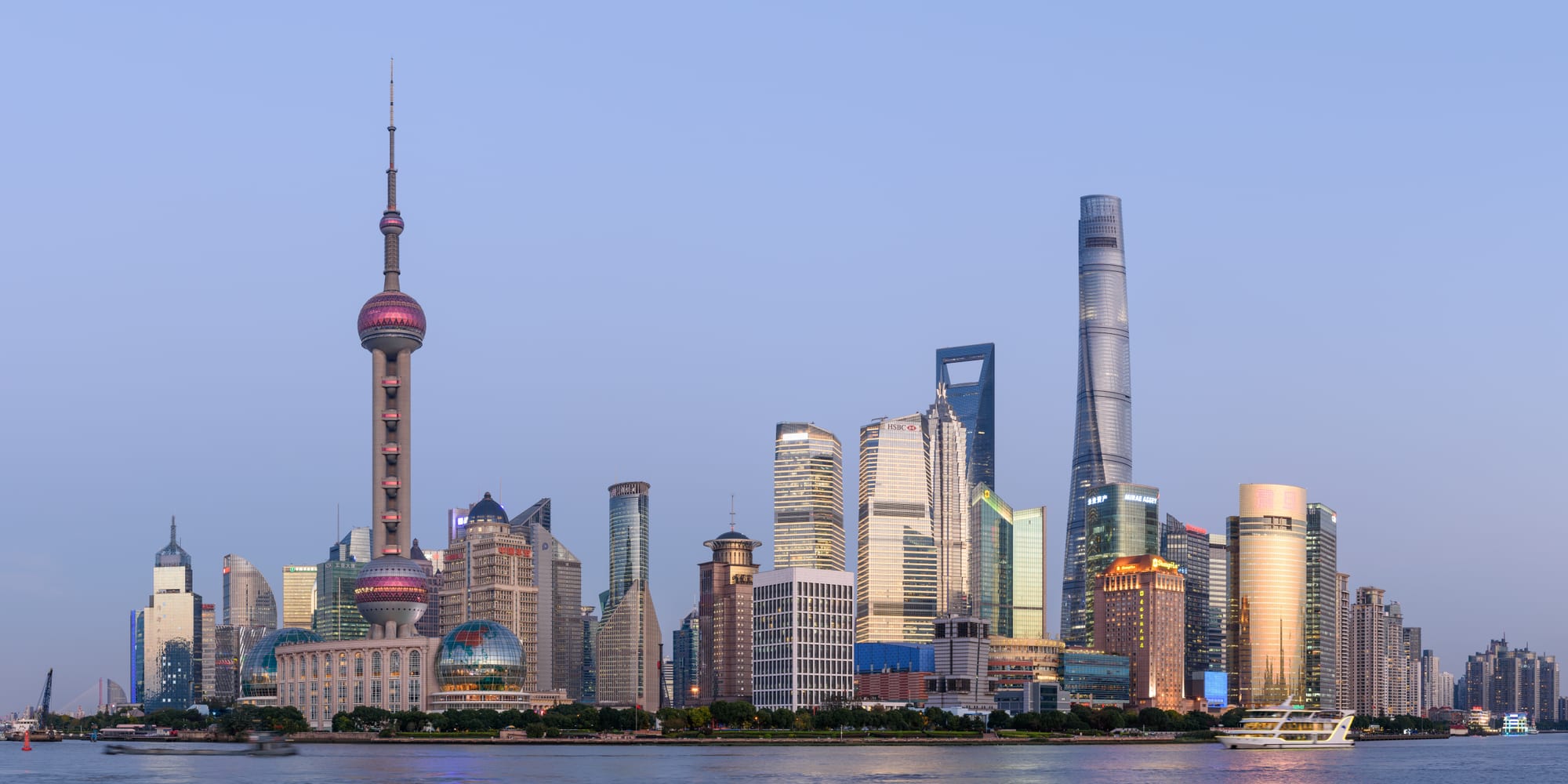
Shanghai is China's biggest, richest, most cosmopolitan city, and its signature view is the contrast across the Huangpu: the Bund, a curve of 1920s banks and trading houses from the city's treaty-port heyday, facing the science-fiction skyline of Pudong, built almost entirely since 1990. Between them: the classical Yu Garden, the former French Concession's plane-tree streets, and world-class museums.
It makes an easy pairing with the "water towns" of the Yangtze delta — Zhujiajiao, Tongli, Wuzhen — canal villages a short trip away.
10. Chengdu and the pandas
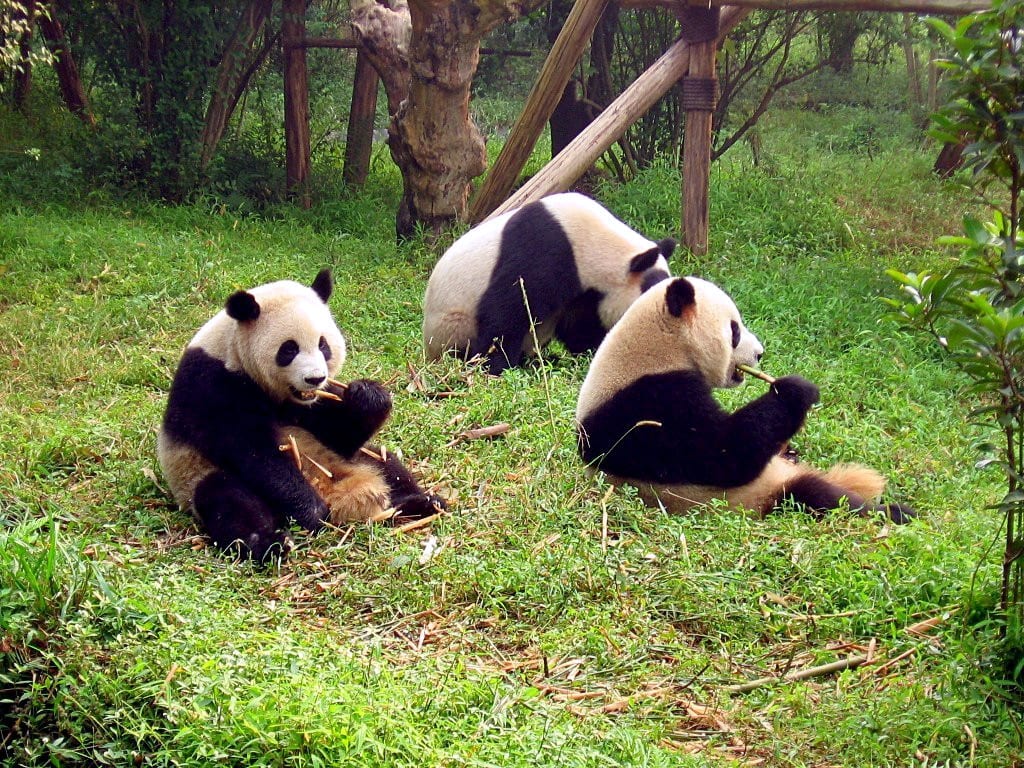
The city of Chengdu, in Sichuan, is the base for seeing giant pandas: the research and breeding centre on the edge of town keeps dozens, most active and feeding in the early morning, and volunteer programmes and sanctuaries in the hills nearby get you closer. Chengdu is also famous for its teahouses, its face-changing opera, and some of the spiciest food in China.
Sichuan's wider highlights include the giant carved Leshan Buddha, the sacred mountain of Emei Shan, and the multicoloured lakes of Jiuzhaigou.
China is best split into regional loops linked by high-speed rail: Beijing and the Wall; Xi'an; the karst south; the Yangtze delta cities. Add Sichuan, Yunnan, or Tibet for a longer trip. Allow more time than the map suggests — the sites themselves are big, and so are the crowds.