Daily Life · China
China: A Country That Runs on High-Speed Rail
A single phone app that pays for almost everything, a household registration system that still splits the country between city and countryside, and a rail network so large it now reaches nearly every sizeable city
By Worldlore Editorial · 30 September 2026
An ordinary day in China now runs through a phone screen almost as much as through the street: a single super-app pays for groceries, transport, utilities and government paperwork alike, and cash has largely disappeared from daily transactions in the cities. Behind that thoroughly modern surface sits an older and still-consequential divide, between registered urban and rural residents, and between the wealthy eastern coast and a poorer, ageing interior. Hundreds of millions of rural migrants power the coastal cities' factories and services while their formal household registration often remains in the countryside, a split that shapes where people can send their children to school and access local healthcare as much as where they actually live and work.
Family and home life
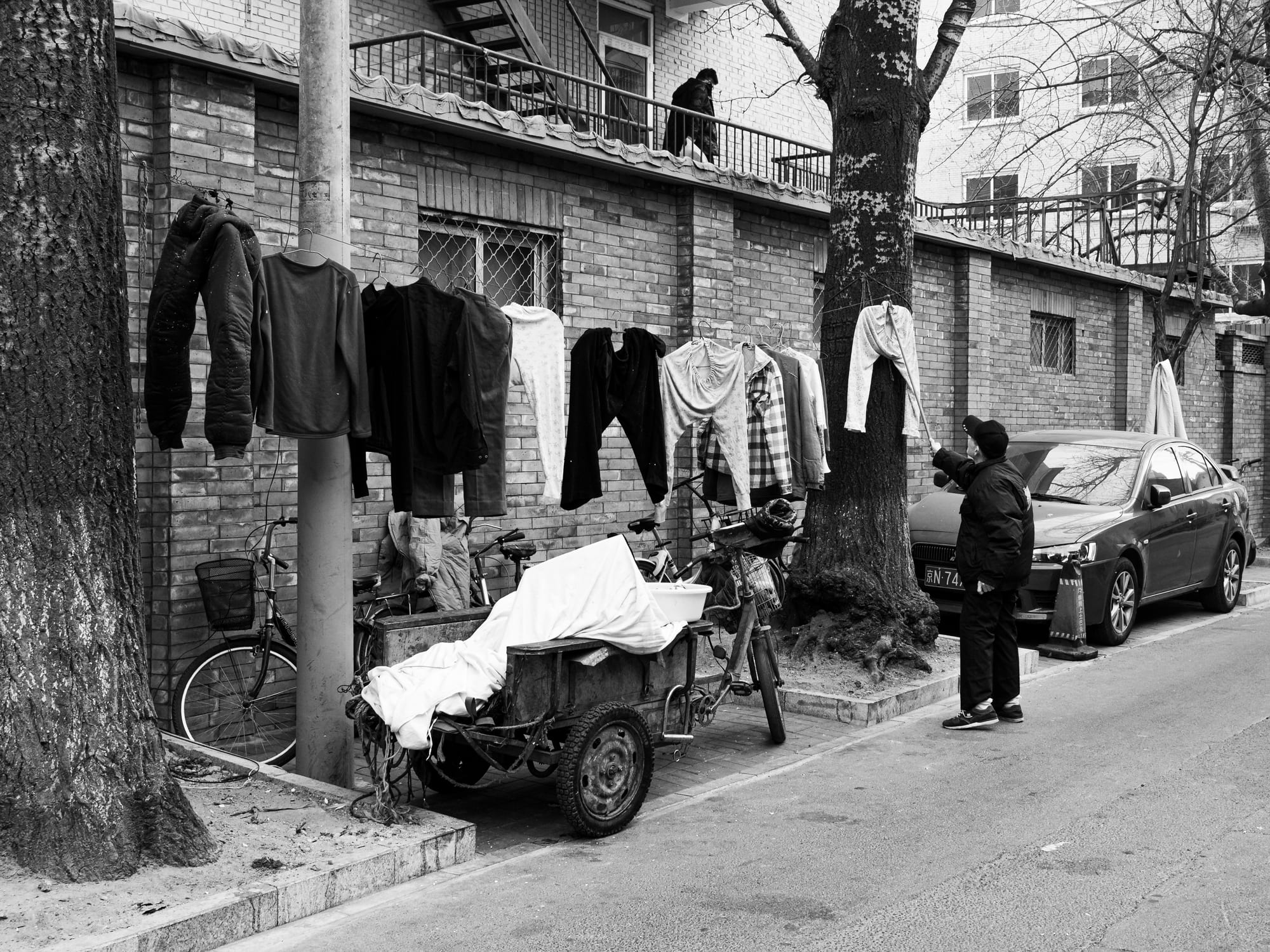
Urban housing is dominated by high-rise apartment blocks, while older neighbourhoods, above all Beijing's hutongs, narrow lanes of low brick courtyard housing, survive in shrinking pockets alongside them, still home to residents who share communal facilities and a tighter-knit street life than newer high-rises allow. Property ownership is treated as the primary household asset and the main source of family financial anxiety, and it is common for parents and even grandparents to contribute savings toward an adult child's flat, often before marriage. With one of the fastest-ageing populations in the world and a sharply falling birth rate despite the end of the one-child policy, many households now support elderly relatives as well as children, and grandparents frequently take a hands-on role in raising grandchildren, especially where both parents work full time.
Work, school and the rhythm of the day
The legal standard is an eight-hour day and a 40-hour week, but long hours remain common in practice, particularly in tech and other competitive private-sector industries, where the informal "996" schedule, 9am to 9pm, six days a week, became widespread enough that the Supreme People's Court declared it illegal in 2021. School is highly competitive from an early age, with families investing heavily in tutoring and extracurricular study to prepare for the gaokao, the gruelling national university entrance exam that largely decides which universities a student can enter. In the cities, the super-app economy means daily errands, from paying for lunch to booking a doctor's appointment, run through a phone rather than cash or, in many cases, a physical card at all.
Community life and public spaces
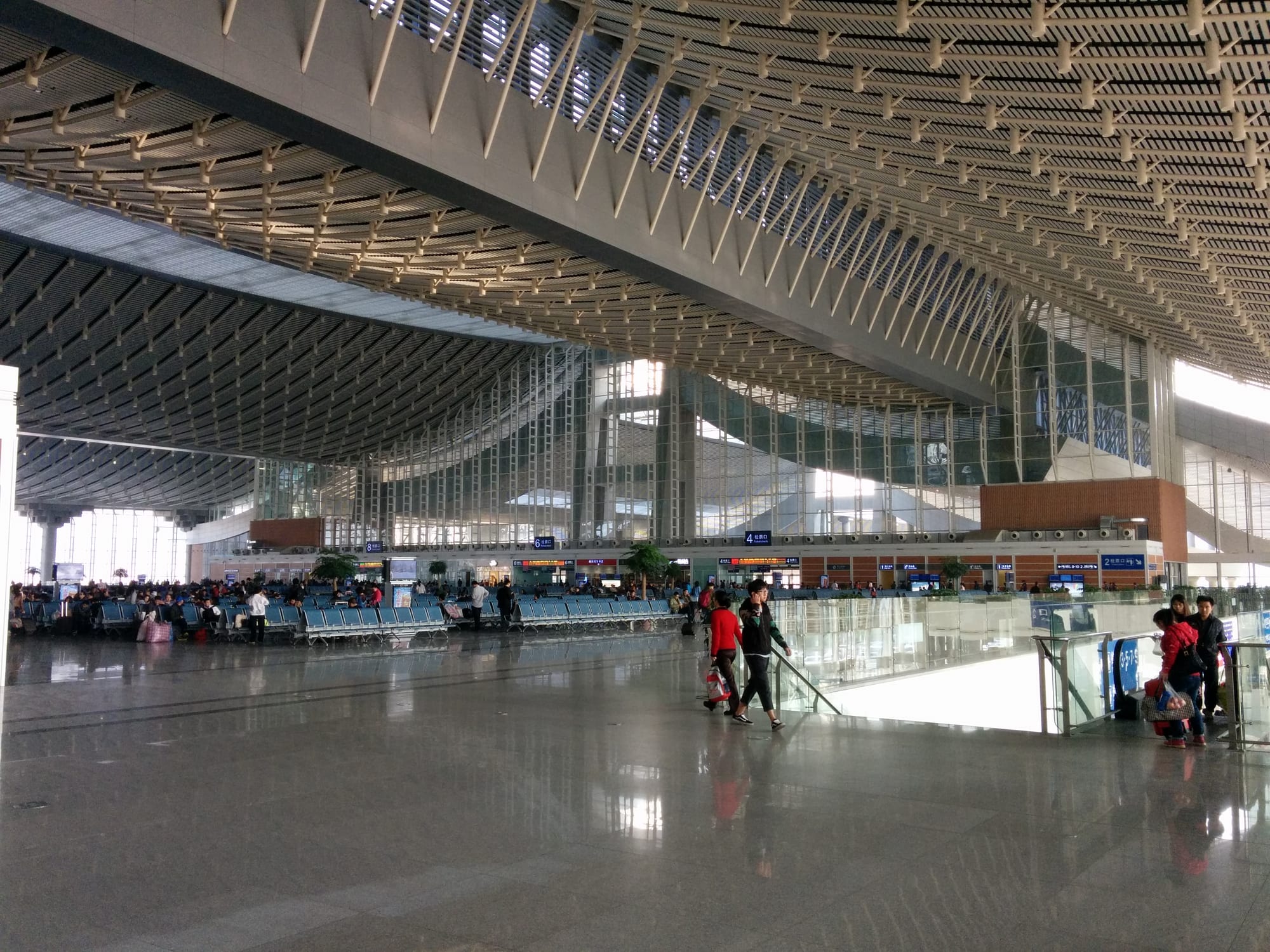
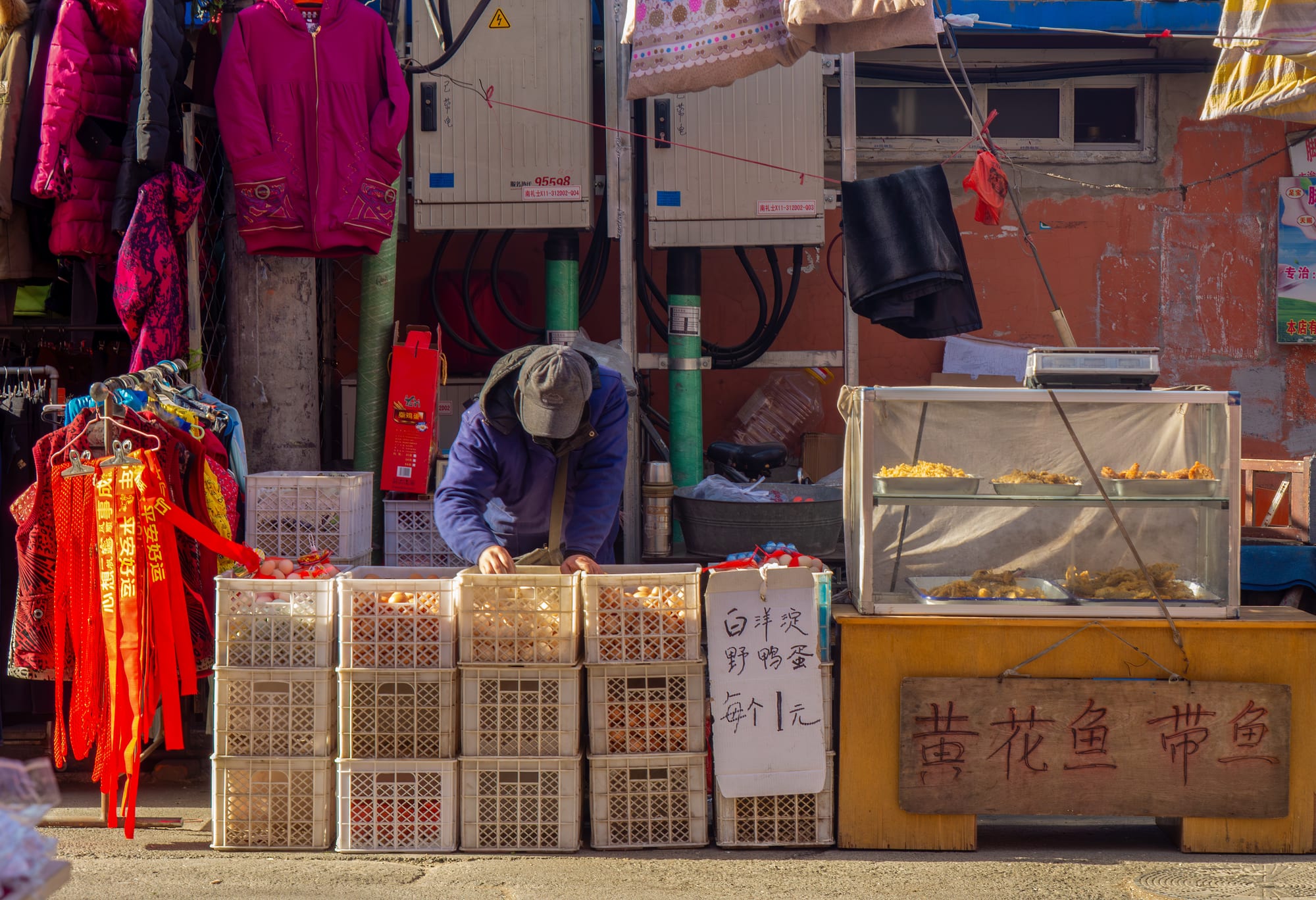
Wet markets and neighbourhood street stalls remain a genuine part of daily shopping in many cities and most smaller towns, selling fresh produce, eggs, meat and prepared food side by side with clothing and household goods, even as supermarkets and app-based grocery delivery have taken a growing share of household spending. High-speed rail has reshaped how people move between cities, with the network now exceeding 50,000 kilometres, the largest in the world, reaching close to every city of significant size and making same-day return trips between major cities routine. Metro systems anchor daily commuting in the largest cities, and public parks and squares are genuine gathering points, especially early in the morning and again in the evening.
Free time and weekends
Spring Festival, the lunar new year, is the year's single biggest event, setting off what is generally described as the largest annual human migration on Earth, as hundreds of millions travel to their home town or village to mark it with family. On an ordinary weekend, city parks fill early with people doing group exercise, tai chi or ballroom dancing, and in the evening with families and couples simply walking. Short domestic trips by high-speed rail, to a nearby city for a meal or a weekend, have become a routine way to spend free time given how fast and inexpensive the network has made them. Video and mobile gaming, short-video apps and livestreaming are enormously popular pastimes, particularly among younger Chinese, alongside a strong continued interest in hiking, and, regionally, mahjong.
A visitor's ordinary day
Daily life runs on Alipay or WeChat Pay, and while both now allow a linked foreign card, setting one up before arrival makes the day-to-day much easier, since many small vendors rarely see cash and do not accept foreign cards. High-speed trains are the easiest way to move between cities and require booking through an app or agent, with a passport serving as the ticket itself. Many foreign apps and services, including Google, WhatsApp and most Western news and social media, are blocked, so travellers who need them should arrange access in advance. Expect close to airport-style security at metro and railway stations nationwide, and carry a passport at all times, since identity checks are routine.
What to take away
What defines an ordinary day in China now is the coexistence of two very different rhythms in the same country: a hyper-modern, cashless, fast-moving urban life running on an app and a bullet train, alongside an older, more uneven reality still shaped by where a person's household is registered and how far they are from home.