History · Chile
Chile: The Long Thin Country
Mapuche resistance and a Spanish frontier, the world's nitrate and copper mine, a democracy broken in 1973, and its slow rebuilding
By Worldlore Editorial · 19 September 2026
A ribbon of a country
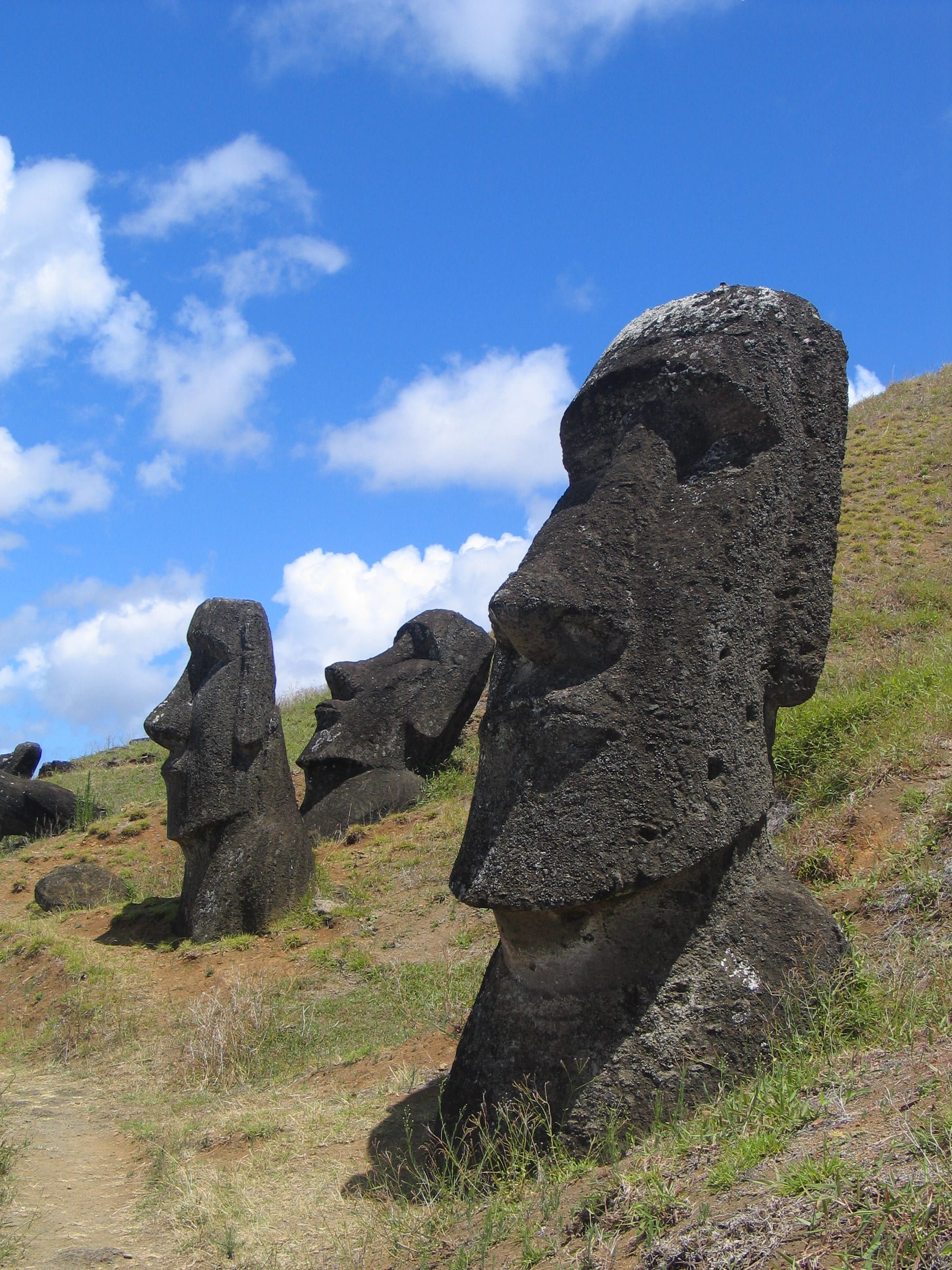
Chile runs 4,300 kilometres down the western edge of South America and is, on average, only about 180 kilometres wide — hemmed between the Andes and the Pacific, from the driest desert on earth in the north to Patagonian ice in the south, with Easter Island and its statues far out in the ocean. That geography made it remote and hard to invade, and Chileans have often credited it with the country's unusual institutional stability. It also concentrated the population in a narrow central valley and made the economy dependent, over and over, on a single mineral pulled from the northern desert: first nitrate, then copper, now lithium too.
A short history
- pre-1500
First peoples
The Inca reach the Maule River; the Mapuche hold the centre and south.
- 1541
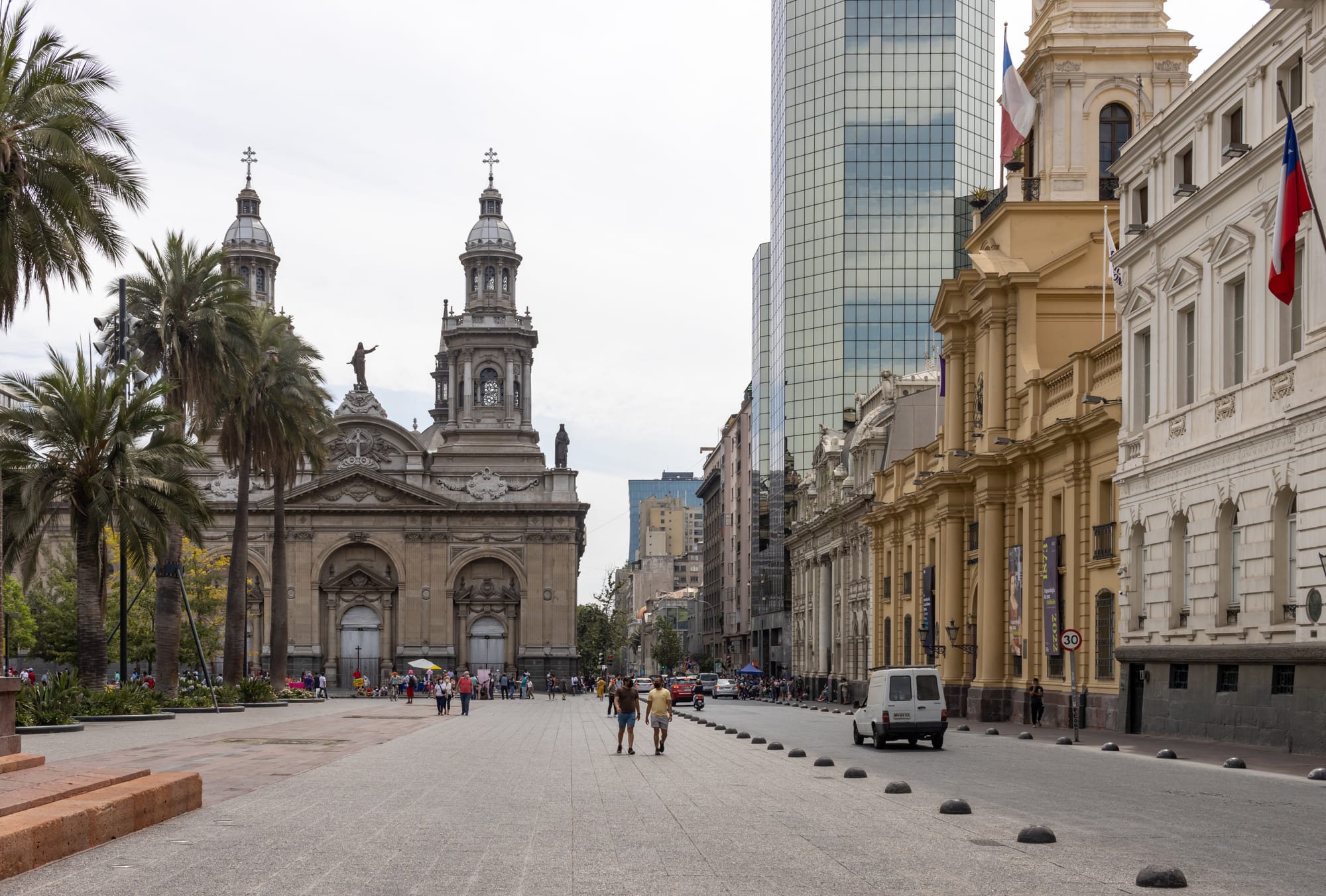
Santiago founded
Pedro de Valdivia founds the capital; the Mapuche kill him in 1553.
- 16th–19th c.
The Arauco War
A militarised frontier on the Bío-Bío River holds for 300 years.
- 18 September 1810
Independence begins
A junta in Santiago; independence secured by 1818.
- 1833
The autocratic republic
A strong centralised constitution gives Chile decades of stability.
- 1879–1883
War of the Pacific
Chile defeats Peru and Bolivia and seizes the nitrate desert.
- 1861–1883
Occupation of Araucanía
The army conquers the Mapuche heartland at last.
- 1970
Allende
The first freely elected Marxist head of state; copper is nationalised.
- 11 September 1973
The coup
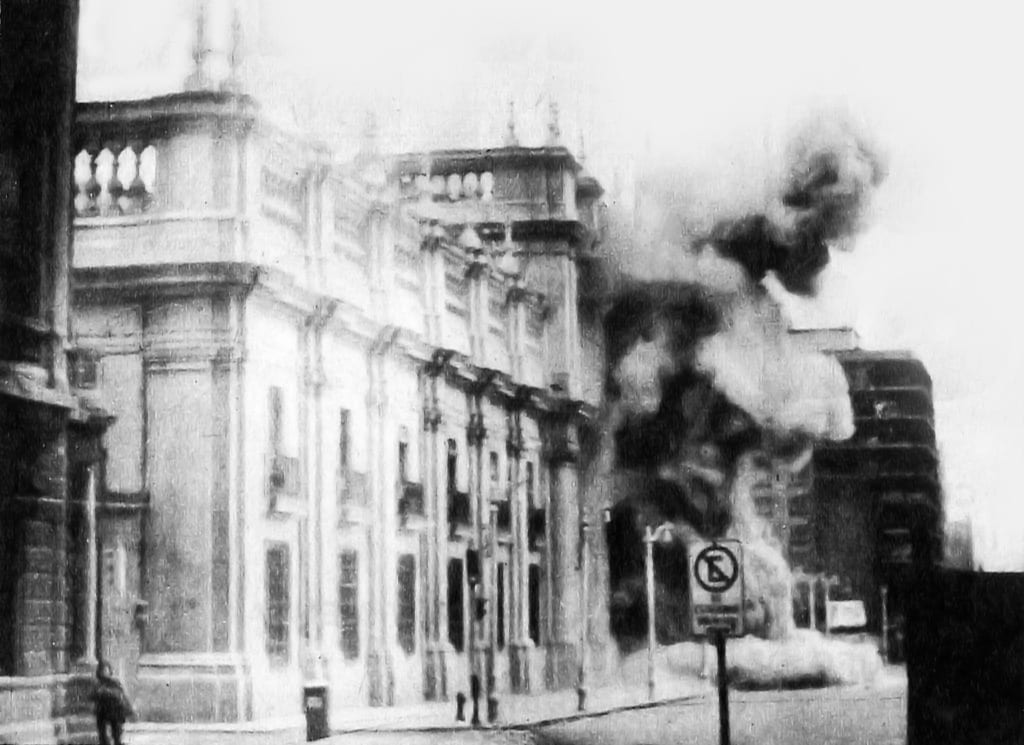
The military bombs the presidential palace; Pinochet takes power.
- 1990
Democracy restored
Pinochet loses a 1988 plebiscite and steps down as president.
The frontier that held
Before the Spanish, the far north of Chile fell within the Andean world — the Inca pushed their empire's southern edge to the Maule River around 1470 — while the centre and south belonged to the Mapuche, a decentralised farming and warrior society that had already stopped the Inca. Pedro de Valdivia founded Santiago for Spain in 1541 and drove south, but the Mapuche destroyed his southern towns and killed him in 1553. What followed was the Arauco War: a fortified frontier along the Bío-Bío River that the Spanish never crossed for good. Chile became a poor, remote, militarised corner of the empire, run by a small landed elite on large estates worked by a mestizo peasantry.
Independence, and an orderly republic
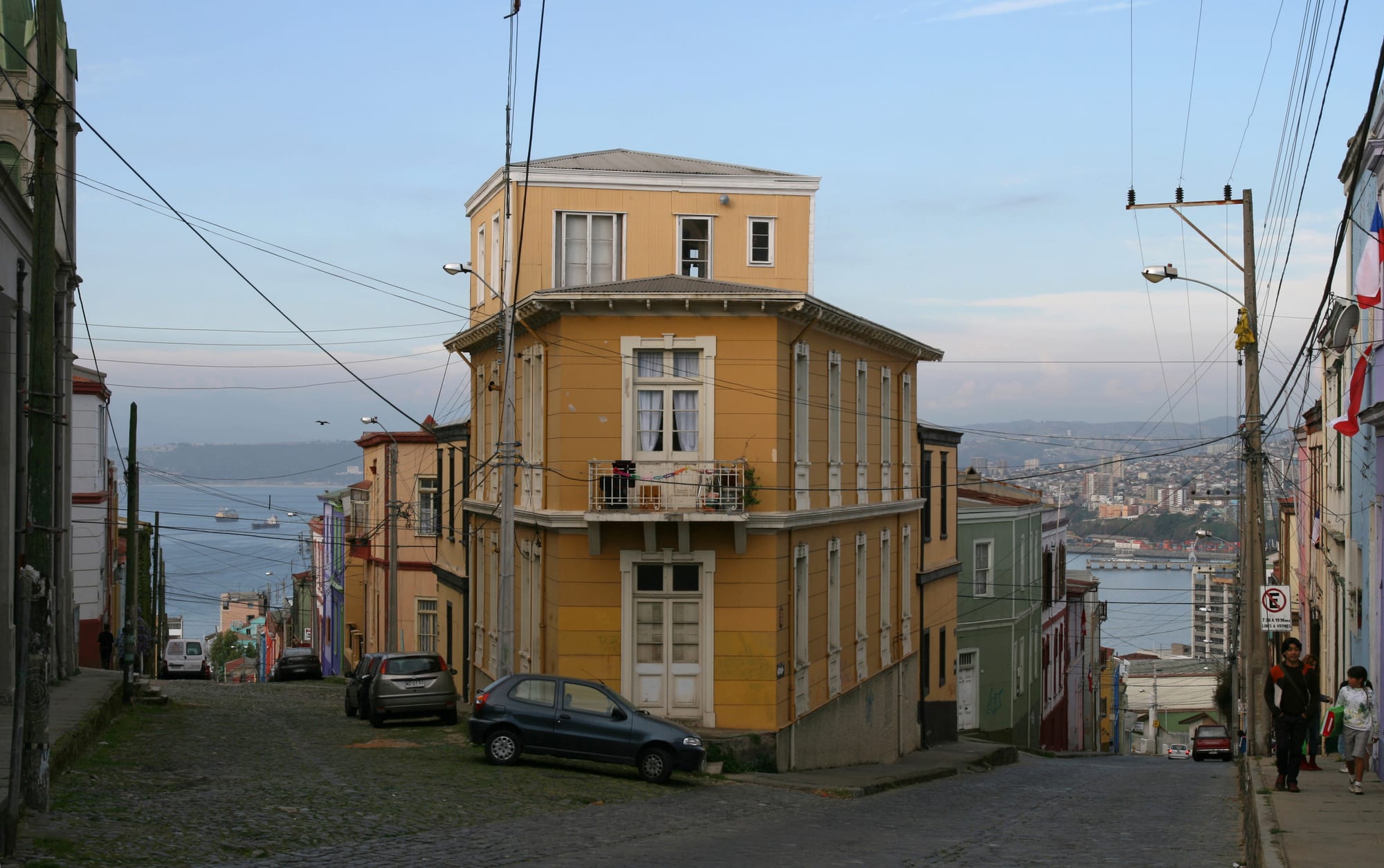
The Napoleonic crisis in Spain set off Chilean independence: a junta in Santiago in September 1810, years of war, and liberation by José de San Martín's Army of the Andes and the Chilean Bernardo O'Higgins, who won the decisive battles in 1817–18. Where much of Spanish America then fell into decades of civil war, Chile did not. The conservative minister Diego Portales built a strong, centralised, authoritarian republic under the Constitution of 1833, dominated by the Santiago and Valparaíso elite, which delivered roughly 40 years of orderly presidential successions.
Nitrate, war, and the conquest of the south
Chile grew by conquest at both ends. In the south, the army finally broke Mapuche independence in the "Occupation of Araucanía" of 1861–83, using forts, railways and famine, and opened the land to settlers, many of them German. In the north, the War of the Pacific of 1879–83 pitted Chile against Peru and Bolivia over the nitrate-rich Atacama. Chile won overwhelmingly, occupied Lima, took Bolivia's entire coastline — leaving it landlocked to this day — and annexed Peru's southern deserts.
That gave Chile a world monopoly on sodium nitrate, "white gold" for fertiliser and explosives, and the export taxes on it funded the state for a generation. But the industry was foreign-owned, and its desert mine workers built a militant labour movement that the state met with force — most infamously at Iquique in 1907, where soldiers killed more than 2,000 striking nitrate workers and their families.
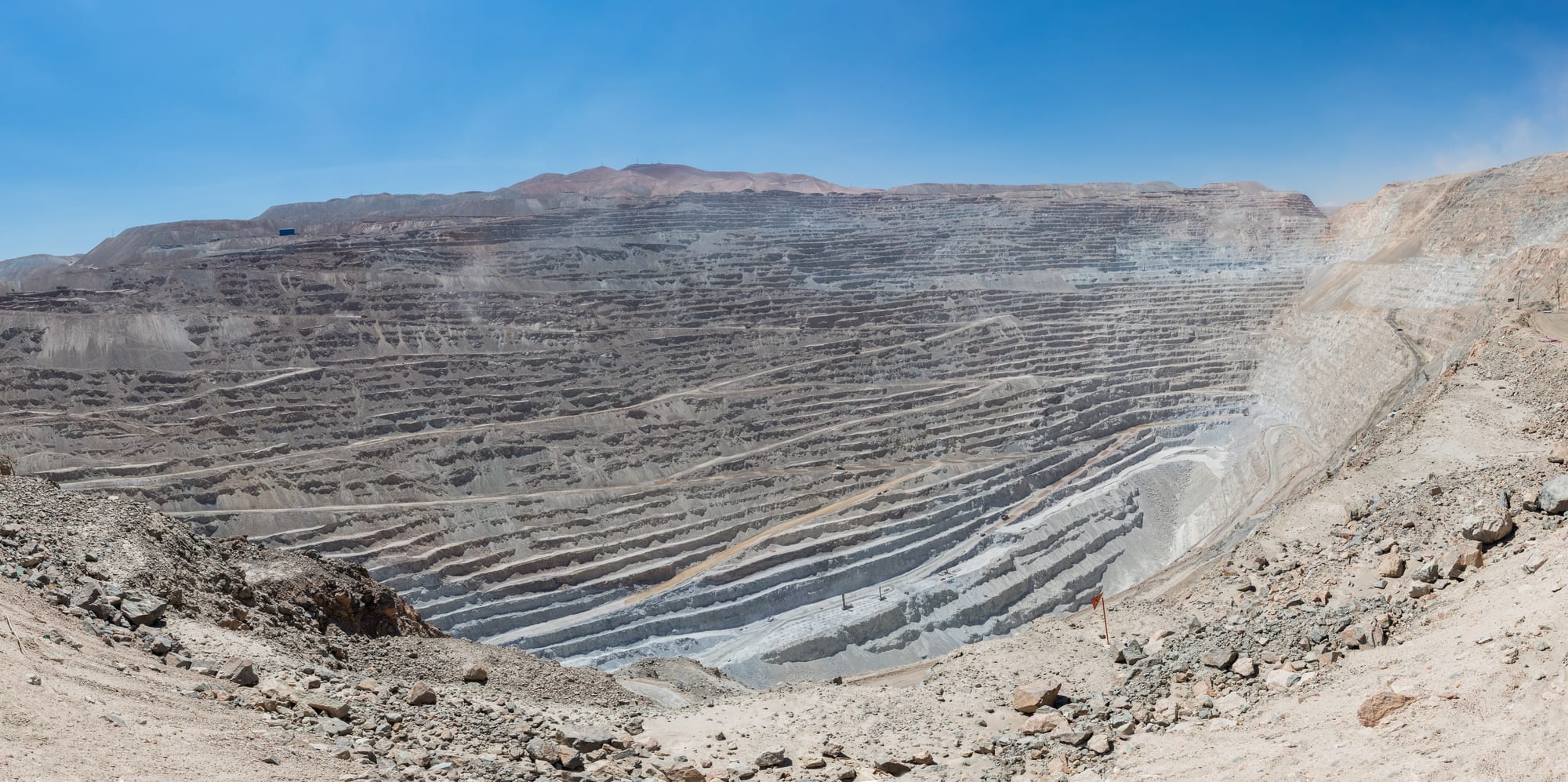
Synthetic nitrate and the Depression wrecked the northern economy, and copper — from vast US-owned mines like Chuquicamata — took its place as the country's lifeline and its central political question. Meanwhile Chile developed an unusually competitive, ideologically polarised multi-party democracy, with a strong Marxist left, a centrist bloc, and, from the 1950s, Christian Democracy.
Allende and the coup
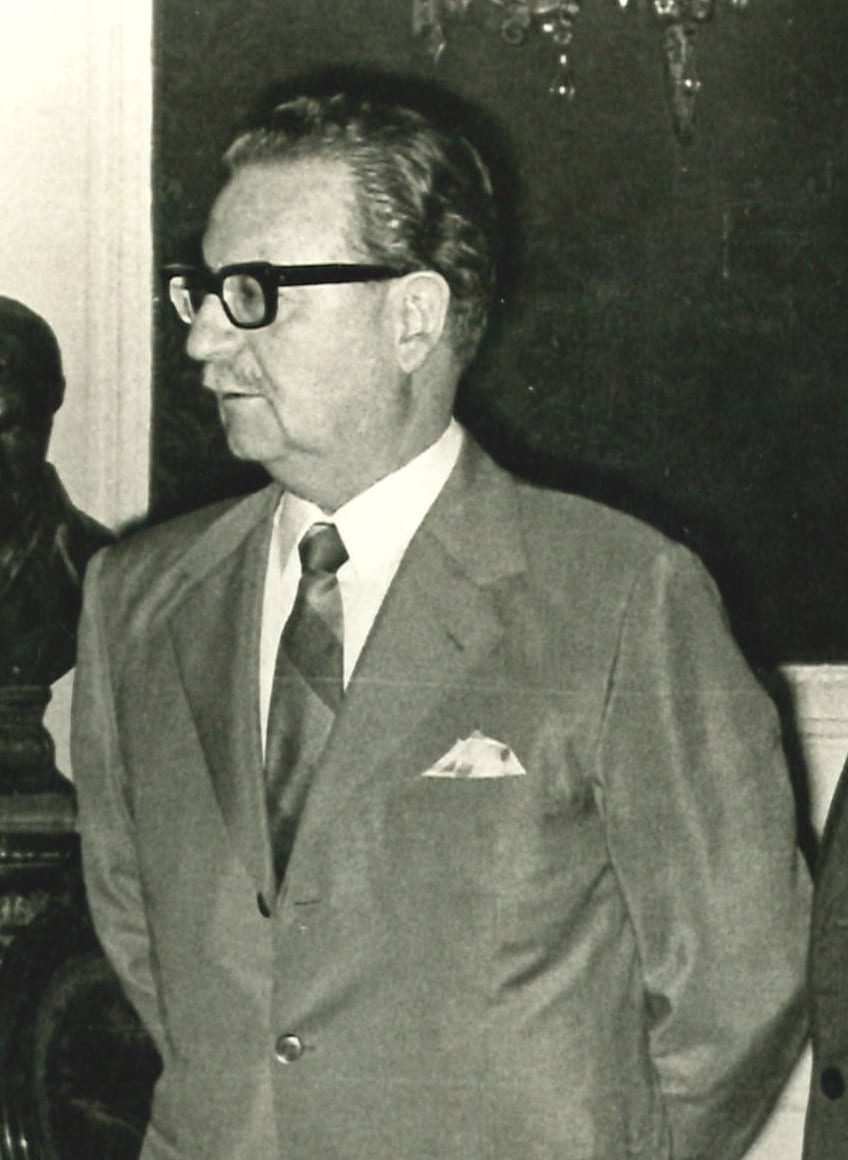
In 1970 Salvador Allende, a socialist physician leading a coalition of the left, won the presidency with 36 per cent of the vote in a three-way race — the first Marxist elected head of state anywhere in an open election. His government nationalised copper, with unanimous support in Congress, took over banks and estates, and raised wages. It was met with ferocious resistance: economic sabotage, US covert funding of the opposition, hyperinflation, shortages, crippling strikes, and street violence, in a country split down the middle and close to ungovernable.
1973
The Pinochet years
The military, led by the army commander Augusto Pinochet, ruled for 17 years. The repression was systematic: around 3,000 people killed or disappeared, tens of thousands tortured, and hundreds of thousands driven into exile, later documented by two official commissions. Chile's secret police coordinated killings across South America, including a 1976 car bombing in Washington DC. In economic policy the regime handed power to a group of free-market economists trained in Chicago, who privatised state companies, pensions, water rights and much of health and education, crushed the unions, and enshrined the model in a new constitution written under the dictatorship in 1980. After a severe crash in 1982, growth resumed, and the "Chilean model" was widely promoted abroad — along with the deep inequality it built in.
Confident of victory, Pinochet held a plebiscite in 1988 to extend his rule, and lost it, 56 to 44. He left the presidency in 1990, though he stayed on as army commander until 1998. Arrested in London that year on a Spanish warrant — a landmark for international justice — he returned to Chile facing multiple prosecutions, and died in 2006 without a conviction.
Democracy, and the unfinished business
A centre-left coalition governed for 20 years after 1990, pursuing "growth with equity" and a cautious reckoning with the past, hemmed in by the 1980 constitution and the military's residual power. Chile joined the OECD in 2010, the first South American member. But the grievances the dictatorship's model had built in — over pensions, the cost of privatised education and health care, and inequality — exploded in October 2019 in the estallido social, weeks of mass protest met with police violence. Chileans voted overwhelmingly to write a new constitution, but then rejected two successive drafts, one seen as too radical and one as too conservative, so the amended 1980 charter still stands. Gabriel Boric, a former student-protest leader elected in 2021 at 35, is the youngest president in Chilean history, governing a country that has been the world's top copper producer for decades and is now racing to mine the lithium under the Atacama.
What Chile carries
Chile's self-image is of an orderly, institutional country at the end of the world — and for long stretches of its history that held, more than for its neighbours. But the same century that made it a mineral power also made it deeply unequal, and the polarisation that produced 1970 and 1973 has never entirely gone away. The argument the country keeps returning to — over the constitution, over the model, over how to remember the dictatorship — is an argument about which Chile it wants to be.