Food · Chile
Chile: Food and the National Dish
A baked pastry eaten by the millions every Independence Day, an earth-oven feast from a southern archipelago, and a grape once thought extinct that turned out to be growing all along
By Worldlore Editorial · 16 September 2026
A long, narrow country with three climates on one plate
Chile stretches more than 4,000 kilometres from the Atacama Desert to Patagonian glaciers, and its food changes with the landscape: Andean and Aymara influence in the north, one of the world's great wine-growing valleys in the centre, and seafood, potatoes and earth-oven cooking in the wetter, cooler south. One of the world's most productive coastlines keeps fish and shellfish central everywhere, while the central valley's mild Mediterranean climate carries the corn, wheat and beef that show up in the country's best-known dishes.
The national dish: empanada de pino
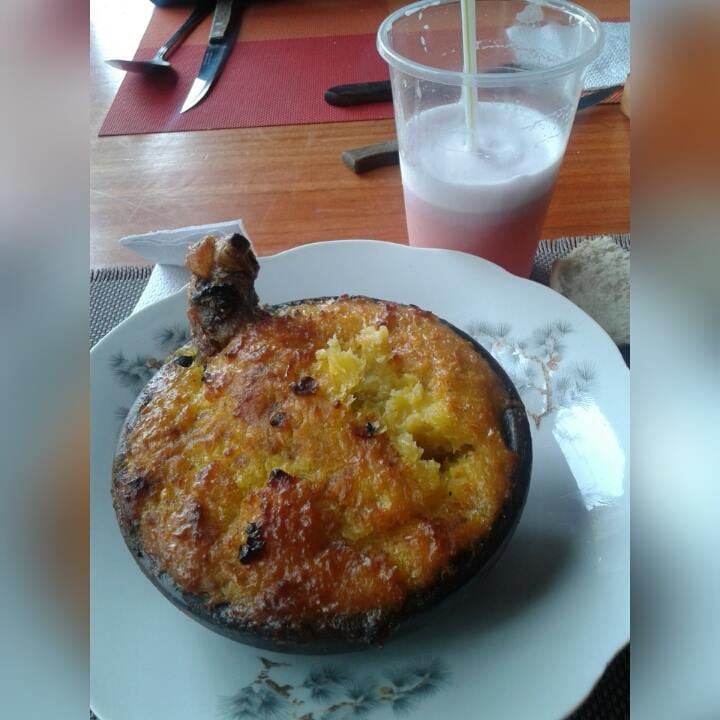
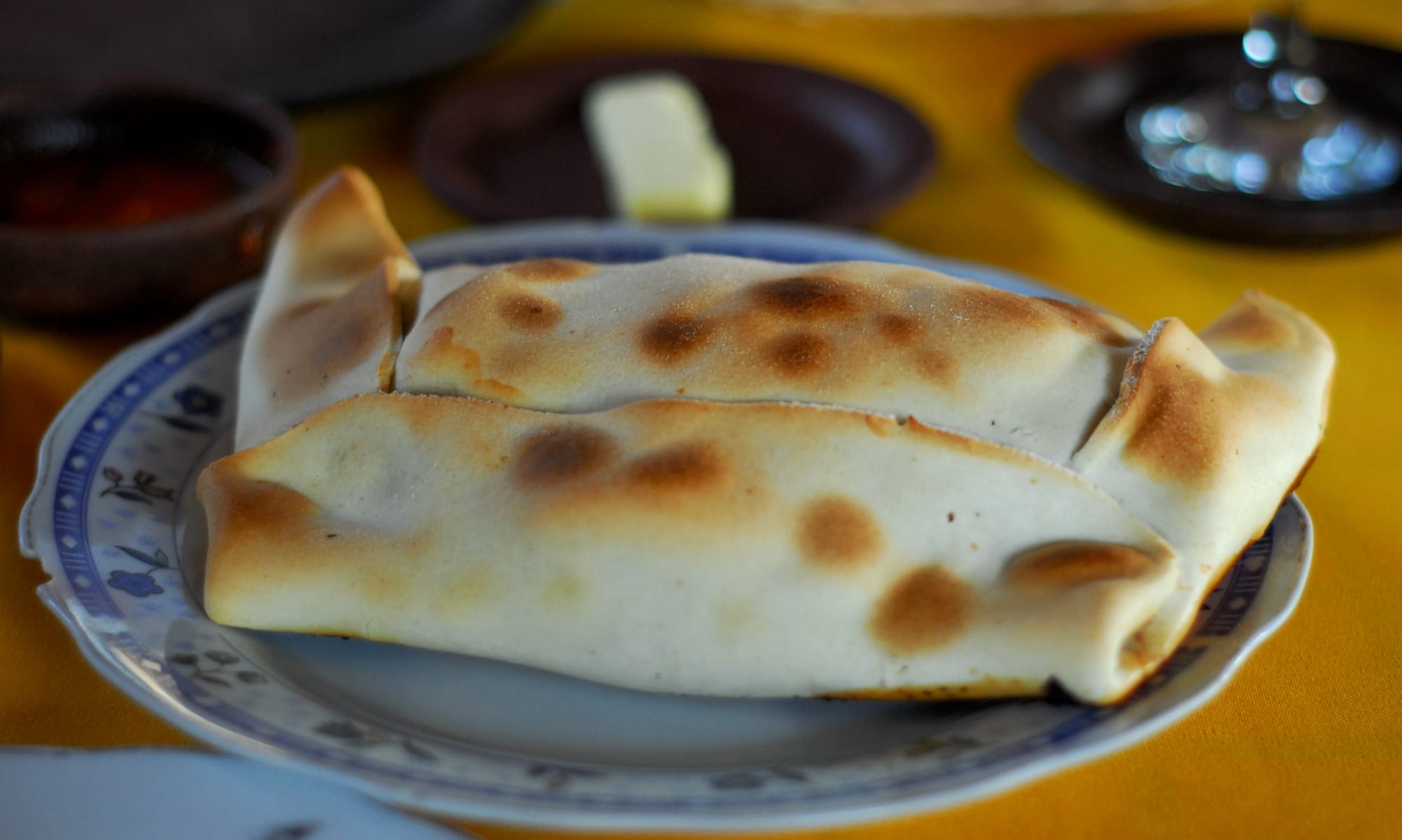
Empanada de pino — a baked pastry filled with a mix of chopped beef, onion, a black olive, a piece of hard-boiled egg and a few raisins — is the dish most closely tied to Chilean identity, eaten year-round but especially around Fiestas Patrias, Chile's independence celebrations each September, when they're sold and eaten by the millions alongside asado and folk dancing. Pastel de choclo, a casserole of the same pino-style filling topped with a sweet corn crust and baked until golden, and cazuela, a clear soup of meat, potato, corn and pumpkin, are the other two dishes with a genuine claim to being Chile's culinary heart.
Chiloé's earth oven
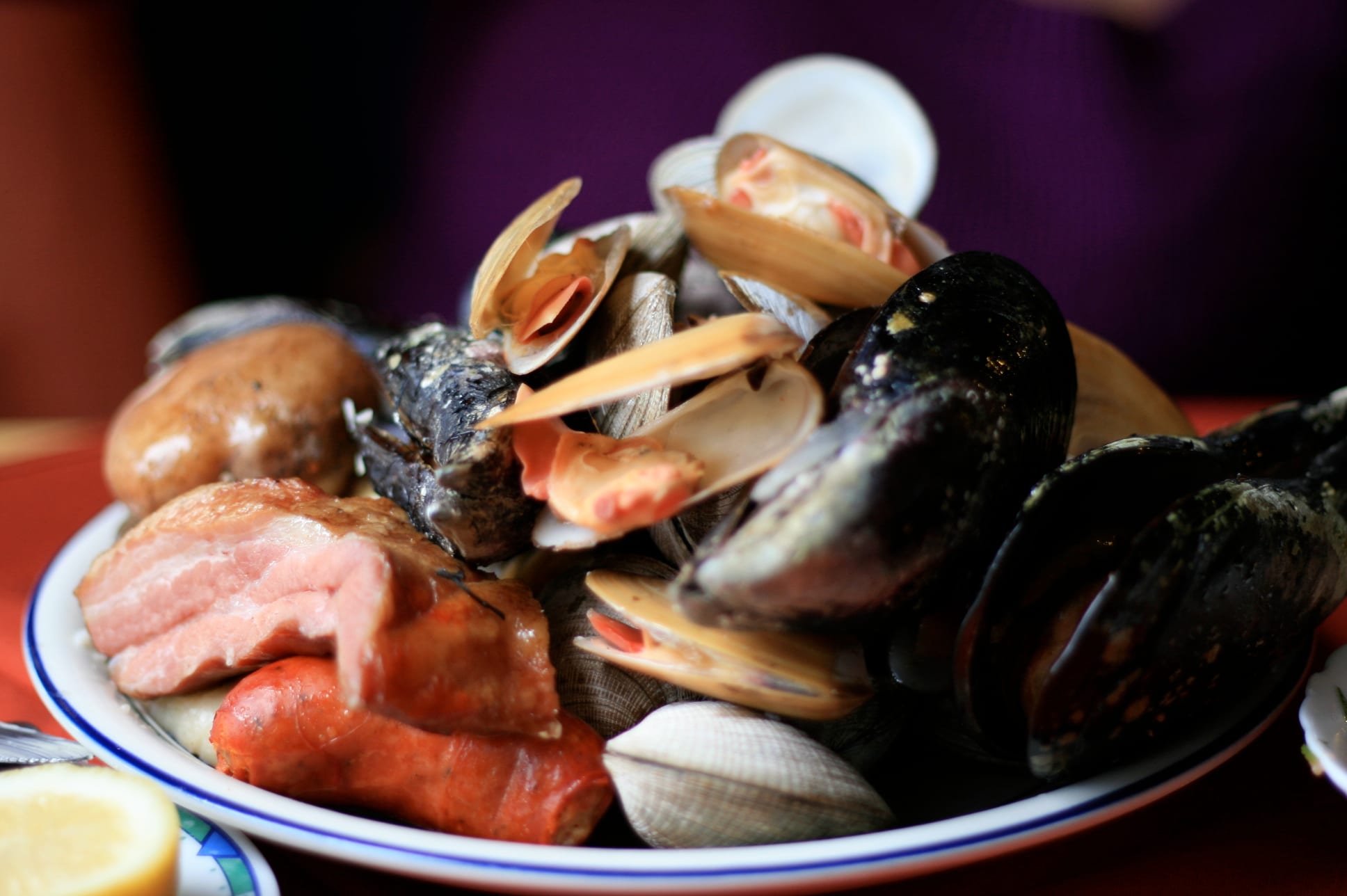
In the southern archipelago of Chiloé, curanto is cooked in a pit dug into the ground, lined with hot stones, and layered with shellfish, smoked meat, chicken, sausage and potato-based breads, all covered with nalca leaves and left to steam for hours — a method with clear parallels to earth-oven cooking found among Pacific island cultures on the other side of the ocean.
Dishes to know
Five more to recognise across Chile:
- Cazuela — a clear soup of meat, potato, corn and pumpkin, home cooking at
its most common.
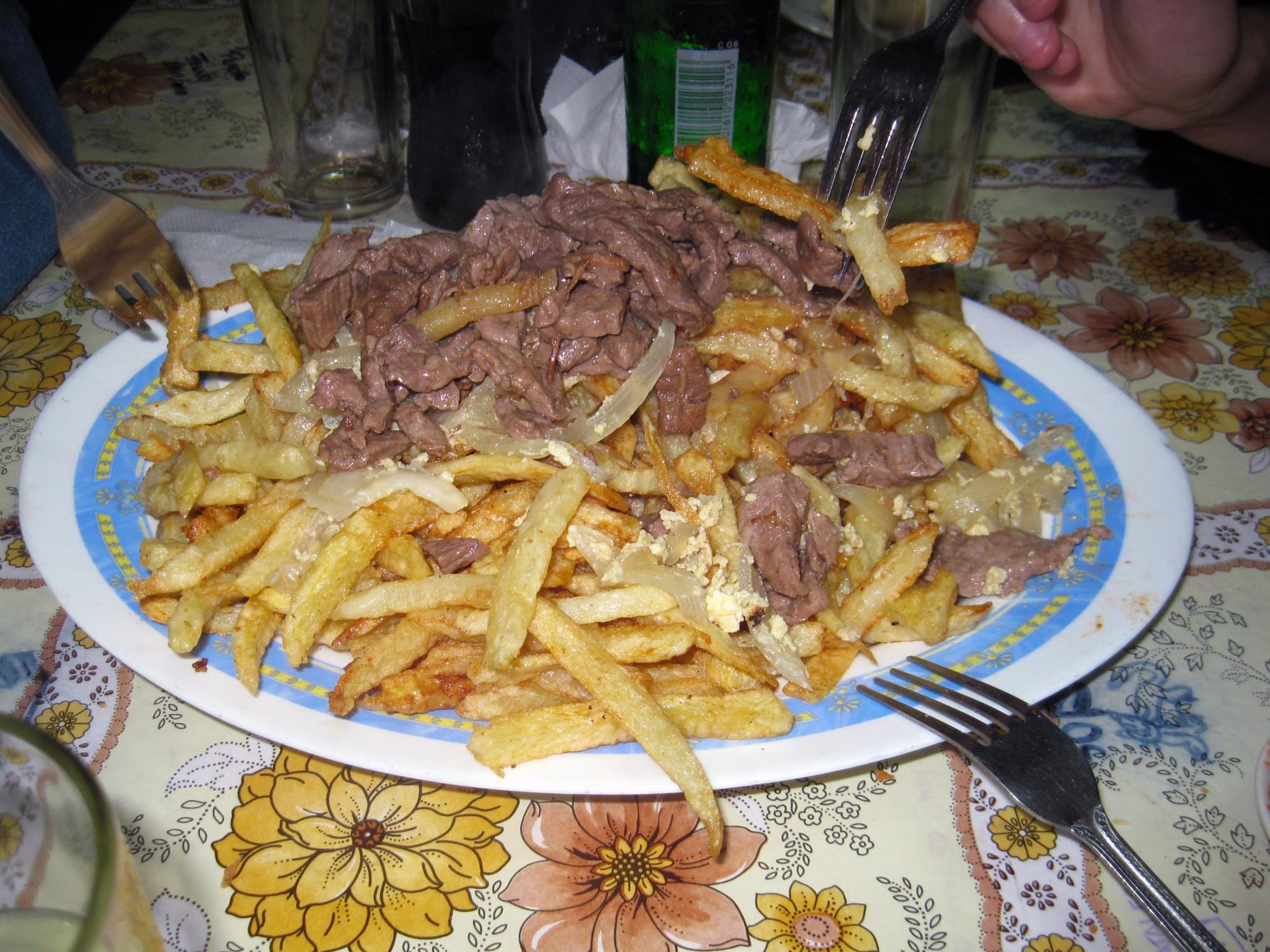
- Chorrillana — a huge shared plate of fries topped with fried egg, onion
and meat, invented at the J. Cruz restaurant in Valparaíso.
- Completo — a Chilean hot dog piled high with toppings; the "Italiano"
version, with avocado, tomato and mayonnaise, echoes the colours of the Italian flag.
- Caldillo de congrio — a conger eel soup made famous well beyond Chile by
a poem the writer Pablo Neruda dedicated to it.
- Mote con huesillo — a cold summer drink and dessert of husked wheat and a
whole dried peach in sweet syrup, sold by street vendors.
Wine, pisco and a grape that came back from the dead
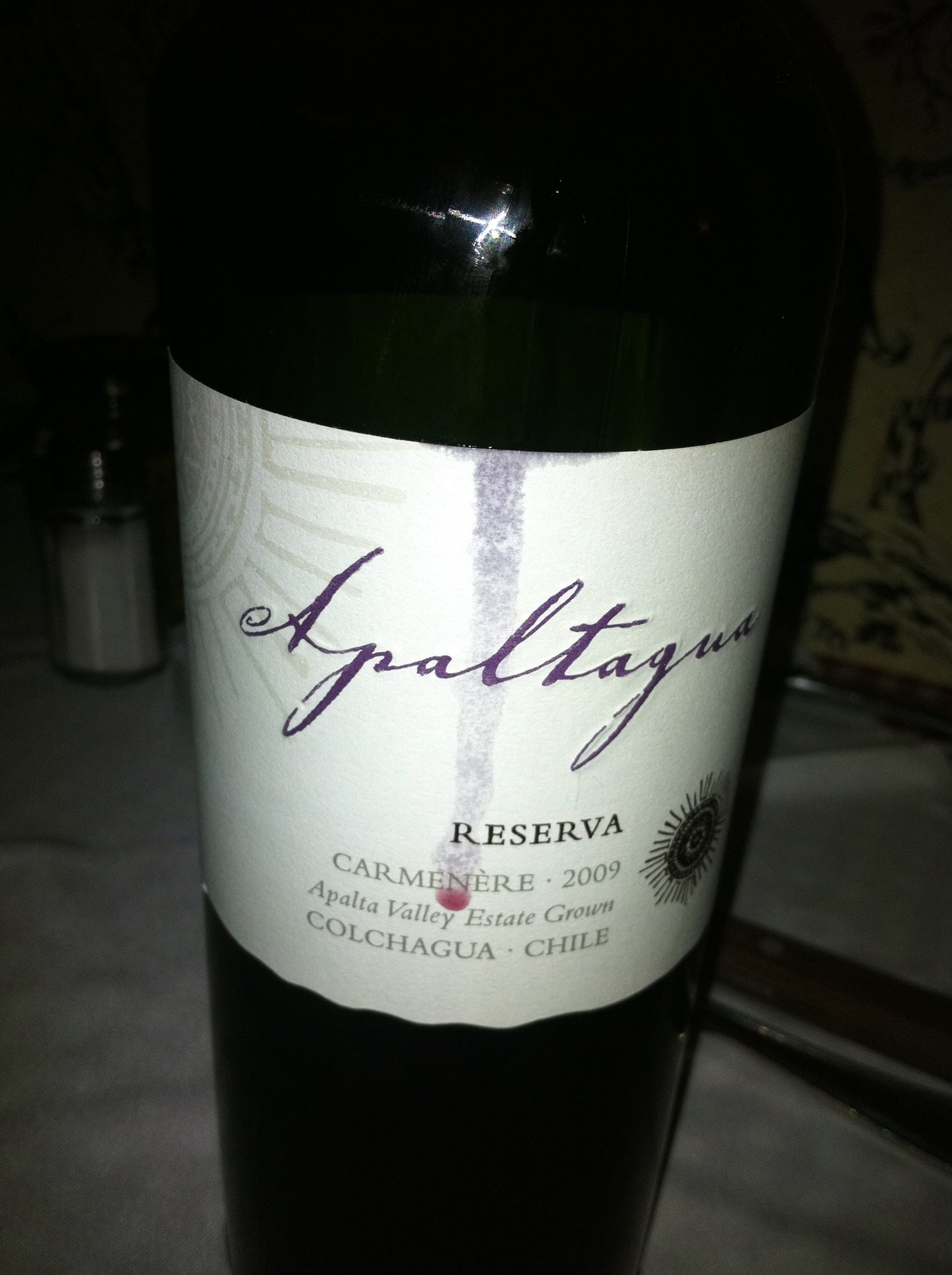
Chile is also one of two countries, alongside Peru, that claims to have invented pisco and the pisco sour cocktail, a long-running and still unresolved regional dispute. Terremoto, mixing cheap pipeño wine with pineapple ice cream, is the drink most associated with Fiestas Patrias itself.
Eating as a traveller
Vegetarians can rely on cazuela's vegetable versions, cheese empanadas and Chile's excellent produce, though most of the classic dishes above are built around meat or seafood. Tap water is safe throughout Chile. Onces, a light afternoon meal of bread, avocado and tea similar to British teatime, is a genuine daily habit worth joining if invited.
What to take from the table
An empanada de pino, eaten hot, is the place to start — and if your trip takes you south to Chiloé, a proper curanto dug straight out of the ground is worth planning a whole day around.