Daily Life · Chile
Chile: An Evening That Runs on Tea, Not Dinner
A feria libre market that still sets the week's shopping, a metro that carries millions a day in a highly urbanised country, and a light evening meal that replaces dinner in many households
By Worldlore Editorial · 30 September 2026
Chile is one of the most urbanised and, by regional standards, orderly countries in Latin America, and daily life reflects it: a working week with defined hours, a reliable public transport system in the main cities, and a level of institutional routine that stands out in South America. About 85 per cent of Chileans live in towns and cities, and the great majority within the country's populated central third, so for most households the rhythm of the day is an urban one, built around commuting, the working week, and a light evening meal that, in many homes, quietly takes the place of dinner.
Family and home life
Urban Chilean households are typically nuclear, parents and children, though it remains common for adult children to live with their parents longer than in much of Europe or North America, largely for economic reasons, and for grandparents to live nearby and help with childcare. In the evenings, many households sit down not to a late dinner but to once, a lighter meal of bread, cold cuts, cheese, avocado and tea or coffee taken in the early evening, which in practice has replaced a cooked dinner in a great many homes. Housing is dominated by apartment blocks in the cities, especially in and around Santiago, while a family parcela, a small country plot or holiday property, remains a common weekend and holiday retreat for those who have access to one.
Work, school and the rhythm of the day
The standard working week is defined by law and has been shrinking: a cap of 45 hours until 2024, cut to 44 hours that year and to 42 hours in April 2026, on the way to 40 hours in 2028, with the law barring any cut in pay through the change. Many office workers still take a longer midday lunch than is typical in northern Europe or North America, and the working day commonly runs into the early evening as a result. School generally runs a five-day week with a uniform worn at most state and private schools alike, and the gap between well-resourced private and municipal schools is one of the country's most persistent points of social tension. Copper mining, along with fruit exports, forestry, salmon farming and a large services sector, underpins the economy, though very little of that work is visible in everyday city life outside the mining north.
Community life and public spaces
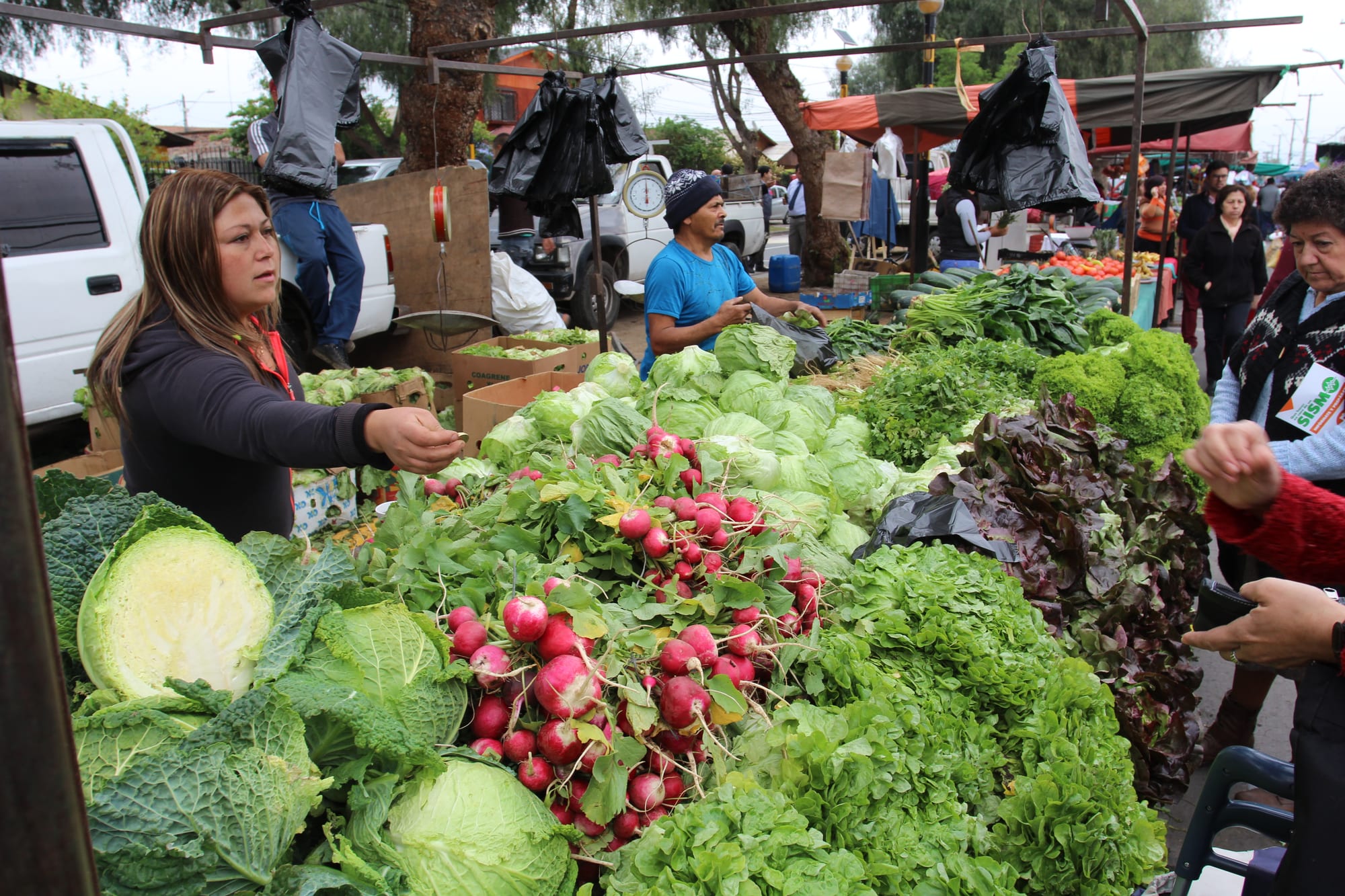
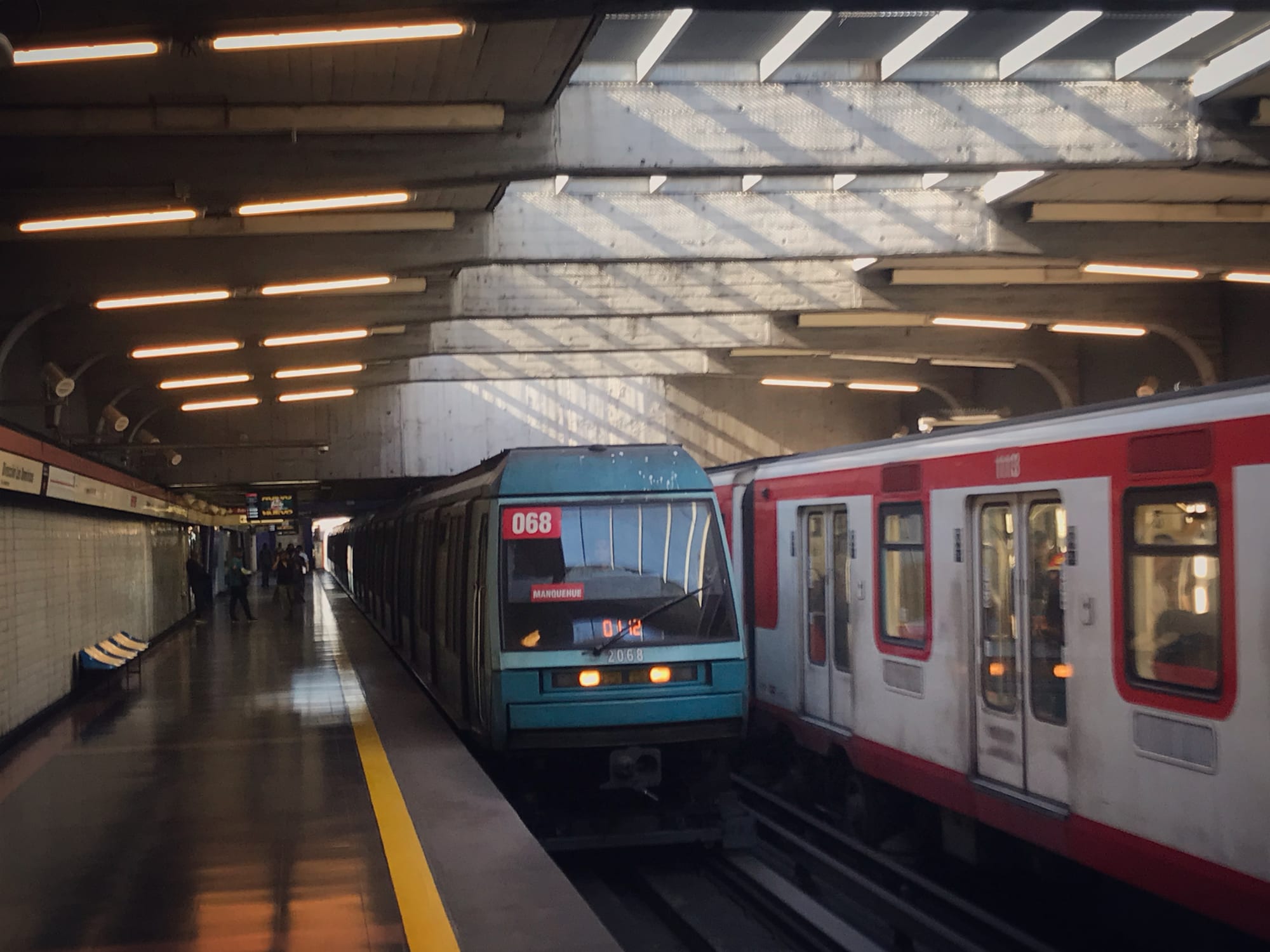
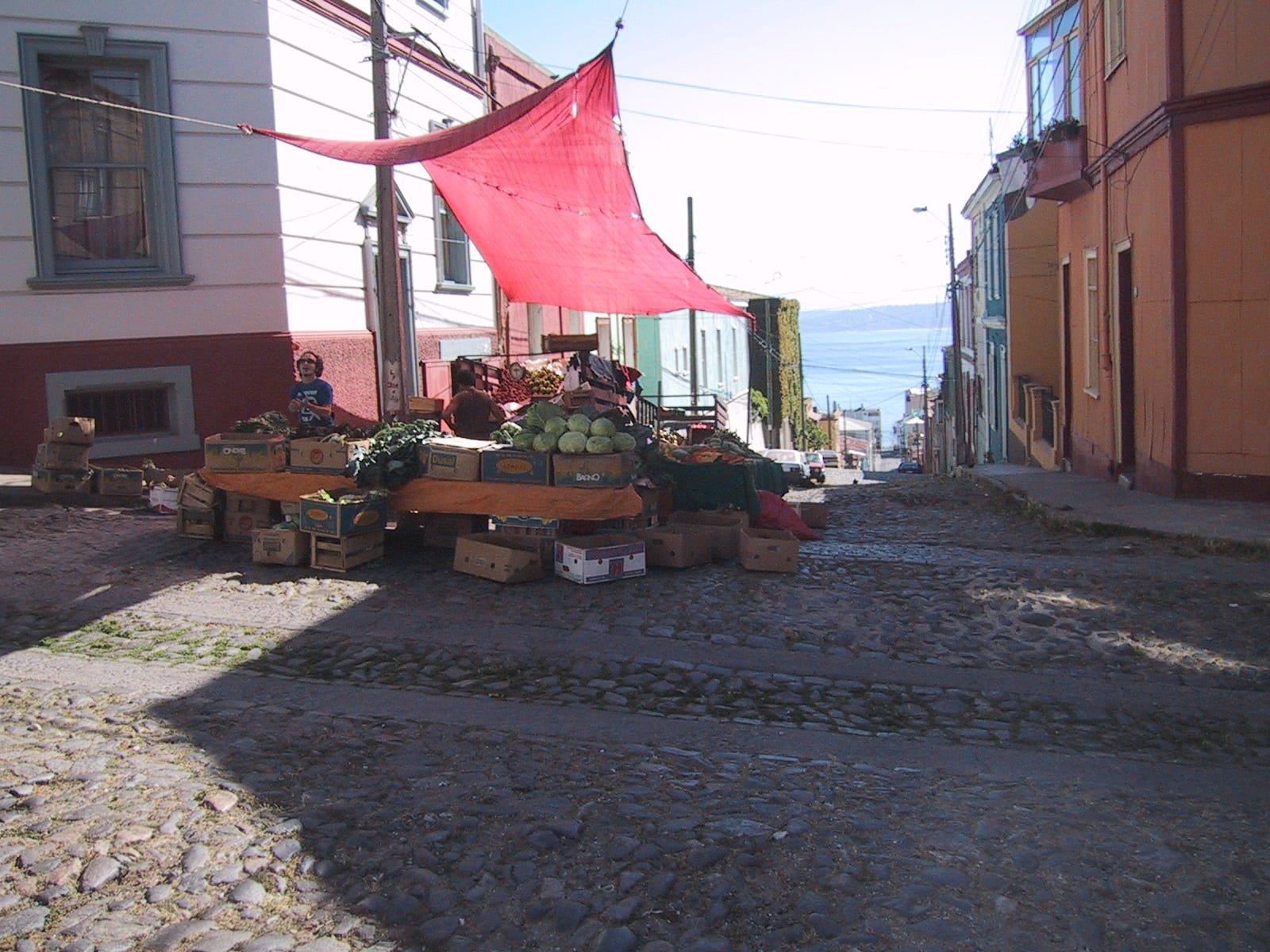
The feria libre, a street market that sets up on fixed days in neighbourhoods across the country, remains where a large share of households do a significant part of their weekly shopping for fruit, vegetables and household basics, moving between towns and city neighbourhoods on a rotating weekly schedule. In Santiago, the Metro carries millions of passengers a day and is the backbone of daily commuting, supplemented by a citywide bus network; smaller cities and towns rely more on buses and shared taxis (colectivos). Plazas de armas, the central square found in almost every Chilean town, remain a genuine gathering point, generally anchored by a church and municipal buildings.
Free time and weekends
Weekends generally mean a longer, more elaborate once with family, and, where distance and finances allow, a trip to the coast, the hills around Santiago or a family parcela. Football is followed closely nationwide, and the Fiestas Patrias in mid-September, marking independence, are the country's biggest shared holiday, filling parks and fondas nationwide with barbecues, the cueca folk dance and kite flying. In the ski season, roughly June to October, day trips to the Andes resorts near Santiago are a regular weekend outing for those who can afford it, and in summer the central coast, above all Valparaíso and Viña del Mar, fills with visitors from the capital.
A visitor's ordinary day
Card payment is widespread and reliable in cities, though small towns, markets and rural areas still favour cash. Santiago's Metro and bus network both run on the same rechargeable transit card, and are the easiest way to get around the capital; taxis and ride-hailing apps are also common. Expect a long midday lunch break to slow business hours in the early afternoon, and, outside Santiago, expect services to be sparser and more seasonal, especially in Patagonia, where much of the tourism infrastructure operates only from around October to April. Chile is highly seismic, so it is worth knowing the evacuation signage in any coastal town, a routine precaution rather than a sign of particular danger on any given day.
What to take away
What defines an ordinary day in Chile is less any single custom than its underlying orderliness: a defined working week, a reliable commute, and an evening that, more often than not, ends not with dinner but with tea.