Culture & Customs · Chad
Chad: Many Peoples, One Bowl
Islam, Christianity and older beliefs side by side, greetings that take their time, and a hospitality in which a guest is fed from the shared bowl and turning food down is a real discourtesy
By Worldlore Editorial · 30 September 2026
A visitor arrives at a Chadian home and the greeting begins, but it does not end quickly. The host asks after the guest's health, then after their family, and the guest returns each question in turn. Between exchanges, a hand is touched lightly to the chest as a sign of thanks. Only then does anyone sit. A glass of water appears at the very least, and more often food, set down on a mat in a single large bowl from which everyone will eat. Turning it down would be a real discourtesy. Chad is home to dozens of peoples, languages and ways of life, but across most of them runs the same conviction: a guest is an honour, and the time taken over a welcome is part of the respect being shown.
Faith, identity and values
Religion in Chad broadly follows the country's divide between a drier north and centre and a greener, farming south. Islam is the largest faith and is dominant across the north and centre; Christianity is concentrated in the south, where the Catholic Church has a large following; and a small minority, around 4 per cent at the 2009 census, continues to follow traditional religions. Most Chadian Muslims identify with the Sufi order of the Tijaniyya. Traditional belief places weight on the presence of spirits and on the veneration of ancestors, and initiation and healing rituals remain central to the identity of many ethnic groups.
There is no single national code of etiquette in a country of so many peoples, but some values are shared almost everywhere. Respect for elders, moderation in behaviour and reserve in public life are widely appreciated. Loyalty to the family and to the wider clan remains strong, though these ties are loosening in the towns. Words matter: in some communities a verbal insult is taken very seriously and can escalate a dispute quickly, so heated public argument is best avoided.
Among pastoral peoples, livestock is bound up with identity as much as with wealth, and the knowledge needed to raise and care for animals is handed down as carefully as any ritual. The Massa, who live along the Logone River on both sides of the border with Cameroon, have turned this into an annual institution: guruna, a retreat in which boys and young men move with the cattle to a camp away from home, and which UNESCO describes as a school of life for the community. There young people learn the community's history and values alongside its skills.
Greetings and meeting people
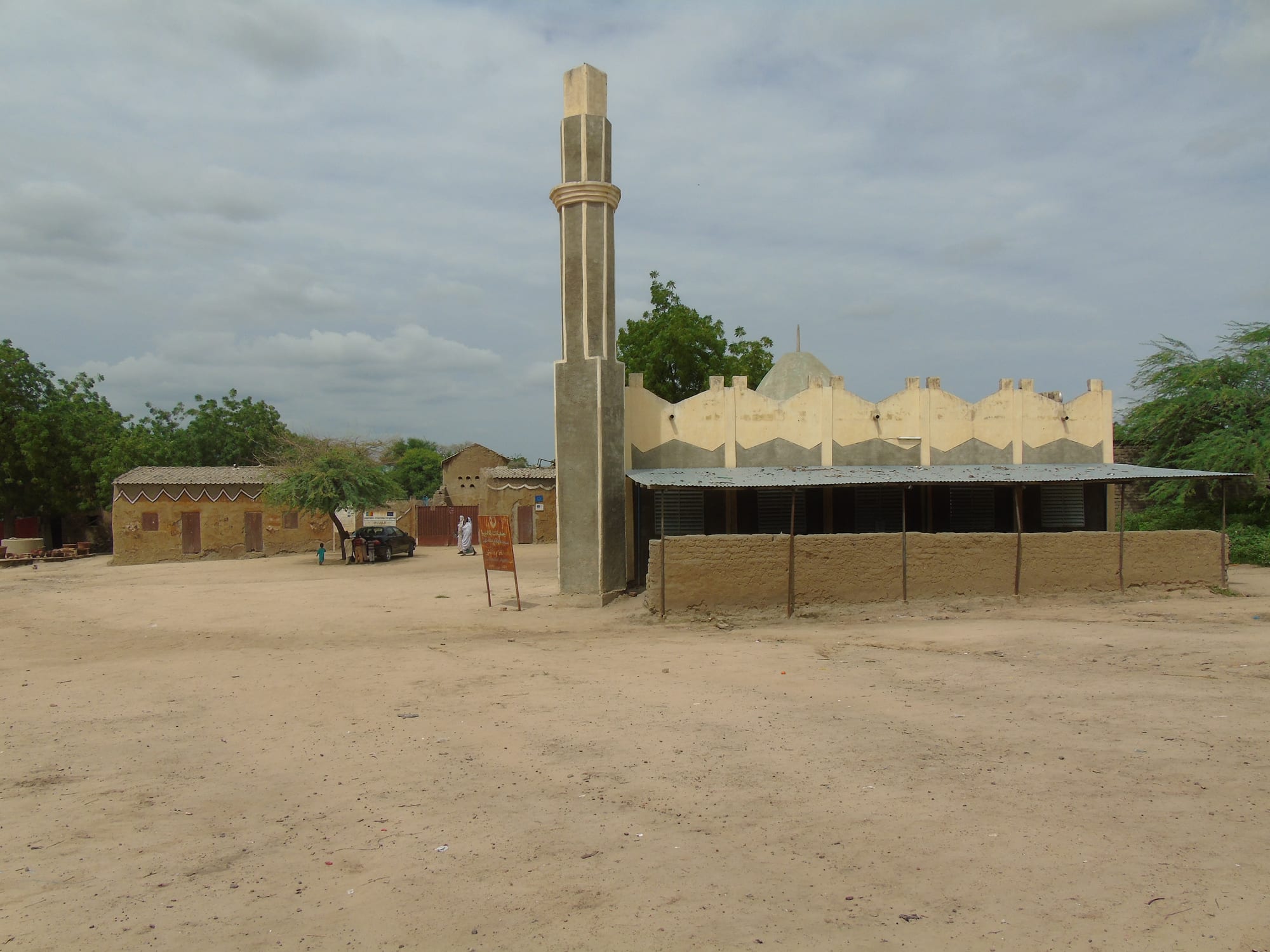
Greetings are the foundation of every encounter, and rushing them is one of the easiest ways to seem rude. Among Muslims especially, people exchange a series of greetings, asking about each other's wellbeing and that of the other's family, and after each exchange touch a hand to the chest to signal gratitude. The two official languages, French and Arabic, both serve for a first greeting, and a simple "bonjour" or "as-salaam alaykum" is a good start, followed by patience while the questions run their course.
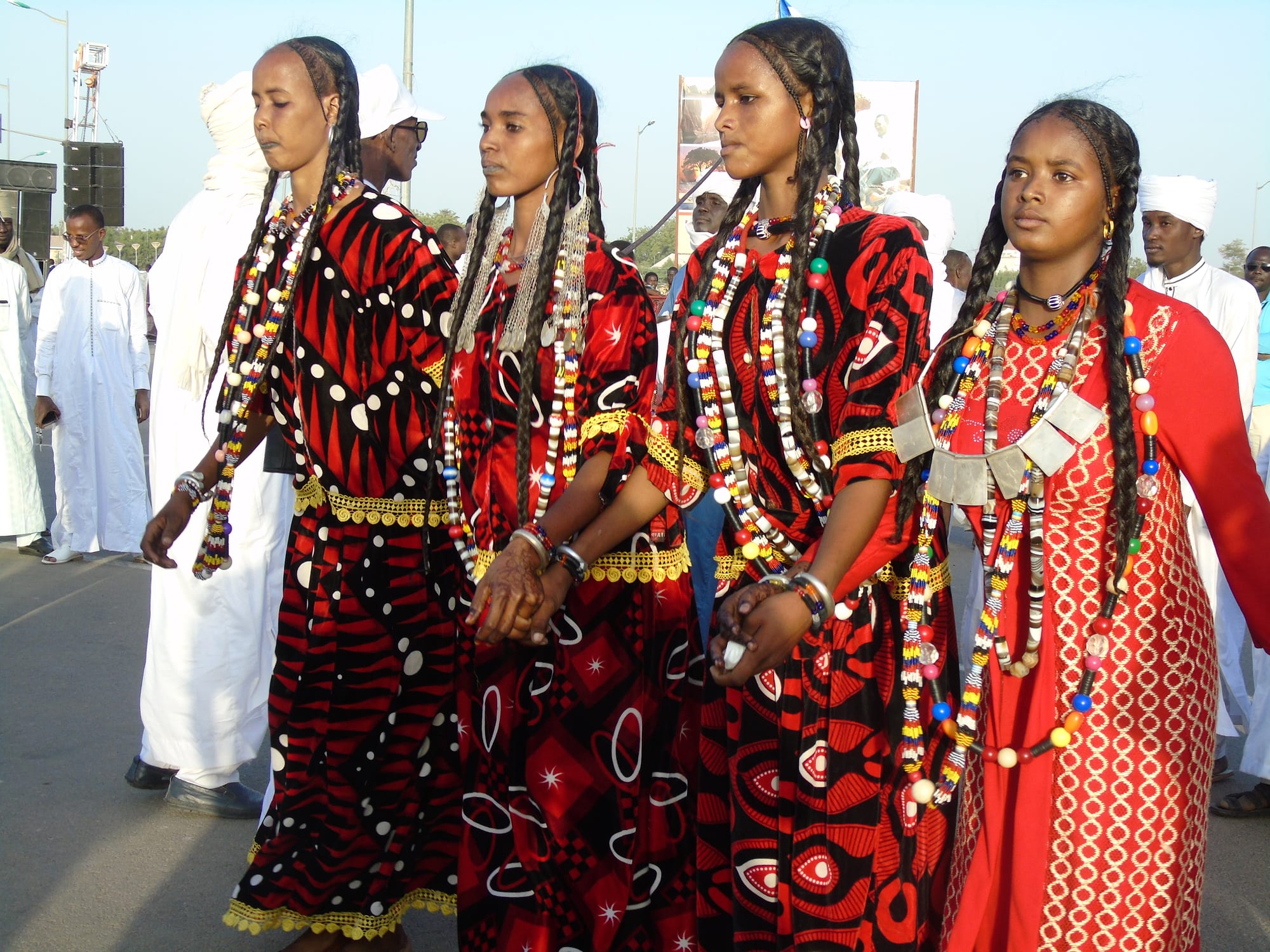
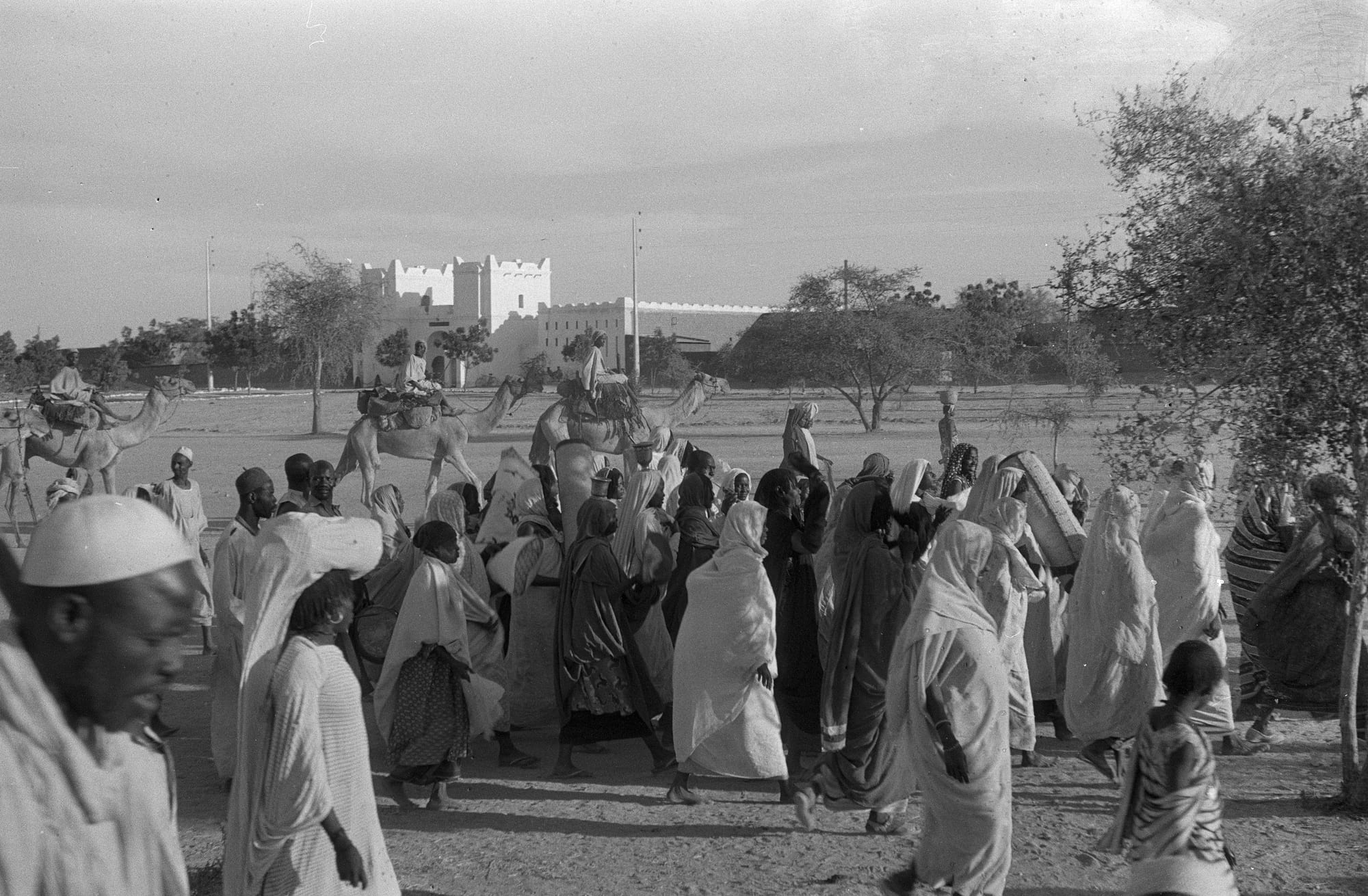
Deference to age is expected, and older people are treated with visible respect in any gathering. Reserve extends to dress, which differs across the country but leans towards modesty. In the north, men often wear long white robes, and many women's garments cover the whole body; in the south, colourful printed cotton is more common. Because most of the population is Muslim, the Canadian government's travel advice asks visitors to dress and behave discreetly and to respect local religious and social traditions.
Jewellery and body decoration also carry meaning. Jewellery styles have traditionally differed from one people to another, and small leather amulets believed to ward off harm are widely worn.
Hospitality and being a guest
To receive visitors is considered an honour, and it is customary to offer at least a glass of water if not something to eat. Once food is offered, it is considered very rude for a guest to refuse it; accepting even a little is the polite response. Meals are commonly served on mats on the ground from a large communal bowl, and food is eaten with the right hand only. It is polite for guests to wait for the host to begin rather than reaching for the bowl first.
Tea is the most commonly drunk beverage in the country, black or green, and karkanji, a red drink made from dried hibiscus flowers with ginger, cloves and cinnamon, is also widely served. Either may be offered to a visitor, and like food, it is best accepted rather than declined.
Social life revolves around the family and family gatherings, and much of Chadian hospitality takes place at home rather than in public places. During Ramadan, the Canadian government advises discretion about eating, drinking and smoking in public between sunrise and sunset, even for those who are not fasting.
Festivals and life's big moments
The public calendar reflects the country's mix of faiths. Eid al-Fitr at the end of Ramadan and Eid al-Adha are national holidays, as are Christmas and other Christian feasts, alongside secular dates such as Independence Day on 11 August, marking independence in 1960, and International Women's Day on 8 March, which caps a national week of events celebrating Chadian women.
A newer national celebration was created in 2018: the Dary festival, made Chad's national festival of arts and culture by decree in 2019. Held over several weeks around the turn of the year in the capital, it brings together participants from all of the country's provinces to show their dances, music, crafts and traditions, and has become a deliberate celebration of national unity through cultural diversity.
At the end of the rainy season, in the Sahel, the Wodaabe, a nomadic herding people belonging to the wider Fulani group, gather for the gerewol. In this courtship ritual, young men paint and adorn themselves to accentuate the whiteness of their teeth and eyes, which their ideal of male beauty prizes, and dance in lines for hours, while young women watch and choose the dancers they find most appealing.
Coming of age is marked by initiation in many communities. Among the Sara of the south, the male initiation known as yondo educates boys and prepares them for their lives as men; it is still practised, though in a shorter form than in the past.
Marriage is a matter for families as much as for the couple, and the payment of bride-wealth by the groom's family to the bride's is common across both the south and the Muslim north. Polygamy is common in both regions too and is permitted by law; around 39 per cent of women live in such unions. Beliefs about death follow the same pattern as the rest of religious life: Muslims and Christians share a belief in an afterlife, while traditional religion keeps the dead close through the veneration of ancestors, who are believed to remain present in the lives of their descendants.
Arts, crafts and music
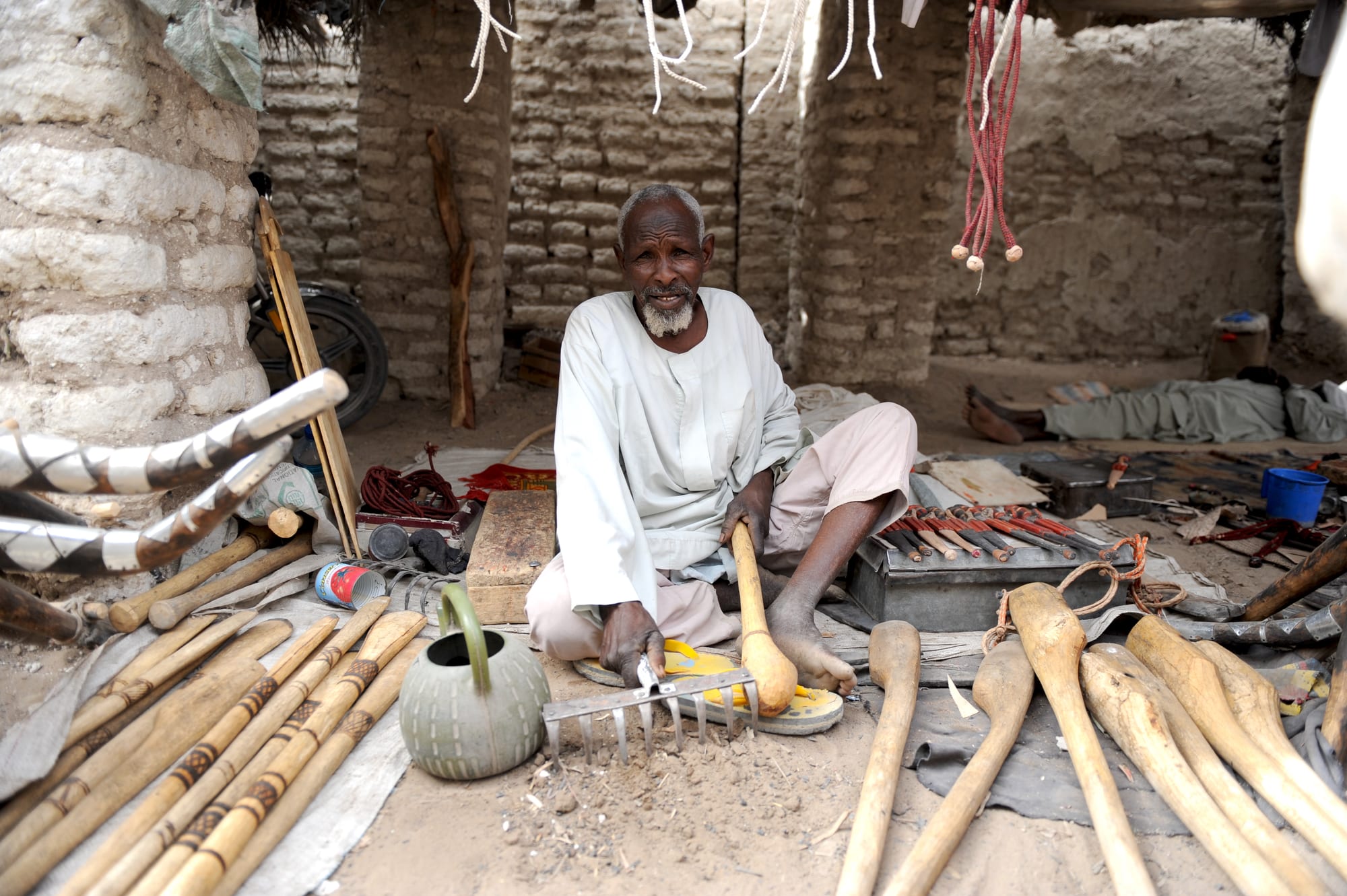
Much of Chad's artistic life has grown out of ritual and everyday use rather than the stage, and it is expressed in the decoration of houses, in clothing, in leatherwork and in household objects. Craft skills are often handed down within families, and the output ranges from masks, jewellery, ceramic pots and bronze figurines to woven cloth, leather goods and gourds and calabashes decorated with designs burned into the surface.
Music and dance accompany almost every important occasion. Instruments include drums of many kinds, the kinde bow harp, the long kakaki horn, the hu hu, a stringed instrument with calabash resonators, and among the Sara whistles, harps, kodjo drums and balafons, wooden xylophones with gourds beneath the keys. The Dary festival has given those regional traditions a national stage.
The oldest art in the country is far older than any of these traditions. In the sandstone canyons and rock shelters of the Ennedi plateau in the north-east, thousands of painted and engraved images record thousands of years of human life: wild animals and, above all, cattle from the era when the Sahara was green, then horses with riders carrying spears and shields, and finally camels, marking the arrival of the desert. The Ennedi Massif was inscribed as a UNESCO World Heritage Site in 2016 as a natural and cultural landscape, its rock art among the reasons.
Dos and don'ts for visitors
- Do check the latest government travel advice before any trip; most governments advise against all or all but essential travel to nearly the whole country.
- Do take time over greetings, asking after health and family before getting down to business.
- Do show older people visible deference and respect.
- Do accept at least a little of any food or drink offered; refusing is considered very rude.
- Do eat with the right hand only from a shared bowl, and wait for the host to begin.
- Do dress modestly and behave discreetly, particularly in Muslim areas and near places of worship.
- Don't eat, drink or smoke openly in public during daylight hours in Ramadan.
- Don't take photographs without a government permit, which is required for all photography, and never photograph airports, military sites or government buildings.
- Don't trade insults or argue heatedly in public; harsh words can be taken very seriously.
What to take away
Chad's peoples differ in language, faith and way of life, but a visitor who greets patiently, honours elders and accepts what is offered from the shared bowl will find the same warm welcome almost everywhere.