Daily Life · Chad
Chad: Life Measured by the Distance to Water
Cattle and camels as the real household wealth, a market day that still starts at dawn, and a country now hosting more refugees per person than any other in Africa
By Worldlore Editorial · 30 September 2026
Chad is a country split by climate as much as by anything else, and daily life follows that split. In the south, the day is organised around fields of millet, sorghum and groundnuts; across the drier Sahel band through the centre, it is organised around livestock and the search for pasture and water; and in the Saharan north, life is thinner on the ground still, built around oases and long-range herding. Cattle and camels are not just animals but the clearest measure of a household's wealth across much of the country, and for a large share of the population, how far the nearest working well or borehole lies still shapes the shape of an ordinary day.
Family and home life
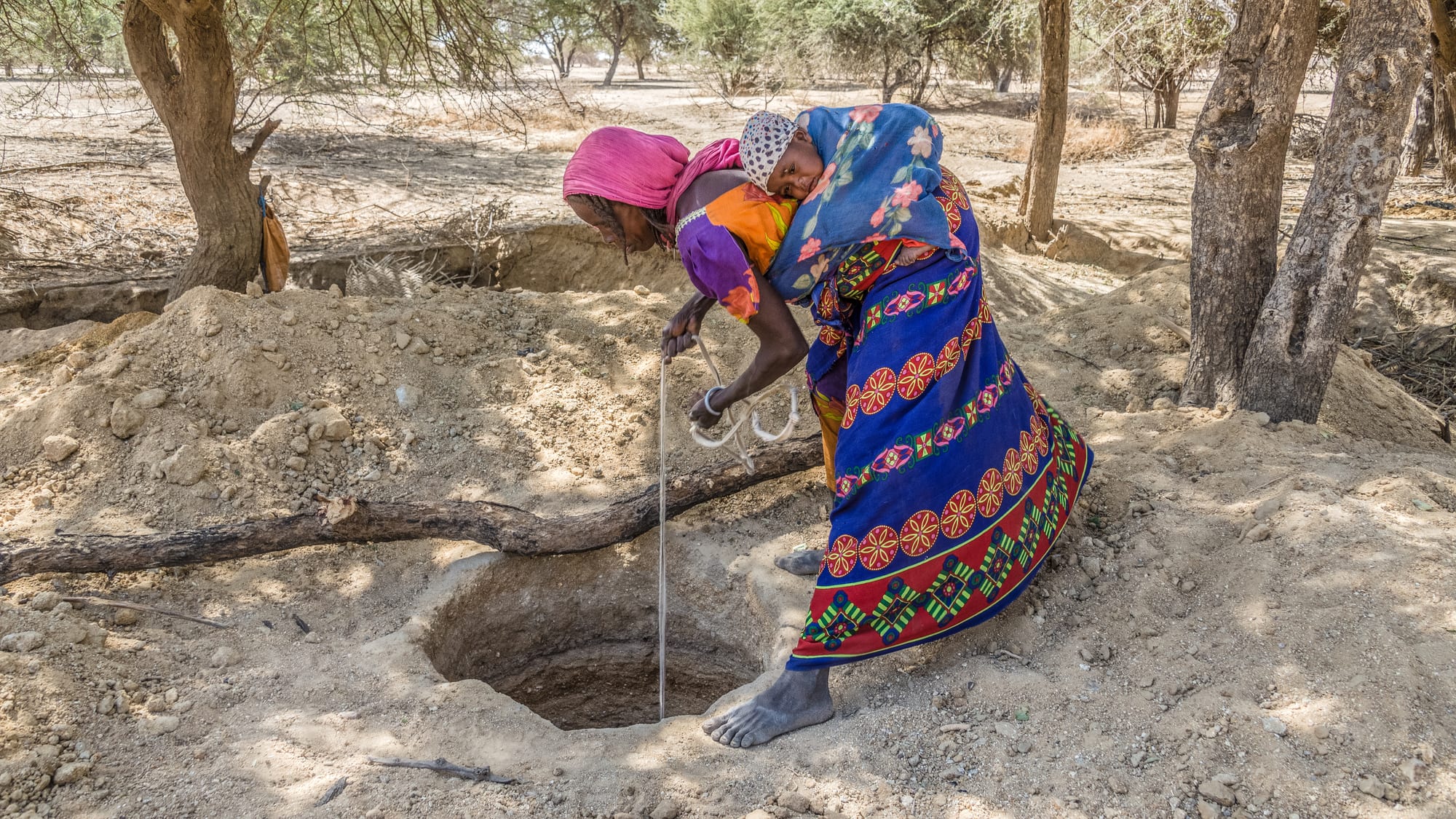
Households are generally large and built around the extended family, with grandparents, uncles, aunts and cousins often living close together or under one roof, and childcare shared among the women of an extended household rather than resting on one parent. Fetching water is one of the most time-consuming daily tasks in rural areas, particularly in the Sahel and the north, and falls mainly to women and older children, sometimes carried out with an infant strapped to the back while wells are dug or deepened by hand in the dry season. In herding communities, the household's cattle, camels, sheep and goats are as central to family identity and security as the home itself, and decisions about moving them for pasture shape where and how a family lives through the year.
Work, school and the rhythm of the day
Most Chadians live by farming or herding, and the working day runs with daylight and the season rather than a fixed schedule: planting and harvest periods in the south, a constant search for water and grazing across the Sahel and north. In N'Djamena and other towns, offices and shops generally keep a Monday-to-Friday week with Sunday as the shared day of rest, though small shops and market stalls open far longer and more irregular hours. Chad has some of the lowest school completion and literacy rates in Africa, and the gap between boys' and girls' schooling remains wide, with many rural children, girls especially, leaving school early to help with farming, herding or household work. Formal paid employment is scarce outside N'Djamena and the oil sector in the south, which funds much of the state budget without employing large numbers of ordinary Chadians directly.
Community life and public spaces
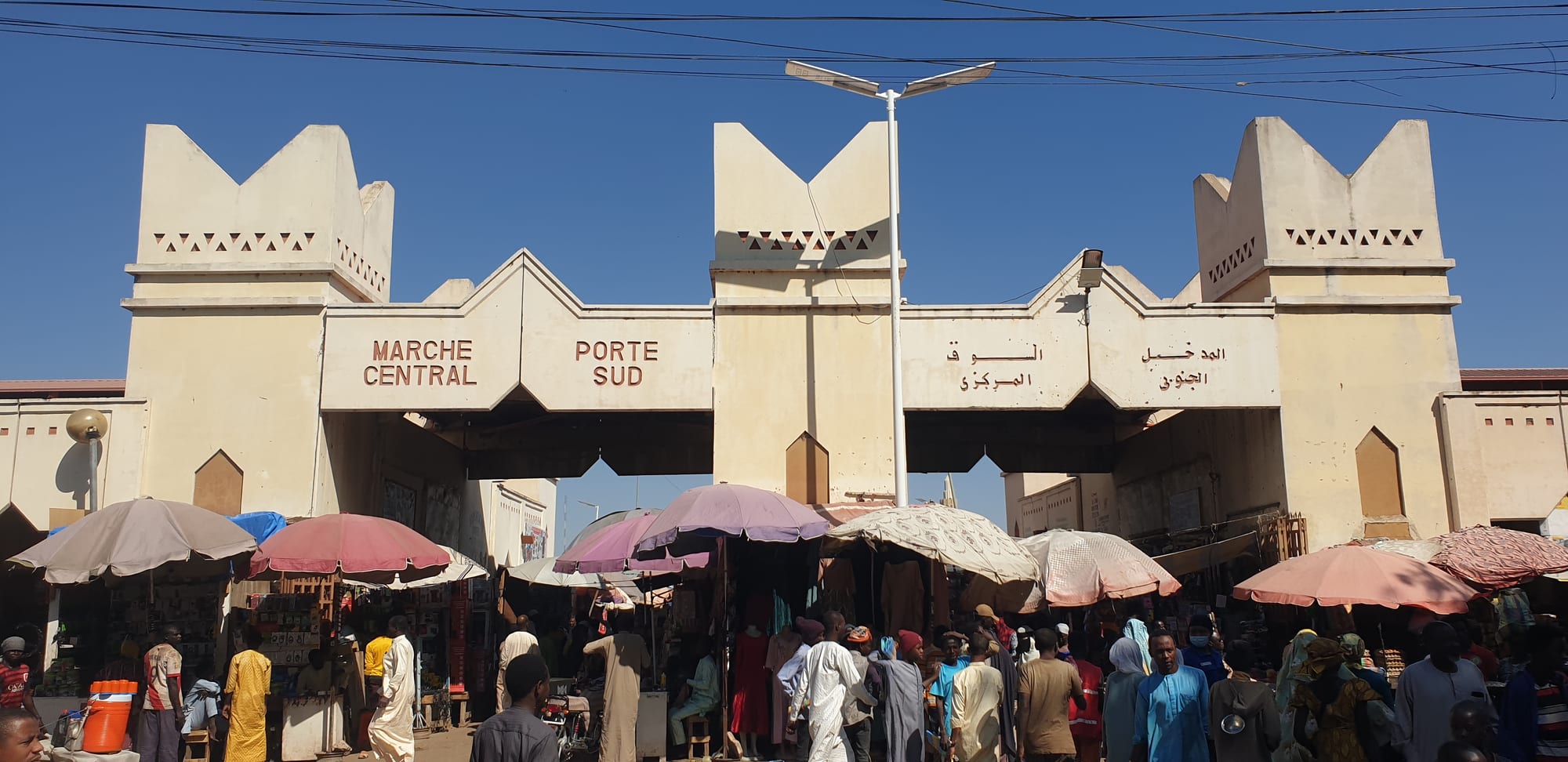
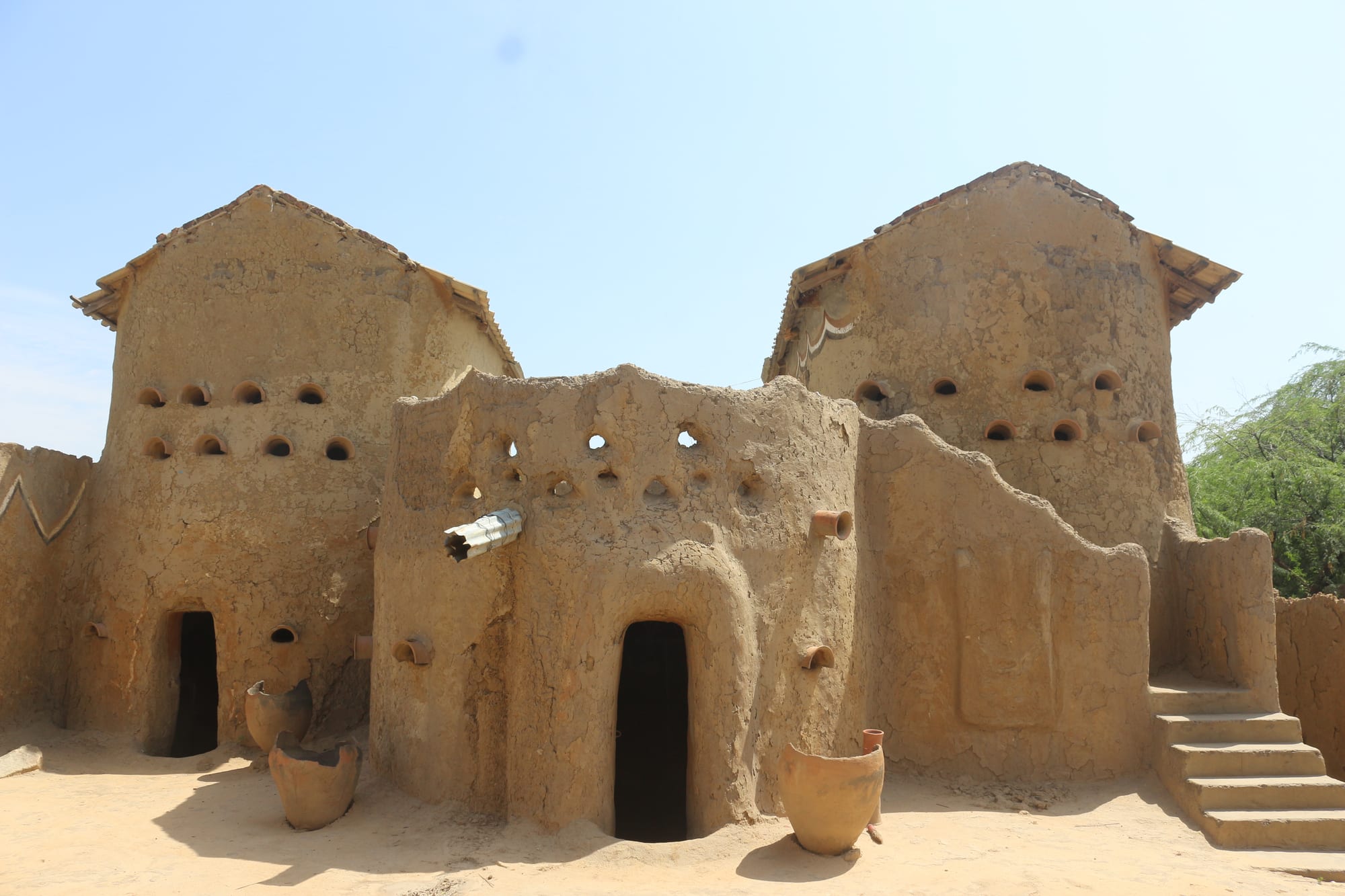
The market is the everyday centre of public life in every town, and N'Djamena's Marché Central, with its distinctive gated entrances, is one of the capital's main markets, drawing traders and shoppers from dawn. Streets fill early to avoid the worst of the heat, with motorbike taxis, shared minibuses and handcarts far more common than private cars. Mosques anchor community life across the Muslim north and centre of the country, and churches do the same across the largely Christian south, a religious divide that broadly tracks the country's herding-north, farming-south split. Traditional chieftaincies and village elders continue to hold real local authority in many communities, alongside preserved architectural landmarks such as the distinctive rounded mud-brick buildings of Gaoui, a village near N'Djamena.
Free time and weekends
Sunday, alongside Friday prayers in Muslim communities, is when the week's pace slackens, and extended family visits and shared meals fill much of it. Football is followed closely nationwide and played informally on open ground in towns and villages alike. In pastoralist communities, festivals and market days draw crowds, and storytelling and music remain a genuine part of everyday evening life rather than a staged performance. Given how much of the week is already given over to farming or herding work, weekends and evenings in rural Chad are as much about rest as about any particular activity.
A visitor's ordinary day
Chad runs on cash outside a handful of N'Djamena hotels; card payment and ATMs are effectively unusable elsewhere. Distances are enormous and for visitors travel outside the capital depends largely on hired 4x4 vehicles, with some journeys taking days rather than hours. Electricity and mobile coverage are unreliable outside N'Djamena and major towns, and travellers should expect the working and market day to start and largely finish around the cooler hours, tapering off in the heat of the early afternoon. Given security conditions in several border regions, independent travel outside the capital and established tourist routes such as Zakouma and the Ennedi is not realistic without a specialist operator.
What to take away
What defines an ordinary day in Chad is less any single custom than the country's underlying scarcity of water and services, which still decides where people live, what they raise or grow, and how far they must travel each day to keep both going.