Food · Chad
Chad: Food and the National Dish
A millet paste eaten with a deliberately sticky okra sauce, a country split between desert north and farmed south, and a cuisine still thinly documented outside its own borders
By Worldlore Editorial · 16 September 2026
A country split by geography, and by diet
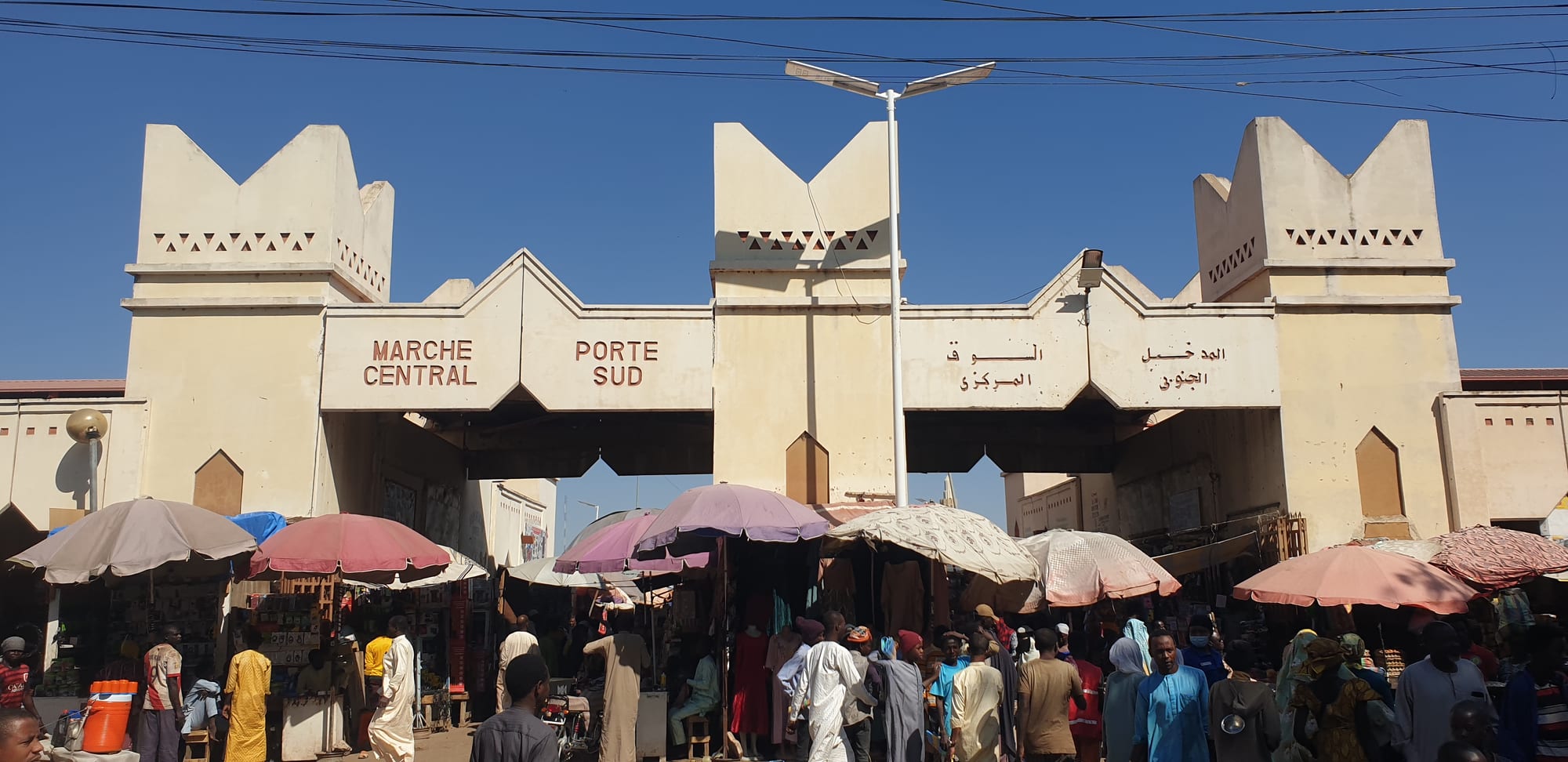
Chad stretches from Saharan desert in the north to farmed savannah in the south, and its food splits along roughly the same line. In the north, nomadic Arab and Toubou herding communities eat a diet built on milk, dates and meat; in the south, settled farming communities grow millet, sorghum and okra, and fish from Lake Chad and the Chari and Logone rivers supply much of the protein. As with several of its neighbours, Chad's food culture is not extensively documented internationally, so what follows describes the honest basics rather than a long catalogue of named dishes.
The everyday staple: boule and gombo
Boule, a stiff paste made from pounded millet or sorghum, is the everyday starch across much of Chad, eaten with the hands and dipped into a sauce. Gombo — okra, prepared so that it releases a deliberately sticky, gluey liquid — is one of the most distinctive of these sauces, especially in southern Chad, giving the meal a texture that takes newcomers some getting used to.
What rounds out the table
Dried and smoked fish from Lake Chad has long been a major regional trade good, though the lake has shrunk dramatically in recent decades, putting real pressure on the fishing communities around it. Dates, milk and meat dominate further north, reflecting a pastoral rather than farming way of life. Bili-bili, a traditional millet beer, is drunk in the south among non-Muslim communities, while karkanji, a hibiscus drink, and tea are more widely drunk across the country.
Eating as a traveller
Chad has very limited tourism infrastructure, and food options for visitors are correspondingly basic outside N'Djamena. Vegetarians can rely on millet, rice and vegetable-based sauces, though many are cooked with fish or meat stock. Tap water is not safe to drink; stick to bottled or boiled water. Much of the country's south is Muslim as well as Christian and animist, so dietary customs vary meaningfully by community and region.
What to take from the table
Boule with a gombo or peanut-based sauce is the honest everyday answer to how most Chadians eat — simple, filling food shaped by a country split between desert and farmland, with a fishing tradition on Lake Chad that is under real and growing pressure.