Attractions & Natural Wonders · Central African Republic
The Central African Republic: Six Attractions and Natural Wonders
A forest clearing where a hundred elephants gather at once, lowland gorillas habituated to visitors, and a wide river at the country's edge — set against one of the world's most difficult security situations
By Worldlore Editorial · 9 September 2026
A note before anything else
The Central African Republic is one of the poorest and least stable countries in the world. Since 2013 it has been through civil war and a long, only partial recovery; armed groups still control large areas, and Western governments advise against all travel to the whole country. There is essentially no tourism infrastructure. This article is written as a record of what is there — some of it genuinely world-class — not as an itinerary. Anyone who does travel here goes with specialist operators, security advice, and an understanding that most of the country is off-limits.
With that said, the six below are the CAR's notable sights, concentrated in the far southwest (the Dzanga-Sangha area, historically the safest and the only place that has received visitors) and around the capital.
1. Dzanga Bai
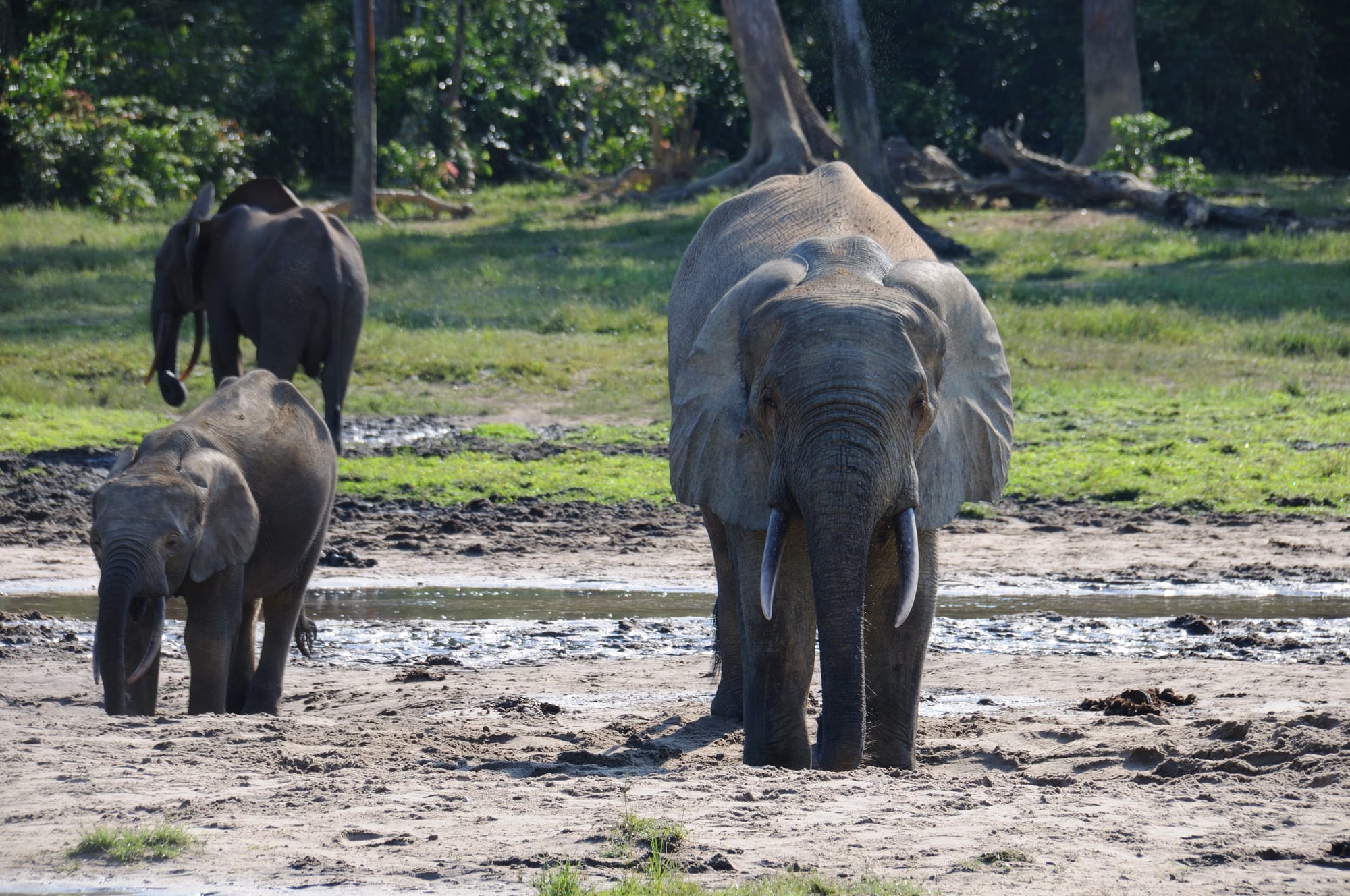
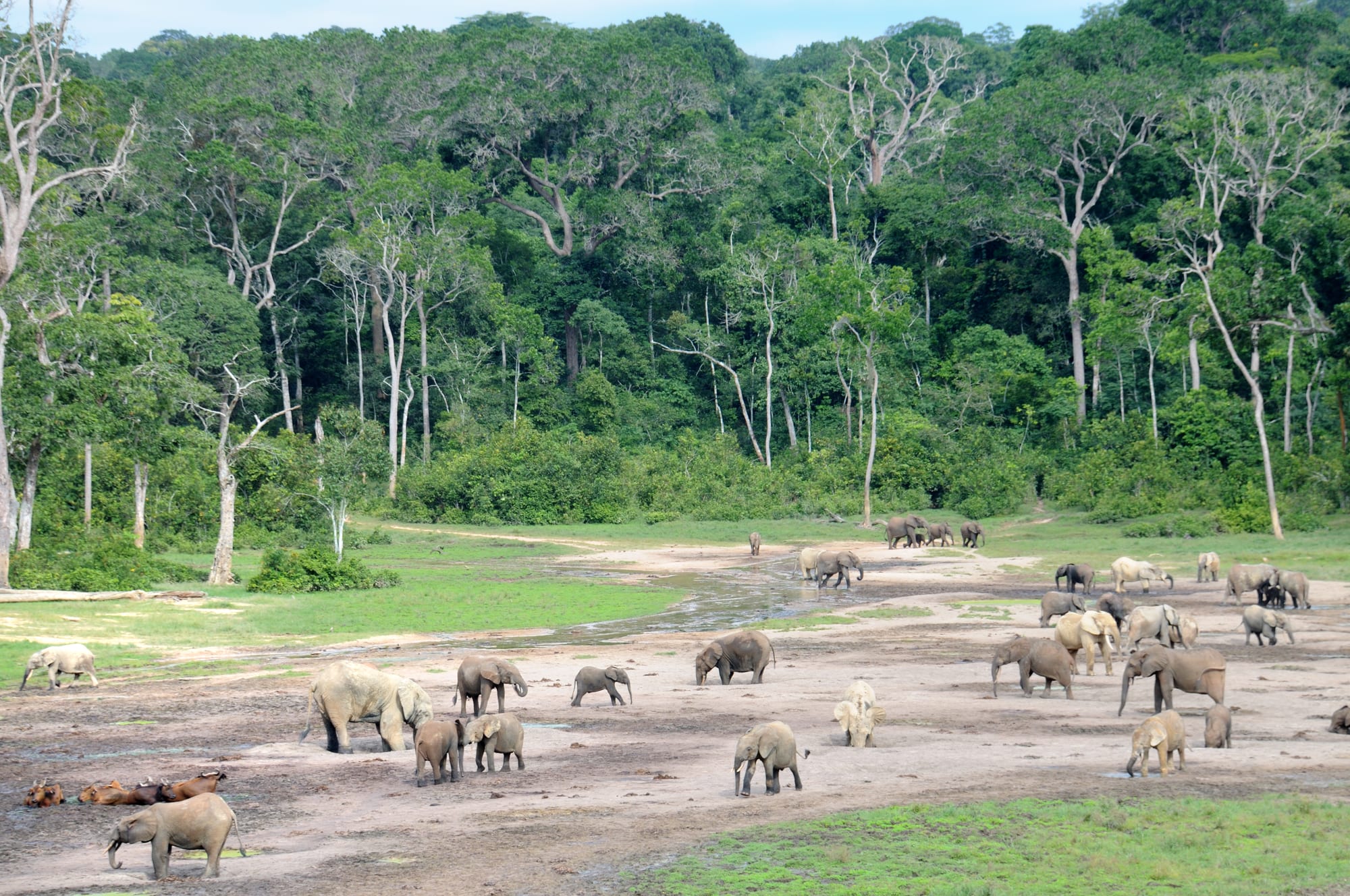
Dzanga Bai is a large natural clearing in the rainforest of the far southwest, where mineral salts in the soil draw African forest elephants in extraordinary numbers — routinely 50 to 100 at a time, sometimes more, day and night. Visitors watch from a raised wooden platform (the "Mirador") at the edge of the clearing, often for hours.
It is one of the best places on Earth to see this endangered species, and the centrepiece of the Dzanga-Ndoki National Park, part of the Sangha Trinational UNESCO World Heritage Site shared with Cameroon and the Republic of the Congo.
2. Gorilla tracking in Dzanga-Sangha
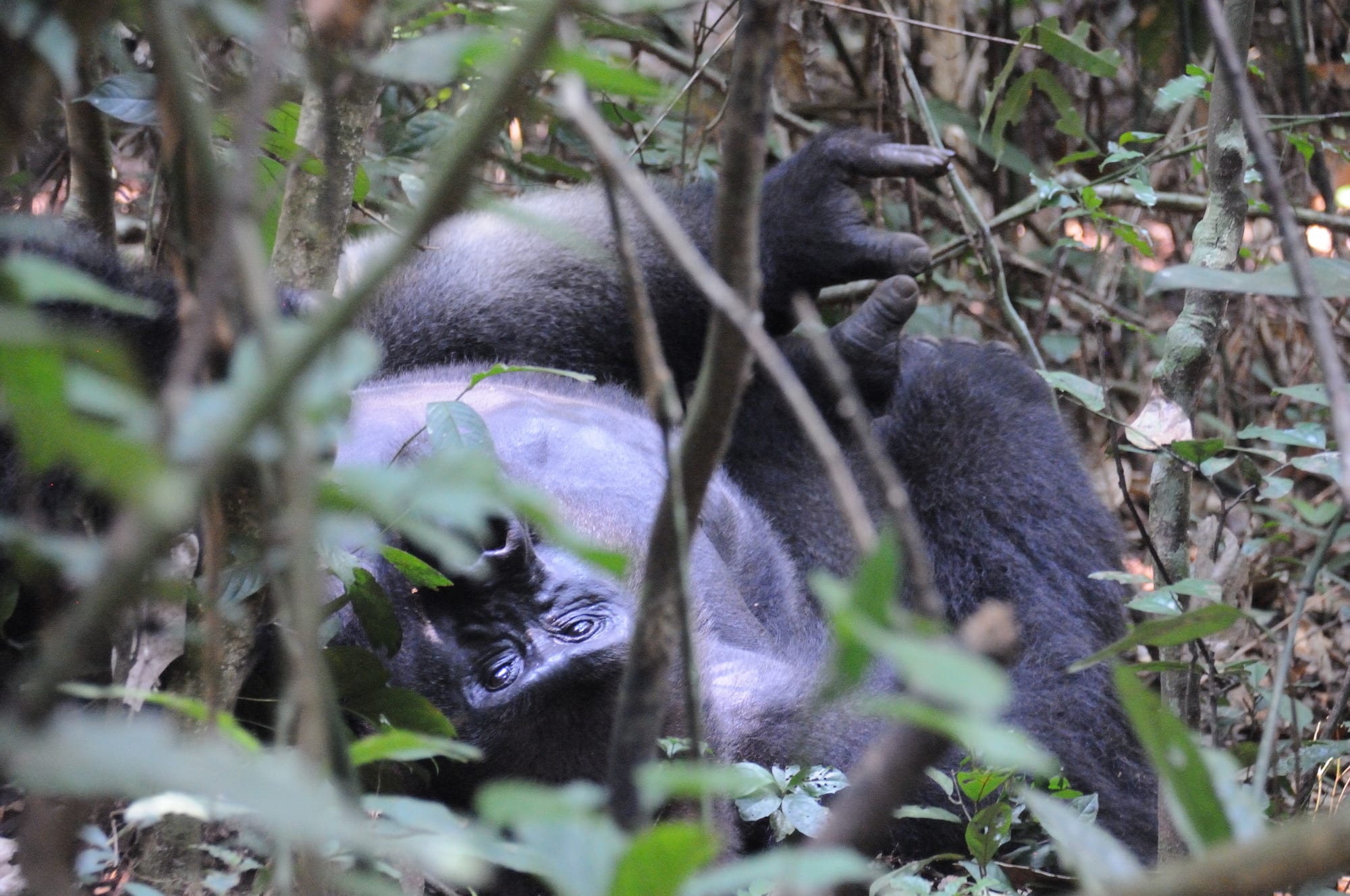
The Dzanga-Sangha Protected Areas, managed with WWF, run a western lowland gorilla habituation programme — one of very few in the world for this species (most gorilla tourism is with mountain gorillas in Rwanda, Uganda, and the DRC). Trained BaAka trackers lead visitors on foot to a habituated group.
The same forest holds forest buffalo, bongo antelope, and a rich birdlife, and the BaAka guides also run "net hunting" walks and forest-plant tours that are a highlight in their own right.
3. Boali Falls
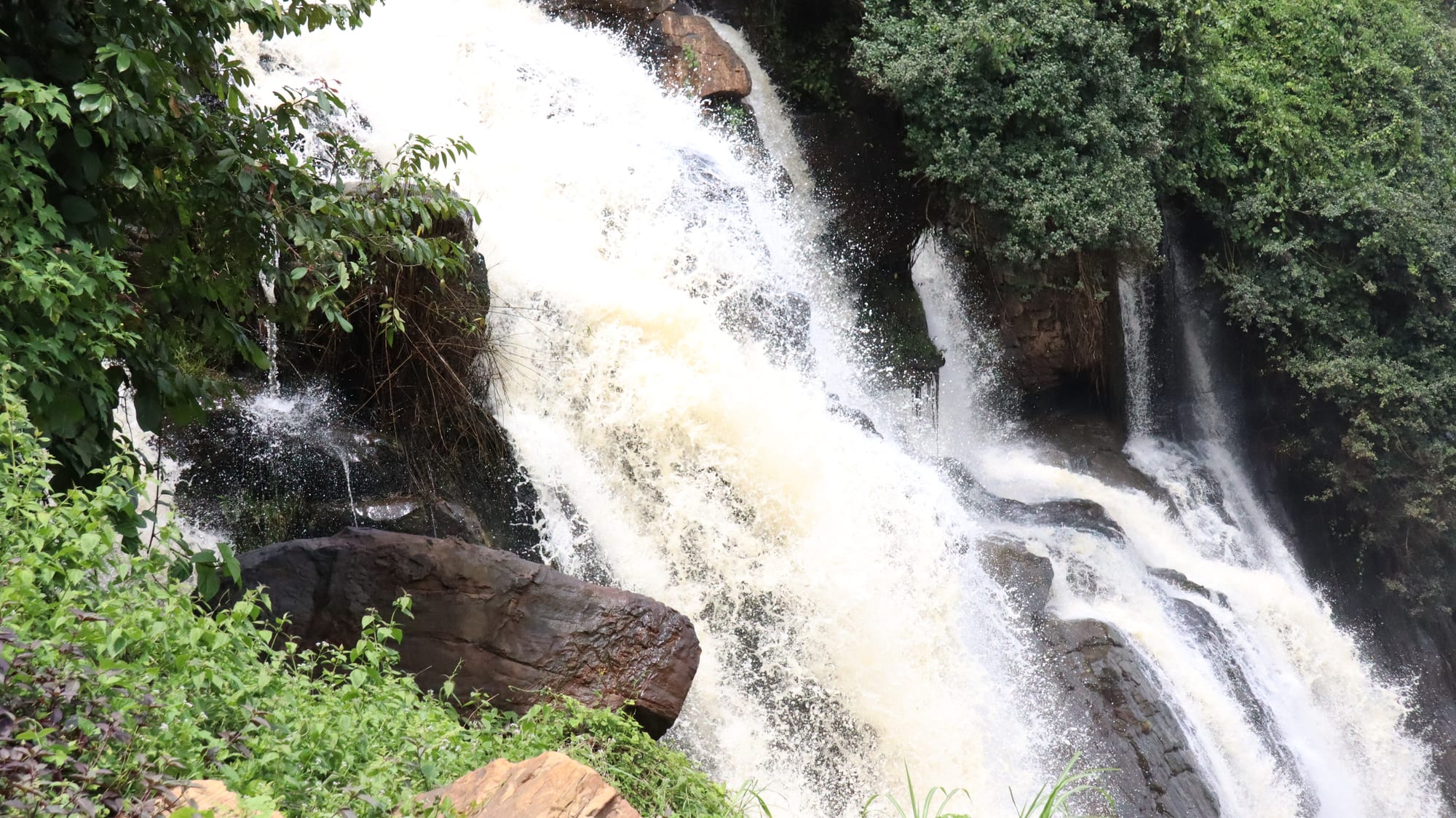
The Boali Falls are a broad, 50-metre cascade on the M'Bali river, spectacular in the rainy season and reduced by an upstream hydroelectric dam in the dry months. They were, in more peaceful times, the standard weekend trip from Bangui, with a simple hotel above the falls and a path down to the base.
Their accessibility from the capital made them the most-visited natural site in the country.
4. The Oubangui River and Bangui
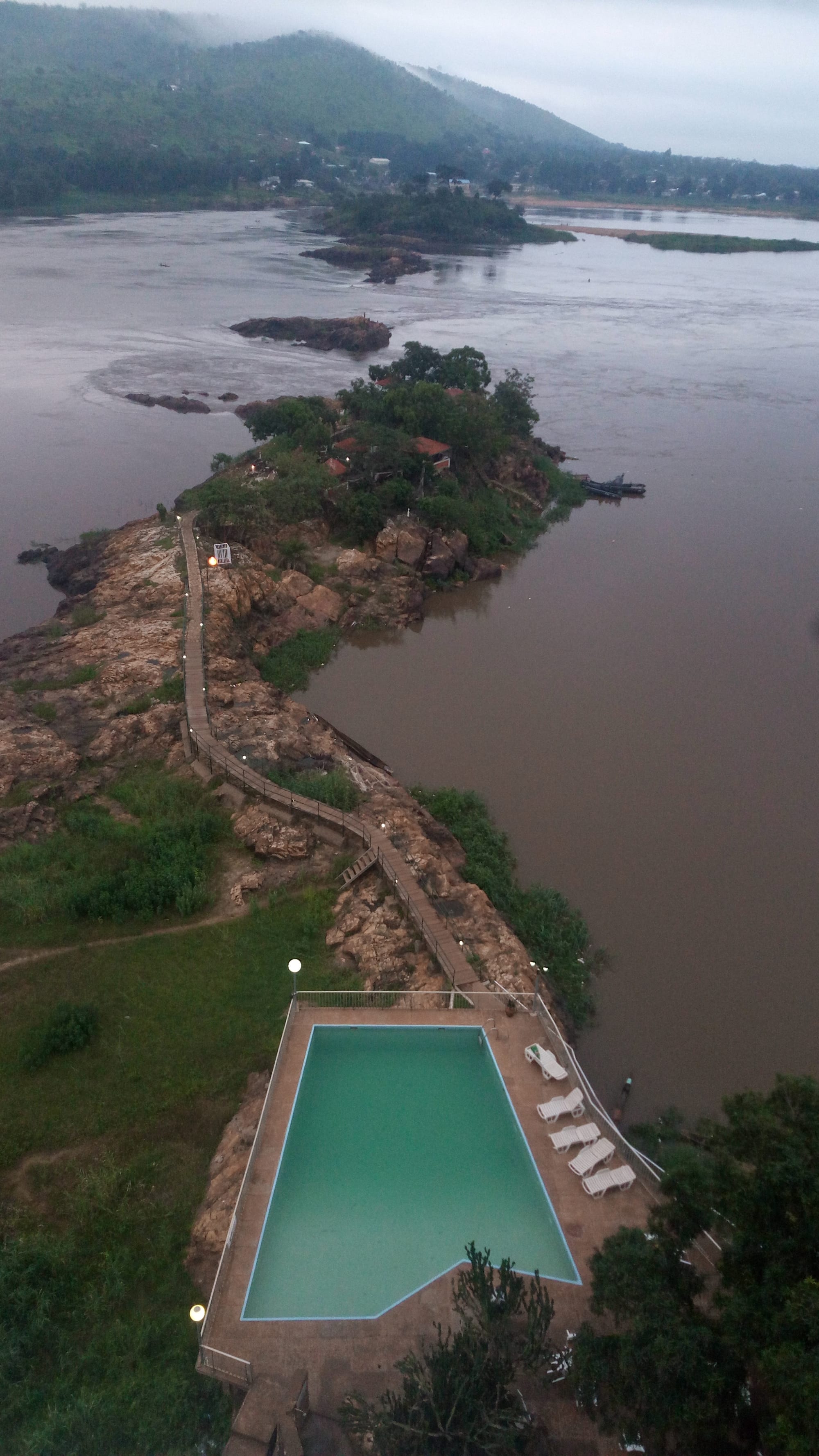
The capital, Bangui, sits on the north bank of the Oubangui, a major tributary of the Congo and the border with the DRC. The city — its name means "the rapids" — grew up around the point where boats could go no further upstream. Its landmarks are modest: the red-brick Notre-Dame cathedral, the Boganda National Museum, the central market, and the riverfront itself, busy with pirogues and fishers.
The rocky rapids just downstream (the Chutes de Boali are on a different river) and the forested Congolese bank opposite give the setting some drama.
5. Bangui's hills and surroundings
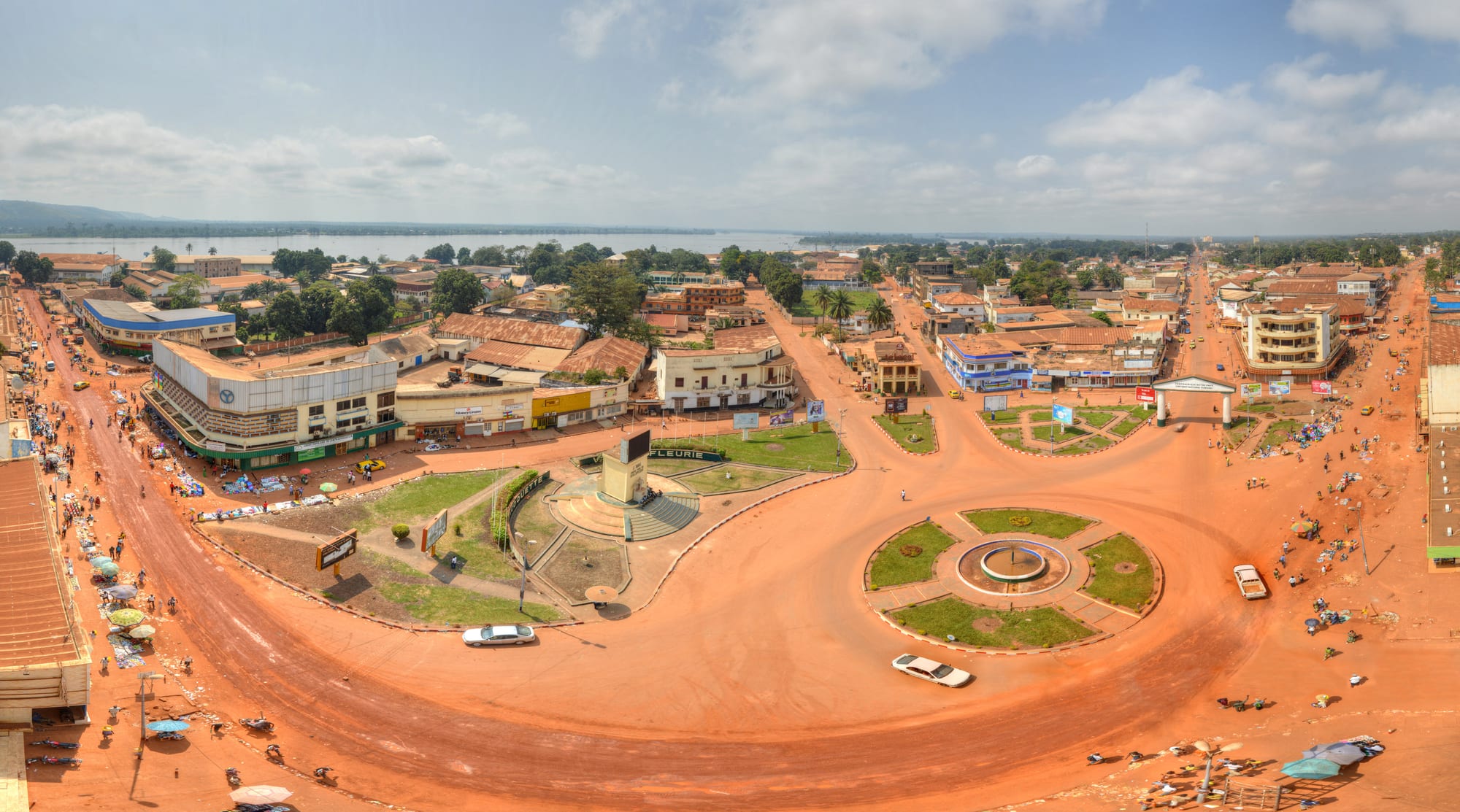
Bangui is ringed by low, forested hills; the best-known viewpoint is the "Point Kilomètre 5" area and the slopes toward the Boy-Rabé and Gbazabangui heights, which give a panorama over the city and the river. On the edge of town, the former hunting reserve and the small zoo at the Bas-Oubangui have historically been day trips.
The Chutes de la Ngakobo and other cascades on the plateau east of the capital were also weekend destinations before the conflict.
6. Manovo-Gounda St Floris National Park
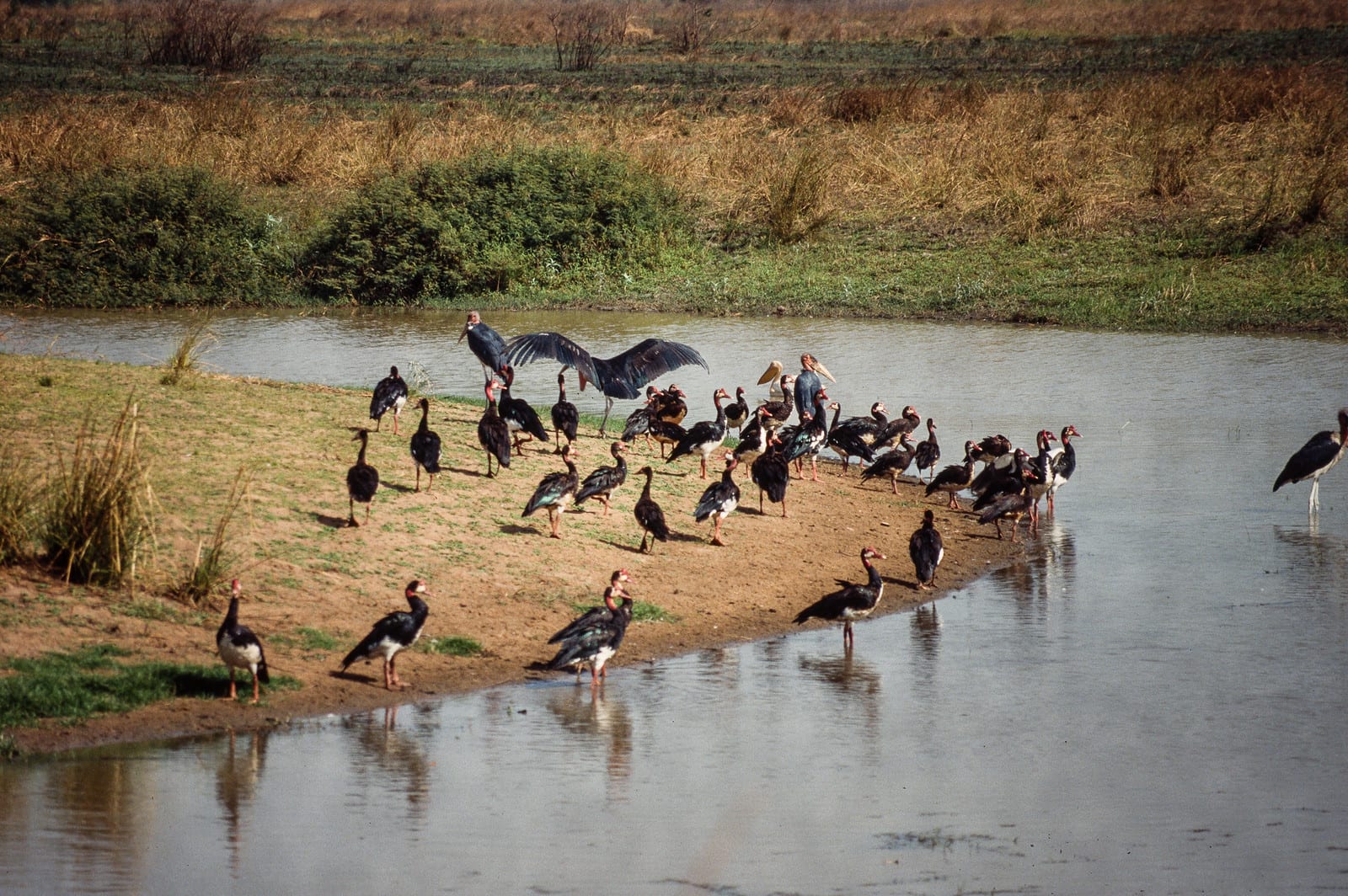
In the far north, this vast park of flood plains, savannah, and sandstone plateaus was once home to black rhino, elephant, and huge herds of antelope — one of the richest savannah ecosystems in Central Africa. Poaching, much of it by armed groups from across the borders, has devastated it, and it has been on UNESCO's List of World Heritage in Danger since 1997.
It is currently entirely inaccessible. The Chinko reserve in the east, where a conservation project is trying to hold a huge wilderness together, faces the same pressures.
The Central African Republic has some of the finest forest-wildlife experiences in Africa in its southwestern corner, and almost no safe way to reach them at present. Treat this as background, to be revisited only when the security picture changes fundamentally.