History · Canada
Canada: From New France to Confederation
Indigenous nations, the fur-trade rivalry of France and Britain, a country made by railway and immigration, and a long reckoning with its own founding
By Worldlore Editorial · 10 September 2026
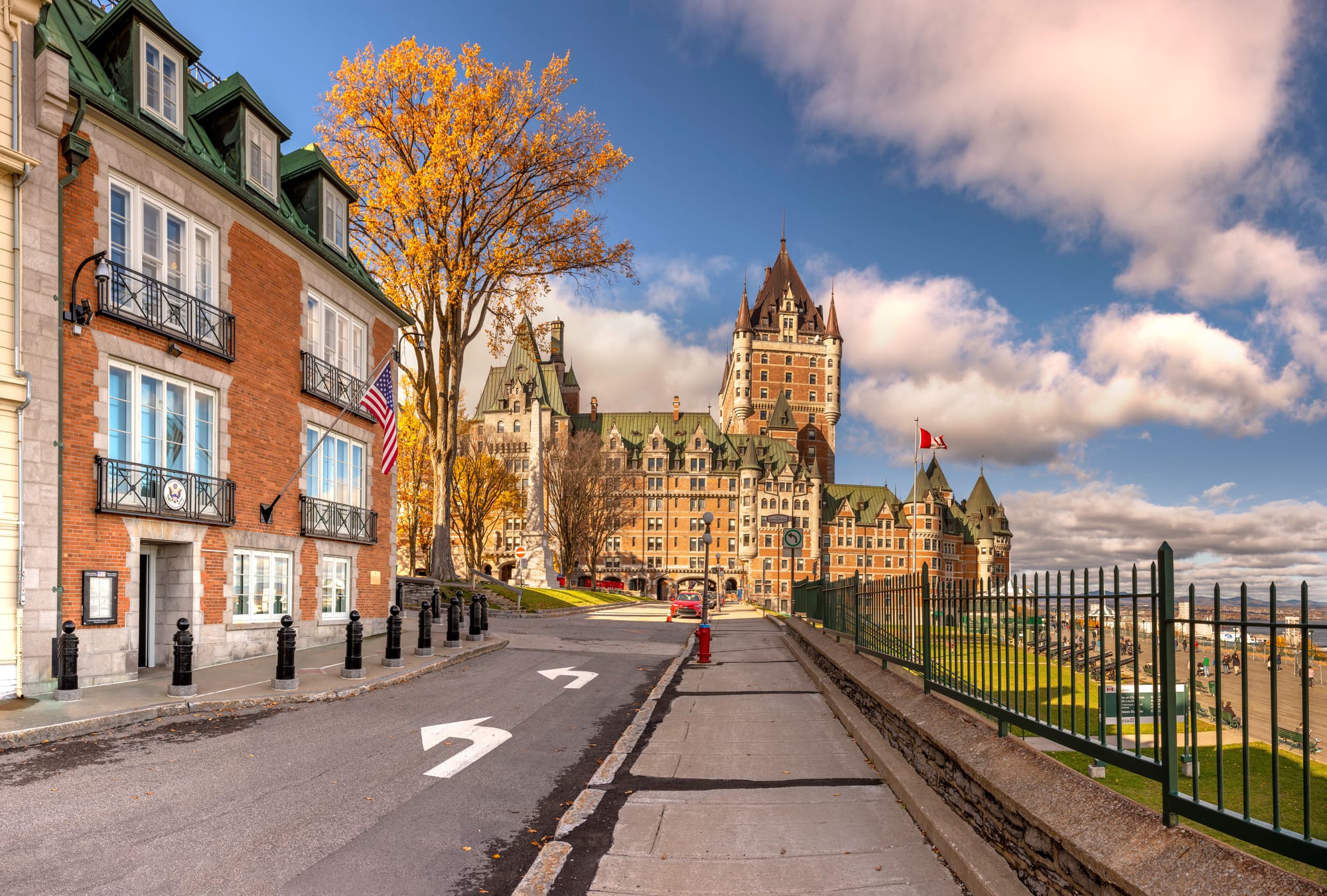
A big country, thinly settled
Canada is the second-largest country on earth by area and one of the emptiest — 40 million people, most of them within a couple of hours' drive of the United States. It is a federation of ten provinces and three territories, a constitutional monarchy, and officially bilingual, the legacy of a founding built around two European colonial powers. Beneath that founding is a much older history: Indigenous nations — First Nations, Inuit and Métis — who have been here for at least 15,000 years, and whose place in the country Canada is still, slowly and unevenly, trying to work out.
A short history
- from c. 13,000 BCE
Indigenous North America
Hundreds of nations, from Arctic Inuit to the farming Haudenosaunee to the cedar cultures of the Pacific coast.
- c. 1000 CE
The Norse
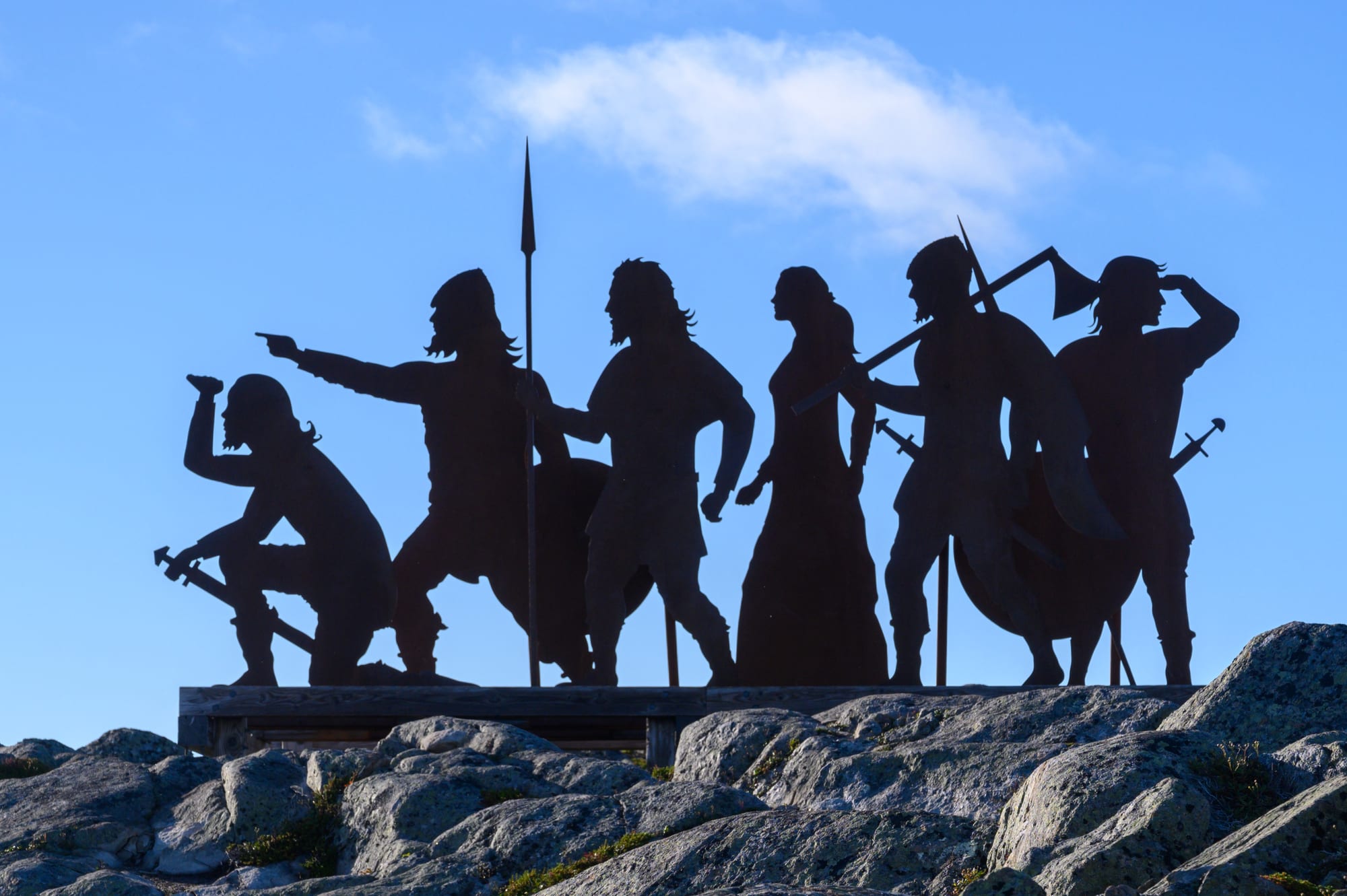
A short-lived Norse settlement at L'Anse aux Meadows, Newfoundland.
- 1608
New France
Champlain founds Quebec; a fur-trade colony grows along the St Lawrence.
- 1759–1763
The Conquest
Britain defeats France; New France becomes British.
- 1774
The Quebec Act
Britain guarantees French language, law and religion.
- 1 July 1867
Confederation
Four colonies unite as the Dominion of Canada.
- 1885
The railway and Riel
The transcontinental railway is completed; the Métis leader Louis Riel is hanged.
- 1880s–1996
Residential schools
A church-run, state-funded system removes 150,000 Indigenous children from their families.
- 1917
Vimy Ridge
A Canadian victory becomes a national symbol; conscription splits the country.
- 1980 / 1995
Quebec referendums
Two votes on Quebec sovereignty are narrowly defeated.
The first peoples, and the first Europeans
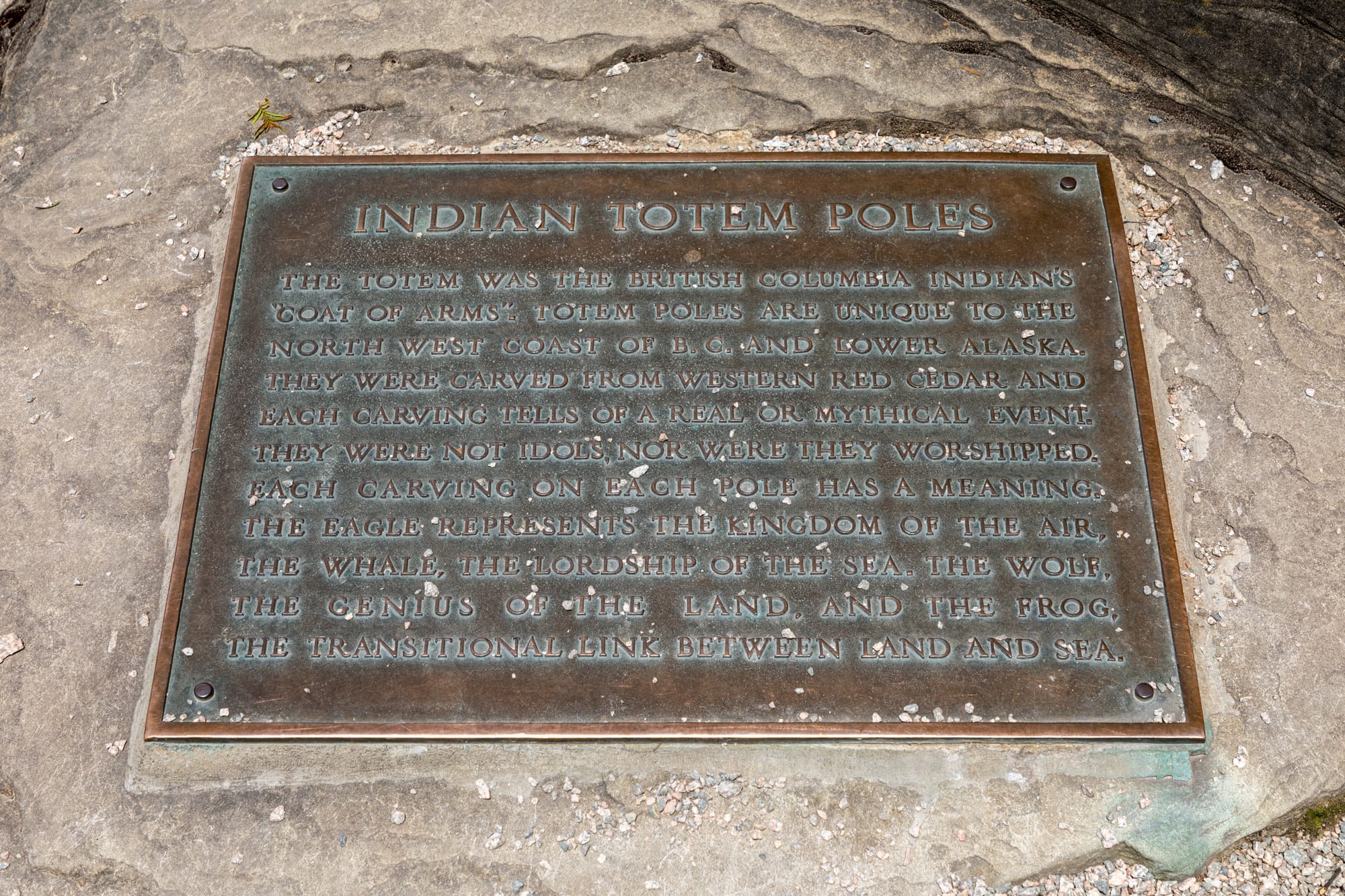
By the time Europeans arrived, the land held an enormous variety of Indigenous societies: the farming, town-dwelling Haudenosaunee and Wendat of the eastern woodlands; the Anishinaabe and Cree of the lakes and boreal forest; the buffalo-hunting nations of the plains; the wealthy, rank-ordered fishing cultures of the Northwest Coast, with their totem poles and potlatch feasts; and the Inuit of the Arctic. Around the year 1000, Norse sailors from Greenland built a small camp at the northern tip of Newfoundland — the only confirmed European site in the Americas before Columbus — and left within a generation.
Before the country
Sustained contact came with the cod fishery. From the early 1500s, European fleets worked the Grand Banks and traded with coastal peoples for furs. France sent Jacques Cartier up the St Lawrence in the 1530s, but its lasting colony began in 1608, when Samuel de Champlain founded Quebec.
New France
New France was a fur-trade colony, and it stayed small — about 70,000 people after 150 years. It grew in a thin ribbon along the St Lawrence, tied by the fur trade to Algonquian and Wendat allies and locked in generations of war with the Haudenosaunee Confederacy, which destroyed the Wendat nation in the 1640s and nearly destroyed the colony itself. The Catholic Church was central to its life; its traders and canoemen pushed the fur network deep into the continent, to the Great Lakes and the prairies. A separate French settlement, Acadia, grew in the Maritimes.
The colony's fate was decided by a century of imperial wars. Britain took Acadia in 1713, and in 1755 deported some 10,000 Acadians in a scattering that sent many to Louisiana. In 1759 a British army defeated the French on the Plains of Abraham outside Quebec; Montreal fell the next year; and in 1763 France ceded New France to Britain.
British North America
Britain now governed 70,000 French Catholics, and it chose accommodation. The Quebec Act of 1774 guaranteed the French language, French civil law and the Catholic religion — which helped keep Quebec out of the American Revolution, and enraged the American colonies. After the Revolution, some 40,000 Loyalists fled north, populating the Maritimes and what became Ontario, and in 1791 the colony was split into a mainly French Lower Canada and a mainly English Upper Canada. When the United States invaded during the War of 1812, the defence — British troops, local militia, and Indigenous allies under Tecumseh — held, and became a founding story of an English Canada defined against the republic to the south. Rebellions in both Canadas in 1837 led, within a decade, to "responsible government": cabinets answerable to elected assemblies.
Confederation and the railway
Confederation was driven by fear and debt: fear of American expansion after the Civil War, the coming end of British military protection, and the cost of building railways. The British North America Act created the Dominion of Canada on 1 July 1867 — Ontario, Quebec, Nova Scotia and New Brunswick, under the Crown, with a deliberately strong central government. The new country then bought the Hudson's Bay Company's vast western territory and set about filling it.
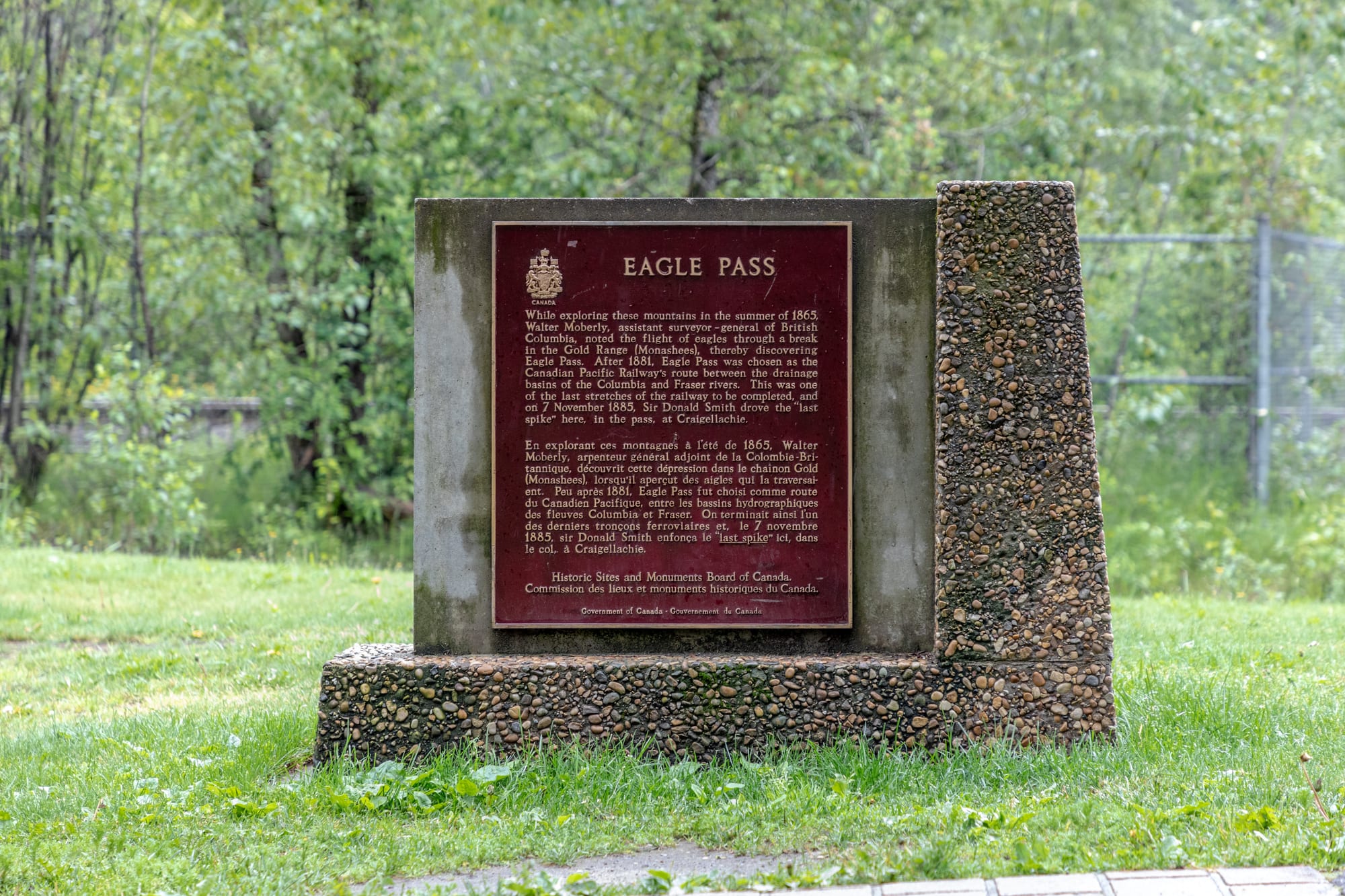
The Métis of the Red River, led by Louis Riel, resisted being handed over without consultation, and Manitoba was created in 1870 partly on their terms — terms then undercut. In 1885 the Métis and Cree of Saskatchewan rose again; the rebellion was crushed with the help of the new railway, and Riel was hanged for treason, an act celebrated in English Canada and mourned in Quebec and among the Métis. The Canadian Pacific Railway was completed the same year, built in part by some 15,000 Chinese labourers, many of whom died — and who were then hit with a "head tax" and, in 1923, outright exclusion. A huge immigration campaign from 1896 brought millions of settlers, especially from Eastern Europe, to break the prairie for wheat.
The Indian Act and the schools
For Indigenous peoples, the building of the country meant dispossession by law. The Crown signed the Numbered Treaties across the west between 1871 and 1921 — and largely failed to honour them. The Indian Act of 1876 made "status Indians" wards of the state, banned ceremonies such as the potlatch and the Sun Dance, and controlled almost every aspect of reserve life.
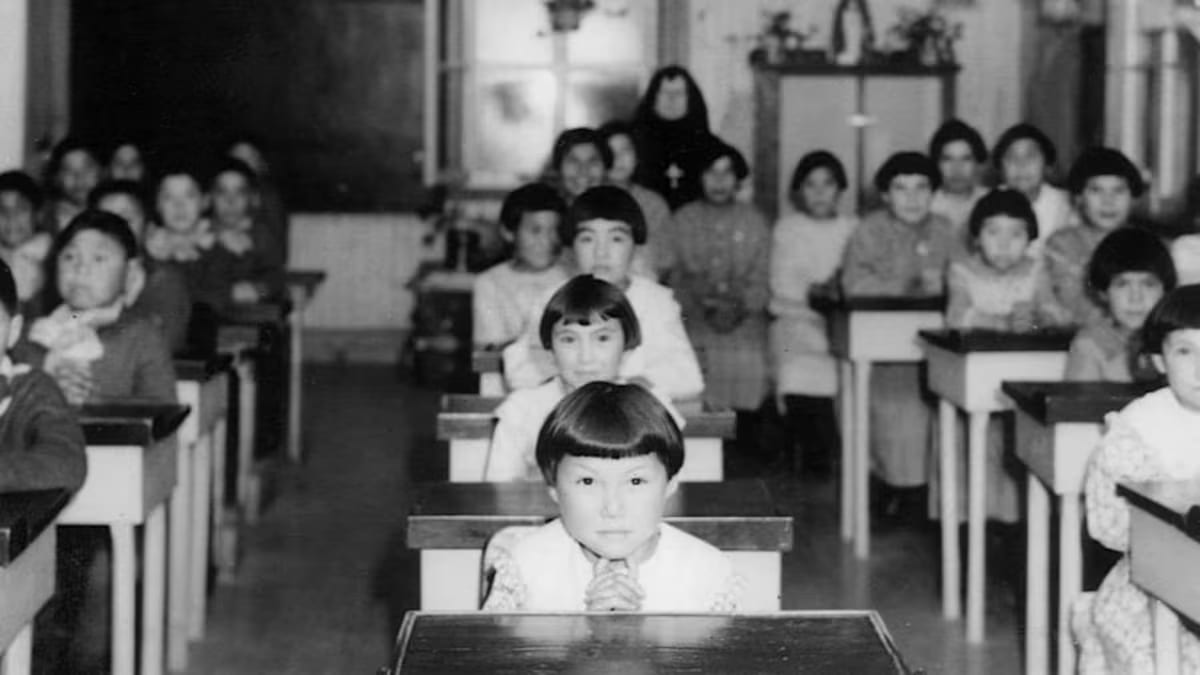
From the 1880s the federal government funded, and the churches ran, a system of residential schools that removed roughly 150,000 Indigenous children from their families, forbade their languages, and subjected many to hunger, hard labour and abuse. Thousands died. The last school closed in 1996. A Truth and Reconciliation Commission called the system "cultural genocide", and the confirmation of unmarked graves at former school sites from 2021 forced a national reckoning that is still going on.
Nationhood and the wars
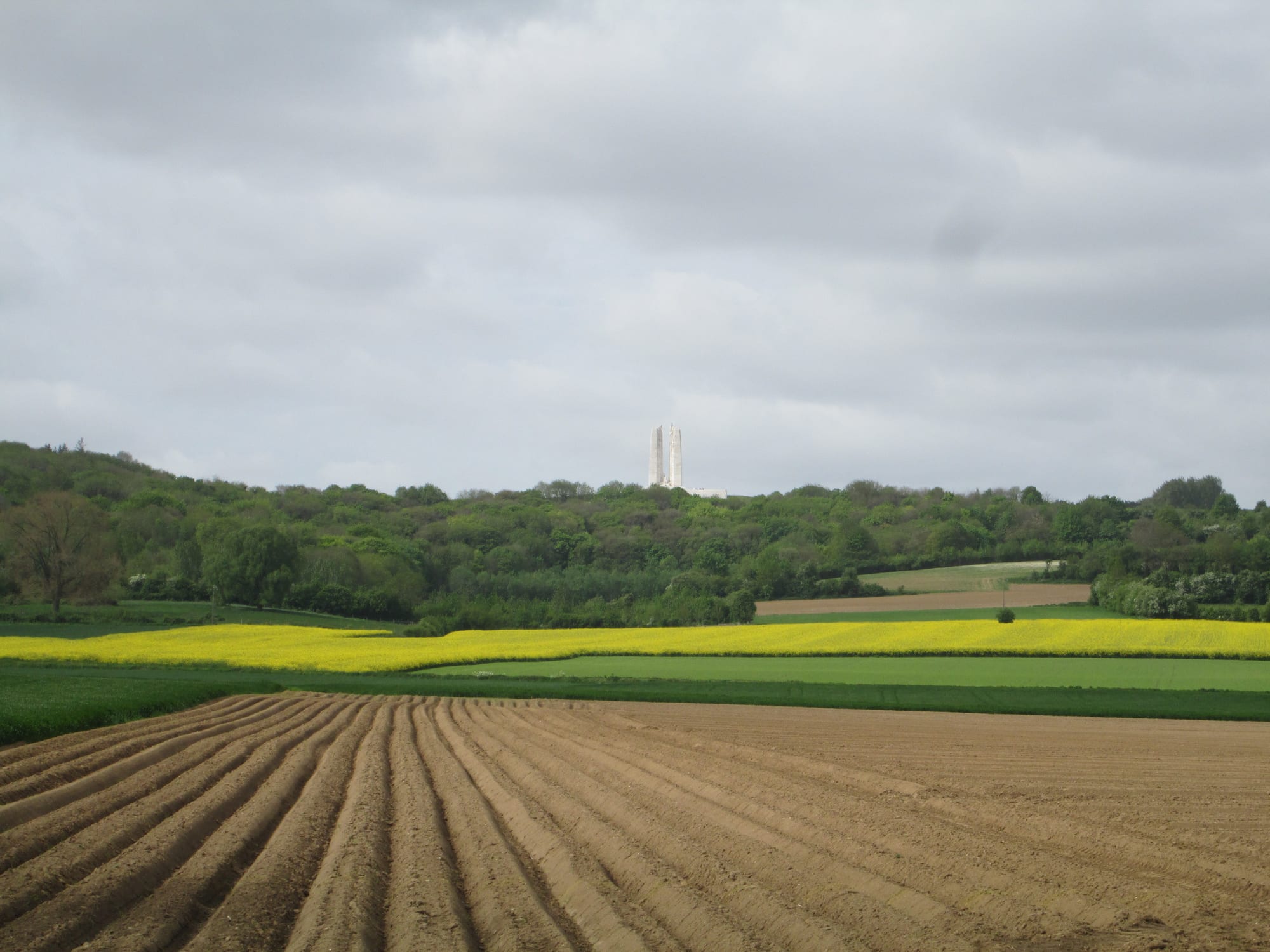
Canada's independence came gradually — through its own growing role in the Boer War and then the First World War, where the Canadian Corps' capture of Vimy Ridge in 1917 became a symbol of nationhood, even as a conscription crisis that year split the country between English and French. The Statute of Westminster granted full legislative independence in 1931. In the Second World War Canada again mobilised heavily, and again a conscription fight strained the union of its two peoples.
After 1945 Canada built a welfare state with universal health care, replaced its race-based immigration rules with a points system in 1967 — opening the country to migration from Asia, the Caribbean and beyond — and adopted official multiculturalism in 1971, becoming one of the most diverse societies in the world. It also took down British symbols, adopting the maple-leaf flag in 1965.
The Quebec question
Quebec transformed in the 1960s "Quiet Revolution", secularising and modernising fast, with a rising nationalism. A militant fringe carried out kidnappings in the October Crisis of 1970; the sovereigntist Parti Québécois won power in 1976; and a 1980 referendum on sovereignty was defeated 60 to 40. When Canada brought its constitution home from Britain in 1982, with a new Charter of Rights, it did so without Quebec's consent — a grievance that two later attempts to resolve both failed. A second sovereignty referendum, in 1995, was lost by less than a percentage point.
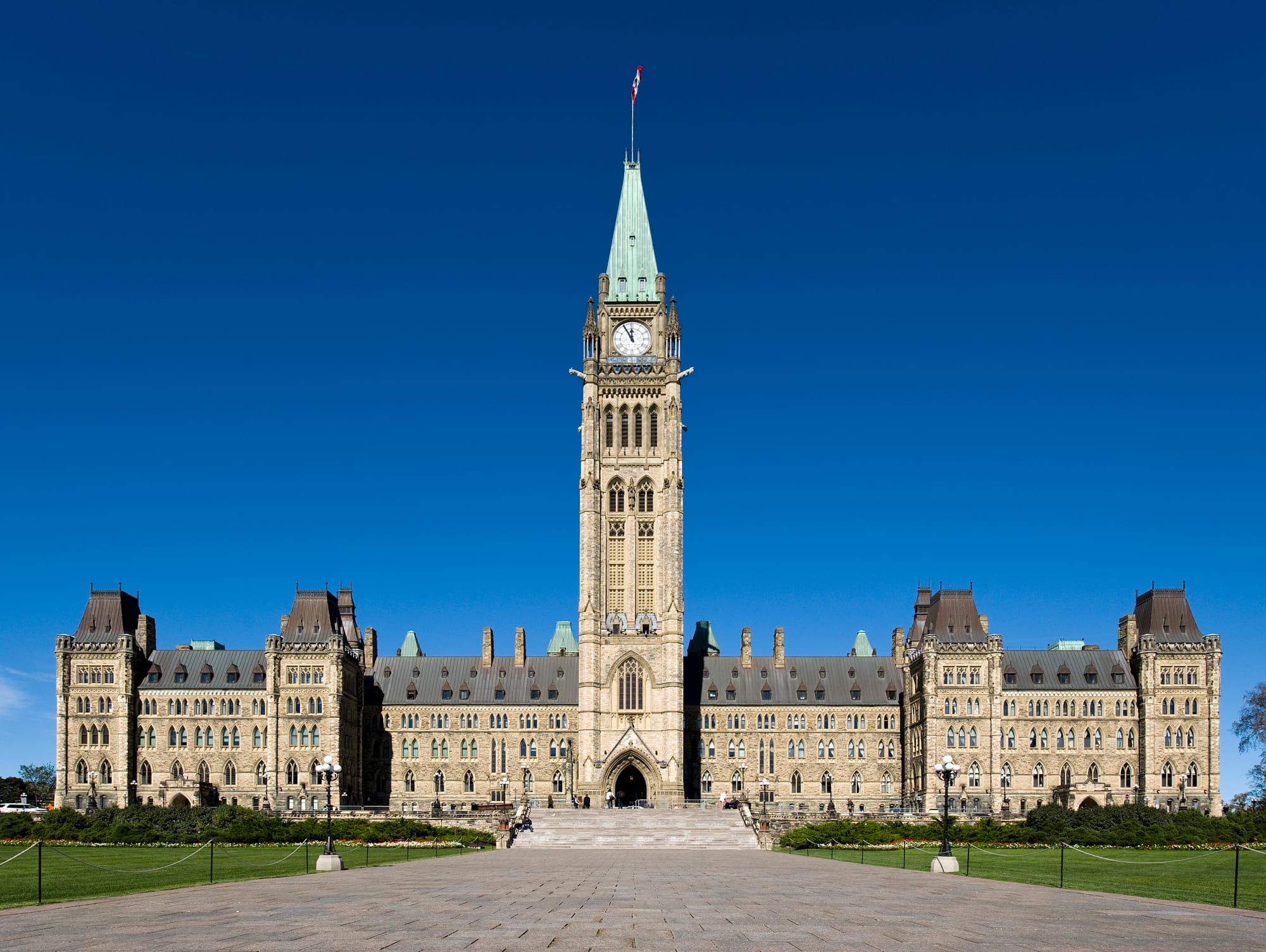
The building's Centre Block, rebuilt after a 1916 fire, has itself been closed for a rolling restoration since 2019 — a fittingly slow national project.
What Canada carries
Canada is a country that was designed as a compromise — between French and English, between provinces and centre, between staying British and drifting American — and that has kept renegotiating the terms ever since. What it long left out of the compromise was the people who were here first, and the central work of Canadian public life in this century has been trying, belatedly, to bring that into the conversation.