Attractions & Natural Wonders · Canada
Canada: Ten Attractions and Natural Wonders
A turquoise lake under a wall of rock, half a waterfall shared with the US, a walled French city on a cliff, and a train ride out to meet the polar bears
By Worldlore Editorial · 9 September 2026
The second-largest country on Earth
Canada is enormous — six time zones, coastlines on three oceans — and most of it is wilderness. Its attractions are correspondingly spread out and mostly natural: the Rocky Mountain parks in the west, the Atlantic coast in the east, the Arctic in the north, with a handful of cities strung along the southern border. Expect to fly between regions and drive long distances within them.
The ten below run coast to coast. Summer (June–September) is the main season for the mountains and the coast; the shoulder months are quieter; winter opens skiing, northern lights, and the Quebec Carnival. Churchill's bears are an October–November trip.
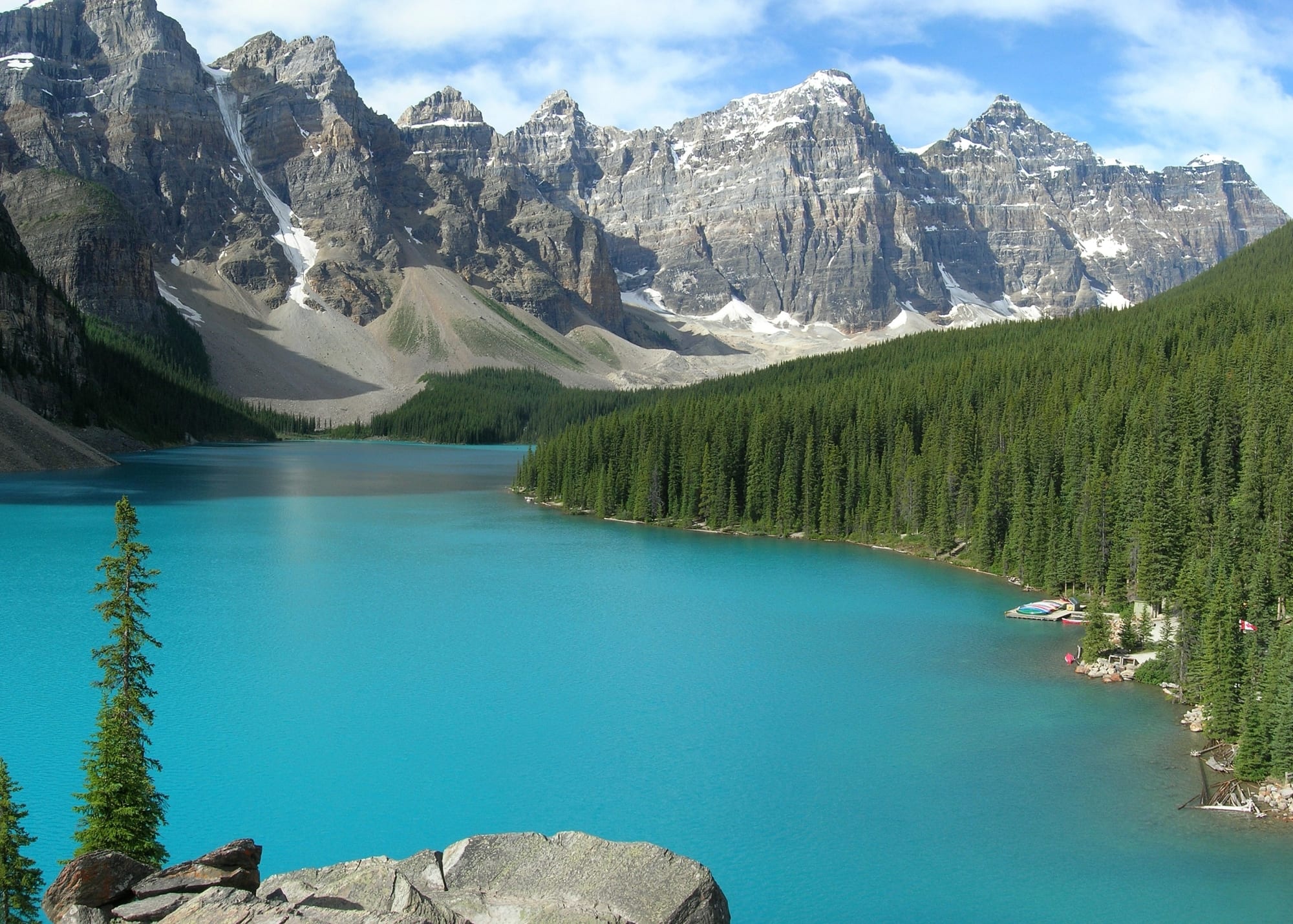
1. Banff, Lake Louise, and Moraine Lake
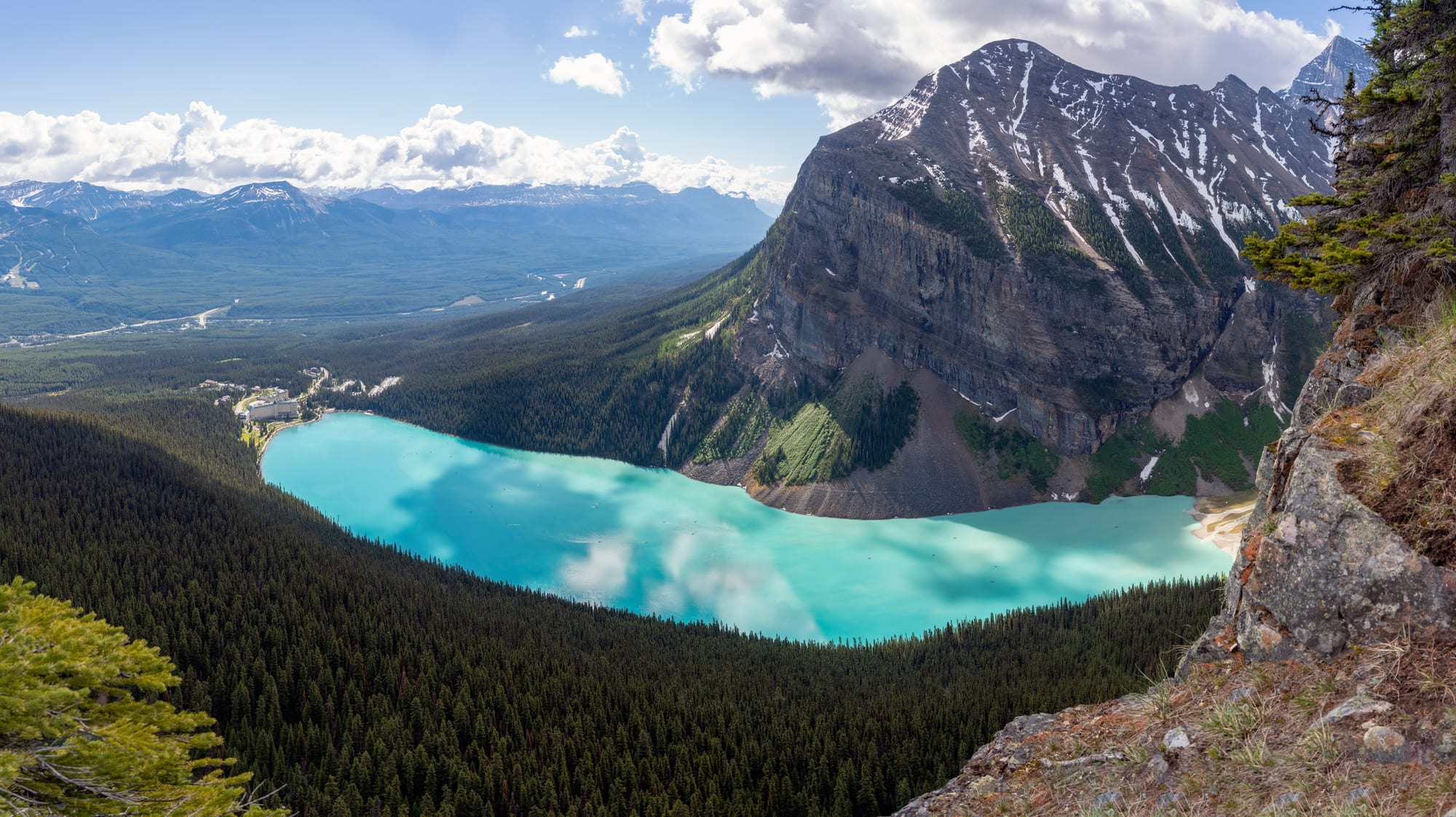
Canada's first national park (1885) and the core of a UNESCO World Heritage Site, Banff is the classic Rockies experience: jagged limestone peaks, glacier-fed lakes in unreal shades of blue, and the tidy resort town of Banff with its hot springs and gondola. Lake Louise and Moraine Lake are the two showpiece lakes; both get so busy in summer that private cars are now largely turned away in favour of shuttles and reservations.
Beyond the lakes: the Johnston Canyon walkways, wildlife on the Bow Valley Parkway, and the ski hills that run all winter.
2. The Icefields Parkway and Jasper
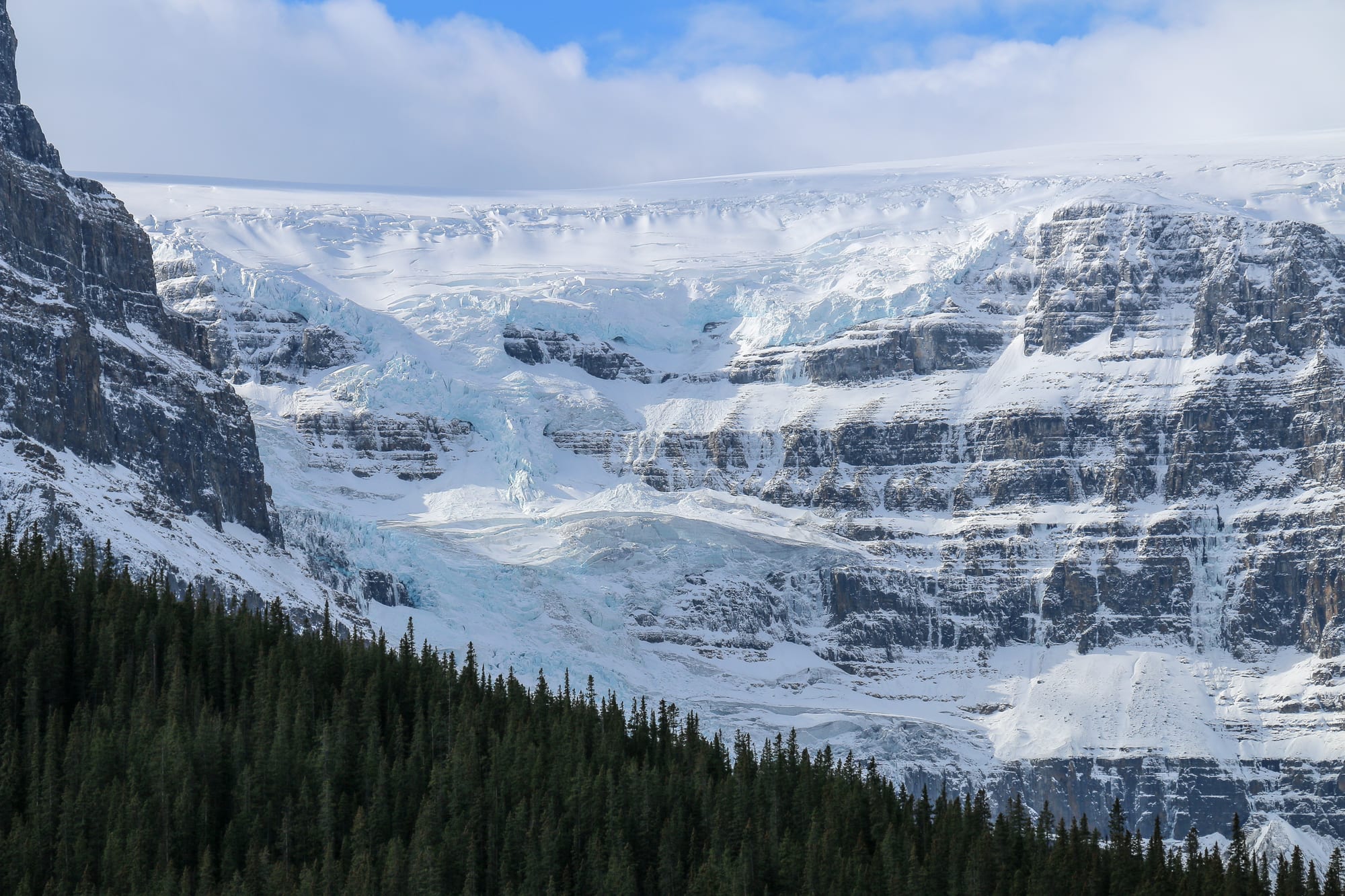
The 230-kilometre Highway 93 between Lake Louise and Jasper runs past a near-continuous parade of peaks, waterfalls, and glaciers, including the Columbia Icefield, where you can walk (or ride a special bus) onto the Athabasca Glacier and out on the Skywalk. Peyto Lake, shaped like a wolf's head, is the signature stop.
Jasper National Park at the north end is wilder and quieter than Banff, with Maligne Lake, Maligne Canyon, and one of the largest dark-sky preserves in the world.
3. Niagara Falls
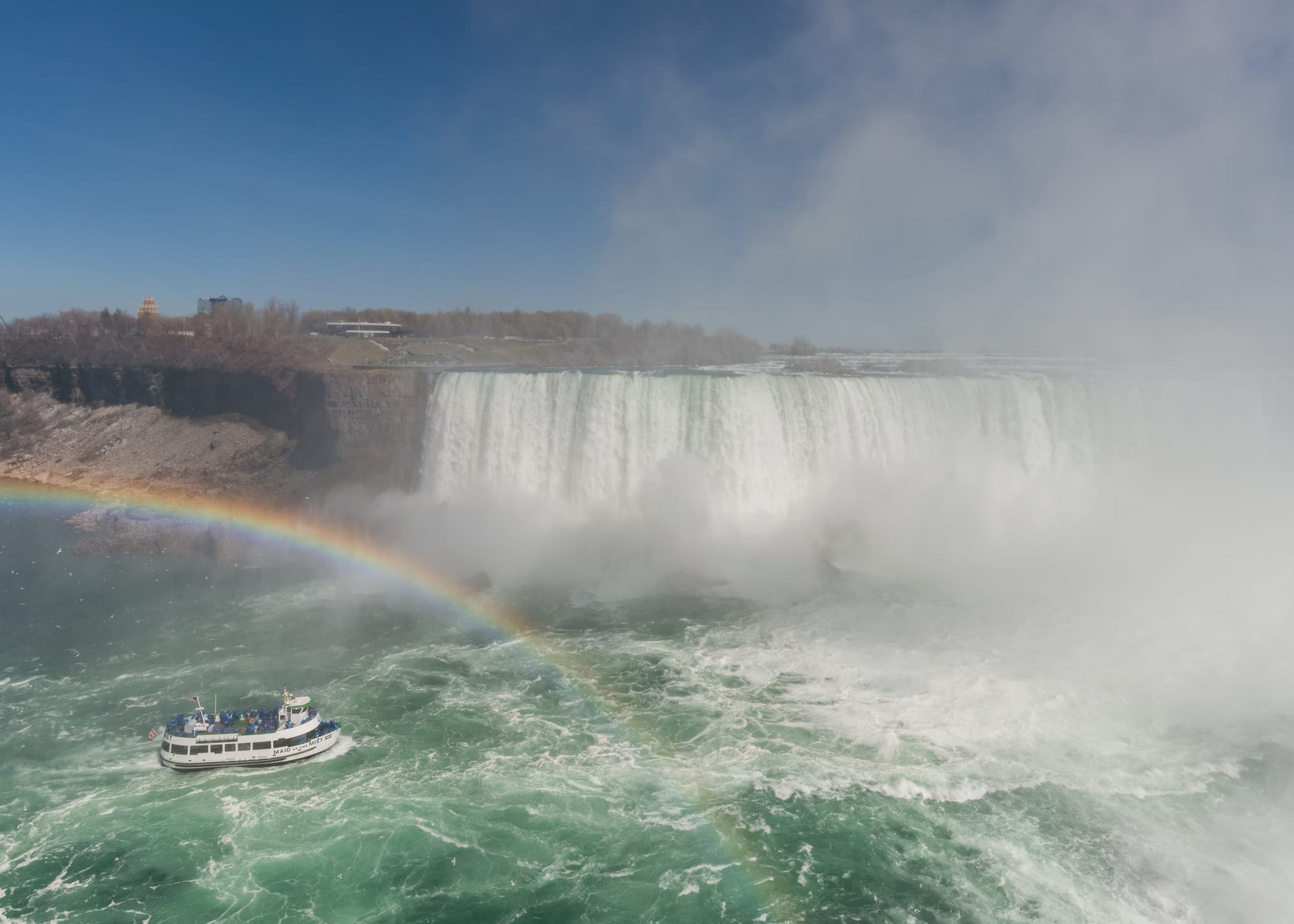
Niagara is not the tallest waterfall, but it is one of the most powerful, and the Canadian side has the better view — you stand right at the lip of the 670-metre Horseshoe Falls. The boat trip to the base (Niagara City Cruises, the successor to the Maid of the Mist) and the "Journey Behind the Falls" tunnels put you in the spray.
The town of Niagara Falls, Ontario, is a wall of casinos and wax museums; nearby Niagara-on-the-Lake, a preserved 19th-century town in wine country, is the antidote.
4. Old Quebec
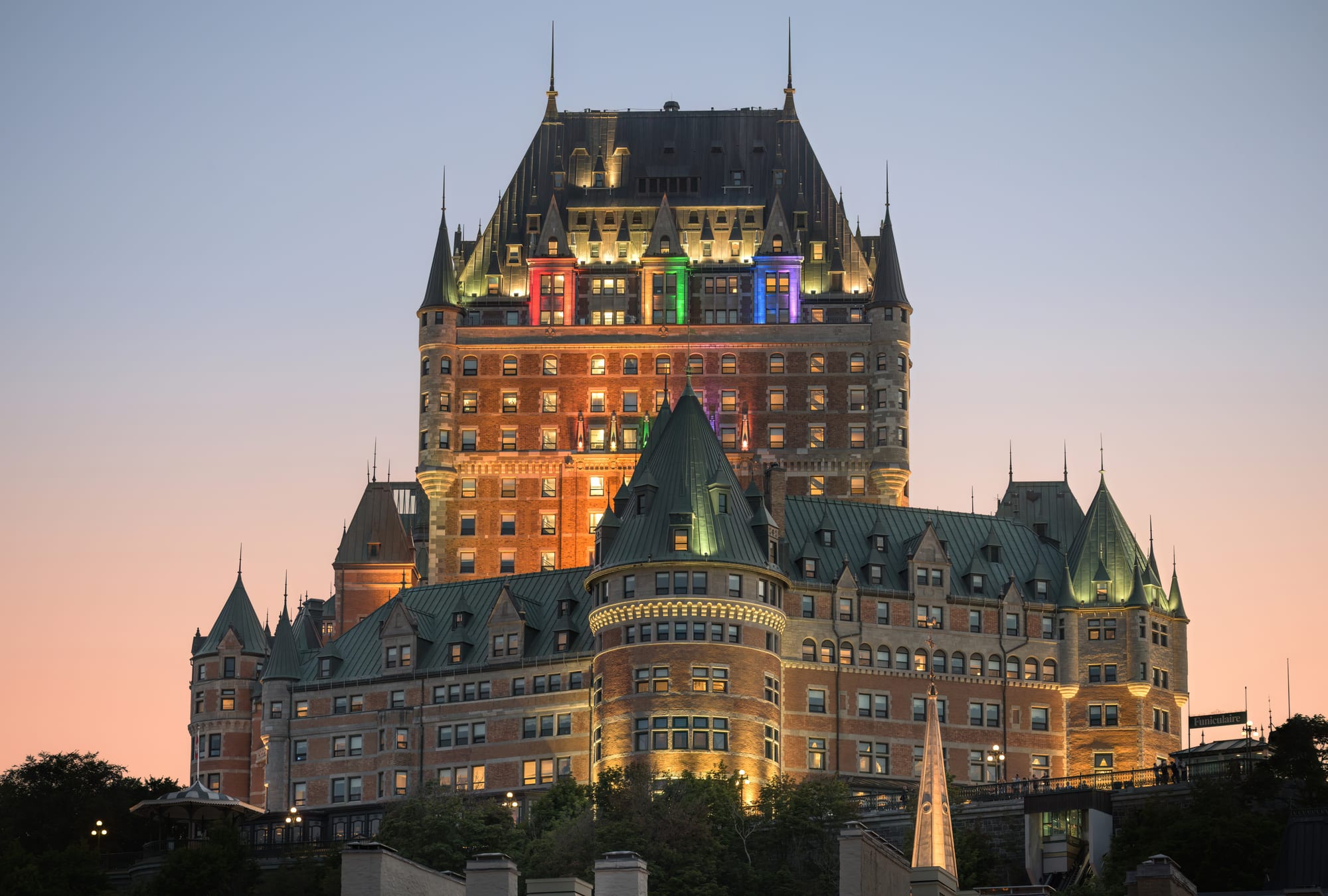
Quebec City's historic core, a UNESCO World Heritage Site, is the only walled city north of Mexico — a compact tangle of stone houses, spires, and cobbled lanes on a cliff above the St Lawrence, with the château-style Frontenac hotel presiding over it. The Lower Town around Place Royale is where France founded the city in 1608.
It is at its most atmospheric in winter, under snow and lights, with the Carnival and the ice hotel outside town. Montréal, two and a half hours away, is the bigger, livelier Francophone city.
5. Vancouver and Stanley Park
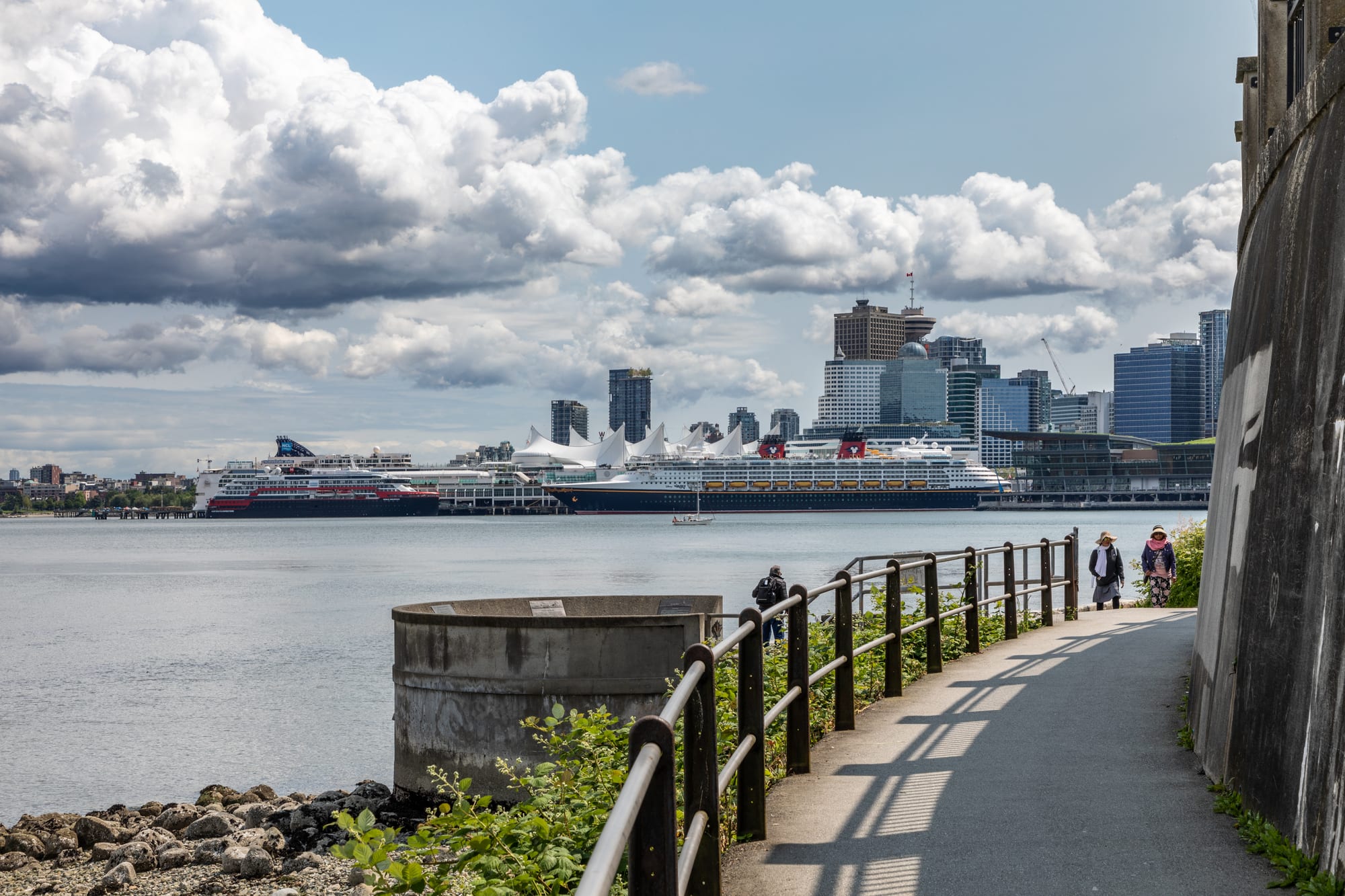
Vancouver is wedged between the ocean and the Coast Mountains, and its best sight is Stanley Park — a 400-hectare rainforest peninsula next to downtown, ringed by a seawall path popular with walkers and cyclists, with totem poles, beaches, and an aquarium. Beyond it: the Granville Island market, the glass towers of the waterfront, the Capilano suspension bridge, and Grouse Mountain.
It is the gateway to Whistler (a two-hour drive) and to Vancouver Island — Victoria, Tofino's surf beaches, and the whale-watching of the Salish Sea.
6. The Cabot Trail, Nova Scotia
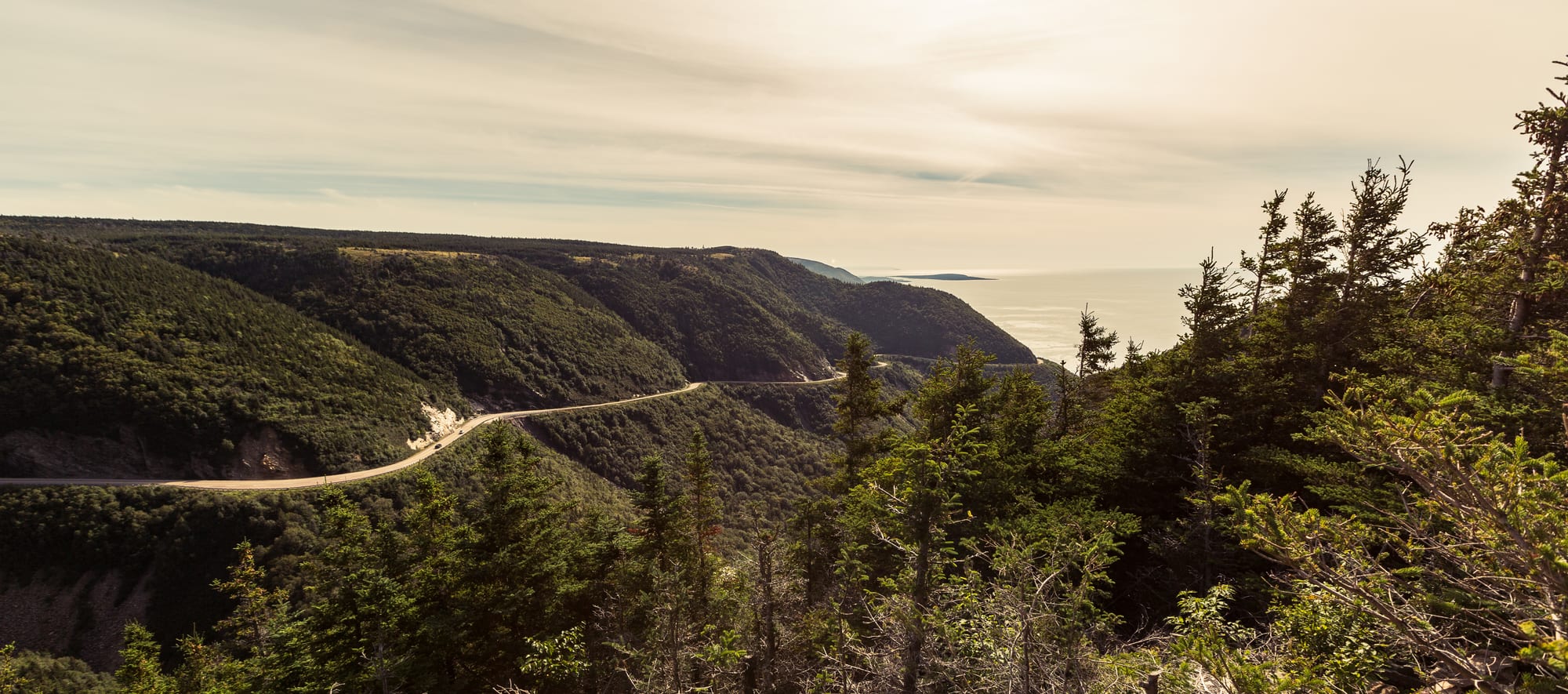
The 300-kilometre Cabot Trail loops around the northern tip of Cape Breton Island, climbing over forested highland plateaus and dropping to fishing villages, with the Cape Breton Highlands National Park along its wildest stretch — moose, bald eagles, and coastal hiking trails like the Skyline. The region is a stronghold of Gaelic and Acadian culture, and its ceilidh music scene is the real draw for many.
Elsewhere in Nova Scotia: the much-photographed lighthouse at Peggy's Cove, and the colourful waterfront of Lunenburg, another UNESCO site.
7. Gros Morne, Newfoundland
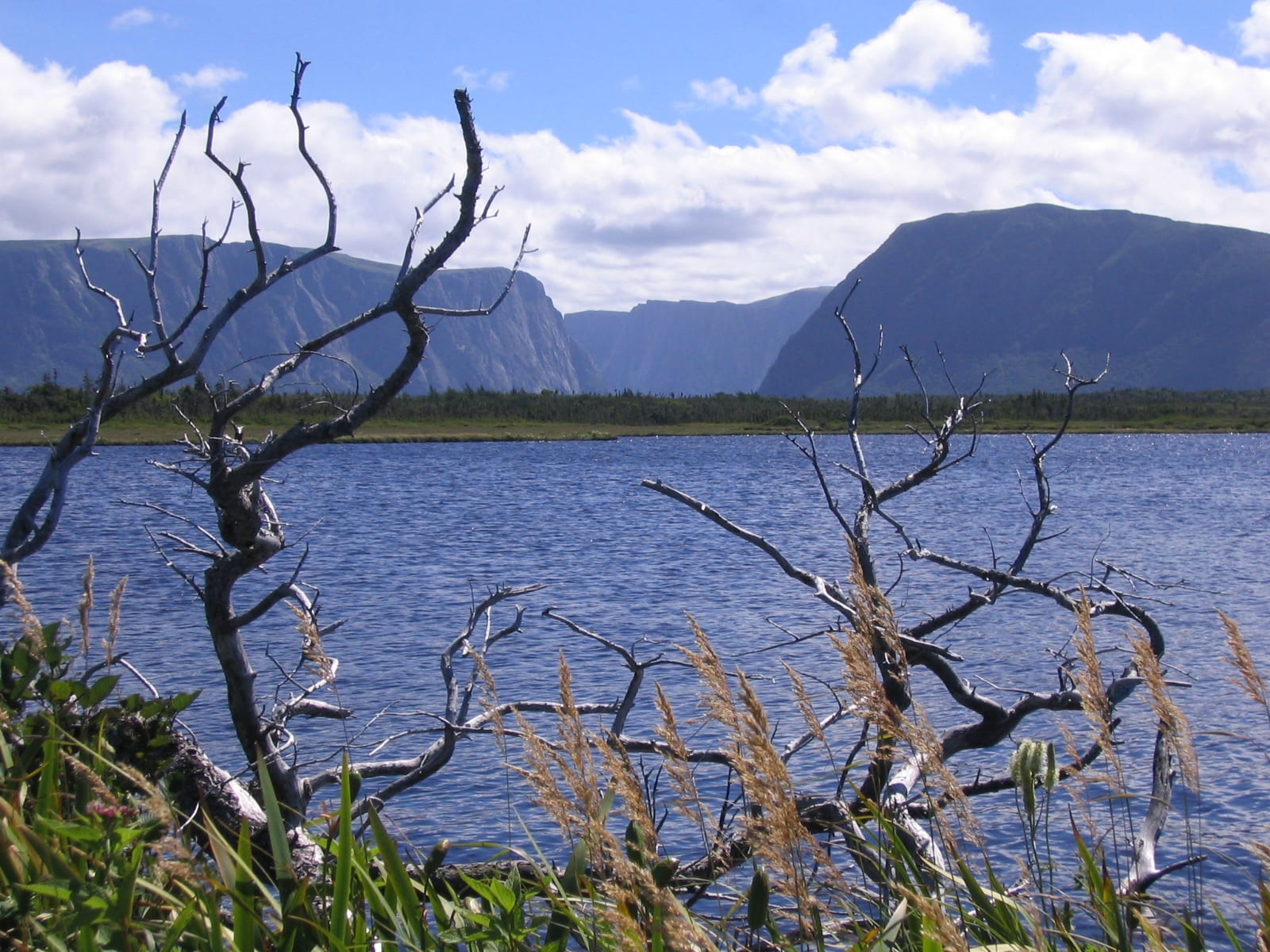
On the west coast of Newfoundland, Gros Morne is a UNESCO World Heritage Site prized by geologists: the Tablelands are a slab of the Earth's mantle pushed to the surface, a barren orange plateau where almost nothing grows. Elsewhere the park has landlocked fjords (Western Brook Pond, reached by a boat tour), coastal bogs, and the flat-topped Gros Morne mountain itself.
Newfoundland also has L'Anse aux Meadows, the only confirmed Norse site in North America, at its northern tip.
8. The Bay of Fundy
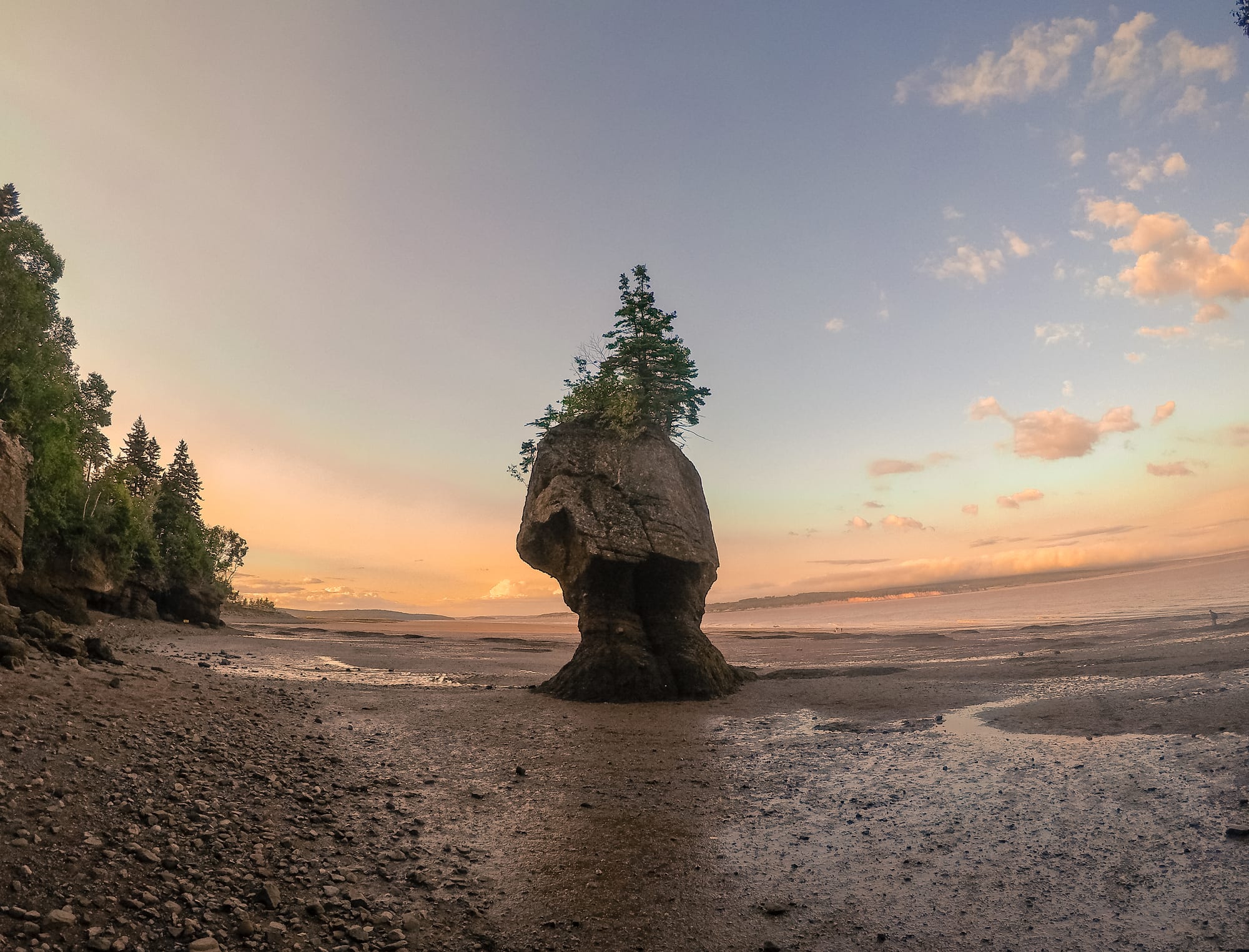
The Bay of Fundy, between New Brunswick and Nova Scotia, has the highest tidal range on Earth — up to 16 metres. At the Hopewell Rocks you can walk on the ocean floor among sea stacks at low tide and kayak around their tops six hours later. The tide also drives rich feeding grounds, making the bay one of the best whale-watching areas in the North Atlantic (right, finback, and humpback whales).
Nearby, Fundy National Park and the covered bridges of the region round out a visit.
9. Churchill's polar bears
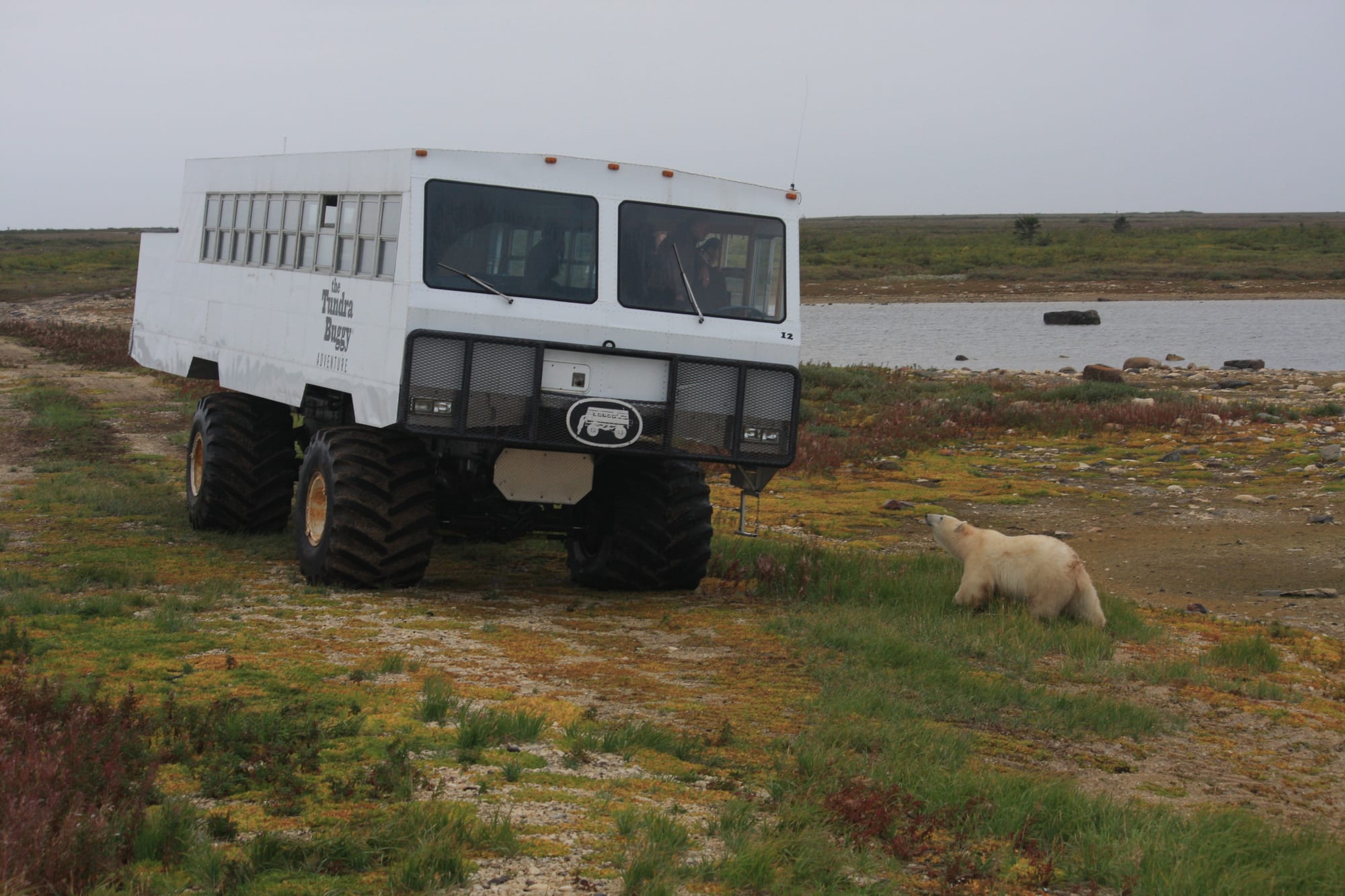
Churchill, a small town on Hudson Bay reached only by plane or a two-day train, calls itself the "polar bear capital of the world". Each autumn, as they wait for the bay to freeze so they can hunt seals, bears gather near the town; visitors watch them from raised tundra vehicles. In summer the same waters fill with thousands of beluga whales, and the town is also good for the northern lights.
It is an expensive, logistically involved trip, and the season is short (roughly mid-October to mid-November for bears).
10. Ottawa
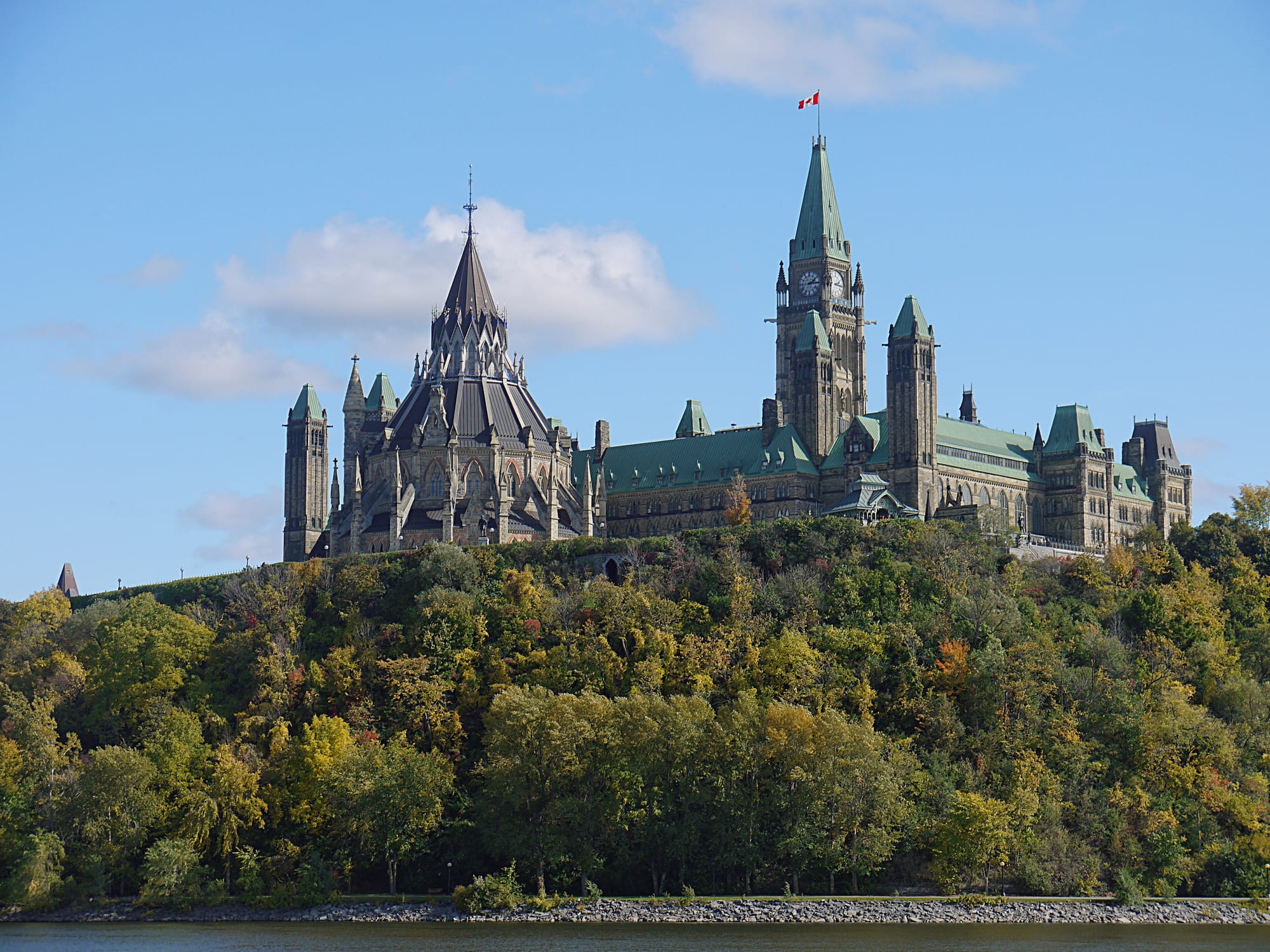
The national capital is a manageable, green city built around Parliament Hill — a row of Gothic Revival government buildings on a bluff, with a changing of the guard in summer and light shows in the evening. Along the canal (a UNESCO site that becomes the world's largest skating rink in winter) are the National Gallery, the Canadian Museum of History across the river in Gatineau, and the war and nature museums.
Toronto, Canada's largest city, four hours away, has the CN Tower, the ROM, the islands, and Niagara on its doorstep.
Canada is several trips: the Rockies, the eastern cities and Atlantic coast, the Pacific coast, and the North. Pick one region, give it a week or two, and save the rest — most Canadians haven't seen all of it either.