Attractions & Natural Wonders · Cameroon
Cameroon: Nine Attractions and Natural Wonders
A volcano that sometimes glows, a river that falls straight into the Atlantic, a sultan's palace of two thousand years' standing, and a lunar landscape of stone needles in the north
By Worldlore Editorial · 19 September 2026
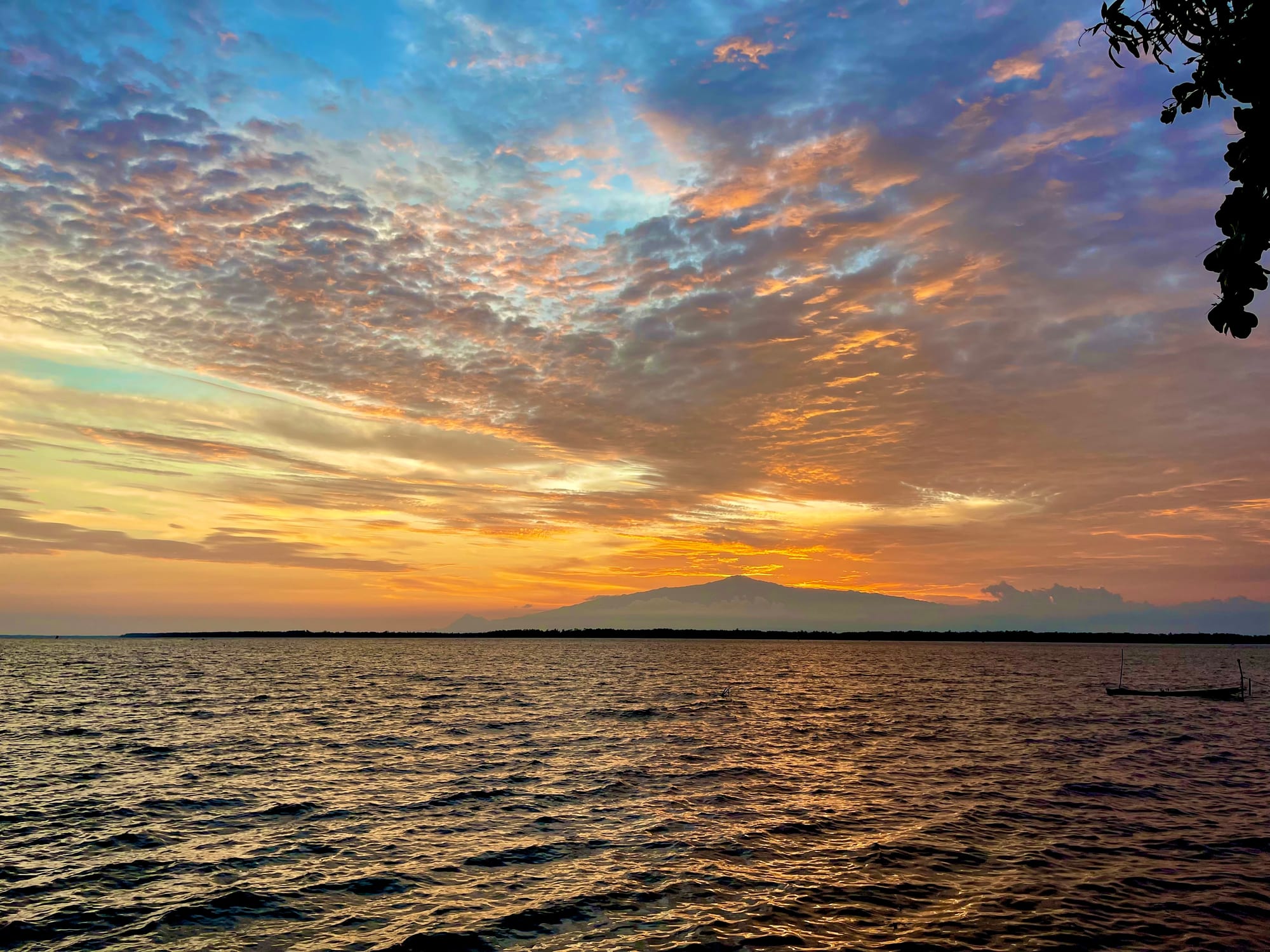
"Africa in miniature"
Cameroon is often called "Africa in miniature" because it packs so much of the continent's variety into one country: rainforest and savannah, a volcanic coast and a Sahelian north, some 250 languages, and both a Francophone majority and an Anglophone minority. It gets very few tourists, and travel is slow. It is also, right now, a country with serious security problems — a separatist conflict in the two Anglophone regions (Northwest and Southwest, which includes Mount Cameroon and Bafut), and jihadist violence in the Far North (around Waza and Rhumsiki). Check current advice carefully; several places below are effectively off-limits at present.
The nine run from the coast and the west through to the far north.
1. The Lobé Falls, Kribi
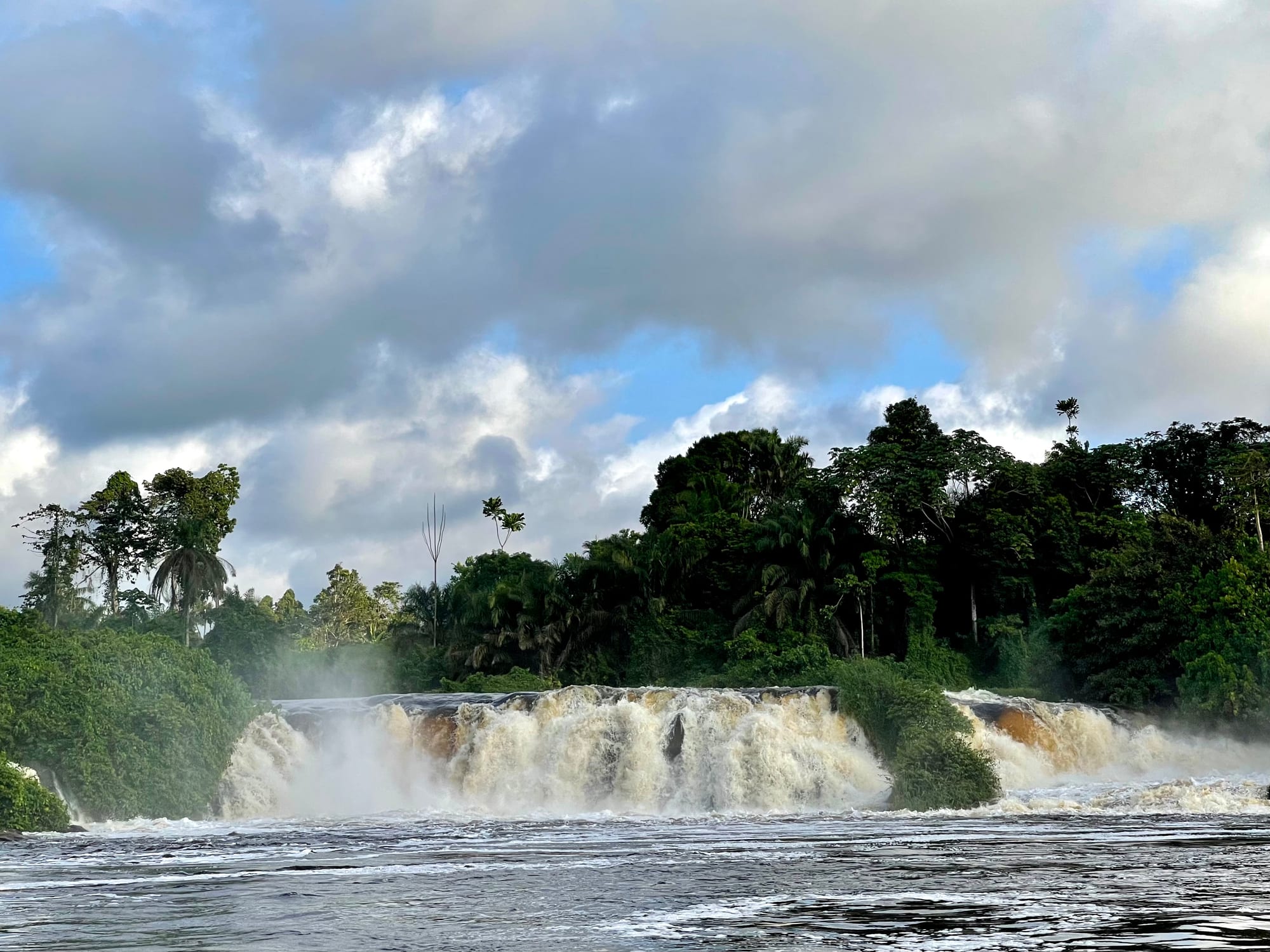
Just south of the beach resort of Kribi, the Lobé river spills over a broad, low rock shelf and pours directly onto the sand and into the Atlantic — a 15-metre "waterfall into the sea", one of only a handful on the planet. Pirogue trips run up the river to Pygmy (Bagyeli) villages in the forest.
Kribi itself has the best beaches in Cameroon — long strands of pale sand and grilled fish shacks — and is the most straightforward seaside stop in the country.
2. Foumban and the Sultan's Palace
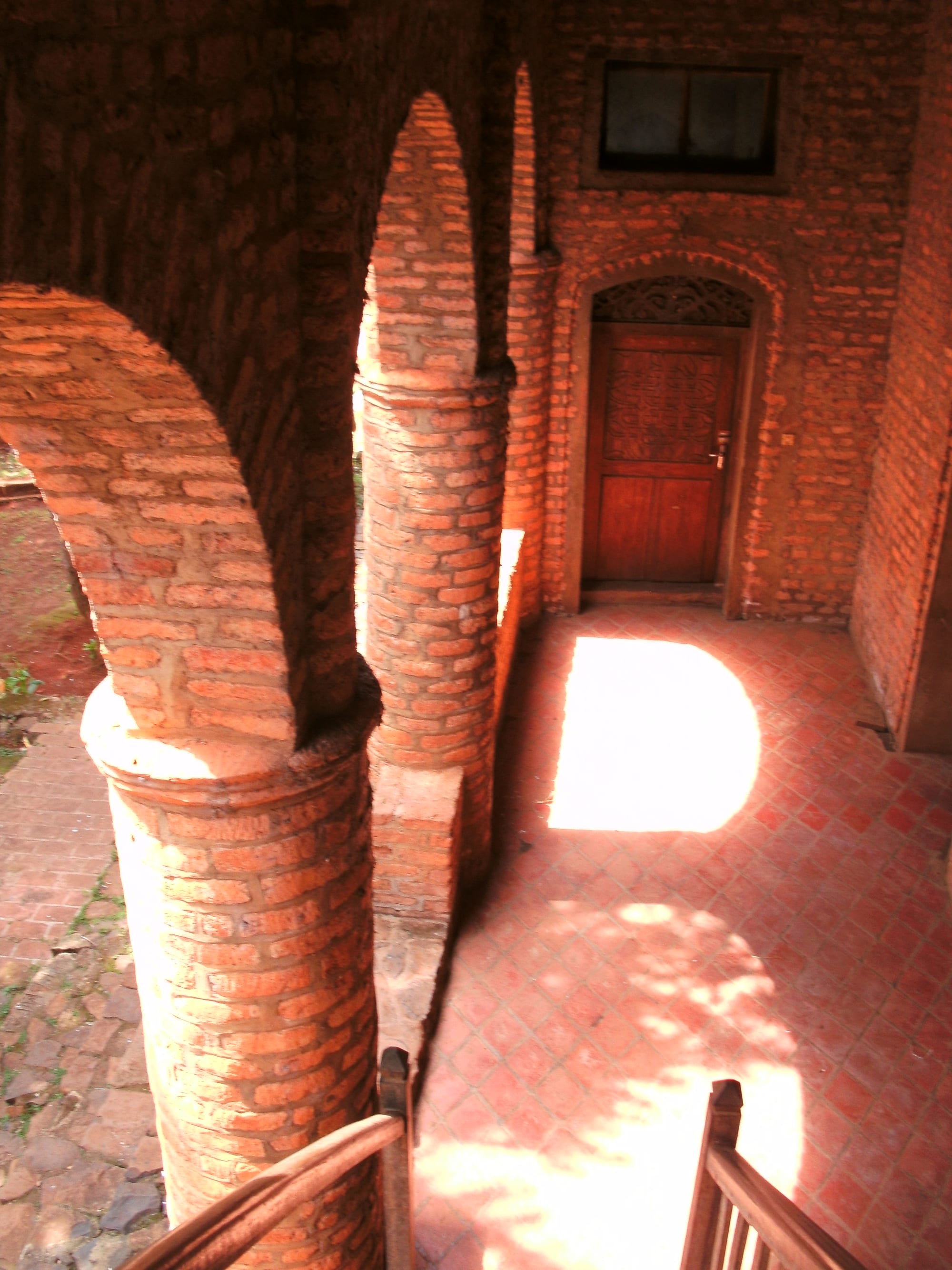
Foumban, in the western highlands, is the capital of the Bamoun kingdom, whose sultans have ruled since the late 14th century. The palace, partly rebuilt in 1917, houses a museum of royal thrones, beaded masks, war drums, and the two- headed serpent emblem of the dynasty. King Njoya, who ruled around 1900, invented his own script and had a history of his people written in it.
The town's "Street of Artisans" is the best place in Cameroon for bronze casting, carving, and beadwork.
3. The Palace of the Fon of Bafut
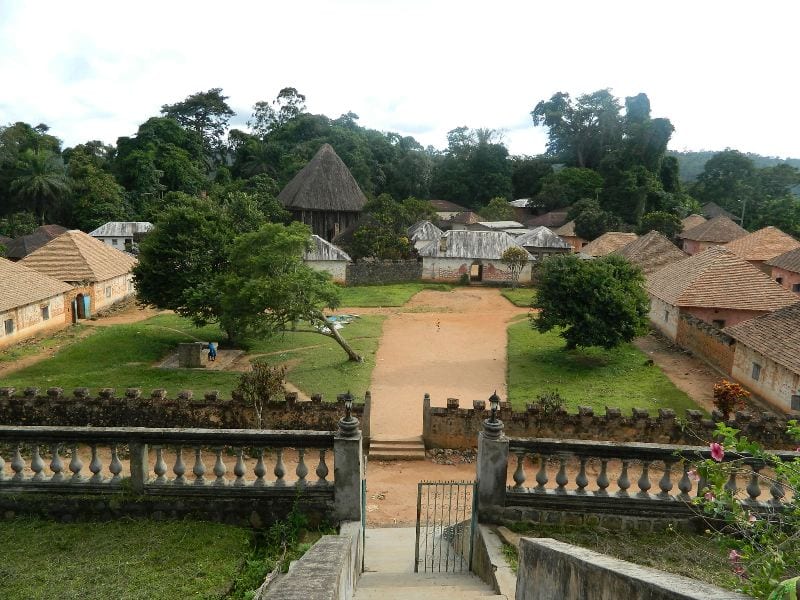
Bafut, near Bamenda, is one of the traditional kingdoms of the Grassfields, and its royal compound — a walled cluster of houses, courts, and shrines around the tall thatched Achum, the ancestral spirit house — is a Cameroonian national monument and a strong candidate for UNESCO listing. The naturalist Gerald Durrell stayed here in the 1940s and 50s and wrote about it in The Bafut Beagles.
The wider Grassfields — Bamenda, Kumbo, the Ring Road — are green, cool highland country, currently badly affected by the Anglophone conflict.
4. Rhumsiki and the Mandara Mountains
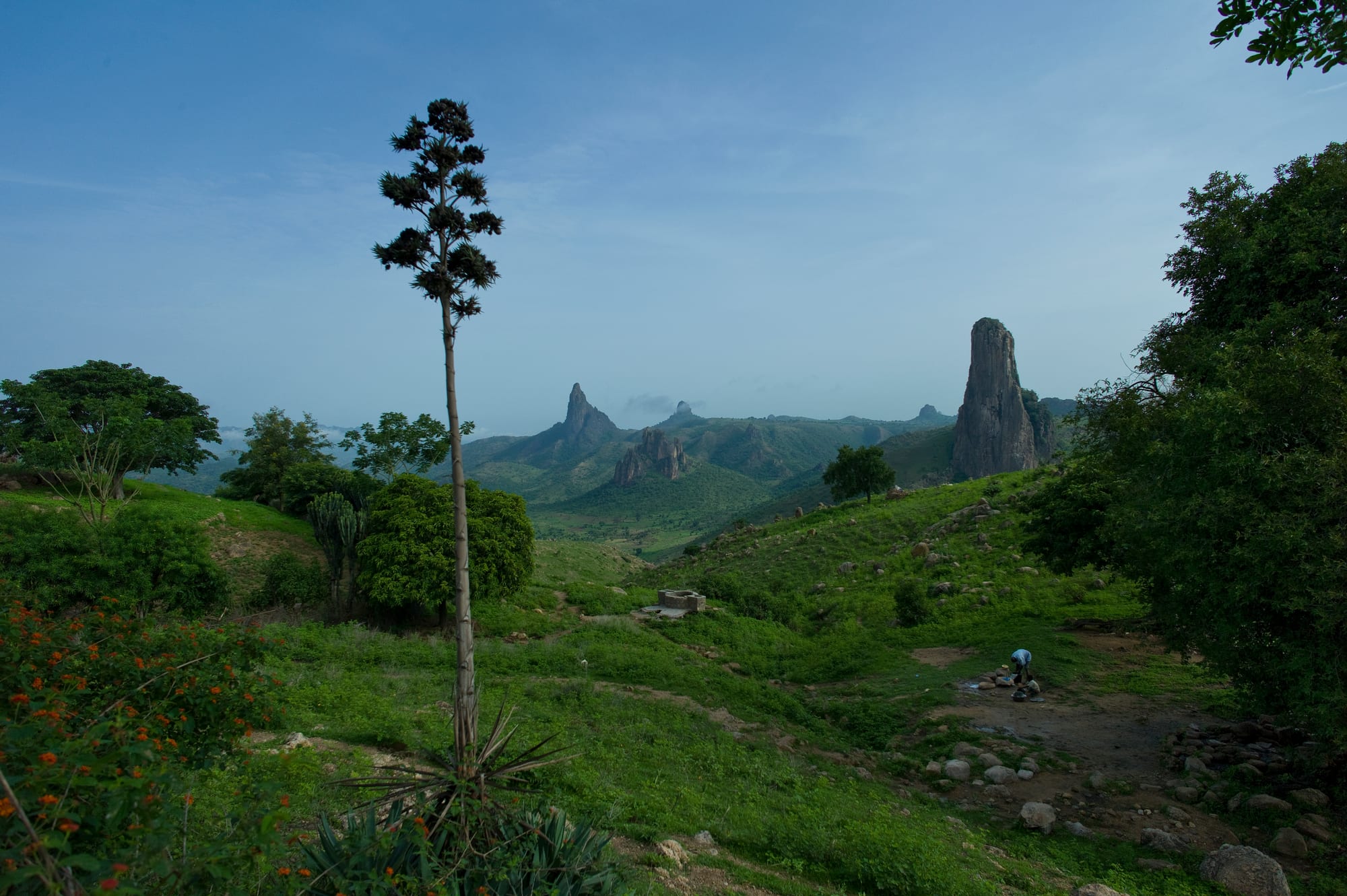
The village of Rhumsiki, in the Mandara range near the Nigerian border, sits among a scatter of dramatic volcanic plugs — sheer black towers rising from a farmed plateau, most spectacular at dawn. It was once Cameroon's most-photographed landscape and a trekking base for visiting the Kapsiki people's villages, terraced fields, and the famous "crab sorcerer" who tells fortunes by watching a crab move sticks in a pot.
The Far North has been unsafe for foreign travel since Boko Haram violence spread here in the 2010s.
5. Waza National Park
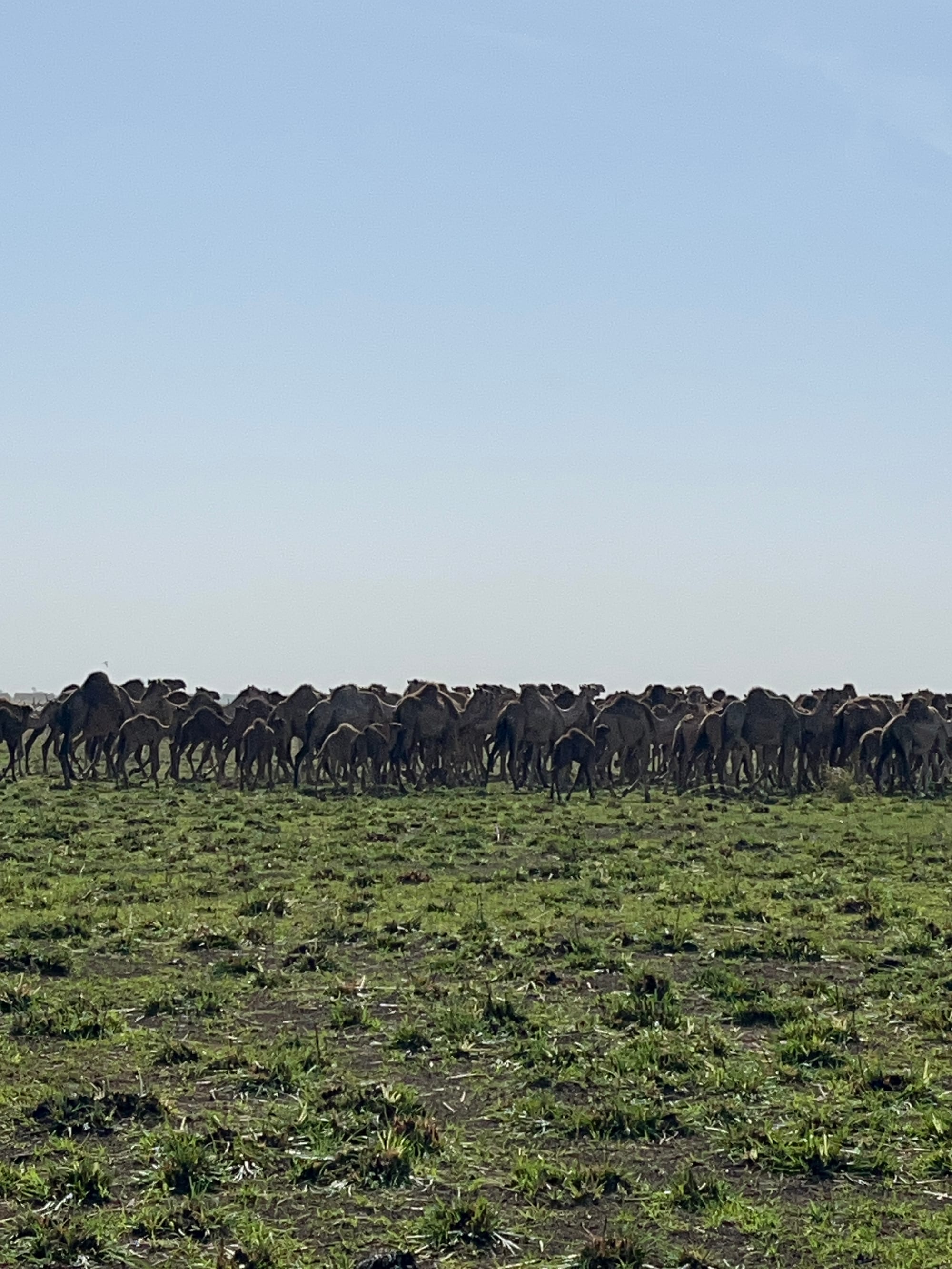
Waza, on the plain near Lake Chad, was the best place in Cameroon to see wildlife — elephant, giraffe, lion, and huge dry-season concentrations of antelope and waterbirds around the shrinking waterholes. Poaching and, more recently, insecurity have hit it hard, and it is not currently a safe destination, but it remains the country's flagship savannah park.
The nearby Maroua area, with its leatherwork market and the Diamaré plain, was the usual base.
6. The Dja Faunal Reserve
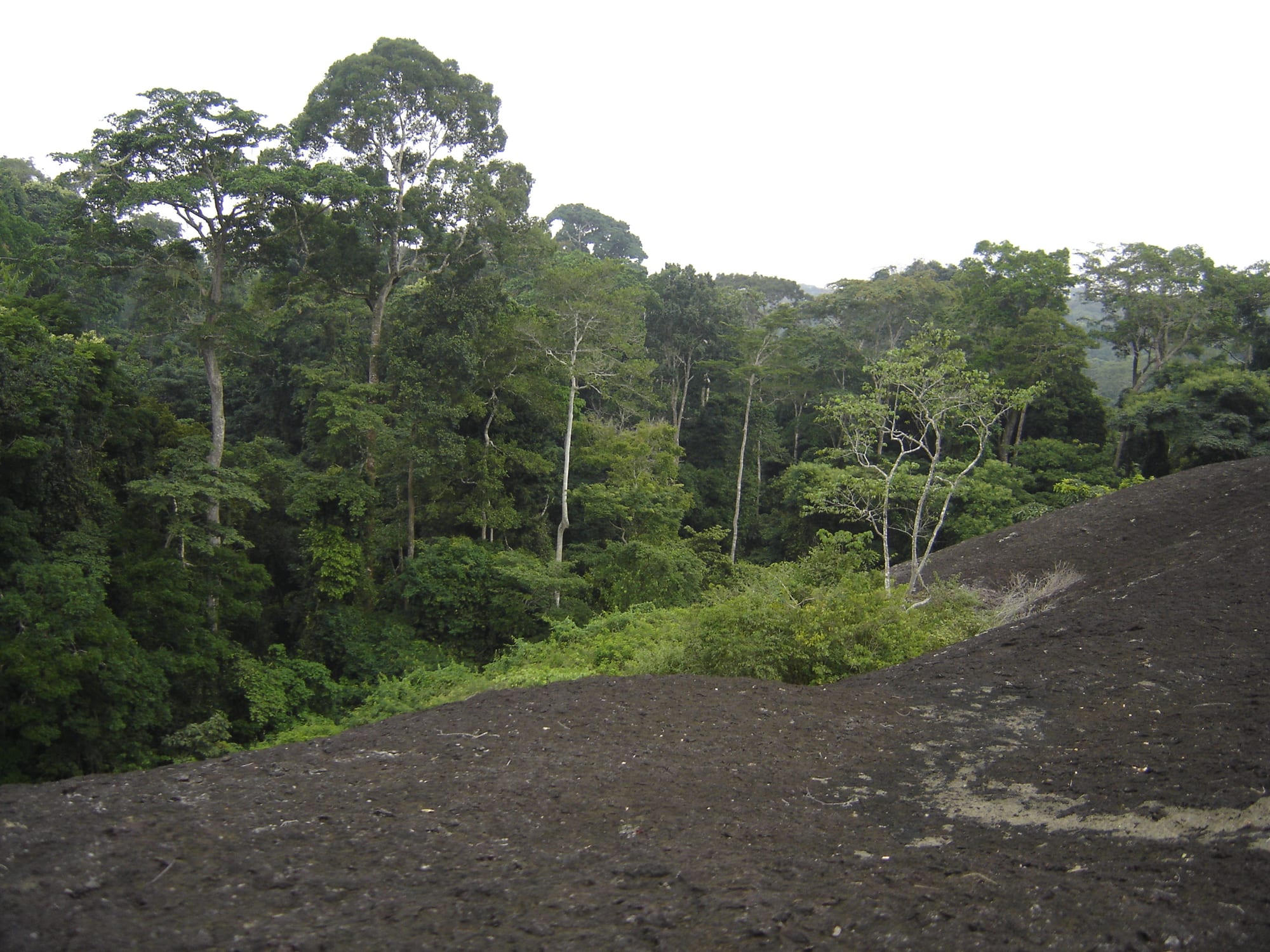
Almost encircled by a loop of the Dja river, this reserve in the southeast protects some 5,000 square kilometres of near-untouched Congo Basin rainforest — forest elephants, lowland gorillas, chimpanzees, and Baka communities who have lived here for millennia. It is a UNESCO World Heritage Site and a Biosphere Reserve.
Access is difficult and requires permits and guides arranged in advance; it is the country's most serious rainforest experience, for the well-prepared.
7. Limbe
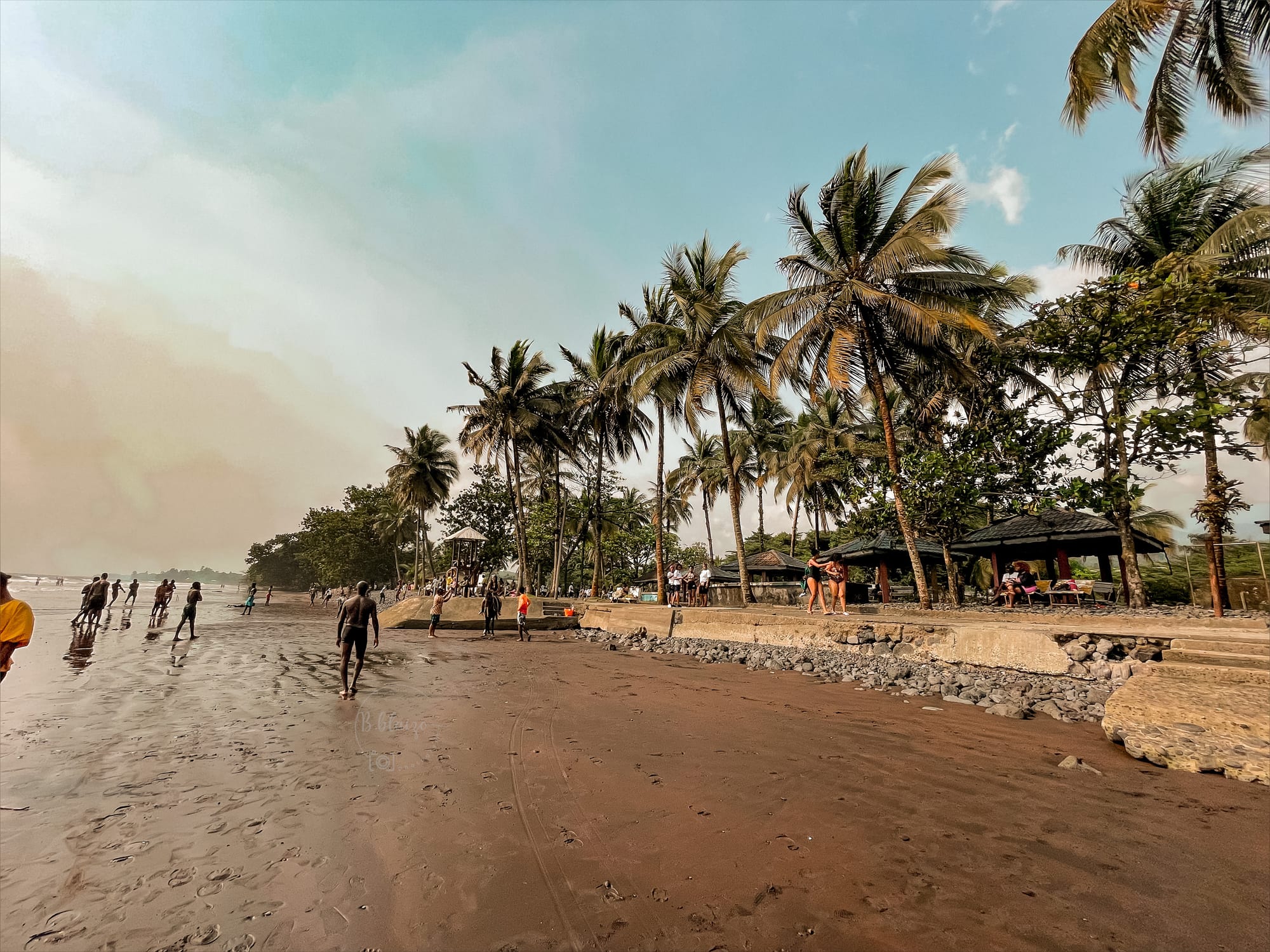
Limbe, on the Southwest coast, has black volcanic-sand beaches, a well-regarded botanic garden founded by the Germans in 1892, and a wildlife centre that cares for gorillas, chimps, and drills rescued from the bushmeat trade. It is also the usual starting point for climbing Mount Cameroon — a tough two-to-three-day trek to the summit and back, the focus of an annual "Race of Hope" up and down the mountain.
Like the rest of the Southwest Region, Limbe has been affected by the Anglophone crisis.
8. Yaoundé
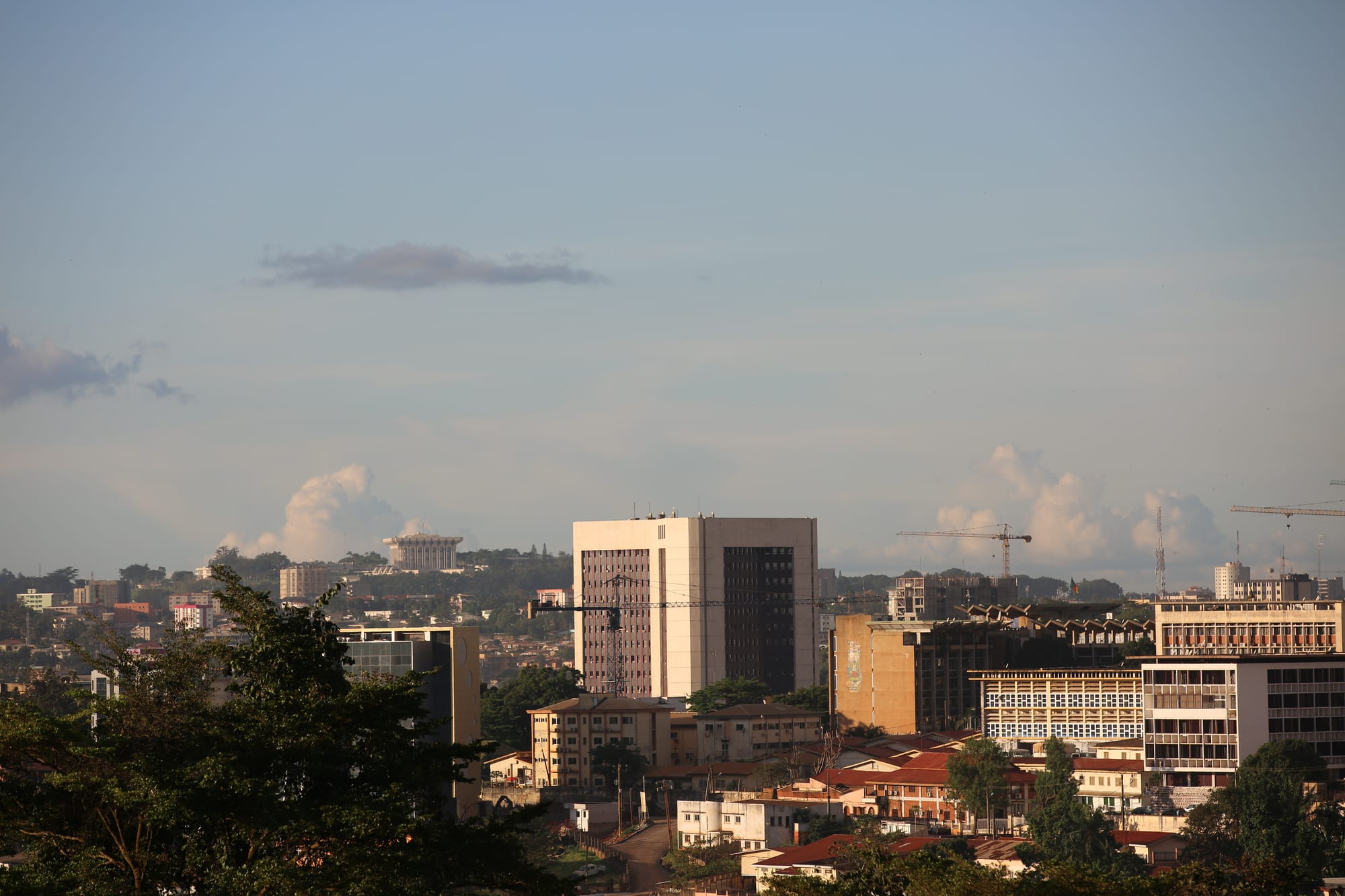
The capital, Yaoundé, is a spread-out, hilly city — greener and cooler than Douala, the coastal economic hub. Its sights are modest: the Reunification and "20 May" monuments, the national museum in the former presidential palace, the lively Mokolo and Central markets, and the Benedictine monastery museum of Mont Fébé with its collection of Cameroonian art.
Douala, the largest city and main port, has the Doual'art gallery, the maritime museum in the old Bonanjo quarter, and the famous "La Nouvelle Liberté" sculpture on a roundabout.
9. The northern circuit
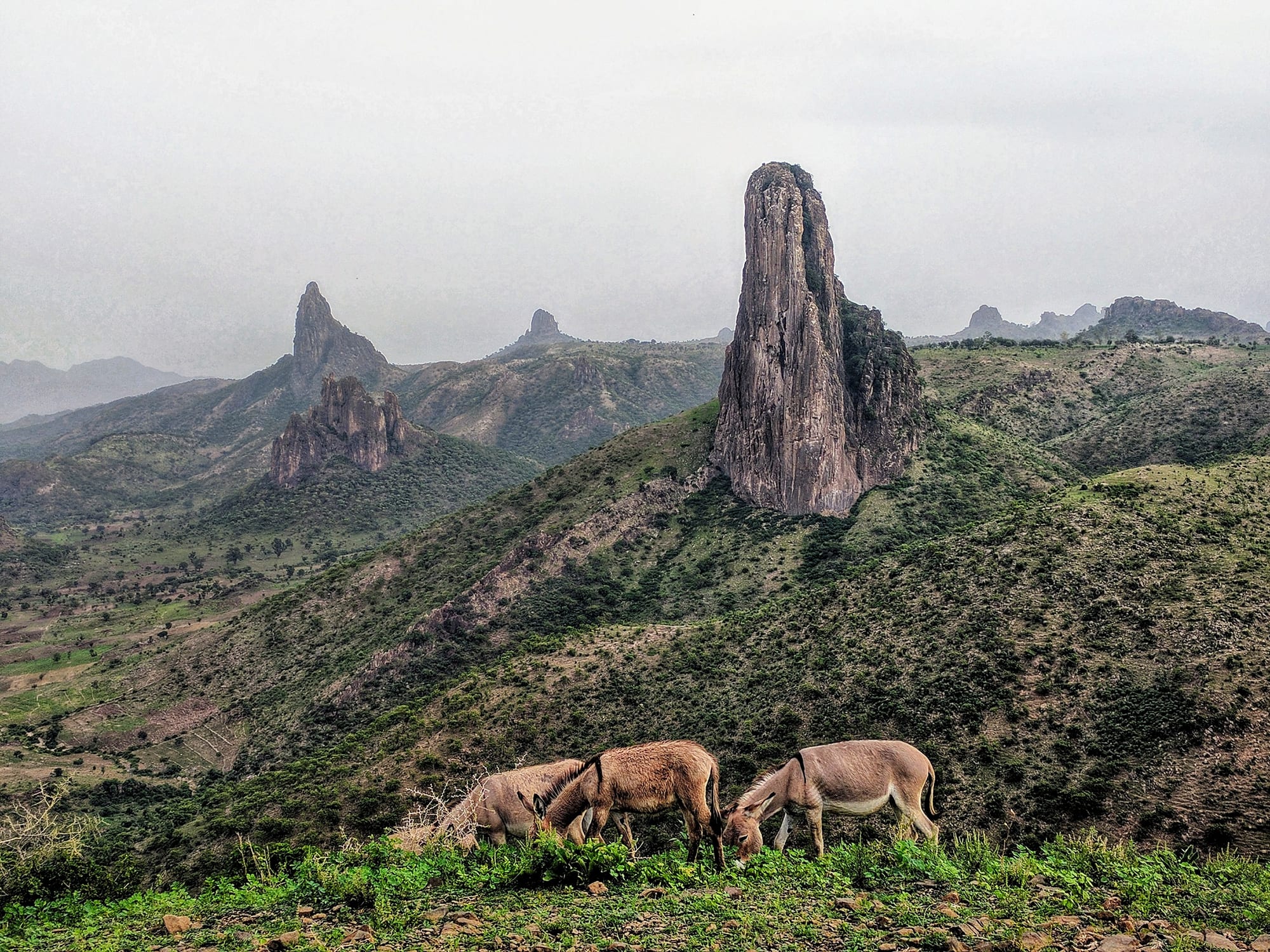
Before the security crisis, the classic Cameroon trip combined the west (Foumban, the Grassfields) with a northern loop: the old Fulani town of Ngaoundéré on its plateau, the Bénoué and Bouba Ndjida national parks (rhino, giant eland, hippo), the pottery villages, and the Mandara mountains. Much of this route is currently inadvisable.
For now, the more secure parts of the country are the deep south (Kribi, the Dja) and, conditions permitting, the immediate area around Yaoundé and Douala.
Cameroon is a genuinely rich destination that is, for the moment, largely on hold because of conflict in the north and the Anglophone regions. Weigh everything here against current, specific security advice.