History · Cameroon
Cameroon: Africa in Miniature
A country stitched together from a German colony split between Britain and France — old kingdoms and sultanates, three colonial rulers, and an anglophone conflict that still burns
By Worldlore Editorial · 10 September 2026
A country of every kind of Africa
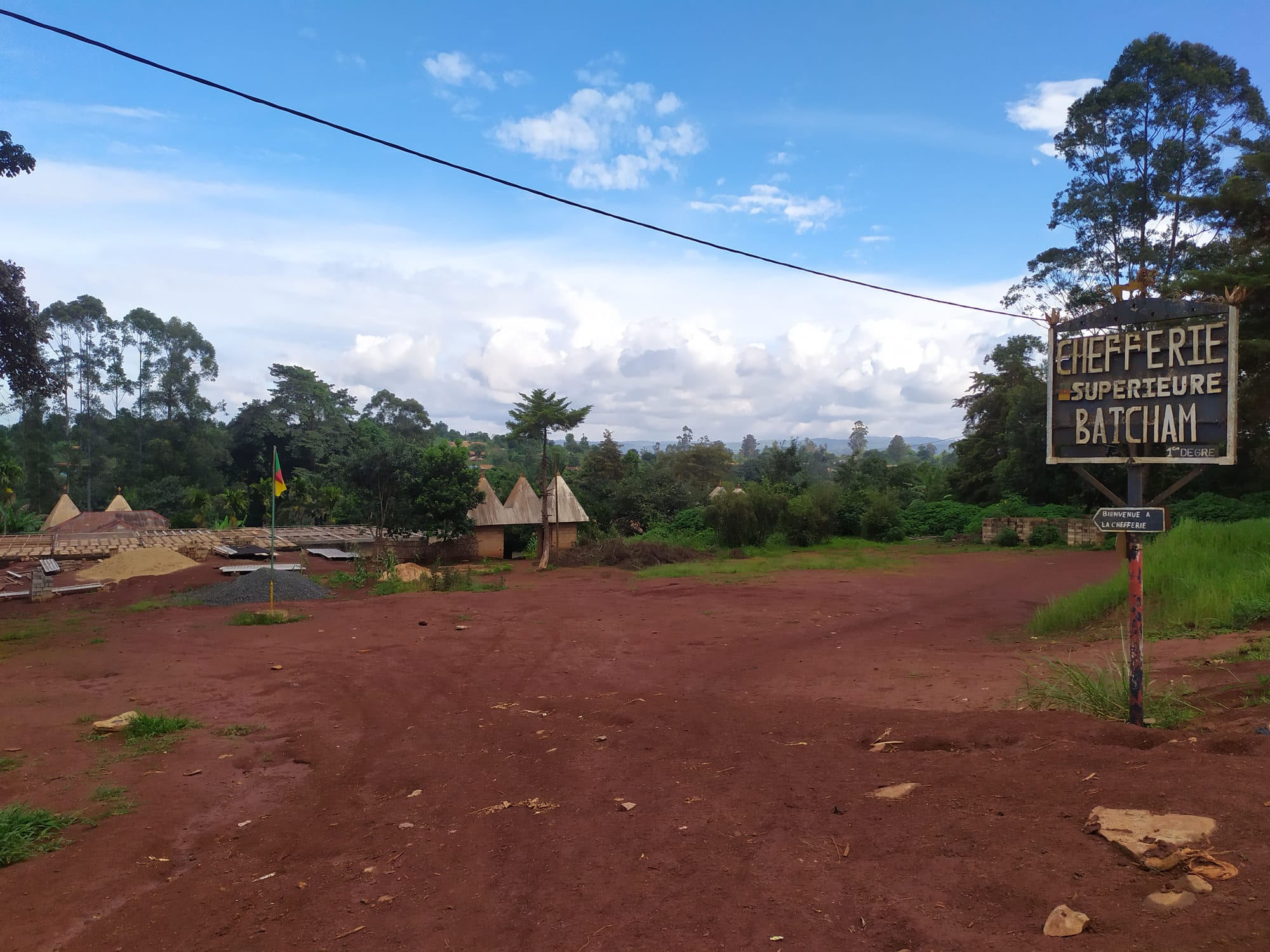
Cameroon is often called "Africa in miniature", and the label fits. In a single country it packs coastal rainforest, an active volcano that is the highest peak in West Africa, cool highlands, a dry savanna plateau, and the edge of the Sahara at Lake Chad — and, on top of that, more than 250 ethnic groups and 250 languages, and two official European tongues. That last fact is the key to modern Cameroon's politics: the country was assembled after the First World War from a German colony that Britain and France cut in two, and the smaller, English-speaking piece has never stopped feeling like an afterthought.
A short history
- to 19th c.
Kingdoms and sultanates
Grassfields kingdoms in the west; the Fulani jihad Islamises much of the north.
- 1884
German Kamerun
Germany signs treaties with the Douala kings and conquers the interior by force.
- 1914
Duala Manga Bell hanged
The Germans execute the Douala king for organising resistance.
- 1916
Partition
Britain and France divide the German colony; France takes four-fifths.
- 1955–1964
The UPC war
France fights a hidden counter-insurgency against the independence movement.
- 1 January 1960
Independence
French Cameroun becomes independent under Ahmadou Ahidjo.
- 1961
Reunification
Part of British Cameroons joins to form a federal Cameroon; the north joins Nigeria.
- 1972
The federation ends
A referendum creates a unitary state, ending anglophone autonomy.
- 1982 onward
Paul Biya
One of the world's longest-serving presidents.
- 2016 onward
The Anglophone crisis
Protests turn into an armed separatist conflict in the two English-speaking regions.
Before the Germans
Precolonial Cameroon held an enormous variety of societies. In the far north, the Fulani jihad that began in Sokoto in the early 19th century spread east, and Fulani emirs conquered and Islamised much of the savanna, ruling over many non-Muslim peoples. In the western Grassfields, a dense cluster of kingdoms and chiefdoms flourished — among them the Bamun kingdom of Foumban, whose Sultan Njoya invented his own writing system and wrote a history of his people, and the many Bamileke fondoms with their carved palaces and powerful societies. On the coast, the Douala were the middlemen of the Atlantic trade, organised in trading houses under kings.
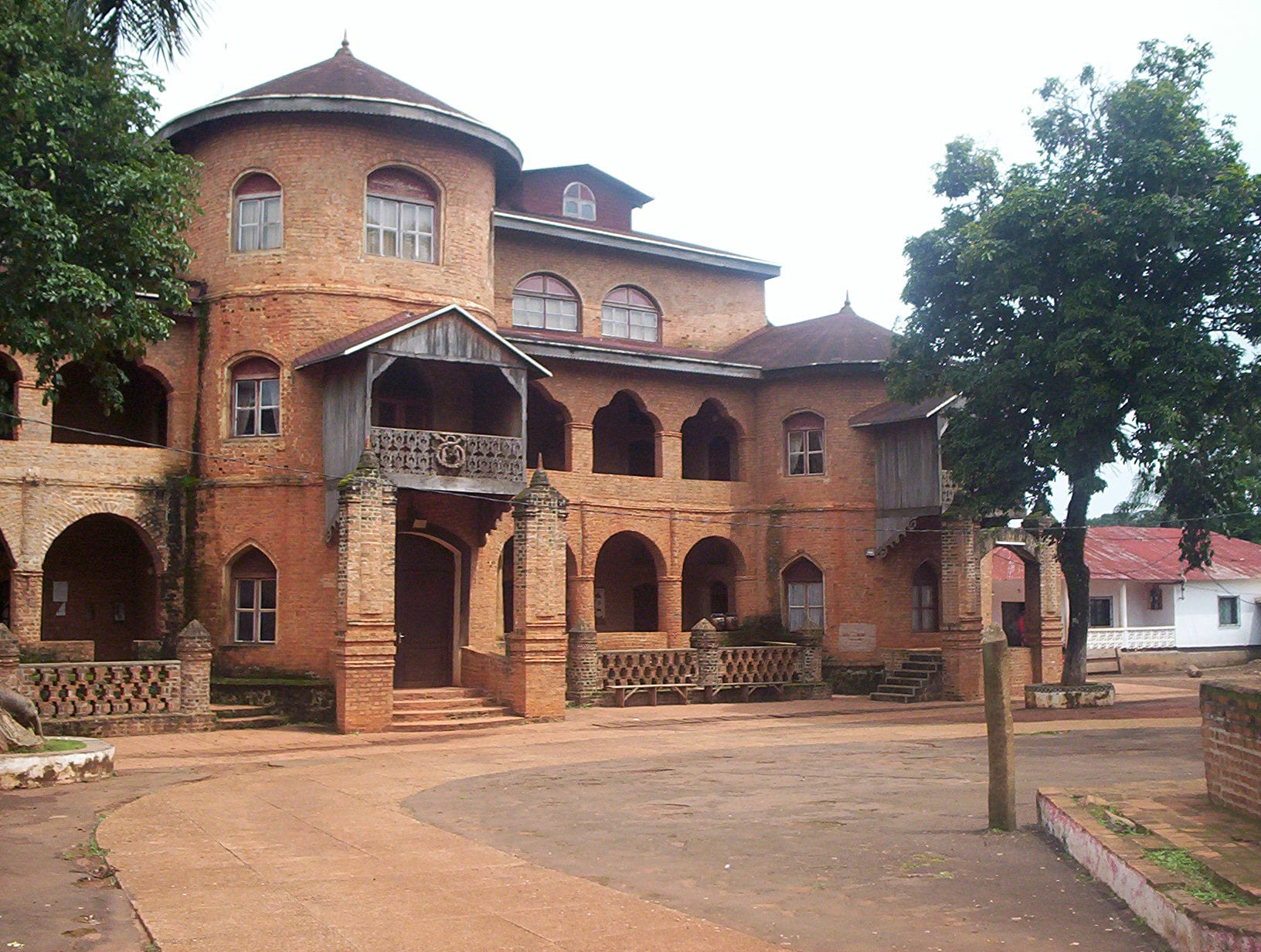
Njoya cooperated with the Germans and then chafed under the French, who deposed and exiled him in 1931; his kingdom, and its neighbours in the Grassfields, kept their institutions through every change of colonial ruler.
German Kamerun
In July 1884 a German envoy signed protection treaties with the Douala kings, days ahead of a British mission, and Germany claimed the coast. It then spent 25 years conquering the interior by force, pushing the boundary far inland — and in 1911 extracting a large slice of French Equatorial Africa in exchange for backing France's claim to Morocco. German rule was harsh: forced labour on the big plantations around Mount Cameroon, floggings, and land seizures. In 1914 the Germans hanged Rudolf Duala Manga Bell, the paramount king of the Douala, for "treason" after he mounted a legal and diplomatic campaign against a plan to take Douala land. He is now a national hero.
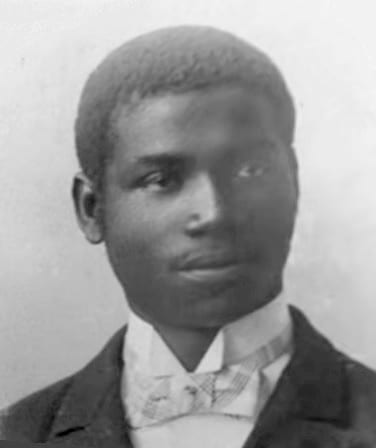
His name is on streets and squares in Cameroon and in Germany, where campaigners have pressed, so far without success, for the courts to annul the conviction.
Two colonies out of one
British and French forces overran German Kamerun in 1914–16, and the powers then divided it. France took about four-fifths — the centre and east, with Douala and Yaoundé — and administered it as a distinct territory. Britain took two thin strips along the Nigerian border and ran them as appendages of Nigeria, which meant neglect and a growing sense among the people of the Southern Cameroons that they were a forgotten margin of someone else's colony. Both parts were League of Nations mandates, then United Nations trust territories.
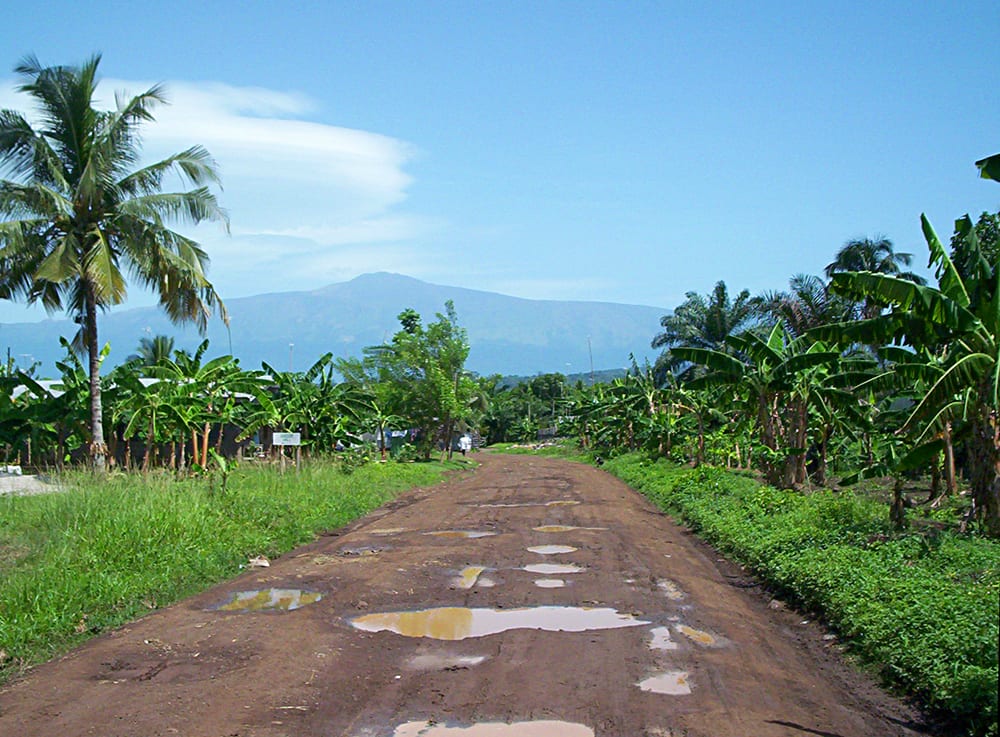
The mountain's flank also holds Lake Nyos, which in 1986 released a cloud of volcanic gas that suffocated around 1,700 people in the valleys below.
The hidden war, and reunification
In French Cameroun, the Union of the Peoples of Cameroon demanded immediate independence and the reunion of the two Cameroons. France banned it in 1955, and it launched a rebellion. The counter-insurgency that followed, fought largely out of international view into the mid-1960s, killed tens of thousands of Cameroonians — especially in the Bamileke region — and its leaders were hunted down: one killed by French troops, another poisoned by French agents in Geneva. France meanwhile promoted a compliant northern politician, Ahmadou Ahidjo, as the man to hand power to.
French Cameroun became independent on 1 January 1960 under Ahidjo. In 1961 a UN plebiscite gave the British Cameroons a choice only between joining Nigeria and joining Cameroon: the north chose Nigeria, the south chose Cameroon, and a federal republic was formed with the anglophone area as a self-governing state. Ahidjo then dismantled that autonomy — a 1972 referendum abolished the federation and created a unitary state — which is the point from which many anglophones date the loss of their institutions.
Biya, and the crisis
Ahidjo resigned in 1982 and handed power to his prime minister, Paul Biya, expecting to keep control. The two fell out, Ahidjo was linked to a failed 1984 coup and driven into exile, and Biya has ruled ever since — restoring the plain name "Republic of Cameroon", surviving the reintroduction of multiparty politics in 1990, removing term limits in 2008, and being re-elected repeatedly amid allegations of fraud.
In late 2016 lawyers and teachers in the two English-speaking regions protested against the appointment of French-speaking officials and, more broadly, against francophone domination. The state responded with force; the movement radicalised; and in 2017 separatists declared an independent "Ambazonia". The armed conflict since — between the army and dozens of separatist militias — has killed thousands, displaced around a million people, and kept a generation of children out of school, while drawing almost no international attention. The Far North, meanwhile, has faced years of attacks from Boko Haram spilling over from Nigeria.
What Cameroon carries
Cameroon's borders are a colonial accident twice over — first the reach of German conquest, then the line Britain and France drew through it — and the country has spent its independent life trying, not always in good faith, to make a single nation out of the result. The Grassfields kingdoms and the northern emirates still function beneath the state; the memory of the hidden war of the 1950s still shapes how Cameroonians read their government; and the unresolved place of the anglophone minority has now become a war.