Culture & Customs · Cambodia
Cambodia: Hands Raised, Voices Low
A Buddhist kingdom where the height of a greeting shows respect, the head is sacred and the feet are not, calm is a virtue, and dance, puppetry and song that nearly vanished have been carried back to life
By Worldlore Editorial · 30 September 2026
A guest arrives at a Cambodian home and slips off their shoes at the door. The host steps forward, palms pressed together at chest height, and bows the head slightly; the guest returns the gesture. Inside, the visitor is offered the best place to sit and something to drink. Later, when an elderly relative joins them, the hands of everyone present rise a little higher. And if a monk were to pass by in his saffron robes, the hands would rise higher still. The greeting, called the sompeah, is a small thing, but it holds a whole social order: a quiet, constant awareness of who stands where, expressed not in words but in the height of a pair of hands.
Faith, identity and values
Cambodia is one of the most thoroughly Buddhist countries in the world. The 2024 census put the Buddhist share of the population at about 96 per cent, overwhelmingly followers of Theravada Buddhism. Muslims, most of them from the Cham minority, make up under 3 per cent by official count, and Christians account for well under 1 per cent. The government officially designates the Buddhist holidays, and pagodas serve as centres of learning as well as worship.
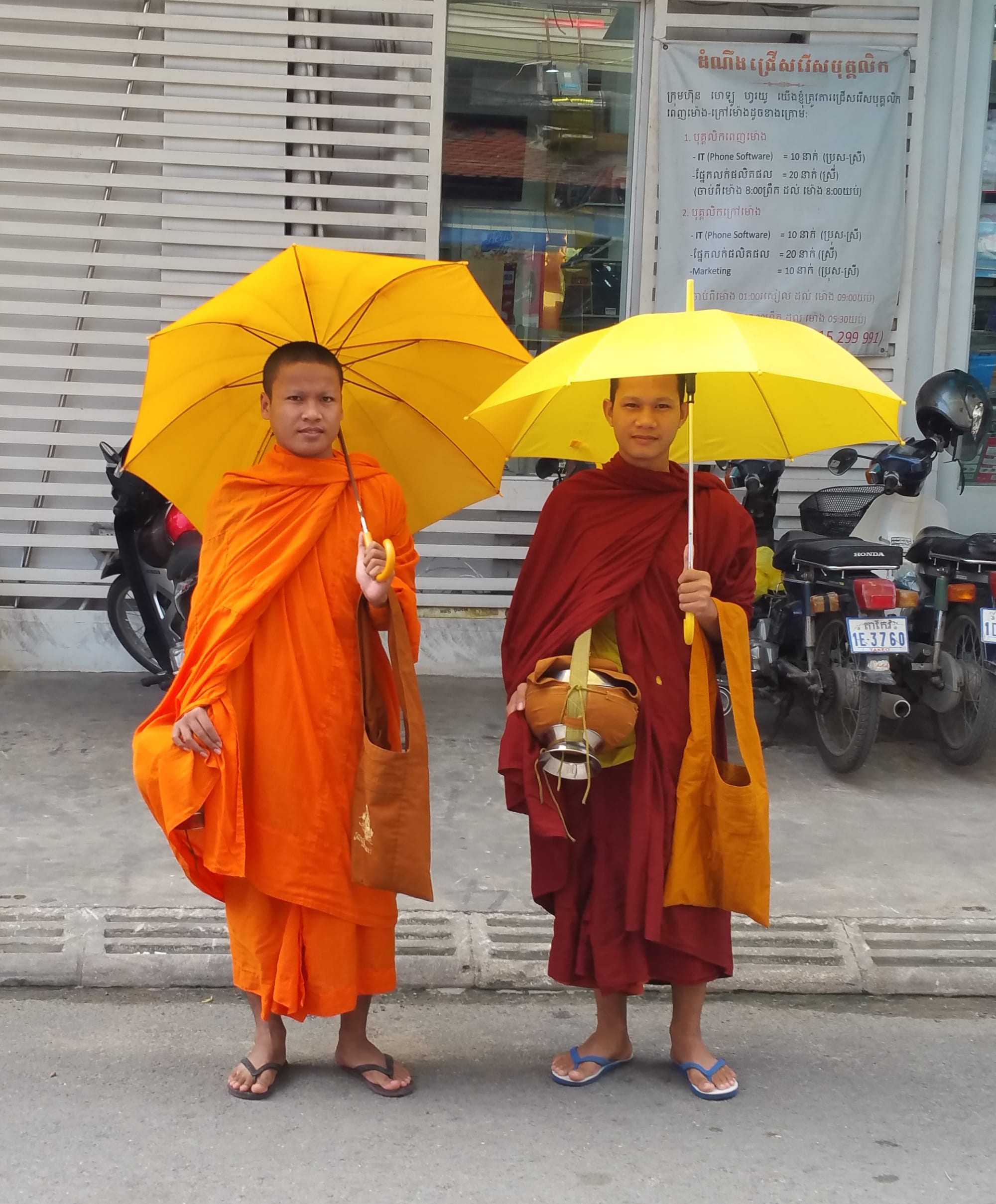
Theravada Buddhists take refuge in the "Triple Gem": the Buddha, his teaching and the monastic community. The Buddha is revered as a teacher rather than worshipped as a god. The pagoda, or vott, is central to community life. Most Cambodians visit their local temple on special holidays and ask monks for blessings at a wedding, a birth or a funeral, and those who cannot reach a temple on an important day often pray at a small Buddhist shrine in or near the home. It is widely felt that men should have the chance of a monk's education for at least a few months, and a son who is ordained is believed to bring merit to his whole family. Alongside Buddhism, older beliefs in guardian spirits, the neak ta, remain part of village life, and some rituals are still held to keep them content.
Buddhist principles such as tolerance, calm and responsibility for one's own actions run deep in everyday values. Cambodians prize hospitality, friendliness, harmony, tolerance, stoicism and modesty. The idea of face is important: people avoid open displays of anger or selfishness, and a great deal of care goes into not embarrassing others. Hierarchy shapes how people sit, walk and speak to one another. Family is the foundation of social life, and everyone is expected to care for and respect their elders. The oldest man is usually regarded as head of the household, but women commonly manage the family finances and children's education.
Greetings and meeting people
The sompeah is the traditional greeting: palms together as if in prayer, with a slight bow of the head. The higher the hands and the lower the bow, the greater the respect, so the hands are raised higher for elders and others of higher standing. Monks receive the highest sompeah of all, whatever their age. It is not needed every time one meets the same acquaintance through the day. Handshakes are increasingly common among younger and educated Cambodians, but they tend to be gentle, and men and women generally do not touch when greeting; a woman may be embarrassed if a man offers his hand.
Forms of address follow family relationships. People are commonly called bong, older sibling, or oun, younger sibling, followed by a shortened first name, and bong is the safe choice when age is uncertain. Older people may be addressed with words meaning grandfather, grandmother, uncle or aunt. In formal settings, Lok is used for a man and Lok Srey for a woman, followed by the first name. A common greeting translates as "where are you going?"; it is a friendly enquiry, much like "how are you?", and a vague answer such as "just down the road" is perfectly polite.
Communication is indirect. A flat refusal is avoided, "yes" may mean only "I am listening", and a smile can signal pleasure, politeness or embarrassment. Pointing with one finger is considered rude, eye contact is often indirect as a mark of respect, and couples avoid displays of affection in public. The Khmer Rouge years touched almost every family, and the subject should not be raised casually.
Hospitality and being a guest
Shoes are removed before entering a home or a temple building. Hosts show honour by offering a guest the best seat and refreshments. Gifts are often wrapped in colourful paper, and white is generally avoided as the colour of mourning; knives are avoided because they suggest a wish to sever the relationship.
The body carries its own etiquette. The head is considered the most important part of the body and should not be touched, even on a child, while the soles of the feet should never be pointed at another person. Items are passed and received with the right hand; using the left hand alone is taboo. Monks are forbidden physical contact with women, so a woman who needs to hand something to a monk usually passes it through a man.
At meals, the eldest person usually begins eating before anyone else. Depending on the food and the setting, people eat with their hands, with chopsticks or with a spoon and fork. When sitting on mats, men typically sit cross-legged while women tuck their legs to one side. Dress is modest, and at temples shoulders and knees should always be covered.
Festivals and life's big moments
The year follows the lunar and Buddhist calendars. Khmer New Year, Chaul Chnam Thmey, falls in mid-April, while the Buddhist festivals follow the moon and shift from year to year. Visak Bochea, marking the Buddha's birth, enlightenment and death, comes in April or May with the full moon, and the monastic rains retreat, Vassa, runs through the wet season. In September or October comes Pchum Ben, the festival of the ancestors, one of the holidays on which families visit their local pagoda. The Water Festival, Bon Om Touk, follows in late October or November, and in May the Royal Ploughing Ceremony is held to forecast the coming harvest. In rice-farming communities, tugging rituals and games are held to ensure abundant harvests and mark the start of the agricultural cycle, a tradition Cambodia shares on UNESCO's list with the Philippines, the Republic of Korea and Viet Nam.
Marriage remains an expectation for most young Cambodians, and parents often play a part in arranging suitable matches, taking account of the prospective partner's family and standing. In the countryside the period of courtship can be very short. Monks' blessings are sought for weddings, births and funerals alike, and for many families these are the moments when the pagoda matters most. White, rather than black, is the colour of mourning. In the past the royal ballet danced at coronations, royal weddings and funerals, and the shadow theatre was reserved for a few great occasions each year, such as Khmer New Year and the King's birthday.
Arts, crafts and music
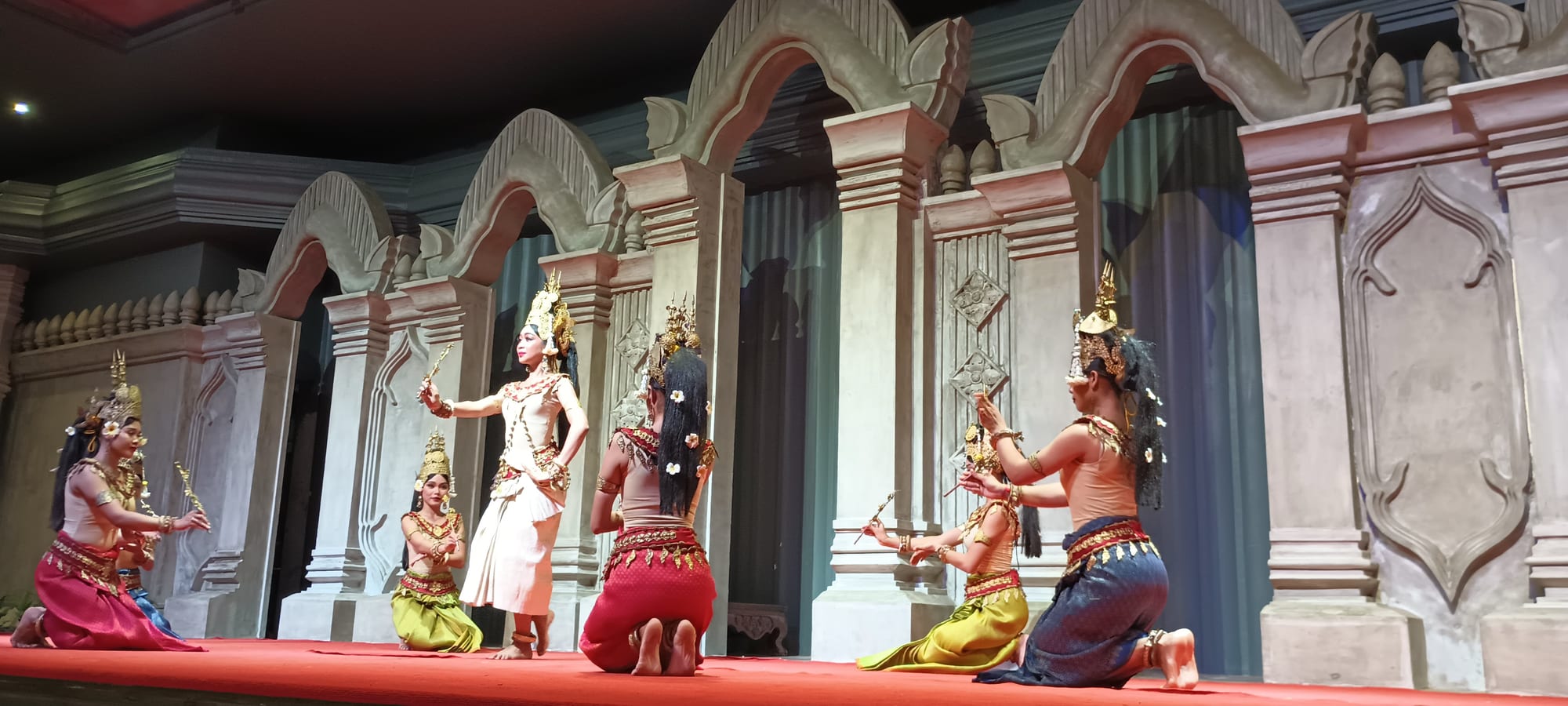
The Royal Ballet of Cambodia is the emblem of Khmer culture. Associated with the royal court for more than a thousand years, its dancers were once regarded as the king's messengers to the gods and the ancestors. Years of training go into its precise hand gestures and poses, which express every emotion from fear and rage to love and joy, and its characters are divided into four types, woman, man, giant and monkey, each with its own colours, costumes, make-up and masks. The Khmer Rouge killed almost all of its master dancers and musicians; after 1979, the surviving artists re-formed troupes and brought the repertoire back to the stage.
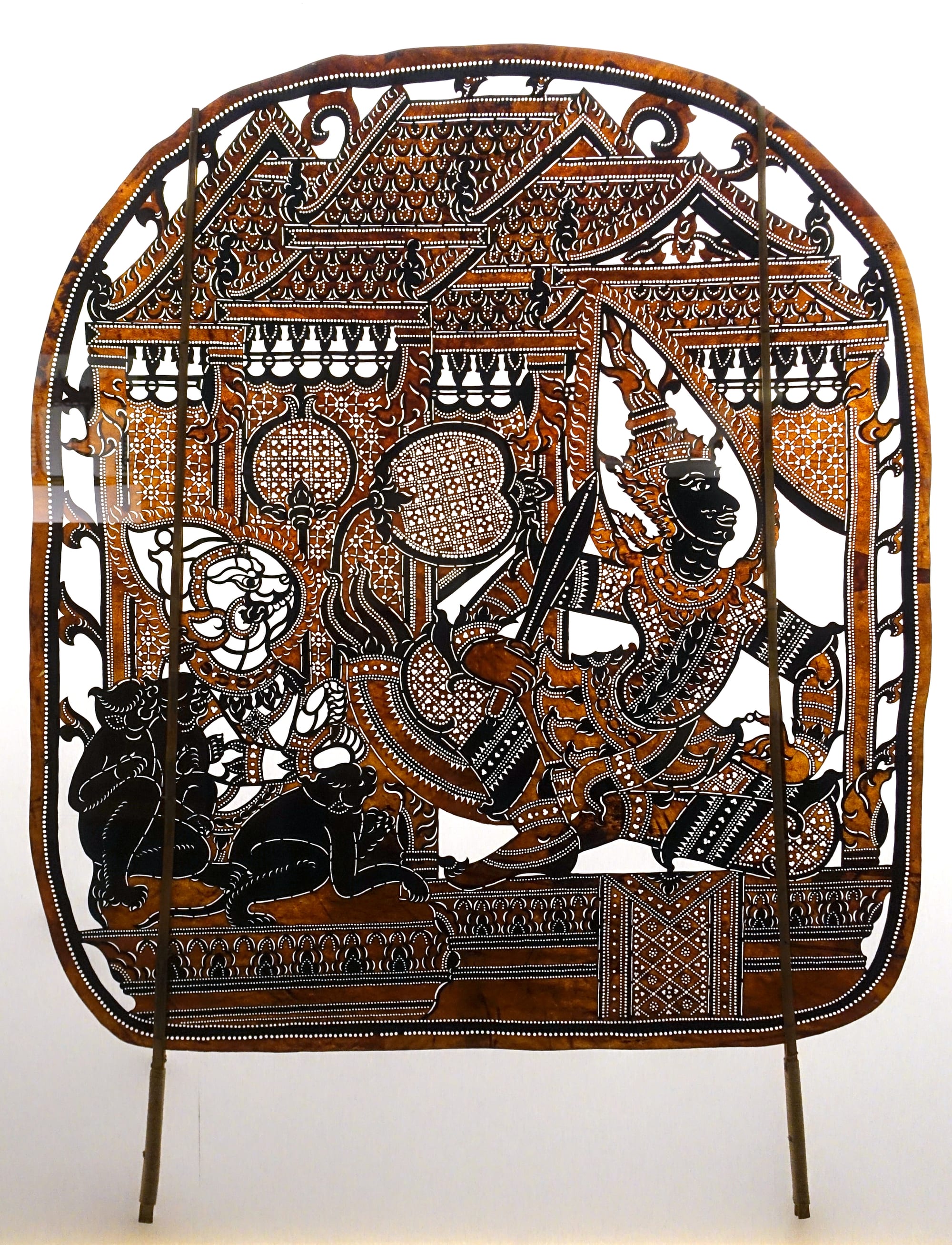
Sbek Thom, the shadow theatre, uses great openwork leather puppets dyed with bark extract and mounted on bamboo sticks, performed with an orchestra and two narrators. Other traditions are in urgent need of protection. Chapei Dang Veng pairs a long-necked lute with sung verse, drawing on wit and improvisation to tell folk tales and Buddhist stories and to offer social commentary and satire. Lkhon Khol, a masked dance drama kept alive by one monastery community, is performed to honour the neak ta, the guardian spirits, and to bring prosperity to the community and its harvests.
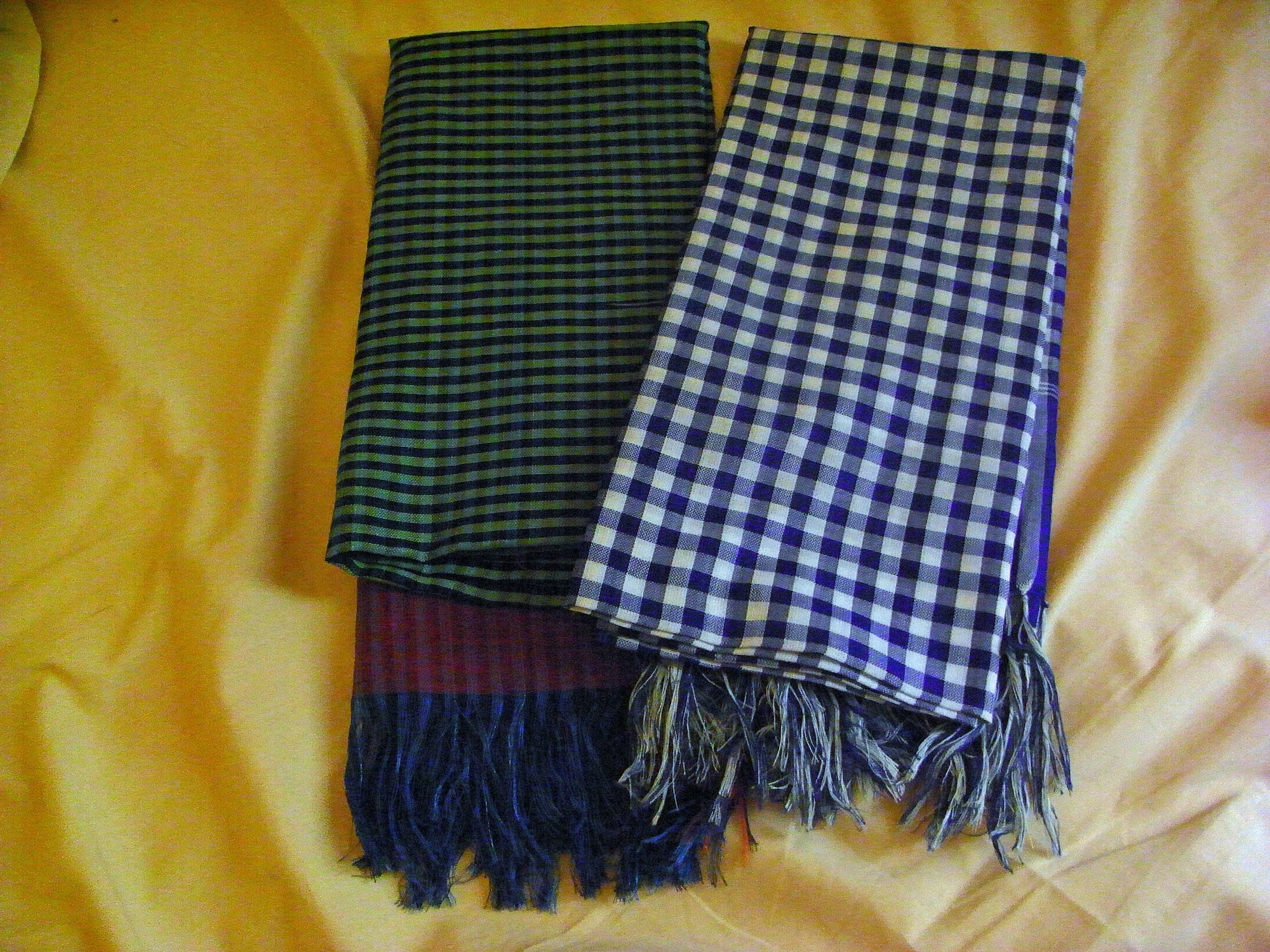
Everyday crafts carry just as much meaning. The krama, a rectangular cloth of cotton or silk woven in a grid pattern on handlooms, and coloured with natural dyes from plants and insects, is worn as a scarf, belt, bandana or lower garment, used as a blanket or a child's hammock, and brought out for rituals and festivals. Women do most of the weaving, while men grow the cotton, gather dye materials and maintain the looms. Kun Lbokator, an ancient martial art that combines self-defence with a philosophy of non-violence and respect for nature, is still practised across Cambodian society and performed at ceremonies honouring local deities.
Dos and don'ts for visitors
- Do check the latest government travel advice before travelling near the Thai border, where the two countries' forces clashed in 2025.
- Do return a sompeah, raising the hands higher for elders and highest of all for monks.
- Do take shoes off before entering homes and temple buildings, and cover shoulders and knees at temples.
- Do pass and receive things with the right hand.
- Do smile and keep the voice calm; open anger causes loss of face for everyone.
- Don't touch anyone's head, point the soles of the feet at people, or point with one finger.
- Don't, as a woman, touch a monk or hand him anything directly; items are passed through a man instead.
- Don't raise the Khmer Rouge years casually in conversation.
What to take away
Cambodian manners are built on calm, respect and an eye for rank, and a visitor who greets with raised hands, keeps a gentle voice and treats monks, elders and sacred things with care will be welcomed with remarkable warmth.