History · Burundi
Burundi: The Kingdom and the Divide
An old monarchy in the hills of Central Africa, a Belgian colony, and an independence overshadowed by cycles of massacre between Hutu and Tutsi
By Worldlore Editorial · 10 September 2026
A small country in the highlands
Burundi is a small, landlocked, intensely hilly country in the African Great Lakes region, on the north-eastern shore of Lake Tanganyika. It is one of the most crowded and one of the poorest countries in the world — roughly 13 million people farming tiny plots on steep ground, with coffee and tea almost the only exports. Its population is divided, on paper, into Hutu, Tutsi and Twa, but all Burundians speak the same language, share the same religion and culture, and lived intermingled across the same hills. The distinction was historically as much about cattle, status and lineage as descent; colonial rule turned it into a fixed racial hierarchy, and post-independence politics turned it into a series of mass killings.
A short history
- 17th–19th c.
The Kingdom of Burundi
A monarchy under a king, or mwami, of the princely Ganwa class.
- 1890s
Germany
Burundi is claimed as part of German East Africa, ruled through the king.
- 1916–1962
Belgian rule
Belgium administers Ruanda-Urundi, hardening Hutu and Tutsi into legal categories.
- 13 October 1961
Rwagasore assassinated
The popular independence leader is murdered two weeks after winning elections.
- 1 July 1962
Independence
Burundi becomes a constitutional monarchy.
- 1966
The republic
The monarchy is abolished; a Tutsi-led military regime takes power.
- 1972
The Ikiza
The army kills 100,000–300,000 Hutu after a failed rebellion.
- 1993–2005
Civil war
The assassination of an elected Hutu president sets off 12 years of war.
- 2015
The crisis
A disputed third-term bid triggers repression and a new exodus.
The kingdom
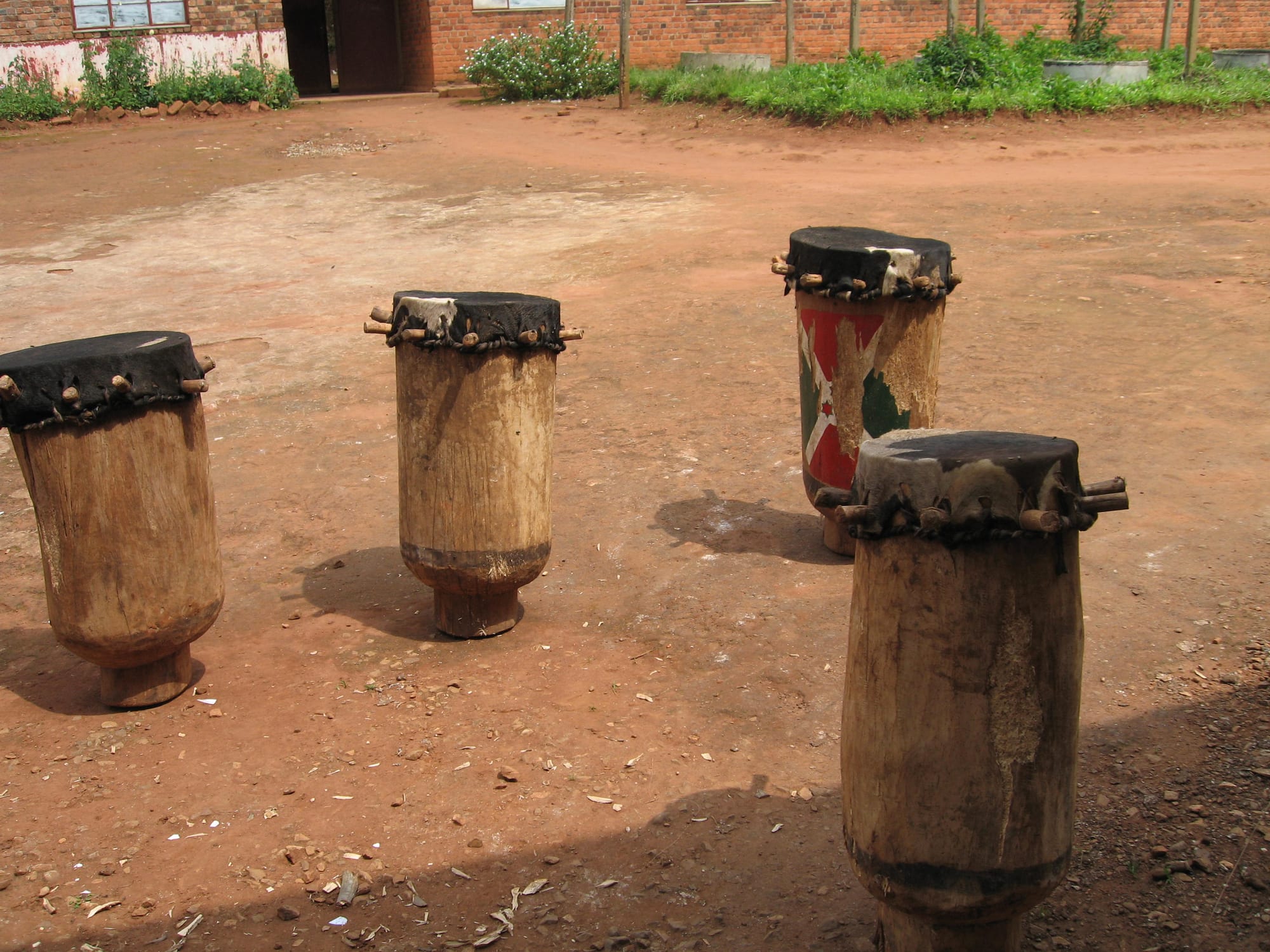
The Kingdom of Burundi took shape over the 17th and 18th centuries and grew into a substantial state ruled by a mwami drawn from the Ganwa, a princely class distinct from both Hutu and Tutsi. Its symbol was the sacred drum, Karyenda, tied to kingship and to the fertility of the land, and kept and beaten only in ritual. Burundi was one of the few African kingdoms to enter the colonial era more or less intact. Its monarchy was looser than neighbouring Rwanda's, and Hutu and Tutsi identities within it were relatively fluid — a Hutu family that acquired cattle and status could, over generations, become Tutsi.
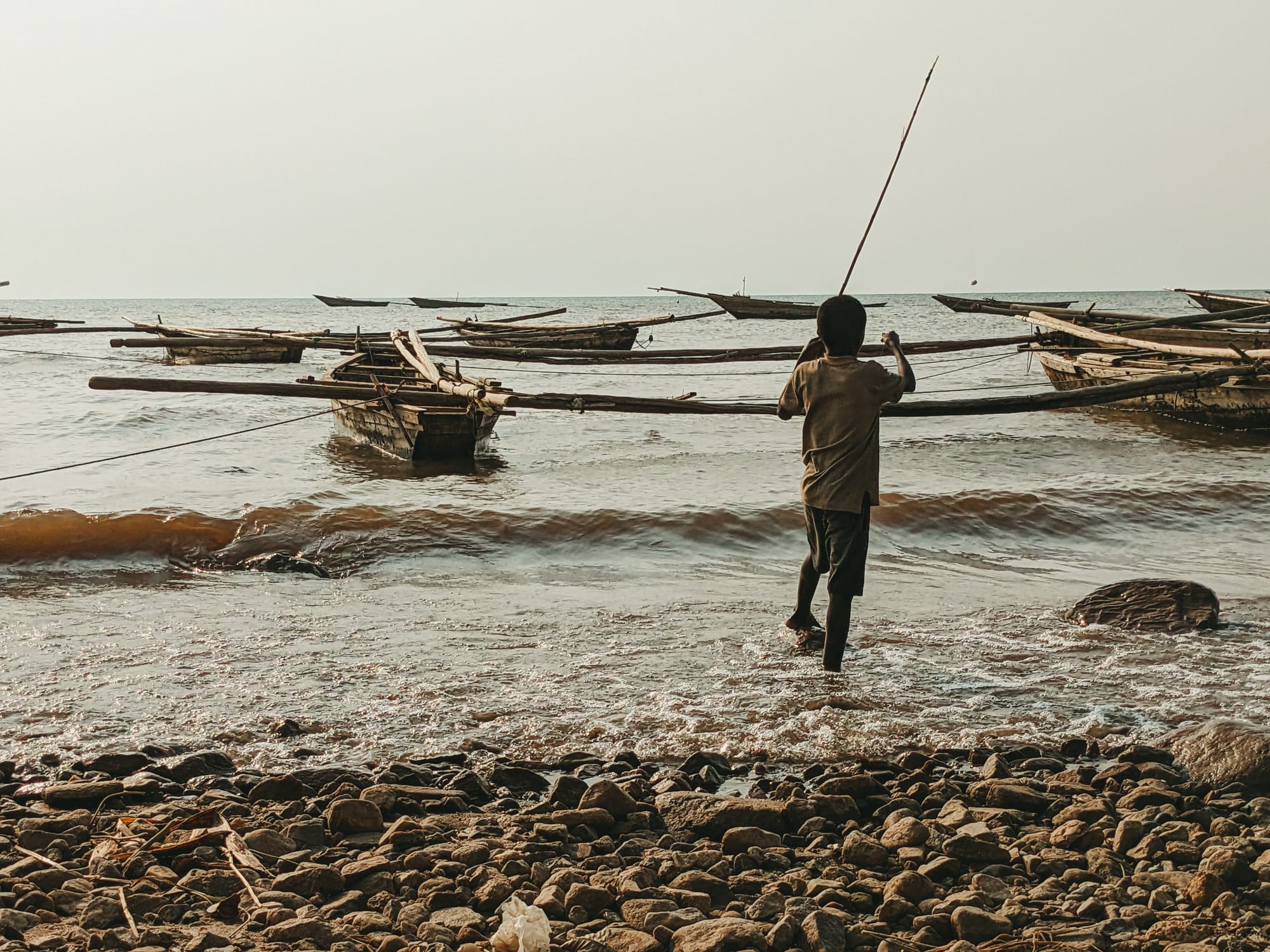
The lake is one of the deepest and oldest in the world, and its fish are a rare source of protein in a country where almost every other scrap of land is farmed by hand.
Colonial rule and a hardened divide
Germany claimed Burundi in the 1890s and ruled lightly, through the king. After the First World War, Belgium took over Ruanda-Urundi as a League of Nations mandate and governed it alongside the Belgian Congo. Belgian rule kept the monarchy but reorganised everything beneath it: it imposed forced labour and compulsory coffee growing, and it issued identity cards that fixed "Hutu", "Tutsi" and "Twa" as hereditary racial categories, favouring Tutsi for schooling and administrative posts. What had been a flexible social distinction became a rigid one, backed by paper.
The assassination that broke the country
Burundi moved toward independence differently from Rwanda, where a Hutu revolution overthrew the Tutsi monarchy. Here the nationalist party, UPRONA, was led by Prince Louis Rwagasore, the mwami's son and a genuinely popular figure across the divide. UPRONA won the 1961 elections — and two weeks later Rwagasore was shot dead by a hired gunman, at the instigation of rival politicians. His death removed the one leader who might have held Burundi together.
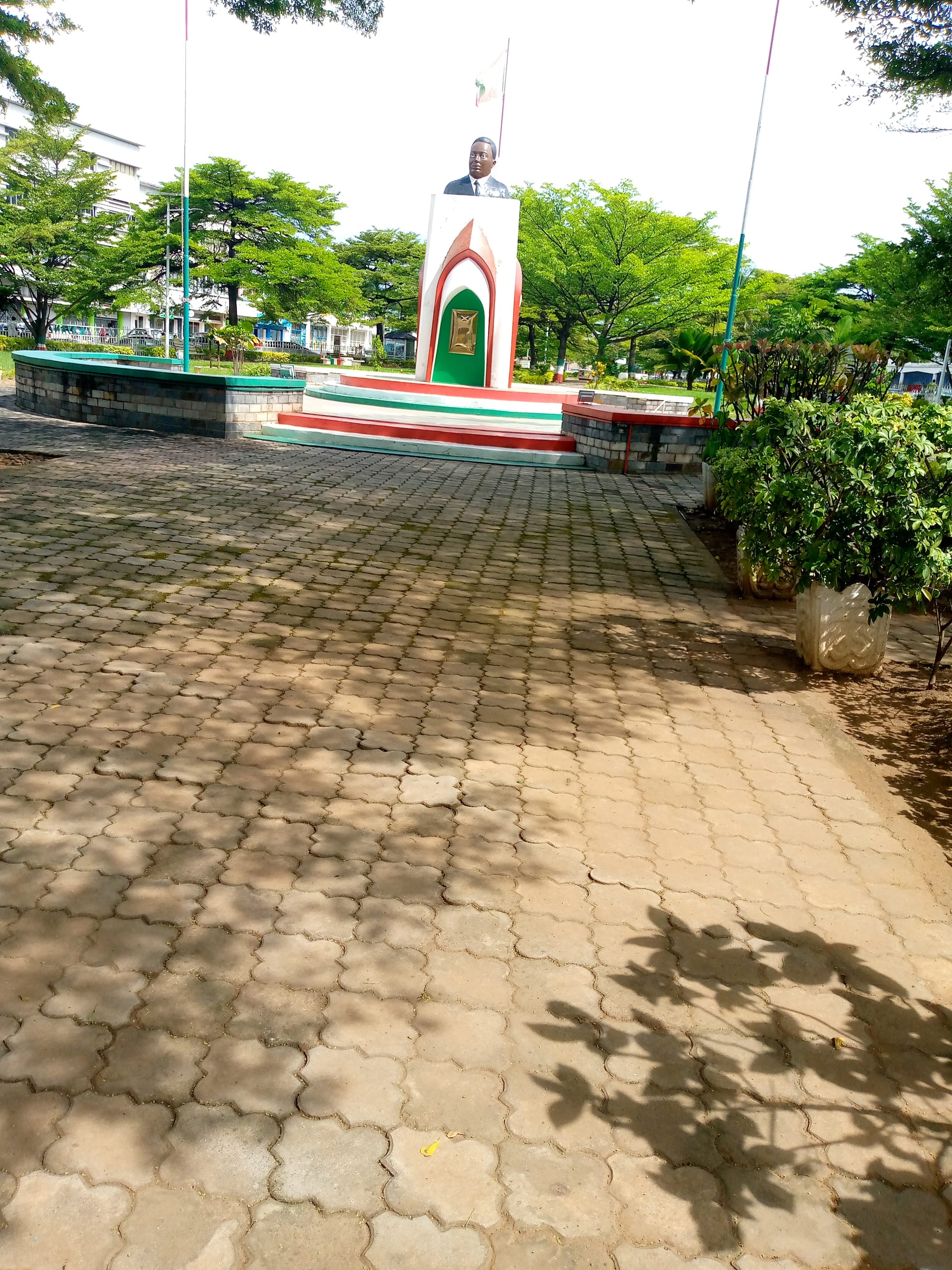
Burundi became independent on 1 July 1962 as a monarchy, but it unravelled fast. A Hutu-led coup attempt in 1965 was crushed and followed by the killing of Hutu politicians. In 1966 the army abolished the monarchy, declared a republic, and installed a Tutsi-dominated military regime.
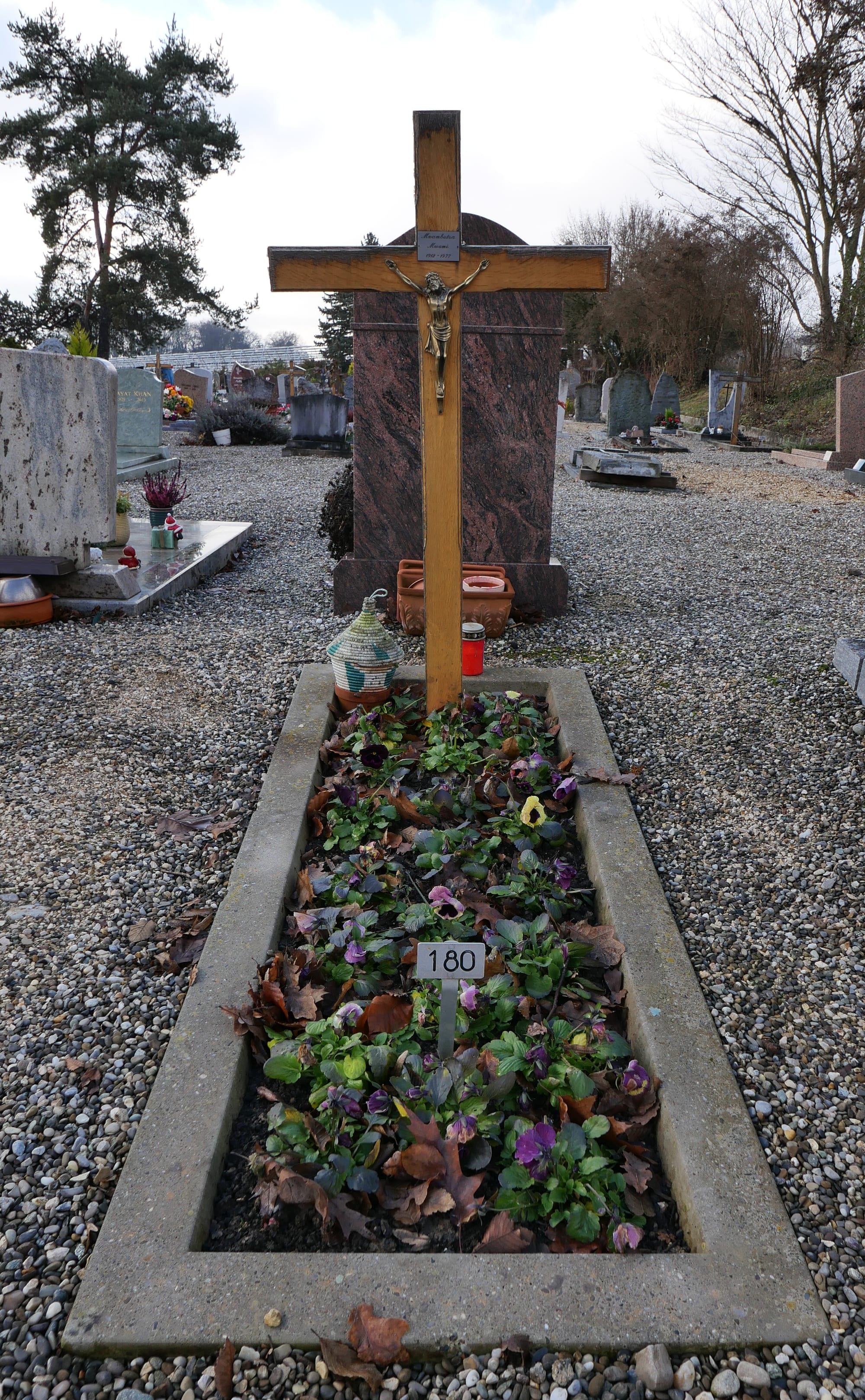
His son Ntare V, who briefly replaced him in 1966, was deposed within months and killed in 1972 — the end of a dynasty that had reigned for some three centuries.
1972, and the cycle of killing
In April 1972 a Hutu-led rebellion in the south killed thousands of Tutsi. The regime's response was a systematic, months-long campaign to kill educated Hutu — students, teachers, civil servants, clergy, anyone with a secondary education or a government job. Somewhere between 100,000 and 300,000 Hutu were killed, and hundreds of thousands fled abroad. Known in Burundi as the Ikiza, "the catastrophe", it is widely classed as a genocide, and it locked Tutsi control of the state, army and economy in place for another 20 years while creating a large, embittered Hutu refugee population.
A further round of mass killing came in 1988. Under pressure, the government of Pierre Buyoya introduced reforms and, in June 1993, held Burundi's first genuinely democratic election. It was won by Melchior Ndadaye, a Hutu — who was assassinated by Tutsi army officers in October, barely three months into his term.
Civil war, and an uneasy peace
Ndadaye's murder set off Hutu massacres of Tutsi and army reprisals against Hutu — tens of thousands dead within weeks — and a civil war that lasted about 12 years, between the Tutsi-dominated army and Hutu rebel movements. Around 300,000 people were killed. A regional peace process, led by Nelson Mandela, produced the Arusha Agreement of 2000: a 50-50 Hutu-Tutsi army, ethnic quotas throughout government, and power-sharing. The main rebel group, the CNDD-FDD, won elections in 2005, and its leader Pierre Nkurunziza became president. For a decade the formula held, and the ethnic question was largely contained.
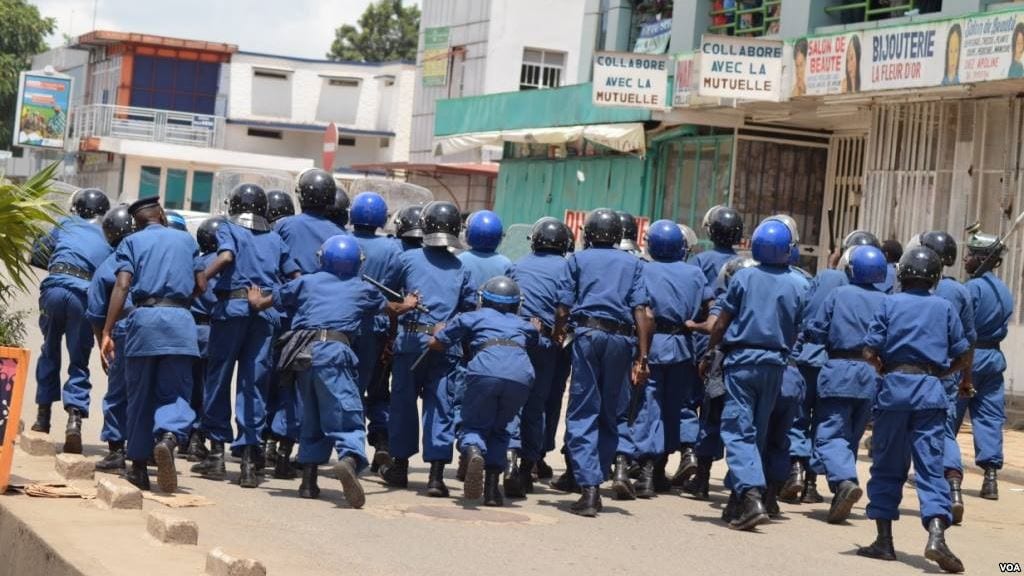
The peace frayed in 2015, when Nkurunziza sought a third term that the opposition said the constitution and the Arusha deal forbade. Protests were crushed, a coup attempt failed, and the repression that followed — killings, disappearances, the closure of independent media, and a fresh wave of refugees — pushed Burundi back into authoritarian one-party rule, now dominated by the mostly Hutu ruling party and its youth militia. Nkurunziza died suddenly in 2020; his successor has kept the system in place.
What Burundi carries
Burundi entered the modern era with something Rwanda did not fully have — a monarchy that stood above the Hutu-Tutsi line, and, in Rwagasore, a leader who crossed it. Both were gone within four years of independence, and the country then spent half a century in a cycle of massacre and counter-massacre that the Arusha power-sharing formula finally interrupted. It remains one of the poorest and most tightly governed countries in the world, its politics still built around a divide that its own people's shared language and culture never really matched.