Culture & Customs · Burundi
Burundi: May You Have Herds
A greeting that wishes a neighbour cattle, a strongly Christian faith laid over belief in Imana, handshakes that linger, and drums that once stood for the kingdom itself
By Worldlore Editorial · 30 September 2026
Two neighbours meet on a hillside path. They shake hands, and then keep holding on, talking for a minute or more with their hands still joined. The greeting that passes between them, amashyo, means "may you have herds of cattle", and it carries more than good manners. In Burundi, cattle have long stood for wealth and well-being, and to wish someone herds is to wish them everything a good life can hold. The gesture, the words and the unhurried closeness of the exchange capture much of what the culture values: courtesy, respect for others and a deep-rooted sense that wealth is measured in more than money.
Faith, identity and values
Burundi is overwhelmingly Christian. In the 2008 census, 62 per cent of the population identified as Roman Catholic, around 22 per cent as Protestant and just over 2 per cent as Seventh-day Adventist, while nearly 4 per cent followed Indigenous religions and 6 per cent had no religious affiliation. Muslims were recorded at 2.5 per cent, living mainly in the towns, though both Christian and Muslim groups believe the true figure is considerably higher, perhaps 12 to 15 per cent. Churches are central to community life, and the religious landscape is crowded: government figures for 2022 counted some 16,000 registered religious groups, most of them small independent congregations gathered around a single leader.
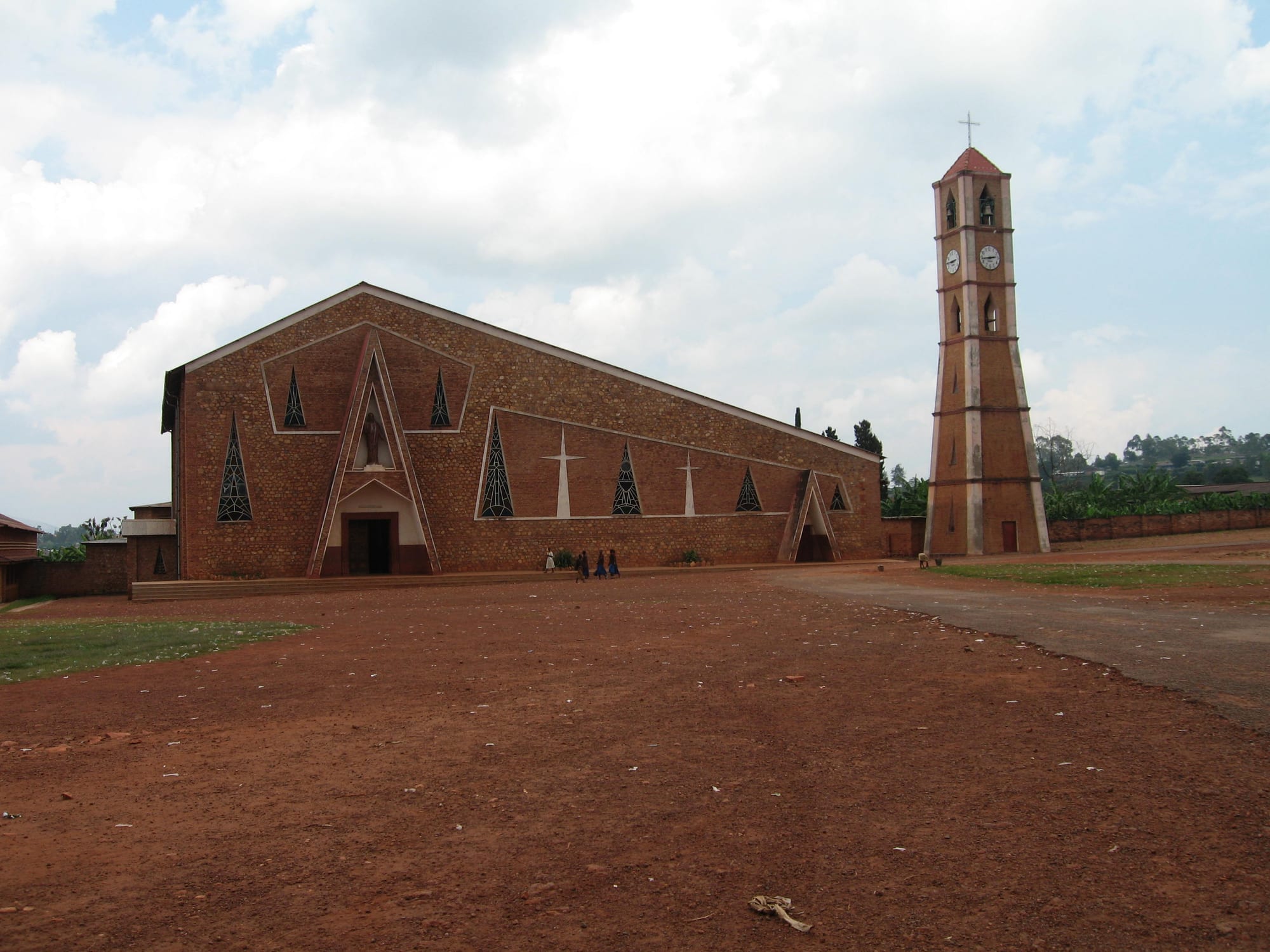
Older beliefs run beneath the Christian surface. Traditional religion centres on Imana, the source of all life and goodness, and holds dead ancestors in great respect. Diviners are believed to have a special connection with the spirit world and may be consulted as go-betweens. In traditional belief, the dead become imizimu, spirits who keep up a relationship with the living. Christianisation pushed the formal veneration of the ancestors out of public view, but many Burundians are said to keep up some of these practices quietly, combining them with Christian faith.
Cattle sit at the heart of the country's symbolism, and owning a large herd has traditionally been the mark of a wealthy family. Customs grew up around them: milk was not to be heated or boiled, nor drunk on the same day as peas or peanuts, and when a cow died the family ate its meat and planted its horns in the soil near the house to bring good luck. Drums, too, are symbols of power and status, and the ceremonial spear is the emblem of inheritance, which traditionally passes down the male line. Family ties are very strong, and extended families often live close together.
Greetings and meeting people
Handshakes matter, and their form varies. One common version involves touching the left hand to the other person's elbow while shaking with the right. People stand close together while they talk and often go on holding hands for several minutes after the handshake, a sign of friendliness that visitors from more reserved cultures sometimes find unexpected.
The cattle greeting amashyo remains the classic form of good wishes, wishing the other person herds and, with them, prosperity. It belongs to Kirundi, the national language, in which greetings and blessings are exchanged. Elders are greeted with particular deference, and a visitor who takes time over greetings rather than hurrying to business is showing the kind of courtesy that is valued everywhere in the country.
Hospitality and being a guest
Hospitality is taken seriously, and food and drink are central to any visit or gathering. It is considered rude to turn down food or drink when it is offered, so a guest who cannot manage much is better off accepting a little than refusing outright.
Beer holds a special place in social life. Traditional home-brewed beers, made from bananas or sorghum, are consumed at all important occasions, including the negotiations between two families before a marriage and the ceremony that ends a period of mourning, and are traditionally drunk through straws. Since refusing a drink is considered impolite, taking at least a little is the gracious response when beer is offered.
Hospitality also flows towards those in trouble. When a family is bereaved, neighbours and friends arrive bringing food, money and firewood to support the grieving household through the days of mourning.
Festivals and life's big moments
The traditional calendar followed the farming year, and its great event was Umuganuro, the royal festival of sorghum and seed. People from all over the country gathered at the royal court, drums were played, and the king blessed the people and opened the new season of cultivation. It was held at the end of the year, in the season now given over to Christmas and New Year. Colonial authorities suppressed it in the late 1920s; it returned in diminished form in the late 1950s and continued as a royal ceremony until the monarchy was abolished in the 1960s. It is not among today's public holidays, and Christmas is now the largest celebration of the year. Another traditional festival, Kubandwa, celebrated the grain harvest and paid homage to Kiranga, the spirit who leads all the ancestors.
Today Christian feasts shape much of the year, alongside national occasions such as Independence Day on 1 July, one of the celebrations at which the royal drum is performed.
Marriage is a matter for two families. The groom's family gives bridewealth to the bride's family; traditionally it consisted of cattle, goats and hoes, and today it can include cash, clothing and furniture. Beer is shared during the negotiations, and on the wedding day the bride leaves her parents' home for the festivities at her husband's. By tradition her own parents do not attend the ceremony.
A child's naming is a major family event. In the ceremony known as kuvamukiriri, the paternal grandfather gives the child a proper name, a clan name and one or two nicknames.
Death brings the whole community together. News of a death spreads at once, and traditionally the burial took place the same day, the dead man laid resting on his right arm, a symbol of strength and protection, and a woman on her left. The immediate family then observes a period of strict mourning: no work in the fields, no meat, no sexual relations, and heads shaved as a sign of grief. As the visitors gather, family members share memories of the dead, and any outstanding debts or claims are traditionally declared openly so that nothing is left unsettled. After seven days for a man, and five for a woman or child, comes kuganduka, the partial lifting of mourning, marked by drinking umubira, a sorghum beer, after which normal life resumes. Full mourning ends a year after the death.
Arts, crafts and music
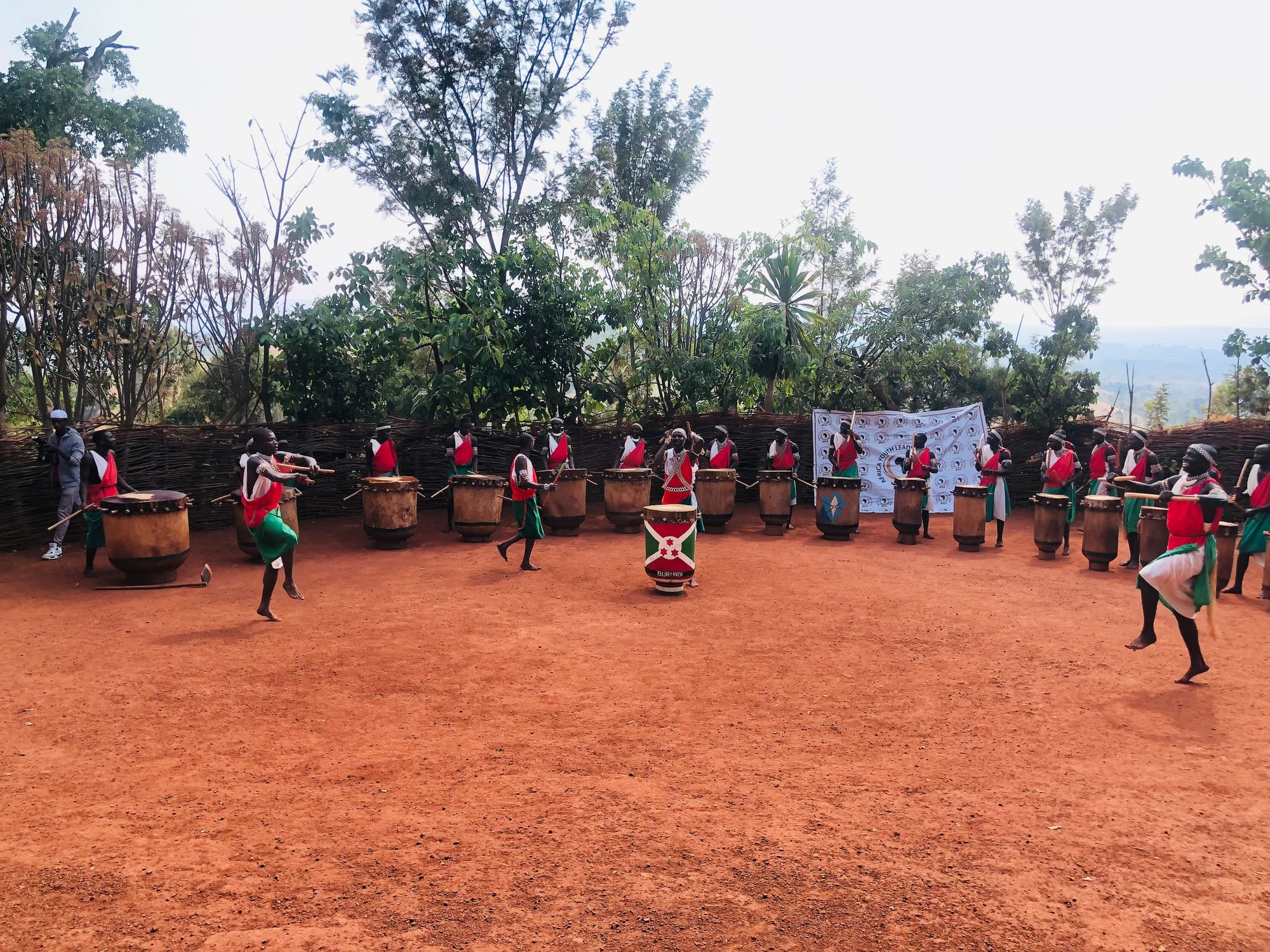
The drum is the country's great art form, and its symbol above all others. In the ritual dance of the royal drum, which is on UNESCO's list of intangible cultural heritage, a dozen or more drummers keep up a continuous rhythm while others follow the beat of the central drum, and two or three performers break away to dance in front, with heroic poetry and traditional songs woven in. The drumming is said to awaken the spirits of the ancestors and drive away evil ones. It is performed at national and local feasts and to welcome important visitors, and it brings together people of different generations and backgrounds in a show of unity. Knowledge is passed on through practice and formal teaching, and many drummers are descendants of the guardians of the drum sanctuaries. Making the drums is a specialist skill in its own right.
The drum has always been surrounded by rules. Under the monarchy only certain lineages were entitled to play the royal drums, and women were forbidden to touch them. Karyenda, the drum that embodied the kingship, was the most sacred of all, and the king was said to interpret its beats into rules for the kingdom. The state has since taken on the role of protector. In 2014 the authorities announced that commercial exploitation of the drums would be banned and that they would no longer be played whenever drummers wished, and a presidential decree in 2017 went further. It forbade women from beating the drums, while allowing them to perform the women's dances that accompany them, and required drumming groups to register with the Ministry of Culture and to obtain authorisation, and pay a fee, before performing outside official ceremonies. The drums had long accompanied family occasions such as weddings and baptisms, and the decree drew criticism at home for taking them out of ordinary people's hands. Even so, the drum remains the country's most distinctive cultural symbol, and drum festivals continue to be held.
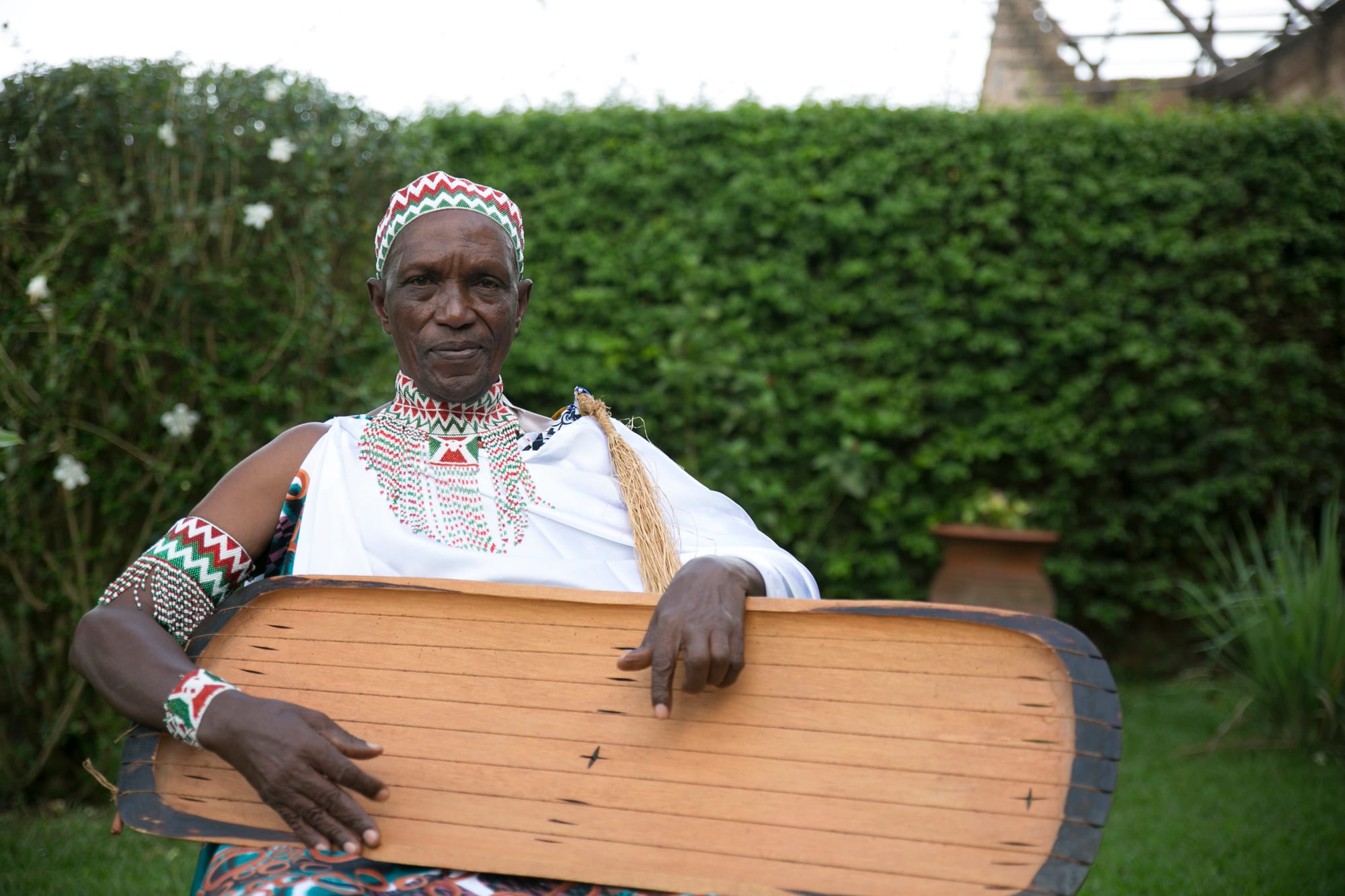
Quieter instruments carry a rich tradition of song. The inanga has six to eight strings stretched over a hollow wooden bowl and accompanies sung poetry and storytelling; the idono is a musical bow, and the ikembe a thumb piano. Dance is an integral part of the culture. The intore dances once expressed the joy of victory, their costumes full of martial symbolism, from headdresses recalling camouflage grass to ankle bells meant to frighten an enemy. One form, performed by highly trained men in elaborate costume with spectacular leaps, has gained international attention through troupes performing abroad.
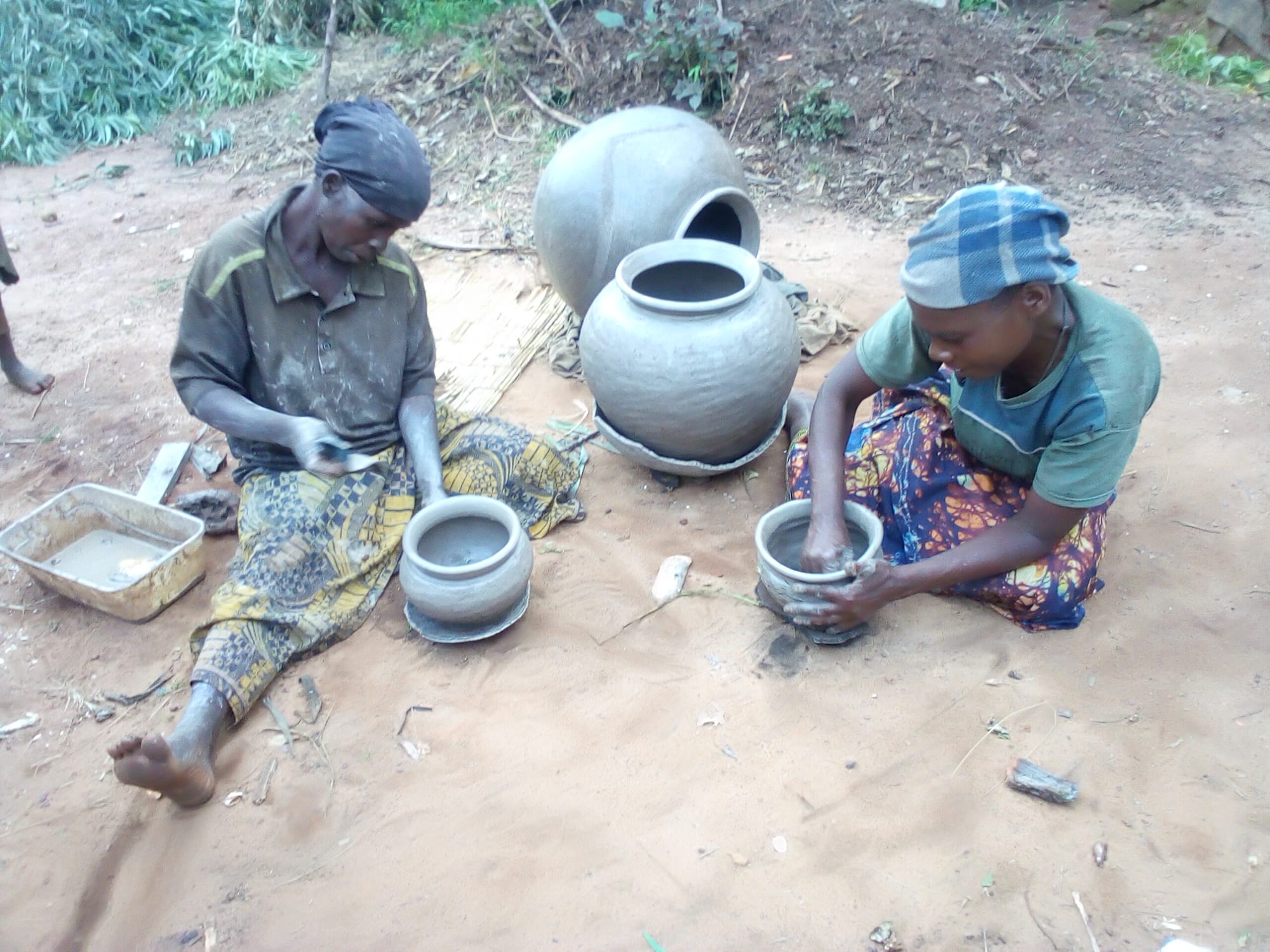
Crafts are practical and beautiful. Baskets are traditionally woven by women from natural fibres and decorated with elaborate patterns in mud dyes. The Twa are famous for pottery, a long-standing tradition, and clay pots are still shaped by hand.
Dos and don'ts for visitors
- Do check the latest government travel advice before any trip; several governments advise against non-essential travel, and armed groups operate across the western border with the DR Congo.
- Do greet people properly and return a lingering handshake; holding hands during conversation is a sign of friendliness.
- Do show particular respect to elders.
- Do accept at least a little of any food or drink offered, including beer shared through a straw, since refusing outright is considered rude.
- Do bring food or another practical contribution if visiting a bereaved family, as neighbours and friends traditionally do.
- Don't expect to hire drummers or join a drumming group casually; under a 2017 decree, performances outside official ceremonies need government authorisation.
- Don't photograph government buildings, the airport, soldiers or police, and ask before photographing people or ceremonies.
- Don't pull away from people standing close in conversation; closeness is normal.
What to take away
Burundi's customs turn on respect, patience and the bonds between people, and a visitor who greets warmly, accepts hospitality graciously and wishes others well will be met in the same spirit.