Food · Burundi
Burundi: Food and the National Dish
Beans and plantain as the everyday meal in a country said to eat more beans per person than almost anywhere else, fish from one of Africa's great lakes, and banana beer with a ceremonial role
By Worldlore Editorial · 16 September 2026
A small, densely farmed country built on beans
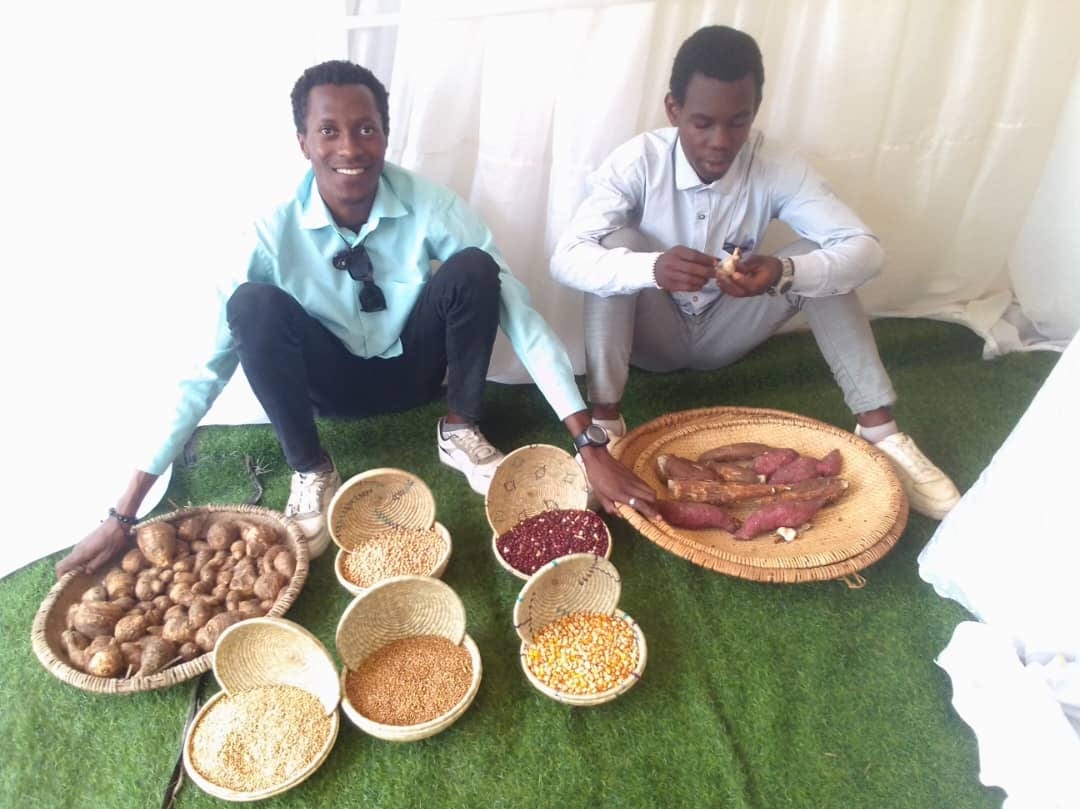
Burundi is one of the most densely populated countries in Africa, and its food reflects intense, small-scale subsistence farming rather than large commercial agriculture: beans, plantain, cassava, sweet potato and maize carry most meals, with meat and fish appearing as an addition rather than a daily given for much of the population. Burundi is often cited as eating more beans per person than almost any other country in the world, and that shows in how central beans are to the everyday plate.
The everyday dish: beans and plantain
Ibiharage n'itoke — beans cooked down with vegetables and served with boiled or mashed plantain — is the combination most Burundians actually eat most often, alongside ubugali, a stiff porridge made from cassava, corn or sorghum flour that stands in for bread or rice. There isn't one single codified "national dish" in the way some countries have, but this bean-and-starch pairing comes closest to describing how Burundi actually eats day to day.
Dishes to know
Five more to recognise in Burundi:
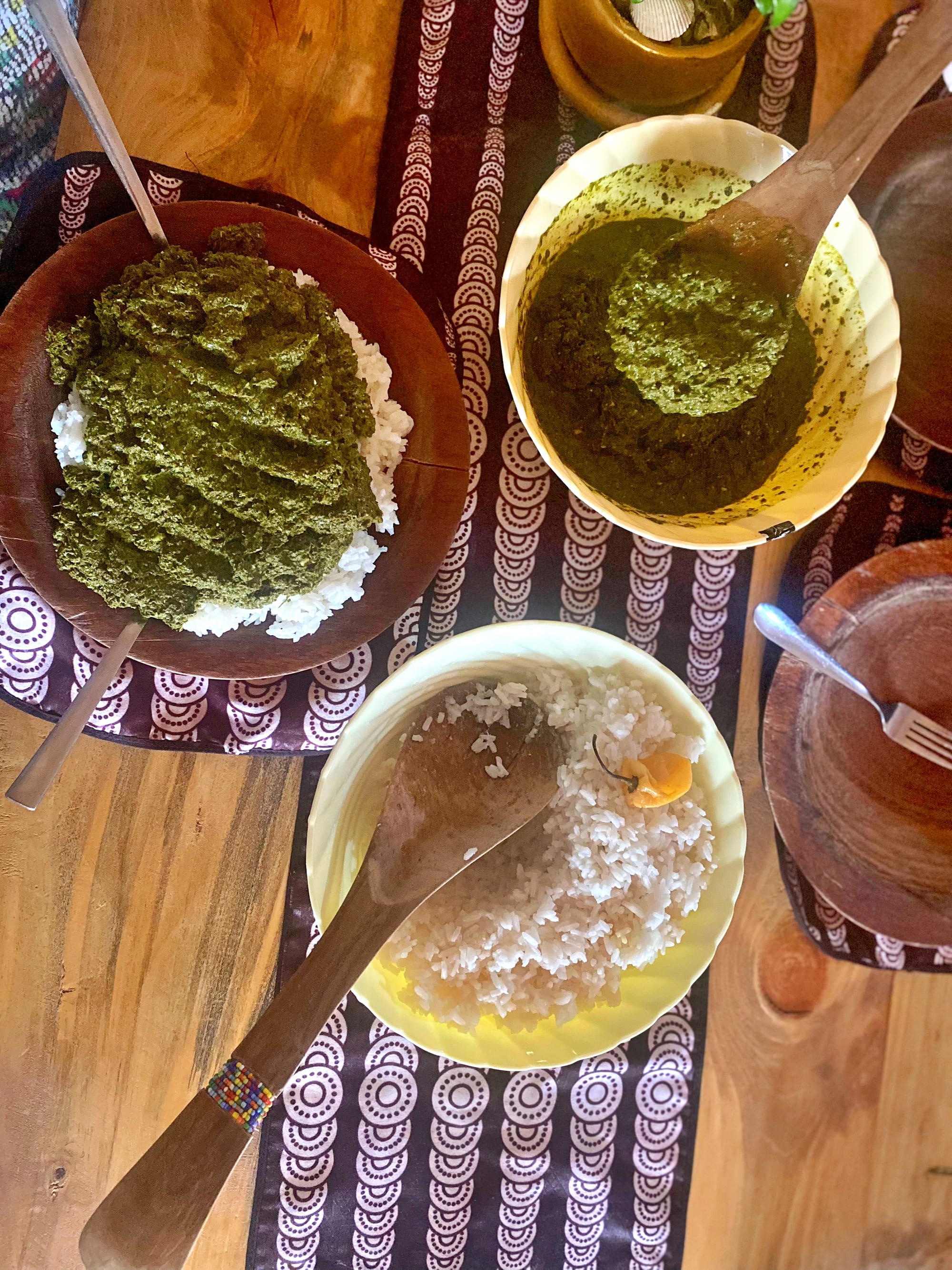
- Isombe — pounded cassava leaves cooked down with oil and often peanut or
small dried fish, a dish shared with neighbouring Rwanda and the Democratic Republic of the Congo across the wider Great Lakes region.
- Ndagala — small dried sardine-like fish from Lake Tanganyika, fried or
added to stews, a major everyday protein source for communities along the lake.
- Brochettes de chèvre — grilled goat skewers, popular bar and street food.
- Akabenz — fried or roasted pork, sold by weight from street vendors in
Bujumbura.
- Sweet potato and cassava root — boiled or roasted, filling in for rice or
plantain depending on what's in season.
Drinks
Primus, brewed locally, is Burundi's dominant commercial beer and the standard accompaniment to brochettes at a bar. Urwarwa (banana beer) and ikigage (sorghum beer) are the traditional, often home-brewed alternatives, both carrying more social and ceremonial weight than a bottled beer would.
Eating as a traveller
Vegetarians can rely on beans, plantain, sweet potato and isombe, all common and meat-free by default in their simplest forms. Tap water is not safe to drink in most of the country; stick to bottled or boiled water. Burundi has limited tourism infrastructure outside Bujumbura, so eating what is actually cooked locally, rather than seeking out restaurant fare, is often the most realistic and rewarding way to experience the food.
What to take from the table
A plate of beans and plantain, or ubugali with isombe, is the honest everyday answer to what Burundi eats — a diet built on what a small, crowded, hard-farmed country can reliably grow.