Daily Life · Burundi
Burundi: Farmed Hill by Hill
One of the most densely populated and poorest countries on earth, where nine in ten people farm a plot smaller than a football pitch, and the rains, not the clock, set the pace of the year
By Worldlore Editorial · 30 September 2026
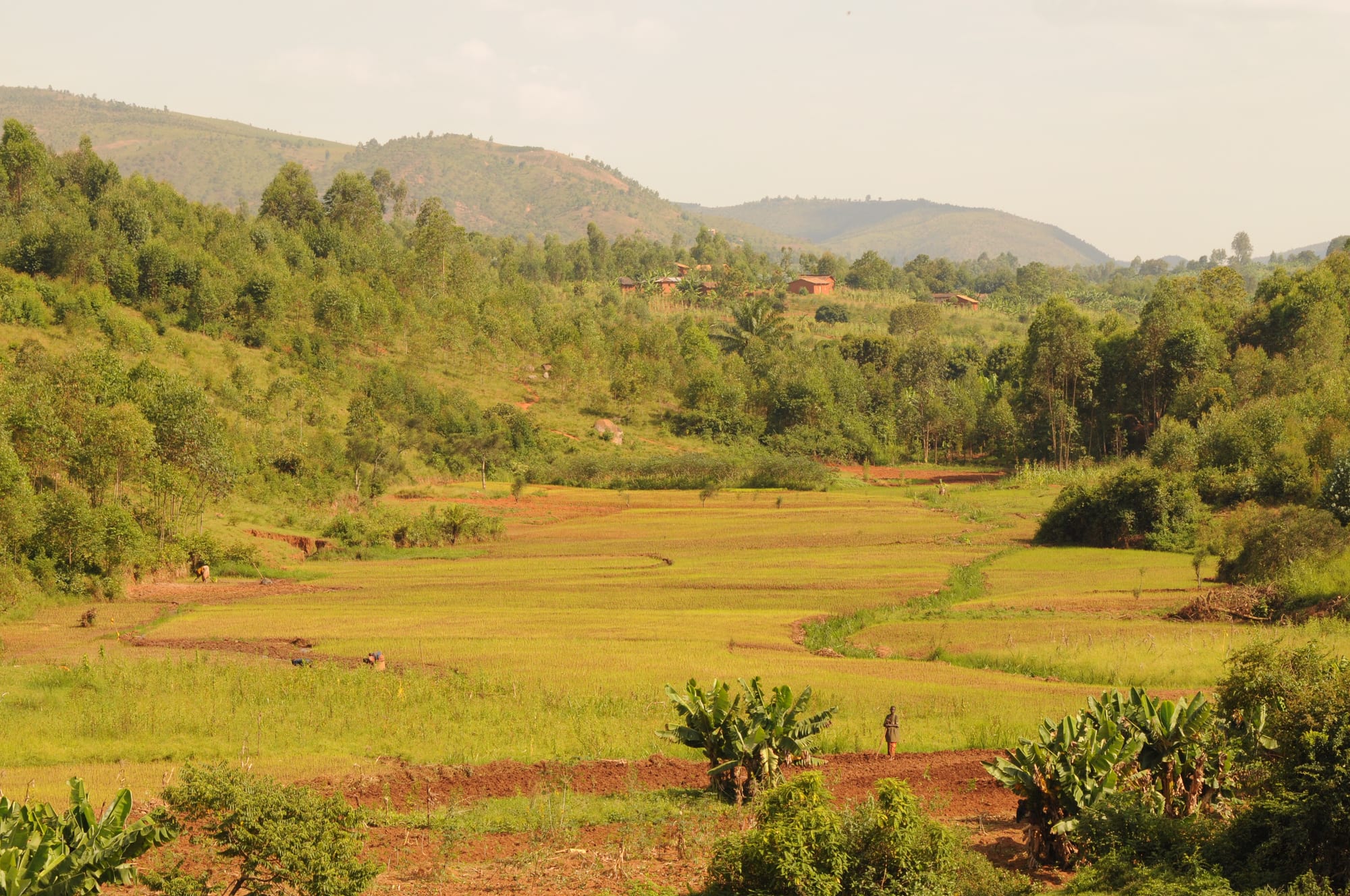
Burundi is a country of hills, and almost everyone in it lives on or within sight of a farmed one. Around nine in ten people live in the countryside, working a family plot that averages less than a hectare, so the shape of an ordinary day is set by the rains and the season's crop rather than by a fixed working week. It is also one of the most densely settled countries in mainland Africa, which means those small farms sit close together, hillside communities blending into one another with little open land in between.
Family and home life
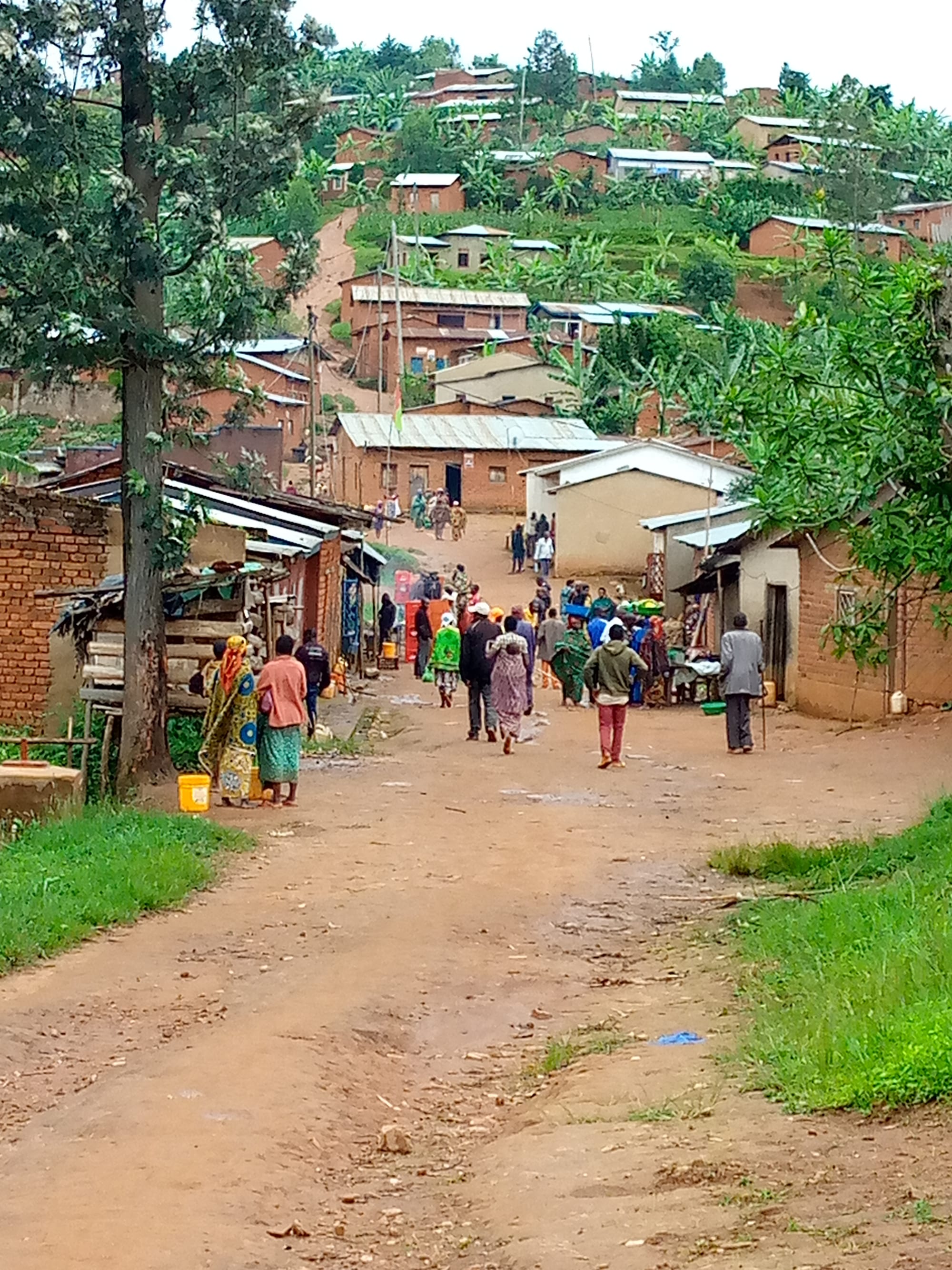
Households are large relative to the country's tiny farm plots, and it remains common for several generations, or a married son and his own young family, to live within the same homestead. Fertility remains high, with women bearing an average of around five children, so households with many young children are the norm rather than the exception, and the population is very young. Homes are usually simple brick or mud-brick houses with a corrugated metal or thatched roof, grouped loosely along a hillside path rather than in a tight village centre, each within walking distance of its own fields.
Work, school and the rhythm of the day
Farming dominates daily life: bananas, beans, cassava, and sweet potato for the household's own table, and coffee or tea, grown on the same small plots, for cash. Most farm work is done by hand, without machinery, and the working day runs from early morning until the heat and light fade, shaped by the growing seasons rather than by a fixed clock. Schooling follows a more conventional weekday timetable and is taught mainly in Kirundi and French, but many rural children still combine schooling with farm and household chores, and many leave school early once they are old enough to help in the fields. Outside farming and the small formal sector concentrated in Bujumbura and Gitega, paid employment is scarce, and years of economic strain, fuel shortages, and currency problems have kept most household budgets very tight.
Community life and public spaces
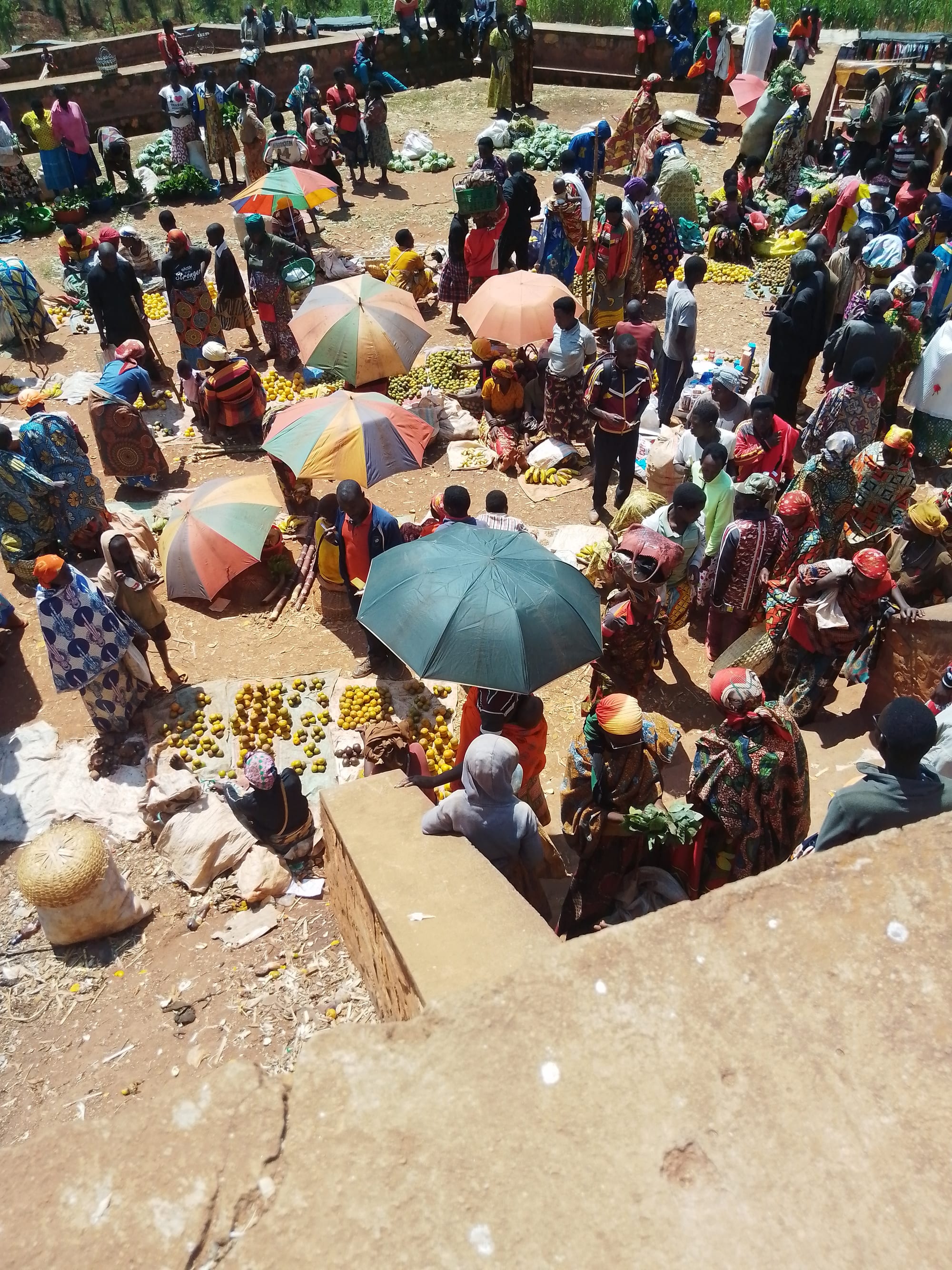
The local market is the main hub of daily contact beyond the household, held on fixed days in most communities and drawing sellers and buyers from the surrounding hills on foot or by bicycle. Produce, secondhand clothing, and household goods are typically laid out on the ground or under umbrellas rather than in fixed stalls, and the market functions as much as a social gathering as a place to buy and sell. Churches, found in almost every community, are the other major gathering point, drawing large, regular congregations nationwide. Public transport between hills and towns runs on shared minibuses and motorbike taxis, since paved roads are limited outside the main routes.
Free time and weekends
Sunday is the main day of rest, centred on church for the large majority who are Christian, followed by family time and visiting. Football is followed enthusiastically nationwide, played informally on any open ground and watched wherever a radio or television is available. Where a household is close enough to Lake Tanganyika, a Sunday trip to the shore, for swimming or simply to sit by the water, is a popular and relatively affordable outing. For most rural households, though, free time remains modest and closely tied to the farming calendar, busiest at planting and harvest and quieter in between.
A visitor's ordinary day
Burundi is a cash economy outside Bujumbura, and the gap between the official and street exchange rates for the Burundian franc can be wide, so it is worth carrying clean, recent US dollar notes to change locally. Minibuses and shared taxis, rather than a fixed bus network, cover travel between towns, and hilly, sometimes unpaved roads make journeys slower than the map distance suggests. Electricity and fuel shortages are common even in the capital, so expect some unpredictability with power and services. Most governments currently advise caution around political gatherings and photography of official buildings, a fact worth checking against current travel advisories before a trip.
What to take away
An ordinary day in Burundi is set less by the clock than by the hillside a family calls home: a small plot to farm, a large household to feed from it, and a rhythm that follows the rains rather than the working week.