Attractions & Natural Wonders · Burundi
Burundi: Six Attractions and Natural Wonders
Sandy beaches on one of the world's deepest lakes, hippos in a river-mouth reserve, a curtain of waterfalls on the eastern plateau, and mountain rainforest along the Congo-Nile divide
By Worldlore Editorial · 9 September 2026
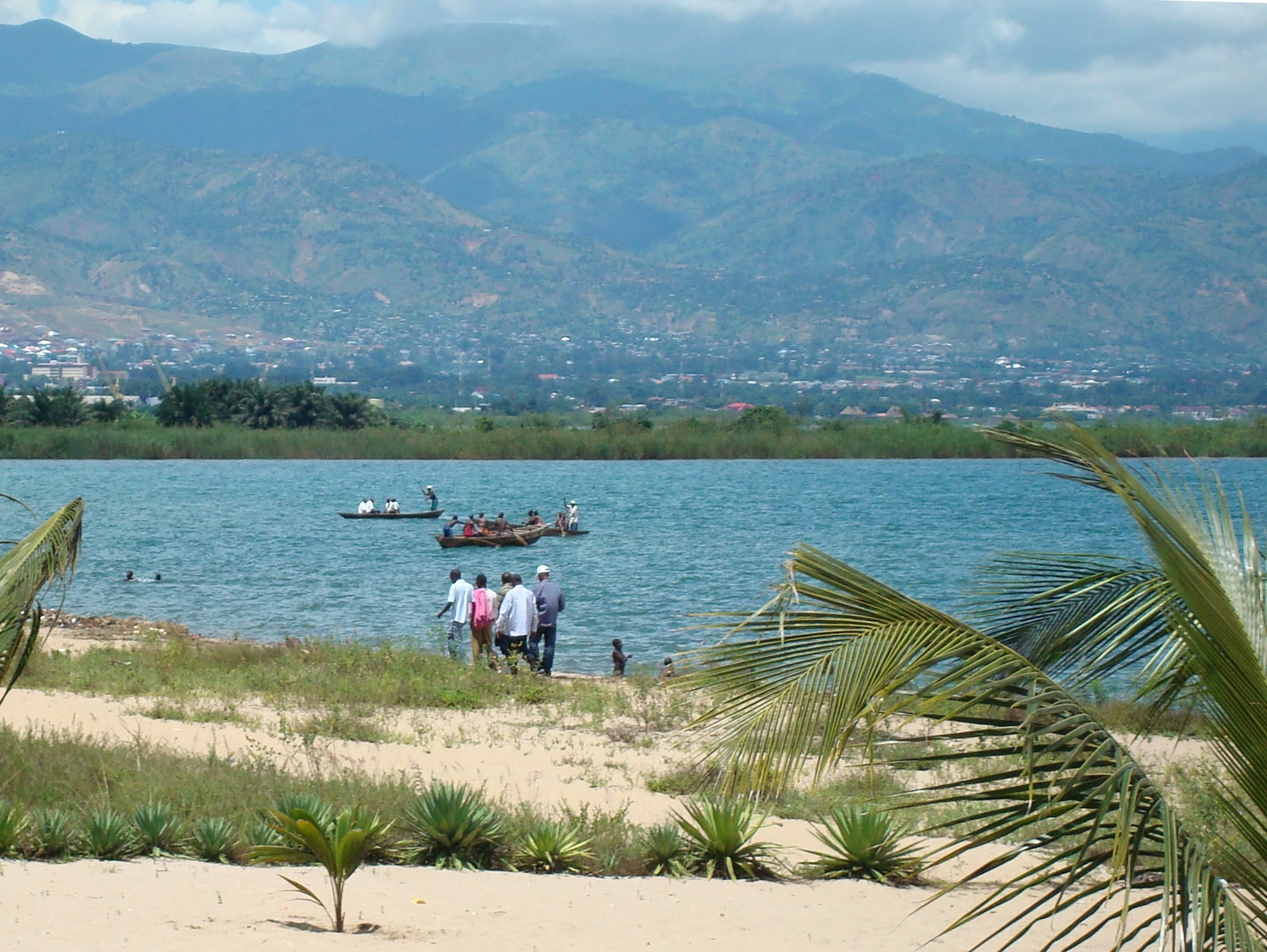
A small country on a great lake
Burundi is a small, hilly, densely populated country in the African Great Lakes region, wedged between Rwanda, Tanzania, and the Democratic Republic of the Congo. It is one of the poorest countries in the world, has almost no tourism infrastructure, and has seen recurring political violence — Western governments advise caution and check the current situation before any visit. Its appeal is low-key and natural: the lakeshore, a few national parks, and a strong musical tradition.
The six below are what a visitor realistically sees, most within reach of the main city, Bujumbura, or the political capital, Gitega. The dry seasons (roughly June–September and December–January) are the most comfortable.
1. The beaches of Lake Tanganyika
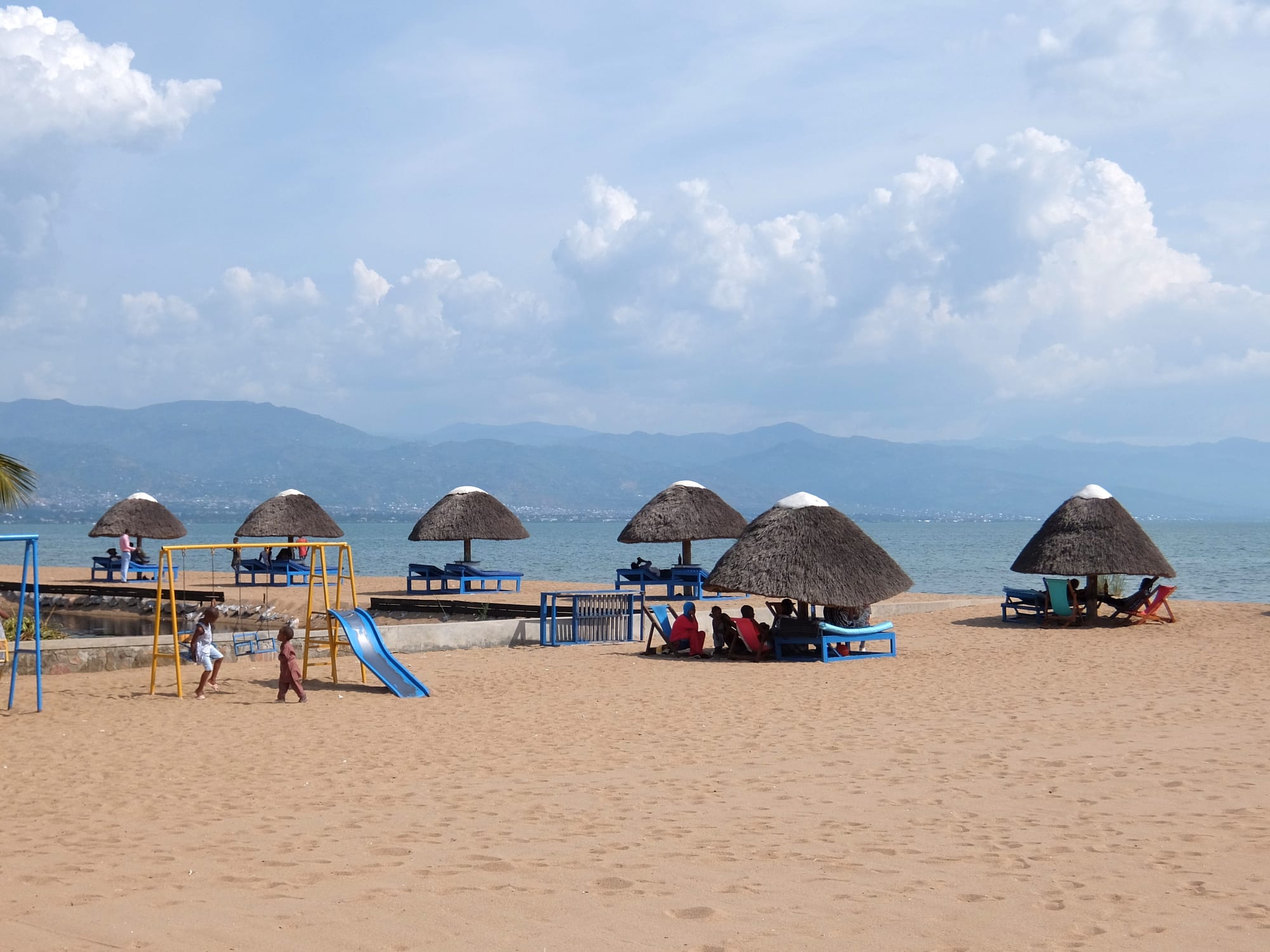
Lake Tanganyika is vast — 1,470 metres deep, second only to Baikal, and holding around 16 percent of the world's available fresh surface water — and Burundi has its northeastern tip. Just south of Bujumbura, a string of sandy beaches (Saga, formerly "Plage des Cocotiers", and others) have bars, loungers, and safe swimming away from the river mouths, with the mountains of the Congo rising across the water.
The lake's endemic cichlid fish make for good snorkelling in the clear water off the rockier stretches.
2. Rusizi National Park
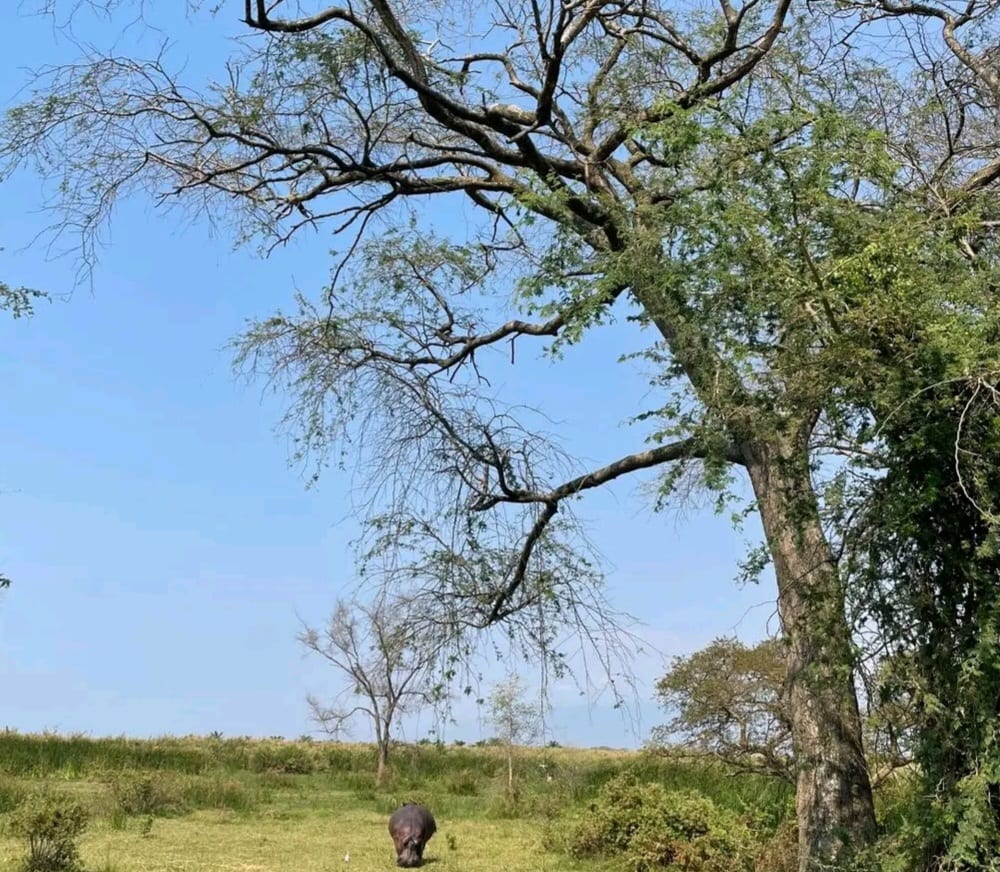
Just northwest of Bujumbura, the Rusizi (Ruzizi) river spreads into a delta of papyrus swamp and gallery forest before reaching the lake, and it is protected as a small national park. It is the easiest wildlife outing in the country: boat and vehicle trips to see hippos, crocodiles (the park was once home to a famous giant crocodile, "Gustave"), sitatunga antelope, and many waterbirds.
It makes a half-day trip from the city.
3. The Karera Falls
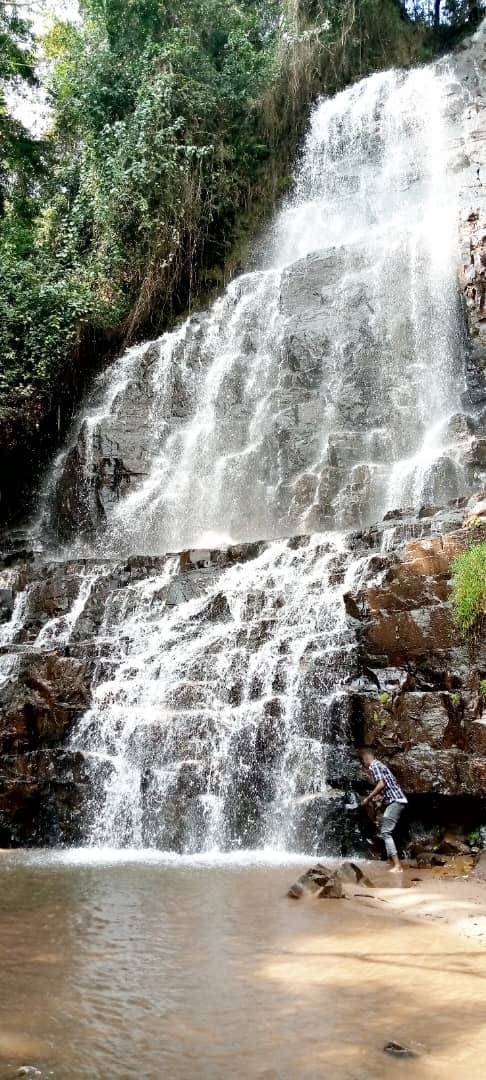
On the drier eastern plateau, in Rutana province, the Karera river drops through a small protected forest in a set of four waterfalls, the tallest around 80 metres, linked by short footpaths and viewpoints. It is one of Burundi's designated natural monuments and a popular domestic day trip.
Nearby is the Nyakazu "German Fault", a dramatic cleft in the escarpment with wide views east toward Tanzania.
4. Kibira National Park
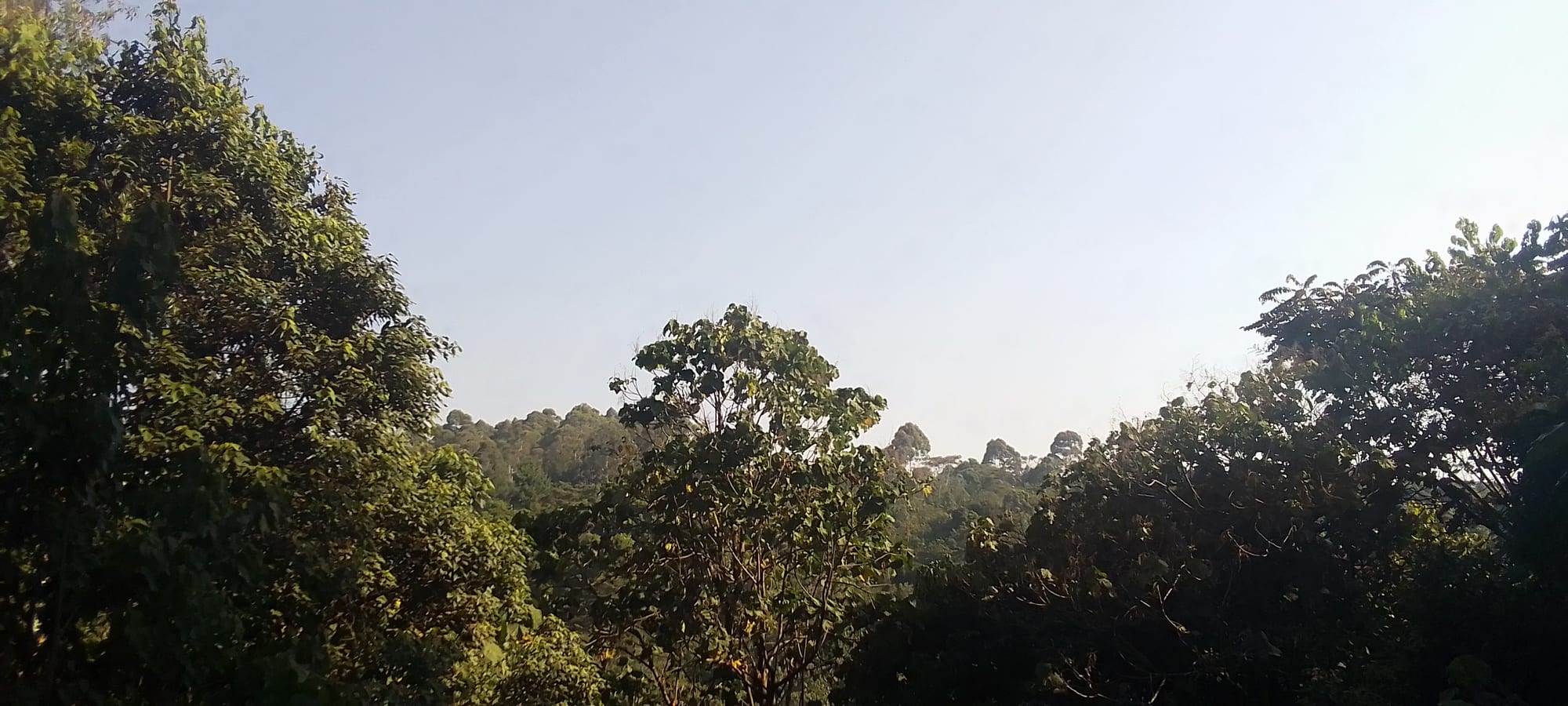
Kibira, in the northwest, protects Burundi's largest block of montane rainforest, running along the Congo-Nile divide and continuous with Rwanda's Nyungwe forest. It shelters chimpanzees, several monkey species, and many birds; a few marked trails and a former royal hunting reserve lie within it, reached from the Bujumbura–Kayanza road.
It is the wettest and greenest part of the country, and the source of several of its rivers.
5. Ruvubu National Park
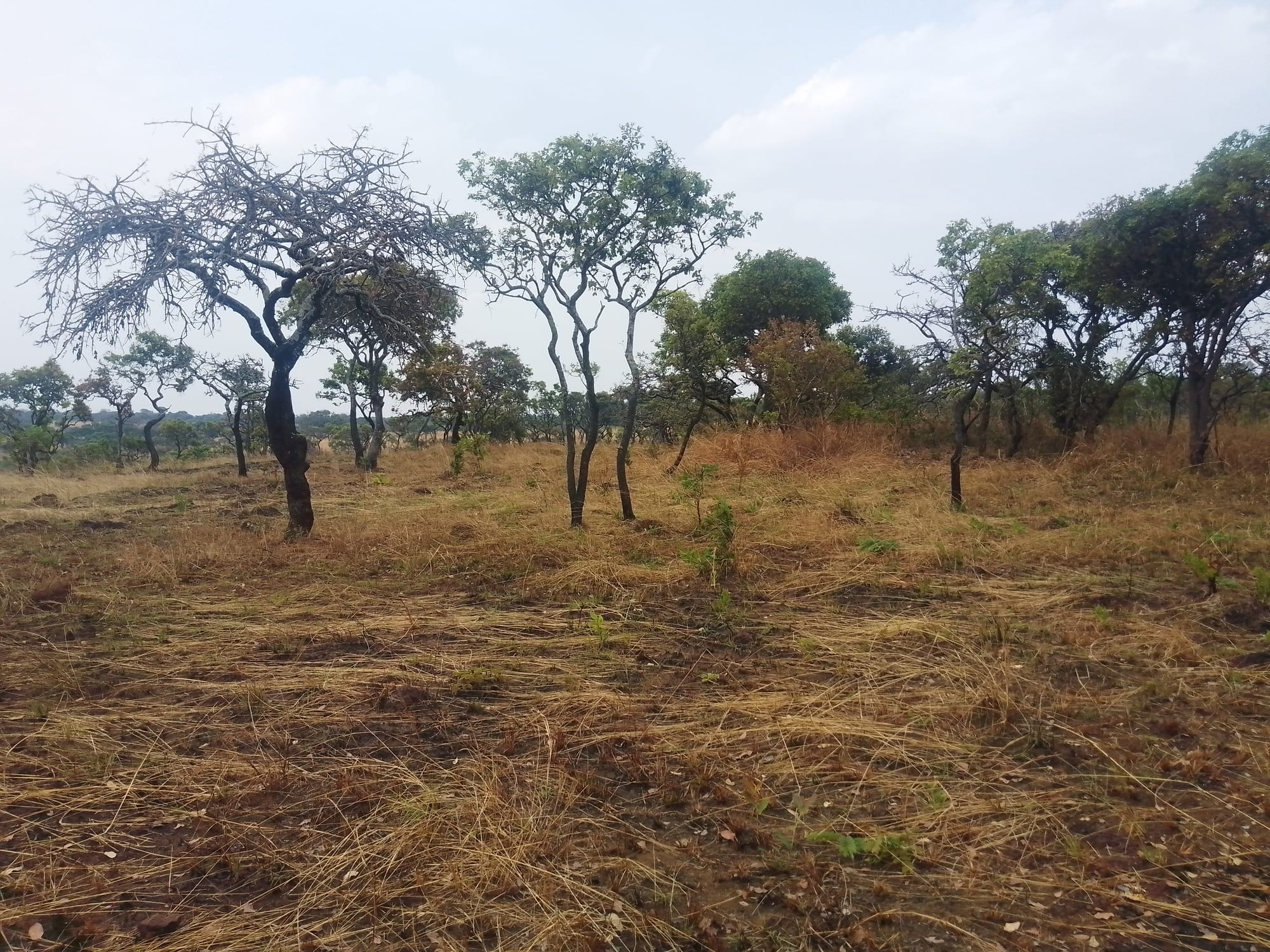
Ruvubu (Rurubu) follows the river of the same name — one of the most remote headstreams of the Nile — through savannah and gallery forest in the east of the country. It is Burundi's biggest national park and its best chance of open-country wildlife: buffalo, hippo, antelope, and a long bird list, though animal numbers are low and facilities minimal.
It is visited mostly by researchers and the occasional adventurous traveller with a vehicle and a park guide.
6. Bujumbura, Gitega, and the drummers
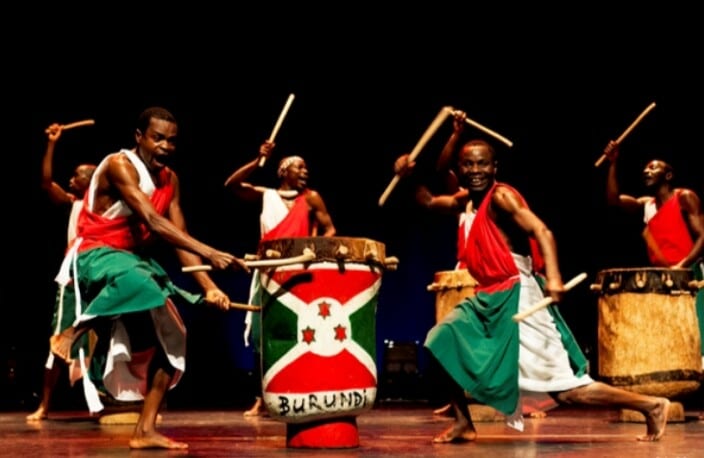
Bujumbura is a low, hot lakeside city of wide avenues, markets, and a modest colonial-era core, with the lakeshore beaches and Rusizi park on its doorstep. Inland and higher, Gitega — the official capital since 2019 — has the national museum and is close to Gishora, the sanctuary of Burundi's royal drummers.
The Royal Drummers of Burundi, whose thunderous, choreographed performance on tall wooden drums carried on the head is on UNESCO's list of intangible heritage, are the country's best-known cultural export, and can sometimes be seen at Gishora or by arrangement.
Burundi has very little tourism and a difficult recent history; anyone considering a visit should get current, specific security advice first. For most, it is a place to know about rather than to travel to right now.