Daily Life · Bulgaria
Bulgaria: Yes Looks Like No
Multigenerational households split between a city apartment and a family plot in the village, a two-shift school day, and a head-shake that means agreement rather than refusal
By Worldlore Editorial · 30 September 2026
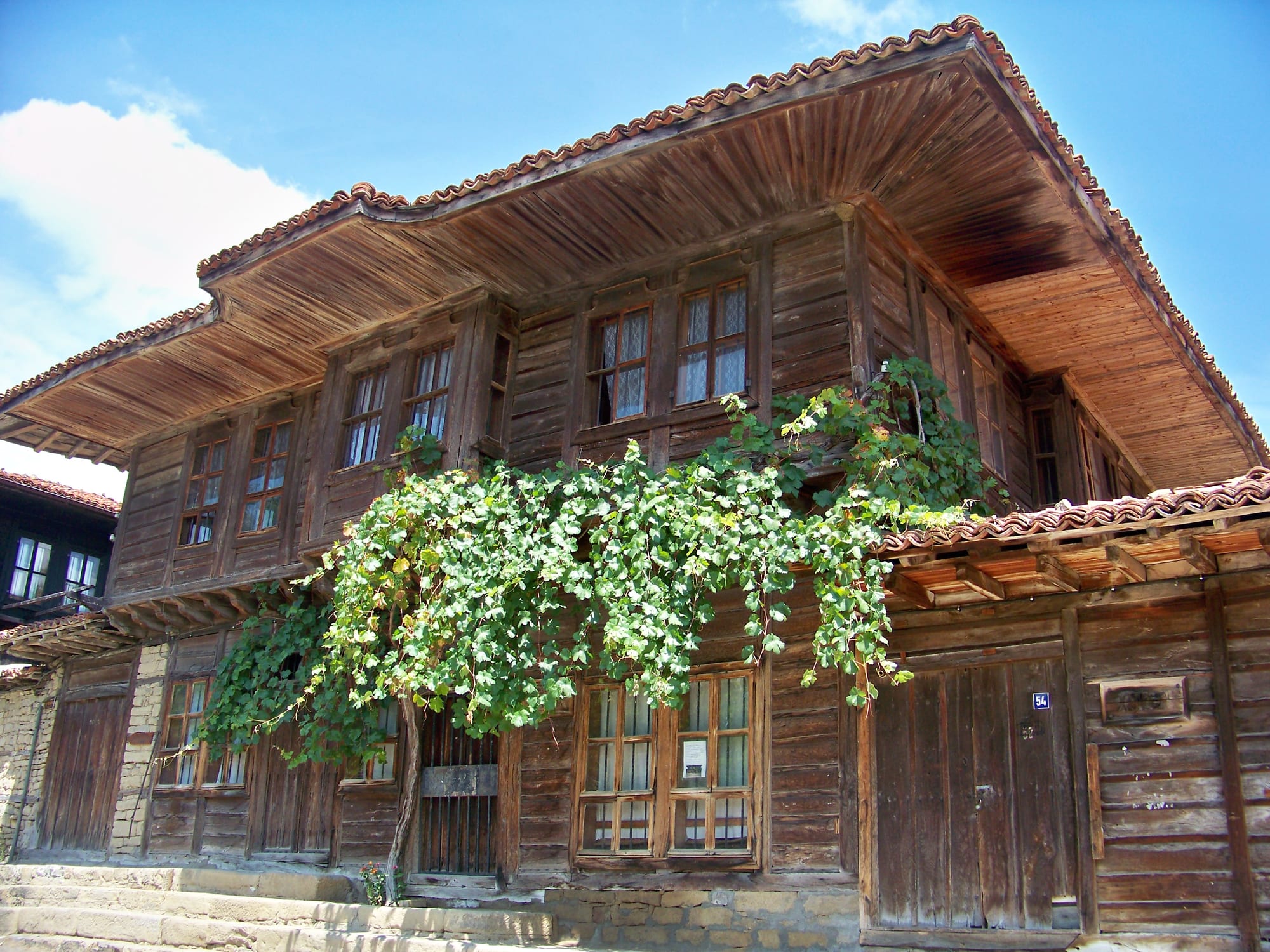
Daily life in Bulgaria still runs through two overlapping places for many families: a panel apartment block in one of the cities, and a village house or plot kept in the family for weekends, harvests, and the making of rakia each autumn. Grandparents remain deeply involved in raising children, and conversation itself carries one genuine surprise for outsiders: a shake of the head here means yes, and a nod means no, a reversal that can take visitors days to stop second-guessing.
Family and home life
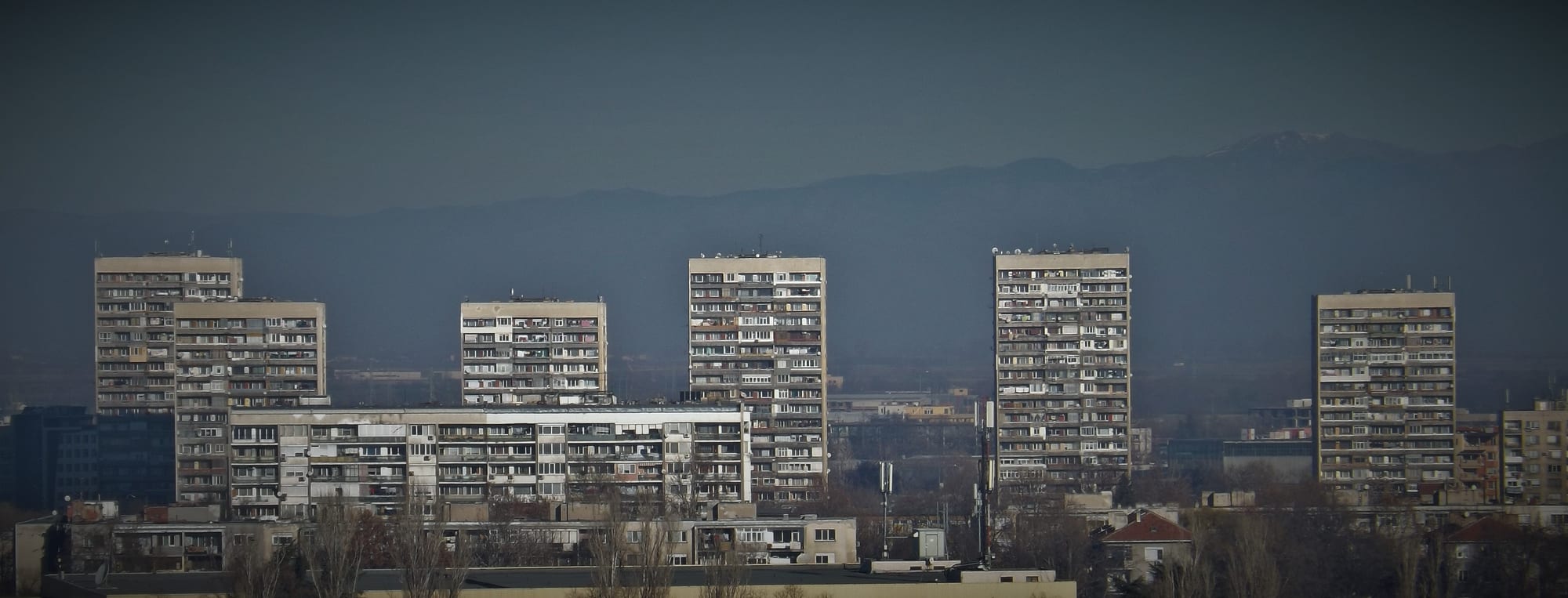
It is common for grandparents to live with, or very near, their children and grandchildren, and grandmothers in particular remain deeply involved in cooking, childcare and everyday family decisions. Many urban Bulgarians live in apartment blocks built during the socialist era, dense prefabricated developments that still house a large share of city residents decades after they went up. Many families also keep a house or plot in a home village, returned to on weekends and used seriously each autumn, when relatives gather at a village still to distil the year's rakia from grapes or plums.
Work, school and the rhythm of the day
The standard working week runs eight hours a day, five days a week, with a lunch break. School is often run in two shifts to fit everyone into the available buildings: pupils spend roughly half a day in school, either in the morning or in the afternoon, with younger children usually taking the morning shift.
Community life and public spaces
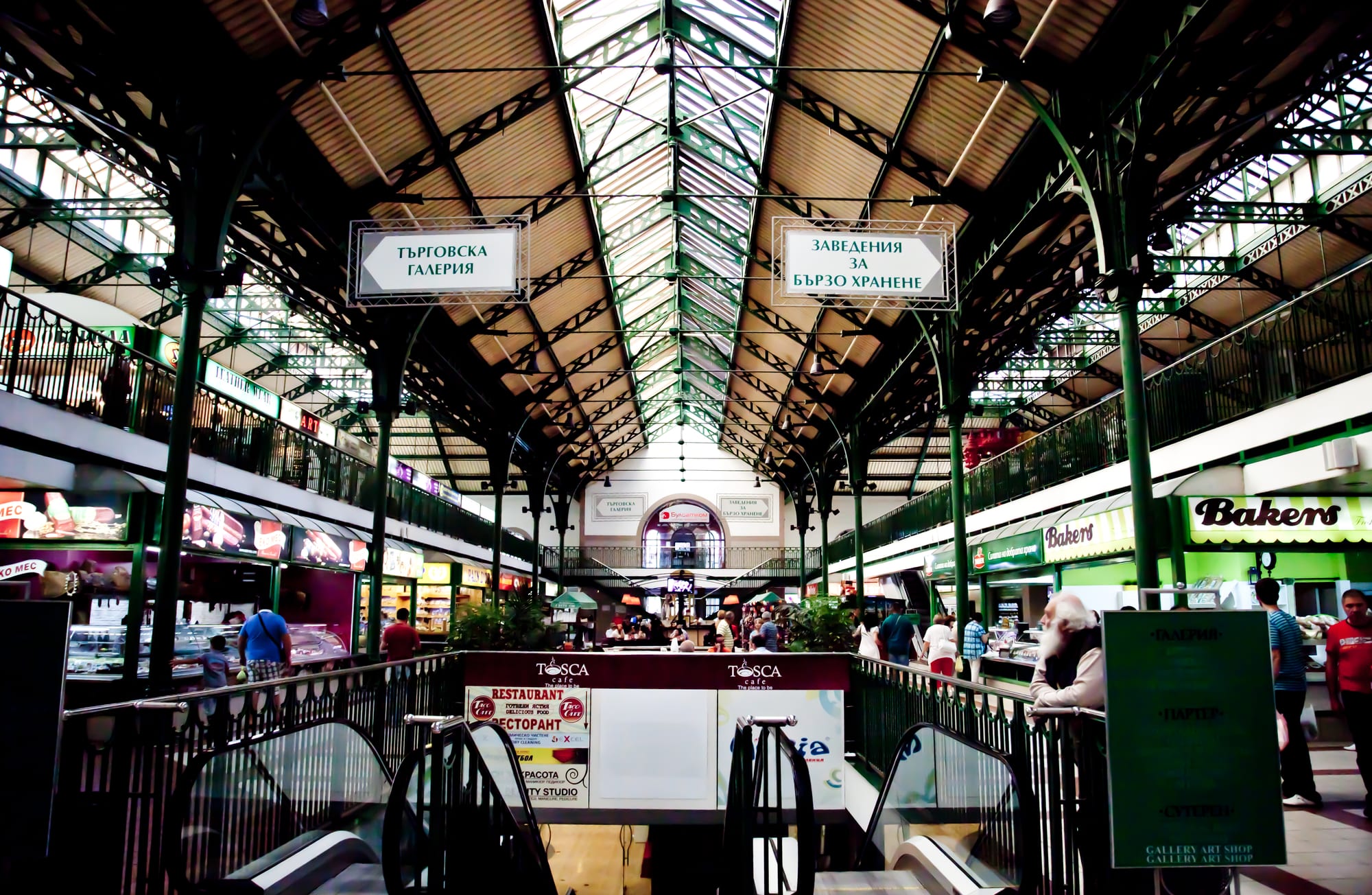
Covered market halls, like Sofia's Central Market Hall on Maria Luisa Boulevard, remain a genuine part of daily shopping in the cities, alongside open-air produce markets that are often cheaper than supermarkets. Cafes function as an extension of daily social life much as they do elsewhere in the region, and it is entirely normal to spend an hour or more over a single coffee. In villages, the local shop and the church or town square remain the real centres of everyday contact between neighbours.
Free time and weekends
Weekends, especially in warmer months, often mean a trip to the family village house, hiking or time at a mountain hut, given how much of the country's terrain is genuinely mountainous, or a stretch at the Black Sea coast in summer. Football is followed closely nationwide, and a match involving one of the country's major clubs draws real crowds in cafes and homes alike.
A visitor's ordinary day
Card payments are widely accepted in cities, though smaller shops, markets and village businesses still often expect cash in euros, which replaced the lev on 1 January 2026. Public transport, buses, trams and the Sofia metro, is inexpensive and reliable in the capital, though smaller towns depend more on infrequent bus routes. Given the reversed head gestures, it is worth confirming a yes or no in words rather than relying on the gesture alone, at least until it becomes second nature.
What to take away
What defines an ordinary day in Bulgaria is less any single custom than how much of it still runs through family, whether that is the grandmother two floors up or the plot of land back in the village everyone returns to.