History · Bulgaria
Bulgaria: The Oldest Name in Europe
Thracians and Romans, two medieval Bulgarian empires, five Ottoman centuries, and a communist state that ended with a whimper
By Worldlore Editorial · 19 September 2026
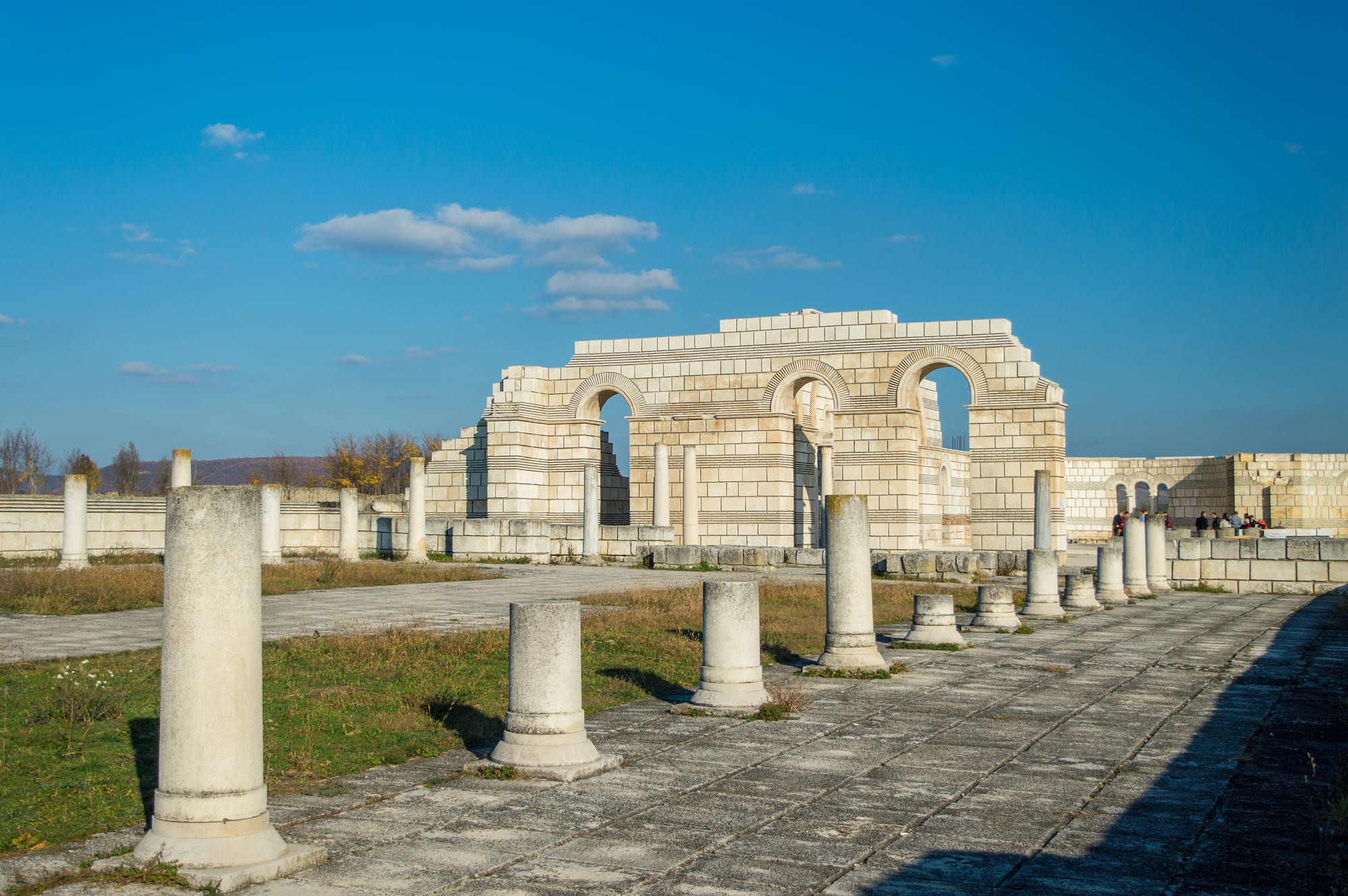
A country with a very long memory
Bulgaria sits in the eastern Balkans, on the Black Sea, between the Danube and the mountains. Its state was founded in 681 CE, and it has carried the same name ever since — one of the very few countries in Europe of which that is true. In those thirteen centuries Bulgaria has been, at different times, a great power that threatened Constantinople, the birthplace of the Slavic written word, a province of Byzantium, a province of the Ottoman Empire for 500 years, a kingdom that lost three wars chasing the same lost territory, and the Soviet Union's most obedient satellite. Its recent history is dominated by a quieter crisis: since 1989 the population has fallen by nearly a third.
A short history
- from c. 1000 BCE
The Thracians
Indo-European tribes famed for gold-work; later Roman Thrace and Moesia.
- 681 CE
Bulgaria founded
Khan Asparukh's Bulgars settle south of the Danube; Byzantium recognises the state.
- 864
Christianity and Cyrillic
Boris I converts the state; disciples of Cyril and Methodius make Bulgaria the centre of Slavic letters.
- 893–927
Simeon the Great
The First Bulgarian Empire reaches from the Adriatic to the Black Sea.
- 1018
Byzantine conquest
Basil II ends the First Empire after a long war.
- 1185–1396
The Second Empire
Founded at Tarnovo, it falls piece by piece to the Ottomans.
- 1396–1878
Ottoman rule
Five centuries under the empire; monasteries keep the language alive.
- 1878
Liberation
A Russo-Turkish war creates an autonomous Bulgaria; the powers cut it down at Berlin.
- 1944–1989
Communism
Todor Zhivkov rules for 35 years as Moscow's closest ally.
- 2007
European Union
Bulgaria joins, as its poorest member.
Thracians, Rome, and the founding of Bulgaria
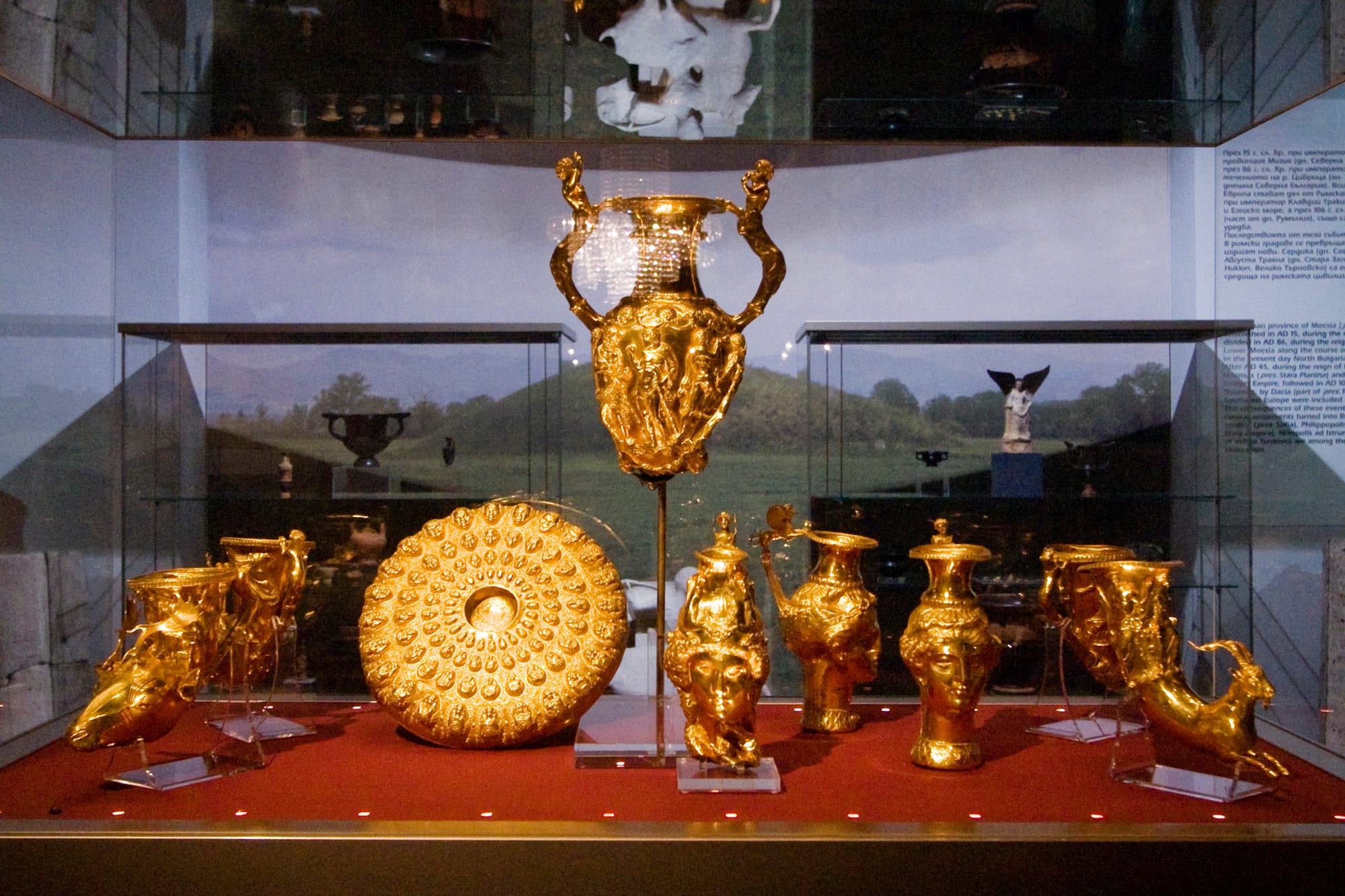
The oldest inhabitants of the land were the Thracians, tribes renowned for metalwork — the hoards of Thracian gold in Bulgaria's museums are among the finest of the ancient world — and organised, at times, into kingdoms. Rome absorbed the region by the 1st century CE and built cities on it: Serdica, now Sofia, and Philippopolis, now Plovdiv, one of the oldest continuously lived-in cities in Europe.
Slavic tribes settled the Balkans in the 6th and 7th centuries. Then, in 680, a Turkic-speaking people from the steppe, the Bulgars, crossed the Danube under Khan Asparukh, defeated a Byzantine army, and settled. Byzantium signed a treaty recognising the new state in 681 — the date Bulgaria still counts from. The Bulgar warrior elite soon merged into the far more numerous Slavs and took up their language.
Two empires, and the Slavic word
The First Bulgarian Empire became a serious rival to Constantinople. In 864 Boris I converted the state to Christianity, choosing the Byzantine church over Rome, and took in the pupils of Cyril and Methodius, who developed the Cyrillic alphabet and made Bulgaria the fountainhead of Slavic literacy and liturgy — a role that shaped Serbia, Russia, and the whole Orthodox Slavic world. Under Tsar Simeon the Great, around 900, the empire stretched across most of the peninsula and Bulgarian scholarship had a golden age. Then the Byzantine emperor Basil II, remembered as "the Bulgar-Slayer", ground the empire down in a long war that ended in 1018.
Bulgaria rose again in 1185, when two brothers led a revolt and founded the Second Empire, with its capital on the fortified hills of Tarnovo. It flourished in the 13th century — regaining much of the Balkans, patronising the Orthodox art seen in the frescoes of the Boyana Church — before it splintered and fell to the advancing Ottomans, city by city, ending in 1396.
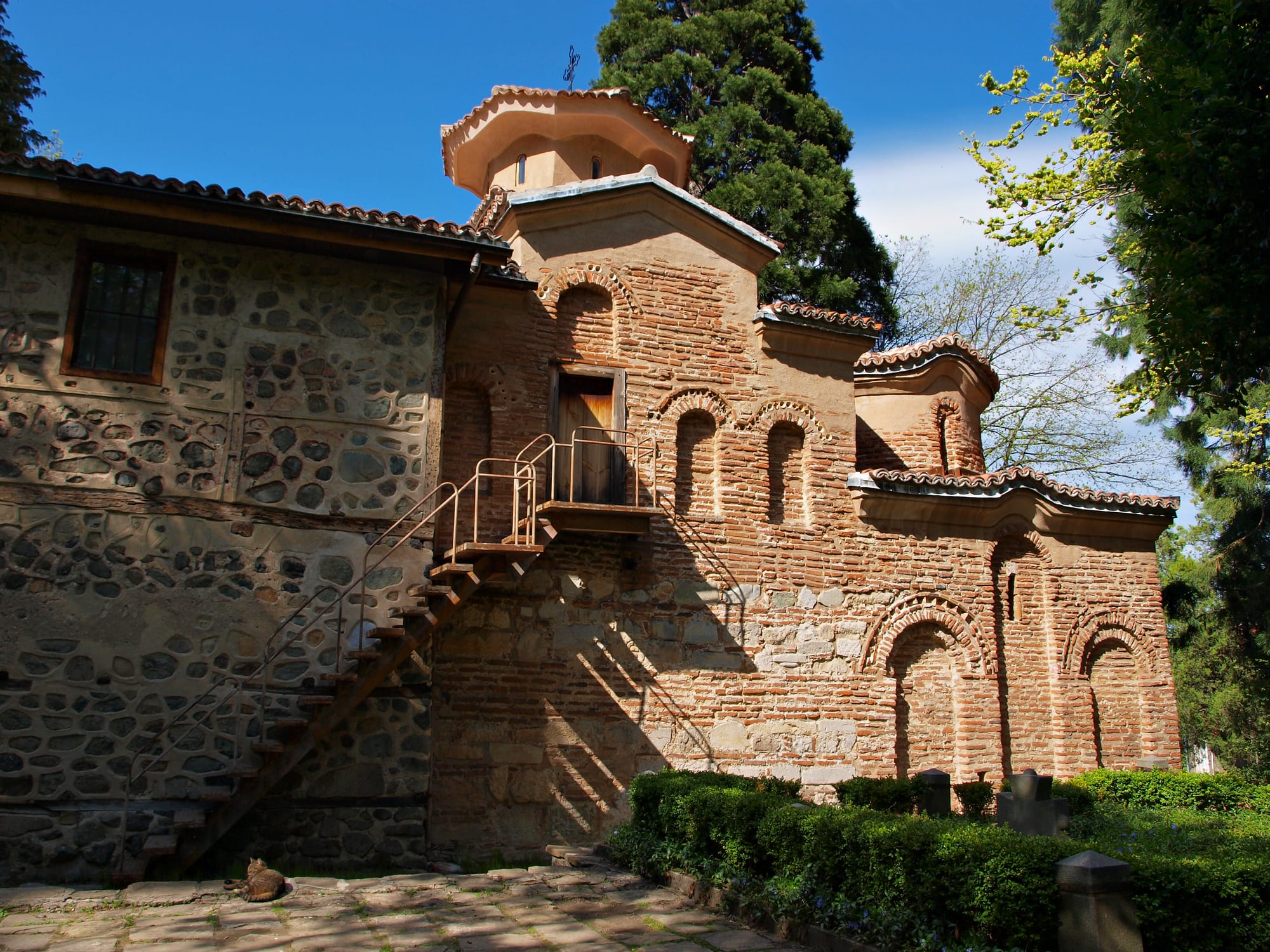
The portraits of the church's patrons, painted with individual faces rather than as generic saints, are often cited as a foreshadowing of Renaissance art a generation before Giotto.
Five Ottoman centuries
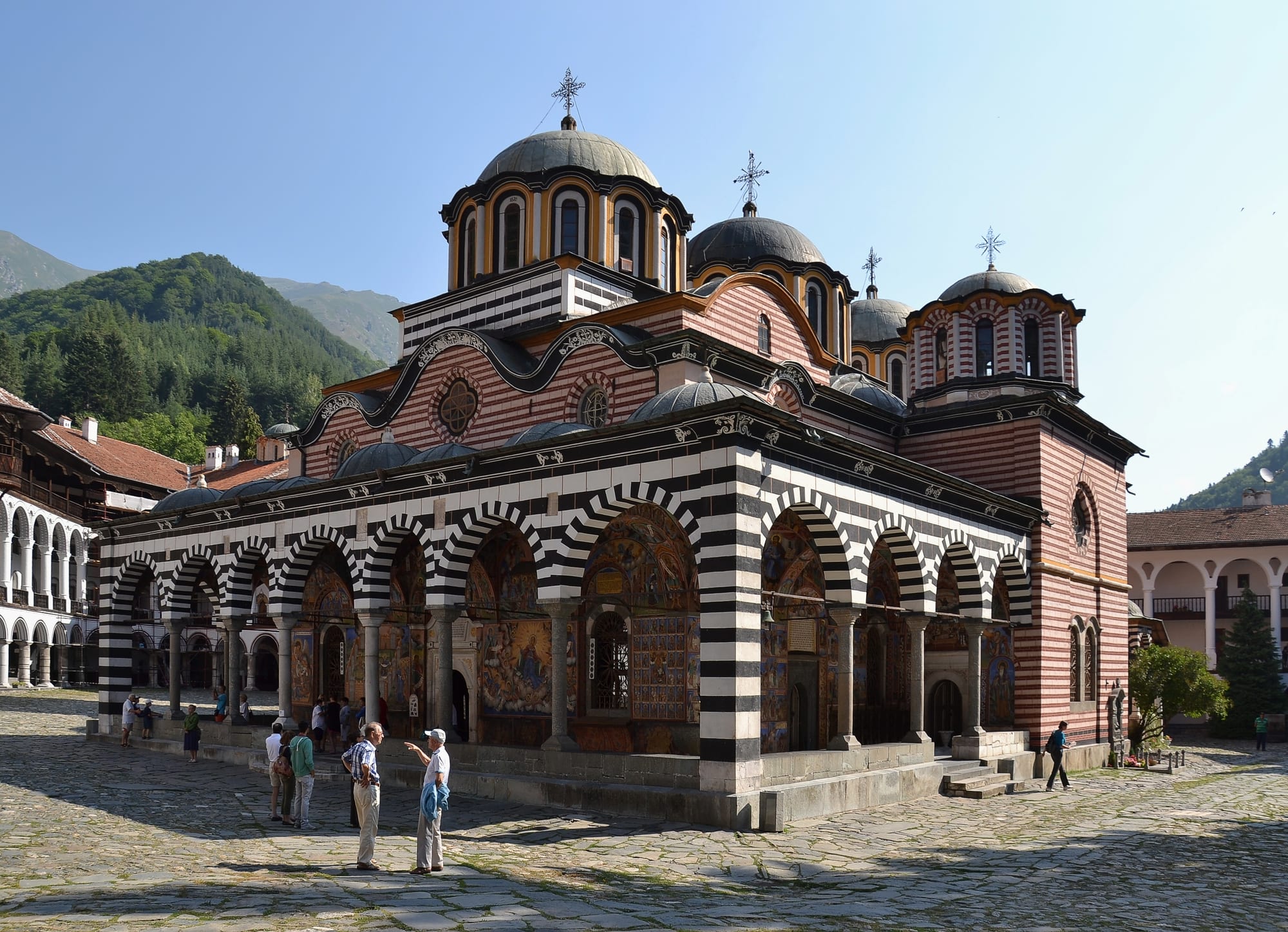
Bulgaria then spent almost 500 years inside the Ottoman Empire. The Bulgarian nobility was destroyed or absorbed, the Bulgarian church was subordinated to the Greek Patriarchate, and the country became a society of Christian peasants under Muslim landlords and imperial taxes — including, in the early centuries, the levy of Christian boys for the sultan's service. What kept a sense of Bulgarian identity alive, more than anything, were the monasteries, above all Rila, high in the mountains, where monks copied manuscripts and preserved the written language.
A national revival began in 1762 with a monk's history urging Bulgarians to take pride in their language and past, and grew through the 19th century into a movement for Bulgarian schools and, in 1870, a Bulgarian church independent of the Greeks — which amounted to Ottoman recognition of a distinct Bulgarian nation. A revolutionary underground formed around figures like Vasil Levski, hanged in 1873 and now the national hero.
Liberation, and the lost Bulgaria
The April Uprising of 1876 was crushed with massacres — the "Bulgarian Horrors" — that shocked Europe. Russia declared war on the Ottomans in 1877; Bulgarian volunteers fought alongside its army, and the defence of the Shipka Pass became a legend. The war's first treaty created a large Bulgaria, but the other powers, unwilling to see a big Russian client on the Balkans, redrew it at the Congress of Berlin into a much smaller autonomous principality, leaving Macedonia and Thrace under the Ottomans.
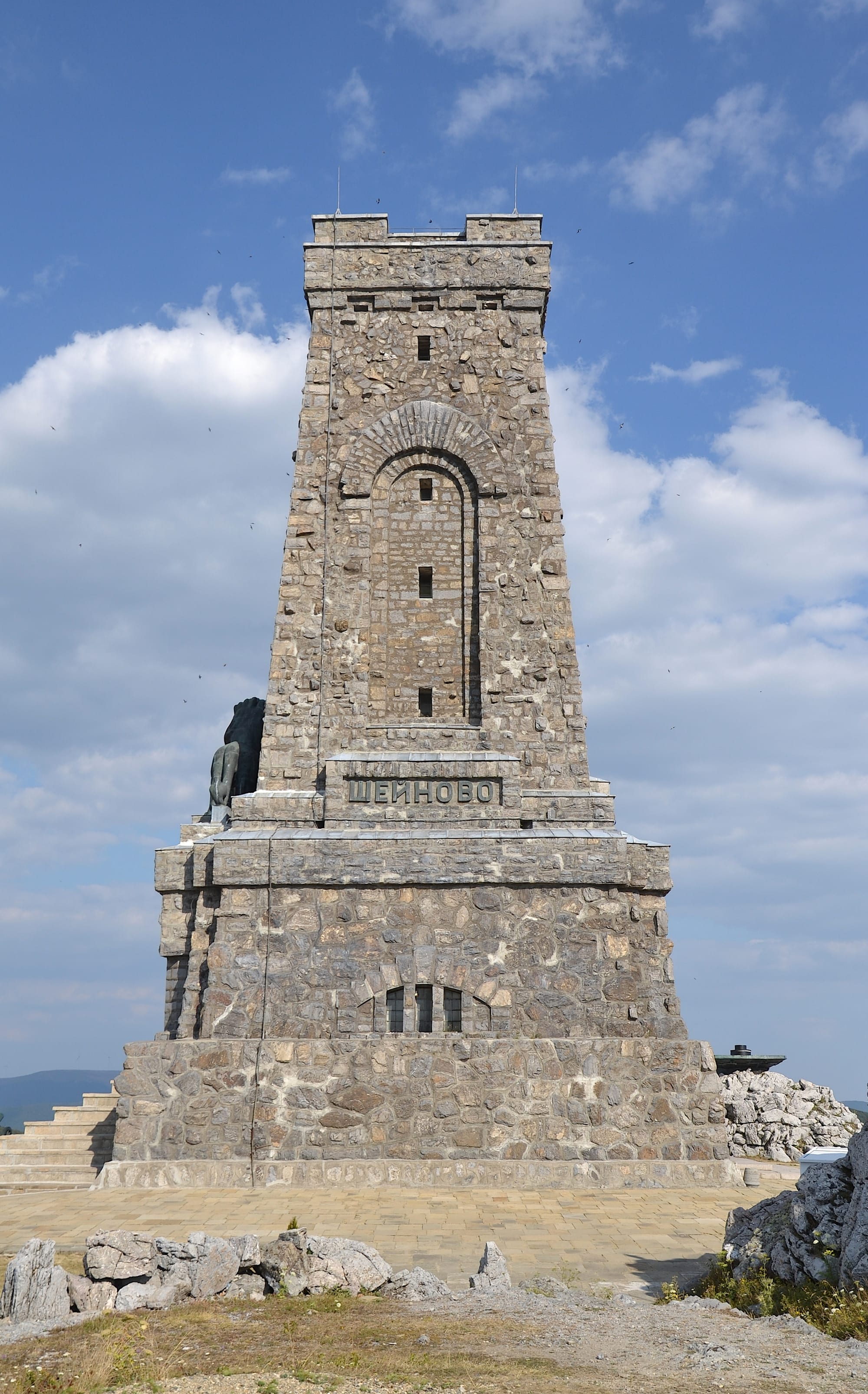
The "big Bulgaria" that Berlin took away became a national obsession. In pursuit of it, Bulgaria won the First Balkan War in 1912, then turned on its allies in 1913 and was crushed, then joined Germany in the First World War and lost again — three catastrophes in seven years, each costing territory, lives and money.
Kingdom, war, and communism
The interwar kingdom was violent and unstable, ending in a royal dictatorship under Tsar Boris III. Bulgaria joined the Axis in 1941, once more for territory, but refused to send troops against the Soviet Union — and, under sustained pressure from its own clergy, politicians and public, did not deport its roughly 48,000 Jews to the death camps, though it did hand over some 11,000 Jews from the lands it occupied in Macedonia and Thrace, who were murdered. In September 1944, with the Red Army at the border, a communist-led coup took power and switched sides.
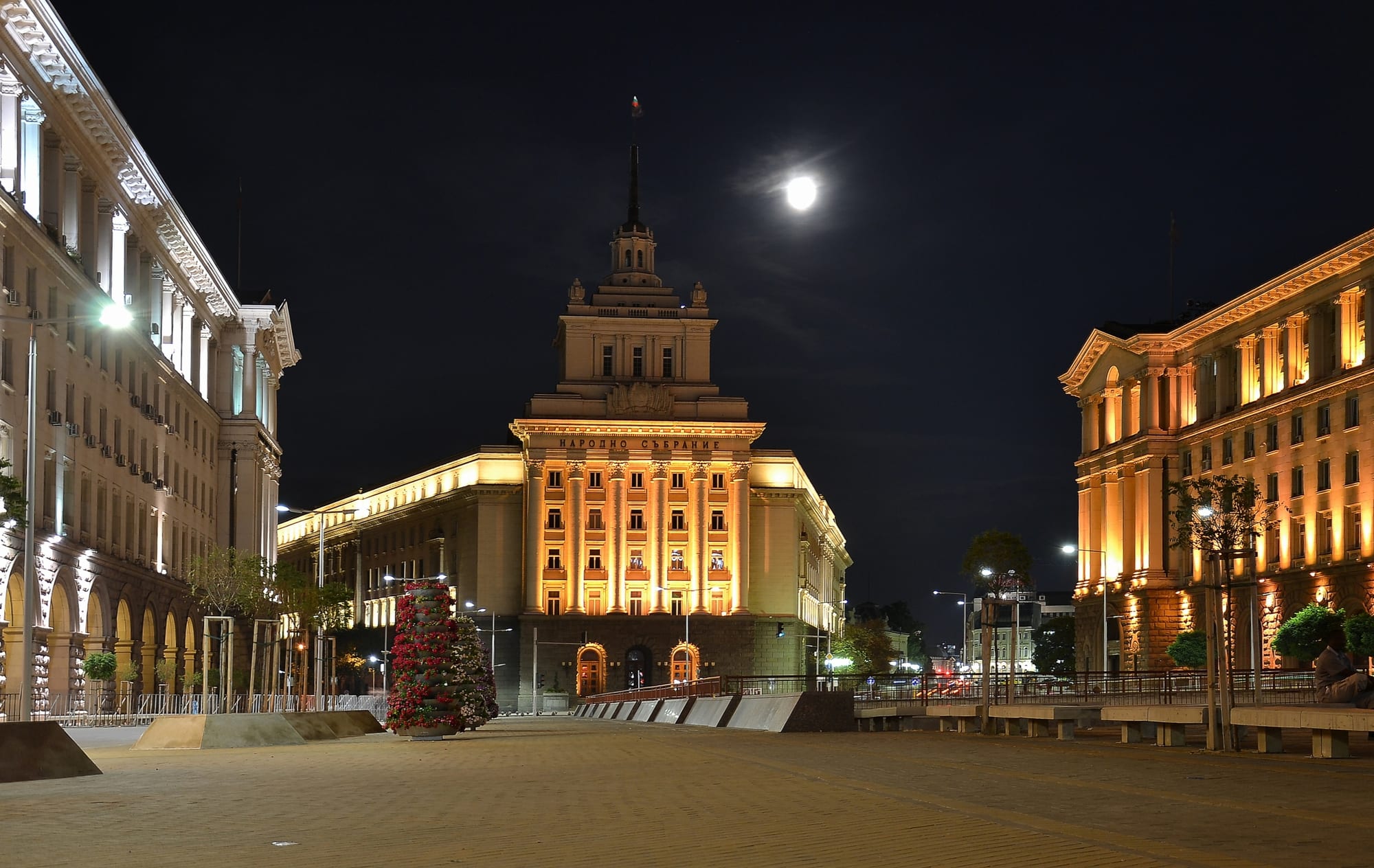
Communist Bulgaria abolished the monarchy in 1946 and, after a brutal Stalinist opening, settled into 35 years under Todor Zhivkov — the longest-serving leader in the Eastern Bloc, and its most loyal, who more than once proposed that Bulgaria simply join the Soviet Union. The regime industrialised the country and, in its last years, committed its worst crime at home: the "Revival Process" of 1984–89, which forced the ethnic Turkish minority to take Slavic names and abandon their language and religion, and drove some 340,000 people to flee to Turkey in the summer of 1989.
After 1989
Zhivkov was removed by his own Politburo the day after the Berlin Wall fell. The transition was slow and the 1990s were harsh — hyperinflation and a banking collapse in 1996–97 wiped out savings and pushed hundreds of thousands to emigrate. A currency board pegged to the German mark finally brought stability, and in a strange coda the exiled former king returned and served as prime minister from 2001 to 2005.
Bulgaria joined NATO in 2004 and the European Union in 2007, and adopted the euro in 2026. It remains the Union's poorest member per head, with deep-rooted corruption, a decade of unstable coalition politics, and above all a demographic emergency: the population has dropped from around nine million in 1989 to roughly 6.4 million, one of the sharpest peacetime declines anywhere in the world.
What Bulgaria carries
Bulgaria has one of the longest continuous national stories in Europe — the same name for thirteen centuries, a medieval golden age that gave the Slavs their alphabet, and a strong sense of a homeland larger than the borders it ended up with. It has also spent much of the modern era on the losing side of other people's wars and orders, and its most pressing problem now is simply that its people keep leaving.