Food · Bulgaria
Bulgaria: Food and the National Dish
A tomato-and-cheese salad said to echo the colours of the flag, a filo pie with fortunes baked inside for New Year, and the country that gave yogurt its name
By Worldlore Editorial · 16 September 2026
A cuisine built on dairy and grilled meat
Bulgarian food shares much of its shape with the wider Balkans and its Ottoman-era history — grilled minced meat, filo pastry, rich vegetable stews — but dairy sets it apart more than anywhere else in the region. Bulgaria has one of the world's oldest and most serious yogurt traditions, and sirene, a tangy white brined cheese, appears on almost every table in some form, grated, cubed or baked into pastry.
The national dish: shopska salad
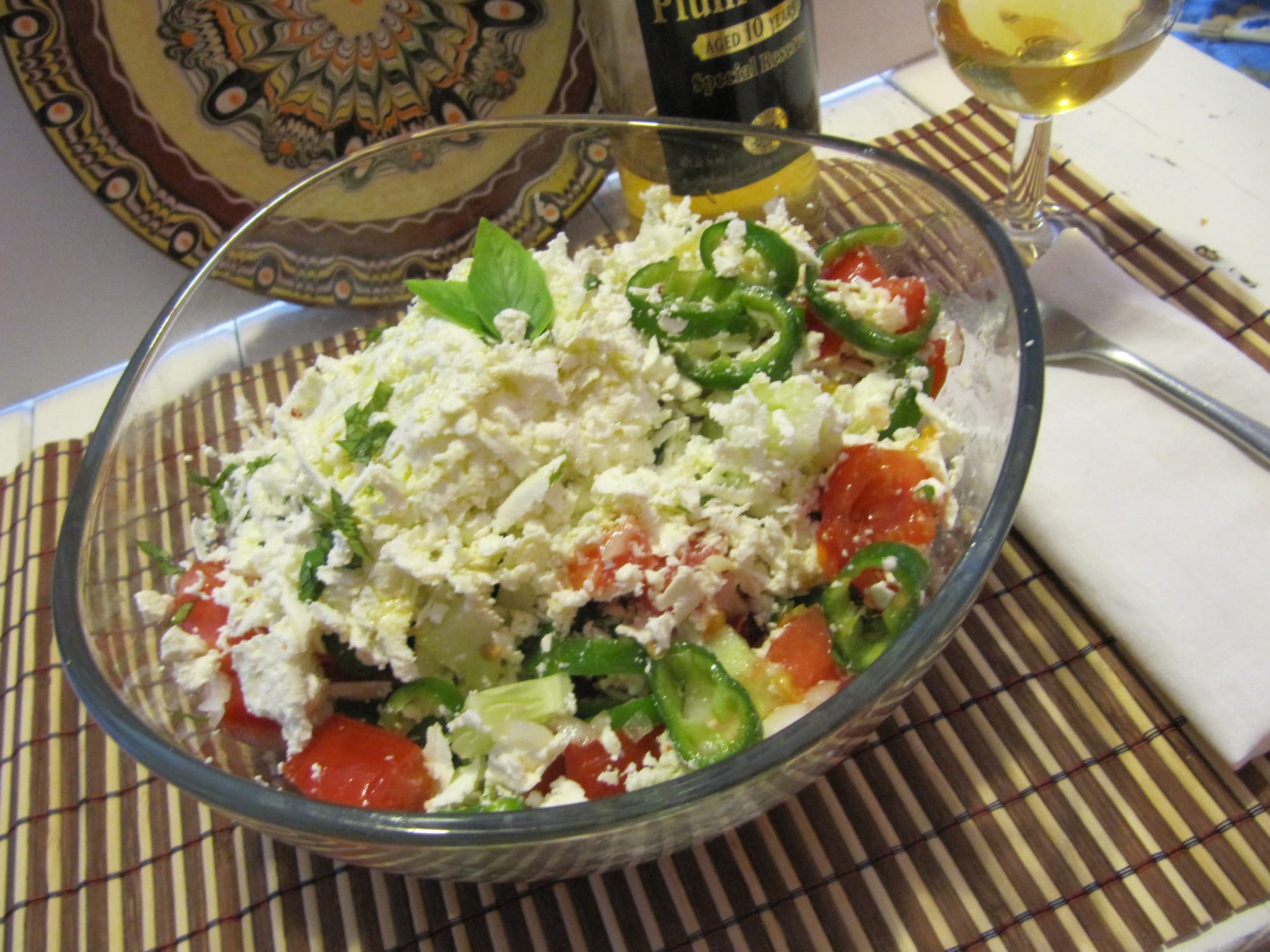
Shopska salad — chopped tomato, cucumber, onion and pepper, topped with a generous grating of sirene cheese — is widely considered Bulgaria's national dish, and its colours are often said to deliberately echo the white, green and red of the Bulgarian flag. It is eaten as a starter rather than a main, almost always alongside a shot of rakia, the fruit brandy that opens most Bulgarian meals.
Banitsa and New Year's fortunes
Banitsa, layers of filo pastry wrapped around a mixture of whisked egg and sirene cheese and baked until golden, is Bulgaria's everyday breakfast pastry, usually eaten with a glass of yogurt or ayran alongside it.
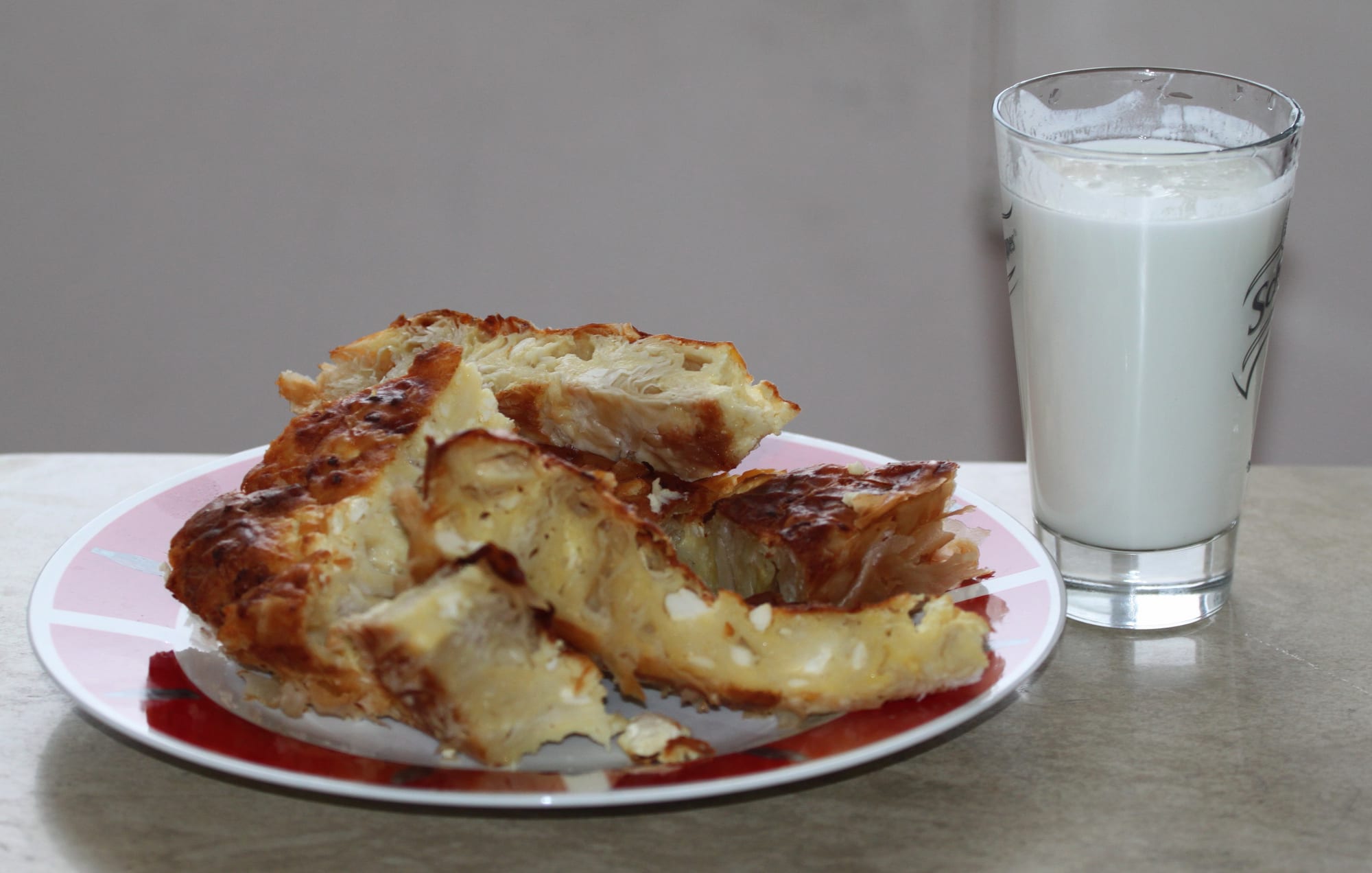
At New Year, a special version is baked with small paper-wrapped fortunes, called kismeti, folded into individual portions — whoever finds a particular fortune in their slice is said to carry that luck through the coming year, a tradition still kept in many Bulgarian households.
Dishes to know
Five more to recognise across Bulgaria:
- Kavarma — a slow-cooked meat and vegetable stew, traditionally simmered
and served in an individual clay pot.
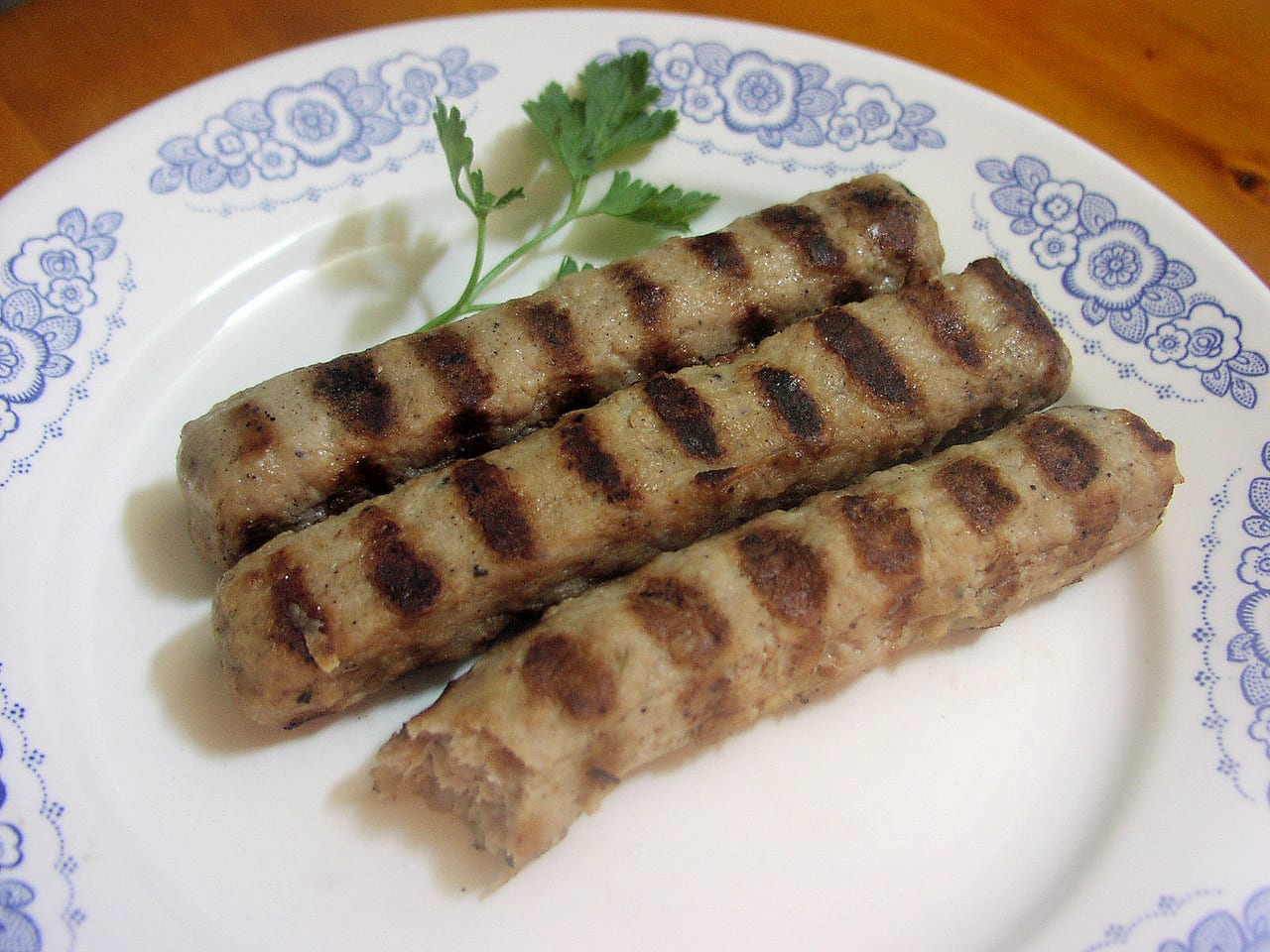
- Kebapche — a grilled log of seasoned minced meat, cooked without a casing,
part of the same wider Balkan grilled-meat family as Bosnian ćevapi.
- Kyufte — the same minced meat mixture as kebapche, shaped into a round
patty rather than a log.
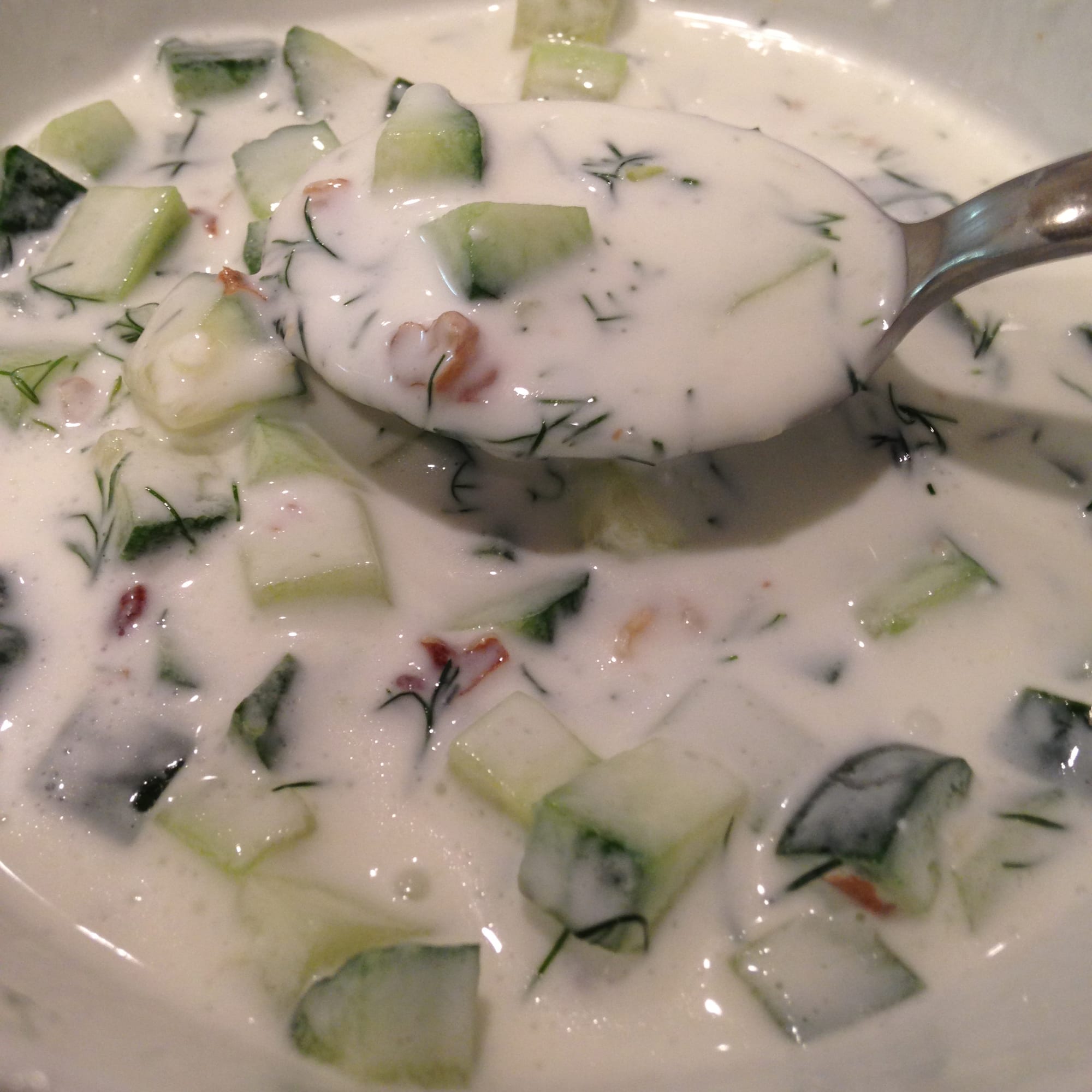
- Tarator — a cold soup of yogurt, diced cucumber, garlic, dill and walnuts,
a refreshing summer staple.
- Sarmi — cabbage or vine leaves stuffed with rice and often meat, found
under similar names right across the Balkans.
Rakia and wine
Rakia, a strong fruit brandy most often distilled from plums or grapes, is the standard opener to a Bulgarian meal, drunk alongside shopska salad rather than after the meal the way a digestif might be elsewhere. Bulgaria also has one of Europe's oldest winemaking traditions, going back to ancient Thrace, and still grows its own native grape, Mavrud, mainly in the south of the country.
Eating as a traveller
Vegetarians can rely on shopska salad, banitsa, tarator and sirene-based dishes, though kavarma, kebapche and most main courses are built around meat. Tap water is safe throughout the country. Sharing a shopska salad and a round of rakia before the main course is close to a fixed ritual at Bulgarian meals, and joining in is a good way to start any meal the way locals do.
What to take from the table
Shopska salad and a shot of rakia is the dish and drink to start with, but Bulgaria's real culinary pride runs through its dairy — banitsa with yogurt, tarator on a hot day, and sirene cheese worked into almost everything else.