History · Brunei
Brunei: The Sultanate That Kept Its Oil
Once the master of a great Borneo empire, then a British protectorate whittled down by rivals, and now a small, rich, absolute monarchy afloat on petroleum
By Worldlore Editorial · 19 September 2026
A small state on a big island
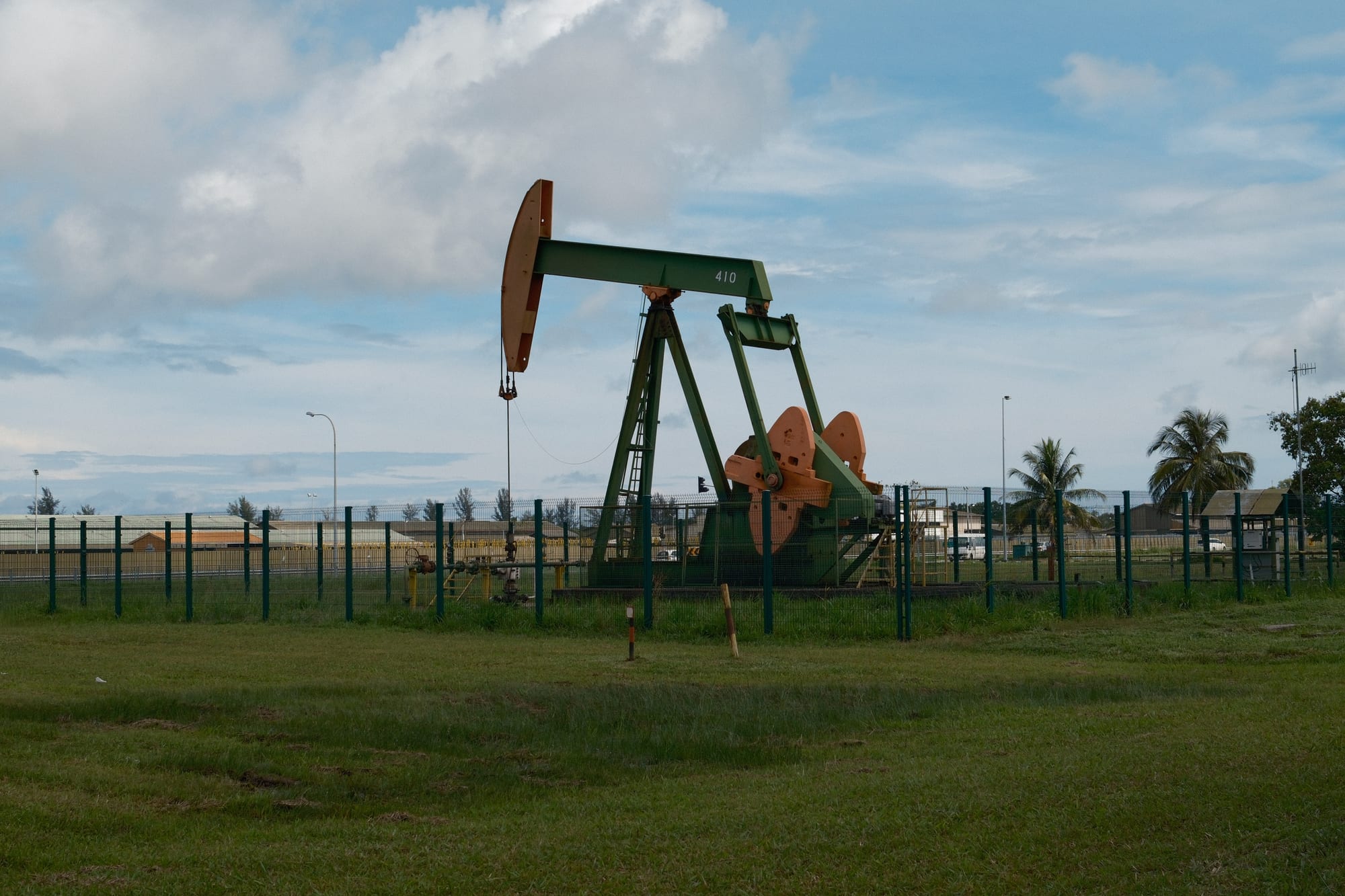
Brunei is a small country on the north coast of Borneo — under 6,000 square kilometres, cut into two pieces by the Malaysian state of Sarawak, with fewer than half a million people. It is an absolute monarchy: the Sultan is head of state and head of government, and there have been no elections since the 1960s. It is also, per head, one of the wealthiest countries in the world, on the strength of oil and gas discovered in the 1920s. All of that is a long way down from where Brunei started, as the ruling power of a maritime empire that once claimed most of Borneo and reached into the Philippines.
A short history
- 6th–14th c.
Po-ni
A trading state on the Borneo coast, sending tribute to China.
- 14th–15th c.
Islam
The ruling house converts; Brunei becomes a Muslim sultanate.
- c. 1485–1524
The Golden Age
Under Sultan Bolkiah, Brunei's power extends across Borneo and into the Sulu Sea.
- 16th–18th c.
Decline
Spanish attacks, civil wars, and rival powers shrink the sultanate.
- 1841
The White Rajahs
The Englishman James Brooke is made Rajah of Sarawak, at Brunei's expense.
- 1888 / 1906
British protectorate
Brunei's foreign affairs, then its administration, pass to Britain.
- 1929
Oil
A major strike at Seria makes Brunei rich.
- 1962
The Brunei Revolt
An anti-federation uprising is crushed; emergency rule begins and never ends.
- 1 January 1984
Independence
Brunei becomes a sovereign absolute monarchy.
The Borneo empire
The Brunei coast was part of the trading networks of maritime Southeast Asia for more than a thousand years, known to Chinese chroniclers as Po-ni. Its ruling house adopted Islam in the 14th or 15th century, and Brunei became a sultanate and a hub for the trade in camphor, pepper and forest goods. Its peak came around 1500, especially under the fifth sultan, Bolkiah, whose authority stretched along most of the coast of Borneo and into the Sulu Archipelago and the southern Philippines — the ruling families of pre-Spanish Manila were tied to Brunei.
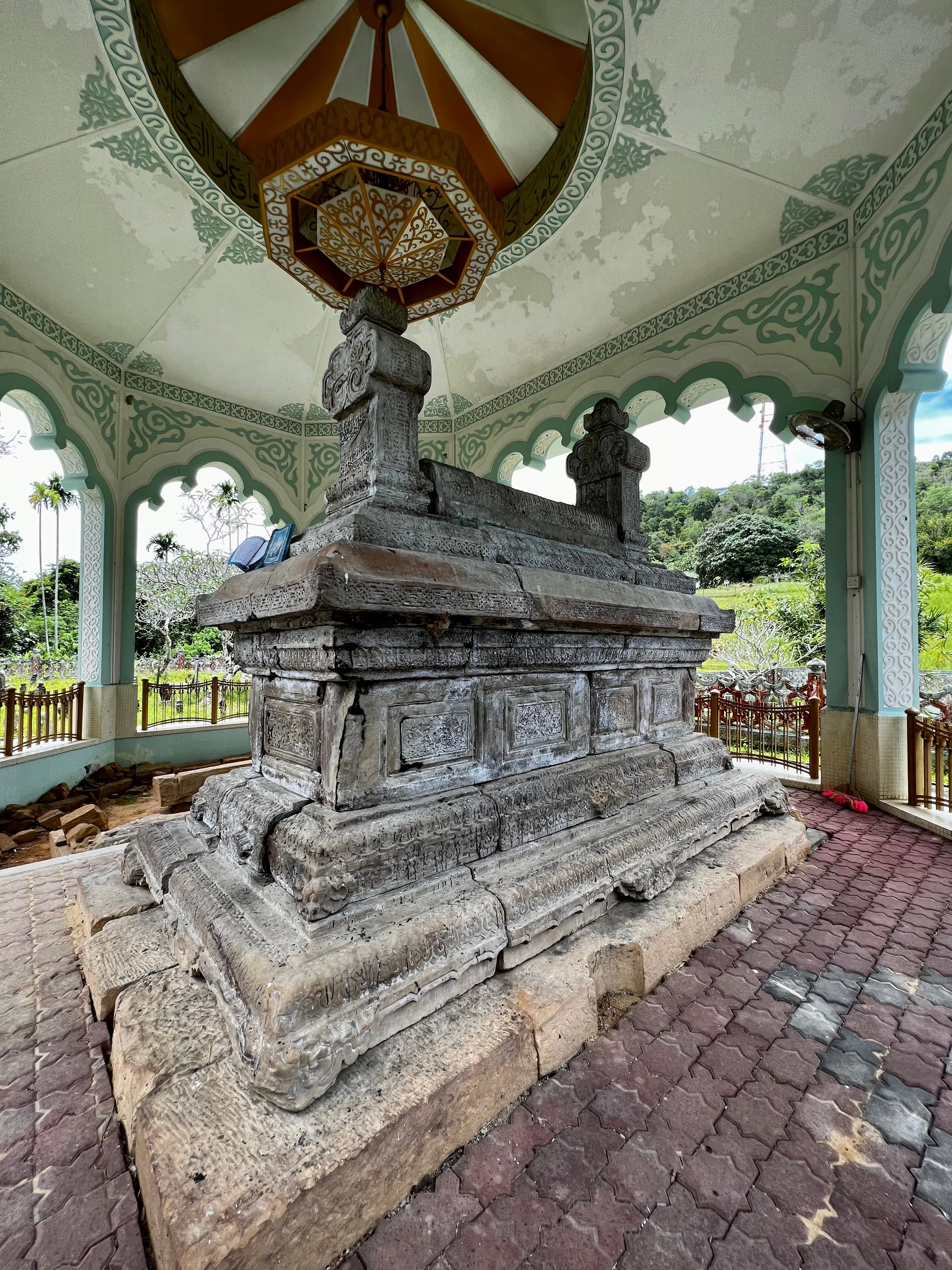
Decline followed. A Spanish force from the Philippines briefly captured the capital in 1578; a civil war tore the sultanate apart in the 1660s; and Sulu traders and European powers ate into its trade and its territory. By the early 19th century Brunei controlled little more than the north-western coast, and that only loosely.
Whittled away
In 1841 an English adventurer, James Brooke, helped the Sultan put down a revolt in the Sarawak river district and was rewarded with its governorship, and then the hereditary title of Rajah. The Brooke family — the "White Rajahs" — ruled Sarawak as a private kingdom for a century and steadily prised more land out of Brunei by treaty and threat. To the north-east, a British chartered company took over Sabah. Squeezed between the two, Brunei shrank to the two small fragments it occupies today, and by the 1880s it was close to disappearing entirely.
Britain stepped in — partly to stop Sarawak swallowing the rest. In 1888 Brunei became a British-protected state, and in 1906 a British Resident took over the administration, leaving the Sultan authority only over Malay custom and Islam. It was the end of Brunei's independence, but it preserved the sultanate.
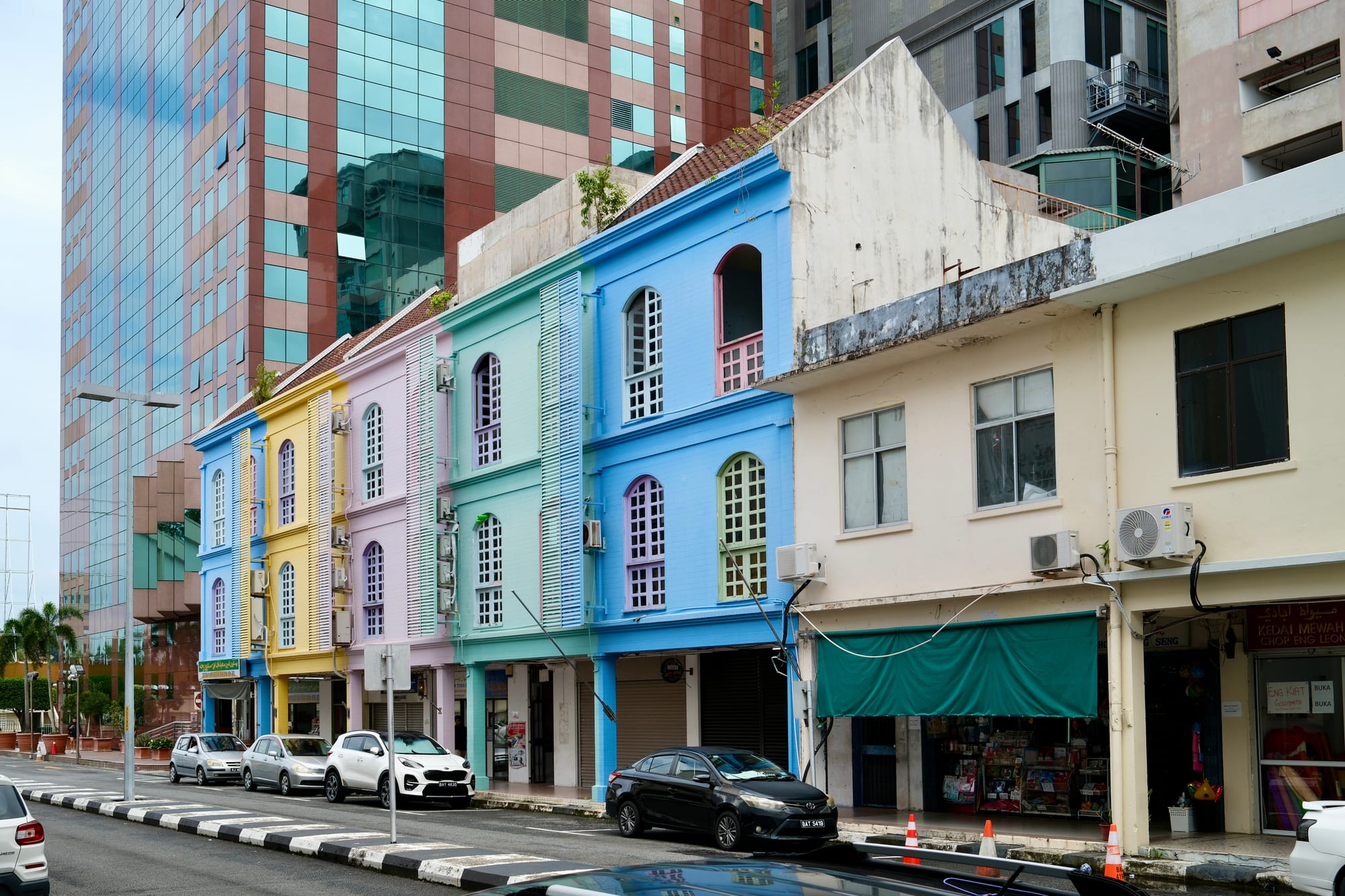
The Resident's rule left the Sultan authority only over Malay custom and Islam — the two things around which the modern Bruneian state has since built its official identity, "Malay Islamic Monarchy".
Oil, and the road not taken
Oil was found at Seria, on the coast, in 1929, and it changed everything. By the 1950s Brunei's revenues per head were among the highest anywhere, and — crucially — the state kept them, rather than a private elite or a foreign company alone. When Britain, in the early 1960s, promoted a federation joining Malaya, Singapore, Sarawak, Sabah and Brunei, the Sultan negotiated but pulled out. He would not accept a lower rank among the Malay rulers, and he would not share Brunei's oil money with a federal treasury.
That decision split Brunei. An anti-federation party that had swept the 1962 legislative elections launched an armed revolt in December 1962, aiming for an independent federation of the three Borneo territories under the Sultan as a constitutional monarch. British Gurkha troops put it down within days. The Sultan declared a state of emergency, banned political parties, and suspended the elected council — and the emergency has been renewed every two years since, for more than sixty.
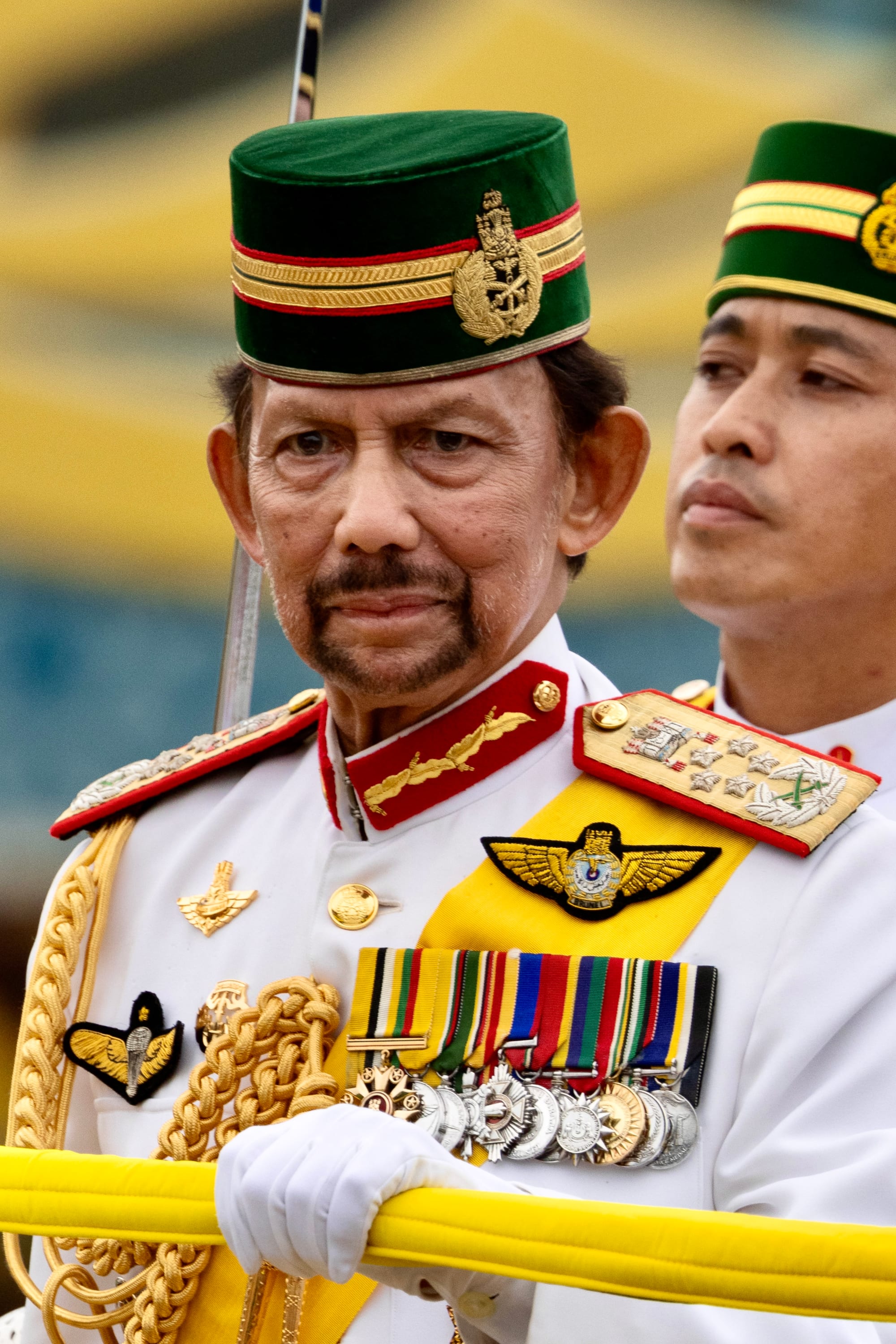
His father, Omar Ali Saifuddien III, abdicated in his favour in 1967 but remained the power behind the throne, as defence minister, until his death in 1986.
Independence, on its own terms
Brunei was in no rush to leave British protection, and only accepted full independence on 1 January 1984 — as an absolute Islamic monarchy, with no legislature and no elections. Sultan Hassanal Bolkiah, who came to the throne in 1967, has ruled ever since. Citizens pay no income tax and receive free schooling and health care, subsidised fuel and housing — a welfare state funded almost entirely by hydrocarbons. The system's excesses have surfaced periodically, most spectacularly when the Sultan's brother, as finance minister, was accused of diverting some 15 billion US dollars in the 1990s.
In 2014 Brunei began introducing a strict Sharia penal code, and in 2019 brought into force provisions for stoning and amputation that prompted international boycotts; the Sultan then declared a moratorium on carrying out the death penalty under it.
What Brunei keeps
Brunei's history is one of steady contraction — from an empire that dominated Borneo to a sultanate barely holding a stretch of coast — arrested at the last moment by British protection, and then reversed, in wealth if not in territory, by oil. The country that resulted is small, tightly governed, and rich, and it has built its modern identity on the two things it managed to hold on to: the monarchy, and the revenue.