Culture & Customs · British Virgin Islands
British Virgin Islands: Rise and Shine for Freedom
A churchgoing island community, a festival of freedom that begins before dawn, and a home-grown music named after a cornmeal dish
By Worldlore Editorial · 30 September 2026
It is still dark on an Emancipation morning when the first bands start up. Crowds gather behind them and begin to move through the streets, dancing, waving flags and getting soaked in water, paint and foam as soca music booms from the trucks. This is the Rise and Shine tramp, a dawn procession that opens the most important days of the year in the British Virgin Islands: the Emancipation holidays, which mark the end of slavery in 1834. By sunrise the revellers are tired and drenched, and the celebration has barely begun. In a small, close-knit territory, the tramp captures something essential — a community that remembers where it came from and marks it together, loudly.
Faith, identity and values
The British Virgin Islands are a churchgoing place, with many Christian denominations and no single dominant church. At the 2010 census Methodists were the largest group, at 17.6 per cent, followed by the Church of God at 10.4 per cent, with Anglicans, Roman Catholics and Seventh-day Adventists each at around 9 per cent. Hinduism and Islam are the largest non-Christian faiths, each with a small following. Christian observance shapes the public calendar: Good Friday, Easter Monday and Whit Monday are public holidays, and on Good Friday the sale of alcohol is prohibited until six in the evening.
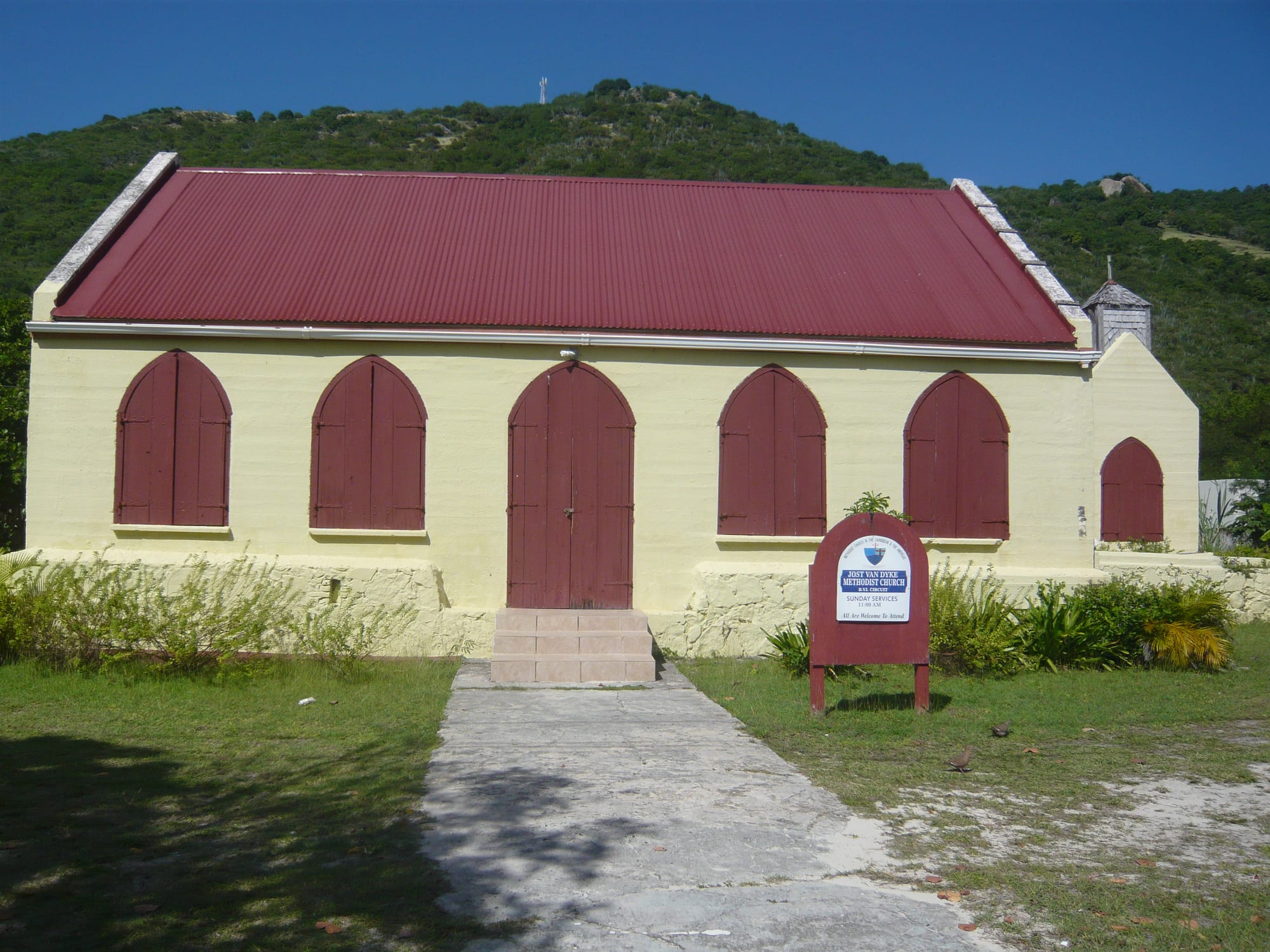
The churches have long been part of community celebration as well as worship. Older islanders remember Emancipation as a time of church picnics alongside the dancing and races, and there is lively public debate today about whether the churches should return to a more central role in the festival, with calls for candlelight vigils and school presentations on the meaning of emancipation.
Identity is a subject that matters here, and it has a legal dimension. The territory's people are small in number, and at the 2010 census just over 39 per cent of residents had been born locally. The largest groups born abroad came from Guyana, St Vincent and the Grenadines and Jamaica, with others from the United States, the Dominican Republic and the US Virgin Islands, most of them drawn by work. Local law recognises Belonger status, which comes through birth or descent and can also be acquired through marriage to a Belonger or after long residence. Who counts as a Virgin Islander in the fuller sense is itself a matter of public debate, with some politicians arguing for a distinction between those with generations of local ancestry and those who belong by status. The islands' recent history is also honoured in the calendar: Heroes and Foreparents Day, first celebrated in 2021, replaced the old St Ursula's Day as a way of celebrating the territory's own culture and heritage, and further holidays mark the birthday of the first Chief Minister, Hamilton Lavity Stoutt, and the Great March of 1949, when more than 1,500 Virgin Islanders marched to the Commissioner's Office in a protest that became the catalyst for restoring the Legislative Council.
Greetings and meeting people
English is the official language, but widely used in everyday life is Virgin Islands Creole English, an English-based creole with its own rhythm and vocabulary. It is the language of home and of the street rather than of official business, and visitors are not expected to use it; plain, courteous English serves perfectly well.
Social attitudes outside the resorts are conservative. Tourist areas are relaxed and tolerant, but beyond them public displays of affection can draw disapproving attention, and a measure of reserve is the safer course. The resident community is small enough that people know one another well, and the contrast between local life and the transient world of yachts and charter guests is part of how islanders see themselves.
Hospitality and being a guest
Hospitality is most visible at the territory's many public gatherings, where food and music are shared freely. Festivals usually include a cultural food fair, where local cooks, farmers and young entrepreneurs sell traditional dishes and demonstrate old skills, and festival villages stay open late into the night with food stalls, rides and live bands. Guests are welcome at all of these, and joining in, rather than watching from the edge, is the surest way to be treated as a friend.
Respect for the islands themselves is also expected. The marine parks are strictly protected: fishing inside them is prohibited, and removing shells, coral or any marine animal from the territory without a permit is illegal. Drug laws are severe, and even small quantities can bring large fines or prison.
Festivals and life's big moments
The Emancipation Festival is the territory's great annual celebration. Emancipation Monday, Tuesday and Wednesday, the first Monday in August and the two days that follow, are public holidays, and the festival around them now stretches over weeks, with a festival village of stalls, stages and rides. It has been staged for more than seventy years, and its programme includes calypso and soca competitions, the crowning of the year's Road March, the song that dominates the streets, and a grand parade of costumed troupes, floats, steel bands and moko jumbies, the tall stilt-walkers of Caribbean carnival. In recent years the dawn Rise and Shine tramp and the main parade have been separated onto different days, and the schedule is set afresh each year. The earliest commemorations brought church picnics, horse races and water sports, with children dancing round maypoles and adults dancing in the streets, and horse and donkey races remain among the festival's most popular events. Leaders regularly remind celebrants that the festival exists to honour freedom, calling for it to be marked in peace.
Easter brings a second festival season, with its own dawn tramp, an Easter hat parade, a food fair and a festival village. November is Culture and Tourism Month, organised by the Department of Culture with the tourist board, the community college and local associations, and in mid-November a fungi festival moves across three islands over three days, with local and visiting Caribbean bands, children dancing on the grass and the official lighting of the Christmas tree.
Arts, crafts and music
Fungi, also called scratch, is the local name for the islands' folk music. The government traces its roots to the territory's African heritage: it evolved during slavery and was handed down from generation to generation, and after emancipation in 1834 scratch bands began to form. A band may combine a squash, a washboard or a tambourine with congo drums, a ukulele or banjo, and a saxophone or flute, and many of its players are self-taught. Workshops run by the Department of Culture with the territory's community college teach its origins, band types and instruments to new players, and bands such as the Lashing Dogs keep it alive at festivals.
Carnival arts have joined the older traditions. The Emancipation Festival brings a calypso competition, steel pan groups, costumed troupes and moko jumbies on their towering stilts, alongside reggae and soca from regional bands, and the territory's cultural programme also embraces dance, drama, culinary and literary arts.
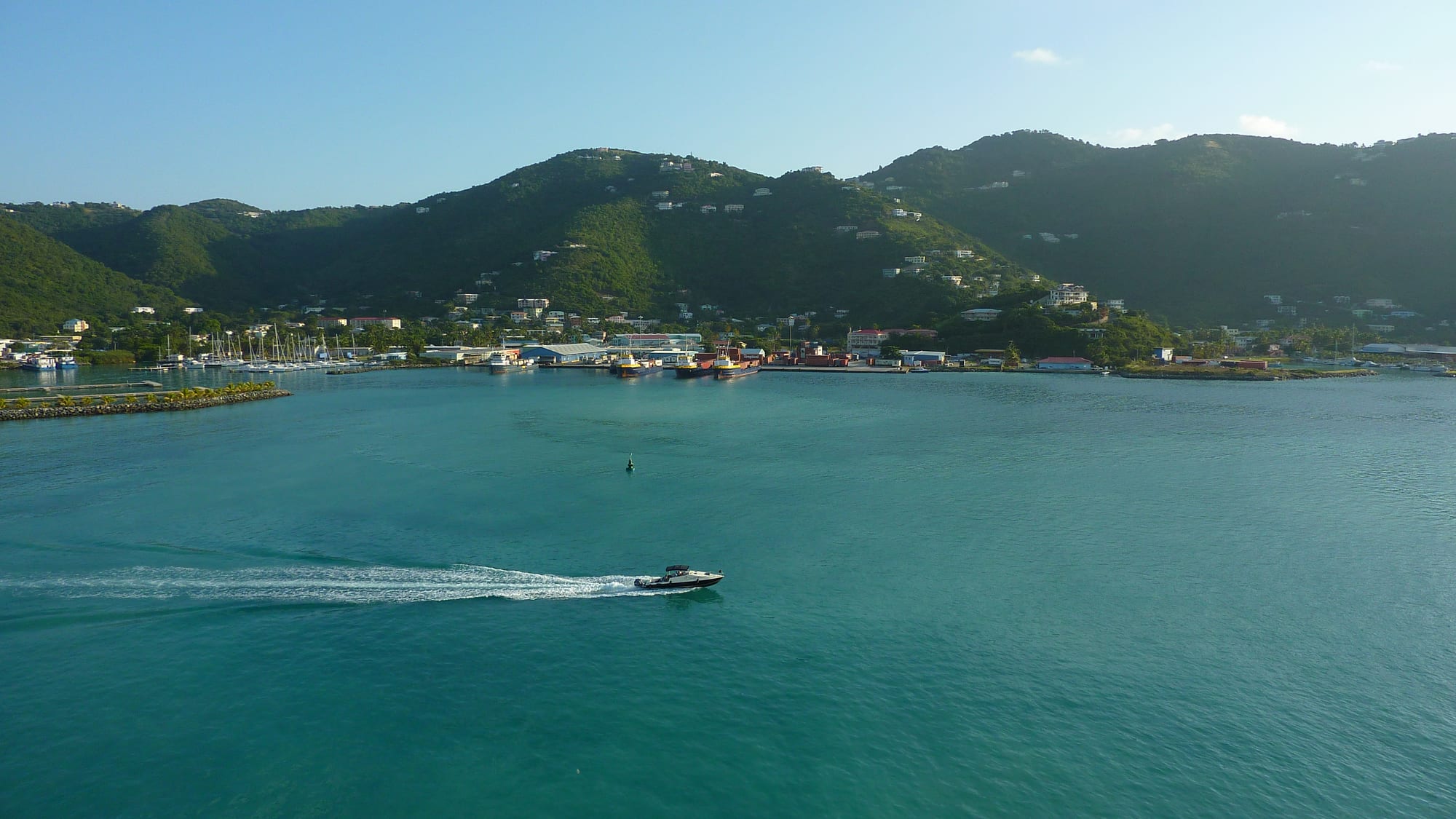
Life on the water is part of the territory's identity. Tourism, built on the climate, the beaches and the coral reefs, has grown since the 1960s, alongside financial services, to replace agriculture as a mainstay of the economy, and now provides around 45 per cent of national income, and the annual spring regatta and sailing festival has been staged more than fifty times.
Dos and don'ts for visitors
- Do join the dawn Rise and Shine tramp if invited, but expect to be soaked in water, paint and foam.
- Do seek out a fungi band at a festival, food fair or cultural event.
- Do keep displays of affection discreet outside the main tourist areas.
- Do expect alcohol sales to be restricted on Good Friday until the evening.
- Don't fish in the marine parks or take shells, coral or marine life without a permit.
- Don't carry or use drugs; even small quantities bring heavy fines or prison.
What to take away
In the British Virgin Islands, culture is something people do together in public — at church, in the festival village, behind a fungi band — and visitors who join in with respect will find the welcome as warm as the water.