Daily Life · British Virgin Islands
British Virgin Islands: Life Timed to the Ferry
A territory of fewer than 40,000 people spread across a handful of islands, where getting to work, school or a doctor's appointment often means checking a boat schedule rather than a bus timetable
By Worldlore Editorial · 30 September 2026
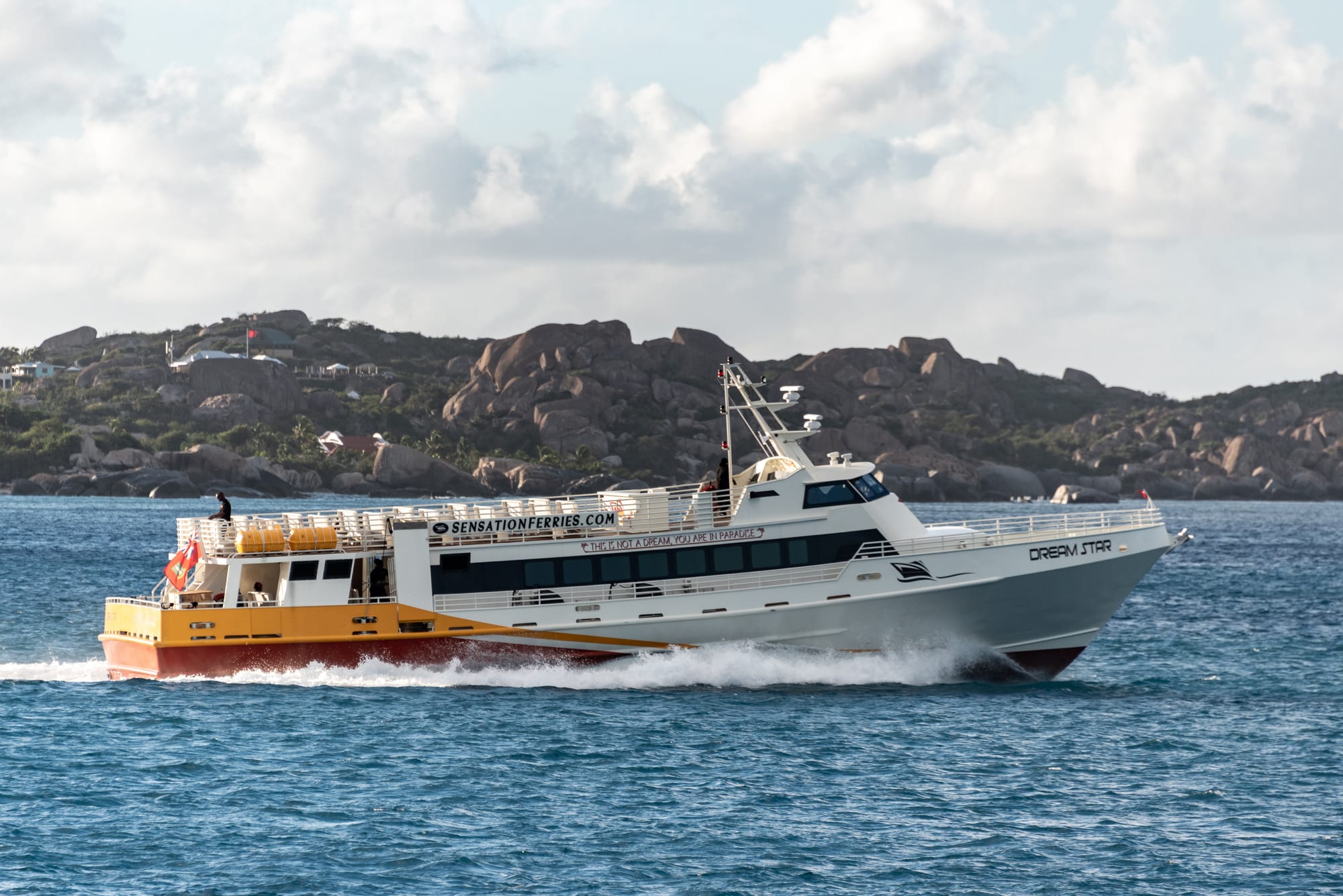
Fewer than 40,000 people live across the British Virgin Islands, most of them on Tortola, with Virgin Gorda, Anegada and Jost Van Dyke the other main inhabited islands. That small, scattered population shapes almost everything about an ordinary day: getting to a job, a school or a hospital appointment on a different island means checking a ferry timetable the way commuters elsewhere check a bus or train schedule, and the territory's two defining industries, financial services and yacht tourism, both depend on people arriving from somewhere else entirely.
Family and home life
The territory's long-term residents, generally called Belongers, descend largely from the smallholding farmers and fishermen who took up land after slavery ended in 1834, when the sugar plantations that had relied on enslaved labour collapsed and most planters left. Belonger households remain a fairly small, close community, and English-speaking Methodist and other Christian congregations run deep in family life. A large share of the day-to-day workforce, though, holds work permits and comes from elsewhere in the eastern Caribbean, so many households and neighbourhoods today mix long-settled Belonger families with a transient population of workers, yacht crews and finance professionals on renewable contracts.
Work, school and the rhythm of the day
There is no income tax in the BVI, and the government's revenue instead comes in large part, around half, from fees tied to the several hundred thousand international companies incorporated in the territory, one of the world's largest offshore registration centres, alongside tourism. Office jobs generally follow a Monday-to-Friday week, and the cost of living is high by Caribbean standards, so many households combine more than one income to manage rent, imported goods and school costs. Daily life is car-dependent on Tortola, driving is on the left despite the US dollar and American-style vehicles, and getting to work on a different island means planning around a fixed ferry timetable rather than a flexible departure time.
Community life and public spaces
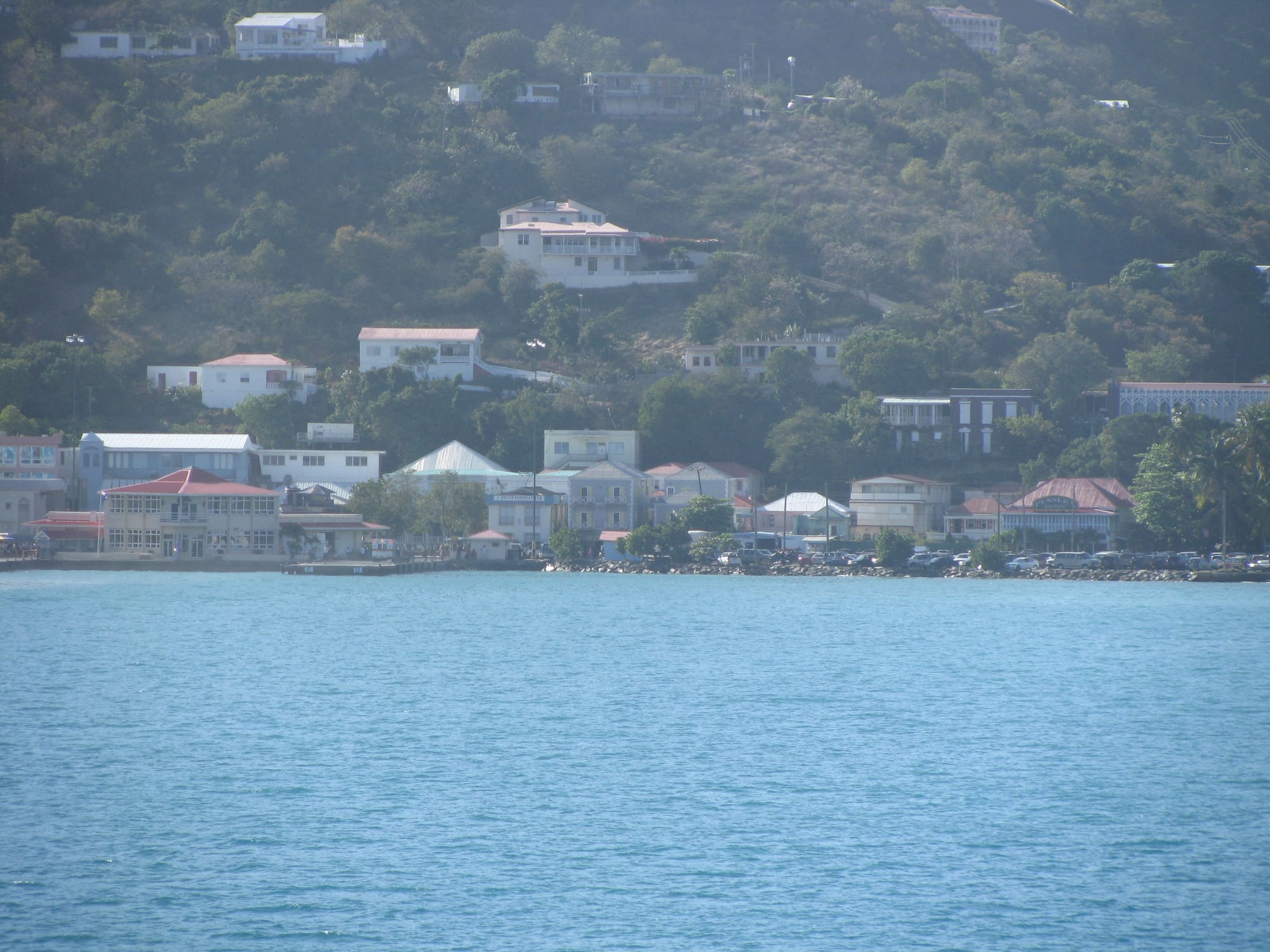
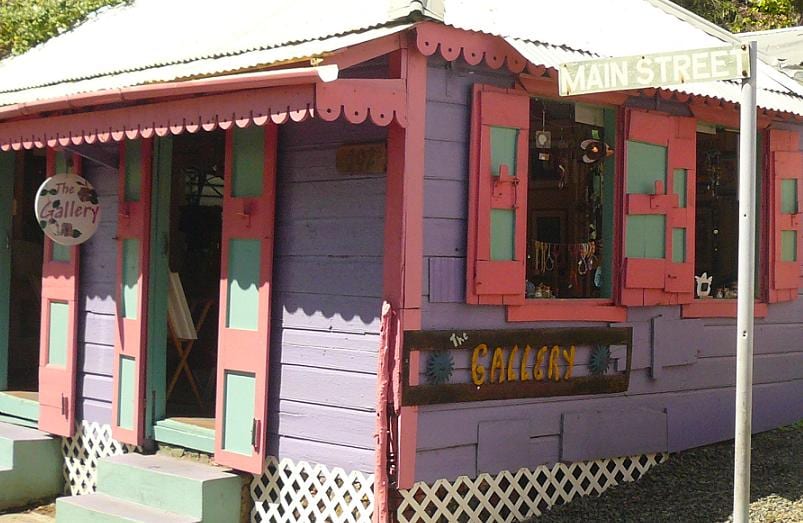
Road Town, the capital on Tortola, is the territory's main hub of shops, government offices and the ferry terminal that links the islands, its Main Street lined with older wooden buildings alongside newer construction. Inter-island ferries function as the closest thing the BVI has to public transport, carrying commuters, schoolchildren and supplies as much as visitors between Tortola, Virgin Gorda, Jost Van Dyke and Anegada, though schedules thin out noticeably on Sundays and public holidays. Marinas and anchorages along the Sir Francis Drake Channel are a constant daily presence rather than a seasonal one, since yacht chartering is a year-round part of the territory's working economy, not only a holiday backdrop.
Free time and weekends
Weekends often mean a day on or near the water, whether swimming, sailing or visiting a beach bar on a neighbouring island by ferry or dinghy, and boat-building and sloop racing remain a genuine point of local pride and tradition. The August Festival, the territory's emancipation celebration marking the end of slavery on 1 August 1834, is the territory's main annual celebration and the closest thing the BVI has to a carnival, drawing residents from across the islands. Church remains a significant part of many families' Sundays, and small community and school sporting events are a regular feature of weekend life on Tortola.
A visitor's ordinary day
The US dollar is the official currency, cards are accepted at hotels and larger restaurants, but cash is still useful for ferries, taxis and beach bars. Renting a car or using the open-sided "safari" taxis is the practical way to get around Tortola, and it is worth remembering that driving is on the left. Check ferry schedules a day ahead where possible, since Sunday and holiday services run far less frequently, and note that recovery from Hurricane Irma in 2017 means building work and infrastructure upgrades are still a visible, ongoing part of the landscape in places. Medical care is limited locally, so serious cases are generally transferred to Puerto Rico or the US mainland.
What to take away
An ordinary day in the British Virgin Islands runs on water as much as on land — for residents as much as for the yachts the territory is known for, the ferry timetable is simply part of how the week gets planned.