Food · Brazil
Brazil: Food and the National Dish
A black bean and pork stew big enough to define a nation, a coastal cuisine built on African cooking brought by force, and a country too large to have just one food identity
By Worldlore Editorial · 16 September 2026
A cuisine too large for one identity
Brazil is a continent-sized country, and its food reflects that: Portuguese colonial cooking, the enormous and often painful influence of the African cooks brought by the transatlantic slave trade, Indigenous ingredients like cassava and açaí, and waves of Italian, German, Japanese and Lebanese immigration have all left distinct regional cuisines rather than one national style. What holds it together is a shared handful of dishes that travel the whole country, starting with one served at nearly every family gathering.
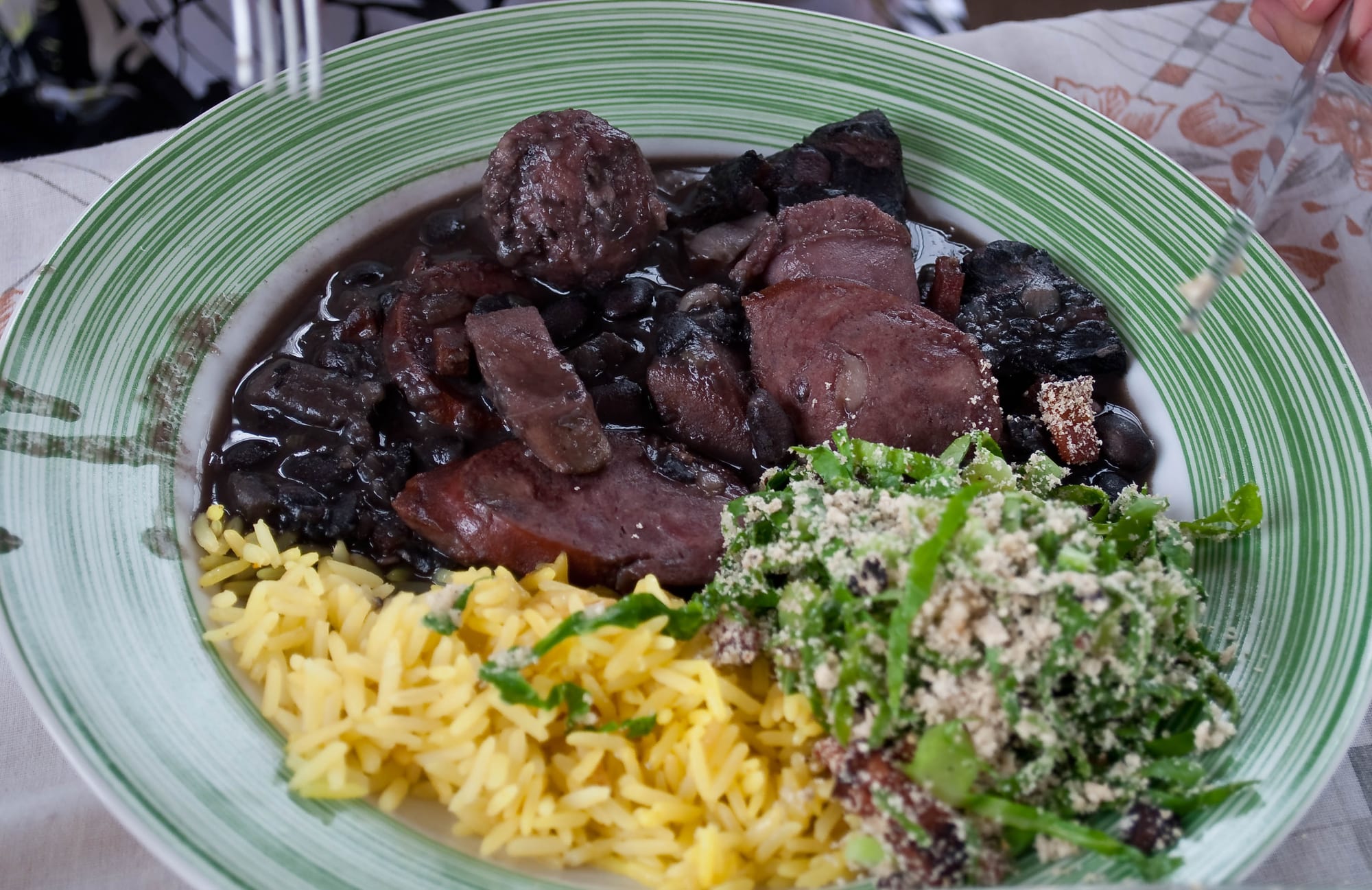
The national dish: feijoada
Feijoada is a slow-cooked stew of black beans and pork — traditionally including cuts like ears, feet and tail alongside sausage and other cured meats — served with white rice, farofa (toasted cassava flour), sautéed collard greens and slices of orange to cut through the richness. It carries real weight as a symbol of Brazilian identity, eaten as a weekend ritual more than an everyday meal, often stretching into a long, unhurried lunch with family or friends.
Afro-Brazilian roots on the coast
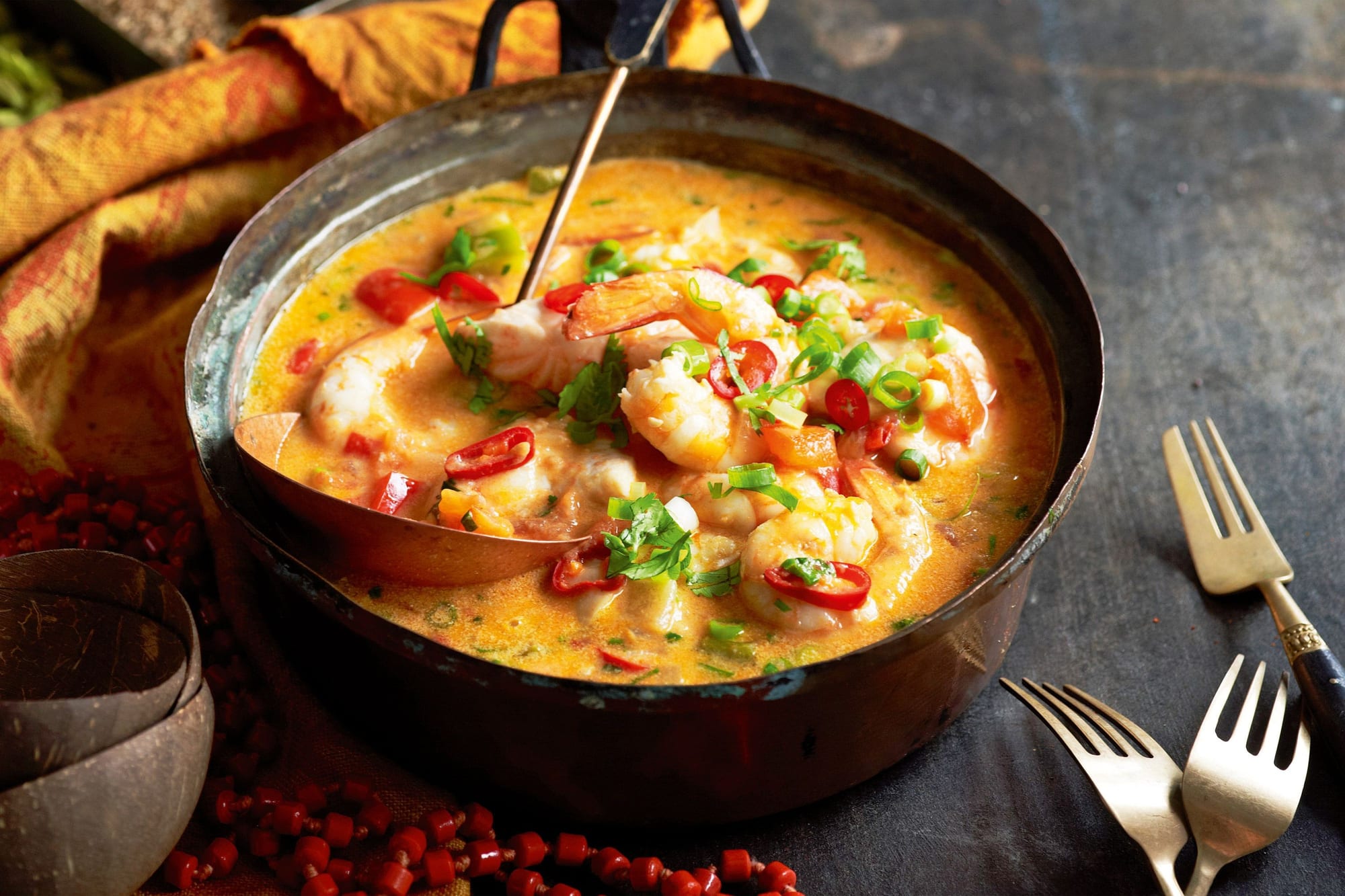
Bahia and the wider Northeast carry Brazil's most directly African culinary inheritance. Moqueca, a fish or seafood stew cooked with dendê palm oil, coconut milk and peppers, and acarajé, black-eyed pea fritters deep-fried in the same dendê oil and split open for a filling of shrimp and spiced paste, both descend from West African cooking carried to Brazil by enslaved people and never abandoned.
Acarajé is more than a snack in Bahia: it is closely tied to Candomblé, the Afro-Brazilian religion, and is traditionally sold by baianas, women dressed in white traditional clothing, on street corners in Salvador — a dish with a genuine religious and cultural weight behind its everyday sale.
Dishes to know
Five more to recognise across Brazil:
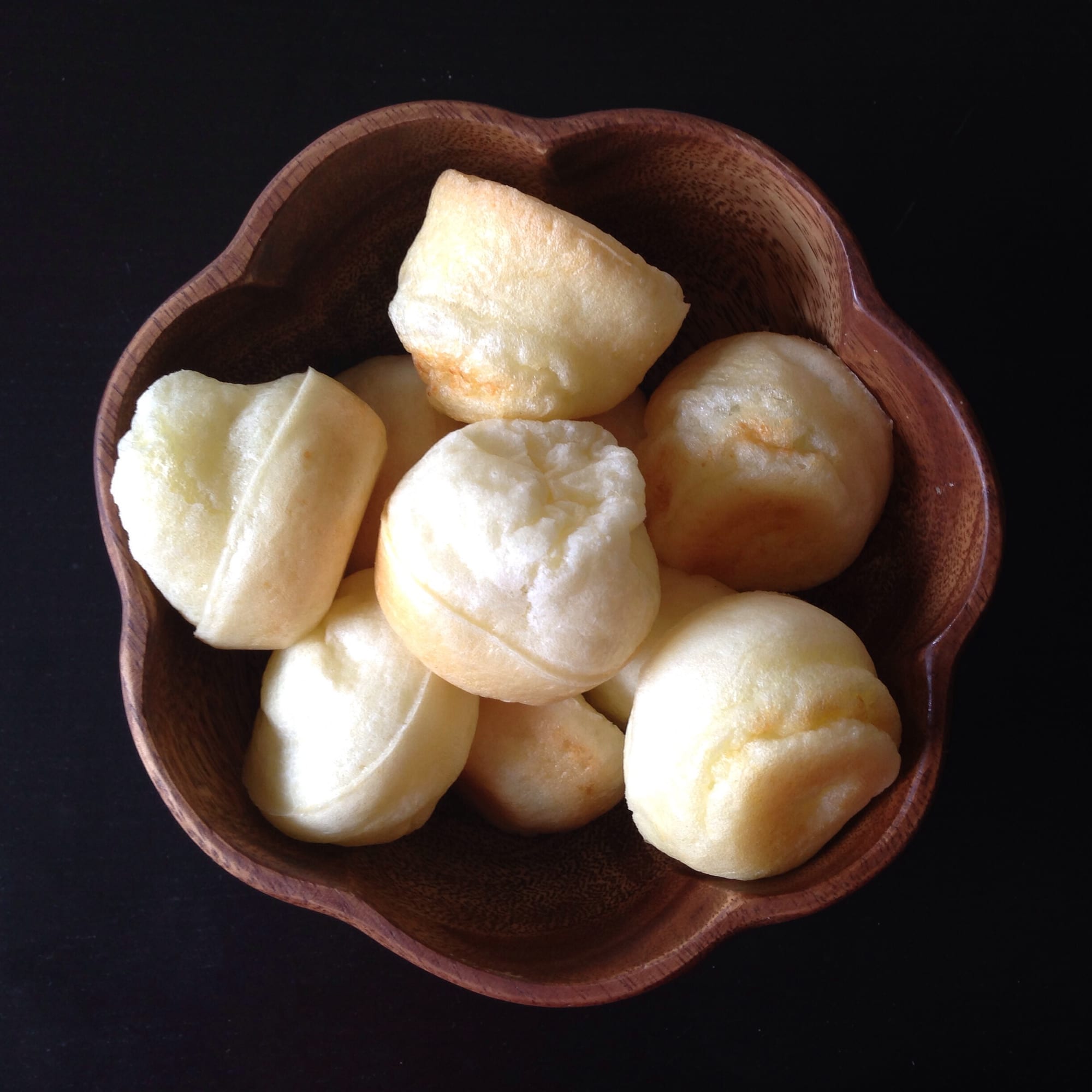
- Pão de queijo — small, chewy cheese bread rolls made with cassava starch,
a Minas Gerais specialty now eaten nationwide, especially at breakfast.
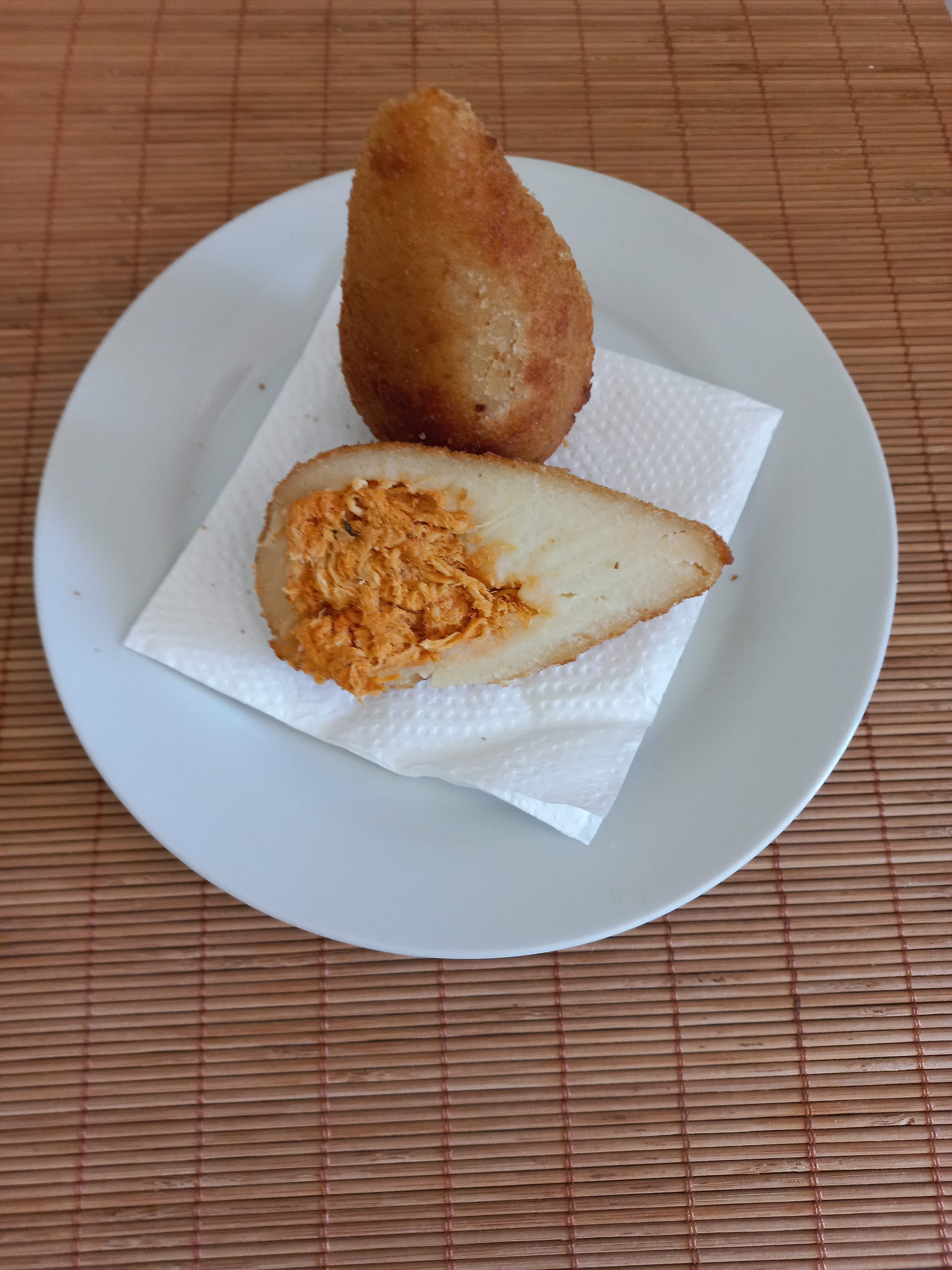
- Coxinha — a teardrop-shaped, breaded and fried snack filled with shredded,
seasoned chicken, sold everywhere from bakeries to bars.
- Brigadeiro — a rolled chocolate fudge ball coated in sprinkles, essential
at Brazilian birthday parties to the point of being non-negotiable.
- Churrasco — Brazilian barbecue, especially the all-you-can-eat rodízio
style of continuously carved skewered meat, a tradition from the gaúcho culture of Rio Grande do Sul in the south.
- Açaí — a thick, frozen Amazonian berry purée, originally an Amazonian
staple and now a global health-food export.

Coffee, cachaça and the caipirinha
Brazil has been the world's largest coffee producer for close to two centuries, and coffee culture runs deep well beyond export statistics. Cachaça, a spirit distilled from sugarcane and distinct from rum, is the base of the caipirinha, muddled with lime and sugar and treated as Brazil's national cocktail. Guaraná, a soda made from an Amazonian berry, is the most popular domestic soft drink, outselling many international brands in Brazil itself.
Eating as a traveller
Vegetarians can rely on rice, beans, pão de queijo and increasingly dedicated vegetarian and vegan restaurants in larger cities, though feijoada, moqueca and most traditional dishes are built around meat or fish. Tap water is generally treated as safe in major cities but many people drink filtered or bottled water out of habit. Brazil's size means genuinely different food experiences by region — a churrascaria in the south, a moqueca in Bahia and an açaí bowl in the Amazon can feel like three separate countries' cuisines.
What to take from the table
A proper feijoada, eaten slowly over a weekend afternoon, is the dish to build a Brazilian meal around — but the country's food only really makes sense once you accept that no single dish, feijoada included, can speak for all of it.