Culture & Customs · Brazil
Brazil: Everyone Into the Circle
A Catholic country of saints and orixás, greetings given to every person in the room, and a culture of circles — the capoeira roda, the samba ring, the festival dance — that are always open to one more
By Worldlore Editorial · 30 September 2026
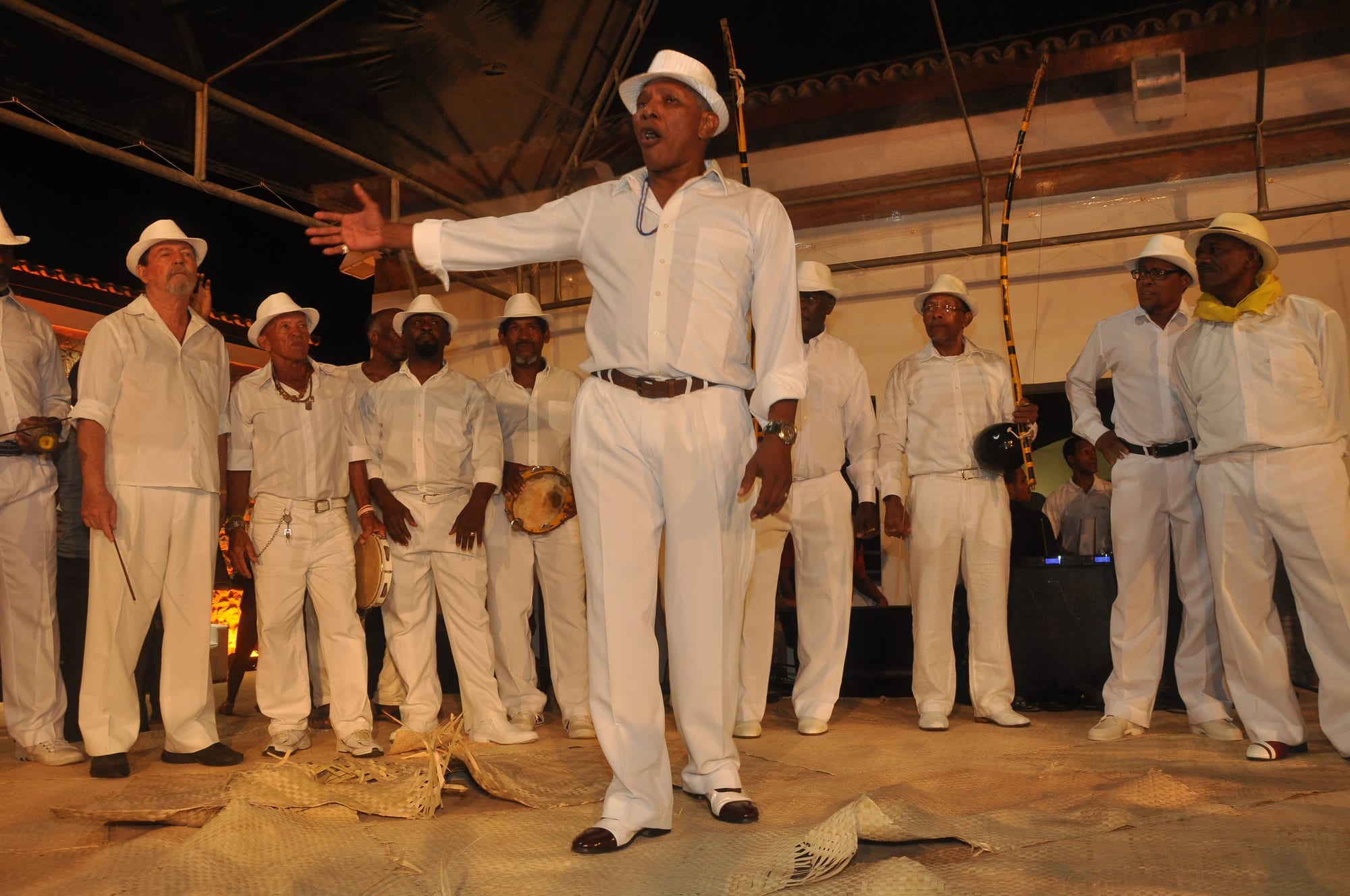
A circle forms, and the music starts before anything else. A master strikes the single wire of the berimbau, a long wooden bow with a gourd at its base; drums and tambourines join in, and the people standing around begin to clap and sing a chant that everyone seems to know. Two players crouch at the foot of the instruments, touch hands and move into the centre, where the game that follows is part fight, part dance, all feints and cartwheels and near misses. When one pair tires, another takes its place. Newcomers are not taught with a lecture: they watch, clap, sing and eventually step in. The capoeira roda is one of many circles in Brazilian life, from the samba ring to the festival dance, and they share an unspoken rule: there is always room for one more.
Faith, identity and values
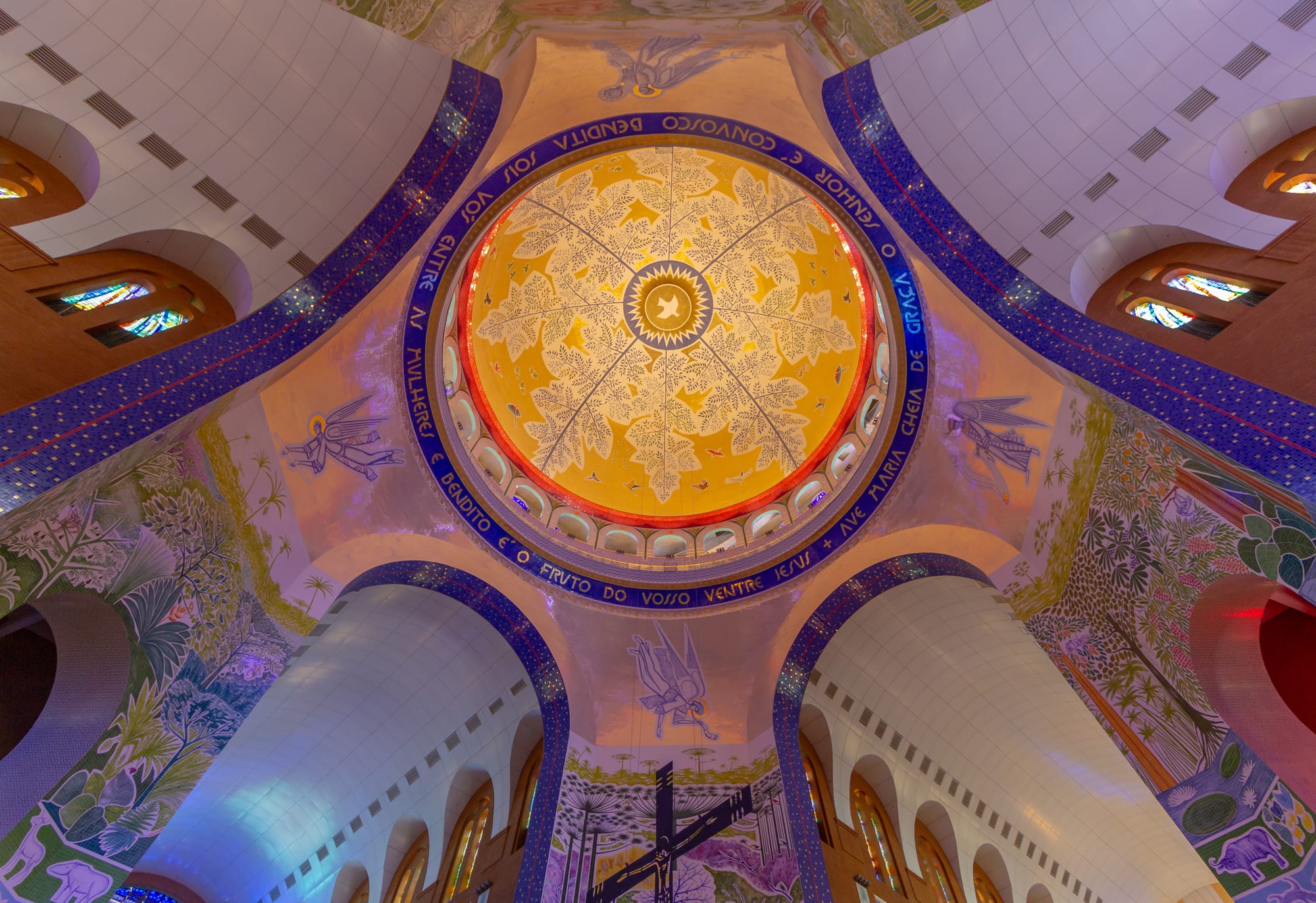
Brazil has more Catholics than any other kind of believer, but its religious landscape is changing fast. At the 2022 census Roman Catholics made up about 57 per cent of the population and Protestants, overwhelmingly evangelical, about 27 per cent, a share that has grown steadily as the Catholic proportion has fallen since 2000. Catholicism nonetheless still shapes the calendar and the milestones of life: baptisms, church weddings and the feasts of patron saints remain widely observed, and Our Lady of Aparecida, declared patroness of Brazil by Pope Pius XI in 1930, is honoured with a national holiday on 12 October.
Alongside the churches stand faiths born of Brazil's own history. Candomblé, brought by enslaved Africans, worships the orixás, deities of African origin, and survived persecution in part by aligning them with Catholic saints; it has become a powerful symbol of Afro-Brazilian identity, though it still faces prejudice. Umbanda, a distinctly Brazilian religion, blends African, Indigenous and Spiritist elements around ideals of charity and respect, and Spiritism itself, based on the writings of the Frenchman Allan Kardec, has a large following. The borders between these traditions are porous, and syncretism, the blending of beliefs, runs through all of them.
Brazilians often describe their national character in terms of warmth and expressiveness. Hope is a deep current, closely tied to faith, and the phrase "se Deus quiser", God willing, is attached to plans large and small. So is saudade, a word for a mixture of longing, nostalgia and melancholy for something or someone absent, which runs through the country's songs and poetry. Family loyalty comes first, extended families often span three generations under one roof, and people widen their circle through compadrio, the ritual kinship created by choosing godparents. Brazilians take pride in their mixed Indigenous, African, European and Asian heritage, though race and class still shape life chances, and where a person comes from within the country is an important part of who they are.
Then there is the jeitinho, literally "a little way". It describes the knack of getting round an obstacle, above all a bureaucratic one, by charm, persuasion or a personal favour, and it covers a wide spectrum. At one end it is simply resourceful problem-solving; at the other it shades into bending the rules, and scholars who study it place much of it somewhere between a legitimate favour and outright corruption.
Greetings and meeting people
A handshake is the safe greeting for anyone, and between men who know each other well it may come with a pat on the back or a hug. Women commonly greet friends, and often new acquaintances, with a light kiss on the cheek. When a woman wishes to shake hands with a man, she is expected to offer her hand first. What matters most is that everyone is acknowledged: on arriving at a gathering, and again on leaving, Brazilians usually take the time to greet each person individually, with direct eye contact. A general wave to the room can seem cold.
Everyday greetings are "olá", hello, "bom dia", good morning, "boa tarde", good afternoon, and "boa noite", good evening. Older people and anyone met for the first time are addressed as senhor or senhora, followed by their first name, and first names alone come quickly once a relationship is established.
Conversation is warm, close and tactile. People stand nearer to each other than in much of northern Europe, touch one another's arms and backs as they talk, and hold hands or kiss in public without drawing attention. Interrupting is common and is a sign of engagement rather than rudeness. At the same time, Brazilians tend to avoid open confrontation, steering a conversation gently away from a disagreement rather than meeting it head on. Some gestures carry strong meanings: a thumbs up signals approval and is used constantly, a click of the tongue with a shake of the head means no, and the circle made with thumb and forefinger, read as "OK" in many countries, is obscene in Brazil and best avoided.
Hospitality and being a guest
Brazilians are relaxed and generous hosts, and an invitation home is a sign of real friendship. Punctuality is understood differently here: for a social invitation it is considered impolite to arrive exactly on time, and guests usually come 15 to 30 minutes after the hour given. Coffee is the universal gesture of hospitality and should always be accepted, and guests are expected to stay through dessert and the coffee that follows rather than leaving straight after the main course.
A small gift for the hostess, and perhaps something for the children, is appreciated. Flowers are a good choice, orchids especially, but purple flowers and purple wrapping are best avoided, since the colour is associated with mourning. Knives and scissors are unwelcome because they symbolise cutting a relationship, and very personal or practical items can seem over-familiar. A married man giving a gift to a woman does well to make clear it comes from his wife as well.
At the table, meals are eaten quietly, without burping or clattering cutlery, and most foods are handled with a napkin or cutlery rather than bare fingers. Clearing the plate shows that the meal was enjoyed, while leaving food can suggest otherwise, and second helpings are offered freely and gladly accepted.
Festivals and life's big moments
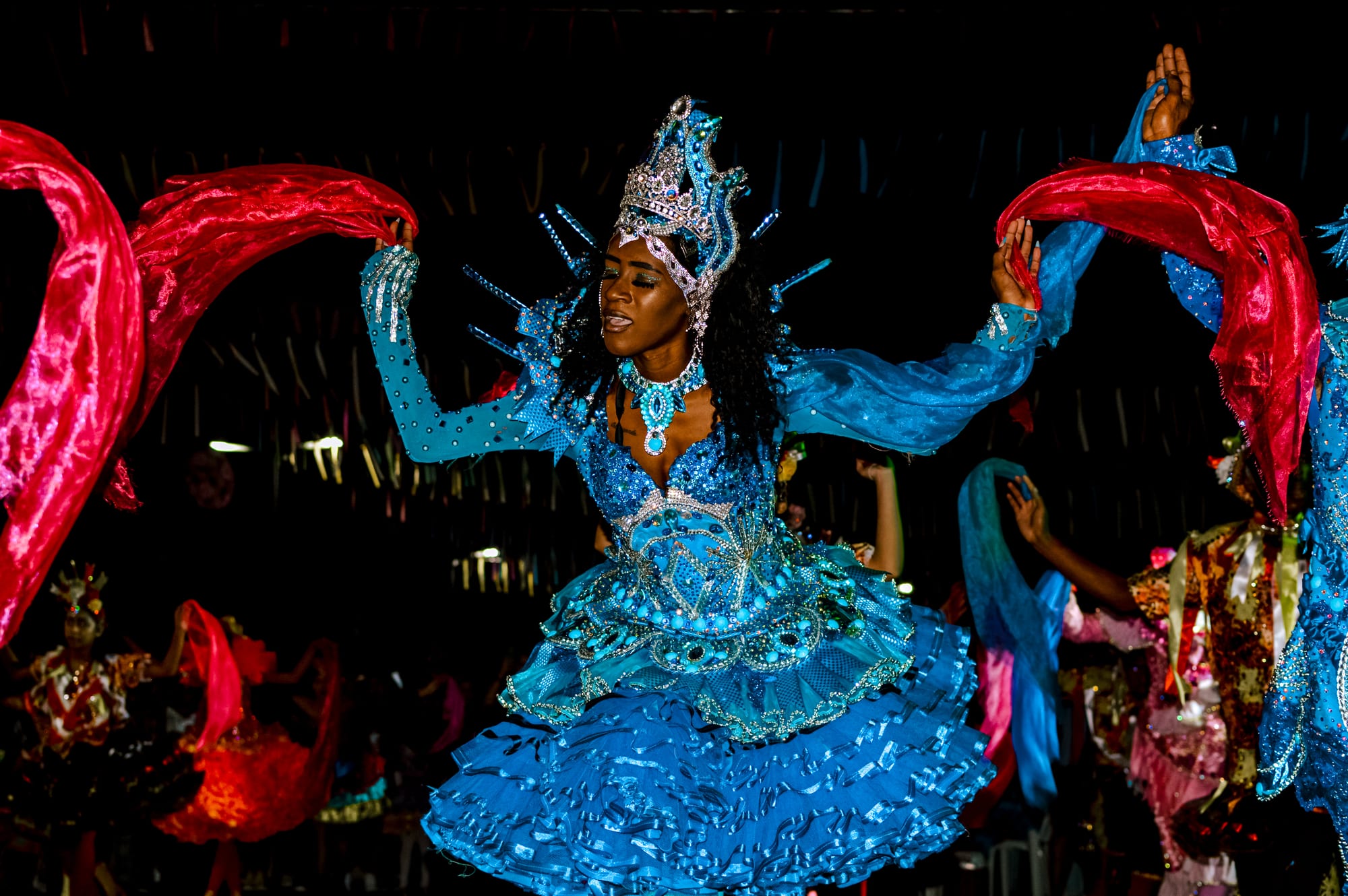
Carnival, in the days before Ash Wednesday, is the best-known celebration and is now largely a secular event, all parades, music, dancing and costume. Part of its appeal is that it allows people to set aside, for a few days, distinctions of class, colour and status that shape ordinary life. It is followed by Easter and, in June, by the Festas Juninas, brought to Brazil by Portuguese settlers and held in honour of Saint Anthony on 13 June, Saint John the Baptist on 24 June and Saint Peter on 29 June. Bonfires are lit, recalling the story that John's mother, Elizabeth, lit a fire to announce his birth to Mary; strings of small coloured flags are hung overhead; and groups dance the quadrilha, a couples' dance adapted from the French quadrille of the Paris salons, which over the 19th century took on Brazilian elements, among them the staging of a country wedding. Dancers wear straw hats and checked shirts, and women ruffled cotton dresses, in a costume that evokes rural life. The festivals are celebrated across the country but are strongest in the north-east, where the largest run for a month.
Religious devotion also fills the streets. The Círio de Nazaré, a Marian procession held in October and one of the largest religious gatherings in the world, is on UNESCO's list of intangible heritage. New Year's Eve brings a striking fusion of faiths. On the beaches, people dress in new white clothes and wade into the sea with flowers or gifts for Iemanjá, the goddess of the waters in Afro-Brazilian religions; some send small wooden boats out laden with mirrors, perfume and bracelets, and an offering that sinks is said to have been accepted. Many jump seven waves for health and good fortune, and plenty of those taking part are Catholics or evangelicals rather than followers of Candomblé. National holidays include Tiradentes Day on 21 April, Independence Day on 7 September, Republic Day on 15 November and the National Day of Zumbi and Black Consciousness on 20 November, which honours Zumbi dos Palmares. All Souls' Day, 2 November, is a public holiday for remembering the dead.
Family milestones are marked with warmth and ceremony. Couples usually date for a year or more before an engagement, and a marriage may be civil, religious or both, though religious ceremonies have become less common in the cities. Baptism brings the choice of godparents, who become part of the family through compadrio. Funerals, by contrast, happen fast. Burial normally follows within a day or two of death, usually after a velório, a wake often held in a chapel or hall set aside for mourning, and grief is expressed openly and emotionally. Burial remains far more common than cremation.
Arts, crafts and music
Brazil's living arts are overwhelmingly participatory, and several are on UNESCO's list. The capoeira roda is at once a fight, a dance, a sport and an art, led by a master who usually plays the berimbau, with a repertoire of chants and improvised songs. Everything, from making the instruments to the movements and the code of conduct, is learned by watching and imitating, and the roda is valued as a memory of resistance to oppression and an expression of mutual respect.
Samba de roda, which took shape in the 17th century among enslaved Africans and their descendants, combines African dance with Portuguese instruments, language and poetry. Dancers, traditionally women, take turns in the centre of the ring while the others clap and sing, and a dancer invites the next into the circle with the umbigada, a touch of the belly. Everyone present, beginners included, is welcome to join. Carried by migrants to the cities, it fed into the urban samba that later became a pillar of national identity.
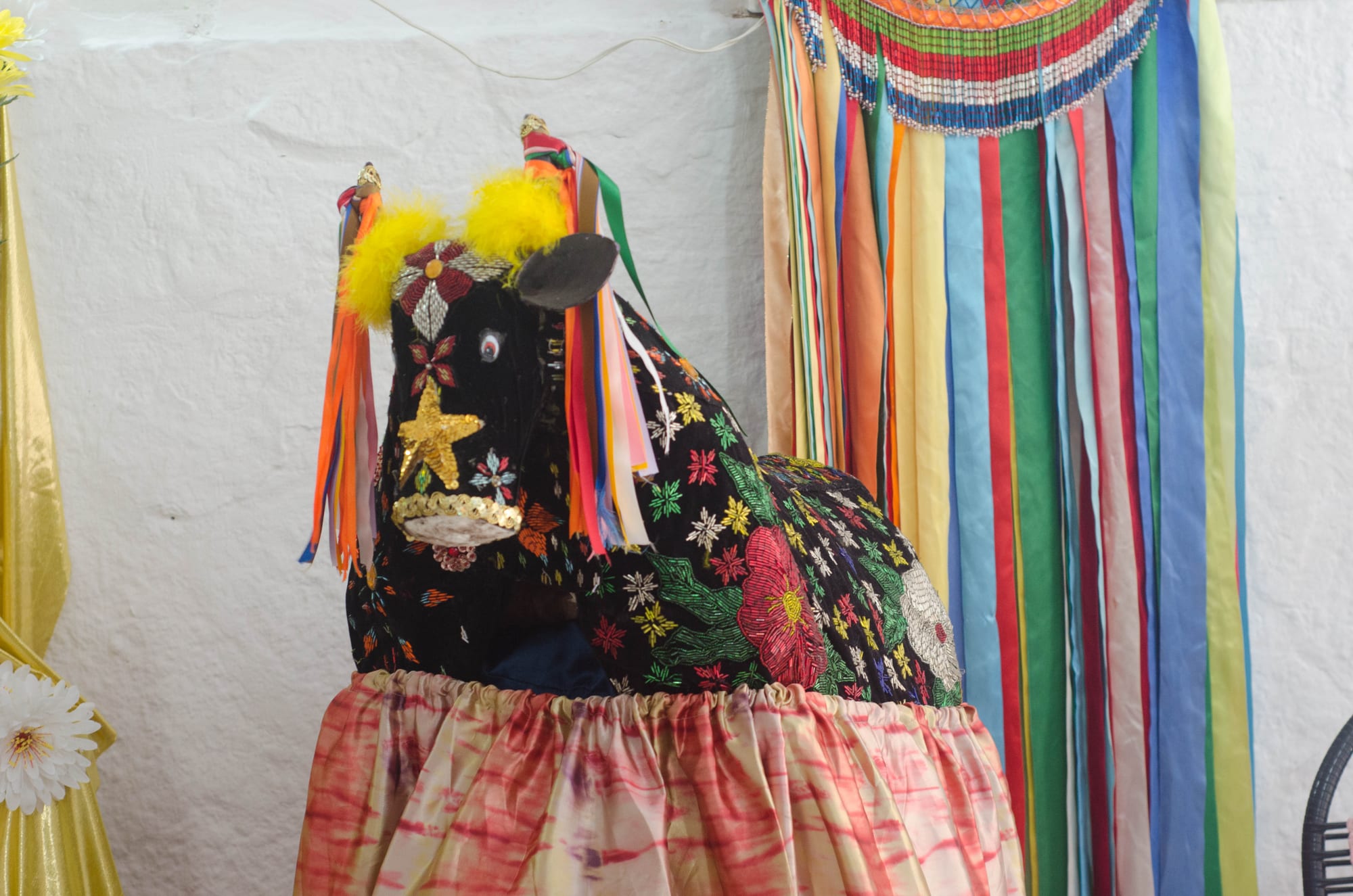
Other traditions blend performance and craft. In bumba-meu-boi, a celebration that peaks in late June, groups build their festivities around the figure of an ox, which becomes a symbol of the cycle of birth, life and death; each year they reinvent the songs, comic scenes, costumes and the embroidery on the ox's covering. Frevo, the fast, acrobatic dance of Carnival performed with small coloured umbrellas, is also on UNESCO's list, as are the oral and graphic arts of the Wajãpi and the Yaokwa ritual of the Enawene Nawe, two of the many Indigenous peoples whose traditions are part of the country's heritage.
Dos and don'ts for visitors
- Do greet and say goodbye to each person individually, with eye contact.
- Do use senhor or senhora with older people and anyone met for the first time.
- Do arrive 15 to 30 minutes after the stated time for a social invitation at someone's home.
- Do accept coffee when it is offered, and stay through dessert.
- Don't make the "OK" hand sign; in Brazil it is obscene.
- Don't give purple flowers, or knives and scissors, as gifts.
- Don't leave food on the plate at a host's table if it can be helped.
What to take away
Brazilian customs are less about rules than about inclusion — greeting everyone, making room, drawing people in — and a visitor who joins the circle rather than watching from outside will be welcomed into it.