Attractions & Natural Wonders · Brazil
Brazil: Ten Attractions and Natural Wonders
A statue with its arms open over Rio, the widest waterfall on the planet, a wetland teeming with jaguars, and a desert of white dunes filled with blue lakes
By Worldlore Editorial · 9 September 2026
A country the size of a continent
Brazil covers nearly half of South America and holds most of the Amazon, most of the Pantanal, 7,000 kilometres of Atlantic coast, and a population of over 200 million. Its attractions are scattered accordingly — you fly between them, often for hours. There is a famous city, a famous waterfall, and a famous rainforest, and then a great deal more that most first-time visitors never reach.
The ten below try to cover the range: cities, coast, wetland, desert, colonial towns, and the forest. Seasons vary by region — the south is best October to March; the Amazon and Pantanal have distinct wet and dry seasons that change what you can do.
1. Rio de Janeiro
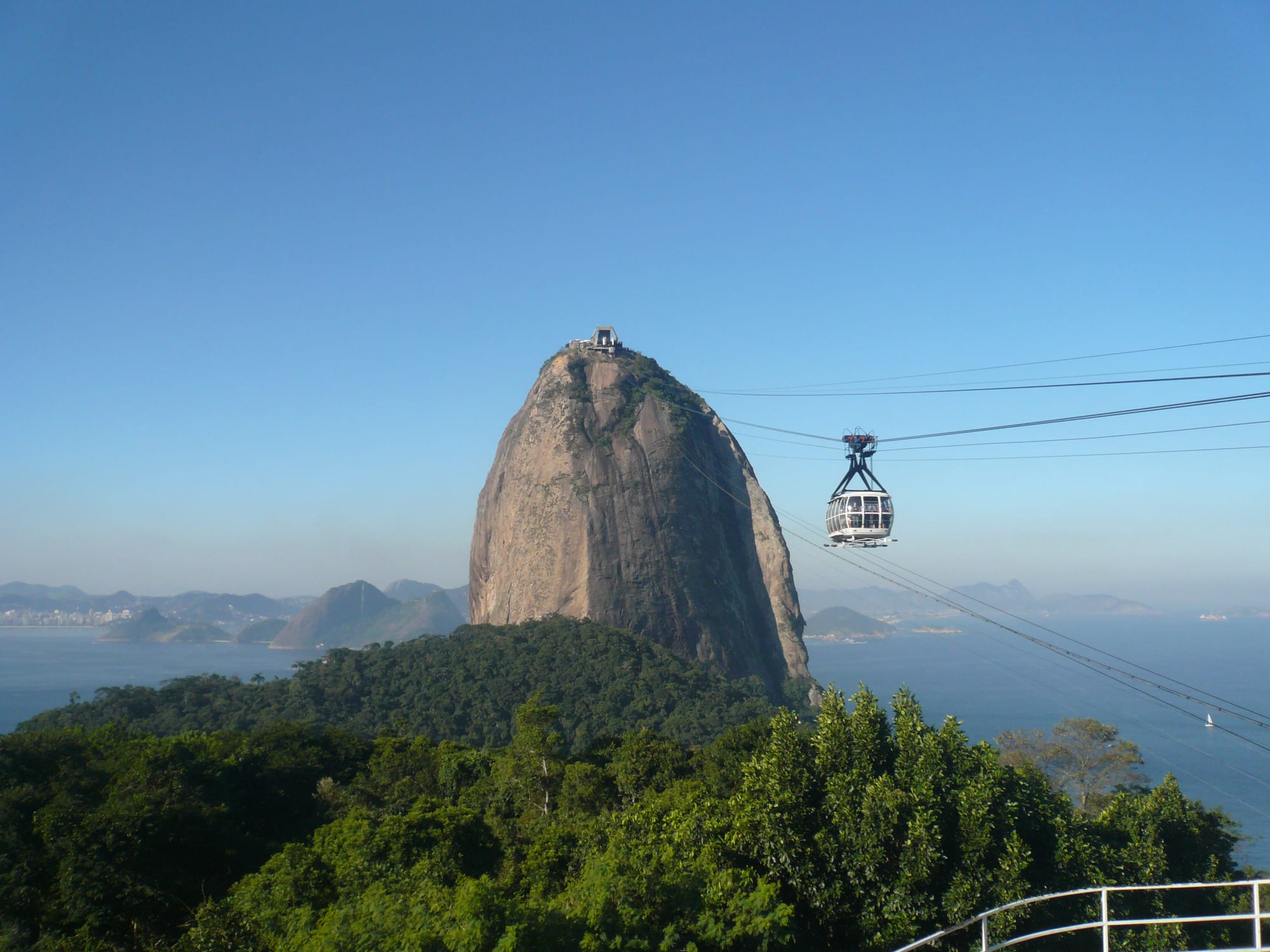
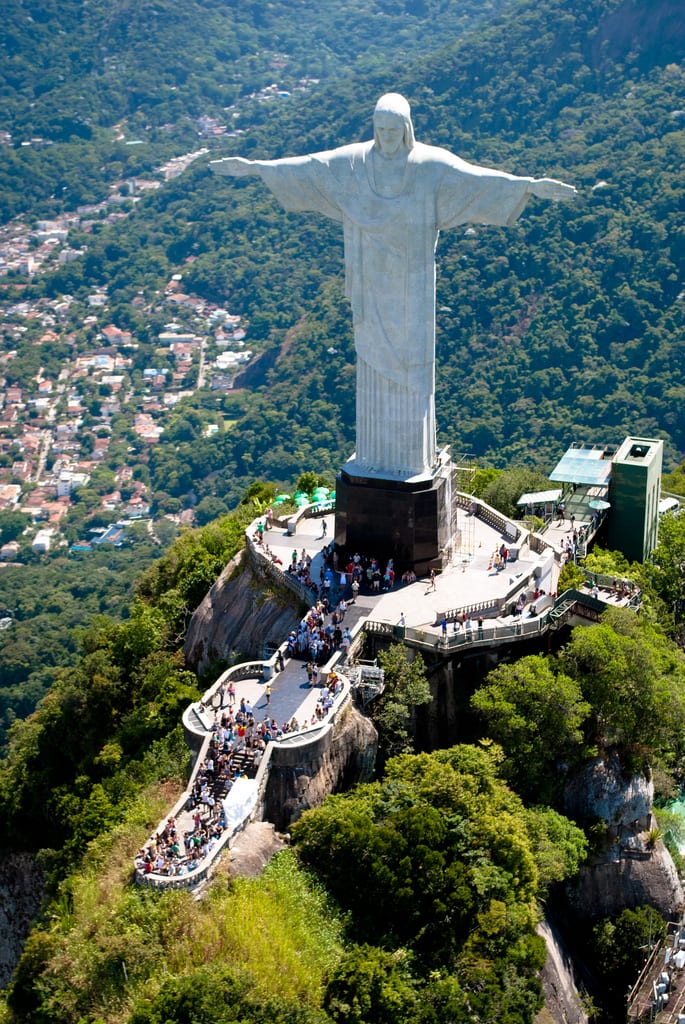
Rio's setting — forested granite peaks dropping straight into the Atlantic, with beaches and favelas packed into every gap — is a UNESCO World Heritage "cultural landscape". The two set-piece viewpoints are Corcovado, topped by the 38-metre Christ the Redeemer statue and reached by cog railway, and Sugarloaf, reached by cable car. Between them lie the beaches of Copacabana and Ipanema, the bohemian Santa Teresa district, the Selarón Steps, and the Maracanã stadium.
Carnival, in February or March, turns the whole city into a five-day street party; book far ahead.
2. The Iguaçu Falls
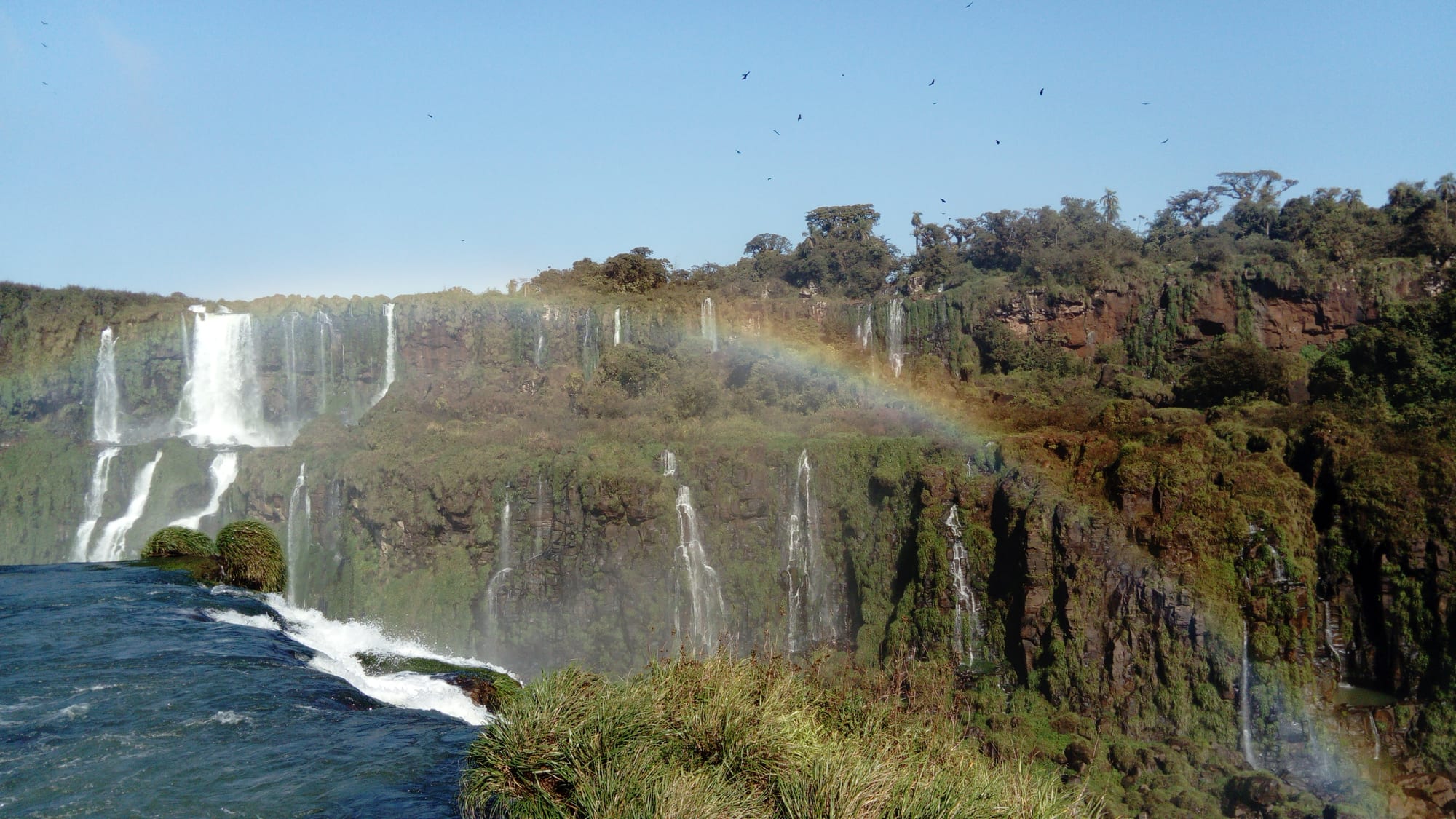
Shared with Argentina, Iguaçu is a system of hundreds of waterfalls strung along a horseshoe of the Iguaçu River, set in a national park of subtropical rainforest. The Brazilian side gives the wide panoramic view and a walkway out into the spray below the Devil's Throat; the Argentine side puts you on top of the falls. Most visitors do both, crossing the border for the day.
The city of Foz do Iguaçu has the airport and hotels, plus the enormous Itaipu hydroelectric dam nearby.
3. The Amazon and Manaus
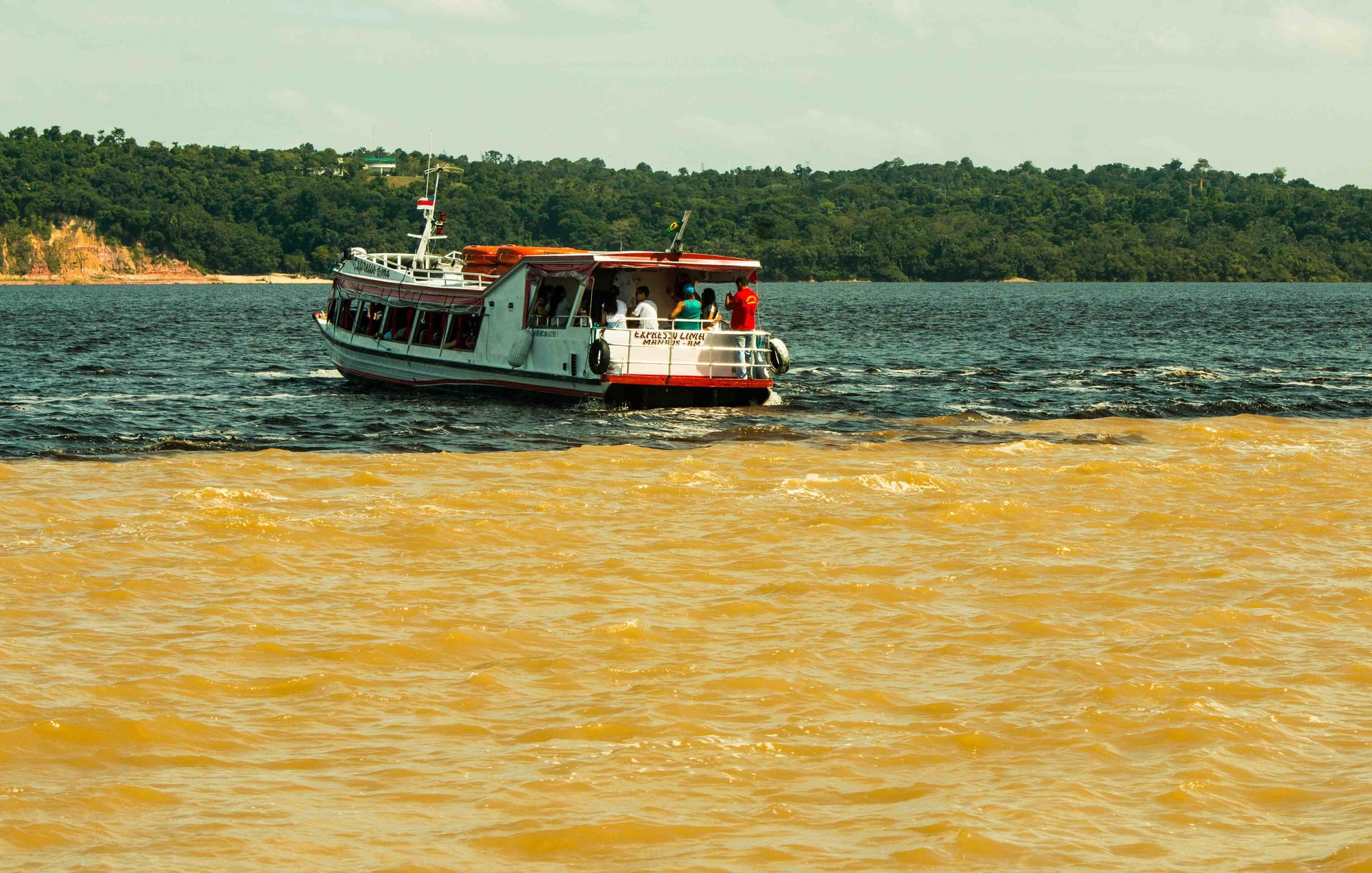
Manaus, a city of two million in the middle of the rainforest, is the usual gateway to the Brazilian Amazon — reached by air, or by multi-day riverboat. Its own sights are the extravagant 1896 opera house, the Teatro Amazonas, built with rubber-boom money, and the Meeting of Waters just downstream, where two great rivers flow side by side without blending.
From here, jungle lodges and liveaboard boats run trips for caiman-spotting, pink river dolphins, canoe excursions in the flooded forest, and visits to riverside communities.
4. Salvador and the Pelourinho
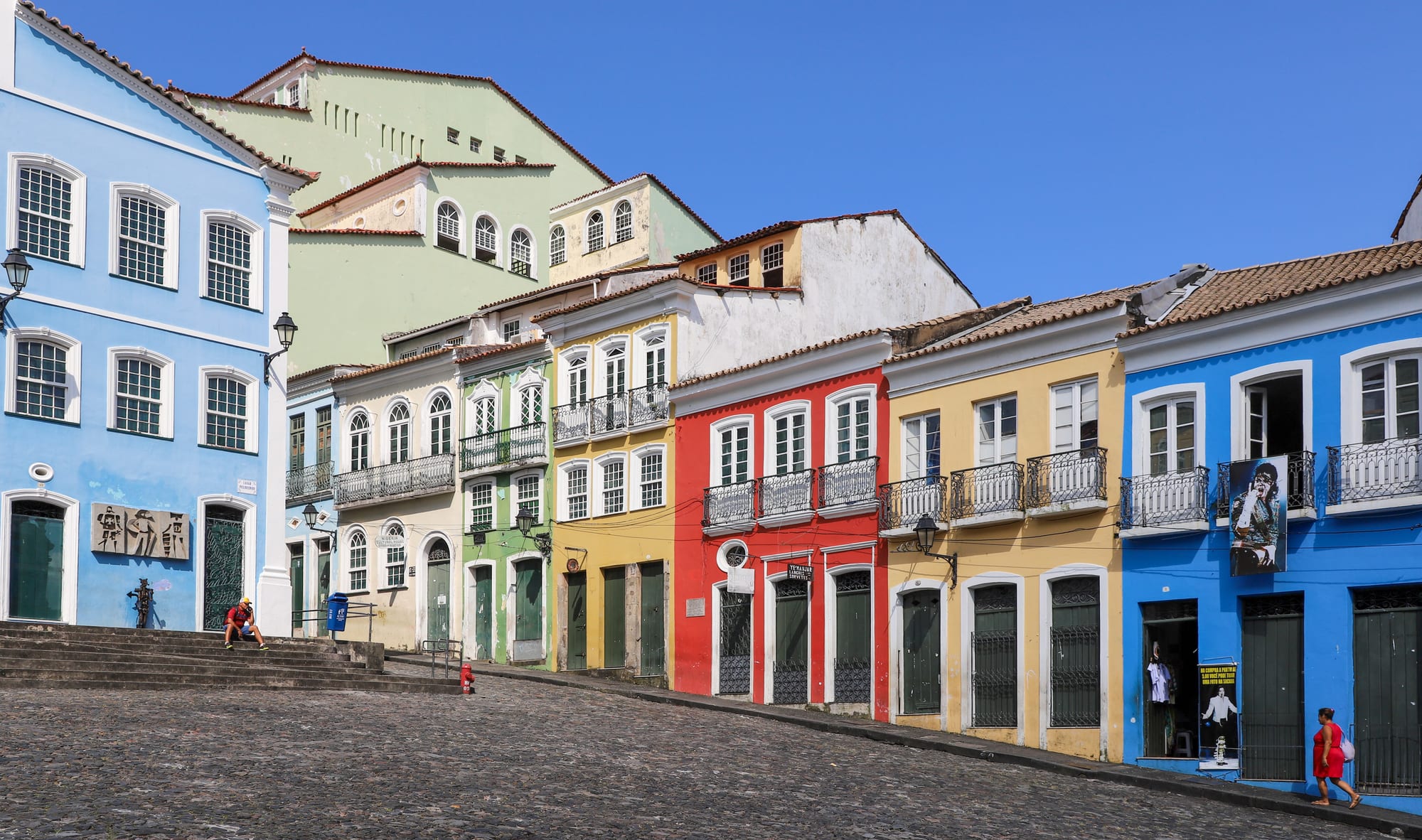
Salvador, in the northeastern state of Bahia, was Brazil's capital until 1763 and the main port of the transatlantic slave trade to the country — and it is the centre of Afro-Brazilian culture: Candomblé religion, capoeira, the drumming of Olodum, and a distinctive cuisine of dendê palm oil and seafood. Its old upper town, the Pelourinho, is a UNESCO World Heritage Site of pastel baroque churches and mansions on steep cobbled lanes.
The name "Pelourinho" means whipping post — the square was a place of public punishment of enslaved people — and the district's museums address that history directly.
5. The Pantanal
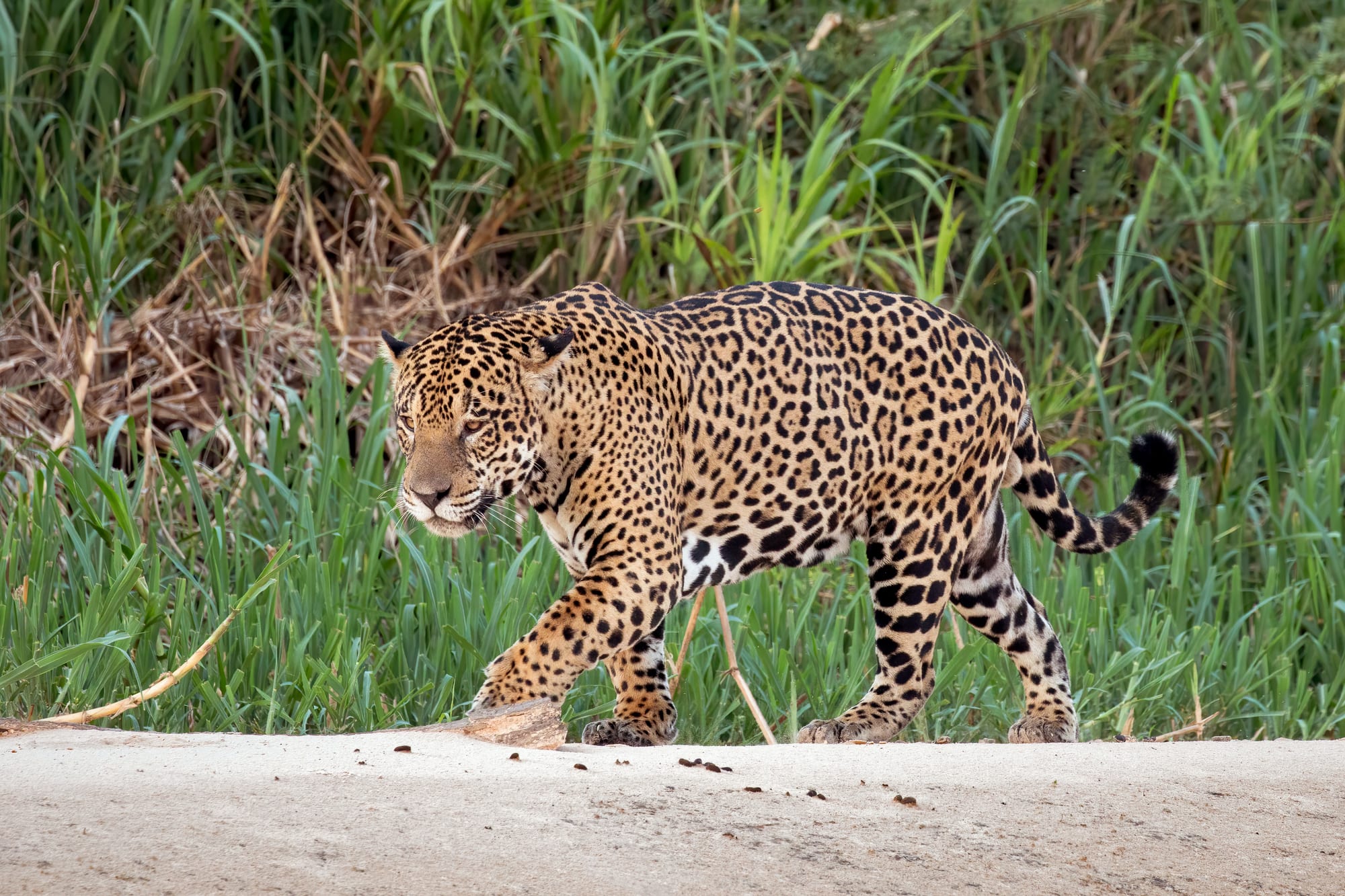
The Pantanal is a seasonally flooded plain roughly ten times the size of the Everglades, and for actually seeing wildlife it beats the Amazon — the open country makes animals visible. It has the highest density of jaguars anywhere (best seen along the rivers of the northern Pantanal in the dry season), plus giant otters, tapir, capybara, caiman by the thousand, hyacinth macaws, and jabiru storks.
Access is via the "Transpantaneira" dirt road from Poconé in the north, or from Campo Grande and the town of Miranda in the south. The dry season, July to October, is prime.
6. Fernando de Noronha
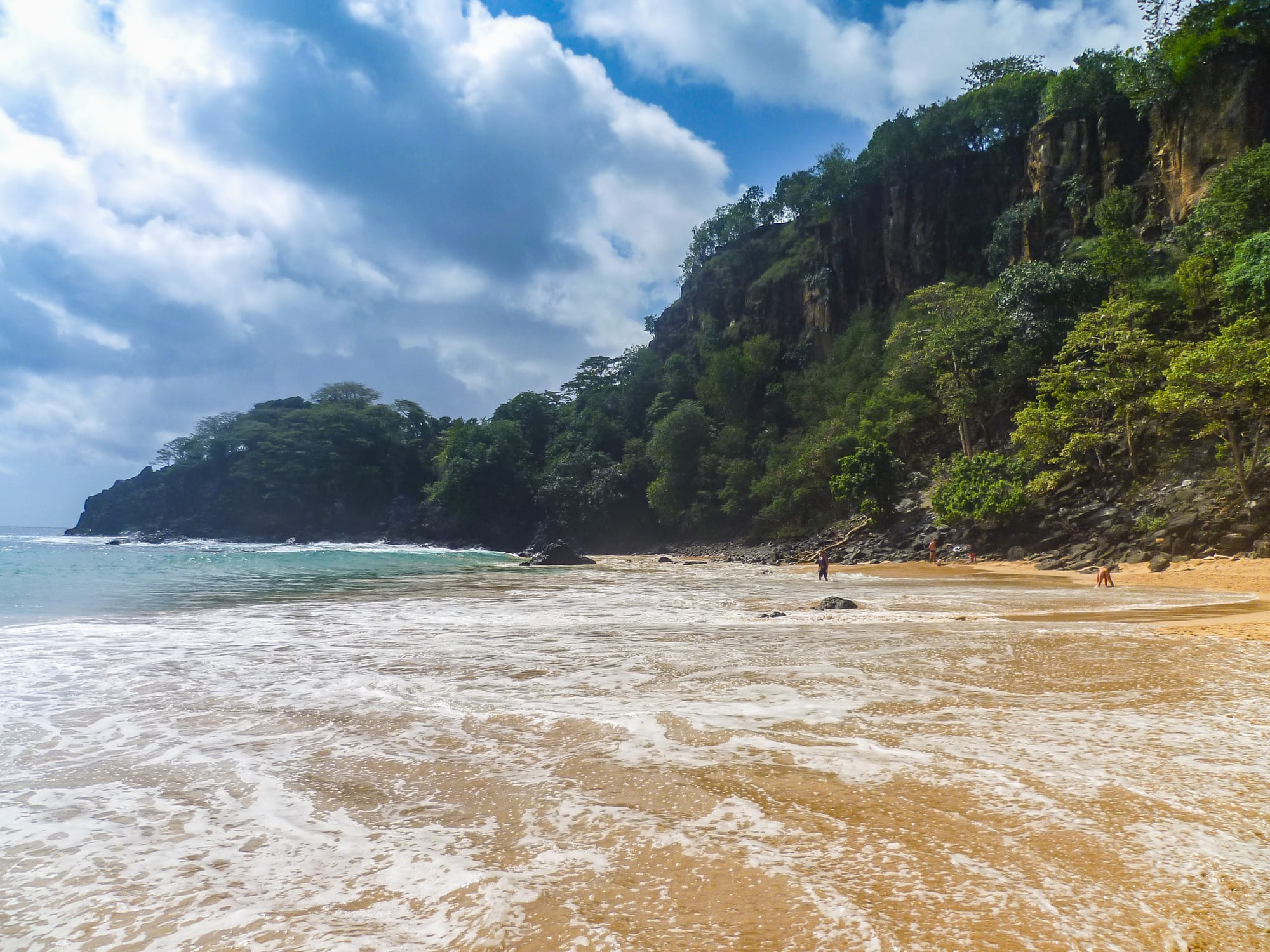
This volcanic archipelago 350 kilometres off the northeast coast is Brazil's premier marine destination: a national marine park and UNESCO World Heritage Site with spinner dolphins in the hundreds, nesting sea turtles, sharks, and some of the clearest water in the South Atlantic. Visitor numbers are capped and there is a daily environmental fee.
Only one island is inhabited, with a small town and a scatter of pousadas. Diving, boat trips, and a string of postcard beaches — Sancho, Baía dos Porcos, the Dois Irmãos rocks — are the draw.
7. The Lençóis Maranhenses
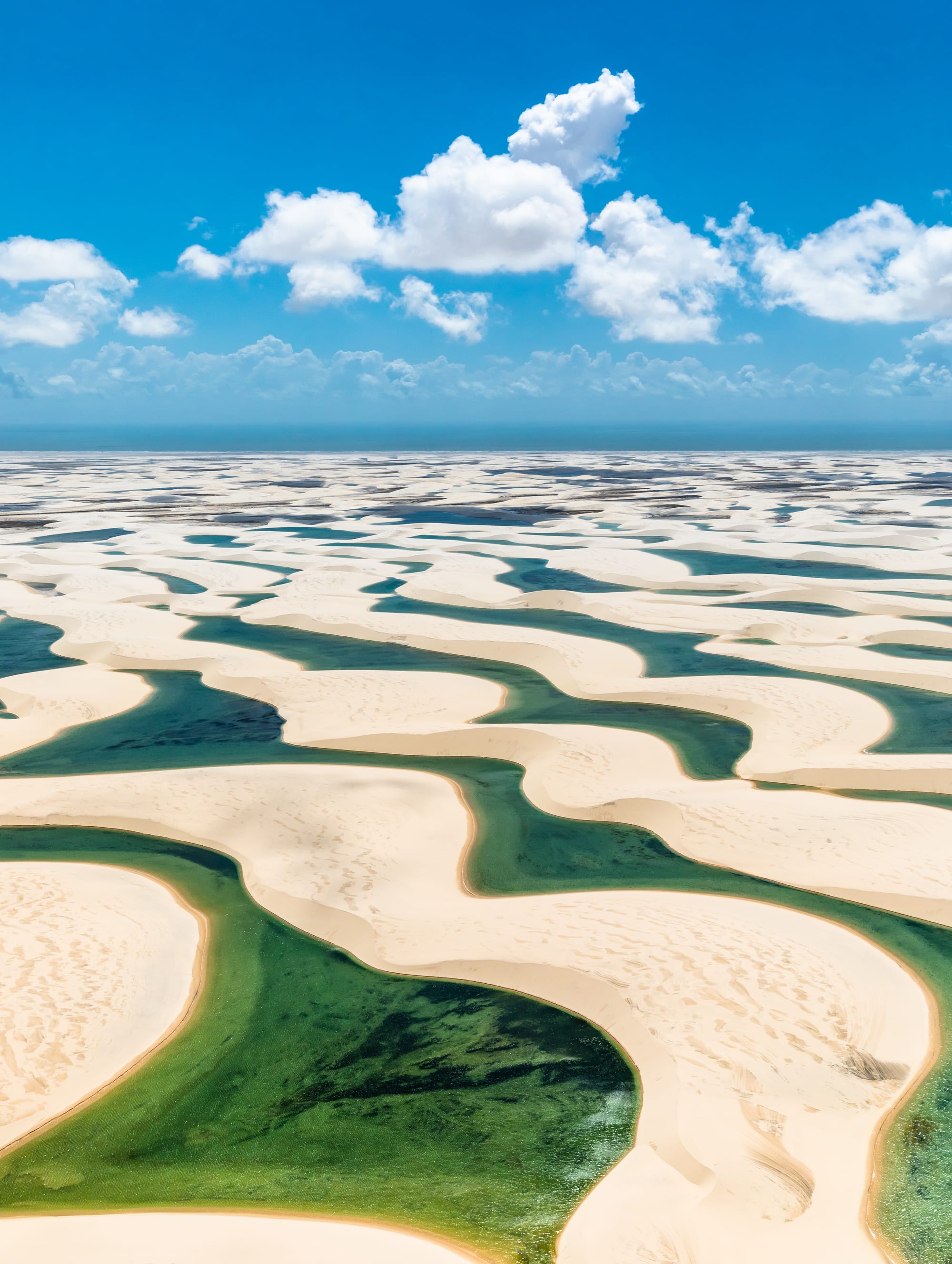
In the northeastern state of Maranhão, a 1,500-square-kilometre expanse of white sand dunes sits just inland from the coast — and because it rains here, the hollows between the dunes fill with freshwater lagoons, some big enough to swim in, appearing around May and gradually drying by September. From the air it looks like white bedsheets, which is what the name means.
The base is the village of Barreirinhas, from where 4x4s run out to the dunes; there are also multi-day guided treks across the sand between oasis villages.
8. Ouro Preto
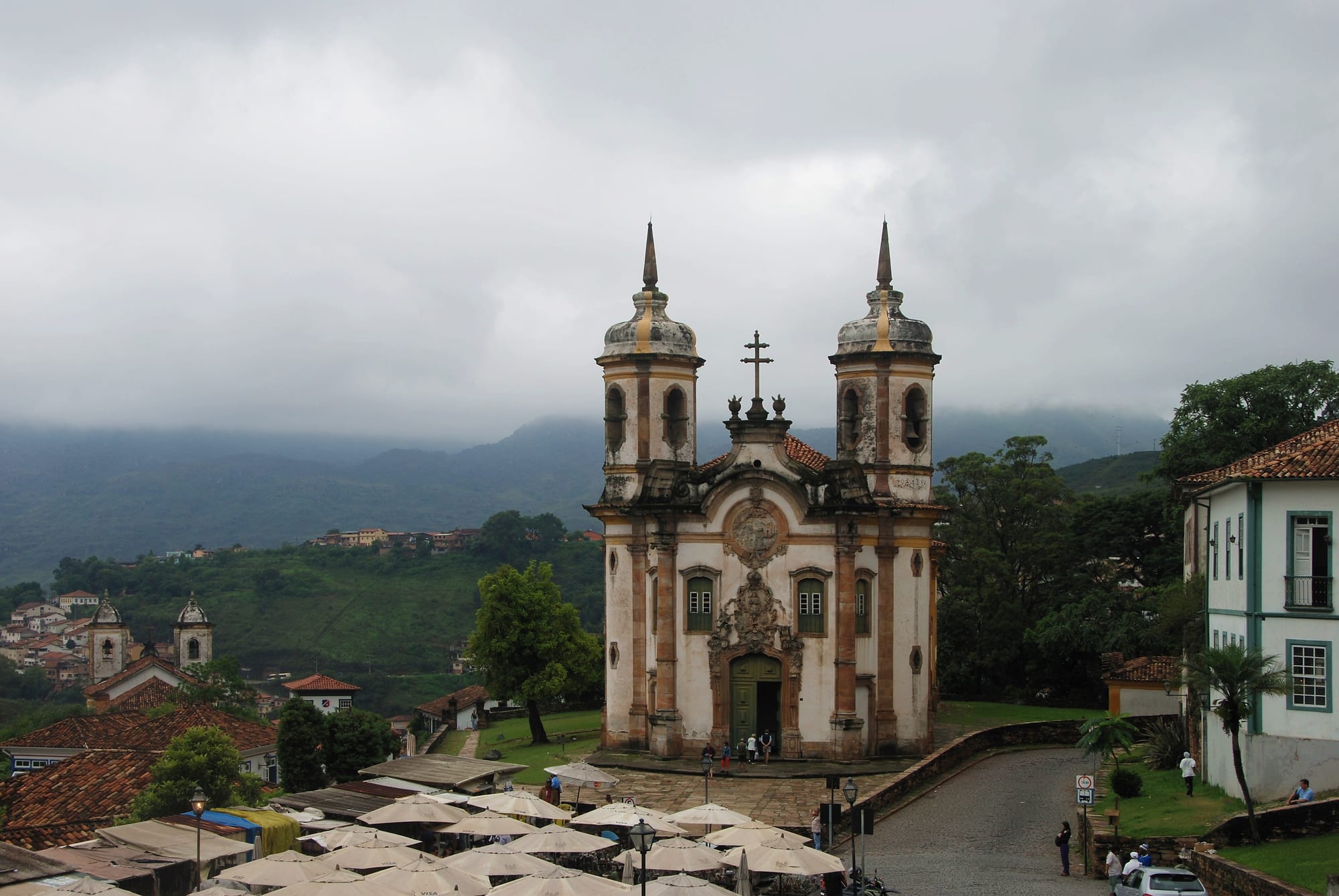
When gold was found in the hills of Minas Gerais around 1700, Ouro Preto ("black gold") became one of the richest towns in the Americas, and it spent that wealth on churches — a dozen of them, decorated by the sculptor Aleijadinho, the crippled son of an enslaved woman, whose soapstone prophets and gilded interiors are the masterpieces of Brazilian baroque. The steep, cobbled town is a UNESCO World Heritage Site.
It was also the seat of the Inconfidência, an abortive 1789 independence plot whose leader, Tiradentes, was hanged and quartered; the museum in the old governor's palace tells the story.
9. Brasília
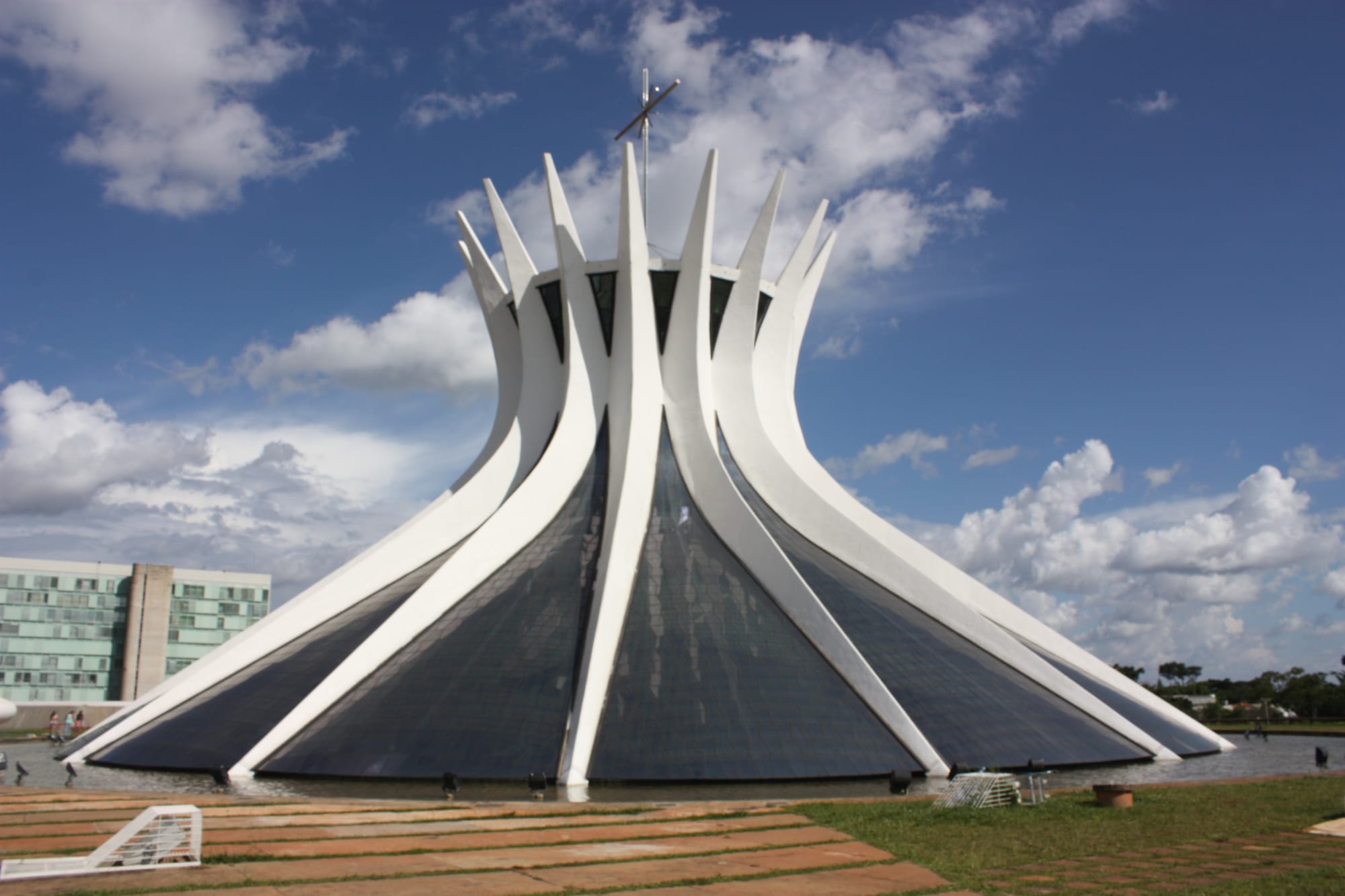
Carved out of the empty central plateau and built in under four years, Brasília was inaugurated as the new capital in 1960 — a complete modernist city planned by Lúcio Costa in the shape of an aeroplane, with the major buildings designed by Oscar Niemeyer. The whole pilot plan is a UNESCO World Heritage Site.
The set pieces are along the "Monumental Axis": the crown-of-thorns cathedral, the twin-towered National Congress, the Palácio do Planalto, and the Itamaraty palace with its reflecting pool. It is a city best appreciated as architecture rather than as a place to hang around.
10. Chapada Diamantina
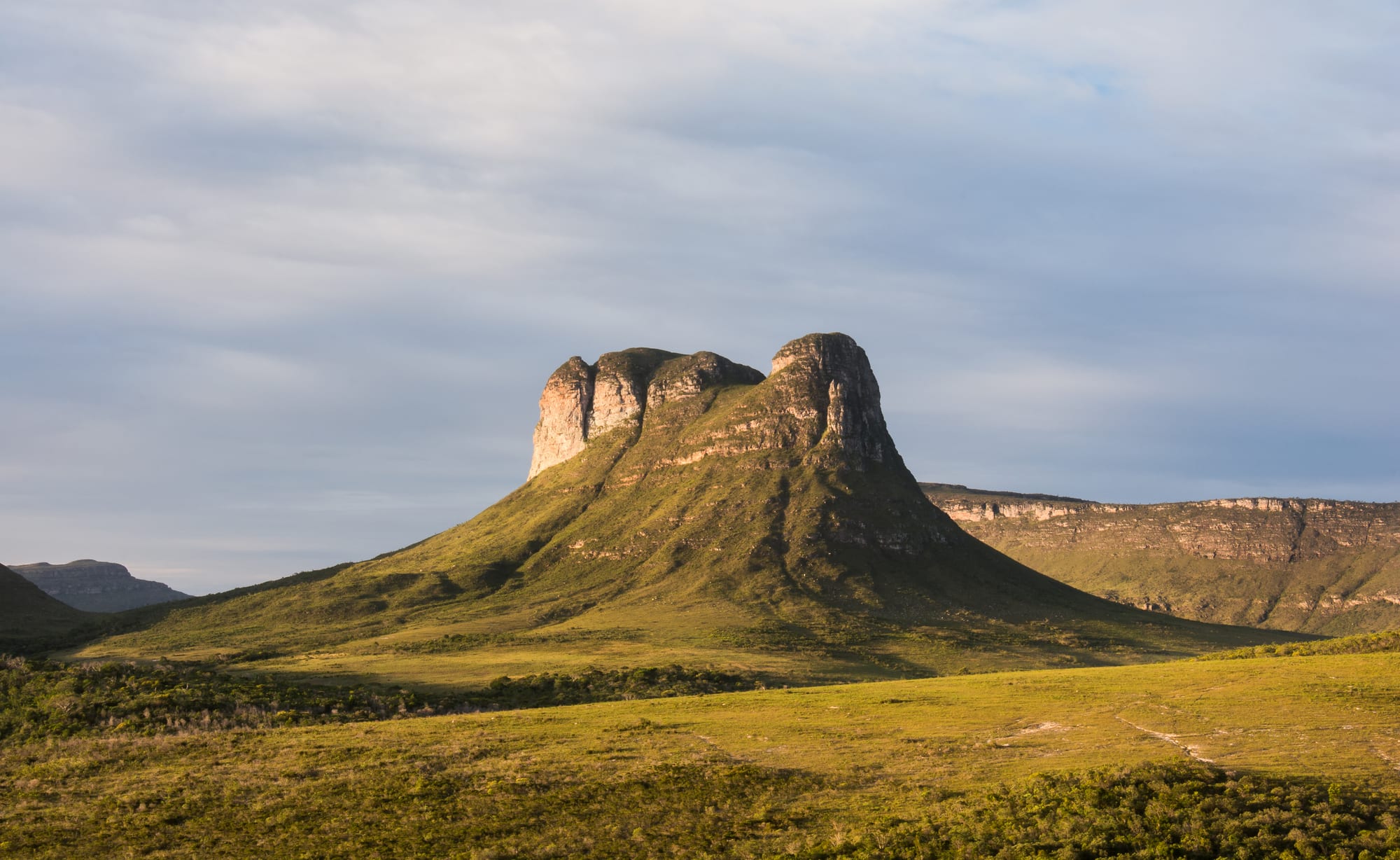
Inland from Salvador, the Chapada Diamantina is a highland of flat-topped mountains, canyons, caves, and waterfalls — including one of Brazil's highest, the 340-metre Cachoeira da Fumaça — plus underground lakes lit blue by a shaft of sunlight (Poço Azul, Poço Encantado). It was a diamond-rush region in the 19th century; the ghost-town remnants add to the appeal.
The colonial mining town of Lençóis is the base, for day hikes and multi-day treks across the plateau. It is one of Brazil's best walking destinations and still relatively little known abroad.
Brazil is not a single trip. Pick two or three regions — Rio and Iguaçu, or the northeast coast, or the Pantanal and the Amazon — give each real time, and accept that the internal flights are part of the deal.