Daily Life · Brazil
Brazil: A Country That Runs on Family and Feira
A weekly open-air market in nearly every neighbourhood, extended families who gather for a long Sunday lunch, and a household economy that has gone from cash and instalments to a phone tap in barely a generation
By Worldlore Editorial · 30 September 2026
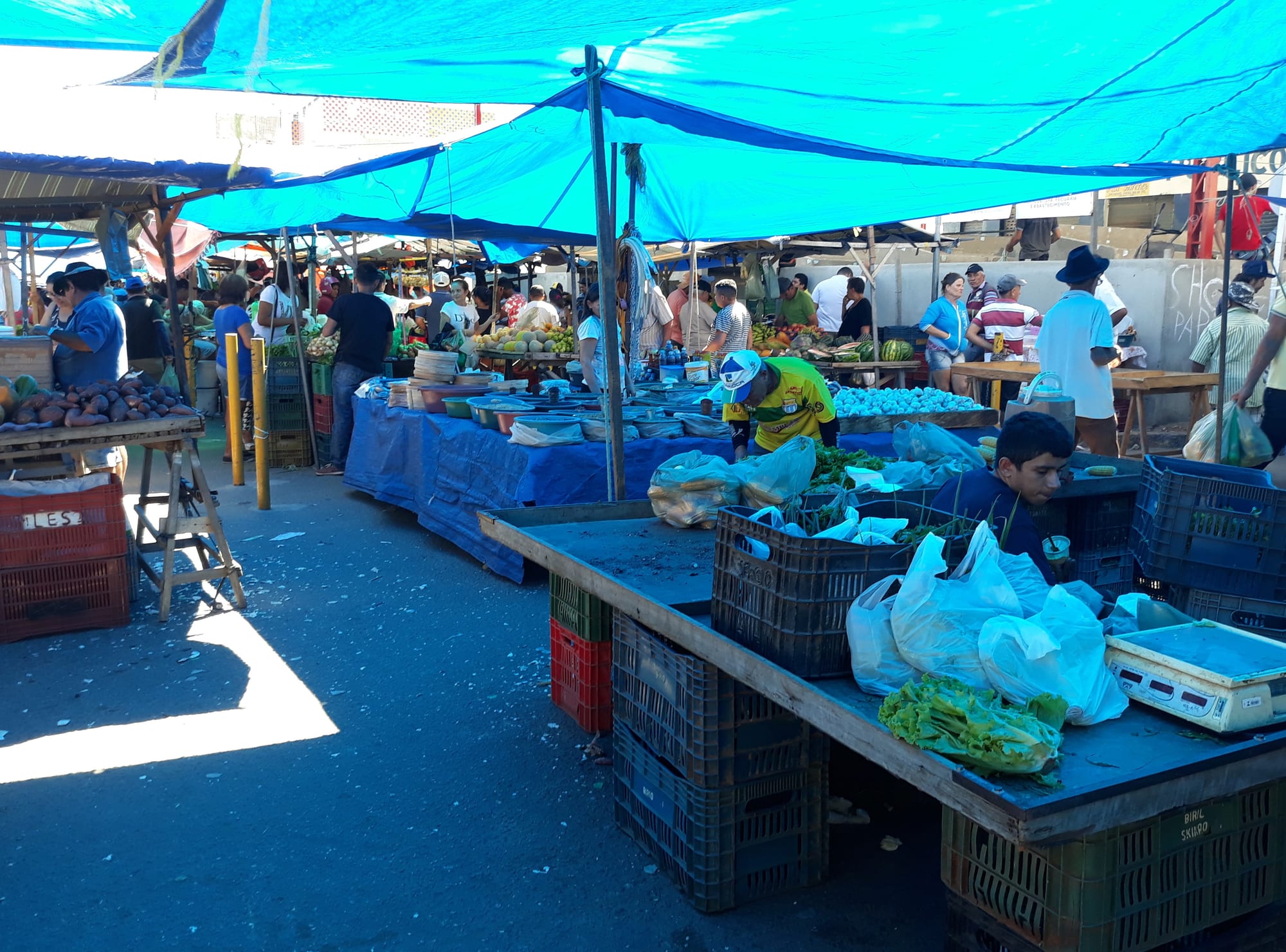
An ordinary week in Brazil still turns on two fixed points: the extended family and the neighbourhood feira, the open-air market that sets up on the same street on the same morning every week in towns and city neighbourhoods across the country. Between those anchors, daily life has changed fast. Cash and instalment plans, long the backbone of Brazilian spending, have been joined, and often overtaken, within a few years by Pix, an instant phone-based payment system now used by the large majority of the adult population for everything from splitting a restaurant bill to paying a cleaner.
Family and home life
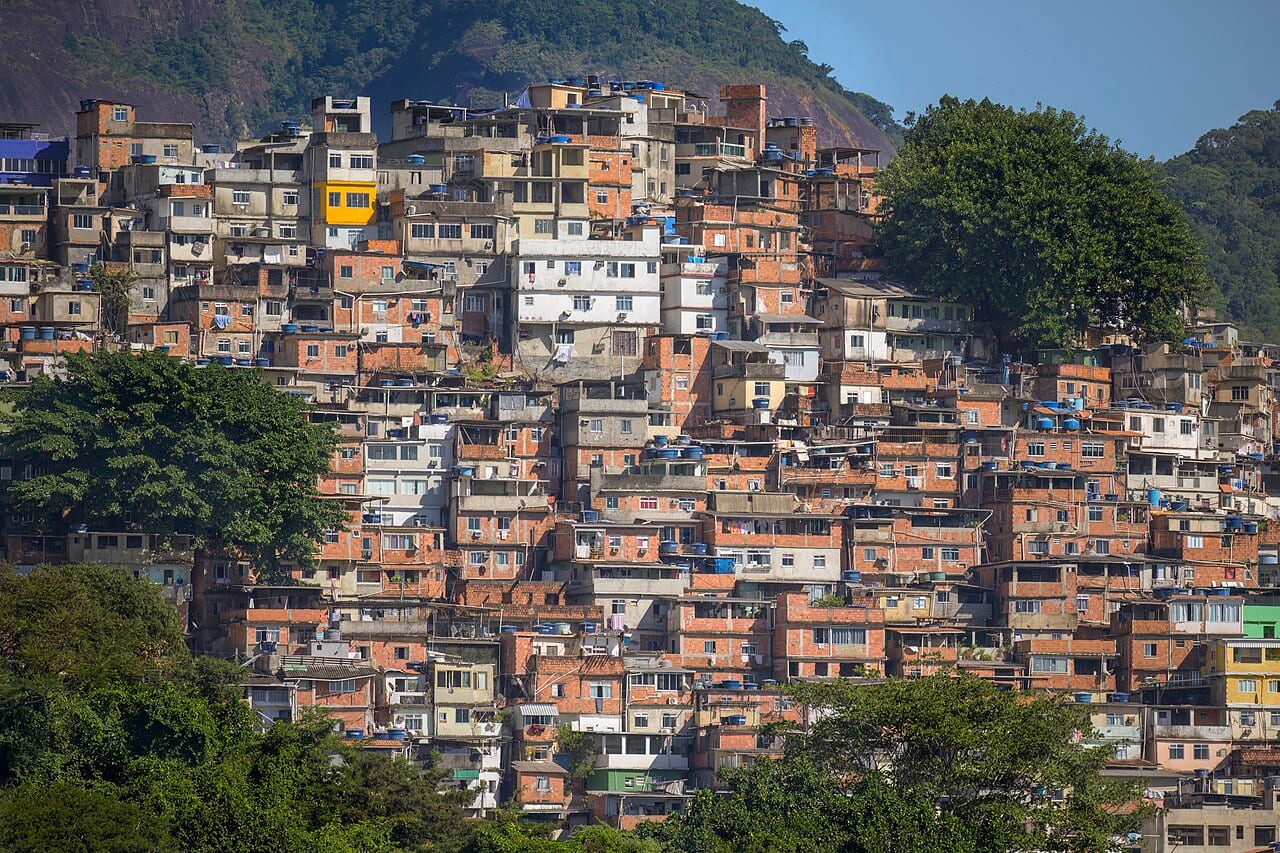
Extended family ties remain strong nationwide, and it is common for grandparents, adult children and cousins to live nearby or gather weekly, most often for a long Sunday lunch that can run for hours. Household composition varies sharply with income: gated, guarded apartment blocks sit in the same neighbourhoods as self-built housing that residents have expanded room by room over years, sometimes decades, a pattern visible in cities across the country. Housing quality and services differ enormously between formal and informal neighbourhoods, and that gap remains one of the most visible daily facts of Brazilian life.
Work, school and the rhythm of the day
For many office workers the working week runs Monday to Friday, with full working days and the weekend off; many shops and services also open at least part of Saturday. A large share of the workforce is employed informally, without a signed contract or full benefits, particularly in retail, domestic work and small trades, which makes actual working hours and job security far less uniform than the formal calendar suggests. Public schools generally run split shifts, morning or afternoon rather than a full day, so many households organise childcare and errands around whichever shift a child has been assigned. Commutes in the largest cities are often long, and traffic and crowded buses or metro lines are treated as a routine cost of city life rather than an exception.
Community life and public spaces
The feira livre, a weekly open-air street market of fruit, vegetables, meat and household goods, remains a regular weekly gathering point in towns and city neighbourhoods across the country, typically setting up before dawn and packing away by early afternoon. Beaches along the long Atlantic coastline function as a genuine public square in coastal cities, used daily for exercise, football and simply sitting rather than only as a holiday destination. In the evenings and at weekends, bars with tables spilling onto the pavement, known generally as botecos, serve as the other default meeting point, used by neighbours and colleagues alike rather than only visitors.

Free time and weekends
Football is followed with genuine intensity nationwide, watched at home, in a boteco or at the stadium, and a five-time World Cup-winning history gives the sport a weight in daily conversation that few other topics match. Church, whether Catholic or one of the country's fast-growing evangelical congregations, structures a significant part of many families' weekends. Where the coast is within reach, a Sunday at the beach is treated as routine rather than a special outing, and inland, a family lunch that stretches into the afternoon serves the same purpose.
A visitor's ordinary day
Card and phone payment, including Pix, are now accepted almost everywhere in cities, though it is worth carrying some cash for small towns, beaches and market stalls. Long-distance travel usually means flying, since intercity passenger rail barely exists and bus journeys between distant major cities can take a day or more. In São Paulo and Rio de Janeiro, the metro is a quick and practical way to move around the centre, while app-based rides are the standard way to travel after dark rather than hailing a taxi on the street. A ten per cent service charge is usually already added to restaurant bills, so an additional tip is not expected on top of it.
What to take away
An ordinary day in Brazil still moves at the speed of family and the neighbourhood market, even as the way people actually pay for that day, a tap of a phone rather than a wallet, has changed remarkably fast.