Culture & Customs · Botswana
Botswana: Earning Respect by Giving It
A national ideal of courtesy called botho, greetings that come before any business, and a culture of gatherings — at the kgotla, at weddings and at funerals — where everyone is expected to take part
By Worldlore Editorial · 30 September 2026
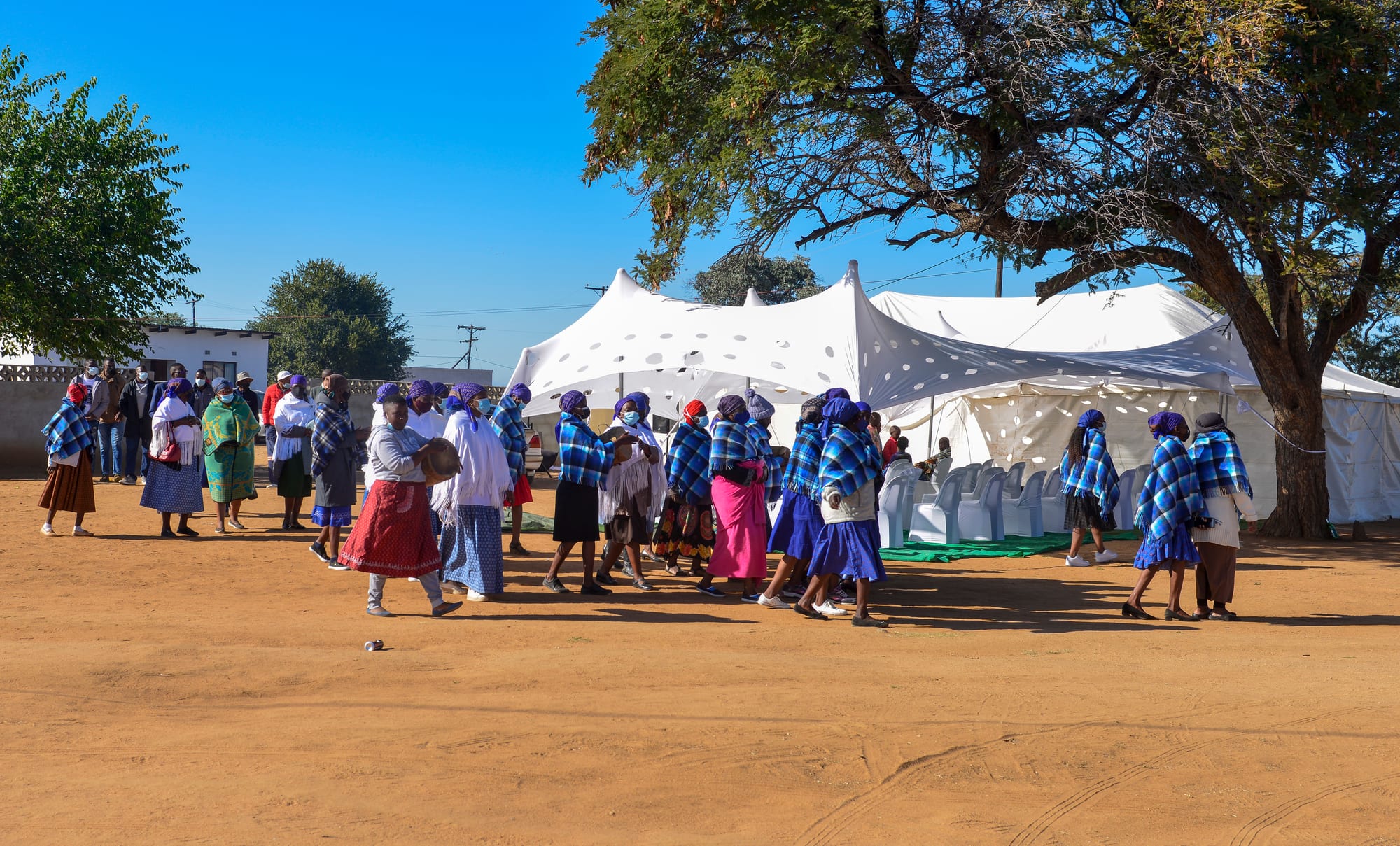
The meeting at the kgotla, the village's traditional place of assembly, begins with a prayer. Men have come in jackets and women in skirts, as custom expects of anyone attending. The first speaker does not launch straight into the business of the day but greets the whole gathering — "Dumelang borra le bomma", good day, ladies and gentlemen — and the discussion that follows is unhurried, with elders heard in full and nobody cut short. When a speech ends well, the crowd may answer with a single word, "Pula!", meaning rain. In a dry country the word stands for everything good, and the scene sums up much of the culture: respect shown through patience, formality kept for the right moments, and a strong sense that matters of importance belong to the whole community.
Faith, identity and values
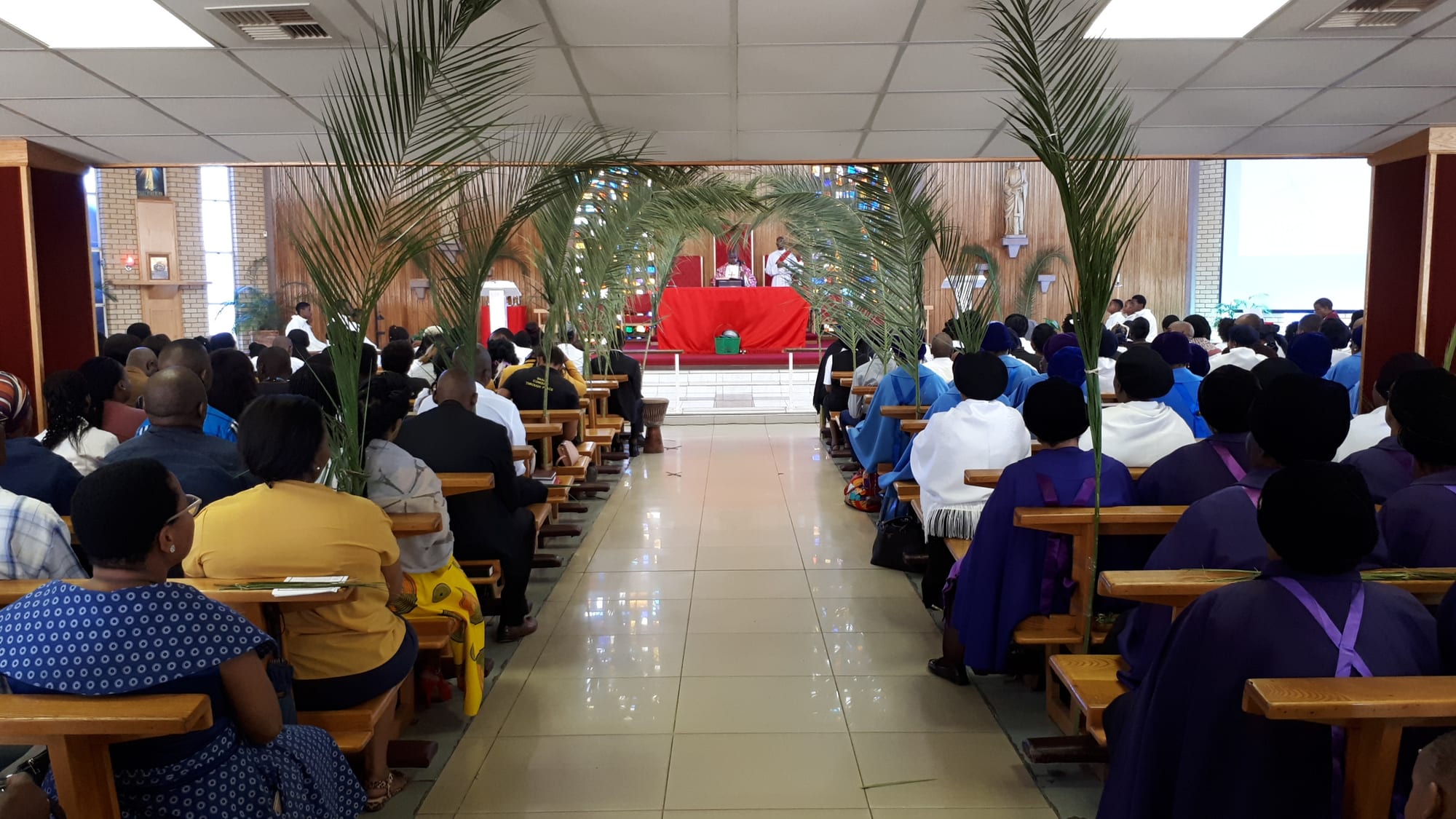
Most people in Botswana are Christian. At the 2022 census about 86 per cent of the population was Christian, about 7 per cent reported no religion and about 5 per cent followed traditional African religion, such as Badimo, centred on the ancestors. The mainline churches — Anglican, Methodist and the United Congregational Church — have long been prominent, while the Zion Christian Church and the Roman Catholic Church are among the most active today. Religion runs through public life: most meetings, government-sponsored or not, open with a prayer, and many people attend church every week.
Christian faith and older beliefs sit comfortably side by side. Many people who belong to a church also carry out private family rites for the ancestors, the badimo, asking for protection and well-being, and traditional healers and diviners are widely consulted for social and spiritual troubles as well as physical ones. Such healers practise across the country. Rain, precious in a land largely covered by the Kalahari, carries spiritual weight too, and one of the country's traditions on UNESCO's list of intangible heritage is the Wosana rainmaking ritual of the Bakalanga people.
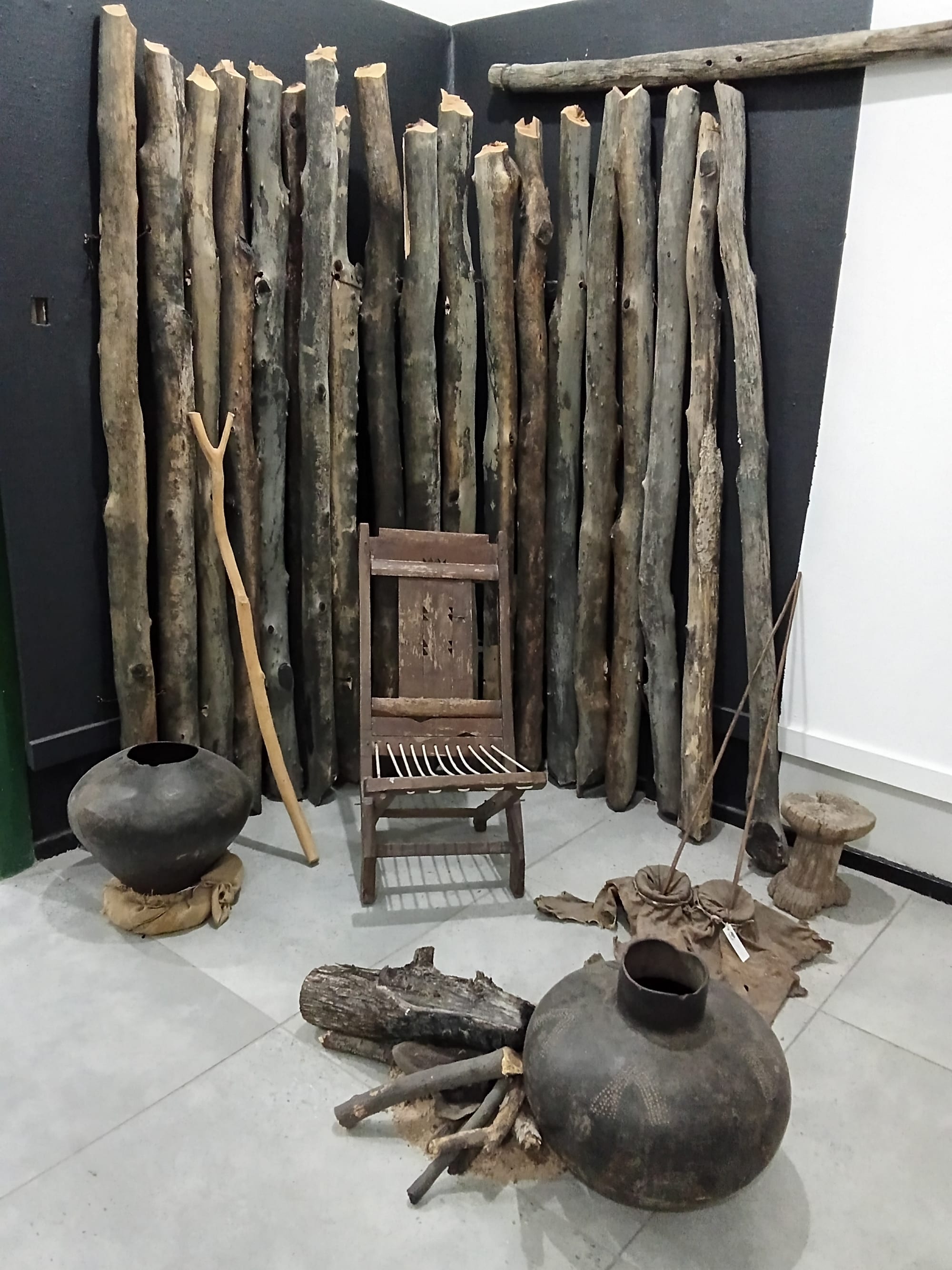
The value that ties it all together is botho. When the government set out its long-term national vision in the 1990s, it named botho as one of five guiding principles and described it as one of the tenets of African culture: the idea of a person who is well-mannered, courteous and disciplined, who realises their potential both as an individual and as part of a community. Botho, the document explains, is a way of earning respect by first giving it, and it asks that no Motswana rest easy while another is in need. The word is used constantly in everyday speech, and to say that someone lacks botho is a serious criticism.
Respect for age and position is a practical expression of the same idea. Older people are treated with great deference, younger people are expected to defer to their elders, and women traditionally to men, though these customs are observed more strictly in villages than in towns. The kgotla, found in every town and village as the traditional meeting place of the chief, remains a symbol of this ordered, consultative way of life, and it has its own dress code: skirts for women and jackets for men.
Greetings and meeting people
Greeting is not a formality to be skipped. It is considered vitally important to greet someone before saying anything else, whether asking for directions or starting a transaction in a shop, and launching straight into a request can come across as rude. The standard greeting is "dumela rra" to a man and "dumela mma" to a woman; it can be used at any time of day, and it is usually followed by "o tsogile jang?", literally "how have you risen?". Rra and Mma, meaning sir and madam, are also the respectful way to address older people.
The handshake has its own style. The right hand is offered while the left hand lightly supports the right forearm or elbow, and the grip often shifts partway through, with the thumbs interlocking, before returning to an ordinary clasp. Elders may grasp the other person's wrist with their free hand. Men are expected to take off their hats or caps when greeting older people, and when passing elders or a group, a simple "dumela" is expected rather than silence.
Physical affection is kept private. Public displays of affection between couples, even married ones, are uncommon and may be seen as setting a poor example to the young, although friends of the same sex, or of different sexes, can often be seen holding hands in public. Conservative dress is highly valued. At work, men wear shirts and usually ties and women dresses, skirts or smart trousers, and even off duty, collared shirts and skirts are more common than jeans and T-shirts. Most men wear long trousers outdoors even in summer, and sleeveless or low-cut tops are not considered appropriate for women outside the capital and the larger towns.
Hospitality and being a guest
Hospitality in Botswana is closely tied to botho. A visitor is expected to share in the life of a household or community, and people are routinely drawn into its gatherings: foreign guests living in villages are often invited to go to church with their hosts, and may be asked, with genuine curiosity, which denomination they belong to. Accepting such invitations is a way of returning respect, and declining is best done gently.
Greetings set the tone for any visit. Arriving at a home or an office, the first task is to greet everyone properly, elders first, before any talk of business, and time spent in unhurried conversation is regarded as time well used rather than wasted. Visitors who make an effort with a few words of Setswana are warmly received, since the language is a source of national pride even though English is the official language and widely spoken.
Dress is part of good manners as a guest. Presenting oneself neatly and conservatively is taken as a sign of respect for others, and how a person dresses has a strong influence on how they are received. Tennis shoes and sports sandals are not considered suitable for work settings, and a formal occasion such as a meeting at the kgotla, a wedding or a funeral calls for modest clothing, with women in skirts or dresses.
Festivals and life's big moments
The national calendar combines Christian holy days with public commemorations. Easter is marked with a long weekend running from Good Friday to Easter Monday, and Ascension Day, Christmas and Boxing Day are also public holidays. July brings Sir Seretse Khama Day on the 1st, the birthday of the country's first president, followed later in the month by two days of President's Day holidays. Botswana Day, the anniversary of independence, falls on 30 September and is followed by a second day off, and it is the main secular celebration of the year.
Marriage is a matter between families as much as between two people. It begins with patlo, from the verb "to seek": the groom's family formally approaches the bride's family to ask for her hand and open negotiations. Central to the process is bogadi, bride wealth traditionally given in cattle by the groom's family to the bride's, and a couple is not regarded as truly married until it has been handed over, whatever other ceremony may have taken place. On the wedding morning, elders counsel the bride and groom separately on how they should behave towards each other and in society, a role reserved for those who have been through patlo themselves. Many couples now combine several ceremonies: a civil registration, a customary marriage at home and, often, a church wedding as well.
Funerals are among the most important events in social life, and a wide circle of relatives, neighbours and associates is expected to attend. Saturday is the traditional day for burials, and most people prefer to be buried in their home village, even after a lifetime spent elsewhere. The days of mourning were traditionally marked by stillness: neighbours moved quietly around the bereaved family's home, radios and televisions were switched off, and family members did not go out after dark. A Setswana saying captures the spirit of these gatherings — "fifing go tshwaranwa ka kobo", which the government's own news service glosses as people clinging to one another in difficult times. In recent years the "after tears" party, a lively gathering held after the burial, has spread among younger mourners, to the dismay of many elders who see it as a loss of dignity.
Arts, crafts and music
Singing is at the heart of cultural life, and choirs are everywhere, in churches, schools and villages. Choral groups and song-dramas that tackle social issues are popular, and competitions between choirs draw keen followings. One tradition, dikopelo, the folk music of the Bakgatla ba Kgafela, is on UNESCO's list of heritage in need of urgent safeguarding. It is sung and danced in patterned choreography without any instruments, by men, women and children together, with elders guiding the young. Once a song of the farmlands, it is now performed at weddings, funerals and in competitions between districts, and its communities see it as a way of steering young people away from social ills. The Seperu folk dance of the north-east is on the same urgent list.
Crafts carry the same sense of inheritance. Earthenware pottery, made by women of the Bakgatla ba Kgafela, is another tradition UNESCO has marked as urgent. Potters mix clay soil, weathered sandstone, iron oxide and cow dung, shape pots by hand in round or conical forms, decorate them and fire them in pit kilns. The pots were made for storing beer, fermenting sorghum, fetching water and cooking, and some for ancestral rites and healing. Skills pass from mothers to daughters and granddaughters, but mass-produced containers, low prices and a dwindling number of master potters now threaten the craft's survival.
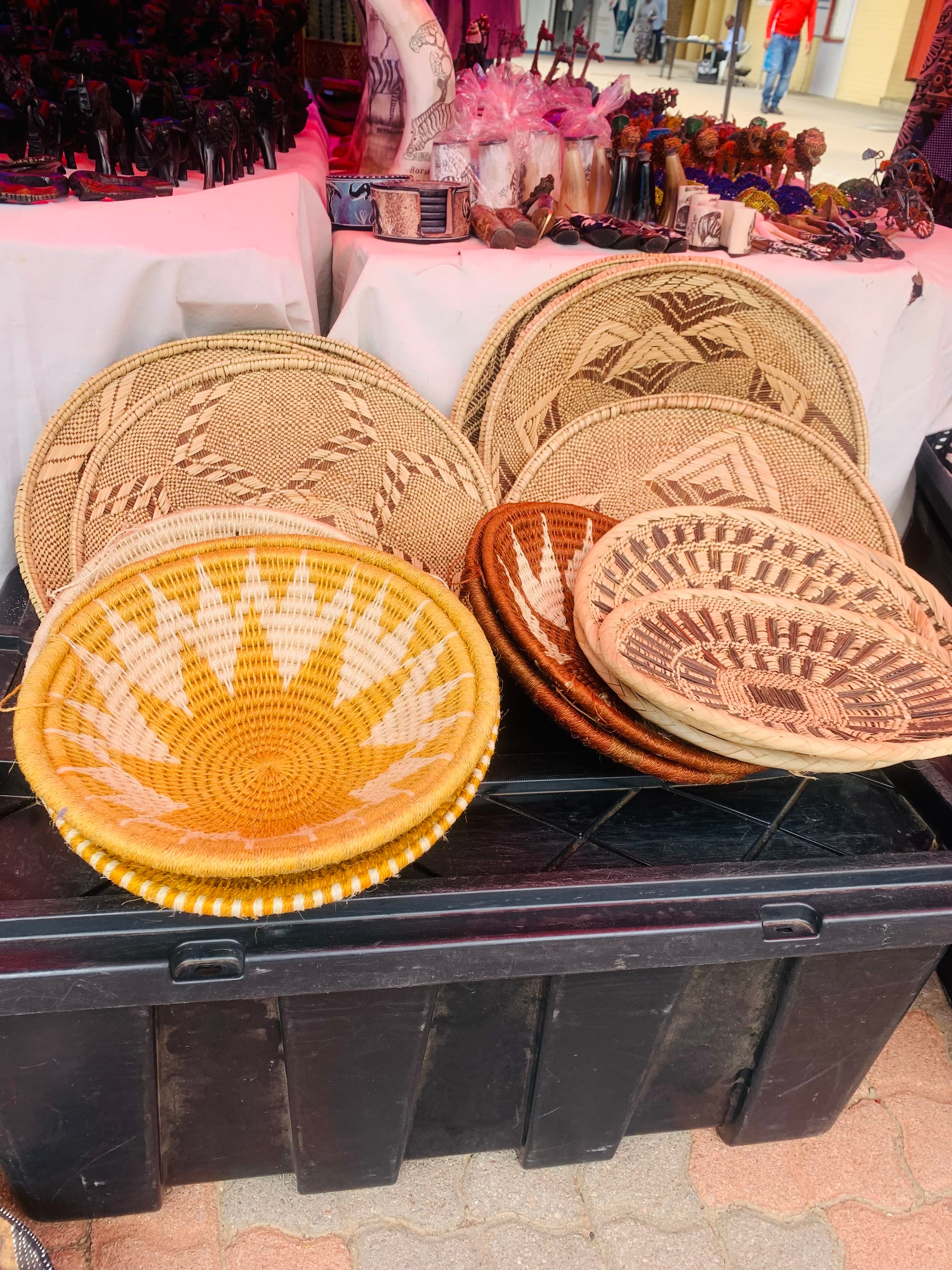
Basketry is the country's best-known craft. Baskets are woven from the fibre of the mokola palm and patterned with strands coloured by natural dyes from roots and bark, and in the north-west the work became an important source of income for women. Alongside baskets, woven hangings and printed textiles are made for the town and tourist markets.
Dos and don'ts for visitors
- Do greet people with "dumela rra" or "dumela mma" before asking or saying anything else.
- Do address older men and women as Rra and Mma, and let elders speak without interruption.
- Do take off a hat or cap when greeting older people.
- Do dress modestly, especially in villages: skirts for women and jackets for men at the kgotla.
- Do expect meetings and gatherings, even official ones, to open with a prayer.
- Don't show affection with a partner in public; it is not common and can cause offence.
- Don't rush a greeting or a conversation to get to business; patience is a form of respect.
What to take away
Botswana's customs rest on the simple exchange at the heart of botho — respect given freely and returned in kind — and a visitor who greets properly, dresses with care and takes time over people will find it offered back generously.