Attractions & Natural Wonders · Botswana
Botswana: Nine Attractions and Natural Wonders
A river that never reaches the sea, the largest elephant population on Earth, salt pans the size of a country, and rock art in hills the San call the mountain of the gods
By Worldlore Editorial · 9 September 2026
Space, water, and wildlife
Botswana is a large, flat, dry country — most of it Kalahari sand — with a small population and a deliberate policy of "high-value, low-volume" tourism: few beds, high prices, big wilderness. The result is some of the least crowded and best- managed safari country in Africa, built around one extraordinary feature: an inland river delta in the middle of the desert.
The nine below are almost all national parks and reserves, reached by light aircraft or long gravel drives, usually as part of a fly-in safari or a self-drive 4x4 trip. The dry season, roughly May to October, concentrates the wildlife at the water; the green season brings the pans to life and lowers prices.
1. The Okavango Delta
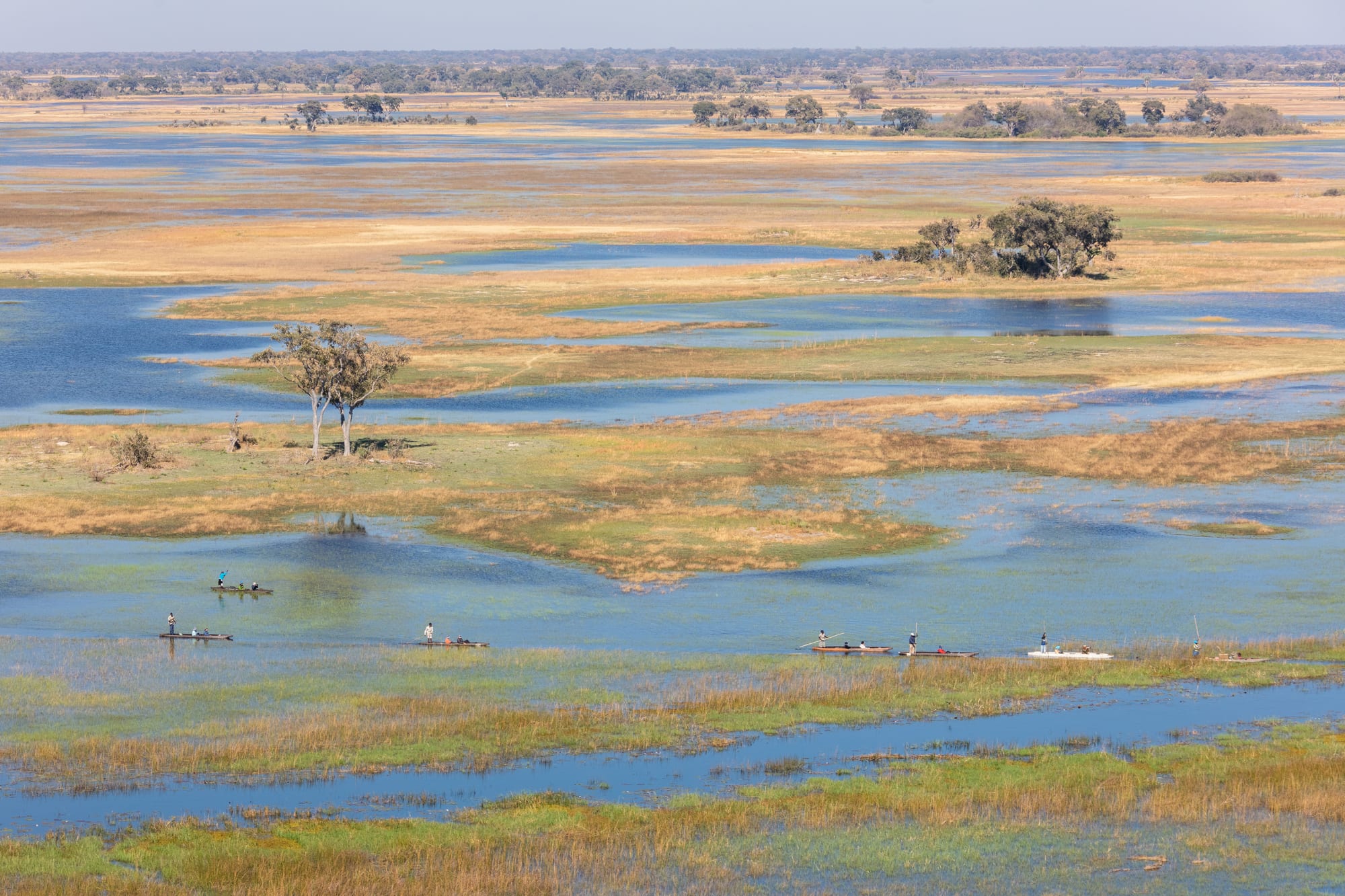
The Okavango rises in the Angolan highlands, flows into Botswana, and simply stops — fanning out into a 15,000-square-kilometre maze of channels, reed beds, and palm islands that vanishes into the sand and the sky. The flood arrives in the dry season, drawing elephant, buffalo, lion, wild dog, and huge concentrations of birds and antelope onto the islands.
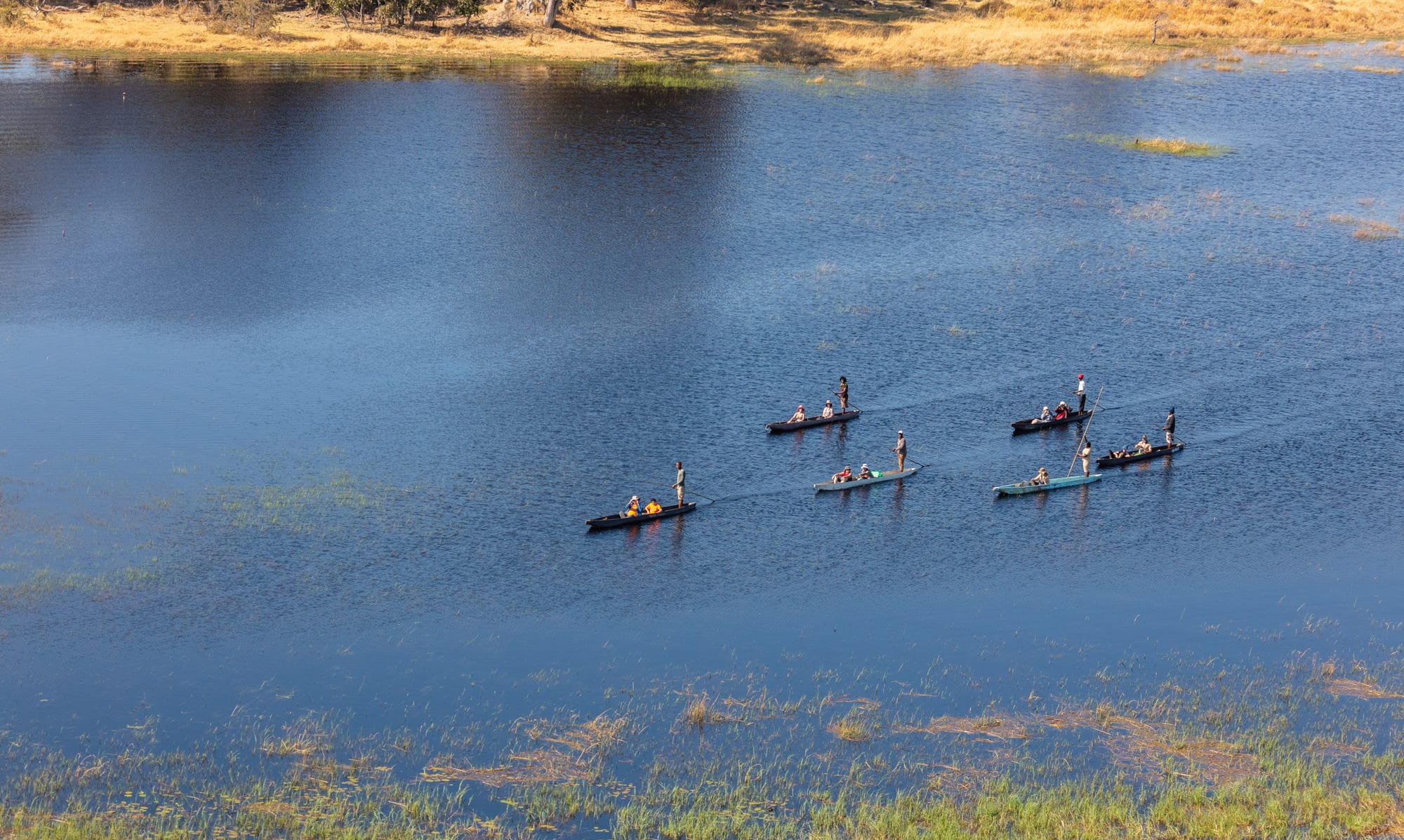
You explore it by small plane, by 4x4 on the larger islands, and — the classic way — by mokoro, a shallow dugout canoe poled through the papyrus. The delta was Botswana's first UNESCO World Heritage Site, and the 1,000th site on the list.
2. Chobe National Park
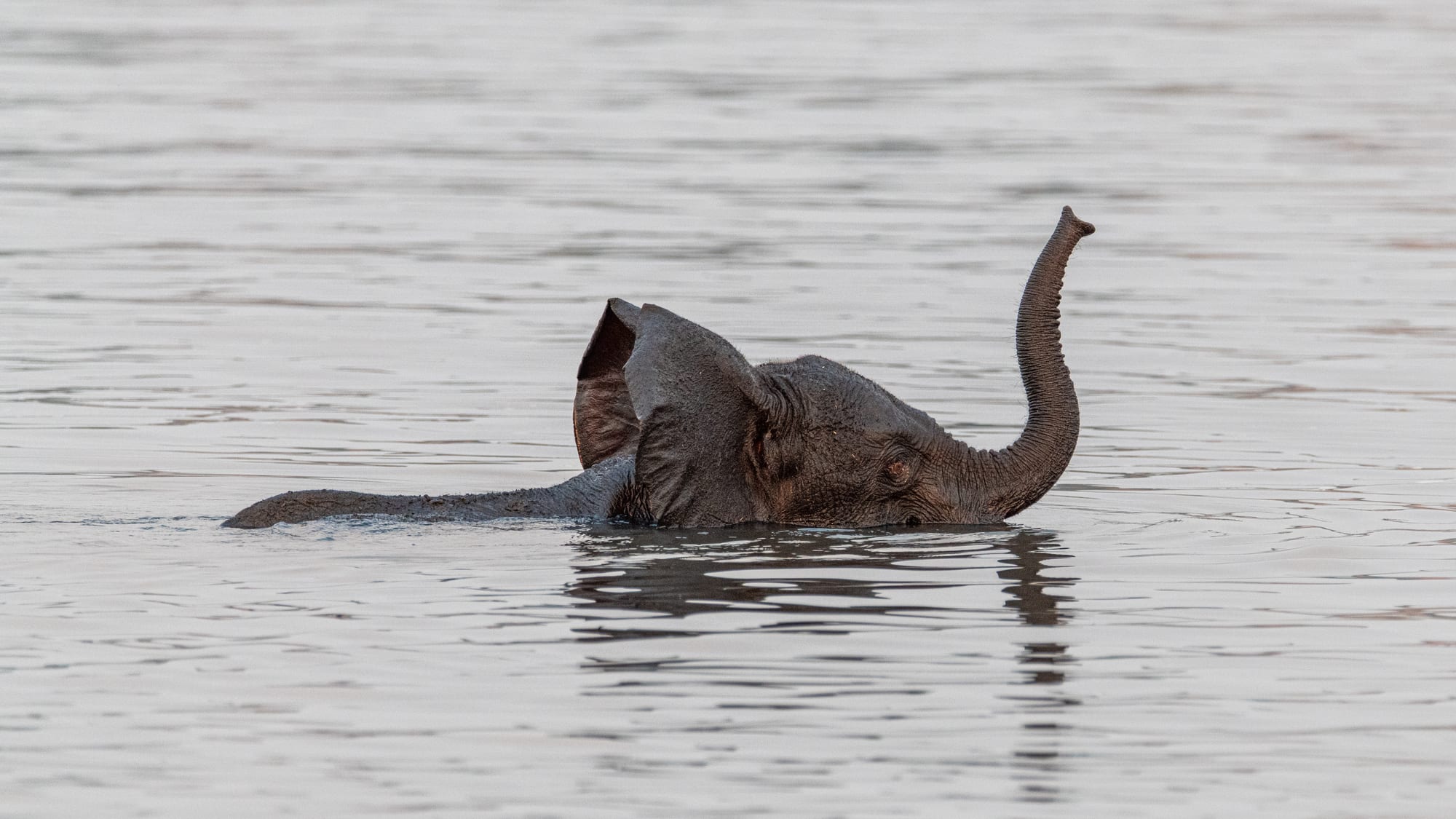
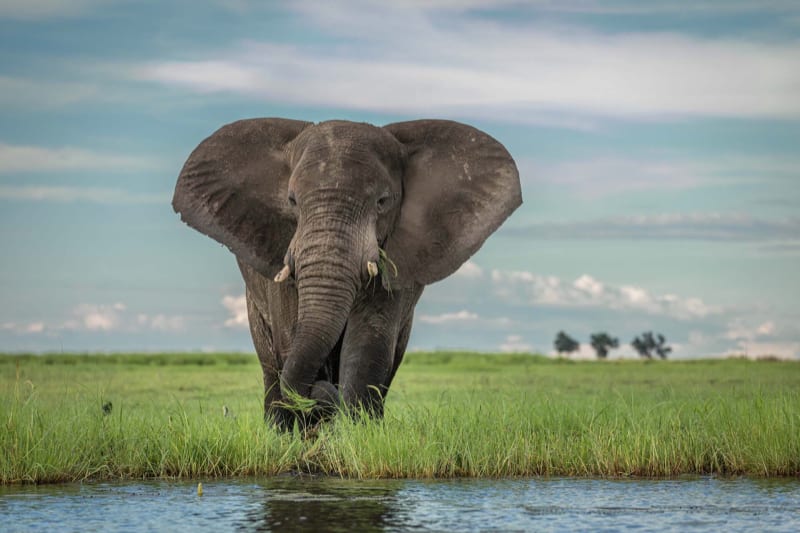
In the northeast, Chobe is famous for elephants — tens of thousands of them, part of a regional population of well over 100,000, the largest on the continent. In the dry season they and vast herds of buffalo come down to drink on the Chobe riverfront near Kasane, where a sunset boat cruise gets you close to the action and to hippo, crocodile, and fish eagles.
The park's other faces — the Savuti marsh, with its famous lions, and the remote Linyanti — are drier and wilder. Kasane is an easy add-on to Victoria Falls, just across the border.
3. Moremi Game Reserve
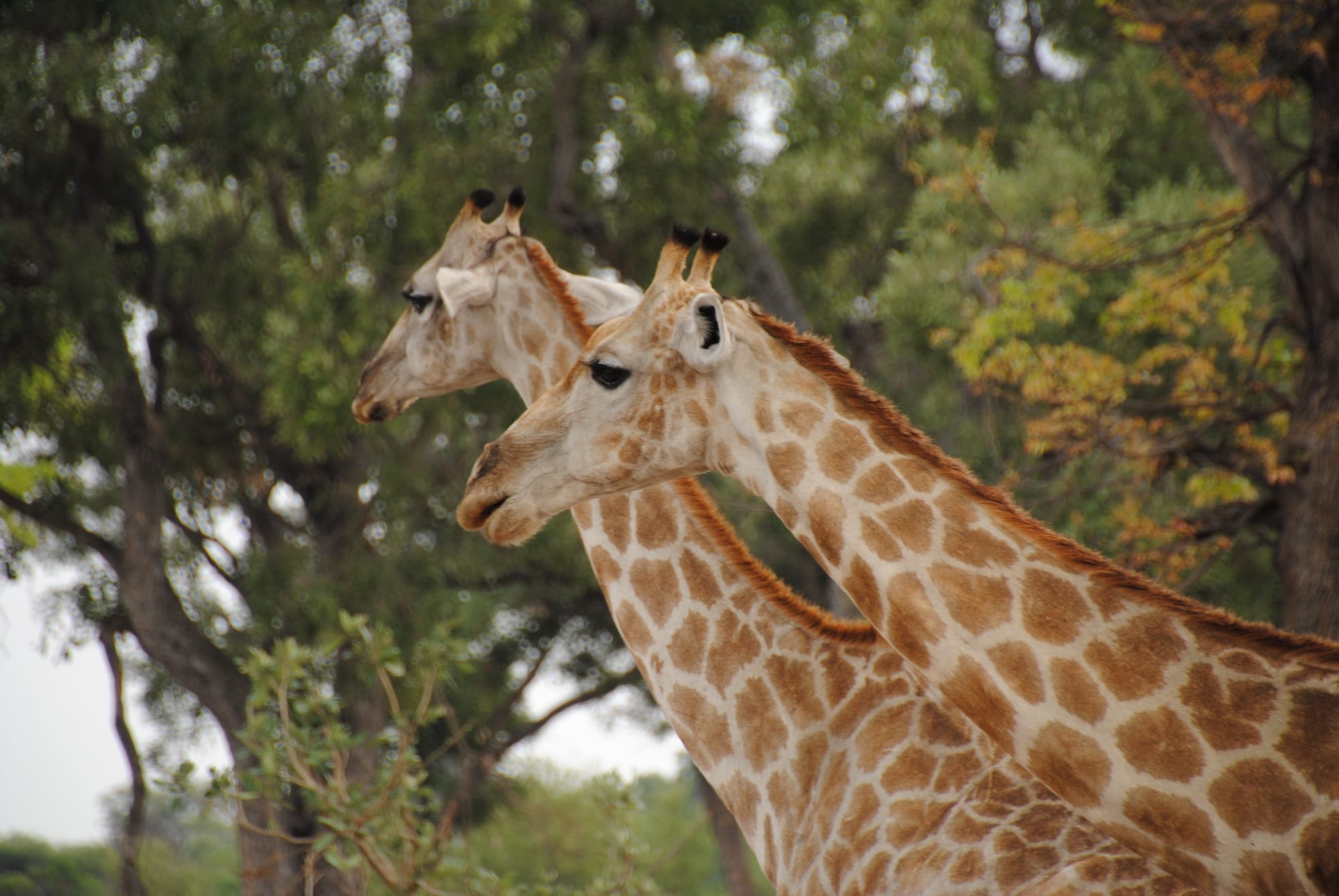
Moremi covers the eastern third of the delta and was the first reserve in Africa established by a local community — the Batawana — on their own land, in 1963. It mixes permanent water, seasonal floodplain, mopane woodland, and dry acacia, which means an unusually full range of wildlife: all the big cats, wild dog, both black and white rhino (reintroduced), and around 500 bird species.
The Khwai area on its northern edge, on community land, allows night drives and walking that the park itself does not.
4. The Makgadikgadi Pans
The Makgadikgadi is the bed of a vast prehistoric lake — a group of salt pans covering around 16,000 square kilometres of blinding, cracked white nothing. In the dry season you can drive or quad-bike far out onto the crust and camp under a sky with no horizon; the San guides at the lodges track meerkats and read the land. When the rains come, the pans flood, and one of Africa's largest zebra migrations and big flocks of flamingos arrive.
Kubu Island, a granite outcrop studded with baobabs rising from the pan, is a sacred site and an unforgettable camp.
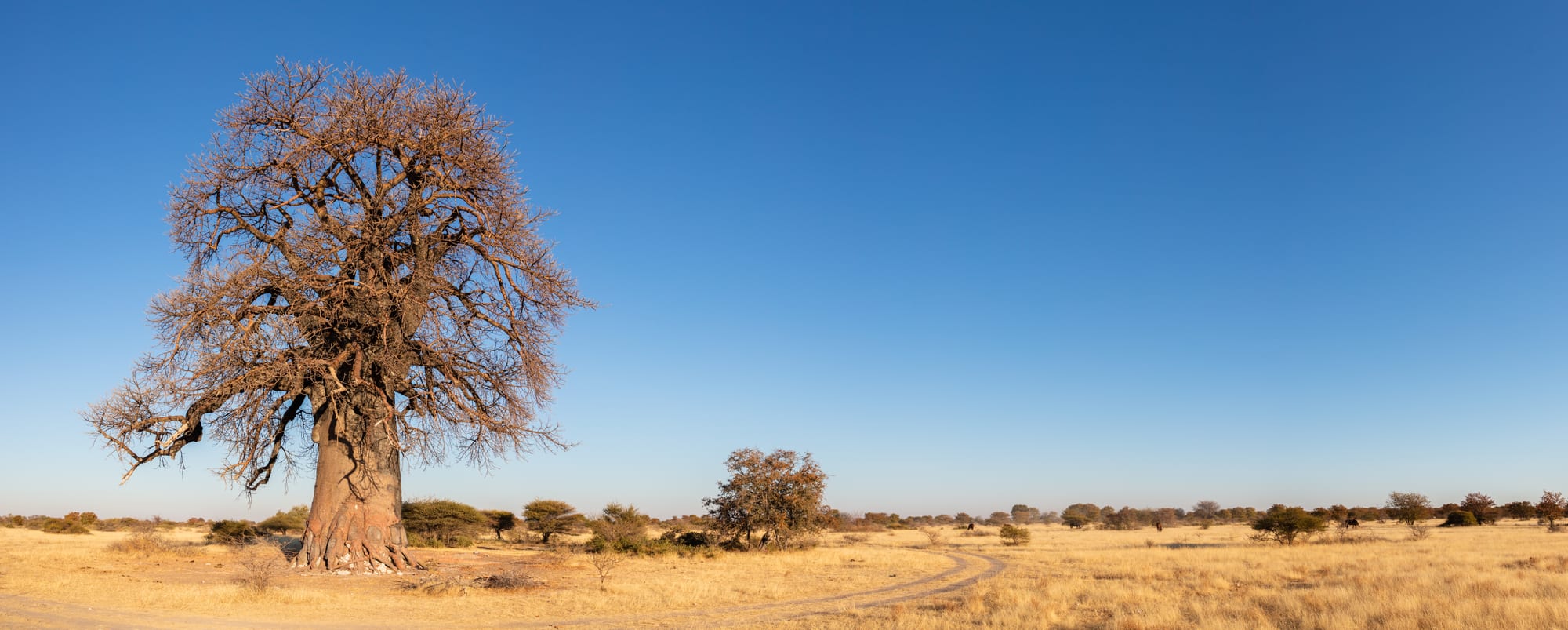
5. Nxai Pan and Baines' Baobabs
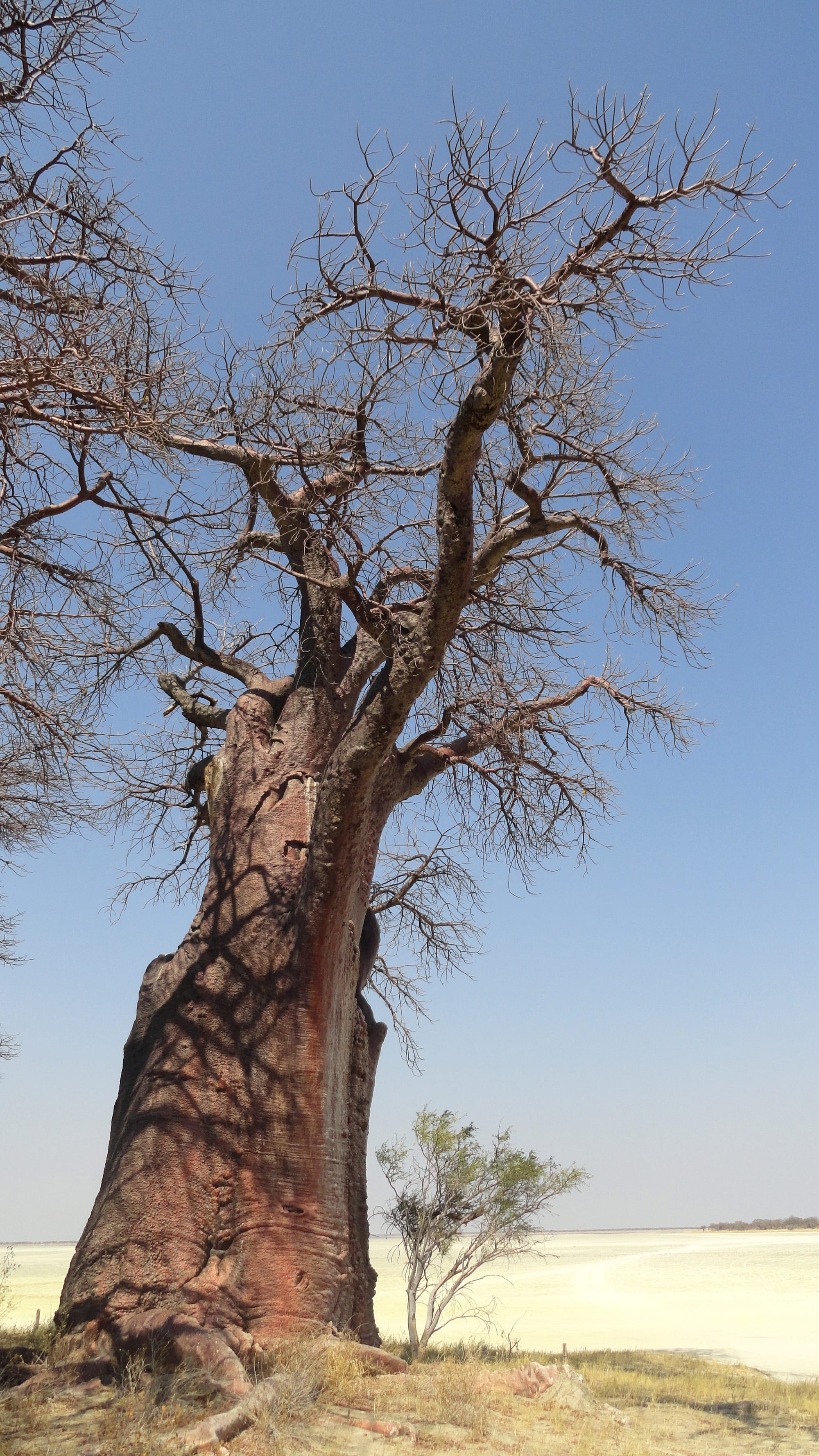
North of the main Makgadikgadi pans, Nxai Pan is a fossil lakebed that greens up in the rains and fills with springbok, zebra, giraffe, and the lions and cheetahs that follow them. Its landmark is a cluster of seven ancient baobabs — "Baines' Baobabs" — that the explorer-artist Thomas Baines painted in 1862; his picture and the living trees are near-identical.
It is a national park, self-drive with a proper 4x4 and full supplies, or visited from a Makgadikgadi lodge.
6. Kubu Island
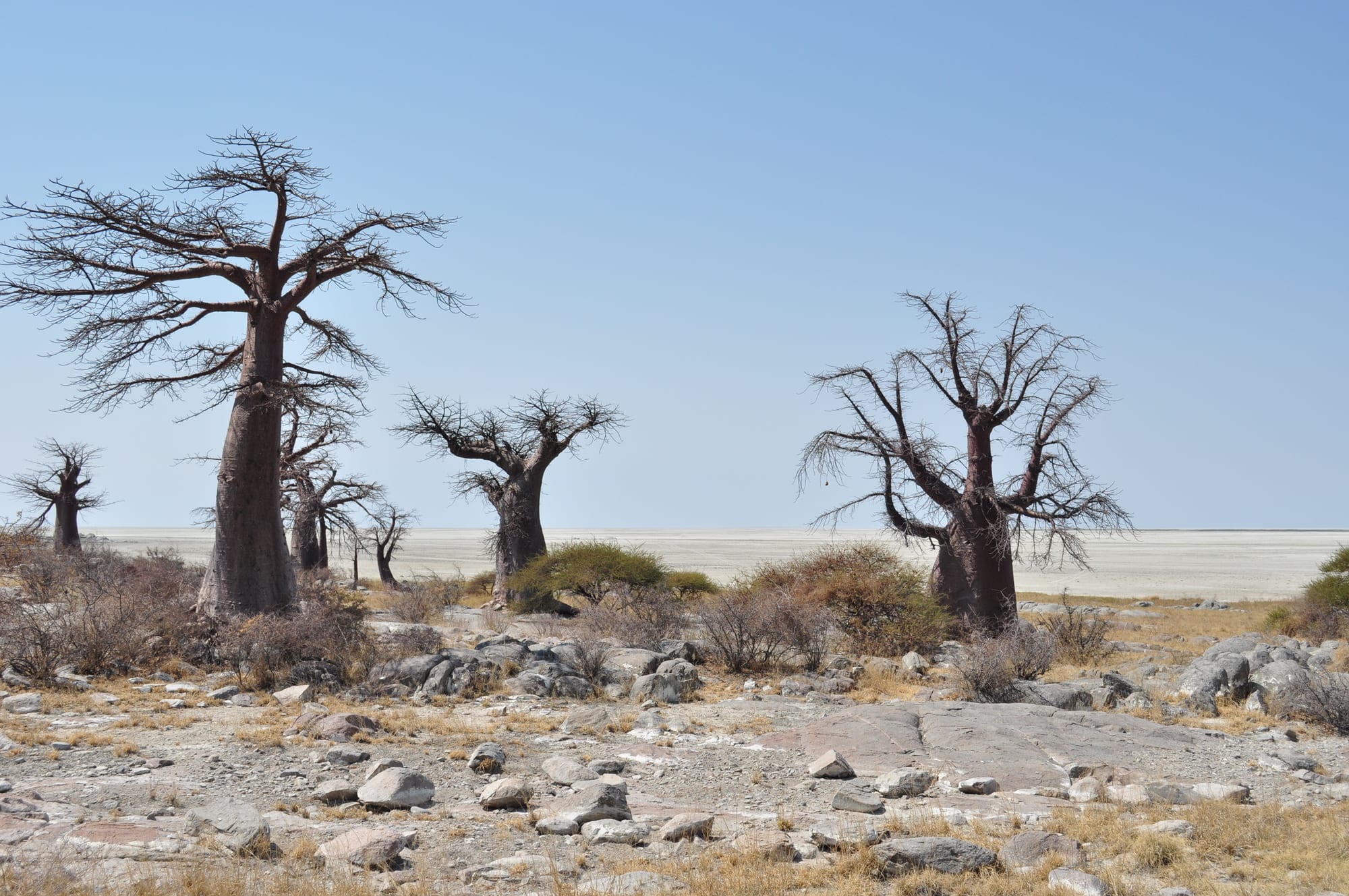
Kubu Island (Lekhubu) is a crescent of grey granite about a kilometre long, covered in baobabs and studded with stone walls and cairns left by people who lived on the shore of the great lake before it dried. It sits in the middle of the Sua Pan, and reaching it is a long drive across the crust from the village of Mmatshumo.
It is a national monument managed by the local community, with a basic campsite and no facilities — you bring everything, including water and firewood.
7. The Central Kalahari
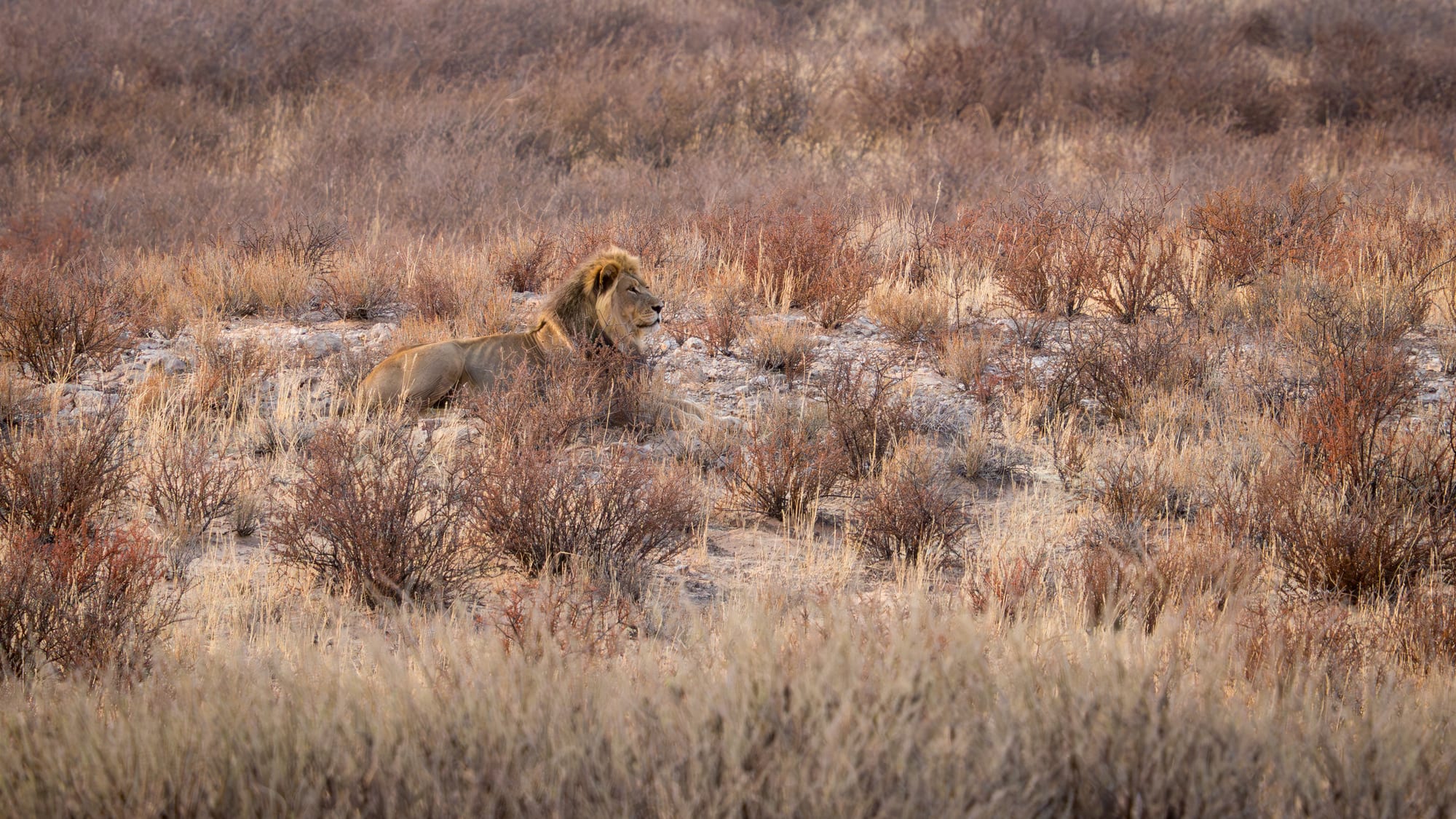
At roughly 52,000 square kilometres, the Central Kalahari Game Reserve is bigger than Switzerland — a near-empty expanse of sand, grass, and the fossil river valleys of Deception and Passarge, where the black-maned Kalahari lions, cheetah, and huge herds of springbok and oryx gather after the rains. It is the ancestral land of the San, whose right to live and hunt here has been the subject of long legal battles.
It is deep self-drive territory — days between fuel, no shops — or visited from one of a handful of remote camps.
8. The Tsodilo Hills
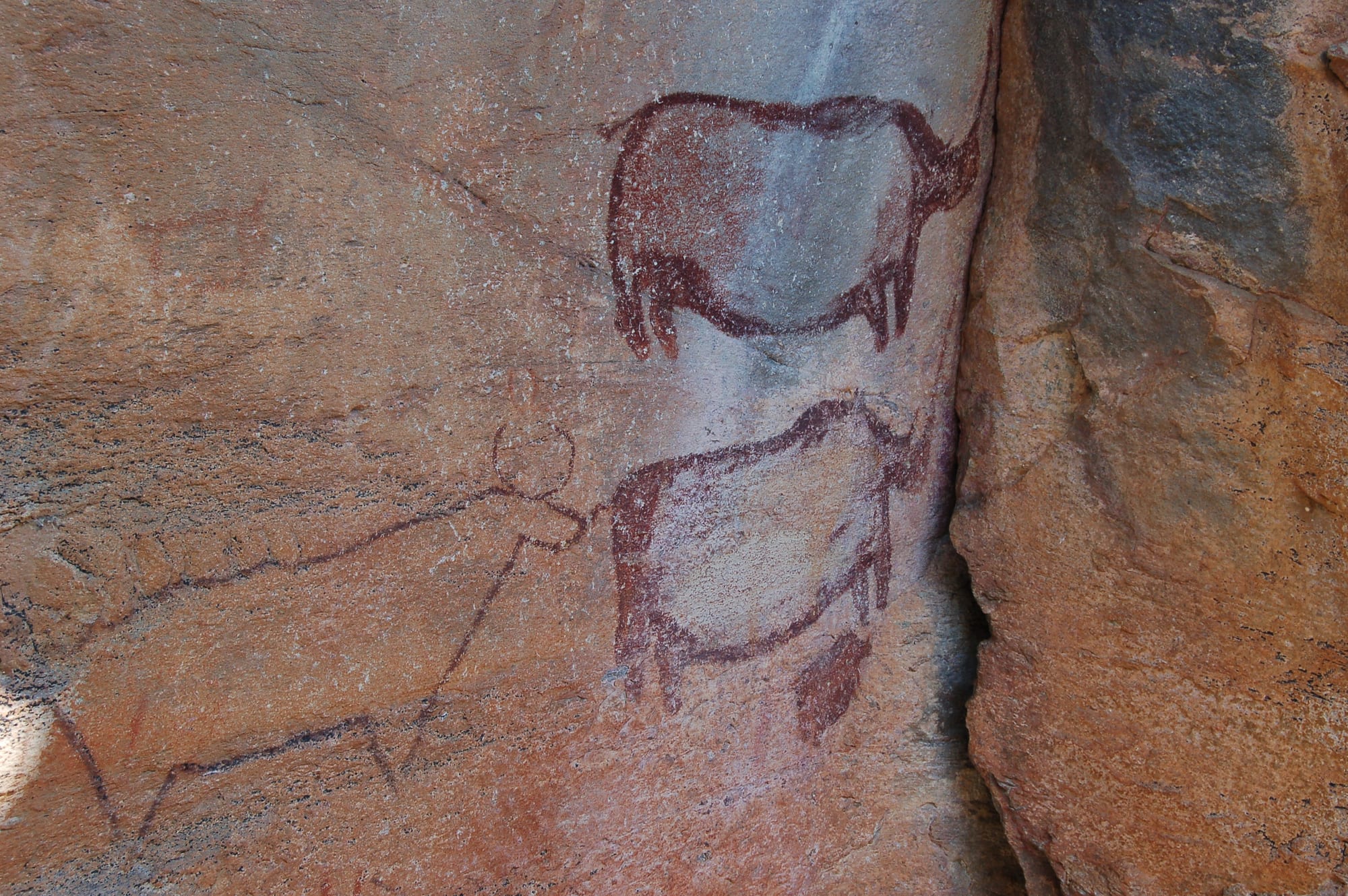
Four quartzite hills rise abruptly from the flat Kalahari near the Namibian border, and they hold one of the highest concentrations of rock art in the world — more than 4,500 paintings across some 400 sites, made over thousands of years. The San, who consider the hills sacred — a place where spirits reside — call the tallest "Male", the next "Female", and a third "Child".
It is Botswana's second UNESCO World Heritage Site. A community-run museum and guided trails lead to the main painted panels; it is a long drive from Maun.
9. Mokoro and mobile safari
Beyond the individual parks, the way Botswana is experienced is itself part of the appeal. The mokoro trip — gliding silently through the delta reeds at eye level with the frogs and lilies — is unlike any vehicle safari. And the country's classic trip is the "mobile", a guided expedition that moves camp every few days between the delta, Moremi, the Savuti, and Chobe, sleeping in walk-in tents on unfenced sites.
Both put you closer to the wilderness, and to the sounds of it at night, than a lodge ever can.
Botswana is expensive and logistically demanding, and that is the point — the reserves are quiet and the wildlife is not habituated to crowds. A ten-day fly-in safari linking the delta, Moremi, and Chobe is the classic first trip.