Daily Life · Botswana
Botswana: A Day Measured in Cattle
A thinly populated Kalahari country where a family's wealth and standing are still counted in cattle, and where many households divide their year between a village home, a farming plot and a cattle post far out on the land
By Worldlore Editorial · 30 September 2026
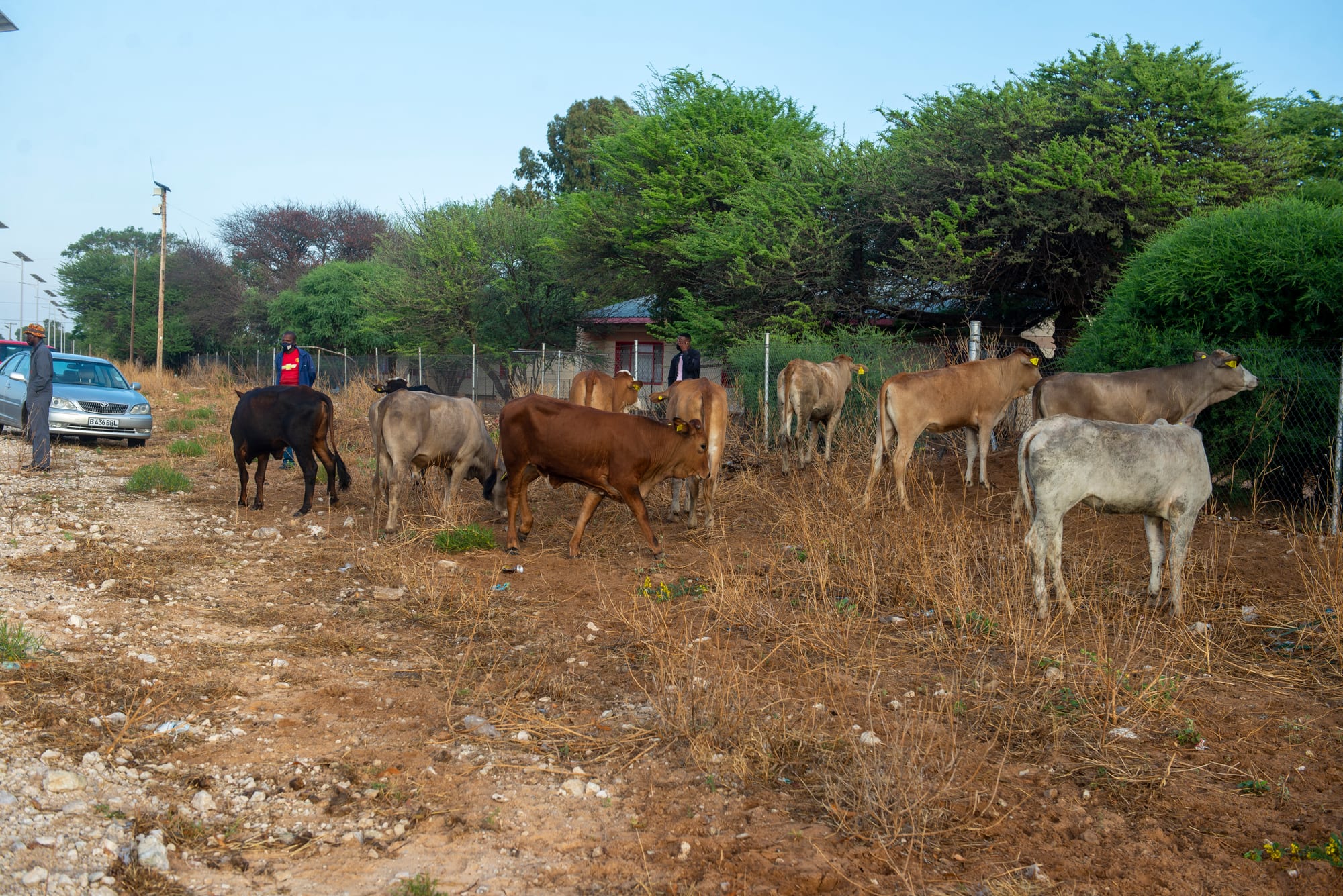
Botswana is a big, empty country by African standards, most of it thin Kalahari bush under an enormous sky, and daily life reflects that space. Fewer than three million people live in an area the size of France, the majority clustered in the south-east around Gaborone, and the national cattle herd has long been close in size to the human population. Wealth, status and family identity have long been measured in cattle rather than only in cash, and for a great many households an ordinary week still means moving between more than one home: a house in the village, a farming plot, and a cattle post some distance out on the land.
Family and home life
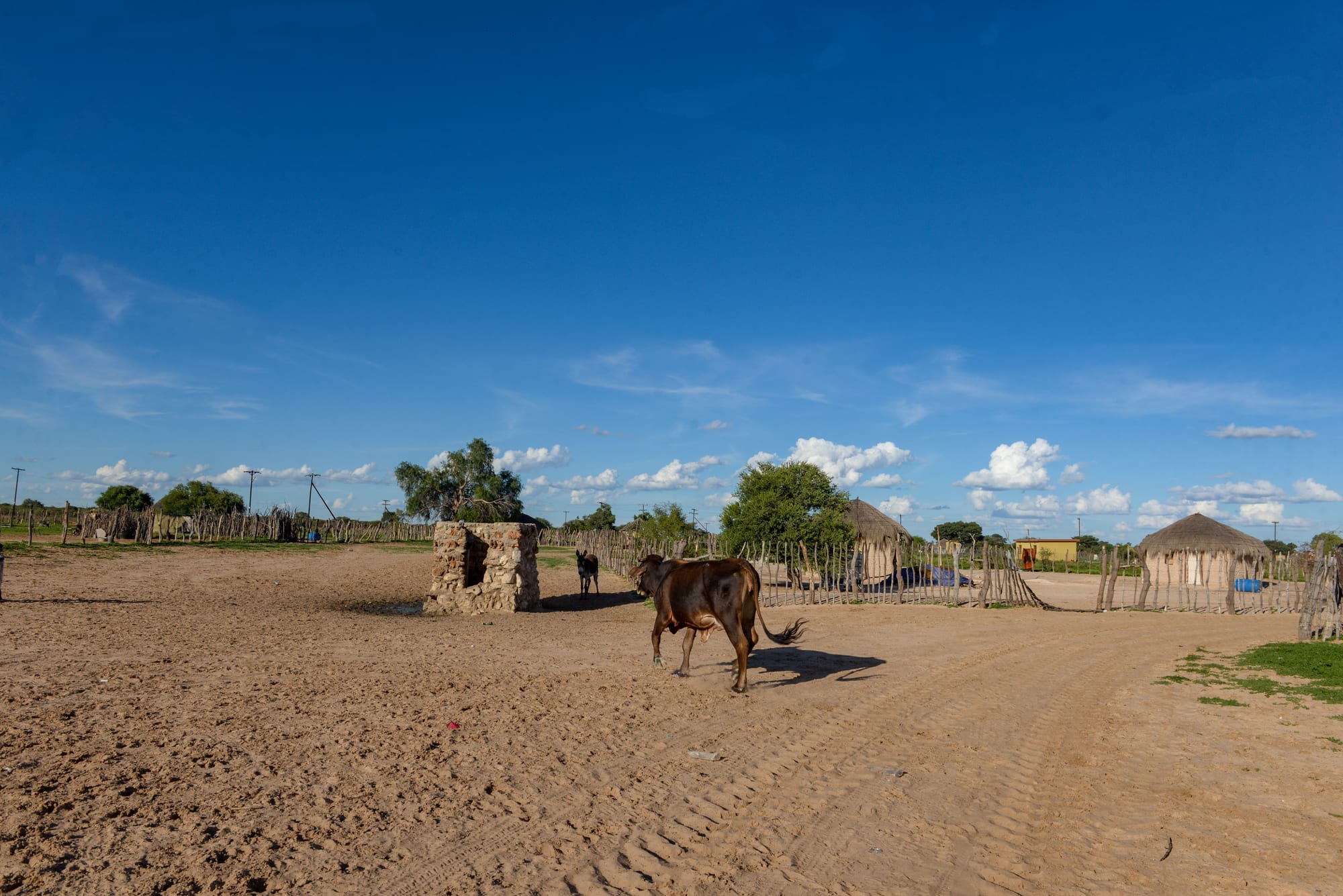
Traditional Tswana life divides a family's activities across three places: the village home, where children go to school and older relatives generally stay; the lands, a farming plot worked mainly in the rainy season; and the cattle post, a remote grazing area where livestock are kept and which men or hired herders visit regularly, sometimes living there for stretches at a time. Many families still follow some version of this pattern, though modern jobs have pulled younger generations toward Gaborone, Francistown and the larger towns. Cattle ownership carries deep social weight beyond their market value, used to pay bridewealth, mark important occasions, and pass wealth between generations, and the household with more cattle generally commands more standing.
Work, school and the rhythm of the day
The working week typically runs Monday to Friday, with government, mining and services the largest formal employers; a great many rural households, though, still combine some form of wage work with farming or cattle-keeping. State schools teach in Setswana as well as English, the official language of government and higher education, and Setswana is widely spoken across the country. Despite the country's mineral wealth, unemployment and inequality remain persistently high, and diamonds, mined at Jwaneng, Orapa and a few other sites, still generate a large share of government revenue, even as a recent slump in prices has strained the budget.
Community life and public spaces
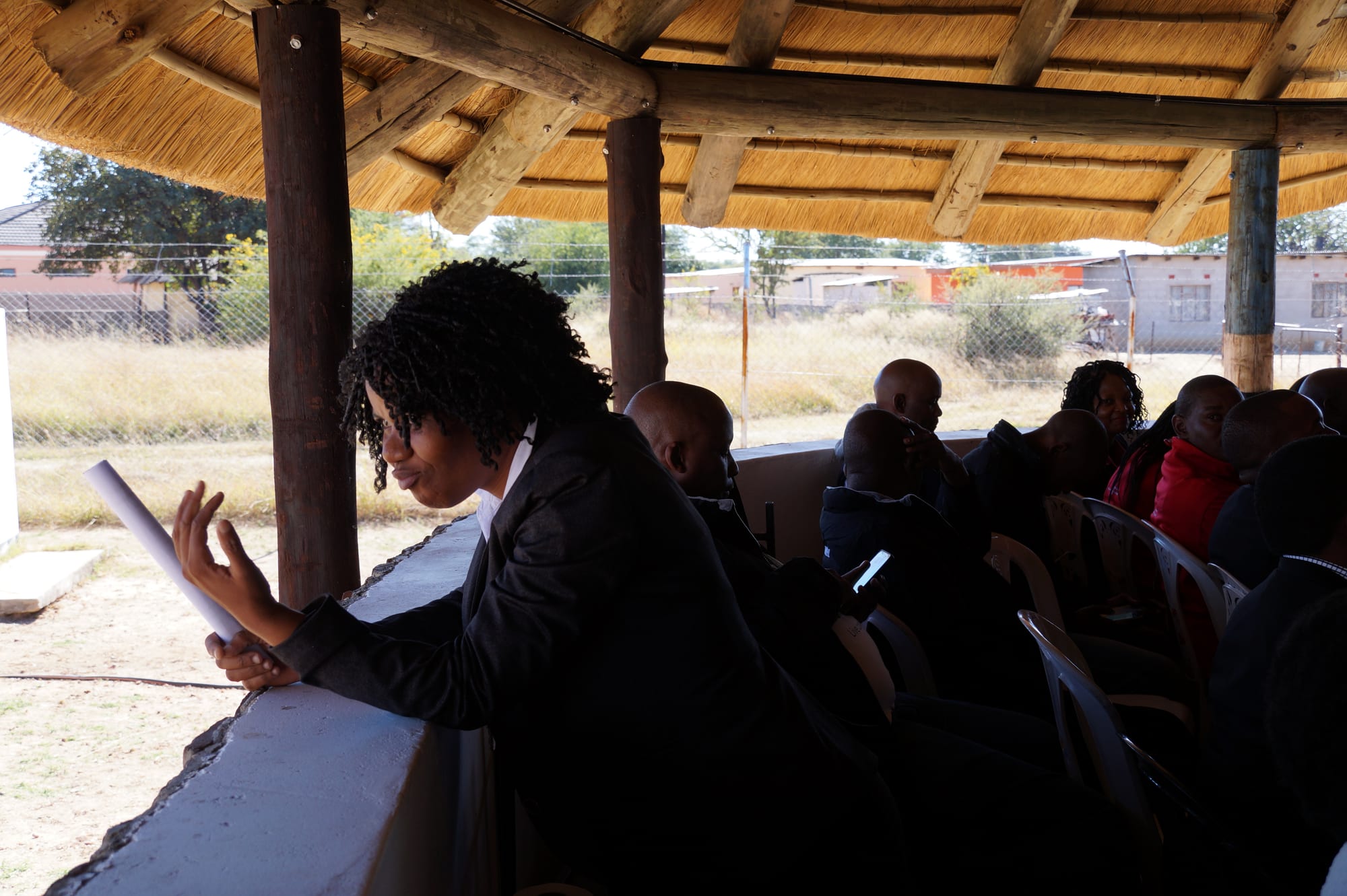
The kgotla, a traditional community meeting place and village court, often an open gathering area or a simple thatched shelter, remains a genuine working institution in villages across the country, used for public announcements, local dispute resolution and gatherings called by the chief or local councillor. Villages are traditionally laid out around the chief's kgotla, with each ward keeping its own, and it functions as the closest thing Botswana has to a default town square, more so than any market or mall. In Gaborone and the larger towns, shopping malls and supermarkets have become the newer everyday gathering points, while smaller settlements still turn on the kgotla, the church and the local shop.
Free time and weekends
Weekends in the villages are built around church, extended family visits and, where a household keeps a cattle post or lands, a trip out to check on animals or crops. Football is followed closely nationwide, and choral singing remains a genuinely popular pastime, with church and community choirs performing at weekend competitions in villages and towns alike. In season, the mophane caterpillar harvest draws families into the bush to gather the protein-rich caterpillars, which are then sun-dried or smoked; the outing is as much a social event as a food-gathering trip.
A visitor's ordinary day
Distances in Botswana are large, and cheap minibuses run along the sealed roads between the eastern towns but do not reach the parks; reaching the Okavango, Chobe or the Kalahari reserves means a light aircraft or a serious 4x4. Cards are accepted in supermarkets, hotels and fuel stations in towns, but small shops, minibuses and roadside stalls run on cash pula. Driving after dark on rural roads is best avoided, since cattle, donkeys and wildlife wander onto the tarmac without warning, a hazard that shapes evening travel plans nationwide.
What to take away
An ordinary day in Botswana still runs, in some form, on the old three-way pattern of village, lands and cattle post — even for those who now spend most of the week in an office in Gaborone, the cattle post tends to stay part of the family's life, not a relic of it.