Daily Life · Bosnia and Herzegovina
Bosnia and Herzegovina: Two Alphabets, One Coffee Pot
A country where mosque and church bells share the same skyline, coffee is sipped rather than drunk, and three communities still often live, learn and vote along separate, parallel lines drawn by the 1990s war
By Worldlore Editorial · 30 September 2026
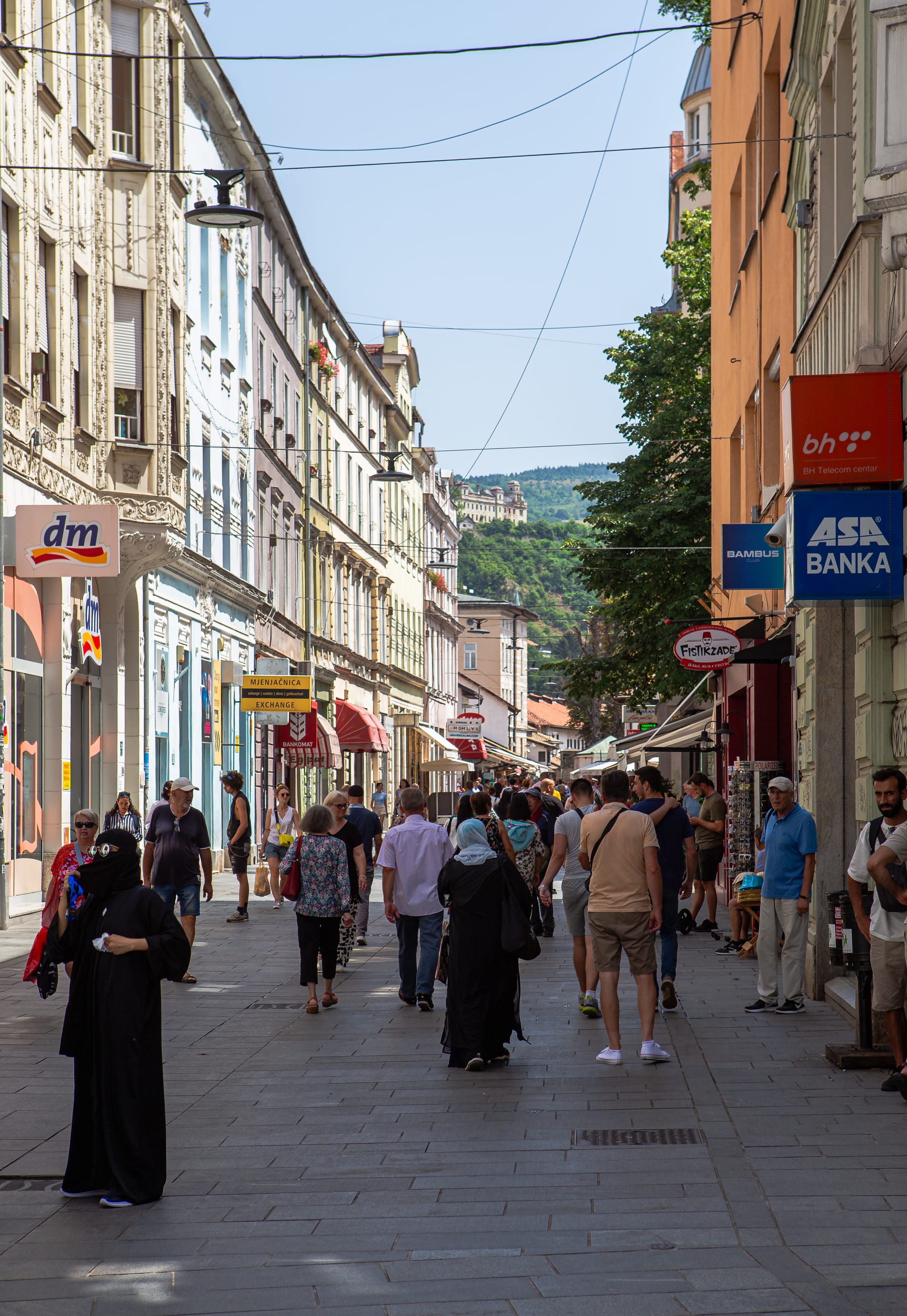
An ordinary day in Bosnia and Herzegovina moves at the pace of a coffee cup: slowly, and rarely alone. Church bells and the call to prayer can be heard within the same few minutes in Sarajevo and in smaller towns across the country, a reminder that this is a genuine meeting point of Islam, Orthodox and Catholic Christianity. Beneath that shared skyline, though, daily life still runs largely along the lines drawn by the 1992-95 war: the country is split into two entities, the Federation and Republika Srpska, plus the small Brčko District, and many families, schools and workplaces operate within one community more than across them.
Family and home life
Households are generally close-knit and, especially outside the main cities, often span more than one generation under a single roof, with grandparents helping raise grandchildren while parents work. A great many families depend in part on money sent home by relatives who left for Germany, Austria, Switzerland or further afield, either during the war or in the years since — remittances were worth more than a tenth of the economy in 2024, according to World Bank data. Housing reflects the country's mixed history: high-rise apartment blocks built under socialist Yugoslavia are the norm in Sarajevo, Banja Luka and Tuzla, while smaller towns and villages keep older, detached houses, often with a vegetable garden attached.
Work, school and the rhythm of the day
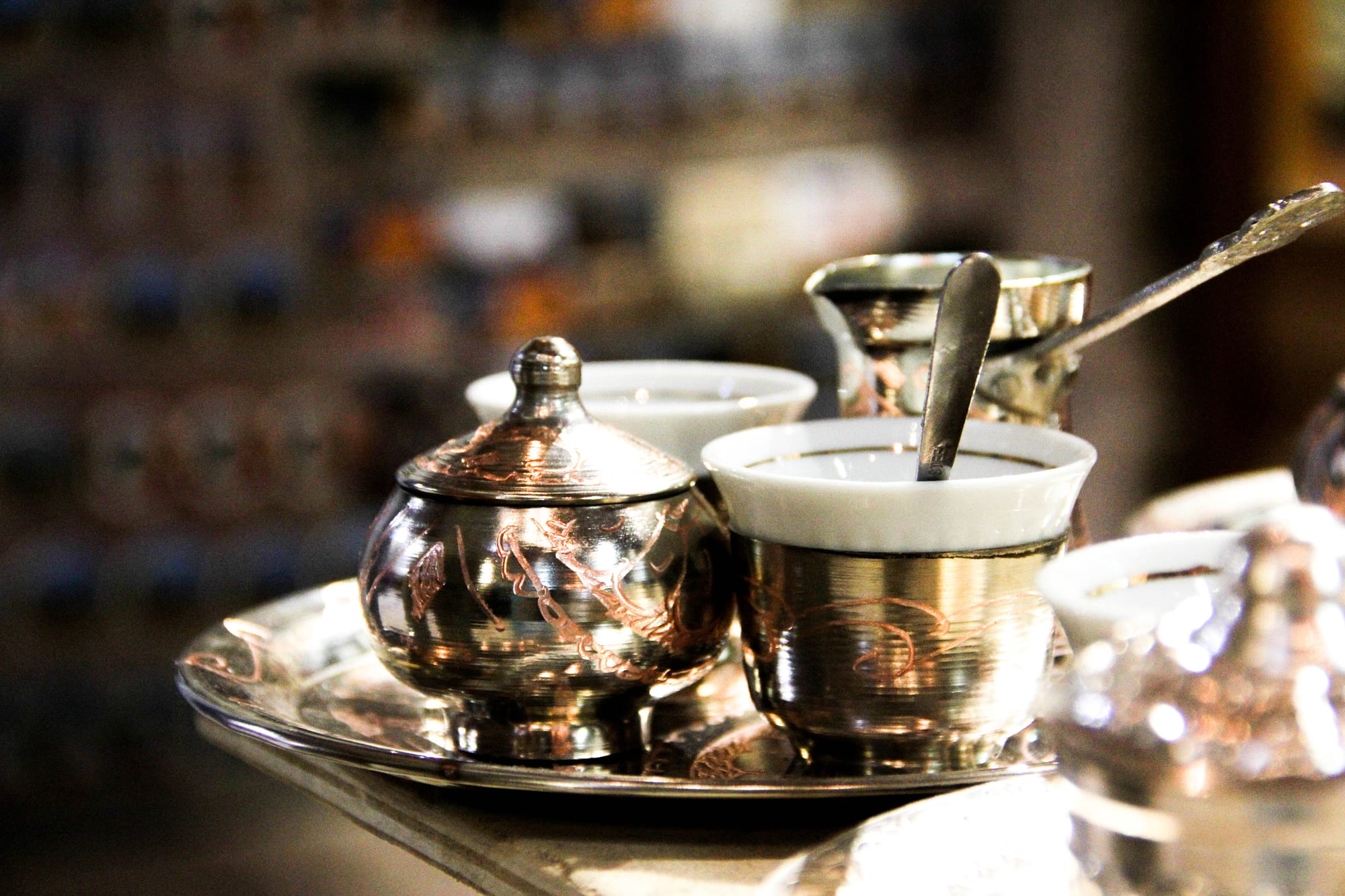
The working week typically runs Monday to Friday, roughly eight hours a day, with Saturday and Sunday as the weekend. Since the war, the country's education and administration have largely run along separate community lines: the Bosniak- and Croat-majority Federation and the Serb-majority Republika Srpska operate largely separate school systems, with Bosnian, Croatian and Serbian curricula that differ in language, history and literature, and in parts of the Federation Bosniak and Croat children are taught apart even in the same building. Coffee remains a genuine institution rather than a quick habit: a single small cup of Bosnian coffee, served in a copper džezva with a lump of sugar, is routinely stretched over half an hour or more, at home or in a kafana, before or between the working day's demands.
Community life and public spaces
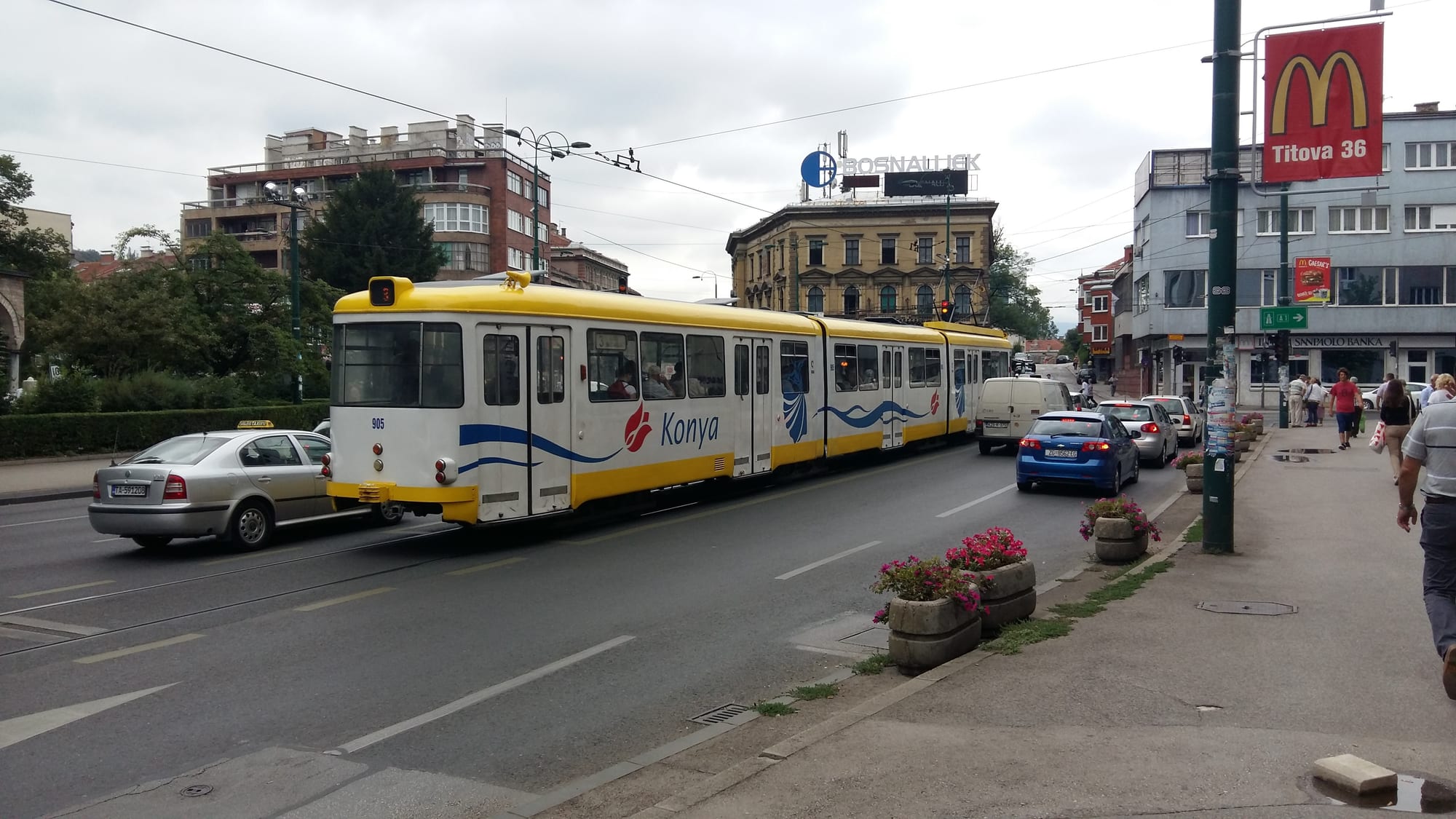
The čaršija, the old bazaar quarter found in Sarajevo, Mostar, Travnik and other towns, remains the most natural gathering point, its narrow lanes lined with coppersmiths, bakeries and coffeehouses rather than chain stores. Sarajevo also runs on a tram network dating back to the Austro-Hungarian era, still an everyday way to cross the city alongside buses and shared taxis, while smaller towns rely on intercity buses to connect to the capital. Football pitches, riverside promenades and, in winter, the mountains ringing Sarajevo function as the other shared public spaces that draw people out of the house regardless of which community they belong to.
Free time and weekends
Weekends are for family lunches, a long sit at a café or kafana, and, where the household has a village house or a relative's smallholding, a trip out of the city. Football is followed closely nationwide, whether at the stadium or on television at a bar, and the mountains around Sarajevo, including the slopes used for the 1984 Winter Olympics, draw skiers all winter. In summer, rivers such as the Neretva and Una are a common draw for swimming and rafting, a cheap and popular escape from the heat.
A visitor's ordinary day
Bosnia and Herzegovina is inexpensive by European standards and runs partly on cash: cards are widely accepted in Sarajevo and Mostar, but smaller ćevabdžinice, markets and buses often expect the local convertible mark rather than euros, even though the currency is pegged to the euro. Shops in the čaršija open by mid-morning and stay open into the evening. Intercity buses are the most reliable way to move between towns, though services and timetables are split among many separate operators, so some routes require changing partway. A slow coffee is rarely refused and rarely rushed, whichever side of town it is served on.
What to take away
What defines an ordinary day in Bosnia and Herzegovina is less any single tradition than the quiet fact of two systems running side by side — in schools, administration and sometimes daily routine — beneath a country that, in its markets, cafés and mountains, still shares far more than it divides.