Culture & Customs · Bosnia and Herzegovina
Bosnia and Herzegovina: The Third Coffee
Three faiths bound up with three peoples, a warmth that expects guests at any hour, and a set of manners in which even the leaving is done slowly
By Worldlore Editorial · 30 September 2026
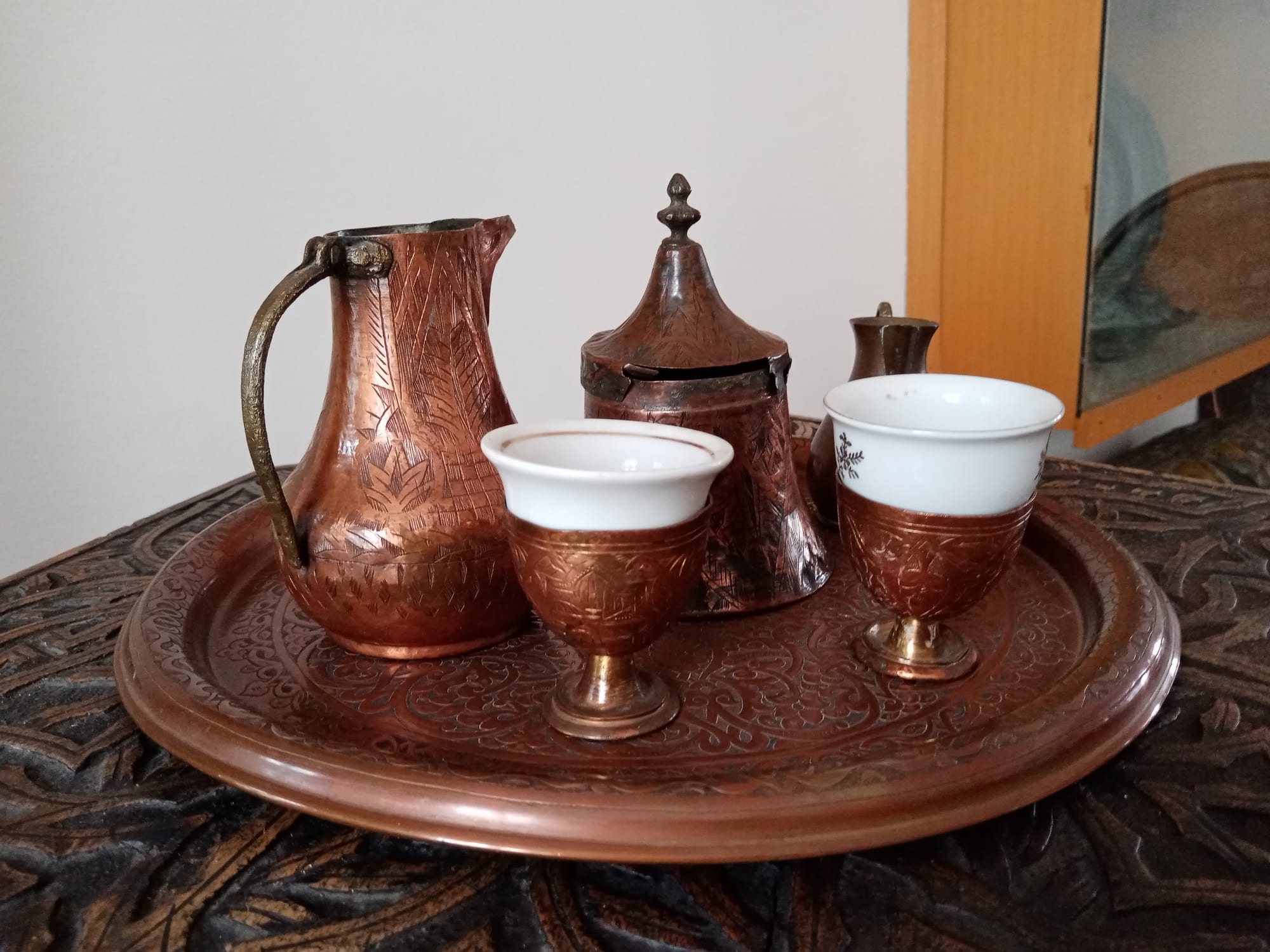
A knock at the door, and nobody seems surprised. In Bosnia and Herzegovina family and close friends often call without warning, and the host's first word is "bujrum" — welcome, come in. Shoes come off at the threshold, even when the host waves the gesture away. Within minutes a small cup of coffee appears, followed by something to eat that the guest is expected to accept, whether hungry or not. Conversation runs loud, frank and full of jokes. And when the visit ends, the host does not simply shut the door but stands and watches the guest walk away, because closing it too quickly would suggest the visitor had not been welcome. Across the country, courtesy is measured less in formality than in time: time given to neighbours, to guests, and to the slow ritual of sitting together.
Faith, identity and values
Bosnia and Herzegovina is often described as an ethno-religious society, one in which faith and nationality usually travel together. At the 2013 census around half the population described themselves as Muslim, about 31 per cent as Orthodox Christian and about 15 per cent as Catholic. In practice most Muslims are Bosniaks, most Orthodox Christians are Bosnian Serbs and most Catholics are Bosnian Croats, and conversion from one faith to another is rare. Some people, among them many children of mixed marriages, prefer not to identify with any one group.
Bosnian Muslims are Sunni and follow the Hanafi school, and their Islam is generally practised in a relaxed, Ottoman-influenced way. Observance varies widely, from the devout to the largely secular, and only a minority of women wear the headscarf. For Serbs, the Serbian Orthodox Church is a cornerstone of national identity, and church attendance at Christmas and Easter is customary even among the less devout. Catholicism plays the same role for Croats, with baptism, confirmation and marriage in church still widely observed. For centuries the three faiths lived side by side, and the custom of visiting neighbours of other religions on their holidays has survived.
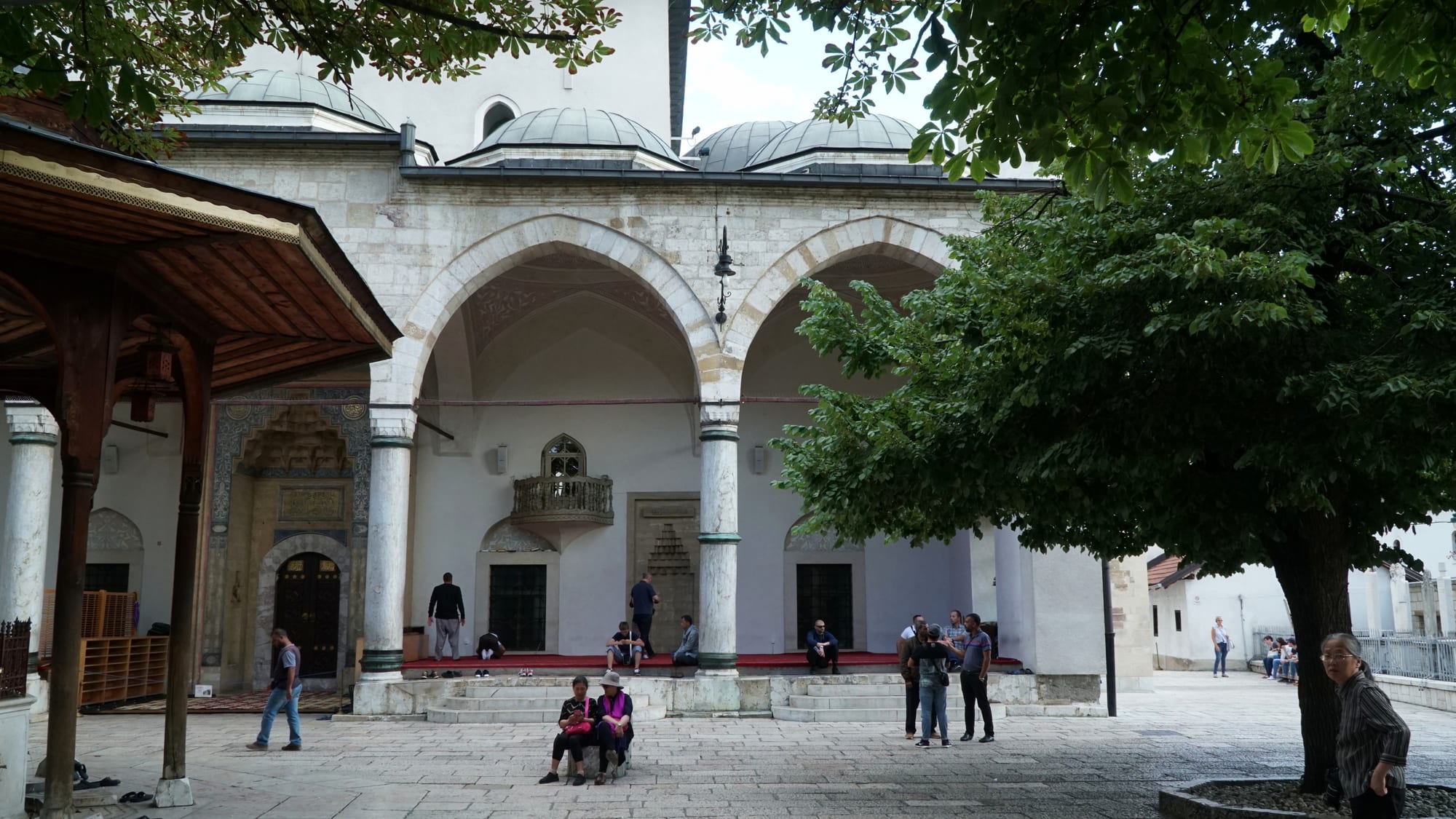
Beneath these differences lies a shared set of values. Warmth and generosity are expected, and people will go out of their way to help, often spontaneously. Pride runs deep, attached both to family and to one's narod, or people. Perhaps the most characteristic idea is komšiluk, neighbourliness: the web of contact and mutual support between people who live near one another. It brings real closeness and a safety net in hard times, along with the less welcome side of village life, the sense that neighbours always know one another's business. Bosnians also prize ćeif, the pleasure of being carried away by the moment, and daily life leaves room for it, in long conversations over coffee and in unplanned visits.
Family sits at the centre of everything. Elders are respected for their experience, their opinions usually carry the day in family matters, and caring for ageing parents at home is regarded as an obligation, so residential care is uncommon. Traditional households are patriarchal, though younger couples increasingly share decisions, and Muslim families tend to keep more separation between men and women in social life than Christian ones. Folk belief also lingers: some people wear charms against the evil eye, and many are wary of promaha, the draught created by open windows on opposite sides of a room, which is widely believed to bring illness.
Greetings and meeting people
A handshake is the standard greeting between acquaintances. Among friends and family, Bosniaks and Bosnian Croats generally exchange a light kiss on each cheek, while Bosnian Serbs give three, alternating cheeks. Younger people may show respect to an elder by kissing their hand. When several people are present, the oldest is greeted first, and it is polite to stand up to greet someone, since staying seated can suggest a lack of interest.
The everyday greeting is "zdravo", hello, usually followed by "kako si?" — how are you? The customary reply thanks God before saying that all is well and asking the question in return. Among Muslims, "merhaba" and "selam alejkum", peace be upon you, are also common. Language itself is a matter of identity: what is essentially one language is called Bosnian, Croatian or Serbian depending on the speaker, and it is wise to follow each person's own usage rather than correct it.
Bosnians tend to speak directly and say what they think, which can come across as blunt without being meant unkindly. Conversations become loud and animated when people are enjoying themselves, and that volume is a sign of engagement rather than anger. Humour is central, much of it dark and self-deprecating, aimed at in-laws, politicians and the absurdities of daily life, and casual swearing is common in informal company. People stand close when talking, and keeping too much distance can read as coolness or distrust. Direct eye contact is important, especially when glasses are raised in a toast, where it signals sincerity. Pointing at people or wagging a finger is considered rude, and holding up three fingers is taken badly by many Bosniaks and Croats. To beckon someone, the whole hand is used, palm facing down, in a scooping motion.
Hospitality and being a guest
Hospitality is taken seriously and offered generously. Close friends and relatives drop in unannounced, but a first visit or a formal invitation calls for a small gift: flowers, a packet of coffee, biscuits or chocolates. Flowers should be given in odd numbers, because even-numbered bouquets are reserved for funerals. Alcohol and pork products should not be given to a Muslim host unless it is clear they would welcome them. Shoes are removed on entering a home, and it is considered polite to do so even when the host insists it is unnecessary.
Coffee is the heart of any visit. Rather than suggesting a chat, Bosnians tend to suggest going for coffee, and at home it is prepared slowly and served in small cups, often with a piece of Turkish delight. Refusing it is a small rebuff. The same goes for food: a host will usually serve far more than anyone can eat, and it is polite to accept whatever is offered, even if only a little is taken. Rakija, the fruit brandy, is often brought out for guests, though many Muslims avoid alcohol and pork, and it is best to follow the host's lead.
At the table, hands stay visible above it, elbows stay off it, and talking with a full mouth is frowned upon. Eating while lying back or reclining is considered bad manners. Lunch, taken in the early afternoon, is the main meal of the day. When eating out, it is polite to offer to pay; a friendly tussle over the bill often follows, but in the end the person who invited usually settles it. Smoking remains common, though in the Federation of Bosnia and Herzegovina it is now banned in most enclosed public places, while the rules in Republika Srpska are looser. And when the time comes to leave, the host will linger at the door until the guest is out of sight.
Festivals and life's big moments
With three faiths and two Christian calendars, the country marks several sets of religious holidays. For Muslims the two great festivals are Ramazanski Bajram, which ends the fasting month of Ramadan, and Kurban Bajram, the Feast of the Sacrifice. Both move through the year with the lunar calendar and are times for prayer, family visits, feasting and charity. Catholics celebrate Christmas on 25 December, usually beginning with midnight Mass on Christmas Eve, and mark All Saints' Day on 1 November by visiting family graves. Orthodox Christians follow the Julian calendar, so their Christmas falls on 7 January and their Easter is often a week or more after the Catholic one.
The Orthodox Christmas Eve is built around the badnjak, a branch of oak that is brought home and burned; in towns it is now often bought at a market, and bonfires are lit in churchyards. The Christmas bread, česnica, is baked with a coin hidden inside, and whoever finds it can look forward to a lucky year. The greeting of the season is "Christ is born", answered with "Truly he is born". Serb families also keep the slava, the feast of the household's patron saint, with special dishes, prayers and guests. Across all three communities neighbours still visit one another on their holidays and send good wishes, one of the most cherished habits of the country's mixed past. Secular holidays add to the calendar, though some are observed differently, or not at all, in the country's two entities.
Weddings are large, noisy family occasions, with folk music, processions of cars or guests and the kolo, a circle dance that draws in young and old alike. In Orthodox ceremonies the couple wear crowns during the service, in keeping with the wider Orthodox rite. Marriages across ethnic and religious lines are more common in the cities than elsewhere. Families still value having several children, and grandparents often help raise them.
Funerals follow each community's own rites. Muslim burials take place quickly, in keeping with Islamic practice, and mourners of every faith dress in black and call on the family of the deceased to offer condolences. Flowers brought to the bereaved follow the rule of the florist's counter in reverse: an even number.
Arts, crafts and music
The most treasured of the country's living arts is sevdalinka, the traditional urban song. It grew from a long meeting between South Slavic oral poetry and the music of the Ottoman world, and its main purpose is to tell a story, usually of love, longing or loss. It may be sung unaccompanied or with traditional instruments, by professionals and amateurs alike, and it is still passed on within families, the young learning by imitation and adding their own touches, as well as in music schools and workshops. UNESCO added it to its Representative List of the intangible cultural heritage of humanity in 2024.
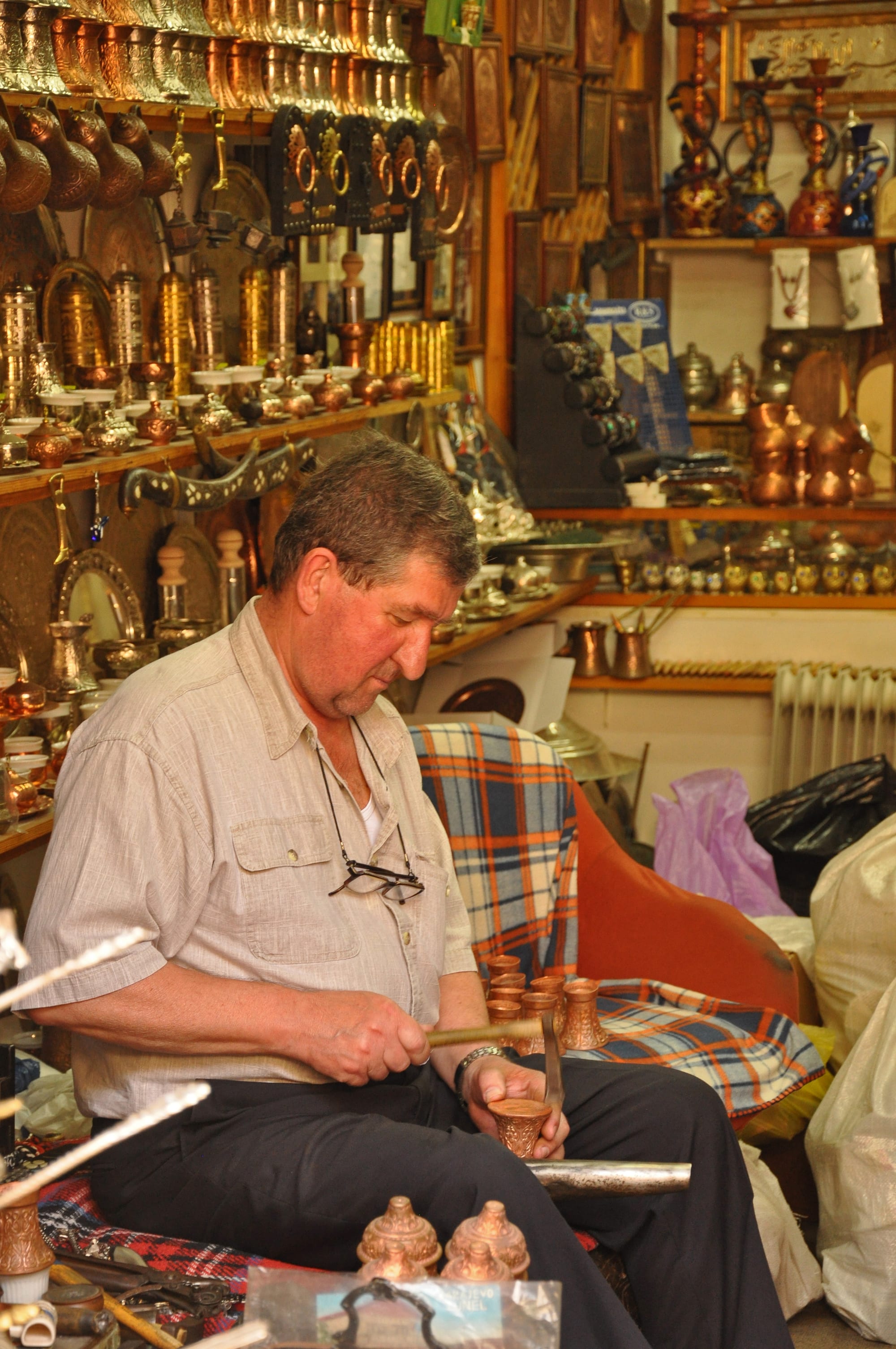
Crafts carry the same quality of shared inheritance. Konjic woodcarving, also on UNESCO's list, produces hand-carved furniture, complete interiors and small decorative objects with instantly recognisable motifs, and is practised in family workshops in and around Konjic. Zmijanje embroidery, another listed tradition, is worked by the women of the villages of Zmijanje, near Banja Luka, in deep blue thread coloured with vegetable dyes, often in groups that sing and talk as they stitch; it decorates wedding garments, scarves and bed linen, and the richness of a woman's designs once signalled her standing in the village. Coppersmiths still hammer and engrave coffee pots, cups and trays by hand, and kilims are woven in regional patterns.
Dos and don'ts for visitors
- Do take shoes off when entering a home, even if the host says there is no need.
- Do accept coffee and food when they are offered, even if only a little is taken.
- Do stand to greet people, and greet the oldest person in the room first.
- Do give flowers in odd numbers; even-numbered bouquets are for funerals.
- Don't give alcohol or pork products to Muslim hosts unless sure they would welcome them.
- Don't point, wag a finger or hold up three fingers as a gesture.
- Don't correct what someone calls their language — Bosnian, Croatian and Serbian are all in use.
- Don't press people about the war or ethnic politics; let them raise these subjects themselves.
What to take away
Bosnian manners are less a rulebook than a way of spending time on other people — and a visitor who accepts the coffee, stays for the conversation and waits for the third cup before leaving will have understood most of what matters.